
 English
 Español
 中文
中文 हिन्दी
 Français
El Caribe
13 países
Selecciona un país
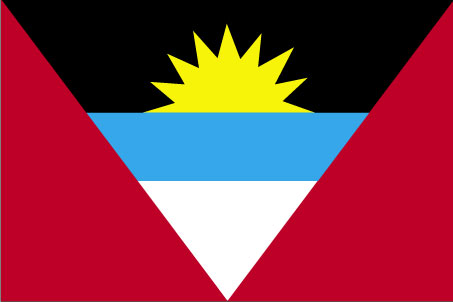
Antigua y Barbuda
Ver informe →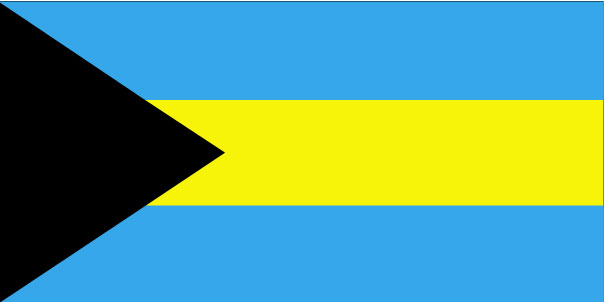
Bahamas
Ver informe →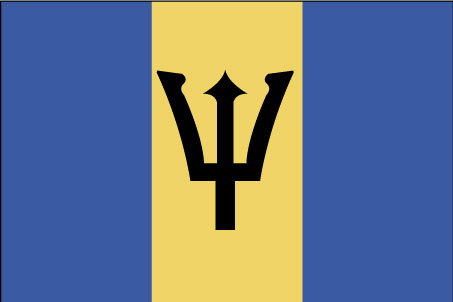
Barbados
Ver informe →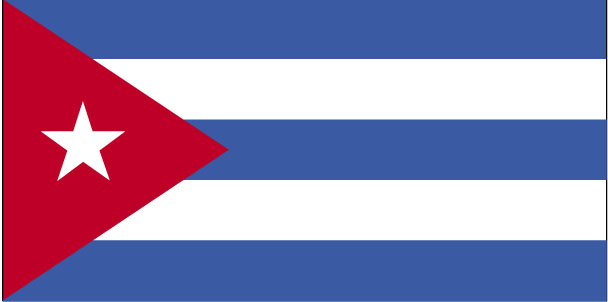
Cuba
Ver informe →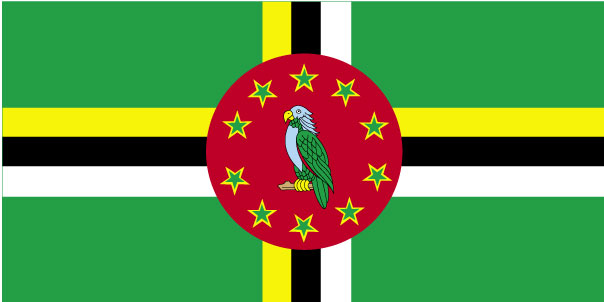
Dominica
Ver informe →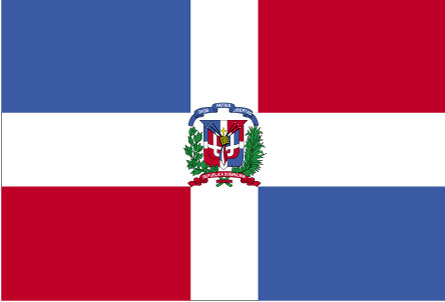
República Dominicana
Ver informe →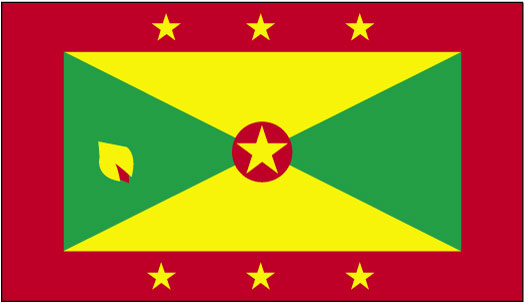
Granada
Ver informe →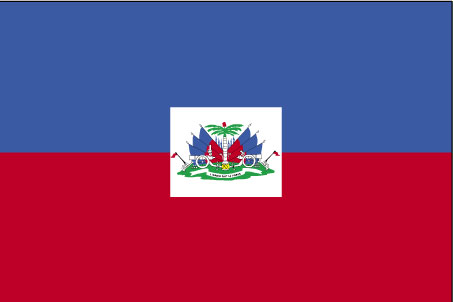
Haití
Ver informe →
Jamaica
Ver informe →
San Cristóbal y Nieves
Ver informe →
Santa Lucía
Ver informe →
San Vicente y las Granadinas
Ver informe →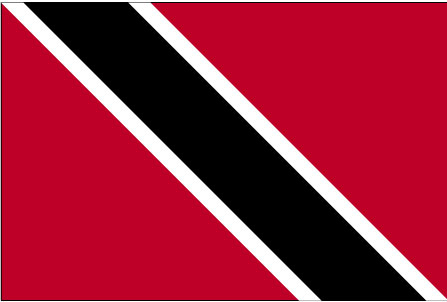
Trinidad y Tobago
Ver informe →Selecciona un territorio
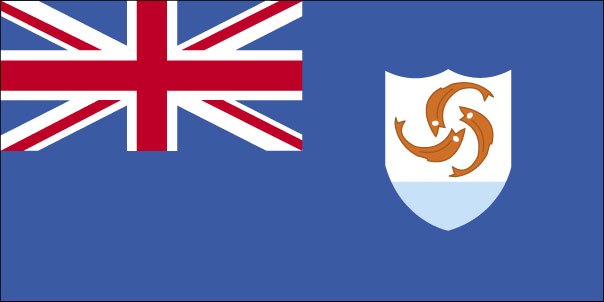
Anguila
Ver informe →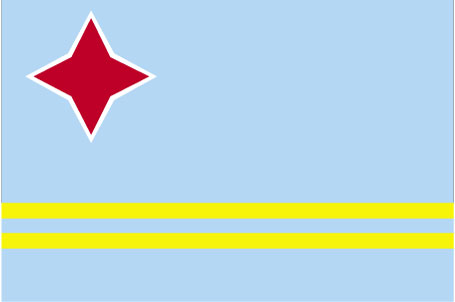
Aruba
Ver informe →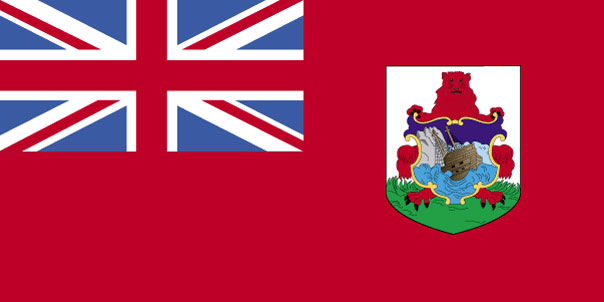
Bermudas
Ver informe →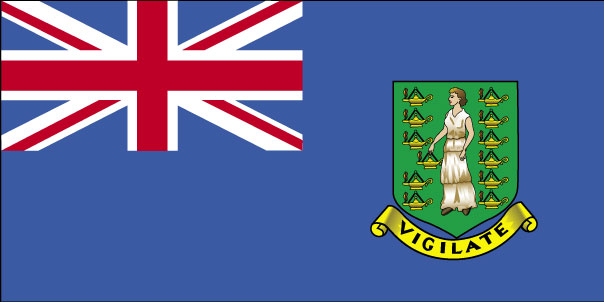
Islas Vírgenes Británicas
Ver informe →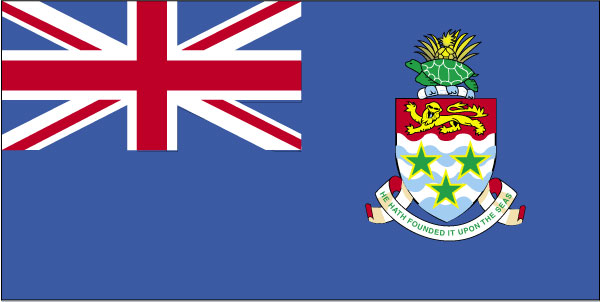
Islas Caimán
Ver informe →
Curazao
Ver informe →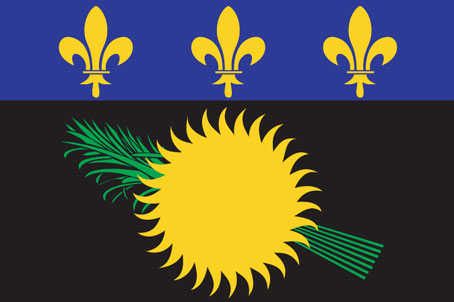
Guadalupe
Ver informe →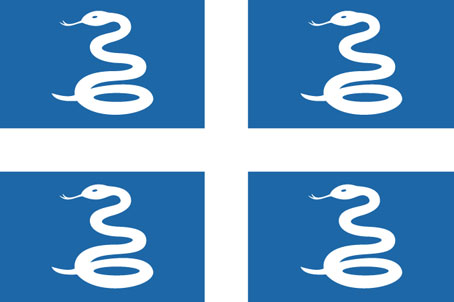
Martinica
Ver informe →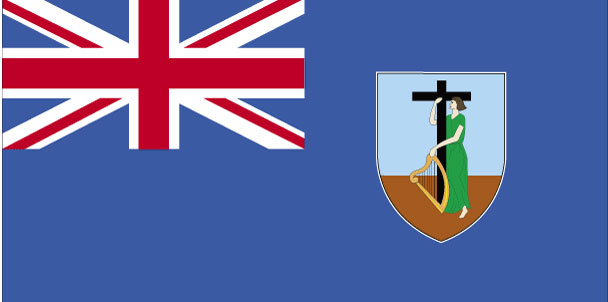
Montserrat
Ver informe →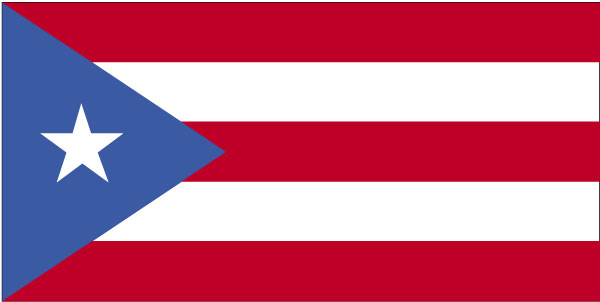
Puerto Rico
Ver informe →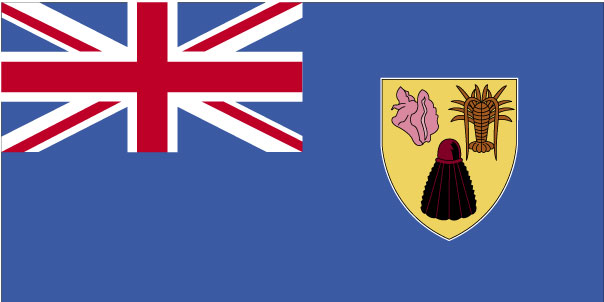
Islas Turcas y Caicos
Ver informe →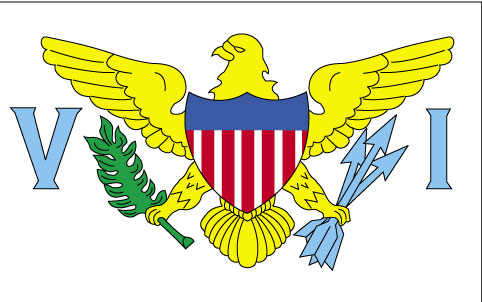
Islas Vírgenes de EE. UU.
Ver informe →Resumen y geografía de El Caribe
The Caribbean region comprises more than 7,000 islands, islets, and cays scattered across the Caribbean Sea, Atlantic Ocean, and Gulf of Mexico between North and South America. This vast archipelago stretches over 2,754 kilometers from Florida in the north to the coast of Venezuela in the south, encompassing diverse island groups including the Greater Antilles, Lesser Antilles, and the Bahamas. The Greater Antilles consist of the largest islands: Cuba, Hispaniola (shared by Haiti and the Dominican Republic), Jamaica, and Puerto Rico. The Lesser Antilles form a crescent-shaped chain of smaller volcanic and coral islands extending from the Virgin Islands southward to Trinidad and Tobago. The Bahamas, positioned northwest of the Greater Antilles, consist of more than 700 islands and cays spread across shallow banks and deep ocean waters.
The Caribbean region occupies a zone of warm tropical waters, with the Caribbean Sea being a subtropical marginal sea bounded by Central America, northern South America, and the island chains. The region experiences a tropical climate characterized by warm temperatures year-round, with average highs ranging from 27 to 32 degrees Celsius. The trade winds blow consistently across the islands from the northeast, moderating temperatures and creating sailing conditions that historically made the region a maritime crossroads. The hurricane season extends from June through November, with September and October representing the peak months for tropical cyclones. These powerful storms have shaped Caribbean architecture, settlement patterns, and agricultural practices throughout history.
The Caribbean's biodiversity is remarkable, containing ecosystems found nowhere else on Earth. Coral reefs ring many islands, supporting vibrant marine life including tropical fish, sea turtles, and rays. Mangrove forests provide nurseries for fish and crustaceans while protecting coastlines from storm surge. The islands support unique bird species found only in the Caribbean, including the Jamaican tody, the Puerto Rican parrot, and numerous hummingbird species. Tropical rainforests on the larger islands harbor fascinating flora and fauna, from tree frogs and iguanas to mongoose and wild boar. The region's biodiversity faces increasing pressure from development, climate change, and rising sea levels, making conservation efforts critical for these island ecosystems.
Historia de El Caribe
Before European contact, the Caribbean islands were home to indigenous peoples who had migrated from South America over thousands of years. The Taíno people, part of the Arawakan language group, inhabited the Greater Antilles and the northern Lesser Antilles, developing sophisticated agricultural societies based on yucca cultivation, fishing, and trade. The Taíno possessed knowledge of astronomy, created artistic works in stone and shell, and organized themselves into chiefdoms led by caciques. They called their home “Ayiti,” meaning land of high mountains. To the south, the Carib people dominated the eastern Lesser Antilles, known for their seafaring skills and warrior culture. The Carib reputation for fierceness and their practice of raiding other islands made them formidable opponents and created legends that would persist through European conquest.
The arrival of Christopher Columbus in 1492 marked the beginning of European colonization and the devastating transformation of Caribbean society. Columbus, sailing under the Spanish flag, reached the Bahamas and made first contact with the Taíno people. He established the first European settlement at La Navidad on the island of Hispaniola, initiating a wave of Spanish conquest that would rapidly expand across the Caribbean. Within decades, Spanish explorers and conquistadors subjugated the larger islands, establishing settlements and extracting gold and other resources. The indigenous population, lacking immunity to European diseases like smallpox and measles, suffered catastrophic mortality rates. Additionally, Spanish colonizers practiced brutal forced labor systems that devastated the Taíno and Carib peoples. By the early 1600s, the indigenous Caribbean population had been nearly extinguished, representing one of history's most tragic genocides.
The disappearance of indigenous labor forces led Caribbean colonizers to seek alternative sources of workers, initiating the transatlantic slave trade that would define Caribbean history for centuries. Beginning in the early 1500s, Portuguese and Spanish traders imported enslaved African workers to the Caribbean islands and mainland colonies. The trade intensified dramatically in the 17th and 18th centuries as European powers competed for control of Caribbean islands and as the profitable sugar plantation system expanded exponentially. Britain, France, the Netherlands, Denmark, and other European nations established colonies and built vast sugar plantations worked by enslaved people from Africa. The middle passage, the horrific ocean journey transporting millions of Africans in chains across the Atlantic, resulted in the deaths of countless captives. Those who survived the voyage endured brutal conditions on Caribbean plantations, working in tropical heat while producing sugar, molasses, and rum for export to Europe and North America.
The plantation economy became the engine of Caribbean colonization and the primary source of European wealth derived from the islands. Sugar cultivation required vast capital investment, access to enslaved labor, and processing facilities to transform cane into exportable products. The scale of the trade became massive: between the 16th and 19th centuries, approximately 4.8 million enslaved Africans arrived in the Caribbean, representing the largest forced migration in history. This massive demographic shift fundamentally transformed Caribbean society, creating societies with predominantly African-descended populations and lasting cultural connections to the African diaspora. The profits flowing from Caribbean sugar plantations enriched European merchants, shipbuilders, and investors while fueling the industrial revolution in Britain and the financial development of European ports like Bristol and Liverpool.
Throughout the slavery era, enslaved people in the Caribbean resisted their oppression through various means including work slowdowns, escape, and armed rebellion. Major slave revolts occurred in Jamaica, Barbados, Saint Domingue (Haiti), and other islands, with some achieving partial victories and creating communities of maroons, or escaped slaves, in mountain and forest regions. The most significant uprising culminated in the Haitian Revolution of 1791-1804, which began as a slave rebellion and evolved into a revolutionary war that established Haiti as the world's first nation founded by formerly enslaved people and led by people of African descent. The Haitian Revolution inspired both enslaved populations throughout the Americas and terrified slaveholding classes in Europe and elsewhere.
The abolition of slavery proceeded unevenly across the Caribbean throughout the 19th century. Britain abolished slavery in 1833, freeing over 600,000 enslaved people across its Caribbean colonies, though those freed were often required to serve apprenticeships continuing their forced labor. Other European nations abolished slavery later: France in 1848, the Dutch in 1863, Spain gradually between 1870 and 1886, and slavery persisted in Cuba and Puerto Rico until the late 19th century. The ending of slavery brought tremendous challenges to newly freed people, who faced discrimination, limited economic opportunity, and attempts to re-subordinate them through systems of indentured labor and sharecropping. However, freedom also opened possibilities for cultural expression, religious practice, and community building that slavery had suppressed.
The colonial period saw the Caribbean islands become valuable strategic possessions fought over by competing European powers. Colonization proceeded through the 17th and 18th centuries as European nations established plantations, forts, and trading posts. The islands changed hands repeatedly through warfare and treaties as Britain, France, Spain, the Netherlands, and Denmark jockeyed for territorial advantage. Eventually, Britain emerged as the dominant colonial power, controlling Jamaica, Barbados, Trinidad and Tobago, the Bahamas, and many smaller islands. France retained Martinique, Guadeloupe, and other islands. Spain maintained control of Cuba and Puerto Rico until 1898, when the Spanish-American War transferred Puerto Rico to the United States and made Cuba nominally independent under American influence.
The 20th century brought independence movements across the Caribbean as colonized peoples sought self-determination and freedom from European rule. Jamaica, Barbados, Trinidad and Tobago, and other British colonies achieved independence in the 1960s and early 1970s through negotiations and peaceful transitions. The French approach differed, integrating Caribbean territories more directly into the French state as overseas departments and regions. The United States maintained Puerto Rico as a territory and acquired the US Virgin Islands from Denmark. Cuba's path was unique: the 1959 Cuban Revolution overthrew the American-backed dictator Fulgencio Batista and established a communist state under Fidel Castro, fundamentally altering Caribbean politics and creating a geopolitical flashpoint during the Cold War. Most Caribbean nations developed as democracies, though some experienced political instability, dictatorships, and military interventions.
The modern Caribbean continues evolving as island nations balance independence with economic interdependence, cultural preservation with globalization, and environmental sustainability with development pressures. Many Caribbean nations remain economically dependent on tourism, agriculture, and limited natural resources, creating challenges for development and economic diversification. The legacy of colonialism, slavery, and imperialism continues shaping Caribbean societies, economies, and international relationships. Climate change poses an existential threat to island nations, as rising sea levels and increasingly intense hurricanes threaten coastal communities, agriculture, and tourism infrastructure. Despite these challenges, Caribbean nations have developed vibrant cultures, democratic institutions, and international voices advocating for climate action and development equity.
Atributos culturales
The Caribbean's cultural richness emerges from the fusion of indigenous, African, European, and Asian influences blended through conquest, slavery, colonialism, and migration. The African diaspora profoundly shaped Caribbean culture, as millions of enslaved Africans brought their languages, religions, musical traditions, kinship patterns, and worldviews that merged with European and indigenous elements. The resulting creole cultures synthesized multiple traditions into distinctive Caribbean identities. Creolization, the process of cultural blending and transformation, created unique linguistic, religious, artistic, and culinary traditions across the Caribbean islands. Rather than simple blending, creolization represented creative resistance and cultural assertion by colonized and enslaved peoples who selectively retained, transformed, and combined elements into new Caribbean expressions of identity and belonging.
Music represents one of the Caribbean's most influential cultural achievements and global exports. Reggae emerged in Jamaica in the 1960s, synthesizing ska, rocksteady, and American rhythm and blues into a distinctive sound carrying messages of social consciousness, spiritual awakening, and Rastafarian philosophy. Bob Marley became reggae's global ambassador, spreading reggae's message of liberation and cultural pride worldwide. Calypso originated in Trinidad and Tobago, developing as an improvised musical form combining African rhythmic traditions with European harmonic structures. Calypso performers, called calypsonians, became social commentators and entertainers who sang about current events, social issues, and romantic relationships in witty, humorous ways. Soca evolved from calypso in Trinidad, incorporating funk and disco influences to create an energetic dance music dominating Carnival celebrations. Merengue and bachata emerged from the Dominican Republic as dance music styles that achieved pan-Caribbean and international popularity. Salsa, rooted in Cuban son and mambo but developed extensively in Puerto Rico and New York, became a global dance phenomenon. Beyond these major genres, the Caribbean produces punta, zouk, dancehall, reggaeton, and numerous other musical styles reflecting the region's cultural dynamism and creative vitality.
Caribbean cuisine reflects the region's agricultural heritage, indigenous traditions, and cultural fusion. Staple ingredients include tropical fruits like mangoes, papayas, and plantains; root vegetables like yams and cassava; seafood including fish, conch, and lobster; and spices brought through the spice trade and developed in Caribbean gardens. Dishes vary by island and cultural group but share common elements: jerk cooking, originating in Jamaica, involves seasoning and slowly grilling meat over wood fires; rice and beans appear in countless variations; tropical fruits transform into preserves, drinks, and desserts; stews and soups represent comfort foods and cultural identity. Street foods like roti, doubles, empanadas, and patties reflect the Caribbean's multicultural influences and accessibility to quick, flavorful meals. Rum, distilled from sugarcane, became synonymous with Caribbean culture and a major export, developing distinctive styles and becoming central to Caribbean hospitality and celebration.
Carnival represents the Caribbean's most exuberant cultural celebration, an explosion of music, dance, costume, and community expression emerging from Caribbean history and maintained as a central cultural institution. Carnival traditions vary by island but generally involve parades featuring elaborate costumed dancers, steel pan orchestras, soca music, and massive street celebrations. In Trinidad and Tobago, Carnival features the elaborate production of competing bands with thousands of participants in increasingly elaborate costumes. In other islands, Carnival may emphasize calypso competitions, beauty pageants, or specific cultural traditions. Carnival emerged historically from African celebration traditions, European masquerade traditions, and Caribbean creative synthesis. For enslaved people, Carnival represented rare occasions for freedom of expression and celebration; after emancipation, it became a major festival affirming African heritage and community identity. Modern Carnival attracts visitors worldwide and represents a crucial moment for cultural assertion and economic activity in Caribbean tourism.
Religion in the Caribbean reflects the region's complex history with Christianity arriving through European colonization and Catholicism dominating in Spanish and French islands while Protestantism predominates in English colonies. Beyond these imposed religions, Caribbean peoples developed distinctive spiritual traditions blending African spiritual practices with Christian theology, creating religions like Vodou in Haiti, Santería in Cuba, Obeah in Jamaica, and Spiritual Baptist traditions in Trinidad and Grenada. These traditions maintained African ancestral veneration, ritual practices, and spiritual cosmologies within Christian frameworks, enabling cultural survival during slavery and colonialism. Rastafarianism emerged in Jamaica in the 1930s, developing as a spiritual movement centered on the divinity of Ethiopian Emperor Haile Selassie I, African pride, and social justice, becoming influential throughout the Caribbean and the African diaspora. Contemporary Caribbean religion remains diverse, with Pentecostalism growing significantly, Hinduism and Islam present in Trinidad and other multicultural islands, and syncretic traditions continuing alongside mainstream Christianity.
Cricket represents the Caribbean's most important sport and a cultural institution transcending mere athletic competition. The sport arrived through British colonization and developed as a beloved pastime that became a source of Caribbean pride and identity. The West Indies Cricket Team, representing the unified Caribbean, became one of cricket's dominant forces throughout the 20th century, producing legendary players like Sir Vivian Richards, Brian Lara, and others whose excellence transcended cricket and represented Caribbean achievement globally. Cricket matches, especially tests and international competitions, command enormous attention and emotional investment. The sport provided upward mobility for talented players, created national heroes, and forged Caribbean unity across colonial boundaries. Beyond cricket, football (soccer) attracts growing devotion, while athletics, particularly track and field, has produced world-class Caribbean competitors.
Idiomas de El Caribe
The Caribbean's linguistic landscape reflects its colonial history and cultural diversity, with multiple languages coexisting and evolving throughout the islands. English dominates in formerly British colonies including Jamaica, Barbados, Trinidad and Tobago, Antigua and Barbuda, Dominica, Grenada, Saint Kitts and Nevis, Saint Lucia, and Saint Vincent and the Grenadines. French and French-derived languages dominate in Martinique, Guadeloupe, and Haiti, though the specific linguistic situation varies: Martinique and Guadeloupe are officially French-speaking with French as the dominant language, while Haiti's official language is French but Haitian Creole is the primary spoken language for nearly all Haitians. Spanish remains primary in Cuba, the Dominican Republic, and Puerto Rico, with these islands maintaining Spanish as official and predominantly spoken language. Dutch appears in Aruba, Curaçao, and Sint Maarten due to historical Dutch colonization, though English increasingly serves as a lingua franca.
Beyond official colonial languages, the Caribbean developed creole languages synthesizing African, European, and indigenous linguistic elements into distinct speech varieties. These creole languages differ from standard English, French, Spanish, and Dutch in pronunciation, grammar, vocabulary, and usage patterns, reflecting creative linguistic adaptation and cultural assertion by colonized and enslaved populations. English-based creoles appear throughout the Anglophone Caribbean, with variations including Jamaican Creole, Trinidadian Creole, and others. Haitian Creole, despite French colonial history, evolved as the primary language for Haiti's population and represents a distinct linguistic development. Various French-based creoles exist in the French Antilles. The relationship between creole languages and standard colonial languages has historically involved tension and prejudice, with creoles often dismissed as inferior or improper by colonial authorities and educated elites. Contemporary linguistic scholarship recognizes creoles as complete, complex languages with their own grammatical systems rather than corrupted versions of European languages. Increasingly, Caribbean communities assert creole languages as important markers of cultural identity and heritage, with some educational initiatives incorporating creole alongside colonial languages.
Atracciones turísticas famosas
The Caribbean attracts millions of visitors annually seeking beaches, cultural experiences, natural wonders, and island hospitality. The region offers distinctive attractions ranging from coral reefs and tropical rainforests to colonial cities and revolutionary history. Coral reef ecosystems draw snorkelers and divers to locations like the Belize Barrier Reef, the underwater sculptures of Jason deCaires Taylor in Grenada, and countless reef systems throughout the islands. Beach tourism anchors the Caribbean economy, with renowned beaches including Seven Mile Beach in the Cayman Islands, Trunk Bay in the US Virgin Islands, and countless white-sand beaches throughout the islands. Historical sites preserve Caribbean heritage, including forts like the Fortress of San Felipe del Morro in Puerto Rico, plantation ruins throughout the islands, and museums documenting slavery and colonial history. Natural wonders include the volcanic landscapes of islands like Dominica and Saint Lucia, the Gros Piton and Petit Piton mountains in Saint Lucia, tropical rainforests with hiking trails, and waterfalls cascading through lush vegetation. Cultural attractions include the reggae heritage sites of Jamaica, the colorful architecture of colonial towns, and vibrant markets selling local crafts and produce. National parks protect biodiversity while offering visitor access, including the Blue Mountains of Jamaica and protected areas throughout the Caribbean islands.
Preguntas frecuentes sobre El Caribe
Respuestas a preguntas comunes sobre países, cultura, viajes e historia.