AP European History Figures
Identify the historical figure behind each famous quote or moment — Louis XIV’s "L’état, c’est moi," Luther’s 95 Theses, Machiavelli’s Prince, Bismarck unifying Germany, and seven more.
Des manches de géographie tirées de la bibliothèque CountryReports. Chaque pack se joue de trois façons — choisissez un thème, puis votre mode de jeu.
15 secondes par question. Répondez vite pour des points bonus. Lancez le chrono et battez votre record.
Répondez à votre rythme. Naviguez librement, soumettez quand vous êtes prêt. Idéal pour la révision et l'étude.
Une mauvaise réponse et c'est terminé. Combien de temps tiendrez-vous ? Solo à haute intensité.
Identify the historical figure behind each famous quote or moment — Louis XIV’s "L’état, c’est moi," Luther’s 95 Theses, Machiavelli’s Prince, Bismarck unifying Germany, and seven more.
Ten high-frequency terms from the College Board AP HG framework — demographic transition, gentrification, centripetal forces, Balkanization, devolution, choropleth, cartogram, and more. Distractors are always other AP terms.
Place ten events from the AP US History framework — Louisiana Purchase, Civil War, Pearl Harbor, Cuban Missile Crisis, Watergate, moon landing, 9/11 — in their correct decade.
Identify the country from its international calling code (like +44) or its internet domain (like .br). A travel- and tech-themed round drawn from ITU and ISO 3166 lists.
Identify ten countries from their highlighted shape on the globe — Italy’s boot, Australia’s continent, India’s peninsula, Egypt’s rectangle with the Sinai. Distractors are continental neighbors with similar profiles.
Beginner-friendly round for younger grades. Place countries on the right continent — every question includes a flag image to help visual learners.
The Equator passes through 13 countries. Can you spot them? Tour the line from São Tomé and Príncipe in the Gulf of Guinea to Indonesia and Ecuador (the only country named for the line itself).
Match each country to its currency. Higher-difficulty round for older grades — distractors are similarly named currencies (Rial vs Riyal, peso varieties) that catch most players on the timer.
Left or right? About 65% of the world drives on the right, but 65 countries — mostly former British colonies, plus Japan, Thailand, and Indonesia — drive on the left. Pure true/false with educational sidebars on Sweden’s overnight switch in 1967.
Identify ten of the world’s most iconic places from a photo — Taj Mahal, Eiffel Tower, Machu Picchu, Petra, and more. Every explanation gives a short cultural or historical hook so the round doubles as a quick world tour.
Match each historical or modern leader to the country they led — Atatürk, Mandela, Gandhi, Mao, Bismarck, Toussaint Louverture, Wałęsa, Thatcher, Meir, Nkrumah. Every era and continent represented.
Three of these belong together — one doesn’t. Spot which is NOT in the EU, NOT a UN Security Council permanent member, NOT a former Soviet republic, NOT a Spanish-speaking country, and more.
Northern or Southern? Eastern or Western? Pure true/false — but several questions hide a wrinkle (most of Africa is north, Russia spans both east and west). Excellent fit for the survival mode where every answer is a 50/50 commit.
When did each country become independent? From the United States in 1776 and Haiti in 1804, through the 1960 Year of Africa, to Bangladesh in 1971 and Ukraine in 1991. Distractors are real era-adjacent dates so wrong answers teach.
True or false — does this country touch the sea? Every explanation tells the story behind the answer: Bolivia lost its coast in 1879, Ethiopia lost its coast in 1993, Lesotho is one of only three countries fully enclosed by a single neighbor.
In every question the country’s capital is one of the four choices — but the right answer is a different, bigger city. Catches anyone who assumes the capital is always the biggest. Sydney beats Canberra, NYC beats DC, Istanbul beats Ankara.
Which country has the most land? Ten regional and thematic comparisons — largest in South America, largest landlocked country, largest island nation, and more. Distractors are always genuine #2 or #3 contenders.
From the bald eagle to the giant panda, from the Komodo dragon to Scotland’s heraldic unicorn — match each national animal to its country.
Match each iconic dish to its country of origin — Pad Thai, paella, pierogi, feijoada, bibimbap, ceviche, and more. Every explanation tells the story of how the dish came to define its culture.
Match each official national sport to its country — sumo, lacrosse, pesäpallo, taekwondo, charrería, buzkashi, bandy, and more. Mix of globally famous and gloriously niche.
Many countries have more than one official language. Pick one of each country’s — distractors are all real languages but not official in the country in question. Tour world linguistic geography: Switzerland’s four, South Africa’s twelve, Paraguay’s Guarani, Ireland’s Irish-first policy.
Delaware was first in 1787. Hawaii was 50th in 1959. Test what you know about the in-between — original 13, first added after independence, only state created during the Civil War, last admitted before Fort Sumter.
Burma became Myanmar. Ceylon became Sri Lanka. Persia became Iran. Match each former name to the modern country and learn the year (and the reason) behind each rename.
The flip side of US State Capitals — same ten cities, opposite direction. The capital is shown; the player names the state. Pairs perfectly with US State Capitals for a back-to-back round.
Match official US state symbols. Many symbols are shared by multiple states (the Northern Cardinal is the state bird of seven), and every explanation calls out the overlaps so wrong answers are learning moments.
Match the nickname to the US state — the Beehive State, the Buckeye State, the Aloha State, and more. Every explanation tells the origin story behind the name.
Four statements about a country — three are true, one is a lie. Spot it. Educational reveals call out each true fact, so even a wrong guess teaches you three new things.
Russia, Turkey, Egypt, Kazakhstan, Azerbaijan — only a handful of countries span two continents. Find them, and learn which two continents each one bridges.
Match each US state to its capital city. Most of the answers are the smaller political capital, not the famous biggest city — that’s where most learners stumble.
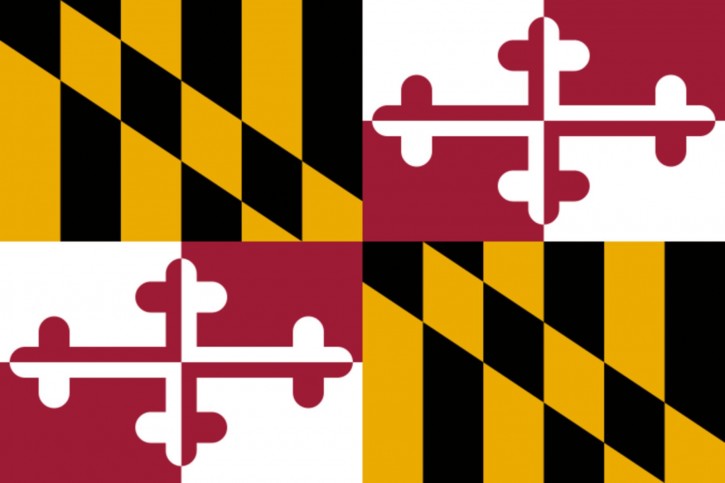
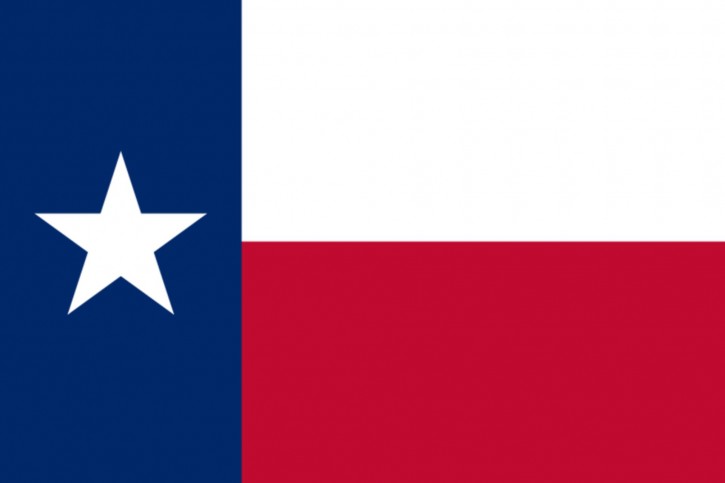
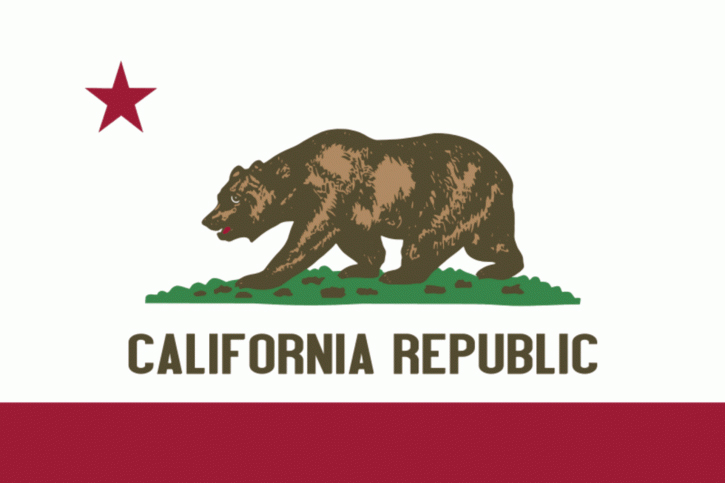
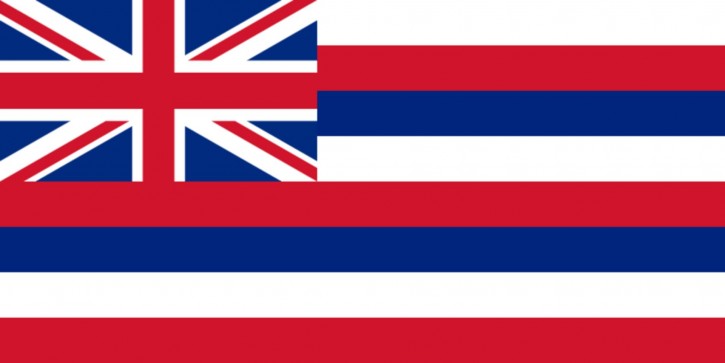
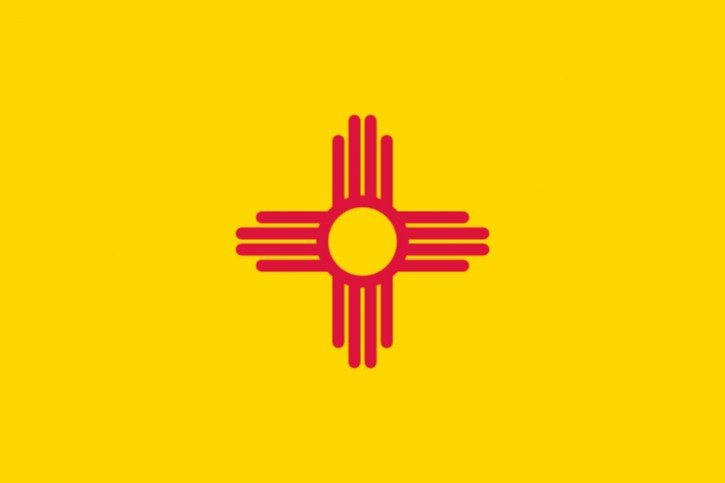
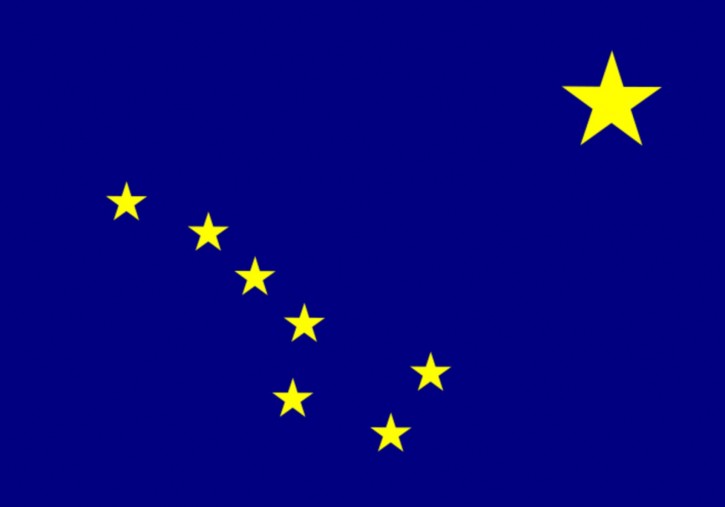
Identify ten of the most distinctive US state flags — Maryland’s heraldic quartering, Hawaii’s Union Jack canton, Ohio’s burgee shape, and more. Every explanation tells the story behind the design.
Identify ten US states from their highlighted shape — Texas, Florida, Michigan’s mitten, Louisiana’s boot, Oklahoma’s pan, Tennessee’s long narrow parallelogram. Classroom geography staple.
Famous historical events from the 13th to the 20th century, drawn from the country history library. Distractors are real era-adjacent dates, so wrong answers carry their own piece of history.
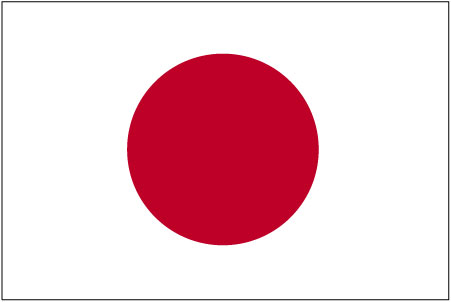
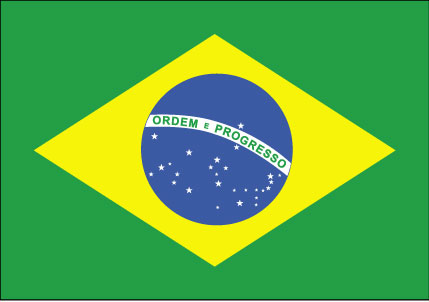
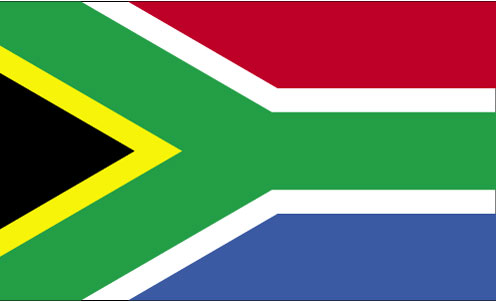
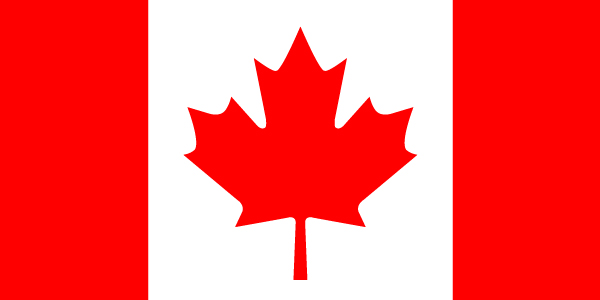
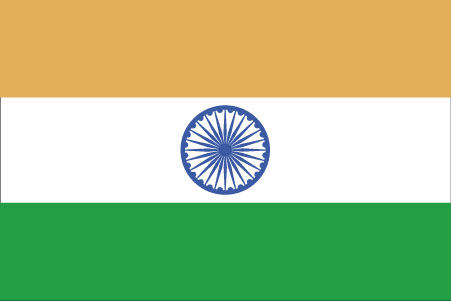
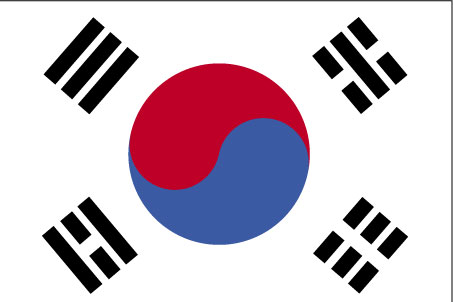
Identify ten national flags from across every inhabited continent. Distractors are chosen for visual similarity so every question is a learning moment.
Capitals, continents, mountain ranges, and major rivers. A mixed-format round covering all six inhabited continents.
Where did each major world religion begin? From Sikhism in Punjab and Shintō in Japan to the Baháʼí Faith in 19th-century Persia and the Latter-day Saint movement in 1830s New York.
Tous les packs sont issus de la bibliothèque de contenus CountryReports.