
 English
 Español
 中文
中文 हिन्दी
 Français
Afrique
54 pays
Sélectionner un pays
Algérie
Voir le rapport →
Angola
Voir le rapport →
Bénin
Voir le rapport →
Botswana
Voir le rapport →
Burkina Faso
Voir le rapport →
Burundi
Voir le rapport →
Cap-Vert
Voir le rapport →
Cameroun
Voir le rapport →
République centrafricaine
Voir le rapport →
Tchad
Voir le rapport →
Comores
Voir le rapport →
Congo-Kinshasa
Voir le rapport →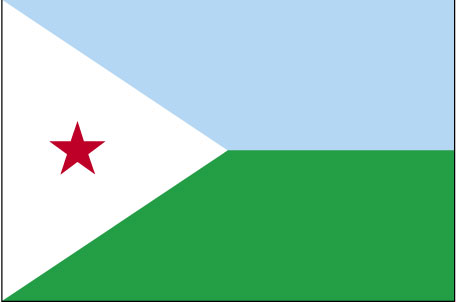
Djibouti
Voir le rapport →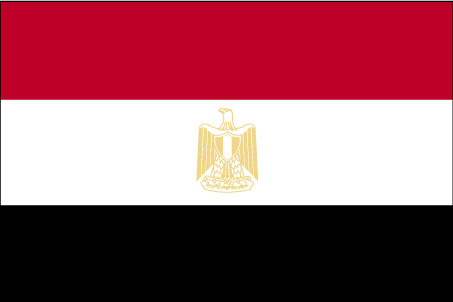
Égypte
Voir le rapport →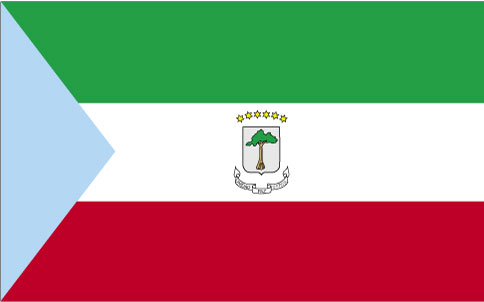
Guinée équatoriale
Voir le rapport →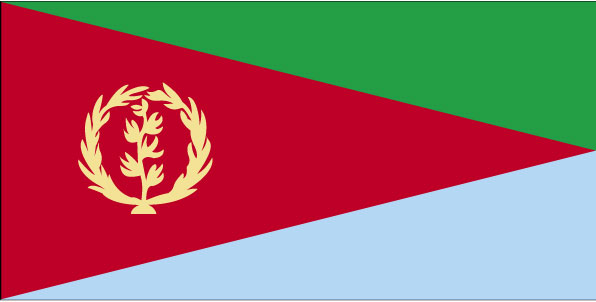
Érythrée
Voir le rapport →
Eswatini
Voir le rapport →
Éthiopie
Voir le rapport →
Gabon
Voir le rapport →
Gambie
Voir le rapport →
Ghana
Voir le rapport →
Guinée
Voir le rapport →
Guinée-Bissau
Voir le rapport →
Côte d’Ivoire
Voir le rapport →
Kenya
Voir le rapport →
Lesotho
Voir le rapport →
Liberia
Voir le rapport →
Libye
Voir le rapport →
Madagascar
Voir le rapport →
Malawi
Voir le rapport →
Mali
Voir le rapport →
Mauritanie
Voir le rapport →
Maurice
Voir le rapport →
Maroc
Voir le rapport →
Mozambique
Voir le rapport →
Namibie
Voir le rapport →
Niger
Voir le rapport →
Nigeria
Voir le rapport →
Congo-Brazzaville
Voir le rapport →
Rwanda
Voir le rapport →
Sao Tomé-et-Principe
Voir le rapport →
Sénégal
Voir le rapport →
Seychelles
Voir le rapport →
Sierra Leone
Voir le rapport →
Somalie
Voir le rapport →
Afrique du Sud
Voir le rapport →
Soudan du Sud
Voir le rapport →
Soudan
Voir le rapport →
Tanzanie
Voir le rapport →
Togo
Voir le rapport →
Tunisie
Voir le rapport →
Ouganda
Voir le rapport →
Zambie
Voir le rapport →
Zimbabwe
Voir le rapport →Sélectionnez un territoire
Aperçu et géographie de Afrique
Africa is the world's second-largest continent by both area and population, covering approximately 11.7 million square miles across five main geographic regions. The continent is surrounded by the Atlantic Ocean to the west, the Indian Ocean to the east, the Mediterranean Sea to the north, and the Red Sea to the northeast. Africa is home to 54 recognized sovereign nations and over 1.3 billion people, making it a center of global cultural and economic significance.
The continent's geography is remarkably diverse, featuring dramatic mountain ranges, vast deserts, dense tropical rainforests, and extensive savannas. The primary geographic features include the Sahara Desert, the world's largest hot desert, spanning over 3.5 million square miles across North Africa. The Congo Basin in Central Africa contains the world's second-largest tropical rainforest, serving as a crucial ecosystem for global biodiversity. The Great Rift Valley, stretching from Syria through East Africa into Mozambique, is one of Earth's most significant geological features, characterized by dramatic escarpments and deep valleys.
The Nile River is Africa's longest river and the world's second-longest, flowing north through eleven countries before emptying into the Mediterranean Sea. Other major rivers include the Niger River in West Africa, the Congo River in Central Africa, the Zambezi River in Southern Africa, and the Orange River. Africa's significant lakes include Lake Victoria, the world's second-largest freshwater lake by surface area, Lake Tanganyika, the world's second-deepest lake, and Lake Malawi. The continent's coastlines feature diverse ecosystems including mangrove forests, coral reefs, and sandy beaches that span over 16,000 miles.
Histoire de Afrique
Africa's history spans millions of years and represents the birthplace of human civilization. Ancient Egypt, one of the world's greatest civilizations, emerged around 3100 BCE along the Nile River. Egyptian dynasties built monumental structures including the pyramids of Giza, developed advanced irrigation systems, created a hieroglyphic writing system, and established a sophisticated government that endured for over three thousand years. Ancient Nubia, located in present-day Sudan, was a powerful kingdom that frequently rivaled Egypt. Nubian rulers eventually conquered and ruled Egypt during the 25th Dynasty, and Nubian civilization made significant contributions to African culture and trade.
Carthage, founded by Phoenicians in present-day Tunisia around the 9th century BCE, became a major Mediterranean power with extensive trade networks. The Carthaginian Empire dominated Mediterranean commerce before its eventual conflict with Rome, leading to the Punic Wars and Carthage's destruction in 146 BCE. However, Carthage remained influential in shaping North African culture and economics.
Sub-Saharan Africa developed powerful ancient kingdoms without written historical records initially, though archaeological evidence reveals sophisticated societies. The Mali Empire, which flourished from the 13th to 16th centuries, was a West African superpower known for its immense wealth derived from gold trade, the great Islamic learning center of Timbuktu, and the legendary King Mansa Musa. The Songhai Empire succeeded Mali as the dominant West African power, expanding territorial control and establishing trade networks across the Sahara Desert. The Kingdom of Zimbabwe, located in Southern Africa, was a significant civilization from the 11th to 15th centuries, known for its stone architectural structures and control of gold trade routes. The Great Lakes kingdoms of East Africa, including Buganda, Rwanda, and Burundi, developed complex political systems and agricultural societies.
The transatlantic slave trade, beginning in the 16th century and lasting until the 19th century, devastated African populations and disrupted societies. European traders and African merchants exchanged millions of enslaved Africans for goods, profoundly impacting demographics, politics, and economics across the continent. The trade caused enormous human suffering and played a crucial role in European and American economic development while simultaneously weakening African states.
European colonization of Africa accelerated dramatically in the late 19th century during the period known as the "Scramble for Africa." European powers including Britain, France, Germany, Belgium, Portugal, and Italy divided the continent among themselves, often ignoring existing political boundaries and ethnic groups. Colonial rule lasted until the mid-20th century, introducing European languages, legal systems, and economic structures while simultaneously extracting resources and suppressing local cultures and autonomy.
African independence movements gained momentum following World War II. Ghana became the first sub-Saharan African nation to achieve independence in 1957, inspiring liberation movements across the continent. By 1980, all African nations had achieved political independence, though many faced significant challenges including economic difficulties, political instability, and conflicts. The modern era has seen African nations working toward development, democratization, and regional cooperation through organizations such as the African Union.
Attributs culturels
African culture is remarkably diverse, reflecting the continent's numerous ethnic groups, religions, languages, and historical experiences. Music is central to African culture, encompassing traditional drumming practices, griots' storytelling traditions, and modern genres including Afrobeat, reggae, hip-hop, and Amapiano. Traditional instruments such as the djembe, kora, talking drum, and balafon have influenced music worldwide. African art traditions include detailed masks, sculptures, textiles, and beadwork that express spiritual beliefs and cultural identities. Contemporary African artists continue these traditions while exploring modern themes and mediums.
Religion in Africa reflects both traditional indigenous beliefs and major world religions. Many African communities practice traditional African religions centered on ancestral veneration, spirits, and connections to the natural world. Islam is the predominant religion in North Africa and much of West Africa. Christianity, introduced through missionary activity and colonization, is widespread throughout sub-Saharan Africa. Many Africans practice syncretic religions that blend traditional beliefs with Islam or Christianity. Judaism has a long history in North Africa and Ethiopia.
African cuisine reflects local ingredients, agricultural practices, and cultural traditions. West African cuisine features peanuts, rice, cassava, and peppers in dishes like jollof rice and gumbo. East African food emphasizes grains, legumes, and meat, with dishes such as ugali and nyama choma. Southern African cuisine incorporates corn, root vegetables, and meat. North African food is influenced by Mediterranean and Arab traditions, featuring couscous, tagines, and flatbreads. Food preparation and shared meals are central to African social and family life.
Langues de Afrique
Africa is linguistically extraordinarily diverse, with over two thousand languages spoken across the continent. The major language families are Niger-Congo, spoken in West, Central, and Southern Africa, which includes languages such as Yoruba, Igbo, Swahili, and Zulu. The Afroasiatic language family dominates North Africa and parts of East Africa, including Arabic, Amharic, and Tigrinya. The Nilo-Saharan language family is spoken in the Sahel region and includes languages such as Dinka and Maasai. The Khoisan language family, with distinctive click consonants, is spoken by small populations in Southern Africa.
Colonial languages remain significant in African nations due to their role in education, government, and commerce. English is the official language in many African countries including Nigeria, Kenya, Uganda, South Africa, and Ghana. French is widely spoken in former French colonies across West and Central Africa including Senegal, Ivory Coast, and the Democratic Republic of the Congo. Portuguese is spoken in Angola, Mozambique, and Cape Verde. Swahili has become an important lingua franca in East Africa, spoken in Kenya, Tanzania, Uganda, and other nations. Arabic is the dominant language across North Africa and parts of the Sahel.
Attractions touristiques célèbres
Africa contains some of the world's most remarkable natural and historical sites. Victoria Falls, located on the Zambezi River between Zimbabwe and Zambia, is one of the world's largest and most spectacular waterfalls. Mount Kilimanjaro in Tanzania is Africa's highest mountain and a popular destination for trekking. Serengeti National Park in Tanzania hosts one of the world's greatest wildlife migrations. The Egyptian pyramids and Great Sphinx near Cairo are monumental achievements of ancient engineering. Masai Mara National Reserve in Kenya offers exceptional opportunities for observing African wildlife. Table Mountain in South Africa overlooks Cape Town and provides spectacular views. The colourful medinas and mosques of Marrakech and Fez in Morocco attract millions of visitors. Zanzibar's beaches, historic Stone Town, and spice plantations offer coastal attractions. The Maasai culture and traditional communities in Kenya and Tanzania offer cultural tourism experiences.
Questions fréquemment posées sur Afrique
Réponses aux questions courantes sur les pays, la culture, les voyages et l’histoire.