
 English
 Español
 中文
中文 हिन्दी
 Français
Europe
44 Countries
Select a Country
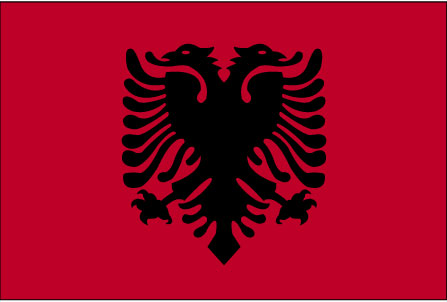
Albania
View Report →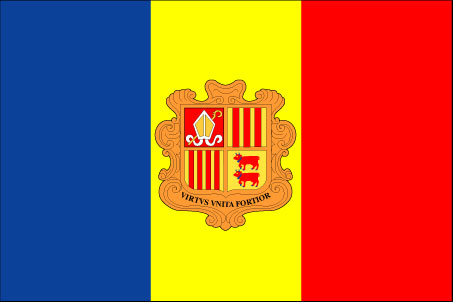
Andorra
View Report →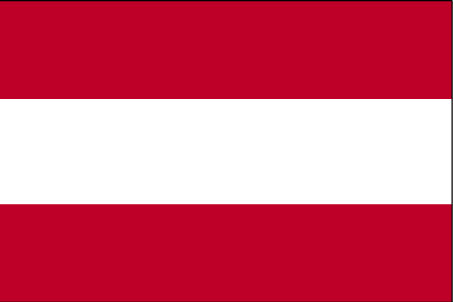
Austria
View Report →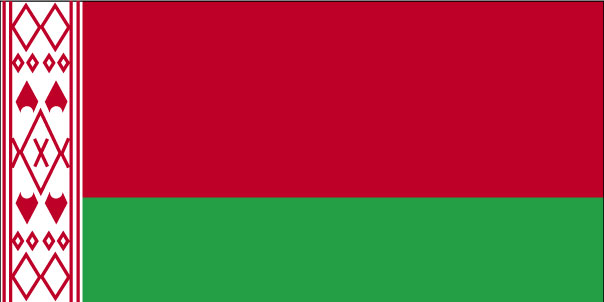
Belarus
View Report →
Belgium
View Report →
Bosnia and Herzegovina
View Report →
Bulgaria
View Report →
Croatia
View Report →
Cyprus
View Report →
Czech Republic
View Report →
Denmark
View Report →
Estonia
View Report →
Finland
View Report →
France
View Report →
Germany
View Report →
Greece
View Report →
Hungary
View Report →
Iceland
View Report →
Ireland
View Report →
Italy
View Report →
Kosovo
View Report →
Latvia
View Report →
Liechtenstein
View Report →
Lithuania
View Report →
Luxembourg
View Report →
Malta
View Report →
Moldova
View Report →
Monaco
View Report →
Montenegro
View Report →
Netherlands
View Report →
North Macedonia
View Report →
Norway
View Report →
Poland
View Report →
Portugal
View Report →
Romania
View Report →
Russia
View Report →
San Marino
View Report →
Serbia
View Report →
Slovakia
View Report →
Slovenia
View Report →
Spain
View Report →
Sweden
View Report →
Switzerland
View Report →
Ukraine
View Report →
United Kingdom
View Report →
Holy See (Vatican City)
View Report →Select a Territory

Overview and Geography of Europe
Europe is the world's second-smallest continent by area, covering approximately 10.18 million square kilometers and home to over 700 million people. It is a continent of remarkable geographic and cultural diversity, characterized by its intricate coastlines, mountain ranges, river systems, and temperate climates. Europe extends from the Arctic regions of Iceland and Scandinavia in the north to the Mediterranean coasts of Greece, Spain, and Italy in the south, and from the Atlantic coast of Portugal and Ireland in the west to the Ural Mountains and Black Sea in the east.
The major geographic features of Europe include several major mountain ranges. The Alps dominate central Europe, stretching from eastern France through Switzerland, Italy, Austria, and Slovenia. The Carpathians form a major arc through Romania and Slovakia, while the Pyrenees separate Spain from France. The Scandinavian Mountains run through Norway and Sweden, and the Caucasus Mountains form the southeastern boundary between Europe and Asia. These mountain ranges have historically shaped European settlement patterns, trade routes, and cultural boundaries.
Europe's river systems have been vital to its development and trade. The Danube is Europe's second-longest river, flowing through ten countries from Germany to Romania before emptying into the Black Sea. The Rhine flows through Switzerland, France, Germany, and the Netherlands, serving as a crucial commercial waterway. The Volga in Russia is the longest river in Europe, while the Thames in England, the Seine in France, the Vistula in Poland, and the Vltava in the Czech Republic have all played significant roles in their respective nations' histories and economies.
The continent is surrounded by numerous seas and oceans that have profoundly influenced European civilization. The Atlantic Ocean borders western Europe, while the North Sea separates Great Britain and Scandinavia from continental Europe. The Baltic Sea is enclosed by Nordic and Eastern European nations. The Mediterranean Sea lies to the south, bordered by Spain, France, Italy, Greece, and the Balkan nations, serving as one of history's most important waterways for trade and cultural exchange.
History of Europe
Ancient Greece and Rome laid the philosophical, political, and cultural foundations of European civilization. Ancient Greece, flourishing from the 8th century BCE, introduced democracy in Athens, developed profound philosophical traditions through figures like Socrates, Plato, and Aristotle, and created remarkable achievements in art, architecture, and literature. The Roman Republic, beginning around 509 BCE, gradually expanded to create one of history's largest empires, reaching from Britain to North Africa to the Middle East. Rome contributed lasting legacies including Latin, Roman law, architectural innovations like the arch and aqueduct, and a vast network of roads and cities that connected Europe.
The medieval period, following Rome's fall in 476 CE, saw Europe fragment into feudal kingdoms and the rise of the Christian Church as a unifying force. The Renaissance, beginning in Italy in the 14th century, marked a rebirth of interest in classical Greek and Roman learning, art, and humanism. The Reformation of the 16th century fragmented religious unity and reshaped European politics. The Age of Exploration saw European powers venture globally, establishing trade networks and colonies. The Enlightenment of the 17th and 18th centuries emphasized reason, science, individual rights, and secular governance.
The Industrial Revolution, beginning in Britain in the late 18th century, transformed Europe from agrarian to industrial societies. World War I (1914-1918) and World War II (1939-1945) devastated Europe, reshaping political boundaries and creating nuclear weapons. The Cold War (1947-1991) divided Europe between the capitalist West and the communist East. The fall of the Berlin Wall in 1989 symbolized communism's collapse across Eastern Europe. The European Union, beginning as the European Coal and Steel Community in 1951, gradually expanded to create a union of 27 member states by 2024, representing unprecedented voluntary political and economic union.
The modern era has seen Europe grapple with terrorism, climate change, migration, and economic challenges. The Brexit referendum of 2016 saw Britain vote to leave the EU. Russia's 2022 invasion of Ukraine marked Europe's most significant military conflict since WWII, reviving Cold War anxieties about Russian aggression and NATO's role in regional security.
Cultural Attributes
Art and architecture represent cornerstones of European cultural identity. European art evolved from Greek and Roman classical traditions through medieval religious art to Renaissance masterpieces and modern movements. The Renaissance produced iconic works like Michelangelo's David and the ceiling of the Sistine Chapel. Baroque, Rococo, Neoclassicism, Romanticism, Impressionism, and modern art movements all originated or flourished in Europe. European architecture ranges from ancient Greek temples and Roman amphitheaters to medieval cathedrals like Notre-Dame, Renaissance palaces, and modern designs.
Music represents another defining European cultural expression. Classical music developed primarily in Europe, with composers like Bach, Mozart, Beethoven, and Brahms creating foundational works. Opera, originating in Italy, became a major European art form. Modern European music has produced influential rock bands like The Beatles and Pink Floyd from Britain, innovative electronic music traditions in Germany and Scandinavia, and diverse popular music across the continent.
European cuisine varies dramatically by region, reflecting climate, history, and cultural influences. Mediterranean cuisine emphasizes olive oil, fresh vegetables, fish, and wine. French cuisine is considered the foundation of European culinary sophistication. German cuisine features hearty sausages and breads. Scandinavian cuisine traditionally emphasized preserved foods and seafood, now experiencing a renaissance with modernist approaches. The diversity of European food reflects the continent's geographic and cultural variety, with each region developing distinctive culinary traditions.
Languages of Europe
Europe's linguistic diversity is remarkable, with approximately 200 languages spoken across the continent. The major language families include the Romance languages (Spanish, Portuguese, French, Italian, and Romanian), Germanic languages (English, German, Dutch, Danish, Swedish, Norwegian, and Icelandic), and Slavic languages (Russian, Polish, Ukrainian, Czech, Slovak, Serbian, Croatian, Bulgarian, and Slovenian).
Additional language families include Uralic languages like Finnish, Hungarian, and Estonian, which are not Indo-European. Greek remains a distinct language spoken primarily in Greece and Cyprus. Basque, spoken in northern Spain and southwestern France, is a linguistic isolate with no known relationship to other European languages. English has increasingly become the lingua franca, used for international business, diplomacy, and academic communication across linguistic boundaries. The European Union recognizes 24 official languages representing member states.
Famous Tourist Attractions
Europe attracts approximately 750 million international tourists annually, drawn to its historical monuments, cultural institutions, natural landscapes, and cosmopolitan cities. The Eiffel Tower in Paris, the Colosseum in Rome, Vatican City with St. Peter's Basilica and the Sistine Chapel, Big Ben and the Houses of Parliament in London, the Sagrada Familia basilica in Barcelona, and the Palace of Versailles outside Paris are among the most iconic landmarks.
Natural attractions include the Swiss Alps offering alpine scenery, skiing, and mountain activities. The Norwegian Fjords present dramatic coastal landscapes carved by glaciers. The Scottish Highlands and Lochs attract visitors with wild landscapes. The Greek Islands offer Mediterranean beaches, ancient ruins, and island communities. The Croatian Coast along the Adriatic provides Mediterranean beauty. Ancient ruins and archaeological sites abound throughout Europe, including the ruins of Pompeii, the Acropolis in Athens, and medieval castles throughout Central Europe.
Frequently Asked Questions About Europe
Answers to common questions about countries, culture, travel, and history.