
 English
 Español
 中文
中文 हिन्दी
 Français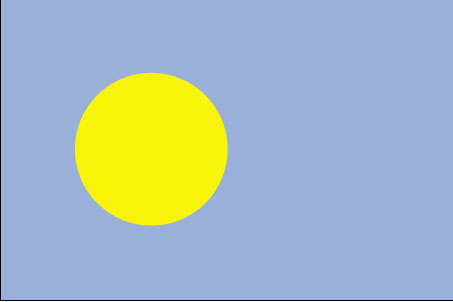
Palau
Belau
Declare Your Relationship to Palau
CountryReports Community
- Studying0
- From Palau0
- Palau heritage0
- Visited0
- Want to visit0
Customs and Culture
Customs and Culture
Cultural Attributes
Palauan culture is a rich tapestry woven from ancient Micronesian traditions, clan-based social structures, and centuries of contact with Spanish, German, Japanese, and American influences. Despite this layered history, Palauans have maintained a remarkably strong sense of cultural identity, anchored by customary practices that continue to govern daily life alongside modern institutions. At the heart of Palauan society is the matrilineal clan system, known as "kebliil." Membership, inheritance of titles, and land rights are all passed down through the mother's line, giving women a foundational role in social organization. Ten clans exist within each village, and the heads of these clans form councils that retain real political and ceremonial authority even today. One of the most distinctive cultural practices is "omengat," a traditional ceremony performed after a woman gives birth to her first child. The new mother undergoes a period of healing baths using heated seawater and is honored with gifts of Palauan money — finely crafted glass beads and whale teeth called "udoud" — which remain a form of cultural currency used in marriages, funerals, and other major life events. This traditional money holds no monetary exchange value in modern commerce but carries deep social and spiritual significance. Storytelling, chanting, and the art of "storyboards" — carved wooden panels depicting Palauan legends and daily life — are important forms of cultural expression. Storyboard carving emerged in the 20th century as a way to preserve oral traditions in visual form and has become one of Palau's most recognized art forms. The bai, a traditional meeting house built without nails using interlocking beams, serves as a gathering place for male elders and clan councils. These structures are adorned with painted carvings representing historical events and cultural narratives, functioning as living repositories of community memory. Fishing remains deeply embedded in Palauan identity, not only as a livelihood but as a spiritual and communal activity. Traditional fishing rights are controlled by clans and chiefs, reflecting the enduring connection between culture, environment, and governance that defines life in Palau.

Sanctuary of Pristine Reefs and Island Spirits

Holidays
Constitution Day
7/9Independence
Dates of Interest
- July 9th
What social customs and traditions should I be aware of in Palau?
Palauan life is governed by a matrilineal clan system called 'kebliil,' where titles, inheritance, and land rights pass through the mother's line, giving women a foundational social role and clan councils real authority.
Do
- Respect the authority of clan councils and chiefs, who retain political and ceremonial power
- Recognize the important social role of women within the matrilineal clan system
- Treat traditional Palauan money ('udoud') — glass beads and whale teeth — as items of deep social and spiritual significance
Good to know
- Each village has ten clans, whose heads form councils
- 'Udoud' has no commercial exchange value but is used in marriages, funerals, and major life events
- The 'omengat' ceremony honors a mother after her first child's birth, with healing seawater baths and gifts of Palauan money
- The 'bai,' a nail-free traditional meeting house, serves as a gathering place for male elders and clan councils
What cultural activities and arts are important in Palau?
Storytelling, chanting, and carved wooden 'storyboards' depicting legends and daily life are key forms of cultural expression, while fishing remains a spiritual and communal activity central to Palauan identity.
Good to know
- Storyboard carving is one of Palau's most recognized art forms, preserving oral traditions visually
- The 'bai' meeting house is adorned with painted carvings representing historical events and cultural narratives
- Traditional fishing rights are controlled by clans and chiefs
Last updated: 2026-07-12 · Sources: CountryReports
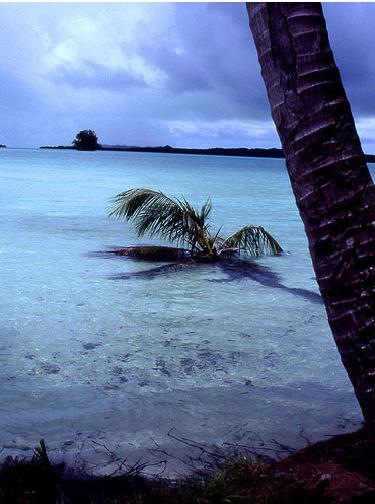
Photos of Palau
Photos of Palau


Travel and Tourism
Travel and Tourism
- Travel Alert Status
- Level 1: Exercise Normal Precautions
- Currency
- US dollar (USD)
- Time Difference
- UTC+9 (14 hours ahead of Washington, DC, during Standard Time)
- Climate
- Palau has a tropical climate with annual rainfall of about 150 inches. The climate tends to be drier during El Nino years. Rain falls throughout the year, though January through March are usually the driest months. Palau is outside the normal typhoon track, but from June to November a tropical storm can settle over the country and dump heavy amounts of rain for several days. The temperature averages range from a high of 87 degrees to a low of 77 degrees year round. Humidity is high, ranging from 86% to 91%, and non-air conditioned environments can get moldy. Air quality is excellent and free of pollutants.
- Airports
- 3
Read the full travel guide — health, safety, vaccinations, disease risk, sanitation, and transit details.
View full travel guideHistory
History
Historical Eras
Ancient Settlement
2000 BCE – 1710
Palau was first settled approximately 4,000 years ago, most likely by Austronesian-speaking migrants from the Indonesian archipelago. Over millennia, a distinct Palauan culture emerged, characterized by the bai (men's meeting houses), an elaborate system of clans and chieftainships, and the storied stone money-like traditions of inter-island exchange. The islands remained largely self-governing under indigenous leadership until sustained contact with European powers began.
British & Spanish Contact
1710 – 1899
British traders and whalers became regular visitors from the early 18th century, with Captain Henry Wilson's shipwreck in 1783 producing one of the first detailed Western accounts of Palauan society. Spain formally asserted sovereignty over the Caroline Islands, including Palau, in 1885 following a dispute with Germany arbitrated by Pope Leo XIII. Spanish colonial influence remained relatively light, focused on missionary activity and nominal administration from the Philippines.
German Colonial Rule
1899 – 1914
Following its defeat in the Spanish-American War, Spain sold Palau and the remaining Caroline Islands to Germany in 1899 for 25 million pesetas. German administrators promoted copra and phosphate extraction and introduced systematic land surveys and labor regulations. The period was brief but laid infrastructure groundwork and disrupted traditional land tenure arrangements across the archipelago.
Japanese Mandate
1914 – 1947
Japan seized Palau at the outbreak of World War I and received formal administration of Micronesia as a League of Nations mandate in 1920, establishing Koror as the regional capital of the South Seas Mandate. Japanese settlers eventually outnumbered Palauans, and the islands were heavily industrialized and militarized. The devastating Battle of Peleliu in 1944, one of the Pacific War's bloodiest engagements, left the archipelago in ruins before American forces prevailed.
US Trust Territory
1947 – 1994
The United Nations designated Palau part of the Trust Territory of the Pacific Islands under United States administration in 1947. Palau declined to join the Federated States of Micronesia in 1979, instead ratifying its own constitution and declaring itself the Republic of Palau in 1981. Negotiations over a Compact of Free Association with the United States were complicated by Palau's nuclear-free constitution, requiring eight separate referenda before the Compact was finally ratified in 1993.
Independent Republic
1994 – present
On October 1, 1994, the Compact of Free Association entered into force and Palau became a fully independent nation, joining the United Nations the same year while maintaining close defense and economic ties with the United States. The republic has developed a significant marine-tourism economy, and its waters—including the famed Jellyfish Lake and Blue Corner dive sites—attract international visitors. Palau has also emerged as a prominent advocate for ocean conservation and climate change action on the world stage.
Overview
Four of the Trust Territory districts formed a single federated Micronesian state in 1979, but the districts of Palau and the Marshall Islands declined to participate. Palau instead approved a new constitution and became the Republic of Palau in 1981, signing a Compact of Free Association with the United States in 1982. After eight referenda and an amendment to the Palauan constitution, the Compact went into effect on October 1, 1994, marking Palau’s emergence from trusteeship to independence.
Timeline of Key Events
1885
Spain asserts its claim to the islands.
Spain asserts its claim to the islands.
1899
Spain sells Palau to Germany.
Spain sells Palau to Germany, which begins to exploit the islands’ resources using native labor. Phosphate is mined and coconut plantations are developed.
1914
After Germany’s defeat in World War I, Japan seizes Palau.
After Germany’s defeat in World War I, Japan seizes Palau. The main town, Koror, is developed and becomes the administrative centre for Japan’s regional possessions. The Japanese civilian population in Palau peaks at 26,000.
1994
Palau becomes independent .
Palau becomes independent under the Contract of Free Association with the US. Palau receives financial and other aid from Washington, and the US retains responsibility for defence and the right to operate military bases. Palau joins the UN.
Read the full history profile — narrative overview, defining eras, and the complete timeline in one place.
View expanded historyInteresting Facts
Interesting Facts
In 1783 Henry Wilson, an English captain, was shipwrecked on a reef off the coast of Palau. Wilson and his crew rebuilt their ship with the help of the islanders.
See every fact — trivia, oddities, and curious tidbits gathered from across the country.
View all interesting factsGeography and Environment
Geography and Environment
- Terrain
- varying geologically from the high, mountainous main island of Babelthuap to low, coral islands usually fringed by large barrier reefs
- Climate
- Palau has a tropical climate with annual rainfall of about 150 inches. The climate tends to be drier during El Nino years. Rain falls throughout the year, though January through March are usually the driest months. Palau is outside the normal typhoon track, but from June to November a tropical storm can settle over the country and dump heavy amounts of rain for several days. The temperature averages range from a high of 87 degrees to a low of 77 degrees year round. Humidity is high, ranging from 86% to 91%, and non-air conditioned environments can get moldy. Air quality is excellent and free of pollutants.
- Natural Hazards
- typhoons (June to December)
- Current Environmental Issues
- inadequate facilities for disposal of solid waste; threats to the marine ecosystem from sand and coral dredging, illegal fishing practices, and overfishing
Read the full geography and environment profile — terrain, climate, natural resources, hazards, land use, and international agreements.
View full geographyPeople & Demographics
People & Demographics
Religion
Languages Spoken
English and Palauan official in all states except Sonsoral (Sonsoralese and English are official), Tobi (Tobi and English are official), and Angaur (Angaur, Japanese, and English are official)
- English
- Japanese
- Palauan
Population
- Population
- 20,879
- Population in Major Urban Areas
- MELEKEOK (capital) 1,000
- Nationality Noun
- Palauan(s)
- Ethnic Groups
- Palauan (Micronesian with Malayan and Melanesian admixtures) 70%, Asian (mainly Filipinos, followed by Chinese, Taiwanese, and Vietnamese) 28%, white 2%
Education
- Literacy Definition
- age 15 and over can read and write
Read the full people and society profile — demographics, health, education, religion, languages, and notable people.
View full people and societyGovernment & Politics
Government & Politics
Country Identity
- Country Name
- Palau
- Full Country Name
- Republic of Palau
- Local - Long
- Beluu er a Belau
- Local - Short
- Belau
- Former Name
- Palau District (Trust Territory of the Pacific Islands)
Government Structure
- Government Type
- constitutional government in free association with the US; the Compact of Free Association entered into force 1 October 1994
- Legal System
- based on Trust Territory laws, acts of the legislature, municipal, common, and customary laws
- Executive Branch
- chief of state: President Surangel WHIPPS Jr. (since 21 January 2021) and Vice President Uduch Sengebau SENIOR (since 21 January 2021); note - the president is both the chief of state and head of government head of government: President Surangel WHIPPS Jr. (since 21 January 2021) and Vice President Uduch Sengebau SENIOR (since 21 January 2021); note - the president is both the chief of state and head of government cabinet: Cabinet appointed by the president with the advice and consent of the Senate elections: president and vice president elected on separate tickets by popular vote for four-year terms (eligible for a second term); election last held on 3 November 2020 (next to be held in November 2024) election results: Surangel WHIPPS Jr. elected president; percent of vote - Surangel WHIPPS Jr. 56.7%, Raynold OILOUCH 43.3%; Uduch Sengebau SENIOR elected vice president
- Legislative Branch
- bicameral Parliament or Olbiil Era Kelulau (OEK) consists of the Senate (9 seats; members elected by popular vote on a population basis to serve four-year terms) and the House of Delegates (16 seats; members elected by popular vote to serve four-year terms) elections: Senate - last held 2 November 2004 (next to be held November 2008); House of Delegates - last held 2 November 2004 (next to be held November 2008) election results: Senate - percent of vote - NA%; seats - independents 9 (four new members elected); House of Delegates - percent of vote - NA%; seats - independents 16 (one new member elected)
- Judicial Branch
- Supreme Court; National Court; Court of Common Pleas
- Suffrage
- 18 years of age; universal
- Constitution
- 1-Jan-81
- Independence
- 1 October 1994 (from the US-administered UN Trusteeship)
- National Holiday
- Constitution Day, 9 July (1979)
Capital City
- Capital Name
- Ngerulmud
- Capital - geographic coordinate
- 7 30 N, 134 37 E
- Capital Time Difference
- UTC+9 (14 hours ahead of Washington, DC, during Standard Time)
the Palauan meaning is "place of fermented 'mud'" ('mud' being the native name for the keyhole angelfish); the site of the new capitol (established in 2006) had been a large hill overlooking the ocean, Ngerulmud, on which women would communally gather to offer fermented angelfish to the gods
note: Ngerulmud, on Babeldaob Island, is the smallest national capital on earth by population, with only a few hundred people; the name is pronounced en-jer-al-mud; Koror, on Koror Island, with over 11,000 residents is by far the largest settlement in Palau; it served as the country's capital from independence in 1994 to 2006
Military
Branches: no regular military forces; Palau National Police
Embassy / Diplomatic Mission
U.S. Embassy in Koror, Palau
In Airai State, in an area known as Omsangel (no street address)
P.O. Box 6028, Koror, Palau 96940
Telephone: (680) 587-2920/2990
Facsimile: (680) 587-2911
The U.S. Embassy in Koror accepts passport applications but does not issue passports or make decisions about citizenship claims; the Honolulu Passport Agency handles these requests. The Embassy does not issue immigrant visas, that function is performed by the U.S. Embassy in Manila.
Read the full government profile — flag symbolism, national anthem, and other national symbols.
View full government detailsEconomy
Economy
Palau's economy is driven primarily by tourism, subsistence agriculture, and fishing, with the government serving as the largest employer of the formal workforce. The country relies heavily on financial assistance from the United States under the Compact of Free Association, which was renewed in 2023 and provides approximately $890 million in economic assistance through 2044. Tourism, the leading private-sector industry, suffered a severe contraction during the COVID-19 pandemic but has been gradually recovering, with visitor arrivals climbing back from pandemic-era lows toward pre-2020 levels of roughly 90,000 annually. Palau enjoys one of the highest per capita incomes in the Pacific Islands region, with GDP per capita estimated at around $14,000-$15,000. The economy remains vulnerable to external shocks, fluctuations in tourist arrivals, and climate change impacts. Long-term prospects for the tourism sector depend on expanded air connectivity, demand from East Asian markets, and continued investment in sustainable infrastructure. Palau has also positioned itself as a global leader in marine conservation, with its Palau National Marine Sanctuary protecting 80 percent of its exclusive economic zone, supporting both ecotourism and fisheries management.
Snapshot
- Currency Name and Code
- US Dollar (USD)
- GDP Real Growth Rate
- 1%
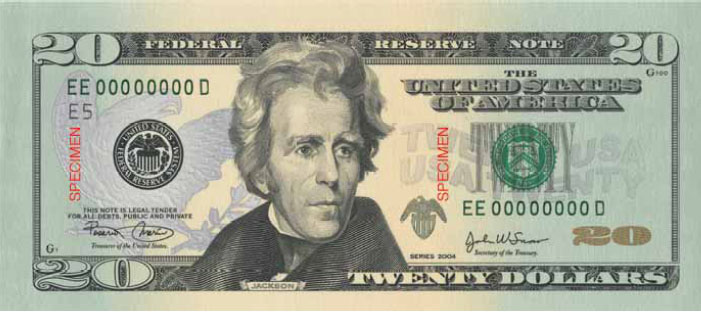
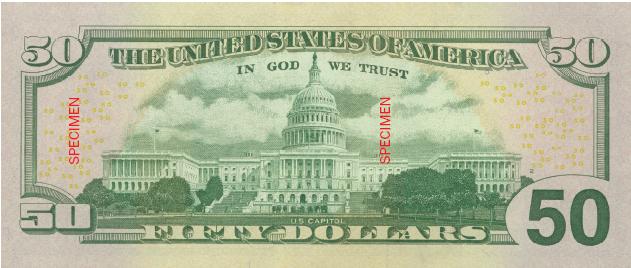
Banknotes
Budget & Public Finance
- Fiscal Year
- 1 October - 30 September
- Annual Budget
- $80,800,000 (USD)
- Economic Aid
- $155,800,000 (USD)
Labor, Industry & Trade
- Labor Force by Occupation
- agriculture 20%
- Industries
- tourism, craft items (from shell, wood, pearls), construction, garment making
- Agriculture Products
- coconuts, copra, cassava (tapioca), sweet potatoes
- Export Commodities
- shellfish, tuna, copra, garments
- Export Partners
- US, Japan, Singapore
- Import Commodities
- machinery and equipment, fuels, metals; foodstuffs
- Import Partners
- US, Guam, Japan, Singapore, Korea
Energy
- Oil Production
- 0 bbl/day
- Oil Consumption
- 0 bbl/day
- Oil Reserves
- 0 bbl/day
- Natural Gas Production
- 0 cu m
- Natural Gas Consumption
- 0 cu m
- Natural Gas Imports
- 0 cu m
- Natural Gas Exports
- 0 cu m
- Natural Gas Reserves
- 0 cu m
Communications
- Telephone System
- domestic: fixed-line and mobile-cellular services available with a combined subscribership of roughly 100 per 100 persons international: country code - 680; satellite earth station - 1 Intelsat (Pacific Ocean)
- Internet Country Code
- .pw
News & Weather
News & Weather
Current Weather
Latest News
Palau opens up -- carefully - Nikkei Asia
Nikkei Asia · 2d ago
Peace Corps returns to the Republic of Palau with first volunteers since 2018 - Peace Corps (.gov)
Peace Corps (.gov) · 12d ago
Guam, Washington Enhance Readiness with Palau Partners - pacom.mil
pacom.mil · 7d ago
US deports first migrant to Pacific nation Palau - Inquirer.net
Inquirer.net · 20d ago
Palau Calls for Global Review of Nicotine as New Products Expand - World Health Organization (WHO)
World Health Organization (WHO) · 27d ago
Chinese Golden Week at the Palau de la Música Catalana - Palau de la Música Catalana
Palau de la Música Catalana · 11d ago
US deports first migrant to Pacific nation Palau - Taipei Times
Taipei Times · 19d ago
Guard lands C-130 in Palau in readiness drill - The Guam Daily Post
The Guam Daily Post · 2d ago
News via Google News
Climate Overview
Palau has a tropical climate with annual rainfall of about 150 inches. The climate tends to be drier during El Nino years. Rain falls throughout the year, though January through March are usually the driest months. Palau is outside the normal typhoon track, but from June to November a tropical storm can settle over the country and dump heavy amounts of rain for several days. The temperature averages range from a high of 87 degrees to a low of 77 degrees year round. Humidity is high, ranging from 86% to 91%, and non-air conditioned environments can get moldy. Air quality is excellent and free of pollutants.
Frequently Asked Questions
Frequently Asked Questions
What is the population of Palau?
What social customs and traditions should I be aware of in Palau?
What cultural activities and arts are important in Palau?
What is the capital of Palau?
Where is Palau located?
What are the ocean and sea borders of Palau?
What religion is practiced in Palau?
What currency is used in Palau?
What languages are spoken in Palau?
What is the geography of Palau like?
What is Palau known for?
Last reviewed 2026