
 English
 Español
 中文
中文 हिन्दी
 Français
Faroe Islands
Foroyar
Declare Your Relationship to Faroe Islands
CountryReports Community
- Studying0
- From Faroe Islands0
- Faroe Islands heritage0
- Visited0
- Want to visit0
Customs and Culture
Customs and Culture
Cultural Attributes
The Faroe Islands have a rich cultural heritage, including several unique traditions that are still practiced today. Here are some examples:
The Faroese national holiday is Ólavsøka, which is held annually on July 29 and 30. This celebration includes concerts, processions, and other events.
The Faroese have a long tradition of singing and music-making, and there are many choirs and music festivals throughout the islands.
Sheep farming is an important part of the Faroese economy and culture, and the annual "sheep roundup" is a major event. During this tradition, farmers round up their flocks and take them down from the mountains.
The Faroese have a strong tradition of storytelling and oral history. Many ancient Faroese legends and myths have been passed down through generations.
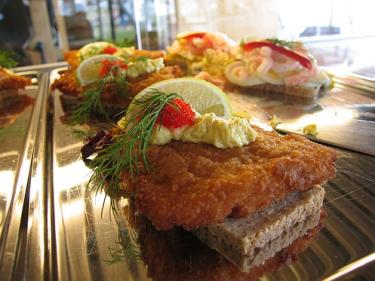
The Faroese have a unique culinary tradition, including dishes like ræst kjøt (dried and fermented meat) and skerpikjøt (dried mutton).
The Faroe Islands are home to several distinctive types of handmade woolen clothing, including the iconic Faroese sweater.
The Faroese also have a tradition of boat-building, particularly of wooden boats called Faerings.
The Faroese language is a unique Nordic language with a strong oral tradition. The Faroese are proud of their language and work to preserve it for future generations.

The Northmen's Roost, Where Whales Still Sing
Greetings, Gestures & Visiting
In the Faroe Islands, people often greet each other with a handshake or a hug, depending on their level of familiarity. It is also common to say "heilsa" or "heilsan" (pronounced "heylsa" or "heylsan"), which means "hello" or "hi" in Faroese.
In informal settings, people may also greet each other with a simple nod of the head or a wave of the hand. Additionally, it is common to ask "hvussu gangur?" (pronounced "kussu gangur"), which means "how are you?" in Faroese.
When saying goodbye, people often use the phrase "bless" (pronounced "bless"), which means "goodbye" in Faroese. Overall, the greeting customs in the Faroe Islands are generally friendly and informal, with a focus on warmth and respect for others.
The traditional clothing of the Faroe Islands is called the "føroysk nationaldragt," which translates to "Faroese national costume." This costume is worn for special occasions and celebrations, and it varies by region and gender.
For men, the traditional costume typically consists of a woolen waistcoat, a white shirt with a lace collar, woolen trousers, and a woolen cap. The waistcoat and trousers are often decorated with intricate embroidery, and the cap is typically black with a white pom-pom on top.
For women, the traditional costume is more elaborate and includes several layers of clothing. The costume typically includes a long-sleeved blouse with a white collar, a black skirt, an apron, a shawl, and a headdress. The headdress is made of silver and is often decorated with beads or other ornaments.
In modern times, traditional clothing is mostly reserved for special occasions such as weddings, christenings, and national holidays. In everyday life, Faroese people typically wear modern Western-style clothing, similar to what you would find in other Western countries. However, due to the cool and often windy climate of the Faroe Islands, warm and waterproof clothing is often necessary, especially during the winter months.

Recreation
The Faroe Islands offer a range of recreational activities for both locals and tourists, despite their small size and remote location. Here are some examples:
Hiking and trekking - the Faroe Islands offer a variety of hiking trails that allow visitors to explore the islands' stunning landscapes and natural beauty. Some popular trails include the hike to the summit of Slættaratindur, the highest mountain in the Faroe Islands, and the scenic path along the cliffs at Cape Enniberg.
Birdwatching - the Faroe Islands are home to a number of seabird species, including puffins, guillemots, and kittiwakes. Many visitors come to the islands specifically to observe these birds in their natural habitats.
Fishing - due to the islands' location in the North Atlantic, fishing is an important part of the local economy and culture. Visitors can go fishing with local guides and try their luck at catching fish such as cod, haddock, and salmon.
Cultural events - the Faroe Islands host a variety of cultural events throughout the year, including music festivals, art exhibitions, and theater performances. These events offer visitors a chance to experience the islands' unique culture and traditions.
Boat trips and sea kayaking - the rugged coastline of the Faroe Islands is best explored by boat or kayak. Many local operators offer boat trips and guided kayaking tours that take visitors to see waterfalls, sea caves, and other natural wonders.
Football (soccer) - like in many other European countries, football is a popular sport in the Faroe Islands, and locals are passionate about their national team. Visitors can attend matches and experience the excitement of the local football culture.
Overall, the Faroe Islands offer a range of recreational activities that cater to a variety of interests and preferences, making them an ideal destination for nature lovers, culture enthusiasts, and adventure seekers alike.
Holidays
Olaifest
7/29Other
Dates of Interest
- July 29th
How do people greet each other in the Faroe Islands?
Greetings are friendly and informal, typically a handshake or a hug depending on familiarity, often accompanied by "heilsa" or "heilsan" (hello).
Do
- Shake hands or hug depending on how well you know someone
- Say "heilsa" or "heilsan" for hello
- Ask "hvussu gangur?" (how are you?)
- Say "bless" when leaving
Good to know
- In informal settings a nod or wave is common
What should I wear in the Faroe Islands?
Everyday dress is modern Western-style clothing, while the traditional "føroysk nationaldragt" costume is reserved for special occasions.
Do
- Bring warm, waterproof clothing for the cool, windy climate
- Wear the national costume for weddings, christenings, and national holidays if appropriate
Good to know
- Men's traditional costume includes a woolen waistcoat, white lace-collar shirt, woolen trousers, and a black cap with a white pom-pom
- Women's costume includes a long-sleeved blouse, black skirt, apron, shawl, and a silver headdress
What do people do for fun in the Faroe Islands?
Popular activities include hiking, birdwatching, fishing, boat trips and sea kayaking, cultural events, and football.
Do
- Hike trails like Slættaratindur or Cape Enniberg
- Watch seabirds such as puffins, guillemots, and kittiwakes
- Try fishing for cod, haddock, and salmon with local guides
- Attend a national football match
Good to know
- Explore the rugged coastline by boat or guided kayak tour
- Cultural events include music festivals, art exhibitions, and theater performances
What should I know about Faroese culture before visiting?
The Faroe Islands have a rich heritage of music, storytelling, sheep farming, boat-building, and a distinctive cuisine and language.
Do
- Experience Faroese music and choirs
- Look out for the national holiday Ólavsøka on July 29-30
- Try traditional dishes like ræst kjøt and skerpikjøt
Good to know
- The annual sheep roundup is a major cultural event
- Faroese is a unique Nordic language with a strong oral tradition
- Faroese sweaters are iconic handmade woolen clothing
Last updated: 2026-07-12 · Sources: CountryReports
Photos of Faroe Islands
Photos of Faroe Islands


Travel and Tourism
Travel and Tourism
- Travel Alert Status
- Level 2: Exercise Increased Caution
- Currency
- 6.586
- Time Difference
- UTC 0 (5 hours ahead of Washington, DC, during Standard Time)
- Climate
- mild winters, cool summers; usually overcast; foggy, windy
- Airports
- 1
Read the full travel guide — health, safety, vaccinations, disease risk, sanitation, and transit details.
View full travel guideRecipes
Recipes
History
History
Historical Eras
Early Settlement
825 – 1035
Norse settlers, led by figures such as Grímur Kamban, arrived in the Faroe Islands around the early 9th century, displacing or absorbing a small earlier Irish monastic presence. Sigmundur Brestisson later consolidated Norwegian influence and introduced Christianity around 1000 AD, establishing the islands as a Norse Christian community under the authority of Norway.
Norwegian Kingdom
1035 – 1380
The Faroe Islands were formally incorporated into the Kingdom of Norway in 1035, functioning as a dependency subject to Norwegian law and taxation. The islands were governed through a local assembly, the Løgting, one of the oldest parliaments in the world, which regulated local affairs under Norwegian royal oversight.
Danish-Norwegian Rule
1380 – 1814
When Norway entered the Kalmar Union and subsequently the Denmark-Norway dual monarchy, the Faroe Islands passed under Danish-Norwegian sovereignty. A trade monopoly imposed from 1619 severely restricted economic development, and in 1655 the islands were granted as a fief to the von Gabel family, deepening the burdens on the local fishing population until the monopoly was abolished in 1856.
Danish Crown Colony
1814 – 1948
At the Treaty of Kiel in 1814, Denmark retained the Faroe Islands when Norway was ceded to Sweden. The 19th century brought a Faroese cultural revival, including the standardization of the Faroese language, and representation in the Danish parliament was granted in 1849. During World War II, British forces occupied the islands from 1940 to 1945 while Denmark remained under German occupation, accelerating Faroese demands for greater autonomy.
Autonomy & Modern Era
1948 – present
The Home Rule Act of 1948 established the Faroe Islands as an autonomous territory within the Kingdom of Denmark, with control over most domestic affairs. The islands developed a prosperous fishing-based economy and maintained their distinct language and culture. Independence movements have gained recurring political attention, though a planned referendum in 2001 was canceled, and the question of full sovereignty remains an ongoing national debate.
Overview
Timeline of Key Events
1035
Islands become part of the Kingdom of Norway.
Islands become part of the Kingdom of Norway.
1380
Along with Norway, the Faroe Islands become part of the Kingdom of Denmark.
Along with Norway, the Faroe Islands become part of the Kingdom of Denmark.
1655
Faroe Islands are presented to the von Gabel family.
Faroe Islands are presented to the von Gabel family. Their oppressive feudal rule ends in 1709 when the Faroes come under direct Danish rule.
1849
Faroes are given representation in both houses of the Danish parliament.
Under the Danish constitution the Faroes are given representation in both houses of the Danish parliament.
1940
World War II. British forces occupy the Faroes while Denmark is under German occupation.
World War II. British forces occupy the Faroes while Denmark is under German occupation.
1948
The islands become an autonomous, self-governing region of the Kingdom of Denmark.
Home rule act is passed. The islands become an autonomous, self-governing region of the Kingdom of Denmark.
2001
Planned referendum on independence is canceled.
Planned referendum on independence is canceled after Denmark says a pro-independence result would lead to a halt in annual subsidies.
Read the full history profile — narrative overview, defining eras, and the complete timeline in one place.
View expanded historyInteresting Facts
Interesting Facts
The Faroes were first settled by Irish monks in the 6th century AD. The first Norse settlers were farmers.
See every fact — trivia, oddities, and curious tidbits gathered from across the country.
View all interesting factsGeography and Environment
Geography and Environment
- Terrain
- rugged, rocky, some low peaks; cliffs along most of coast
- Climate
- mild winters, cool summers; usually overcast; foggy, windy
- Natural Hazards
- NA
- Current Environmental Issues
- NA
Read the full geography and environment profile — terrain, climate, natural resources, hazards, land use, and international agreements.
View full geographyPeople & Demographics
People & Demographics
Languages Spoken
Faroese (derived from Old Norse), Danish
- Danish
- Faroese
Population
- Population
- 49,057
- Population in Major Urban Areas
- TORSHAVN (capital) 20,000
- Nationality Noun
- Faroese (singular and plural)
- Ethnic Groups
- Scandinavian
Read the full people and society profile — demographics, health, education, religion, languages, and notable people.
View full people and societyGovernment & Politics
Government & Politics
Country Identity
- Country Name
- FaroeIslands
- Local - Short
- Foroyar
Government Structure
- Government Type
- NA
- Legal System
- Danish
- Executive Branch
- chief of state: King FREDERIK X of Denmark (since 14 January 2024), represented by High Commissioner Lene MOYELL JOHANSEN, chief administrative officer (since 2015) head of government: Prime Minister Aksel V. JOHANNESEN (since 22 December 2022) cabinet: Landsstyri appointed by the prime minister elections: the monarch is hereditary; high commissioner appointed by the monarch; following legislative elections, the leader of the majority party or the leader of the majority coalition is usually elected prime minister by the Faroese Parliament; election last held 8 December 2022 (next to be held no later than 2026) election results: Aksel V. JOHANNESEN elected prime minister following the December 2022 legislative elections; percent of parliamentary vote - NA note: current coalition government is led by the Social Democrats alongside coalition partners
- Legislative Branch
- unicameral Faroese Parliament or Logting (32 seats; members are elected by popular vote on a proportional basis from the seven constituencies to serve four-year terms) elections: last held 20 January 2004 (next to be held no later than January 2008) election results: percent of vote by party - Union Party 23.7%, Social Democratic Party 21.8%, Republican Party 21.7%, People's Party 20.6%, Center Party 5.2%, Independence Party 4.6%; seats by party - Union Party 7, Social Democratic Party 7, Republican Party 8, People's Party 7, Center Party 2, Independence Party 1 note: election of two seats to the Danish Parliament was last held on 8 February 2005 (next to be held February 2009); results - percent of vote by party - NA; seats by party - Republican Party 1, People's Party 1
- Judicial Branch
- none
- Suffrage
- 18 years of age; universal
- Constitution
- 5 June 1953 (Danish constitution)
- Independence
- none (part of the Kingdom of Denmark; self-governing overseas administrative division of Denmark)
- National Holiday
- Olaifest, 29 July
Capital City
- Capital Name
- Torshavn
- Capital - geographic coordinate
- 62 00 N, 6 46 W
- Capital Time Difference
- UTC 0 (5 hours ahead of Washington, DC, during Standard Time)
the meaning in Danish is "Thor's harbor"
Military
Branches: no regular military forces
Read the full government profile — flag symbolism, national anthem, and other national symbols.
View full government detailsEconomy
Economy
The Faroese economy has shown resilience and relative strength in recent decades, driven largely by the fishing industry and aquaculture, particularly salmon farming, which together account for the vast majority of export earnings. Strong global demand and generally favorable prices for seafood have supported continued growth, with GDP per capita now among the highest in the Nordic region. Unemployment has remained low, often below 3%, and labor shortages persist in several sectors, prompting active recruitment of foreign workers and incentives for Faroese expatriates to return home.
The Faroese Home Rule Government has generally maintained sound public finances, with periodic budget surpluses helping to manage public debt. However, the heavy reliance on fisheries and aquaculture leaves the economy vulnerable to fluctuations in fish stocks, disease outbreaks in salmon farms, and shifts in global market prices. Concerns about the long-term sustainability of fishing levels remain, and authorities continue to refine quota systems and management practices.
Efforts to diversify the economy have gained momentum, with growth in tourism, financial services, information technology, and maritime industries. Exploration for offshore oil and gas in Faroese waters has so far yielded no commercially viable discoveries, tempering earlier expectations that hydrocarbons might transform the economy. Renewable energy, particularly wind and tidal power, is increasingly prioritized as part of the islands' goal to reach 100% green electricity production.
The Faroe Islands continue to receive an annual block grant from Denmark, equivalent to roughly 3–4% of GDP, considerably smaller in relative terms than in earlier decades. The standard of living remains comparable to that of Denmark and other Scandinavian countries.
Snapshot
- Currency Name and Code
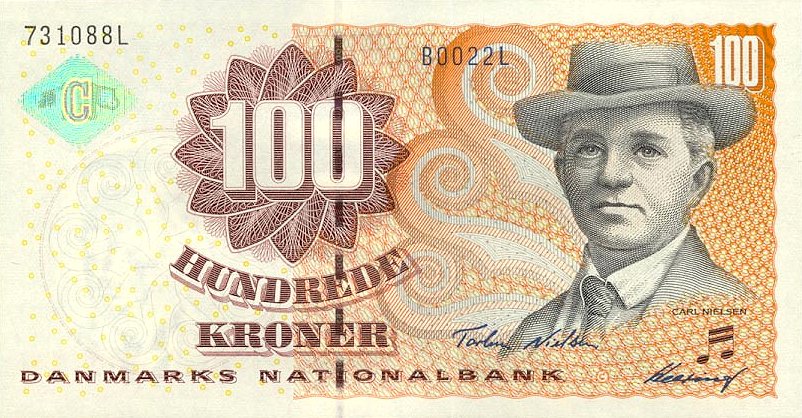
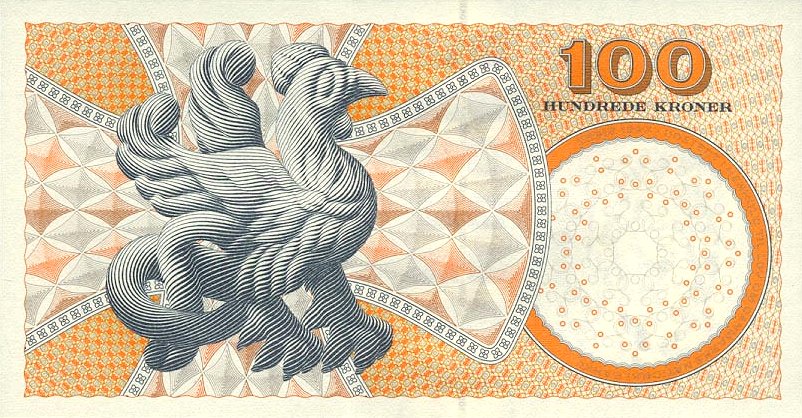
- Danish kroner (DKK)
- GDP Real Growth Rate
- 10%
Banknotes
Budget & Public Finance
- Fiscal Year
- calendar year
- Annual Budget
- $484,000,000 (USD)
- External Debt
- $64,000,000 (USD)
- Economic Aid
- $135,000,000 (USD)
Labor, Industry & Trade
- Labor Force by Occupation
- fishing; fish processing; and manufacturing 33%; construction and private services 33%; public services 34%
- Industries
- fishing, fish processing, shipbuilding, construction, handicrafts
- Agriculture Products
- milk, potatoes, vegetables; sheep; salmon, other fish
- Export Commodities
- fish and fish products 94%, stamps, ships
- Export Partners
- Denmark 37.7%, UK 33.8%, Norway 6.6%, Netherlands 6.4%
- Import Commodities
- machinery and transport equipment 29%, consumer goods 36%, raw materials and semi-manufactures 32%, fuels, fish and salt
- Import Partners
- Denmark 57.7%, Norway 21%, Iceland 5.6%
Energy
- Oil Production
- 0 bbl/day
- Oil Consumption
- 4,500 bbl/day
- Oil Reserves
- 0 bbl/day
- Natural Gas Production
- 0 cu m
- Natural Gas Consumption
- 0 cu m
- Natural Gas Imports
- 0 cu m
- Natural Gas Exports
- 0 cu m
- Natural Gas Reserves
- 0 cu m
Communications
- Telephone System
- general assessment: good international communications; good domestic facilities domestic: conversion to digital system completed in 1998; both NMT (analog) and GSM (digital) mobile telephone systems are installed international: country code - 298; satellite earth stations - 1 Orion; 1 fiber-optic submarine cable to the Shetland Islands, linking the Faroe Islands with Denmark and Iceland; fiber-optic submarine cable connection to Canada-Europe cable
- Internet Country Code
- .fo
News & Weather
News & Weather
Current Weather
Latest News
What Will It Take To End the Slaughter of Dolphins in the Faroe Islands? - Inside Climate News
Inside Climate News · 2d ago
Why I Moved: Finding Peace in the Faroe Islands - Condé Nast Traveler
Condé Nast Traveler · 26d ago
Top 10 Places That Make the Faroe Islands Look Unreal - Yahoo
Yahoo · 19h ago
I've Visited 70 Countries and Found My Perfect Place to Buy a Home—in One of Europe's Most Remote Locations - Travel + Leisure
Travel + Leisure · 129d ago
I Let an Algorithm Plan My Road Trip and Had the Most Peaceful Week of My Life - Fodors Travel Guide
Fodors Travel Guide · 169d ago
Nephew to replace uncle as prime minister after conservative victory in Faroe Islands - Courthouse News
Courthouse News · 116d ago
Trump’s Greenland Threats Spill Into Another Danish Territory - The New York Times
The New York Times · 162d ago
Wanton Waste and Suffering Suffuse Faroe Islands Drive Hunts - Animal Welfare Institute
Animal Welfare Institute · 29d ago
News via Google News
Climate Overview
mild winters, cool summers; usually overcast; foggy, windy
Videos
Videos
1 curated YouTube videos.
Source: YouTube
Frequently Asked Questions
Frequently Asked Questions
What is the population of Faroe Islands?
How do people greet each other in the Faroe Islands?
What should I wear in the Faroe Islands?
What do people do for fun in the Faroe Islands?
What should I know about Faroese culture before visiting?
What is the capital of the Faroe Islands?
Where are the Faroe Islands located?
What ocean and seas surround the Faroe Islands?
What currency is used in the Faroe Islands?
What languages are spoken in the Faroe Islands?
What is the historical background of the Faroe Islands?
What is the geography of the Faroe Islands like?
What is the Faroe Islands known for?
Last reviewed 2026