
 English
 Español
 中文
中文 हिन्दी
 Français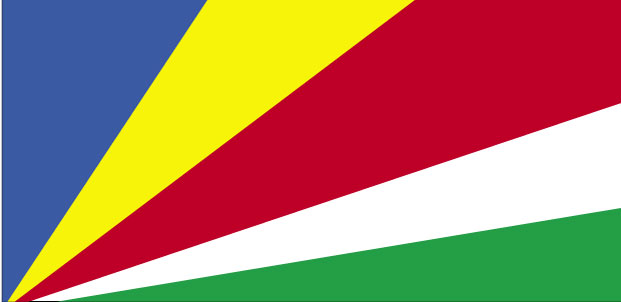
Seychelles
Seychelles
Declare Your Relationship to Seychelles
CountryReports Community
- Studying1
- From Seychelles1
- Seychelles heritage1
- Visited0
- Want to visit0
Customs and Culture
Customs and Culture
About the People
The capital, only city and port and where most people live is on the main island of Mahé. In the capital city of Victoria, Western style dating is common. Skin color is important in social relations and career opportunities. For whites this includes Grand Blanc (white with property or a good job) Blanc Coco (a working class white) or Blanc Rouille (uneducated white).
Cultural Attributes
The capital, only city and port and where most people live is on the main island of Mahé. In the capital city of Victoria, Western style dating is common. Skin color is important in social relations and career opportunities. For whites this includes Grand Blanc (white with property or a good job) Blanc Coco (a working class white) or Blanc Rouille (uneducated white).

Island Paradise of the Indian Ocean
Greetings, Gestures & Visiting
In Seychelles, greetings are an important part of social interaction, and they are often warm and friendly.
Bonjour: This is the French word for "hello" and is commonly used in Seychelles, especially in more formal settings or when speaking to someone older or in a position of authority.
Allo: Similar to "hello," "allo" is a casual greeting used in Seychelles when answering the phone or greeting friends and acquaintances.
Bonswa: This is the Creole equivalent of "good evening" used when greeting someone in the evening or late afternoon. It can also be used as a general greeting throughout the day.
Salut: Another French greeting, "salut" is an informal way to say "hi" or "hey" to friends and peers.
Howzit: This is a casual greeting borrowed from English and is similar to "how's it going?" or "what's up?"
Handshake: Handshakes are a common form of greeting in Seychelles, especially in formal or business settings. A firm handshake with eye contact is considered polite and respectful.
Hug and Kiss on the Cheek: Among close friends and family members, it is common to greet each other with a hug and a kiss on the cheek, especially among women.
Respectful Gestures: When greeting elders or showing respect, it is customary to bow slightly or nod the head as a sign of deference.
Gestures play an important role in communication in Seychelles, just as in many cultures worldwide. While some gestures may be universal, it's important to be aware of cultural differences to avoid misunderstandings or causing offense.
Handshakes: Handshakes are a common form of greeting in Seychelles, especially in formal or business settings. A firm handshake with eye contact is considered polite and respectful.
Respectful Gestures: When greeting elders or showing respect, it is customary to bow slightly or nod as a sign of deference.
Hand Gestures: Like in many cultures, hand gestures are used to emphasize points, convey emotions, or communicate non-verbally. However, it's important to be mindful of the specific meaning of gestures, as some may vary across cultures.
Eye Contact: Maintaining eye contact during conversation is considered respectful in Seychelles and indicates attentiveness and engagement. However, staring can be perceived as rude, so it's important to strike a balance.
Non-Verbal Cues: Facial expressions and body language play a significant role in communication in Seychelles. Smiling, nodding, and other positive facial expressions are used to convey agreement, understanding, or friendliness.
Avoiding Offensive Gestures: Some gestures that may be innocuous in one culture can be offensive in another. For example, pointing with the index finger, especially at someone's face, can be considered rude. Additionally, showing the soles of your feet or sitting with legs crossed in a way that exposes the sole of the foot towards someone can be seen as disrespectful.
Greetings with a Kiss: Among close friends and family members, it is common to greet each other with a hug and a kiss on the cheek, especially among women.
Hand Signals: Hand signals may be used in situations where verbal communication is difficult or noisy, such as in crowded places or when giving directions. However, it's important to ensure that the gestures are understood by both parties to avoid confusion.
When visiting Seychelles, it's important to respect local customs and etiquette. Here are some customs to keep in mind:
Respect for Elders: Respect for elders is important in Seychellois culture. When interacting with older individuals, show deference and use respectful language and gestures.
Dress Code: Seychelles has a relaxed dress code, especially in beach areas. However, when visiting towns or villages, it's respectful to dress modestly, covering shoulders and knees, particularly in religious or conservative settings.
Tipping: Tipping is not mandatory in Seychelles, but it's appreciated for good service. A 5-10% gratuity is customary in restaurants if a service charge is not included in the bill.
Customs and Immigration: Follow all customs and immigration regulations when entering or leaving Seychelles. Have your passport and any necessary documents ready for inspection.
Respect for Nature: Seychelles is known for its pristine natural beauty and ecological diversity. Respect the environment by avoiding littering, damaging coral reefs, or disturbing wildlife.
Language: Seychellois Creole (Kreol) is widely spoken in Seychelles, along with English and French. Learning a few basic phrases in Creole, such as "Bonswa" (Good evening) or "Mersi" (Thank you), can be appreciated by locals.
Respect Local Customs and Traditions: Seychelles has a diverse cultural heritage influenced by African, European, and Asian traditions. Respect local customs, traditions, and beliefs, particularly in rural communities and during cultural events.
Food Etiquette: When invited to someone's home for a meal, it's polite to accept and show appreciation for the hospitality. Wait to be seated and follow the lead of your hosts regarding dining customs and table manners.
Photography: Always ask for permission before taking photos of people, especially in rural areas or of individuals engaged in religious activities. Some people may be uncomfortable with having their picture taken without consent.
In Seychelles, clothing styles are influenced by the tropical climate, cultural traditions, and modern fashion trends.
Lightweight Clothing: Given Seychelles' warm and humid weather, lightweight and breathable fabrics such as cotton, linen, and rayon are popular choices for clothing. Loose-fitting garments are preferred to stay cool and comfortable in the tropical climate.
Casual Wear: Casual clothing such as t-shirts, shorts, skirts, and dresses are commonly worn for everyday activities and leisure outings. Light colors and tropical prints are popular choices, reflecting the island lifestyle.
Beachwear: With its stunning beaches and abundant sunshine, beachwear is an essential part of the Seychellois wardrobe. Swimsuits, cover-ups, sarongs, and boardshorts are worn for swimming, sunbathing, and beach activities.
Resort Wear: Seychelles is a popular destination for tourists, and resort wear is commonly seen in beach resorts and hotels. Flowy dresses, linen pants, polo shirts, and sandals are typical resort attire for both men and women.
Traditional Clothing: While traditional Seychellois clothing may not be commonly worn on a day-to-day basis, it is still worn for special occasions and cultural events. Traditional Creole attire for women may include colorful dresses, skirts, blouses, and headscarves, while men may wear shirts with colorful embroidery and trousers.
Formal Wear: For formal occasions such as weddings, parties, or religious ceremonies, Seychellois people may dress up in more formal attire. Men may wear dress shirts, trousers, and jackets, while women may opt for elegant dresses or skirts with blouses.
Footwear: Comfortable footwear suitable for warm weather is essential in Seychelles. Sandals, flip-flops, espadrilles, and lightweight sneakers are popular choices for everyday wear, while closed-toe shoes may be worn for more formal occasions or outdoor activities.
Hats and Sunglasses: Sun protection is important in Seychelles, so hats, caps, and sunglasses are commonly worn to shield the eyes and face from the sun's rays.
Diet
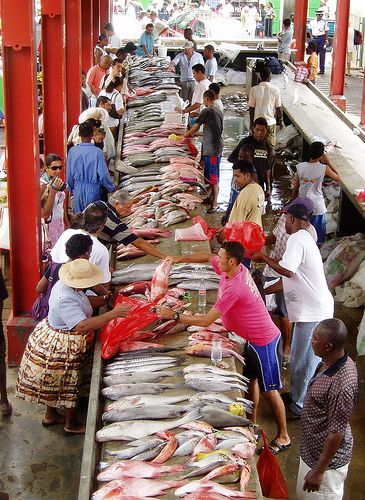
Fish, chicken, pork and fresh vegetables mixed with spices are the basics of Seychellois
food. Coconut milk is used to make sauce for many seafood meals.

Family
Women look after the children, and control the daily expenses as single parent families. Many children are born out of wedlock and live with their mothers, but are legally acknowledged by their fathers.
Dating Customs
In Seychelles, dating rituals and customs are influenced by cultural traditions, social norms, and modern influences. While dating practices may vary among individuals and communities, here are some common aspects of dating in Seychelles:
Social Circles: Meeting potential partners often occurs through mutual friends, social gatherings, or community events. Seychellois people have close-knit social circles, and introductions through friends or family members are common.
Courtship: Traditional courtship rituals may still be observed in Seychelles, particularly in rural areas or among older generations. This may involve getting to know each other through chaperoned outings, family gatherings, and group activities.
Gender Roles: Gender roles in dating and relationships may vary, with some traditional expectations still prevalent in certain communities. However, attitudes towards gender roles are evolving, and many Seychellois couples embrace more egalitarian dynamics in their relationships.
Dating Etiquette: When going on a date, it's customary to dress nicely and arrive on time. Seychellois people value politeness, respect, and good manners, so being courteous and considerate towards your date is important.
Public Displays of Affection: Public displays of affection are generally accepted in Seychelles, but they may vary depending on the setting and cultural background of the individuals involved. Holding hands, hugging, and light kissing are common expressions of affection among couples.
Family Involvement: Family plays a significant role in dating and relationships in Seychelles. It's not uncommon for couples to seek approval or guidance from their families when entering into a serious relationship or considering marriage.
Modern Influences: In urban areas and among younger generations, modern dating practices influenced by Western culture, social media, and online dating apps are becoming more common. This includes meeting potential partners through social media platforms, dating apps, and online communities.
Commitment and Marriage: While casual dating is increasingly accepted in Seychelles, many value commitment and long-term relationships. Marriage is considered an important milestone, and proposals may involve traditional customs such as asking for the family's blessing.
Recreation
In Seychelles, recreational activities revolve around the country's stunning natural beauty and diverse outdoor opportunities.
Soccer is the most important sport. Water activities are also popular. Family and friends often gather for an evening of checkers, cards, and singing.
Beach Activities: With its pristine white sand beaches and crystal-clear turquoise waters, Seychelles offers ample opportunities for beachgoers. Swimming, sunbathing, snorkeling, and scuba diving are popular activities, with many beaches offering excellent conditions for exploring coral reefs and marine life.
Island Hopping: Seychelles is an archipelago of 115 islands, each with its own unique attractions and landscapes. Island hopping tours allow visitors to explore different islands, each offering its own blend of beaches, hiking trails, and cultural experiences.
Water Sports: Seychelles is a paradise for water sports enthusiasts. Activities such as sailing, windsurfing, kayaking, and stand-up paddleboarding are widely available, with equipment rental and lessons offered at many beach resorts and water sports centers.
Fishing: Seychelles is renowned for its excellent fishing opportunities, with abundant marine life including game fish such as marlin, tuna, and sailfish. Deep-sea fishing charters and excursions are popular among anglers seeking a thrilling fishing adventure.
Nature Trails and Hiking: Seychelles is home to lush tropical forests, granite mountains, and scenic nature trails waiting to be explored. Hiking enthusiasts can embark on guided or self-guided hikes to discover the islands' diverse flora and fauna, panoramic viewpoints, and hidden waterfalls.
Wildlife Watching: Seychelles is home to unique and diverse wildlife, including rare bird species such as the Seychelles black parrot and the Seychelles blue pigeon. Nature enthusiasts can visit bird sanctuaries, nature reserves, and marine parks to observe wildlife in their natural habitats.
Cultural Experiences: Seychelles has a rich cultural heritage influenced by African, European, and Asian traditions. Visitors can immerse themselves in Seychellois culture by attending cultural events, visiting museums and art galleries, and exploring traditional Creole villages.
Wellness and Relaxation: Seychelles is a popular destination for wellness retreats and spa vacations, offering luxurious spa resorts nestled in serene natural settings. Visitors can indulge in rejuvenating spa treatments, yoga classes, and wellness activities to relax and unwind.
Golf: Golf enthusiasts can enjoy a round of golf at Seychelles' only 18-hole championship golf course, located on the main island of Mahé. The course offers stunning ocean views and challenging fairways set amidst lush tropical vegetation.
Holidays
Constitution Day
6/18Independence
National Day
Dates of Interest
- June 5th
Liberation Day commemorates the day when Seychelles was liberated from one-party rule in 1993, leading to the establishment of a multi-party democracy. The holiday is observed with various events, including speeches, concerts, and community gatherings.
How do people greet each other in Seychelles?
Greetings are warm and friendly, ranging from formal handshakes to hugs and cheek kisses among close friends and family. French and Creole greetings like 'Bonjour', 'Bonswa', and 'Salut' are all common.
Do
- Offer a firm handshake with eye contact in formal or business settings
- Greet elders with a slight bow or nod of the head to show respect
- Use 'Bonjour' in formal settings or with older people
- Use 'Bonswa' (good evening) in the afternoon or evening
Good to know
- 'Allo' is casual, used on the phone or with friends
- 'Howzit' is a casual English-borrowed greeting
- Women often greet each other with a hug and kiss on the cheek
What are the dining customs in Seychelles?
Seychellois food is based on fish, chicken, pork, and fresh vegetables mixed with spices, with coconut milk used for many seafood sauces. When invited to a home, accept graciously and follow your hosts' lead.
Do
- Accept meal invitations and show appreciation for the hospitality
- Wait to be seated
- Follow your hosts' lead on dining customs and table manners
What etiquette should I know when visiting Seychelles?
Respect for elders, local customs, and nature is central to Seychellois culture. Tipping is appreciated but not mandatory.
Do
- Show deference to elders with respectful language and gestures
- Ask permission before photographing people, especially in rural or religious settings
- Leave a 5-10% gratuity in restaurants if no service charge is included
- Learn a few Creole phrases like 'Bonswa' or 'Mersi'
- Follow customs and immigration regulations with documents ready
Don’t
- Don't litter, damage coral reefs, or disturb wildlife
- Don't disrespect local customs and traditions, especially in rural communities
Good to know
- Seychellois Creole (Kreol) is widely spoken alongside English and French
- Culture blends African, European, and Asian traditions
What should I wear in Seychelles?
Seychelles has a relaxed, tropical dress code favoring lightweight, breathable clothing, but modest dress is expected in towns and conservative settings.
Do
- Wear lightweight, loose-fitting fabrics like cotton, linen, and rayon
- Cover shoulders and knees when visiting towns, villages, or religious settings
- Wear hats, caps, and sunglasses for sun protection
- Choose comfortable footwear like sandals or lightweight sneakers
Good to know
- Casual wear like t-shirts, shorts, and dresses suits everyday activities
- Beachwear like swimsuits, cover-ups, and sarongs is essential
- Resort wear such as flowy dresses and linen pants is common at hotels
- Formal occasions call for dress shirts and jackets for men, elegant dresses for women
What gestures should I be aware of in Seychelles?
Eye contact, facial expressions, and body language are important in Seychellois communication. Some gestures common elsewhere can cause offense.
Do
- Maintain balanced eye contact to show attentiveness
- Use smiling and nodding to convey friendliness and agreement
- Bow slightly or nod when greeting elders
Don’t
- Don't point with your index finger, especially at someone's face
- Don't show the soles of your feet or point them toward someone
- Don't stare, as it can be seen as rude
What is family life like in Seychelles?
Women often look after the children and control daily expenses in single-parent families. Many children are born out of wedlock and live with their mothers but are legally acknowledged by their fathers.
Good to know
- Family plays a significant role in dating and relationships
- Couples may seek family approval for serious relationships or marriage
What do people do for recreation in Seychelles?
Recreation centers on the islands' natural beauty and outdoor activities. Soccer is the most important sport, and water activities are very popular.
Good to know
- Family and friends gather for evenings of checkers, cards, and singing
- Beach activities include swimming, snorkeling, and scuba diving
- Island hopping, sailing, kayaking, and paddleboarding are widely available
- Deep-sea fishing, hiking, wildlife watching, and golf on Mahé are options
Last updated: 2026-07-12 · Sources: CountryReports
Photos of Seychelles
Photos of Seychelles


Travel and Tourism
Travel and Tourism
- Travel Alert Status
- Level 1: Exercise Normal Precautions
- Currency
- Seychelles rupee (SCR)
- Time Difference
- UTC+4 (9 hours ahead of Washington, DC, during Standard Time)
- Climate
- tropical marine; humid; cooler season during southeast monsoon (late May to September); warmer season during northwest monsoon (March to May)
- Airports
- 15
Read the full travel guide — health, safety, vaccinations, disease risk, sanitation, and transit details.
View full travel guideRecipes
Recipes
History
History
Historical Eras
Pre-European Contact
Though uninhabited when Europeans arrived, the Seychelles islands were visited intermittently by Arab and East African traders well before recorded European contact. Portuguese explorer Vasco da Gama sighted the archipelago around 1502 during voyages to India, and the islands appeared on early sixteenth-century European maps. The absence of a permanent indigenous population meant the islands remained largely untouched until sustained European interest began.
French Settlement
1609 – 1814
France formally claimed the islands in 1756, naming them in honor of Louis XV's finance minister, and established the first permanent settlement in 1778 under French military administration. Enslaved Africans quickly came to outnumber free settlers, and colonists exploited timber, giant tortoises, and agricultural resources at a devastating pace. Control of the islands alternated between France and Britain during the Napoleonic Wars before France formally ceded Seychelles in the 1814 Treaty of Paris.
British Colonial Era
1814 – 1976
Britain initially administered Seychelles as a dependency of Mauritius, affording the islands little investment or attention. Slavery was abolished in 1834, after which the plantation economy shifted to low-labor cash crops such as copra, cinnamon, and vanilla, with a workforce composed largely of freed Africans and later small numbers of Chinese and Indian migrants. Seychelles became a separate Crown Colony in 1903, gradually developing its own administrative identity before independence movements gathered momentum in the mid-twentieth century.
Independence & Early Republic
1976 – 1993
Seychelles gained independence on June 29, 1976, with James Mancham as its first president, but a coup in 1977 brought France-Albert René to power, who established a socialist one-party state under the Seychelles People's Progressive Front. The government nationalized key industries, pursued a non-aligned foreign policy, and introduced social welfare programs that improved literacy and healthcare. René repelled several attempted counter-coups, including a notable mercenary incursion in 1981, maintaining firm authoritarian control throughout the period.
Multi-Party Democracy
1993 – present
International pressure and internal reform led to a new constitution in 1993 and the restoration of multi-party elections, though René and his party, later renamed the People's Party, continued to dominate politics. René won re-election in 2001 before stepping down in 2004 in favor of his vice president, James Michel. The modern era has been shaped by a tourism-driven economy, challenges from Somali piracy in surrounding waters after 2009, and ongoing efforts to strengthen democratic institutions and environmental conservation.
Overview
Timeline of Key Events
1502
Portugal’s Vasco da Gama explores the Seychelles.
Portugal’s Vasco da Gama explores the Seychelles.
1768
French planters and their slaves begin settling in the Seychelles.
French planters and their slaves begin settling in the Seychelles.
1794
Britain annexes the Seychelles, which are then administered from Mauritius.
Britain annexes the Seychelles, which are then administered from Mauritius.
1903
Seychelles become a separate British colony.
Seychelles become a separate British colony.
1976
Seychelles become independent.
Seychelles become independent and are governed by a coalition, with James Mancham as president and France Rene as prime minister.
2006
Parliament bans political or religious organizations from running radio stations.
Parliament bans political or religious organizations from running radio stations, sparking a rare outbreak of unrest.
2009
Somali pirates move their operations southwards to Seychelles.
Somali pirates move their operations southwards to Seychelles and beyond as patrols are stepped up in the Gulf of Aden.
Read the full history profile — narrative overview, defining eras, and the complete timeline in one place.
View expanded historyInteresting Facts
Interesting Facts
The Seychelles Archipelago occupies 400,000 sq km (150,000 sq miles) of the Indian Ocean northeast of Madagascar and contains 115 islands and islets.
See every fact — trivia, oddities, and curious tidbits gathered from across the country.
View all interesting factsGeography and Environment
Geography and Environment
- Terrain
- Mahe Group is granitic, narrow coastal strip, rocky, hilly; others are coral, flat, elevated reefs
- Climate
- tropical marine; humid; cooler season during southeast monsoon (late May to September); warmer season during northwest monsoon (March to May)
- Natural Hazards
- lies outside the cyclone belt, so severe storms are rare; short droughts possible
- Current Environmental Issues
- water supply depends on catchments to collect rainwater
Read the full geography and environment profile — terrain, climate, natural resources, hazards, land use, and international agreements.
View full geographyPeople & Demographics
People & Demographics
Religion
Languages Spoken
English (official), French (official), Creole
- Creole
- English
- French
Population
- Population
- 88,340
- Population in Major Urban Areas
- VICTORIA (capital) 27,000
- Nationality Noun
- Seychellois (singular and plural)
- Ethnic Groups
- mixed French, African, Indian, Chinese, and Arab
Education
- Literacy Definition
- age 15 and over can read and write
Read the full people and society profile — demographics, health, education, religion, languages, and notable people.
View full people and societyGovernment & Politics
Government & Politics
Country Identity
- Country Name
- Seychelles
- Full Country Name
- Republic of Seychelles
- Local - Short
- Seychelles
Government Structure
- Government Type
- republic
- Legal System
- based on English common law, French civil law, and customary law
- Executive Branch
- chief of state: President Wavel RAMKALAWAN (since 26 October 2020); note - the president is both the chief of state and head of government head of government: President Wavel RAMKALAWAN (since 26 October 2020); note - the president is both the chief of state and head of government cabinet: Council of Ministers appointed by the president elections: president elected by popular vote for a five-year term; election last held on 22-24 October 2020 (next to be held in 2025) election results: Wavel RAMKALAWAN elected president; percent of vote - Wavel RAMKALAWAN (LDS) 54.9%, Danny FAURE (US) 43.5%, other candidates 1.6%; the 2020 election marked a historic transfer of power, ending nearly five decades of uninterrupted rule by the People's Party (formerly SPPF) and its predecessors
- Legislative Branch
- unicameral National Assembly or Assemblee Nationale (34 seats - 25 elected by popular vote, 9 allocated on a proportional basis to parties winning at least 10% of the vote; members serve five-year terms) elections: last held 4-6 December 2002 (next to be held in December 2007) election results: percent of vote by party - SPPF 54.3%, SNP 42.6%, DP 3.1%; seats by party - SPPF 23, SNP 11
- Judicial Branch
- Court of Appeal; Supreme Court; judges for both courts are appointed by the president
- Suffrage
- 17 years of age; universal
- Constitution
- 18-Jun-93
- Independence
- 29 June 1976 (from UK)
- National Holiday
- Constitution Day (National Day), 18 June (1993)
Capital City
- Capital Name
- Victoria
- Capital - geographic coordinate
- 4 37 S, 55 27 E
- Capital Time Difference
- UTC+4 (9 hours ahead of Washington, DC, during Standard Time)
founded as L'etablissement in 1778 by French colonists, the town was renamed in 1841 by the British after Queen VICTORIA (1819-1901); "victoria" is the Latin word for "victory"
Military
Branches: Seychelles Defense Force: Army, Coast Guard (includes Naval Wing, Air Wing), National Guard
Embassy / Diplomatic Mission
U.S. Embassy Mauritius
Rogers House on John F. Kennedy Street in Port Louis, Mauritius, 4th floor
Emergency after-hours telephone: ( 230) 5 253-3641
Telephone: ( 230) 202-4400
Facsimile: ( 230) 208-9534
Email: ptlconsular@state.gov
U.S. Consular Agency Seychelles
Suite 23, 2nd floor, Oliaji Trade Centre, Victoria, Seychelles
Emergency after-hours telephone at U.S. Embassy in Port Louis: ( 230) 5 253-3641
Telephone: (248) 422-5256
Facsimile: (248) 422-5189
Email: usconsular@seychelles.net
Read the full government profile — flag symbolism, national anthem, and other national symbols.
View full government detailsEconomy
Economy
Since independence in 1976, per capita output in this Indian Ocean archipelago has expanded dramatically, transforming Seychelles into the wealthiest country in Africa by GDP per capita and earning it high-income status from the World Bank. Growth continues to be led by the tourism sector, which directly and indirectly accounts for more than 25% of GDP and a substantial share of employment and foreign exchange earnings, along with tuna fishing and fish processing, which dominate goods exports. The government has actively encouraged foreign investment to upgrade hotels and tourism infrastructure, while seeking to diversify the economy through financial services, information and communication technology, fisheries, and small-scale manufacturing.
The vulnerability of the tourism-dependent economy has been repeatedly exposed by external shocks, including the 1991-92 Gulf War, the aftermath of the 11 September 2001 attacks, the 2008 global financial crisis, and most acutely the COVID-19 pandemic in 2020, when GDP contracted by roughly 7-8% as international arrivals collapsed. A strong tourism rebound from 2021 onward drove a robust recovery, with growth resuming at solid rates and visitor numbers surpassing pre-pandemic levels.
Following a severe balance-of-payments crisis in 2008, Seychelles defaulted on its sovereign debt and undertook a sweeping IMF-supported reform program. The authorities floated the rupee, liberalized the exchange and trade regime, eliminated foreign exchange controls, restructured public debt, and pursued privatization and fiscal consolidation. These reforms eliminated the parallel currency market and restored macroeconomic stability.
Ongoing challenges include a narrow economic base and heavy reliance on tourism and fisheries, exposure to climate change and rising sea levels, a high public debt burden, vulnerability to global commodity and fuel price swings, and the need to expand the blue economy while protecting the marine environment that underpins the country's prosperity.
Snapshot
- Currency Name and Code
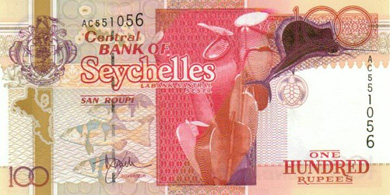
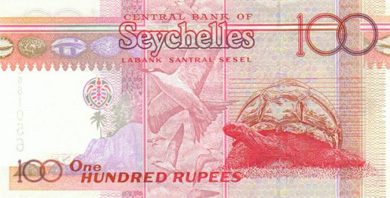
- Seychellese Rupee (SCR)
- GDP — official exchange rate
- $722,000,000 (USD)
- GDP Real Growth Rate
- -3%
Banknotes
Budget & Public Finance
- Fiscal Year
- calendar year
- Annual Budget
- $332,200,000 (USD)
- Public Debt (% of GDP)
- 129.7%
- External Debt
- $276,800,000 (USD)
- Investment (% of GDP)
- 41.5%
- Economic Aid
- $16,400,000 (USD)
- Current Account Balance
- -$16,660,000 (USD)
- Reserves of Foreign Exchange
- $29,160,000 (USD)
Labor, Industry & Trade
- Labor Force by Occupation
- industry 19%; services 71%; agriculture 10%
- Industries
- fishing; tourism; processing of coconuts and vanilla, coir (coconut fiber) rope, boat building, printing, furniture; beverages
- Agriculture Products
- coconuts, cinnamon, vanilla, sweet potatoes, cassava (tapioca), bananas; broiler chickens; tuna fish
- Export Commodities
- canned tuna, frozen fish, cinnamon bark, copra, petroleum products (reexports)
- Export Partners
- UK 24.6%, France 17.1%, Mauritius 8.7%, Italy 7.5%, US 7.2%, Germany 6.7%, Japan 5.8%, Netherlands 5.8%, Spain 5.8%, Thailand 5.5%0
- Import Commodities
- machinery and equipment, foodstuffs, petroleum products, chemicals
- Import Partners
- Saudi Arabia 14.8%, France 12.2%, South Africa 10.9%, Spain 9.4%, Italy 9.1%, Singapore 6.8%, UK 5.7%0
Energy
- Oil Production
- 0 bbl/day
- Oil Consumption
- 7,600 bbl/day
- Oil Reserves
- 0 bbl/day
- Natural Gas Production
- 0 cu m
- Natural Gas Consumption
- 0 cu m
- Natural Gas Imports
- 0 cu m
- Natural Gas Exports
- 0 cu m
- Natural Gas Reserves
- 0 cu m
Communications
- Telephone System
- general assessment: effective system domestic: combined fixed-line and mobile-cellular teledensity exceeds 170 telephones per 100 persons; radiotelephone communications between islands in the archipelago international: country code - 248; direct radiotelephone communications with adjacent island countries and African coastal countries; satellite earth station - 1 Intelsat (Indian Ocean)
- Internet Country Code
- .sc
News & Weather
News & Weather
Current Weather
Latest News
Healthy Soil, Healthy Crops in Seychelles - International Atomic Energy Agency
International Atomic Energy Agency · 3d ago
Starlink launches satellite internet services in Seychelles - SatellitePro ME
SatellitePro ME · 4h ago
Emerald Cruises introduces Seychelles and East Africa voyages aboard Emerald Kaia yacht - CruiseMapper
CruiseMapper · 17h ago
Mango House Seychelles Review - Savoir Flair
Savoir Flair · 21h ago
Mango House, Seychelles – Hotel Review - CN Traveller
CN Traveller · 12h ago
My Journey Through 50 Years of Seychelles’ Independence - ipsnews.net
ipsnews.net · 21d ago
Portugal, Greece, Norway, Seychelles and More Countries Lead the World’s Biggest Island Travel Shift in 2026 as Porto Santo, Syros and Lofoten Islands Explode in Popularity With Rising Searches, Untouched Beauty and a New Era of Authentic Escapes Be - Travel And Tour World
Travel And Tour World · 1h ago
A songbird fell to just 12 to 15 birds on one island: Decades of rescue work later, the Seychelles magpie - The Times of India
The Times of India · 18h ago
News via Google News
Climate Overview
tropical marine; humid; cooler season during southeast monsoon (late May to September); warmer season during northwest monsoon (March to May)
Videos
Videos
1 curated YouTube videos.
Source: YouTube
Frequently Asked Questions
Frequently Asked Questions
What is the population of Seychelles?
How do people greet each other in Seychelles?
What are the dining customs in Seychelles?
What etiquette should I know when visiting Seychelles?
What should I wear in Seychelles?
What gestures should I be aware of in Seychelles?
What is family life like in Seychelles?
What do people do for recreation in Seychelles?
What is the capital of Seychelles?
Where is Seychelles located?
What are the ocean borders of Seychelles?
What religion is practiced in Seychelles?
What is the currency of Seychelles?
What languages are spoken in Seychelles?
What is the geography of Seychelles like?
What is Seychelles known for?
Last reviewed 2026