
 English
 Español
 中文
中文 हिन्दी
 Français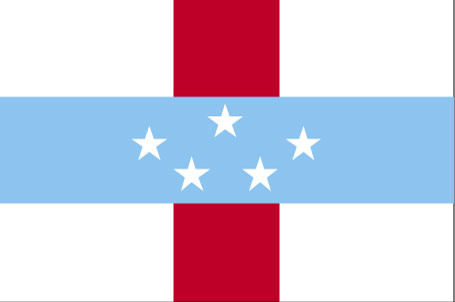
Curacao
Curacao
Declare Your Relationship to Curacao
CountryReports Community
- Studying4
- From Curacao1
- Curacao heritage2
- Visited3
- Want to visit2
Customs and Culture
Customs and Culture
Cultural Attributes
Curaçao possesses a remarkably layered cultural identity shaped by centuries of colonial history, African heritage, indigenous Arawak roots, and the influence of dozens of nationalities that have passed through or settled on the island. This blend has produced one of the Caribbean's most distinctive and vibrant cultures. At the heart of Curaçaoan identity is Papiamentu (also spelled Papiamento), a creole language that draws from Portuguese, Spanish, Dutch, English, and West African languages. It is spoken by the vast majority of the island's roughly 150,000 residents and serves as the primary language of daily life, music, and local media. Dutch is the official language used in government and formal education, while Spanish and English are also widely spoken due to the island's proximity to South America and its strong tourism industry. The island's cultural calendar is defined by its festivals. Carnival is the most prominent annual celebration, featuring weeks of parades, music competitions, and elaborate costumes. Unlike many Caribbean carnivals, Curaçao's version blends African rhythms with Latin influences, and the tumba music competition held during Carnival season is a beloved cultural institution where local composers vie for the title of Carnival Road March. African cultural heritage remains deeply embedded in the island's traditions. Tambú, a form of music and dance with West African roots, was historically suppressed but has been revived as a symbol of cultural pride. The Seú harvest festival, another tradition with African origins, was once used to celebrate the end of the sorghum harvest and involved communal singing and dancing. Curaçao's cuisine reflects its multicultural makeup, incorporating Dutch, African, Latin American, and South Asian influences. Dishes such as keshi yena, a baked stuffed cheese shell typically filled with spiced meat, are considered emblematic of the island's cooking tradition. The island's architectural heritage, particularly the pastel-colored Dutch colonial buildings of the historic Handelskade waterfront in Willemstad, earned UNESCO World Heritage Site designation in 1997, underscoring the cultural and historical significance of the built environment in Curaçaoan identity.

Islands of Resilience and Renewal
Holidays
Queen's Day
4/30Birthday
Birthday of Queen-Mother JULIANA in 1909 and accession to the throne of her oldest daughter BEATRIX in 1981
Dates of Interest
- April 30th
Birthday of Queen-Mother Juliana in 1909 and accession to the throne of her oldest daughter Beatrix in 1981
What is the food like in the Netherlands Antilles?
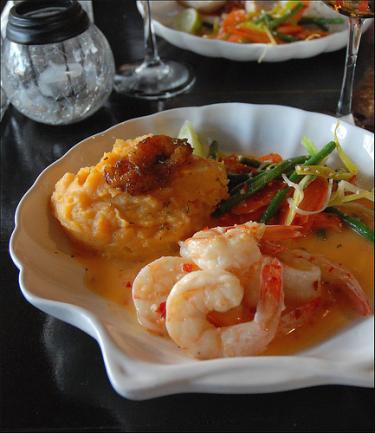
Curaçao's cuisine reflects its multicultural makeup, blending Dutch, African, Latin American, and South Asian influences.
Good to know
- Try keshi yena, a baked stuffed cheese shell typically filled with spiced meat, considered emblematic of the island's cooking
What festivals and cultural events happen in the Netherlands Antilles?
The island's cultural calendar centers on festivals, with Carnival as the most prominent annual celebration featuring weeks of parades, music competitions, and elaborate costumes.
Good to know
- Experience Carnival's blend of African rhythms with Latin influences
- Watch the tumba music competition during Carnival, where composers vie for the title of Carnival Road March
- Look out for Tambú, a revived West African-rooted music and dance that is a symbol of cultural pride
- Learn about the Seú harvest festival, an African-origin tradition of communal singing and dancing
What should I know before visiting the Netherlands Antilles?
Curaçao has a layered cultural identity shaped by colonial history, African heritage, indigenous Arawak roots, and dozens of nationalities, making it one of the Caribbean's most distinctive cultures.
Good to know
- Papiamentu, a creole drawing from Portuguese, Spanish, Dutch, English, and West African languages, is the primary language of daily life
- Dutch is the official language of government and formal education
- Spanish and English are also widely spoken
- Visit the UNESCO-listed pastel-colored Dutch colonial buildings of the Handelskade waterfront in Willemstad
Last updated: 2026-07-12 · Sources: CountryReports
Photos of Curacao
Photos of Curacao
Travel and Tourism
Travel and Tourism
- Travel Alert Status
- Level 1: Exercise Normal Precautions
- Currency
- 1.79
- Time Difference
- UTC-4 (1 hour ahead of Washington, DC, during Standard Time)
- Climate
- Curacao and the other ABC islands are hot year round. Temperatures seldom exceed 90°F during the day or fall below 80°F at night. Relative humidity averages 70% annually and seldom varies far from that average. The effect of the heat and the humidity, however, is lessened by the almost constant northeast trade winds. The ocean temperature averages 80°F and only varies a few degrees between summer and winter. Rainfall averages only 22 inches annually, most of which falls during the months of November and December, and the islands are below the hurricane belt so that particular danger is absent. Drought-resistant plants, such as cactus, thorn trees and succulents predominate. August, September and October are the warmest months; December, January and February are the coolest.
- Airports
- 5
Read the full travel guide — health, safety, vaccinations, disease risk, sanitation, and transit details.
View full travel guideHistory
History
Historical Eras
Indigenous & Spanish Era
1499 – 1634
Arawak peoples were the original inhabitants of the islands before Spanish explorer Alonso de Ojeda claimed Curaçao for Spain in 1499. Spain held the islands for over a century, using them primarily as strategic outposts, though they remained relatively underdeveloped compared to larger Spanish colonial holdings in the Caribbean.
Dutch Colonial Foundations
1634 – 1791
The Dutch West India Company seized Curaçao and Bonaire in 1634, quickly transforming Curaçao into the dominant hub of the Caribbean slave trade and a strategic military base against Spanish power. Sint Maarten was colonized in 1631 and divided between Dutch and French by the landmark 1648 Treaty of Concordia, while Sint Eustatius flourished as a major duty-free trading port. The islands changed hands repeatedly among European powers throughout this turbulent period.
Decline & Abolition
1791 – 1863
The late 18th and early 19th centuries brought economic stagnation as the slave trade declined and Sint Eustatius lost its trading dominance following the 1783 Anglo-American peace. In 1845 the Dutch Leeward Islands formally united with Curaçao, Bonaire, and Aruba into a single political unit. The abolition of slavery in 1863 dealt a severe blow to the plantation economies of Sint Maarten and other islands, triggering prolonged economic hardship.
Oil & Modernization
1863 – 1954
Following the devastation of abolition, the islands endured decades of poverty until the early 20th century, when newly discovered Venezuelan oil fields prompted the construction of a major refinery on Curaçao, restoring prosperity to the region. Aruba similarly benefited from refinery development, and an offshore financial sector emerged to serve Dutch commercial interests. These industries transformed Curaçao into the economic and administrative center of the Dutch Caribbean.
Netherlands Antilles Federation
1954 – 1986
In 1954 the Netherlands Antilles — comprising Curaçao, Bonaire, Sint Maarten, Sint Eustatius, and Saba — were federated as an autonomous constituent country within the Kingdom of the Netherlands, gaining full self-governance in internal affairs. The federation maintained strong ties with the Netherlands while developing its offshore financial sector. Aruba, seeking greater autonomy, negotiated a separate Status Aparte and formally departed the federation on January 1, 1986.
Late Autonomy & Dissolution
1986 – present
Following Aruba's departure, the five-island federation continued under increasing political and economic strain, with debate over equitable governance among geographically dispersed islands. Economic difficulties and emigration — particularly of young adults to the Netherlands — accelerated from the late 1990s onward. On October 10, 2010, the Netherlands Antilles was formally dissolved: Curaçao and Sint Maarten became autonomous constituent countries, while Bonaire, Sint Eustatius, and Saba became special municipalities of the Netherlands.
Overview
Curaçao
The Arawaks are recognized as the first human civilization to inhabit the Netherlands Antilles. A Spanish expedition led by Alonso de Ojeda discovered the island of Curaçao for Spain in 1499, and it remained under the Spanish until the Dutch took control in 1634. Curaçao was a strategically important point for military advances against the Spanish and as the center of Caribbean slave trade. Curaçao became the host of the Netherlands Antilles Government in 1954.
Bonaire
With origins similar to Curaçao, Bonaire was captured by the Dutch in 1634, and it became a granary for the Dutch East Indian Company until 1791, when the government reclaimed control.
Sint Eustatius
The first settlement in Sint Eustatius was established in 1636 and changed hands between the Dutch, French, and Spanish 22 times in its history. In the 18th century the island became a duty-free port for overburdened colonizers shipping back to the homeland, which propelled it into a major port with rapid population growth that lost momentum after the American-British peace treaty in 1783.
Saba
Columbus was the first to sight Saba, but it was the Dutch who colonized the island in 1640 with a party from Sint Eustacia. Because of its difficult terrain, the island’s growth progressed slowly, and it remains the least populated island in the Dutch Kingdom.
Sint Maarten
The Dutch were the first to colonize Sint Maarten in 1631, but within 2 years the Spanish invaded and evacuated the settlers. The Dutch made a failing attempt to regain the island in 1644, but 4 years later the Spanish abandoned the island of their own accord. In 1648 the island was divided between the Dutch and the French; however, complete control of the island was seized numerous times in a series of conflicts. The British became involved as well, taking power for a 6-year and 10-year stint. Finally, in 1817, the current partition line between Dutch and French was established. The island flourished under a slave-based plantation economy and the exportation of salt until abolition of slavery in 1863.
Unification
In 1845 the Dutch Leeward islands united with Curaçao, Bonaire, and Aruba in a political unit. The abolition of slavery hurt the islands’ economy until the 20th century, when oil was discovered off the shores of Venezuela and a refinery was established on Curaçao. Also during that period an offshore financial sector was created to serve Dutch businesses.
Since 1945, the federation of the Netherlands Antilles--Curacao, Bonaire, Saba, Sint Eustatius, and Sint Maarten--have been autonomous in internal affairs. Aruba also was a part of this federation until January 1, 1986, when it gained status apart within the Kingdom of the Netherlands.
About 85% of Curacao’s population is of African derivation. The remaining 15% is made up of various races and nationalities, including Dutch, Portuguese, North Americans, natives from other Caribbean islands, Latin Americans, Sephardic Jews, Lebanese, and Asians. Roman Catholicism predominates, but several other churches are represented, which include Anglican, Jewish, Muslim, Protestant, Mormon, and Baptist. The Jewish community is the oldest in the Western Hemisphere, dating back to 1634. The recent faltering in the economy has increased migration to the Netherlands, especially young adults. Since 1998 about 5% of the population has left the islands each year for the Netherlands.
Timeline of Key Events
1648
The island of St. Martin in the Lesser Antilles was divided between the French and Dutch.
The island of St. Martin in the Lesser Antilles was divided between the French and Dutch. The southern half went to the Dutch as Sint Maarten, while the northern half, Saint Martin, became part of the French department of Guadeloupe.
1762
Martinique surrendered to the British.
Martinique, a major French base in the Lesser Antilles of the West Indies, surrendered to the British.
1954
The 5 islands of the Netherlands Antilles were federated.
The 5 islands of the Netherlands Antilles were federated. These included Bonaire, Curacao, St. Maarten, Saba and St. Eustatius.
Read the full history profile — narrative overview, defining eras, and the complete timeline in one place.
View expanded historyInteresting Facts
Interesting Facts
The islands were captured by the Dutch in the 17th cent. and were worked by the many African slaves who were brought to their shores.
See every fact — trivia, oddities, and curious tidbits gathered from across the country.
View all interesting factsGeography and Environment
Geography and Environment
- Terrain
- generally hilly, volcanic interiors
- Climate
- Curacao and the other ABC islands are hot year round. Temperatures seldom exceed 90°F during the day or fall below 80°F at night. Relative humidity averages 70% annually and seldom varies far from that average. The effect of the heat and the humidity, however, is lessened by the almost constant northeast trade winds. The ocean temperature averages 80°F and only varies a few degrees between summer and winter. Rainfall averages only 22 inches annually, most of which falls during the months of November and December, and the islands are below the hurricane belt so that particular danger is absent. Drought-resistant plants, such as cactus, thorn trees and succulents predominate. August, September and October are the warmest months; December, January and February are the coolest.
- Natural Hazards
- Curacao and Bonaire are south of Caribbean hurricane belt and are rarely threatened; Sint Maarten, Saba, and Sint Eustatius are subject to hurricanes from July to October
- Current Environmental Issues
- NA
Read the full geography and environment profile — terrain, climate, natural resources, hazards, land use, and international agreements.
View full geographyPeople & Demographics
People & Demographics
Languages Spoken
Dutch (official), Papiamento (a Spanish-Portuguese-Dutch-English dialect) predominates, English widely spoken, Spanish
- Dutch
- Papiamento
- Spanish
Population
- Population
- 228,693
- Nationality Noun
- Dutch Antillean(s)
- Ethnic Groups
- Mixed black 85%, Carib Amerindian, white, East Asian
Education
- Literacy Definition
- age 15 and over can read and write
Read the full people and society profile — demographics, health, education, religion, languages, and notable people.
View full people and societyGovernment & Politics
Government & Politics
Country Identity
- Country Name
- NetherlandsAntilles
- Local - Short
- Curacao
- Former Name
- Curacao and Dependencies
Government Structure
- Government Type
- parliamentary
- Legal System
- based on Dutch civil law system with some English common law influence
- Executive Branch
- chief of state: King WILLEM-ALEXANDER of the Netherlands (since 30 April 2013), represented by Governor Lucille A. GEORGE-WOUT (since 4 November 2013) head of government: Prime Minister Gilmar PISAS (since 14 June 2021) cabinet: Cabinet of Ministers appointed by the Governor elections: the monarch is hereditary; governor appointed by the monarch for a six-year term; following legislative elections, the leader of the majority coalition is typically appointed prime minister by the Governor; election last held on 19 March 2021 (next to be held in 2025) note: Curaçao became an autonomous country within the Kingdom of the Netherlands on 10 October 2010, following the dissolution of the Netherlands Antilles; current governing coalition is led by the Movementu Futuro Kòrsou (MFK)
- Legislative Branch
- unicameral States or Staten (22 seats - Curacao 14, Bonaire 3, St. Maarten 3, St. Eustatius 1, Saba 1; members are elected by popular vote to serve four-year terms) elections: last held 18 January 2002 (next to be held in 2006) election results: percent of vote by party - NA%; seats by party - PAR 4, PNP 3, PLKP 2, DP St. M 2, UP Bonaire 2, WIPM 1, DP note: the government of Prime Minister Etienne YS is a coalition of several parties; current government formed after collapse of FOL led government on 4 April 2004
- Judicial Branch
- Joint High Court of Justice (judges appointed by the monarch)
- Suffrage
- 18 years of age; universal
- Constitution
- 29 December 1954, Statute of the Realm of the Netherlands, as amended
- Independence
- none (part of the Kingdom of the Netherlands)
- National Holiday
- Queen's Day (Birthday of Queen-Mother JULIANA in 1909 and accession to the throne of her oldest daughter BEATRIX in 1980), 30 April
Capital City
- Capital Name
- Willemstad
- Capital - geographic coordinate
- 12 06 N, 68 55 W
- Capital Time Difference
- UTC-4 (1 hour ahead of Washington, DC, during Standard Time)
Named after Prince WILLIAM II of Orange (1626-1650), who served as stadtholder (Dutch head of state) from 1647 to 1650, shortly after the the Dutch captured Curacao from the Spanish in 1634
Military
Branches: No regular military forces; the Dutch Government controls foreign and defense policy
Read the full government profile — flag symbolism, national anthem, and other national symbols.
View full government detailsEconomy
Economy
Tourism, financial services, and trade are the mainstays of Curacao's small, open economy, which remains closely tied to the outside world. The island enjoys a high per capita income and a well-developed infrastructure compared with other countries in the region, though the closure of the Isla refinery in 2019 dealt a significant blow to the economy, ending decades of petroleum refining as a major industry. Efforts to find a new operator for the refinery have continued, with refurbishment plans under discussion. The COVID-19 pandemic caused a sharp contraction in 2020, but tourism has rebounded strongly, driving renewed growth. Almost all consumer and capital goods are imported, with the United States, the Netherlands, and other regional partners among the major suppliers. Poor soils and inadequate water supplies limit agricultural development, leaving the country heavily dependent on imports for food. Budgetary pressures, public debt, and the costs of an aging population continue to challenge reforms of the health and pension systems, while diversification into logistics, digital services, and renewable energy is being pursued to strengthen long-term resilience.
Snapshot
- Currency Name and Code
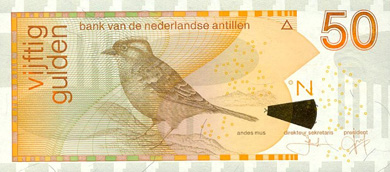
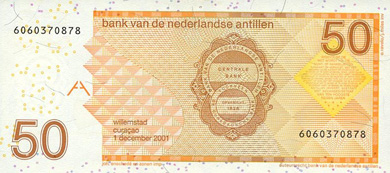
- Netherlands Antillean guilders (ANG)
- GDP Real Growth Rate
- 1%
Banknotes
Budget & Public Finance
- Fiscal Year
- calendar year
- Annual Budget
- $949,500,000 (USD)
- External Debt
- $2,680,000,000 (USD)
Labor, Industry & Trade
- Labor Force by Occupation
- agriculture 1%; industry 13%; services 86%
- Industries
- tourism (Curacao, Sint Maarten, and Bonaire), petroleum refining (Curacao), petroleum transshipment facilities (Curacao and Bonaire), light manufacturing (Curacao)
- Agriculture Products
- aloes, sorghum, peanuts, vegetables, tropical fruit
- Export Commodities
- petroleum products
- Export Partners
- US 23.6%, Venezuela 10.5%, Bahamas, The 8.2%, El Salvador 5.1%, Honduras 4.7%, Guyana 4.4%, Canada 4.4%, Panama 4.3%, Guatemala 4.2%, Netherlands 4.2%
- Import Commodities
- crude petroleum, food, manufactures
- Import Partners
- Venezuela 61.3%, US 13%, Netherlands 7.7%, Iraq 6.8%0
Energy
- Oil Production
- 0 bbl/day
- Oil Consumption
- 72,500 bbl/day
- Oil Reserves
- 0 bbl/day
- Natural Gas Production
- 0 cu m
- Natural Gas Consumption
- 0 cu m
- Natural Gas Imports
- 0 cu m
- Natural Gas Exports
- 0 cu m
- Natural Gas Reserves
- 0 cu m
Communications
- Telephone System
- International: Country code - 599
- Internet Country Code
- .an
News & Weather
News & Weather
Current Weather
Latest News
Did Curaçao's Dick Advocaat get robbed of the Best Performance by a Manager Award? - FOX Sports
FOX Sports · 2d ago
Curaçao Completes Major Digital Upgrade Across Public Schools - Curaçao Chronicle
Curaçao Chronicle · 19h ago
Man convicted in slaying of Dutch Marechaussee on Curaçao gets 15 years - NL Times
NL Times · 3d ago
The smallest nation ever to qualify for the World Cup didn’t do it alone - NBC News
NBC News · 46d ago
One of the most popular 2026 World Cup kits may not be worn at the tournament - The Athletic - The New York Times
The New York Times · 48d ago
Fifa World Cup 2026: What you need to know about Curacao - BBC
BBC · 46d ago
World Cup 2026: All you need to know about Dick Advocaat's Curacao - the tournament's smallest ever nation - Sky Sports
Sky Sports · 37d ago
The Curacao blueprint and how Guyana are targeting a similar World Cup miracle - the-independent.com
the-independent.com · 44d ago
News via Google News
Climate Overview
Curacao and the other ABC islands are hot year round. Temperatures seldom exceed 90°F during the day or fall below 80°F at night. Relative humidity averages 70% annually and seldom varies far from that average. The effect of the heat and the humidity, however, is lessened by the almost constant northeast trade winds. The ocean temperature averages 80°F and only varies a few degrees between summer and winter. Rainfall averages only 22 inches annually, most of which falls during the months of November and December, and the islands are below the hurricane belt so that particular danger is absent. Drought-resistant plants, such as cactus, thorn trees and succulents predominate. August, September and October are the warmest months; December, January and February are the coolest.
Videos
Videos
2 curated YouTube videos.
Source: YouTube
Source: YouTube
Frequently Asked Questions
Frequently Asked Questions
What is the population of Curacao?
What is the food like in the Netherlands Antilles?
What festivals and cultural events happen in the Netherlands Antilles?
What should I know before visiting the Netherlands Antilles?
What is the capital of the Netherlands Antilles?
Where is the Netherlands Antilles located?
What are the sea borders of the Netherlands Antilles?
What currency is used in the Netherlands Antilles?
What languages are spoken in the Netherlands Antilles?
What is the Netherlands Antilles known for?
What is the historical background of the Netherlands Antilles?
What is the geography of the Netherlands Antilles like?
Last reviewed 2026