
 English
 Español
 中文
中文 हिन्दी
 Français
Andorra
Andorra
Declare Your Relationship to Andorra
CountryReports Community
- Studying1
- From Andorra0
- Andorra heritage0
- Visited0
- Want to visit0
Customs and Culture
Customs and Culture
Cultural Attributes
Andorrans are very proud of their nationality. It is very difficult for foreigners to get an Andorran passport. "New Andorrans" are said to be a little arrogant, while "Old" Andorrans are very traditional, modest but proud, and typically Catalan people.

High Kingdom of the Pyrenees
Greetings, Gestures & Visiting
"Bon dia" or "bona tarda", "com esta" (good morning, or good afternoon, how do you do? in Catalan). Spanish (Castilian) is also widely used in Andorra and everyone understands and speaks it, as well as French.
Andorrans greet the Spanish way: women hug and give a kiss on every cheek when greeting other women and men. Men never kiss, except in the case of close relatives.
Gestures play a significant role in non-verbal communication and can convey various meanings in Andorran culture. While Andorra shares some common gestures with neighboring countries, it also has its unique gestures. Here are a few examples:
Handshake: Handshakes are a common greeting in Andorra when meeting someone for the first time, in both formal and informal settings. It is a gesture of respect and acknowledgment. Maintain eye contact, offer a firm handshake, and a friendly smile.
Kiss on the Cheek: When greeting friends, family, or acquaintances, it is customary to exchange kisses on the cheek. The number of kisses may vary depending on the level of familiarity and regional customs, but generally, it is one or two kisses on alternating cheeks.
Nodding: Nodding the head up and down is a gesture of agreement or affirmation in Andorra, similar to many other cultures. It is used to indicate "yes" or to show understanding or approval in conversations.
Gesturing "No": To indicate "no" or disagreement, the head is usually tilted to the side or shaken from side to side. The gesture is accompanied by a verbal response or used alone to express a negative response.
Hand Gestures: While Andorran hand gestures may not have distinct meanings unique to the country, common gestures such as raising the thumb to signify approval or hitchhiking, or pointing with the index finger to indicate direction or emphasis, are commonly understood.
Hand-Waving: When greeting someone from a distance or trying to catch someone's attention, a friendly hand-wave is a common gesture in Andorra. It is a casual and welcoming gesture used to acknowledge or greet someone.
Crossing Fingers: Crossing the index and middle fingers is a common gesture in Andorra, as in many other cultures, to express a wish for good luck or to ward off bad luck. It is often done discreetly or behind one's back.
Open Palms: Open palms facing upward are a gesture of openness, honesty, and trust in Andorran culture. It signifies a welcoming attitude, sincerity, and a desire to communicate openly.
Hand Signals in Outdoor Activities: In outdoor activities like skiing or hiking, specific hand signals are used for safety and communication among participants. For example, raising an open palm signifies "stop," while pointing in a direction indicates a path or direction to follow.
Non-Verbal Cues: Non-verbal cues such as facial expressions, nodding, and body language are significant in Andorran communication. Maintaining eye contact, smiling, and using appropriate facial expressions contribute to effective communication and convey interest or understanding.
Bringing flowers is not very common, but a little present like sweets, chocolate or dessert when you are invited to lunch or dinner is welcome. In former times, the host used to overwhelm the guests with food. This is outdated nowadays. Cooking has also become very popular among Andorran men.
For everyday Andorrans wear modern Western-style clothing. There are good fashion shops in Andorra (all the big brands are available). Traditional clothing is only worn as costumes for special occasions. For women a traditional clothing would be a full flowered skirt over a white petticoat, a blouse, long black fingerless net gloves and black espadrilles (sandals). For men, it is a white shirt, dark knee-length pants, white stockings, and black shoes. Additional a broad red sash may be worn at the waist.
Diet
Andorran cuisine is mainly Catalan. Daily food includes farm produce and fresh game. A favorite entree would be trinxat (boiled potatoes and cabbage). A dessert favorite is coques flat cakes made with grape syrup, brandy and other flavorings

Family
The Andorran family is very wide and includes direct, indirect, and very indirect relatives. "Trobadas", family gatherings are very popular, generally in summer, when the whole family at its full extension gathers around a barbecue. Holidays like Christmas or the National Patron Saint Day also can be used for this kind of gatherings.
Due to the mountainous landscape, most Andorrans live in slate-roofed, built against the hillside. Life centers around the family with the father as the head of the house.
Dating Customs
In Andorran culture, dating customs and practices are influenced by a combination of traditional values, modern influences, and the proximity to neighboring countries. While there is no single "Andorran" dating culture, here are some aspects that are commonly observed in dating customs in Andorra:
Social Circles: Dating in Andorra often begins within existing social circles, such as through mutual friends, work, or common interests. Meeting potential partners through shared activities or events is common.
Courting and Romance: Andorran dating often involves a period of courtship and romantic gestures. This may include exchanging flowers, going on romantic outings, and expressing affection through words and actions.
Traditional Gender Roles: Traditional gender roles may still play a role in Andorran dating. Men often take the initiative in asking someone out and planning dates, while women may expect to be courted and pursued.
Family Values: Family plays an important role in Andorran culture, and their opinion and approval may be sought when it comes to dating and relationships. Introducing a partner to the family is considered a significant step, indicating the seriousness of the relationship.
Public Displays of Affection: While Andorra is generally open-minded and influenced by Western cultures, public displays of affection may still be more conservative compared to some other countries. Couples may choose to be more discreet in showing physical affection in public.
Multicultural Influences: Given its location and history, Andorra has been influenced by neighboring countries such as Spain and France. This can contribute to a diverse dating culture where individuals may adopt different dating styles and customs.
Modern Dating Practices: With the advent of technology and globalization, online dating and dating apps have also gained popularity in Andorra, especially among younger generations. These platforms provide opportunities to meet and connect with individuals outside of traditional social circles.
Leisure Activities: Dating in Andorra often involves engaging in leisure activities together. Given its natural beauty and outdoor opportunities, common dating activities may include hiking, skiing, cycling, and enjoying picturesque landscapes.
Casual Dating: As in many other modern societies, casual dating and non-committal relationships are becoming more common in Andorra. However, traditional values of commitment and long-term relationships are still prevalent.
Communication and Respect: Effective communication and respect are important aspects of dating in Andorra. Clear and open communication about expectations, boundaries, and intentions is valued for building a healthy and successful relationship.
Religious (Catholic) marriages are more common in Andorra than in Spain and France. In order to get divorced, Andorrans have to go to Spain or France.
Recreation
Due to the mountainous climate and snow for about half the year, Skiing is a favorite pastime. During the summer hiking and mountain climbing are favorite sports. Other sports include rugby, soccer, and tennis. Most Andorrans "flee" eastbound to the Mediterranean coast or to their second homes elsewhere in Europe for vacations.
Holidays
Independence Day
8/19Independence Day
Dates of Interest
- March 8th
This internationally renowned endurance race takes place in July and attracts trail runners from around the world. The challenging course winds through Andorra's stunning landscapes, offering participants a unique and demanding sporting experience.
How do people greet each other in Andorra?
Andorrans greet the Spanish way: women hug and kiss on each cheek when greeting other women and men, while men shake hands and never kiss except with close relatives. Catalan is used, and Spanish and French are also widely spoken and understood.
Do
- Say "Bon dia" (good morning) or "Bona tarda" (good afternoon), and "Com esta" (how do you do?) in Catalan
- Offer a firm handshake with eye contact and a friendly smile when meeting someone for the first time
- Exchange one or two kisses on alternating cheeks with friends, family, and acquaintances
Good to know
- Everyone understands and speaks Spanish (Castilian) and French as well as Catalan
What are dining customs like in Andorra?
Andorran cuisine is mainly Catalan, featuring farm produce and fresh game. A favorite entree is trinxat (boiled potatoes and cabbage) and a favorite dessert is coques, flat cakes made with grape syrup, brandy, and other flavorings.
Good to know
- Cooking has become very popular among Andorran men
What etiquette should I know when visiting an Andorran home?
Bringing a small present like sweets, chocolate, or dessert when invited to lunch or dinner is welcome, though flowers are not very common.
Do
- Bring a small gift such as sweets, chocolate, or dessert when invited
Good to know
- The old custom of hosts overwhelming guests with food is outdated nowadays
How should I dress in Andorra?
Andorrans wear modern Western-style clothing every day, and traditional clothing is only worn as costumes for special occasions.
Good to know
- There are good fashion shops with all the big brands available
- Traditional women's dress includes a full flowered skirt over a white petticoat, blouse, long black fingerless net gloves, and black espadrilles; men wear a white shirt, dark knee-length pants, white stockings, black shoes, and sometimes a broad red sash
What gestures are important in Andorra?
Non-verbal cues like eye contact, smiling, nodding, and body language are significant in Andorran communication. Andorra shares many common gestures with neighboring countries.
Do
- Nod up and down to signal agreement, "yes," or understanding
- Use a friendly hand-wave to greet someone from a distance
- Use open palms facing upward to show openness, honesty, and a welcoming attitude
- In outdoor activities like skiing or hiking, raise an open palm for "stop" and point to indicate direction
Good to know
- Tilt or shake the head from side to side to indicate "no" or disagreement
- Raising the thumb signifies approval; crossing index and middle fingers wishes good luck
What role does family play in Andorra?
Life centers around the family, which is very wide and includes direct, indirect, and very indirect relatives, with the father as the head of the house.
Good to know
- "Trobadas" are popular family gatherings, generally in summer around a barbecue
- Holidays like Christmas or the National Patron Saint Day are also used for family gatherings
- Most Andorrans live in slate-roofed homes built against the hillside
What do people do for recreation in Andorra?
Skiing is a favorite pastime thanks to the mountainous climate and snow for about half the year, while hiking and mountain climbing are favorites in summer. Other sports include rugby, soccer, and tennis.
Good to know
- Most Andorrans head eastbound to the Mediterranean coast or to second homes elsewhere in Europe for vacations
Last updated: 2026-07-12 · Sources: CountryReports
Photos of Andorra
Photos of Andorra


Travel and Tourism
Travel and Tourism
- Travel Alert Status
- Level 1: Exercise Normal Precautions
- Currency
- 0.9214
- Time Difference
- UTC+1 (6 hours ahead of Washington, DC during Standard Time)
- Climate
- Temperate; snowy, cold winters and warm, dry summers
- Airports
- 0
- Recommended Vaccinations
- How important is it to do your research about vaccinations? It might just save your life! Make yourself aware of the different types of vaccinations and which ones you may need to travel to your destination. Schedule an appointment with your doctor at least four to six weeks before you travel to ensure you receive all important shots. Be sure that you and your family are up to date on your routine vaccinations. Which vaccinations you need will depend on a number of factors including your destination, whether you will be spending time in rural areas, the season of the year you are traveling, your age, health status, and previous immunizations.
Read the full travel guide — health, safety, vaccinations, disease risk, sanitation, and transit details.
View full travel guideRecipes
Recipes
History
History
Historical Eras
Carolingian Origins
803 – 1278
Charlemagne's reconquest of the Andorran valleys from the Moors in 803 established the region as one of his March states — buffer territories guarding Christian France's southern frontier. Tradition holds that Charlemagne granted the Andorrans a charter in recognition of their military service. Authority passed through the Counts of Urgell to the Diocese of Urgell, setting the stage for centuries of Franco-Spanish rivalry over the territory.
Co-Principality Founded
1278 – 1607
The pareage of 1278, signed by the Count of Foix and the Bishop of Seu d'Urgell, resolved a prolonged territorial dispute by establishing joint Franco-Spanish sovereignty over Andorra. This feudal compact gave the small state its distinctive political form — shared rule between two foreign lords of equal standing. The arrangement proved remarkably durable, preserving Andorran autonomy while insulating it from the dynastic conflicts reshaping the rest of medieval Europe.
Royal Edict Era
1607 – 1866
Henry IV of France formalized the co-principality in 1607, transferring the Foix title to the French crown and establishing the enduring dual-sovereignty model of the French head of state and the Bishop of Urgell. Andorra remained deeply isolated throughout this period, its mountainous terrain limiting outside contact to France and Spain. The population subsisted through pastoral farming and modest trade, largely untouched by the wars and revolutions convulsing continental Europe.
Early Democratization
1866 – 1982
The New Reform of 1866 introduced an expanded electoral system, marking Andorra's first significant steps toward representative governance. The twentieth century brought gradual modernization: postwar tourism transformed the economy from subsistence agriculture to one of the most prosperous per-capita in Europe. Women received the right to vote in 1970, and the first executive government — the Govern — took office in 1982, signaling the co-principality's transition toward modern statehood.
Parliamentary Democracy
1993 – present
In 1993 Andorra adopted its first written constitution, converting the medieval co-principality into a parliamentary democracy while retaining the French president and the Bishop of Urgell as ceremonial co-princes. The country joined the United Nations that same year and gradually integrated into broader European frameworks. Banking reform, including the 2009 agreement to ease financial secrecy rules, reflected Andorra's ongoing accommodation with international regulatory standards alongside its thriving, tax-advantaged tourist economy.
Overview
Timeline of Key Events
803
Emperor Charlemagne recovers area of present-day Andorra from Moors.
Emperor Charlemagne recovers area of present-day Andorra from Moors and is said to grant charter to its residents. After Charlemagne’s death Andorra is granted to Spain’s Count of Urgel by Charles II, grandson of Charlemagne.
1278
Andorra adopts joint allegiance to a French and a Spanish prince.
Under terms of “pareage” agreement, Andorra adopts joint allegiance to a French and a Spanish prince after disputes between French heirs to the Urgel countship and the Spanish bishops of Urgel.
1607
French royal edict establishes French head of state and bishop of Urgel as co-princes.
French royal edict establishes French head of state and bishop of Urgel as co-princes.
1866
New Reform changes electoral system, heralds process of democratisation.
New Reform changes electoral system, heralds process of democratization.
1970
Women given the vote.
Women given the vote.
1982
First executive branch of government, known as the Govern, takes office.
First executive branch of government, known as the Govern, takes office. Its head is elected by Council of the Land.
2009
Andorra agrees to ease banking secrecy rules.
Andorra agrees to ease banking secrecy rules to make it easier for other countries to pursue tax evaders and money launderers.
Read the full history profile — narrative overview, defining eras, and the complete timeline in one place.
View expanded historyInteresting Facts
Interesting Facts
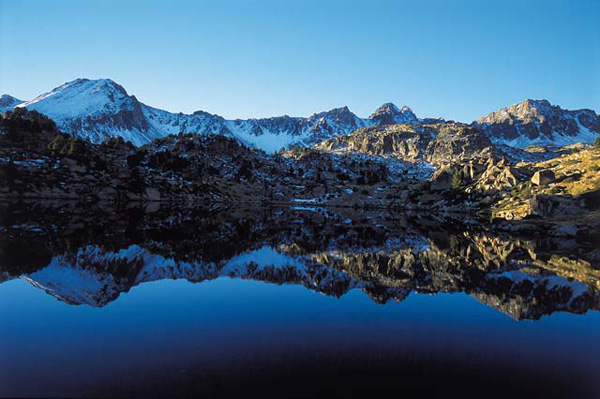
Andorra, located in the heart of the Pyrenees Mountains, is the hightest inhabited country in Europe.
See every fact — trivia, oddities, and curious tidbits gathered from across the country.
View all interesting factsGeography and Environment
Geography and Environment
- Terrain
- rugged mountains dissected by narrow valleys
- Climate
- temperate; snowy, cold winters and warm, dry summers
- Natural Hazards
- avalanches
- Current Environmental Issues
- deforestation; overgrazing of mountain meadows contributes to soil erosion; air pollution; wastewater treatment and solid waste disposal
Read the full geography and environment profile — terrain, climate, natural resources, hazards, land use, and international agreements.
View full geographyPeople & Demographics
People & Demographics
Religion
Languages Spoken
Catalan (official), French, Castilian, Portuguese
- Catalan
- French
- Portuguese
Population
- Population
- 84,525
- Population: Male/Female
- male: 43,652 female: 41,718
- Population Distribution
- population is unevenly distributed and is concentrated in the seven urbanized valleys that make up the country's parishes (political administrative divisions)
- Urban Population
- urban population: 87.8% of total population rate of urbanization: 0.11% annual rate of change
- Population in Major Urban Areas
- 23,000 ANDORRA LA VELLA (capital)
- Nationality Noun
- noun: Andorran(s) adjective: Andorran
- Ethnic Groups
- Spanish 34.3%, Andorran 32.1%, Portuguese 10%, French 5.6%, other 18%
- Language Note
- Catalan (official) 44.1%, Castilian 40.3%, Portuguese 13.5%, French 10%, English 3%, other 6.8% note: data represent mother tongue
Education
- Literacy Definition
- age 15 and over can read and write
Health Information
- Life Expectancy at Birth
- total population: 83.8 years male: 81.6 years female: 86.2 years
- Alcohol consumption per capita
- total: 10.99 liters of pure alcohol beer: 3.59 liters of pure alcohol wine: 4.98 liters of pure alcohol spirits: 2.32 liters of pure alcohol other alcohols: 0 liters of pure alcohol
- Tobacco Use
- total: 31.8% male: 35.3% female: 28.3%
- Infant Mortality Rate
- total: 3.3 deaths/1,000 live births male: 3.4 deaths/1,000 live births female: 3.2 deaths/1,000 live births
Life Expectancy
- Life Expectancy at Birth
- total population: 83.8 years male: 81.6 years female: 86.2 years
- Median Age
- total: 48.8 years male: 48.7 years female: 48.8 years
- Age Structure
- 0-14 years: 12% (male 5,276/female 4,954) 15-64 years: 67.7% (male 29,562/female 28,201) 65 years and over: 20.4% (male 8,814/female 8,563)
- Infant Mortality Rate
- total: 3.3 deaths/1,000 live births male: 3.4 deaths/1,000 live births female: 3.2 deaths/1,000 live births
Read the full people and society profile — demographics, health, education, religion, languages, and notable people.
View full people and societyGovernment & Politics
Government & Politics
Country Identity
- Country Name
- Andorra
- Full Country Name
- Principality of Andorra
- Local - Long
- Principat d'Andorra
- Local - Short
- Andorra
Government Structure
- Government Type
- parliamentary democracy (since March 1993) that retains as its chiefs of state a coprincipality; the two princes are the president of France and bishop of Seo de Urgel, Spain, who are represented locally by coprinces' representatives
- Legal System
- based on French and Spanish civil codes; no judicial review of legislative acts; has not accepted compulsory ICJ jurisdiction
- Executive Branch
- chief of state: French Coprince Emmanuel MACRON (since 14 May 2017), represented by Patrick STRZODA (since 2017); Spanish Coprince Bishop Joan-Enric VIVES i SICILIA (since 12 May 2003), represented by Josep Maria MAURI (since 2012) head of government: Prime Minister (Cap de Govern) Xavier ESPOT ZAMORA (since 16 May 2019) cabinet: Executive Council or Govern designated by the Prime Minister and formally appointed by the coprinces elections: Prime Minister elected by the General Council following legislative elections and formally appointed by the coprinces for a four-year term; election last held on 2 April 2023 (next to be held in 2027) election results: Xavier ESPOT ZAMORA reelected Prime Minister following the April 2023 general election, in which his party, Democrats for Andorra (DA), secured the largest share of seats in the General Council
- Legislative Branch
- unicameral General Council of the Valleys or Consell General de las Valls (28 seats; members are elected by direct popular vote, 14 from a single national constituency and 14 to represent each of the seven parishes; members serve four-year terms) elections: last held 24 April 2005 (next to be held March-April 2009) election results: percent of vote by party - PLA 41.2%, PS 38.1%, CDA-S21 11%, other 9.7%; seats by party - PLA 14, PS 12, CDA-S21 2
- Judicial Branch
- Tribunal of Judges or Tribunal de Batlles; Tribunal of the Courts or Tribunal de Corts; Supreme Court of Justice of Andorra or Tribunal Superior de Justicia d'Andorra; Supreme Council of Justice or Consell Superior de la Justicia; Fiscal Ministry or Ministeri Fiscal; Constitutional Tribunal or Tribunal Constitucional
- Suffrage
- 18 years of age; universal
- Constitution
- Andorra's first written constitution was drafted in 1991; approved by referendum 14 March 1993; came into force 4 May 1993
- Independence
- 1278 (was formed under the joint suzerainty of the French count of Foix and the Spanish bishop of Urgel)
- National Holiday
- Our Lady of Meritxell Day, 8 September (1278)
Capital City
- Capital Name
- Andorra la Vella
- Capital - geographic coordinate
- 42 30 N, 1 31 E
- Capital Time Difference
- UTC+1 (6 hours ahead of Washington, DC during Standard Time)
translates as "Andorra the Old" in Catalan
Military
Branches: No regular military forces, Police Service of Andorra
Embassy / Diplomatic Mission
Calle Serrano, 75
28006 Madrid, Spain
Telephone: (34) 91 587 2240
Emergency after-hours telephone: (34) 91 587 2200
Ask to speak to the duty officer if you need emergency assistance outside business hours.
Facsimile: (34) 91 587 2303
E-mail: askacs@state.gov
Website: U.S. Embassy Madrid
Read the full government profile — flag symbolism, national anthem, and other national symbols.
View full government detailsEconomy
Economy
Tourism, the mainstay of Andorra's small, prosperous economy, accounts for roughly 80% of GDP. An estimated 8 to 10 million visitors arrive annually, drawn by Andorra's duty-free shopping and its summer and winter mountain resorts. Andorra's traditional comparative advantage has eroded over the years as the economies of neighboring France and Spain have opened up, providing broader availability of goods and lower tariffs across the European Union. The banking and financial services sector also contributes substantially to the economy, though Andorra has phased out much of its historical tax haven status by signing tax transparency agreements with the EU and adopting international standards on the automatic exchange of financial information. A modest corporate and personal income tax system was introduced in the 2010s, and a value-added tax (IGI) is now in place.
Agricultural production is limited, as only about 2% of the land is arable, and most food must be imported. The principal livestock activity remains sheep raising. Manufacturing output consists mainly of tobacco products, furniture, and small consumer goods. Andorra is part of the EU Customs Union, treated as an EU member for trade in manufactured goods (with no tariffs) and as a non-EU member for agricultural products. The country is also negotiating an association agreement with the European Union to gain deeper access to the single market, and it adopted the euro as its official currency despite not being an EU member state.
Snapshot
- Currency Name and Code
- Euro (EUR)
- GDP Real Growth Rate
- 4%
- GDP by Sector
- agriculture: NA% industry: NA% services: NA%
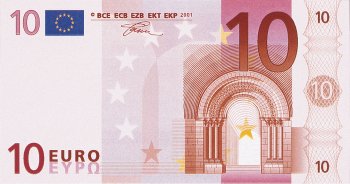
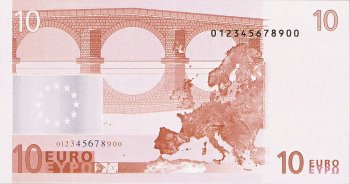
Banknotes
Budget & Public Finance
- Fiscal Year
- calendar year
- Annual Budget
- $373,500,000 (USD)
Labor, Industry & Trade
- Labor Force by Occupation
- agriculture 1%; industry 21%; services 78% (2000 est.)
- Industries
- tourism (particularly skiing), cattle raising, timber, banking
- Agriculture Products
- small quantities of rye, wheat, barley, oats, vegetables; sheep
- Export Commodities
- tobacco products, furniture
- Export Partners
- Spain 58%, France 34%
- Import Commodities
- consumer goods, food, electricity
- Import Partners
- Spain 48%, France 35%, US 2.3%
Energy
- Oil Production
- 0 bbl/day
- Oil Consumption
- 0 bbl/day
- Oil Reserves
- 0 bbl/day
- Natural Gas Production
- 0 cu m
- Natural Gas Consumption
- 0 cu m
- Natural Gas Imports
- 0 cu m
- Natural Gas Exports
- 0 cu m
- Natural Gas Reserves
- 0 cu m
Communications
- Telephone System
- General Assessment: modern automatic telephone system Domestic: modern system with microwave radio relay connections between exchanges International: country code - 376; landline circuits to France and Spain
- Internet Country Code
- .ad
News & Weather
News & Weather
Current Weather
Latest News
Council greenlights EU deal with Andorra and San Marino - consilium.europa.eu
consilium.europa.eu · 4d ago
Video: Vali Höll & Gracey Hemstreet's Battle for 1st at the Andorra DH World Cup - Pinkbike
Pinkbike · 16h ago
Bjorn Riley defeats Christopher Blevins to retain US short track MTB national title - Cyclingnews
Cyclingnews · 2d ago
Andorra la Vella Air Quality Index (AQI) and Andorra Air Pollution - IQAir
IQAir · 24d ago
FC Andorra vs. Valladolid (Apr 11, 2027) Live Score - ESPN
ESPN · 6d ago
Georgia vs Andorra - Classification Game 5-6 - FIBA Women's European Championship for Small Countries 2026 - FIBA Basketball
FIBA Basketball · 24d ago
Andorra Outpaces Monaco, Malta, Iceland, and Croatia in Revealing How International Tourist Arrivals Have Dramatically Outnumbered Resident Populations, Uncovering the World’s Most Tourism-Intensive Destinations and Their Extraordinary Economic Infl - Travel And Tour World
Travel And Tour World · 20h ago
Israel v Andorra - Rugby Europe
Rugby Europe · 2d ago
News via Google News
Climate Overview
Temperate; snowy, cold winters and warm, dry summers
Videos
Videos
1 curated YouTube videos.
Source: YouTube
Frequently Asked Questions
Frequently Asked Questions
What is the population of Andorra?
How do people greet each other in Andorra?
What are dining customs like in Andorra?
What etiquette should I know when visiting an Andorran home?
How should I dress in Andorra?
What gestures are important in Andorra?
What role does family play in Andorra?
What do people do for recreation in Andorra?
What is the capital of Andorra?
Where is Andorra located?
What countries border Andorra?
What is the predominant religion in Andorra?
What currency does Andorra use?
What language is spoken in Andorra?
What is Andorra's geography like?
What is Andorra known for?
Last reviewed 2026