
 English
 Español
 中文
中文 हिन्दी
 Français
San Marino
San Marino
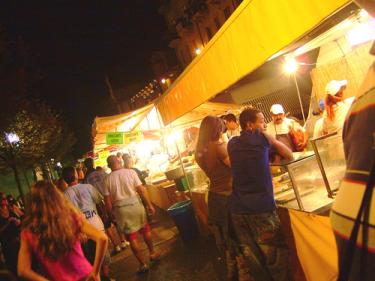
Declare Your Relationship to San Marino
CountryReports Community
- Studying0
- From San Marino0
- San Marino heritage0
- Visited0
- Want to visit1
Customs and Culture
Customs and Culture
About the People
Respect toward the elderly is an important tradition.Sammarinese
are open and friendly.
Cultural Attributes
San Marino, one of the world's smallest and oldest republics, possesses a rich cultural heritage shaped by its unique history, traditions, and influences.
Historical Significance: San Marino's cultural identity is deeply rooted in its rich history as a sovereign state founded in 301 AD. Its status as the world's oldest surviving republic has shaped its national consciousness and pride, strongly emphasizing preserving its heritage and independence.
Medieval Architecture: The picturesque landscape of San Marino is adorned with medieval architecture, including ancient fortifications, castles, and towers. The iconic Three Towers of San Marino, perched atop Mount Titano, are UNESCO World Heritage Sites and symbolize the country's historic significance and defensive prowess.
Art and Museums: San Marino boasts a vibrant arts scene with numerous museums, galleries, and cultural institutions showcasing local and international artworks. The State Museum of San Marino houses a diverse collection of historical artifacts, artworks, and archaeological treasures, offering insight into the country's past.
Cultural Festivals and Events: Throughout the year, San Marino hosts various cultural festivals and events celebrating its heritage, traditions, and customs. These include the Medieval Days, a lively reenactment of medieval life and festivities, and the San Marino Arts Festival, featuring music, dance, and theater performances.
Religious Traditions: The Catholic Church plays a significant role in San Marino's cultural fabric, with religious traditions and festivals observed yearly. Events such as the Feast of Saint Agatha and the Feast of Saint Marinus are celebrated with religious processions, ceremonies, and cultural festivities.
Cuisine: San Marino's culinary tradition is influenced by its Mediterranean location and Italian heritage. Local dishes feature fresh seafood, pasta, olive oil, and regional specialties such as piadina, a flatbread stuffed with savory fillings. Wine production is also integral to San Marino's gastronomy, with vineyards dotting the countryside.
Hospitality and Community: San Marino's tight-knit community values hospitality, warmth, and camaraderie. Visitors to the republic are welcomed with open arms and encouraged to partake in local customs, traditions, and cultural experiences, fostering a sense of belonging and connection.

Europe's Oldest Republic, Forever Free
Greetings, Gestures & Visiting
In San Marino, greetings are generally warm and courteous, reflecting the country's friendly and welcoming culture. When greeting someone in San Marino, people often use a combination of verbal and non-verbal cues to express politeness and respect.
Handshake: A handshake is the most common form of greeting in San Marino, especially in formal or business settings. It's customary to shake hands firmly while making eye contact and offering a smile.
Verbal Greetings: Common verbal greetings in San Marino include "buon giorno" (good morning), "buona sera" (good evening), and "ciao" (hello or goodbye). These greetings are used depending on the time of day and level of familiarity with the person being greeted.
Kissing on the Cheek: In more informal or social settings, friends and acquaintances may greet each other with a kiss on the cheek. This is typically a light and quick kiss on one or both cheeks, accompanied by verbal greetings or expressions of goodwill.
Respect for Elders: When greeting older individuals or those in positions of authority, it's important to show respect and deference. This may involve using formal language, addressing them by their title and last name, and offering a courteous greeting.
Physical Gestures: In addition to handshakes and kisses on the cheek, people in San Marino may use other physical gestures such as nods, smiles, and hand waves to acknowledge and greet each other. These gestures convey warmth, friendliness, and a sense of connection.
When visiting people in San Marino, observing certain customs and etiquette is essential to show respect and courtesy.
Punctuality: Arriving on time for social gatherings or visits is considered polite. Being punctual demonstrates respect for the host's time and your commitment to the meeting.
Greetings: When meeting someone in San Marino, greeting them with a handshake and making direct eye contact is customary. Use the appropriate greeting for the time of day, such as "buon giorno" (good morning), "buona sera" (good evening), or "buona notte" (good night).
Formality: San Marino values politeness and formality in social interactions, especially when meeting someone for the first time or in formal settings. Address people using their titles and last names until invited to use their first names.
Gift Giving: It's thoughtful to bring a small gift when visiting someone's home in San Marino, such as a box of chocolates, a bottle of wine, or flowers. Gifts should be modest and appropriate for the occasion.
Dining Etiquette: If invited to a meal in someone's home, wait to be seated or until the host indicates where to sit. It's polite to try a bit of everything served and to compliment the host on the meal. Avoid starting to eat or drink before the host does.
Respect for Elders: San Marino values respect for elders, so be courteous and attentive when interacting with older individuals. Use formal language and gestures to show deference and respect.
Conversation Topics: Engage in polite conversation with your hosts, avoiding controversial topics such as politics or religion unless the host initiates the discussion. Instead, focus on positive and neutral subjects like travel, food, and culture.
Farewells: When leaving, thank your hosts for their hospitality and express your appreciation for the invitation. It's customary to say goodbye to each person individually with a handshake or a kiss on the cheek if you're comfortable with it.
In San Marino, traditional clothing is not commonly worn daily, as modern Western attire is predominant. However, traditional attire may still be seen during cultural events, festivals, and special occasions.
Men's Traditional Clothing: Traditional men's attire typically includes a white shirt, dark trousers, a vest or waistcoat, and a jacket. The jacket, known as a "sacco," is often made of wool and features intricate embroidery or decorative elements. Additionally, men may wear a wide-brimmed hat adorned with feathers or ribbons, known as a "berretto."
Women's Traditional Clothing: Traditional women's attire typically consists of a long-sleeved blouse or shirt, a full skirt, an apron, and a shawl or scarf. The blouse and skirt may be brightly colored and adorned with floral patterns or embroidery. Women may also wear traditional jewelry, such as necklaces, earrings, and bracelets, often featuring local motifs and designs.
Regional Variations: While there is a general traditional attire for both men and women in San Marino, there may be regional variations in style, fabric, and accessories. These variations may reflect local customs, historical influences, and individual preferences within different communities.
Special Occasions: Traditional clothing may be worn during special occasions, such as weddings, religious festivals, and cultural celebrations. During these events, individuals may wear traditional attire to honor their heritage, connect with their roots, and participate in communal traditions.
Modern Fashion: In everyday life, San Marino's residents typically dress in modern Western-style clothing, similar to that worn in neighboring Italy. This includes casual attire such as jeans, t-shirts, dresses, and suits for formal occasions. However, traditional clothing may still be cherished and preserved as part of the country's cultural identity and heritage.
Diet
Fagioli con le cotiche a bean soup with bacon rind is a holiday dish eaten at Christmas time. Other favorites include zuppa di ciliege (cherries soaked in red wine and sugar served with bread) and bustrengo.

Family
Family is important and families are very close knit. Older family members live with their younger relatives. The family size has changed over the past 50 years from large to small due to society changing from a rural farming society to an industrial economy. The percentage of marriages in the country is high and the divorce is uncommon. The government provides financial allowances to families with children.
Dating Customs
In San Marino, dating traditions are influenced by modern Western practices and traditional values. While there isn't a strict set of dating rules, the culture emphasizes respect, courtesy, and sincerity in romantic relationships.
Formal Courtship: Traditional courtship customs may involve a more formal approach to dating, with individuals getting to know each other through mutual friends, social gatherings, or introductions by family members. While modern dating apps and online platforms are also used, many people still value the traditional methods of meeting potential partners.
Getting to Know Each Other: In the early stages of dating, couples typically spend time getting to know each other through casual outings, shared interests, and meaningful conversations. Building a strong emotional connection and understanding each other's values, beliefs, and aspirations are essential to dating.
Respect for Gender Roles: While gender roles are evolving in San Marino, traditional values regarding gender roles and expectations may still influence dating dynamics. Men are often expected to take the lead in initiating dates and making romantic gestures, while women may appreciate gestures of chivalry and courtesy.
Family Involvement: Family plays a vital role in San Marinese culture, and it's not uncommon for dating couples to involve their families early on in the relationship. Introducing a partner to one's family is a significant step and demonstrates commitment and seriousness about the relationship.
Romantic Gestures: Romantic gestures such as giving flowers, writing love letters, and planning surprise dates are appreciated in San Marino. Thoughtfulness, sincerity, and attention to detail are valued qualities in romantic partners.
Pace of Relationship: Relationships in San Marino may progress slower than some Western cultures. Couples may take their time getting to know each other before becoming exclusive or discussing long-term commitments.
Respect and Communication: Respect and open communication are essential in San Marinese dating culture. Couples are encouraged to communicate their feelings, expectations, and boundaries openly to ensure mutual understanding and respect.
Celebration of Milestones: Relationship milestones, such as anniversaries and special occasions, are celebrated in San Marino with romantic gestures, dinners, and thoughtful gifts. These moments allow couples to express their love and commitment to each other.
Recreation
In San Marino, recreational activities cater to various interests, from outdoor adventures to cultural pursuits.
Exploring Historic Sites: San Marino is renowned for its rich history and medieval architecture. Visitors can explore historic sites such as the Three Towers of San Marino, the Basilica di San Marino, and the Palazzo Pubblico. Guided tours offer insights into the republic's fascinating past and cultural heritage.
Hiking and Nature Walks: San Marino's countryside's rugged terrain provides ample hiking and nature walk opportunities. Several well-marked trails lead to scenic viewpoints, lush valleys, and panoramic vistas. Monte Titano Natural Park offers picturesque hiking routes with breathtaking views of the surrounding landscape.
Cycling and Mountain Biking: Cycling enthusiasts can enjoy the scenic beauty of San Marino's countryside on two wheels. The republic offers diverse cycling routes, from leisurely rides through quaint villages to challenging mountain biking trails along rugged terrain. Bike rentals and guided tours are available for visitors.
Shopping and Dining: San Marino's charming streets are lined with boutique shops, artisanal stores, and souvenir stalls selling local crafts, artwork, and traditional goods. Visitors can indulge in retail therapy and sample authentic San Marinese cuisine at cozy cafes, trattorias, and restaurants throughout the republic.
Cultural Events and Festivals: San Marino hosts various cultural events and festivals annually, celebrating its heritage, traditions, and customs. Events such as the Medieval Days, the San Marino Arts Festival, and religious festivals offer opportunities for locals and visitors to immerse themselves in the republic's vibrant cultural scene.
Wine Tasting: San Marino's fertile valleys and microclimate provide ideal conditions for wine production. Wine enthusiasts can explore local vineyards, wine cellars, and tasting rooms to sample a diverse selection of wines, including Sangiovese, Trebbiano, and Albana. Wine tours offer insights into winemaking and San Marino's viticultural traditions.
Relaxation and Wellness: Visitors seeking relaxation and rejuvenation can unwind at San Marino's spas, wellness centers, and thermal baths. Treatments such as massages, facials, and thermal baths offer a tranquil escape from the hustle and bustle of daily life, promoting health and well-being.
Holidays
Founding of the Republic
9/3Independence
Dates of Interest
- August 15th
San Marino hosts Medieval Days, an event that brings the Middle Ages to life with historical reenactments, jousting tournaments, and medieval markets. Visitors can experience the sights and sounds of medieval times in the picturesque setting of San Marino.
How do people greet each other in San Marino?
Greetings are warm and courteous; a firm handshake with eye contact and a smile is standard, while friends may exchange a light kiss on one or both cheeks in social settings.
Do
- Shake hands firmly while making eye contact and smiling
- Use "buon giorno" (good morning), "buona sera" (good evening), or "ciao" depending on time and familiarity
- Address elders and authority figures formally with titles and last names
- Use nods, smiles, and hand waves to acknowledge others
Good to know
- Cheek kisses are for informal or social settings with friends and acquaintances
What are the dining customs in San Marino?
Cuisine draws on Mediterranean and Italian heritage, featuring dishes like piadina, fagioli con le cotiche (a Christmas bean soup with bacon rind), zuppa di ciliege, and bustrengo.
Do
- Wait to be seated or until the host indicates where to sit
- Try a bit of everything served and compliment the host on the meal
Don’t
- Don't start eating or drinking before the host does
Good to know
- Fagioli con le cotiche is a holiday dish eaten at Christmas time
- Local wines pair with the cuisine
What etiquette should I follow when visiting someone's home?
San Marino values politeness, formality, and respect for elders; arrive on time and bring a small gift for your host.
Do
- Be punctual for social gatherings and visits
- Bring a modest gift such as chocolates, wine, or flowers
- Address people by title and last name until invited to use first names
- Thank hosts and say goodbye to each person individually when leaving
Don’t
- Don't raise controversial topics like politics or religion unless the host initiates
- Don't use first names before being invited to
Good to know
- Stick to positive, neutral topics like travel, food, and culture
- Show extra deference and use formal language with older people
What should I wear in San Marino?
Everyday dress is modern Western-style clothing similar to neighboring Italy; traditional attire appears mainly at cultural events, festivals, and special occasions.
Good to know
- Casual wear like jeans and t-shirts is normal day to day
- Suits and formal wear suit formal occasions
- Expect traditional costumes at weddings, religious festivals, and cultural celebrations
What is family life like in San Marino?
Families are very close-knit, with older members often living with younger relatives, and respect for elders is an important tradition.
Good to know
- Families are now smaller than in the past due to the shift from a rural to an industrial economy
- Marriage rates are high and divorce is uncommon
- The government provides financial allowances to families with children
What can I do for recreation in San Marino?
Options range from exploring medieval historic sites and hiking Monte Titano to cycling, shopping, wine tasting, and spa relaxation.
Do
- Visit the Three Towers, the Basilica di San Marino, and the Palazzo Pubblico
- Hike scenic trails in Monte Titano Natural Park
- Cycle or mountain bike the countryside routes
- Tour local vineyards to taste wines like Sangiovese, Trebbiano, and Albana
Good to know
- Guided tours give insight into the republic's history
- Cultural events like Medieval Days and the San Marino Arts Festival run throughout the year
- Spas, wellness centers, and thermal baths offer relaxation
Last updated: 2026-07-12 · Sources: CountryReports
Photos of San Marino
Photos of San Marino


Travel and Tourism
Travel and Tourism
- Currency
- euro (EUR)
- Time Difference
- UTC+1 (6 hours ahead of Washington, DC, during Standard Time)
- Climate
- Mediterranean; mild to cool winters; warm, sunny summers
Read the full travel guide — health, safety, vaccinations, disease risk, sanitation, and transit details.
View full travel guideRecipes
Recipes
History
History
Historical Eras
Legendary Founding
301 – 1243
According to tradition, the Christian stonemason Marinus the Dalmatian fled Roman persecution under Emperor Diocletian and established a small devout community atop Mount Titano in 301 AD. Governed by the Arengo, a self-ruling assembly of family heads, the community gradually developed into a recognized political entity. This era laid the cultural and religious foundations that would define San Marino's identity as the world's oldest republic.
Medieval Republic
1243 – 1463
In 1243, San Marino established the institution of the Captains Regent — two jointly serving heads of state — creating a governmental structure that endures to this day. The republic maintained its autonomy against surrounding Italian powers, though it remained confined to Mount Titano. This period cemented San Marino's republican traditions and its resilience against absorption by more powerful neighbors.
Territorial Expansion
1463 – 1600
After allying against Sigismondo Pandolfo Malatesta, Lord of Rimini, San Marino was rewarded by Pope Pius II with the towns of Fiorentino, Montegiardino, and Serravalle in 1463; Faetano joined voluntarily the same year. These acquisitions defined the republic's territory permanently — its borders have remained essentially unchanged ever since. Brief foreign occupations by Cesare Borgia in 1503 tested but did not extinguish Sammarinese sovereignty.
Early Modern Period
1600 – 1815
San Marino navigated the turbulent politics of early modern Italy, enduring a military occupation by Cardinal Alberoni in 1739 that was reversed after the Pope recognized the republic's rights and restored its independence. Napoleon, during his Italian campaigns of 1797, respected San Marino's sovereignty and reportedly admired its republican model. This era reinforced the republic's remarkable tradition of independence amid the dynastic conflicts reshaping Europe.
Unification & Modern State
1815 – 1945
As Italian unification unfolded in the 19th century, San Marino maintained its independence, signing a treaty of friendship with the newly unified Kingdom of Italy in 1862. The republic declared neutrality in both World Wars; during World War II it sheltered approximately 100,000 Italian refugees despite Allied bombing in 1944. San Marino emerged from this era with its sovereignty intact and its republican institutions uninterrupted.
Contemporary Republic
1945 – present
Post-war San Marino modernized its economy through tourism, banking, and light industry while maintaining its distinctive dual-headed republican government. The republic joined the United Nations in 1992, deepening its integration into international institutions. Today San Marino remains the world's oldest constitutional republic, closely aligned with Italy and the European Union while preserving the ancient institutions established over seventeen centuries ago.
Overview
Timeline of Key Events
301
According to tradition, San Marino is founded by Marinus.
According to tradition, San Marino is founded by Marinus, a Christian stonemason seeking refuge from religious persecution on Mount Titano.
1463
The Pope awards the towns to San Marino.
The Pope awards the towns of Fiorentino, Montegiardino and Serravalle to San Marino. The town of Faetano joins the republic in 1464, defining its present-day borders.
1797
Napoleon invades Italy, but respects the rights of San Marino.
Napoleon invades Italy, but respects the rights of San Marino.
1940
World War II. Neutral San Marino hosts some 100,000 refugees from neighboring parts of Italy.
World War II. Neutral San Marino hosts some 100,000 refugees from neighboring parts of Italy.
1992
San Marino joins the United Nations.
San Marino joins the United Nations.
Read the full history profile — narrative overview, defining eras, and the complete timeline in one place.
View expanded historyInteresting Facts
Interesting Facts
Those born in San Marino remain citizens and can vote no matter where they live.
See every fact — trivia, oddities, and curious tidbits gathered from across the country.
View all interesting factsGeography and Environment
Geography and Environment
- Terrain
- rugged mountains
- Climate
- Mediterranean; mild to cool winters; warm, sunny summers
- Natural Hazards
- NA
- Current Environmental Issues
- NA
Read the full geography and environment profile — terrain, climate, natural resources, hazards, land use, and international agreements.
View full geographyPeople & Demographics
People & Demographics
Religion
Languages Spoken
Italian
- Italian
Population
- Population
- 31,477
- Nationality Noun
- Sammarinese (singular and plural)
- Ethnic Groups
- Sammarinese, Italian
Education
- Literacy Definition
- age 10 and over can read and write
Read the full people and society profile — demographics, health, education, religion, languages, and notable people.
View full people and societyGovernment & Politics
Government & Politics
Country Identity
- Country Name
- SanMarino
- Full Country Name
- Republic of San Marino
- Local - Long
- Repubblica di San Marino
- Local - Short
- San Marino
Government Structure
- Government Type
- independent republic
- Legal System
- based on civil law system with Italian law influences; has not accepted compulsory ICJ jurisdiction
- Executive Branch
- chief of state: co-chiefs of state Captain Regent Alessandro ROSSI and Captain Regent Milena GASPERONI (for the period 1 October 2024 - 31 March 2025) head of government: Secretary of State for Foreign and Political Affairs Luca BECCARI (since 3 January 2020) cabinet: Congress of State elected by the Grand and General Council for a five-year term elections: co-chiefs of state (Captains Regent) elected by the Grand and General Council for a six-month term; elections held twice yearly, in March and September; Secretary of State for Foreign and Political Affairs elected by the Grand and General Council for a five-year term; last election held 9 December 2019 election results: Alessandro ROSSI and Milena GASPERONI elected Captains Regent; percent of legislative vote - NA; Luca BECCARI elected Secretary of State for Foreign and Political Affairs; percent of legislative vote - NA note: the popularly elected parliament (Grand and General Council) selects two of its members to serve as the Captains Regent (co-chiefs of state) for a six-month term; they preside over meetings of the Grand and General Council and its cabinet (Congress of State), which includes 10 other members, all selected by the Grand and General Council; assisting the Captains Regent are 10 secretaries of state; the Secretary of State for Foreign Affairs has assumed many of the prerogatives of a prime minister
- Legislative Branch
- unicameral Grand and General Council or Consiglio Grande e Generale (60 seats; members are elected by direct, popular vote to serve five-year terms) elections: last held 10 June 2001 (next to be held by June 2006) election results: percent of vote by party - PDCS 41.4%, PSS 24.2%, PD 20.8%, APDS 8.2%, RC 3.4%, AN 1.9%; seats by party - PDCS 25, PSS 15, PD 12, APDS 5, RC 2, AN 1
- Judicial Branch
- Council of Twelve or Consiglio dei XII
- Suffrage
- 18 years of age; universal
- Constitution
- 8 October 1600; electoral law of 1926 serves some of the functions of a constitution
- Independence
- 3 September 301
- National Holiday
- Founding of the Republic, 3 September (301)
Capital City
- Capital Name
- San Marino (city)
- Capital - geographic coordinate
- 43 56 N, 12 25 E
- Capital Time Difference
- UTC+1 (6 hours ahead of Washington, DC, during Standard Time)
named after Saint MARINUS, who in A.D. 301 founded a monastic settlement around which the city and later the state of San Marino coalesced
Military
Branches: no regular military forces; voluntary Military Corps (Corpi Militari) performs ceremonial duties and limited police support functions
Embassy / Diplomatic Mission
See Italy entry
Read the full government profile — flag symbolism, national anthem, and other national symbols.
View full government detailsEconomy
Economy
The tourism sector plays a vital role in San Marino's economy, contributing a significant share of GDP, with the country attracting roughly 2 million visitors annually. Key industries include banking, tourism, textiles, electronics, and ceramics. The main agricultural products are wine and cheeses. San Marino's per capita output and standard of living are comparable to those of the most prosperous regions of Italy, which supplies much of its food and remains its largest trading partner. In recent years, the government has worked to modernize the financial sector, improve transparency, and align banking regulations with European Union standards, helping the economy recover from earlier downturns.
Snapshot
- Currency Name and Code
- Euro (EUR)
- GDP Real Growth Rate
- 7.5%
Banknotes
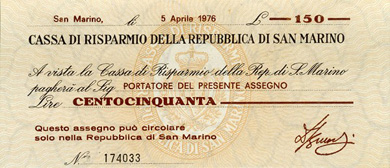

Budget & Public Finance
- Fiscal Year
- calendar year
- Annual Budget
- $400,000,000 (USD)
Labor, Industry & Trade
- Labor Force by Occupation
- services 57%; industry 42%; agriculture 1%
- Industries
- tourism, banking, textiles, electronics, ceramics, cement, wine
- Agriculture Products
- wheat, grapes, corn, olives; cattle, pigs, horses, beef, cheese, hides
- Export Commodities
- building stone, lime, wood, chestnuts, wheat, wine, baked goods, hides, ceramics
- Import Commodities
- wide variety of consumer manufactures, food
Energy
- Oil Production
- 0 bbl/day
- Oil Consumption
- 0 bbl/day
- Oil Reserves
- 0 bbl/day
- Natural Gas Production
- 0 cu m
- Natural Gas Consumption
- 0 cu m
- Natural Gas Imports
- 0 cu m
- Natural Gas Exports
- 0 cu m
- Natural Gas Reserves
- 0 cu m
Communications
- Telephone System
- general assessment: automatic telephone system completely integrated into Italian system domestic: combined fixed-line and mobile-cellular teledensity 170 telephones per 100 persons international: country code - 378; connected to Italian international network
- Internet Country Code
- .sm
News & Weather
News & Weather
Current Weather
Latest News
San Marino Unified Earns Top Moody’s Bond Rating for Strong Financial Stewardship - Pasadena Now
Pasadena Now · 6h ago
Council greenlights EU deal with Andorra and San Marino - consilium.europa.eu
consilium.europa.eu · 4d ago
Top of Class: San Marino Unified Reflects on Record Year - Outlook Newspapers
Outlook Newspapers · 3d ago
MotoGP™ Grand Prix of San Marino 2026: Event info & videos - Red Bull
Red Bull · 9d ago
Love stinks: Couple gets engaged beside rare corpse flower bloom at Huntington Botanical Gardens in San Marino - ABC7 Los Angeles
ABC7 Los Angeles · 4d ago
San Marino Air Quality Index (AQI) and USA Air Pollution - IQAir
IQAir · 27d ago
Schedule - San Marino Titans (San Marino, CA) Volleyball 26-27 - MaxPreps
MaxPreps · 11d ago
San Marino to Celebrate Fourth of July with Parade, Fireworks, and Family Fun at Lacy Park - ColoradoBoulevard.net
ColoradoBoulevard.net · 21d ago
News via Google News
Climate Overview
Mediterranean; mild to cool winters; warm, sunny summers
Videos
Videos
1 curated YouTube videos.
Source: YouTube
Frequently Asked Questions
Frequently Asked Questions
What is the population of San Marino?
How do people greet each other in San Marino?
What are the dining customs in San Marino?
What etiquette should I follow when visiting someone's home?
What should I wear in San Marino?
What is family life like in San Marino?
What can I do for recreation in San Marino?
What is the capital of San Marino?
Where is San Marino located?
What countries border San Marino?
What religion is practiced in San Marino?
What currency is used in San Marino?
What language is spoken in San Marino?
What is San Marino known for?
Last reviewed 2026