
 English
 Español
 中文
中文 हिन्दी
 Français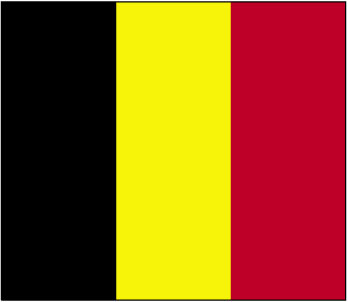
Belgium
Belgique/Belgie
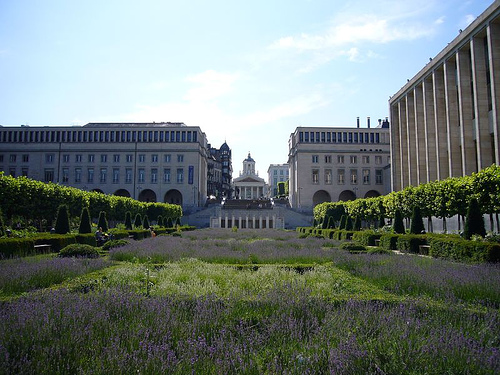
Declare Your Relationship to Belgium
CountryReports Community
- Studying1
- From Belgium0
- Belgium heritage2
- Visited0
- Want to visit1
Customs and Culture
Customs and Culture
About the People
Belgium is one of the most densely populated nations in Europe. The country is divided into two main regions. The north is the region of the Flanders, or home of the people known as the Flemings. Their language is a form of Dutch called Flemish. The south is Wallonia, where the people speak French. Each region celebrates two of its own national holidays, which are different from the Belgium national day. Belgians use both French and Flemish versions of television, news, and radio, as well as international news over the internet.
Strong work ethic and culture characterize Belgians. Most Belgians work a 40-hour work week, support international free trade and enterprise, and are known for their hard work. Many Belgians belong to unions and receive four weeks of vacation each year.
In the country itself, nearly 10 percent of the population is non-Belgian. Because of the international importance of Brussels, Belgium’s capital, the population of non-Belgians in that area is 25 percent.
Because Belgium speaks both Flemish and French, language and culture play a major role in the country. Belgians are very comfortable with non-Belgians who live and travel in their country, although many Belgians identify with the culture of their hometown, and exhibit fierce pride in their town traditions.
The Flemish and the French-speaking Walloons live together peacefully, but in some cases cannot speak to one another because of the language and cultural differences, so tensions may arise. All Belgians cherish friend and family relationships. They appreciate modern society as well as traditions and customs that date back centuries, and their are understandably proud of their many historical master artists.
Belgium sits at the crossroads of Europe, and is therefore considered a very international country. Brussels, the capital of Belgium, is the home of NATO, the North American Trade Organization, and Belgium is the gathering place for the European Union (EU).
Belgians work hard to provide for their families. They enjoy holiday trips with the entire family and value their children’s education. When a child wants to study at a university, this is often more important than a family vacation. Belgians work to pay for their homes or apartments, food, clothes, and cars, whereas the government pays for water and electricity.
Belgians greet strangers formally, but are quick to show warmth to their friends and family. Belgians have a good sense of humor and make fun of those they feel to be stuffy or too serious. They love to laugh and joke with one another.
Cultural Attributes
Belgium is one of the most densely populated nations in Europe. The country is divided into two main regions. The north is the region of the Flanders, or home of the people known as the Flemings. Their language is a form of Dutch called Flemish. In the south is Wallonia, where the people speak French. Each region celebrates two of its own national holidays, which are different from the Belgium national day. Belgians use both French and Flemish versions of television, news, and radio, as well as international news over the internet.
Strong work ethic and culture characterize Belgians. Most Belgians work a 40-hour work week, support international free trade and enterprise, and are known for their hard work. Many Belgians belong to unions and receive four weeks of vacation each year.
In the country itself, nearly 10 percent of the population is non-Belgian. Because of the international importance of Brussels, Belgium the capital, the population of non-Belgians in that area is 25 percent.
Because Belgium speaks both Flemish and French, language and culture play a major role in the country. Belgians are very comfortable with non-Belgians who live and travel in their country, although many Belgians identify with the culture of their hometown, and exhibit fierce pride in their town traditions.
The Flemish and the French-speaking Walloons live together peacefully, but in some cases cannot speak to one another because of the language and cultural differences, so tensions may arise. All Belgians cherish friend and family relationships. They appreciate modern society as well as traditions and customs that date back centuries, and they are understandably proud of their many historical master artists.
Belgium sits at the crossroads of Europe and is therefore considered a very international country. Brussels, the capital of Belgium, is the home of NATO and the North American Trade Organization, and Belgium is the gathering place for the European Union (EU).
Belgians work hard to provide for their families. They enjoy holiday trips with the entire family and value their children's education. When a child wants to study at a university, this is often more important than a family vacation. Belgians work to pay for their homes or apartments, food, clothes, and cars, whereas the government pays for water and electricity.
Belgians greet strangers formally but are quick to show warmth to their friends and family. Belgians have a good sense of humor and make fun of those they feel to be stuffy or too serious. They love to laugh and joke with one another.

Chocolate, Beer, and Bold Borders
Greetings, Gestures & Visiting
A person not well known will be greeted formally with a handshake, and the person will be addressed by his or her title ( Mr., Mrs., etc.). A friend or well-known acquaintance will be greeted with a hug and a kiss and called by name. Greetings also depend on any age differences between the people involved. A younger person or someone of the same age will be greeted informally, whereas an older person will be greeted formally with due respect. After a visit, a well-known visitor will be sent away with a kiss and a hug. A visitor not well known will be sent away with a handshake and a “thank you” for the visit.
The typical Belgian greeting depends on how well-known the person is. A well-known person is greeted with a kiss and a hug, whereas an unknown person is greeted with a handshake.
In business, people are very formal. There is no physical contact whatsoever, although personal space is obviously limited when sitting around a table in a meeting, for example. Eye contact is limited; friends will exchange more eye contact and physical contact than acquaintances or business associates.
Belgians do not talk with objects in their mouths, and good posture is important. It is also considered rude to point with one's index finger. To get someone's attention, you would raise your arm and wave with an open hand and call his or her name, or simply go over and tap the person on the shoulder when that person is free from any other conversation.
People do not put their feet on tables or chairs, and handkerchiefs are used discreetly. It is also rude to talk with gum in one's mouth.
The most popular way of socializing in Belgium is by meeting each other in a cafe or restaurant. Most Belgians find it easier to socialize over food and drink, especially in bars, where there is no closing time. When people are more familiar with each other, you can find them playing a table game like chess or backgammon.
Dropping by to visit someone without prearranging is considered rude; however, it is rare that a person would be turned away from an arranged visit, although the visit will be kept short. Once a visit has been arranged, punctuality is important; arriving more than 30 minutes late is considered rude. The guest is expected to give the host a small gift or flowers, although "chrysanthemums" are associated with funerals. Guests are usually offered refreshments.
Close friends greet each other with three light "air" kisses by the cheek. Only friends and relatives greet each other with their first names.
European styles are common in Belgium. Belgium does not have a set of "traditional" clothes. Fashion is determined by an individual's work status. For example, if a person is the owner or manager of a company or has any contact with the public, his or her clothes will be very neat and clean usually a suit with a tie or nice slacks and a blouse or matching shirt.
Most of the population will wear jeans and a nice shirt or blouse. Teen or juvenile fashions are typical of what is seen on international television. Since the 1980s, "Antwerp" has become a fashion center, favoring simple, smart clothes.
Diet
Belgium is famous for seafood, chocolate, waffles and fried potatoes which they claimed to have invented. Fried potatoes are usually served with mayonnaise. Belgians love potatoes and are fond of meat. Often a basket of bread, and beer make a meal.
A typical Belgian family has three meals a day, eating breakfast and dinner together and lunch at school or work. Almost everyone goes out to eat on Sundays. Mealtimes are fairly standard: breakfast between 6:30 a.m. and 9:00 a.m., lunch between 12:00 noon and 12:30 p.m., and dinner between 6:00 p.m. and 8:00 p.m.
Hands are to be placed above the table during mealtimes. The continental style of eating, with the knife in the right hand and the fork in the left hand, is most common. Finishing one’s food is expected, but it is not impolite for guests to decline second helpings.
Each region in Belgium has its own specialty. One famous dish in the Flemish region is called waterzooi. It is a soup that comes originally from Ghent and has either chicken or fish mixed with vegetables. Most meals feature meat or fish. Another popular dish is moules frites (mussels with fries). The mussels are served in a broth of wine with garlic, celery, and onion, with the fries on the side. Belgians claim that french fries originated in Belgium and are known as frites. They are sold on street corners everywhere—cooked twice and served hot and crispy. Belgians dip their fries in mayonnaise, instead of ketchup as do Americans.
On the streets in Belgium, many street vendors sell fast food meant to be eaten on the run. For example, Belgian waffles are eaten as cookies instead of as a breakfast food as they are in many parts of the world. Another popular food sold by vendors is escargot (snails). The vendor scoops the tiny snails out of hot water and puts them in a paper cup or cone.
The favorite Belgian food may well be chocolate, which is world famous. For breakfast, Belgians eat bread with a chocolate paste spread on it. Chocolate milk made with dark chocolate is also a Belgian treat.
Belgium is famous for seafood, chocolate, waffles and fried potatoes which they claimed to have invented. Fried potatoes are usually served with mayonnaise. Belgians love potatoes and are fond of meat. Often a basket of bread, and beer make a meal.

Family
The average Belgian family consists of two parents and two children; both parents usually work outside the home. Most families have indoor pets. The elderly are well respected, and family and community roots are important. Most of the elderly are now moving into senior housing instead of living with their grown children.
Recreation
Belgians are great sports enthusiasts. Cycling is the number one sport in the country, which boasts hundreds of miles of cycling paths. Taking a leisurely Sunday ride is a favorite pastime.
Another popular sport is soccer. Boys start playing soccer at an early age and practice in clubs or teams rather than at school. Girls often go to a ballet class at an early age. In school, children are exposed to gymnastics. Other popular sports are football and tennis. Young Belgians play "pelote" (a game that resembles handball). Other popular sports include billiards, jogging, glove volleyball, and table tennis. Pigeon racing is one of Belgium's most unusual sports.
In the summer, many Belgians go to the North Sea beaches to swim. Another popular spot is Ardennes. The beautiful forests support hiking, camping, fishing, canoeing, and hunting.
Local and national festivals are also recreational highlights.
Families also enjoy going to restaurants, the theater, and the cinema.
Student Life
Belgians greatly value education. It is often more important to use family finances to send children to study at a university than to take a family holiday. Because schooling is free in Belgium between the ages of 6 and 18, almost all the adult population is able to read and write. The government funds both public and private schools, and many students attend schools run by religious groups. Language differences affect the educational system, depending on the region. Classes are either taught in Flemish or French. The oldest institution of higher education in Belgium is the Catholic University of Louvain. It is famous for its library, which contains materials from the middle ages.
Holidays
Christmas
12/25Christmas
In Flemish which is the more frequently used language Merry Christmas is ‘Vrolik Kerstfeest,’ pronounced ‘vraw-lick kurst-feast’ and in the Walloon, which is the second official language, Merry Christmas is ‘djoyeus Noye,’ pronounced ‘joyous Noy.’ In Flemish, Christmas Eve is ‘Kerstavond,’ pronounced ‘kurstavond’ and in Walloon, it is ‘le reveillion de Noel,’ pronounced ‘le-re-vay-yawn.’ Though they are not often visited by Santa Claus on December 24th, children in Belgium enjoy two visits from St. Nicholas (Kertsman pronounced ‘kurts-man’). He visits each village for the first time on December 4th to check on each child’s behavior, he then returns on the eve of his birthday December 6th with treats for those who have been good and switches for those who have not been good. These gifts are left in baskets in front of the doorways in return for hay, water, and carrots that children put out for St. Nicholas’ horse.
The Christmas Eve meal consists of Aarappel Kroketjes (fried potato croquettes), and Speculoos (cookies made with cinnamon, ginger, and cloves). Favorite pastries include cougnou (sweet bread shaped like the Christ child), speculoos (spiced cookies shaped like St Nicholas), marzipan and klaasjes (flat hard cakes). On Christmas Day Christmas lunch includes fresh bakes crusty rolls, Danish pastries called ‘koffiekoek’ which means coffee cake and butter and cold meats. One popular treat is the Bread of Jesus Recipe which is bread kneaded and formed in the shape of the baby Jesus.
In smaller villages, the three kings sing carols from door to door on January 6th. In keeping with the holiday spirit, they are rewarded with food and drink at each home.
Plays and scenes depicting the nativity are popular in Belgium, and many date back to the 16th century. In some villages three men are appointed to portray the three Maji. Dressed in period costumes that resemble those found in the works of Flemish painter Jan Brueghel (1568-1625), they parade from door to door singing carols and collecting for charities.
Christmas trees are a recent addition to Belgian Christmas traditions. Families who choose to decorate trees for the holidays use a variety of ornaments. Many families hang spiced cookies from the branches of their tree. Crèches (Nativity scene) are common and it is traditional to leave a gift for the poor when passing and outdoor crèche.
Dates of Interest
- December 25th
In Flemish, which is the more frequently used language, Merry Christmas is 'Vrolik Kerstfeest,' pronounced 'vraw-lick kurst-feast' and in the Walloon, which is the second official language, Merry Christmas is 'djoyeus Noye,' pronounced 'joyous Noy.' In Flemish, Christmas Eve is 'Kerstavond' pronounced 'kurstavond' and in Walloon, it is 'le reveillion de Noel,' pronounced 'le-re-vay-yawn.' Though they are not often visited by Santa Claus on December 24th, children in Belgium enjoy two visits from St. Nicholas (Kertsman pronounced 'kurts-man'). He visits each village for the first time on December 4th to check on each child's behavior, he then returns on the eve of his birthday (December 6th) with treats for those who have been good and switches for those who have not been good.
How do people greet each other in Belgium?
Greetings depend on how well you know the person and their age: strangers are greeted formally with a handshake and by title, while friends and family get a hug and kiss and are addressed by first name.
Do
- Shake hands and use titles (Mr., Mrs.) with people you don't know well
- Greet older people formally with due respect
- Greet friends or same-age people informally
- Thank your host with a handshake when leaving after a formal visit
Good to know
- Close friends greet with three light 'air' kisses on the cheek
- Only friends and relatives use first names
What are dining customs like in Belgium?
Belgians eat three meals a day, typically sharing breakfast and dinner, and dining out on Sundays; meals often feature meat or fish, and the continental style of eating is standard.
Do
- Keep your hands above the table during meals
- Eat continental style: knife in the right hand, fork in the left
- Finish the food on your plate
- Dip your fries (frites) in mayonnaise as locals do
Don’t
- Don't feel obligated to accept second helpings—declining is polite
Good to know
- Breakfast is around 6:30–9:00 a.m., lunch 12:00–12:30 p.m., dinner 6:00–8:00 p.m.
- Try local specialties like waterzooi soup and moules frites
- Belgian waffles are eaten like cookies, not as a breakfast food
What should I know about etiquette and visiting in Belgium?
Socializing usually happens over food and drink in cafes or restaurants, and arranged visits require punctuality and a small gift for the host.
Do
- Arrange visits in advance rather than dropping by
- Be punctual for arranged visits
- Bring the host a small gift or flowers
- Expect visits to be kept short
Don’t
- Don't drop by unannounced—it's considered rude
- Don't arrive more than 30 minutes late
- Don't give chrysanthemums, which are associated with funerals
Good to know
- Bars have no closing time, and friends may play chess or backgammon
How should I dress in Belgium?
European styles are common and there is no traditional dress; clothing depends on work status, with managers and public-facing people dressing very neatly while most people wear jeans and a nice shirt.
Do
- Wear a suit and tie or nice slacks and a blouse if you have public contact
- Keep clothes neat and clean
Good to know
- Antwerp is a fashion center favoring simple, smart clothes
- Teen fashions follow international television trends
Are there gestures I should avoid in Belgium?
Belgians value good posture and discreet behavior; business interactions are formal with limited eye contact and no physical contact.
Do
- Maintain good posture
- Raise your arm and wave with an open hand, or tap someone's shoulder to get their attention
- Use handkerchiefs discreetly
Don’t
- Don't point with your index finger
- Don't talk with objects or gum in your mouth
- Don't put your feet on tables or chairs
Good to know
- Friends exchange more eye contact and physical contact than business associates
What is family life like in Belgium?
The average family has two working parents and two children, and the elderly are well respected with family and community roots valued highly.
Good to know
- Most families keep indoor pets
- Many elderly now move into senior housing rather than living with grown children
What do Belgians do for recreation?
Belgians are enthusiastic about sports, with cycling as the number one activity followed by soccer, and they also enjoy beaches, forests, and cultural outings.
Good to know
- Take a leisurely Sunday bike ride on the country's many cycling paths
- Visit the North Sea beaches in summer or the Ardennes forests for hiking, camping, and canoeing
- Families enjoy restaurants, theater, cinema, and local festivals
- Pigeon racing is one of Belgium's most unusual sports
Last updated: 2026-07-12 · Sources: CountryReports
Photos of Belgium
Photos of Belgium


Travel and Tourism
Travel and Tourism
- Travel Alert Status
- Level 2: Exercise Increased Caution
- Currency
- 0.9214
- Time Difference
- UTC+1 (6 hours ahead of Washington, DC during Standard Time)
- Climate
- Belgium's climate is characterized by moderate temperatures, prevailing westerly winds, cloudy skies, regular rainfall, and a little snow. The weather is variable. Summer temperatures average 60°F (16°C). Rare annual extremes are l0°F (-12°C) and 90°F (33°C).
- Airports
- 42
- Recommended Vaccinations
- How important is it to do your research about vaccinations? It might just save your life! Make yourself aware of the different types of vaccinations and which ones you may need to travel to your destination. Schedule an appointment with your doctor at least four to six weeks before you travel to ensure you receive all important shots. Be sure that you and your family are up to date on your routine vaccinations. Which vaccinations you need will depend on a number of factors including your destination, whether you will be spending time in rural areas, the season of the year you are traveling, your age, health status, and previous immunizations.
Read the full travel guide — health, safety, vaccinations, disease risk, sanitation, and transit details.
View full travel guideRecipes
Recipes
Stoemp (Potato, Carrot and Bacon Casserole)
Side Dish
Main Dish
Rabbit with Sour Cherries in the Flemish Way
Side Dish
Belgian Fries
Side Dish
Stoemp (Potato, Carrot and Bacon Casserole)
Dessert
Gaufrettes (Belgian Waffles)
Dessert
Platte Kaastaart (Ghent Cheesecake)
Side Dish
Stoemp (Potato, Carrot and Bacon Casserole)
History
History
Historical Eras
Roman & Frankish Period
57 BCE – 987
Julius Caesar conquered the Celtic Belgae tribes around 57 BCE, incorporating the region into the Roman province of Gallia Belgica for roughly three centuries. As Roman power waned, Germanic Franks invaded in the 5th century, establishing dominance under the Merovingian and later Carolingian dynasties. Charlemagne, crowned Holy Roman Emperor in 800, made the region a cultural and political heartland of early medieval Europe.
Medieval Principalities
987 – 1384
The collapse of Carolingian authority fragmented the Low Countries into competing feudal states, including the County of Flanders, the Duchy of Brabant, and the Prince-Bishopric of Liège. The great cities of Ghent, Bruges, and Antwerp flourished as major centers of textile trade and commerce, making Flanders one of the wealthiest regions in Europe. The Battle of the Golden Spurs in 1302 marked a dramatic Flemish communal victory over French knights.
Burgundian & Habsburg Rule
1384 – 1713
The Dukes of Burgundy united the Low Countries under a single court, fostering an extraordinary flowering of Flemish painting from Jan van Eyck to Rubens and Van Dyck. Through dynastic marriage the region passed to the Habsburg Emperor Charles V in 1506, then to Spanish rule under Philip II, whose religious persecution sparked the revolt of the Netherlands. The Treaty of Münster (1648) and the War of the Spanish Succession reshaped the territory, leaving the southern provinces under Austrian Habsburg control from 1713.
French Annexation & Dutch Union
1713 – 1830
Revolutionary France invaded and annexed the Austrian Netherlands in 1795, imposing Napoleonic administration and legal reforms across the region. Napoleon's defeat at the Battle of Waterloo in 1815—fought just south of Brussels—ended French dominance, and the Congress of Vienna merged the territory with the Kingdom of the Netherlands under William I of Orange. Discontent with Dutch economic and linguistic policies culminated in the Belgian Revolution of 1830.
Independent Kingdom
1830 – 1945
Belgium declared independence in 1830 and established a constitutional monarchy in 1831, inviting Leopold of Saxe-Coburg Gotha to serve as its first king. The country became an early industrial powerhouse, particularly in Wallonia's coal and steel sectors, while also building a vast and often brutal colonial empire in the Congo. Germany invaded in both 1914 and 1940, drawing Belgium into the heart of both World Wars and cementing its postwar commitment to collective security.
Modern Federal Belgium
1945 – present
Liberated in 1944, Belgium became a founding member of NATO and a central pillar of European integration, hosting the headquarters of both organizations in Brussels. Economic dominance shifted from the declining industrial south to the rapidly developing Dutch-speaking north, intensifying the Flemish-Walloon linguistic and political divide. A series of constitutional reforms between 1970 and the 1990s transformed Belgium into a federal state, granting significant autonomy to Flanders, Wallonia, Brussels, and the German-speaking community.
Overview
Timeline of Key Events
100 BCE
Belgae
Celtic tribes, called Belgae, settled in the area of Belgium.
200 – 400
The Franks
The Franks, a Germanic tribe, settled in the region of Belgium.
496
Christianity as the state religion
Clovis, king of the Franks, founded a kingdom which included Belgium. He also established Christianity as the state religion.
768
The Carolingian Family
The Carolingian family began to rule the Frankish kingdom.
800
Charlemagne
Charlemagne helped to make Belgium the center of the Frankish kingdom, after he was made king.
900 – 1100
Feudal States -- Major Families
The Carolingians lost most of their power. Feudal states became important in the area. Several families emerged as strong rulers of their provinces. These families included Flanders, Brabant, Hainaut, Limburg, and Namur.
1302
Feudal States
A French army tried to take control of the Flanders are. The local peasants and workers defeated the French army.
Read the full history profile — narrative overview, defining eras, and the complete timeline in one place.
View expanded historyInteresting Facts
Interesting Facts
Belgium was the scene of Napoleon's final defeat, at Waterloo, south of Brussels.
Probably the world's most famous Belgian is the cartoon character TinTin, who appeared first in a Belgian newspaper.
See every fact — trivia, oddities, and curious tidbits gathered from across the country.
View all interesting factsGeography and Environment
Geography and Environment
- Terrain
- flat coastal plains in northwest, central rolling hills, rugged mountains of Ardennes Forest in southeast
- Climate
- Belgium’s climate is characterized by moderate temperatures, prevailing westerly winds, cloudy skies, regular rainfall, and a little snow. The weather is variable. Summer temperatures average 60°F (16°C). Rare annual extremes are l0°F (-12°C) and 90°F (33°C).
- Natural Hazards
- flooding is a threat along rivers and in areas of reclaimed coastal land, protected from the sea by concrete dikes
- Current Environmental Issues
- the environment is exposed to intense pressures from human activities: urbanization, dense transportation network, industry, extensive animal breeding and crop cultivation; air and water pollution also have repercussions for neighboring countries; uncertainties regarding federal and regional responsibilities (now resolved) have slowed progress in tackling environmental challenges
Read the full geography and environment profile — terrain, climate, natural resources, hazards, land use, and international agreements.
View full geographyPeople & Demographics
People & Demographics
Religion
Languages Spoken
Dutch (official) 60%, French (official) 40%, German (official) less than 1%, legally bilingual (Dutch and French)
- Dutch
- French
- German
Population
- Population
- 10,423,493
- Population in Major Urban Areas
- BRUSSELS (capital) 1.949 million; Antwerp 959,000
- Nationality Noun
- Belgian(s)
- Ethnic Groups
- Fleming 58%, Walloon 31%, mixed or other 11%
- Language Note
- Belgium has two official languages: Flemish, which is a form of Dutch, and French. Flemish is spoken in the northern region known as Flanders. French is spoken in the southern region known as Wallonia. As a result of having two languages, many cities have two or three names, and some Belgians cannot speak with other Belgians. The language is also reflected in the media, which offers both French and Flemish versions of TV, news, and radio. Many Belgians speak more than one language and are therefore sought after as employees for international companies.
Education
- Literacy Definition
- Age 15 and over can read and write
Read the full people and society profile — demographics, health, education, religion, languages, and notable people.
View full people and societyGovernment & Politics
Government & Politics
Country Identity
- Country Name
- Belgium
- Full Country Name
- Kingdom of Belgium
- Local - Long
- Royaume de Belgique/Koninkrijk Belgie
- Local - Short
- Belgique/Belgie
Government Structure
- Government Type
- federal parliamentary democracy under a constitutional monarch
- Legal System
- civil law system influenced by English constitutional theory; judicial review of legislative acts; accepts compulsory ICJ jurisdiction, with reservations
- Executive Branch
- chief of state: King PHILIPPE (since 21 July 2013); Queen Consort MATHILDE; Heir Apparent Princess ELISABETH, daughter of the monarch head of government: Prime Minister Alexander DE CROO (since 1 October 2020) cabinet: Council of Ministers formally appointed by the monarch note: government coalition - Open VLD, MR, PS, sp.a (now Vooruit), CD&V, cdH (now Les Engagés), and Ecolo-Groen elections: none; the monarchy is hereditary; following legislative elections, the leader of the majority party or the leader of the majority coalition is usually appointed prime minister by the monarch and then approved by Parliament
- Legislative Branch
- bicameral Parliament consists of a Senate or Senaat in Dutch, Senat in French (71 seats; 40 members are directly elected by popular vote, 31 are indirectly elected; members serve four-year terms) and a Chamber of Deputies or Kamer van Volksvertegenwoordigers in Dutch, Chambre des Representants in French (150 seats; members are directly elected by popular vote on the basis of proportional representation to serve four-year terms) elections: Senate and Chamber of Deputies - last held 18 May 2003 (next to be held no later than May 2007) election results: Senate - percent of vote by party - SP.A-Spirit 15.5%, VLD 15.4%, CD & V 12.7%, PS 12.8%, MR 12.1%, VB 9.4%, CDH 5.6%; seats by party - SP.A-Spirit 7, VLD 7, CD & V 6, PS 6, MR 5, VB 5, CDH 2, other 2 (note - there are also 31 indirectly elected senators); Chamber of Deputies - percent of vote by party - VLD 15.4%, SP.A-Spirit 14.9%, CD & V 13.3%, PS 13.0%, VB 11.6%, MR 11.4%, CDH 5.5%, Ecolo 3.1%; seats by party - VLD 25, SP.A-Spirit 23, CD & V 21, PS 25, VB 18, MR 24, CDH 8, Ecolo 4, other 2 note: as a result of the 1993 constitutional revision that furthered devolution into a federal state, there are now three levels of government (federal, regional, and linguistic community) with a complex division of responsibilities; this reality leaves six governments each with its own legislative assembly
- Judicial Branch
- Supreme Court of Justice or Hof van Cassatie (in Dutch) or Cour de Cassation (in French) (judges are appointed for life by the government; candidacies have to be submitted by the High Justice Council)
- Suffrage
- 18 years of age; universal and compulsory
- Constitution
- 7 February 1831, last revised 14 July 1993; parliament approved a constitutional package creating a federal state
- Independence
- 4 October 1830 a provisional government declared independence from the Netherlands; 21 July 1831 the ascension of King Leopold I to the throne
- National Holiday
- 21 July (1831) ascension to the Throne of King Leopold I
Capital City
- Capital Name
- Brussels
- Capital - geographic coordinate
- 50 50 N, 4 20 E
- Capital Time Difference
- UTC+1 (6 hours ahead of Washington, DC during Standard Time)
may derive from the Old Dutch bruoc/broek, meaning "marsh" and sella/zele/sel signifying "home" to express the meaning "home in the marsh"
Military
Branches: Belgian Armed Forces: Land Operations Command, Naval Operations Command, Air Operations Command
Embassy / Diplomatic Mission
U.S. Embassy Brussels, Belgium
27 Boulevard du Régent (the Consular Section is at 25 Boulevard du Régent)
B-1000 Brussels
Telephone: 011-32-2-811-4000 (available 24/7)
Consular Section Fax: 011-32-2-811-4546
General email: USCitizenBrussels@state.gov
Read the full government profile — flag symbolism, national anthem, and other national symbols.
View full government detailsEconomy
Economy
Belgium's economy is highly industrialized and service-oriented. It was the first country in continental Europe to undergo an industrial revolution, beginning in the early 1800s. Belgium depends heavily on international trade, and its competitive advantages stem from its central geographic location, world-class infrastructure, and a highly skilled, multilingual, and productive workforce. Industry and manufacturing remain concentrated largely in the Flemish region in the north, while the capital, Brussels, serves as a major hub for finance, services, and international institutions, hosting the European Union's main bodies and NATO headquarters.
Belgium has virtually no significant natural resources. It imports raw materials and semi-finished goods, processes and adds value to them, then exports finished products to global markets. The services sector accounts for roughly three-quarters of economic output, with key industries including chemicals, pharmaceuticals, food processing, automotive assembly, machinery, and logistics. The Port of Antwerp-Bruges, formed by the 2022 merger of the ports of Antwerp and Zeebrugge, is among the largest in Europe and plays a central role in global trade, particularly in containers, chemicals, and energy products. Approximately two-thirds of Belgium's trade is conducted with fellow European Union member states, with Germany, the Netherlands, and France remaining its top trading partners.
Belgium maintains a high standard of living and a strong social welfare system, though the economy faces ongoing structural challenges. Public debt has climbed above 105% of GDP in the wake of the COVID-19 pandemic and the energy crisis, while persistent budget deficits, an aging population, significant regional economic disparities between Flanders and Wallonia, and labor market rigidities continue to weigh on long-term performance. GDP growth has remained modest at around 1% in recent years, with inflation easing after the sharp energy-driven spike of 2022. Navigating these pressures while sustaining growth, competitiveness, and the green and digital transitions remains a central policy priority.
Snapshot
- Currency Name and Code
- Euro (EUR)
- GDP — official exchange rate
- $350,300,000,000 (USD)
- GDP Real Growth Rate
- 1.5%
- GDP by Sector
- agriculture: 1.6% industry: 26.8% services: 71.6%
- Gini Index
- 25
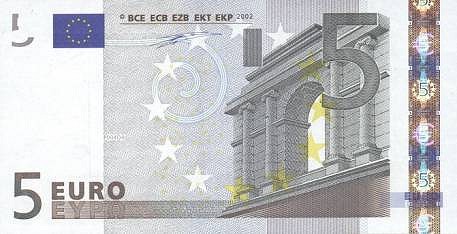
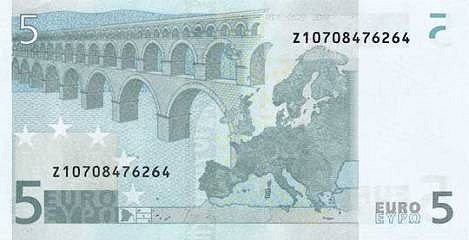
Banknotes
Budget & Public Finance
- Fiscal Year
- calendar year
- Annual Budget
- $180,500,000,000 (USD)
- Public Debt (% of GDP)
- 93.6%
- External Debt
- $980,100,000,000 (USD)
- Investment (% of GDP)
- 18.4%
- Current Account Balance
- $6,983,000,000 (USD)
- Reserves of Foreign Exchange
- $2,147,483,647 (USD)
Labor, Industry & Trade
- Labor Force by Occupation
- services 73%; industry 25%; agriculture 2%
- Household Income — highest 10%
- 23%
- Industries
- engineering and metal products, motor vehicle assembly, processed food and beverages, chemicals, basic metals, textiles, glass, petroleum
- Agriculture Products
- sugar beets, fresh vegetables, fruits, grain, tobacco; beef, veal, pork, milk
- Export Commodities
- machinery and equipment, chemicals, diamonds, metals and metal products, foodstuffs
- Export Partners
- Germany 18.6%, France 16.3%, Netherlands 11.6%, UK 9.6%, US 7.9%, Italy 5.4%
- Import Commodities
- machinery and equipment, chemicals, diamonds, pharmaceuticals, foodstuffs, transportation equipment, oil products
- Import Partners
- Germany 17.2%, Netherlands 15.6%, France 12.8%, UK 7.3%, Ireland 7%, US 6.4%, Italy 4%
Energy
- Oil Production
- 13,060 bbl/day
- Oil Consumption
- 624,200 bbl/day
- Oil Reserves
- 0 bbl/day
- Natural Gas Production
- 0 cu m
- Natural Gas Consumption
- 15,480,000,000 cu m
- Natural Gas Imports
- 15,400,000,000 cu m
- Natural Gas Exports
- 0 cu m
- Natural Gas Reserves
- 0 cu m
Communications
- Telephone System
- General Assessment: highly developed, technologically advanced, and completely automated domestic and international telephone and telegraph facilities Domestic: nationwide mobile-cellular telephone system; extensive cable network; limited microwave radio relay network International: country code - 32; landing point for a number of submarine cables that provide links to Europe, the Middle East, and Asia; satellite earth stations - 7 (Intelsat - 3)
- Internet Country Code
- .be
News & Weather
News & Weather
Current Weather
Latest News
Rudi Garcia to depart as Belgium boss after World Cup run - ESPN
ESPN · 18h ago
5 Winners and 5 Losers from Belgium - Formula 1
Formula 1 · 18h ago
F1 in Belgium: Machine learning algorithms are ruining the sport - Ars Technica
Ars Technica · 16h ago
Russell’s Mercedes problems ‘100% on us’, says Toto Wolff after Belgium blow - The Guardian
The Guardian · 1d ago
Spain 2-1 Belgium: FIFA World Cup 2026 quarterfinal – as it happened - Al Jazeera
Al Jazeera · 11d ago
F1 Belgium Notebook: Audi’s Momentum Grows as Cadillac Hits Trouble - Autoweek
Autoweek · 17h ago
Belgium bans imports from Israeli settlements in occupied Palestine - Al Jazeera
Al Jazeera · 2d ago
'Point of no return': Belgium becomes fourth European country to ban imports from West Bank - The Jerusalem Post
The Jerusalem Post · 1d ago
News via Google News
Climate Overview
Belgium's climate is characterized by moderate temperatures, prevailing westerly winds, cloudy skies, regular rainfall, and a little snow. The weather is variable. Summer temperatures average 60°F (16°C). Rare annual extremes are l0°F (-12°C) and 90°F (33°C).
Videos
Videos
1 curated YouTube videos.
Source: YouTube
Frequently Asked Questions
Frequently Asked Questions
What is the population of Belgium?
How do people greet each other in Belgium?
What are dining customs like in Belgium?
What should I know about etiquette and visiting in Belgium?
How should I dress in Belgium?
Are there gestures I should avoid in Belgium?
What is family life like in Belgium?
What do Belgians do for recreation?
What is the capital of Belgium?
Where is Belgium located?
What countries border Belgium?
What is the predominant religion in Belgium?
What currency does Belgium use?
What languages are spoken in Belgium?
What is Belgium's geography and terrain like?
What is Belgium known for?
Last reviewed 2026