
 English
 Español
 中文
中文 हिन्दी
 Français
American Samoa
AS
Declare Your Relationship to American Samoa
CountryReports Community
- Studying0
- From American Samoa0
- American Samoa heritage0
- Visited0
- Want to visit0
Customs and Culture
Customs and Culture
About the People
A very basic ingredient in Samoa life is the aiga (the family). At the head of each aiga is the matai (chief), a position of rank and authority. “Fa'asamoa”, an oft-repeated phrase in the islands , means the Samoan way - the way of our ancestors
Cultural Attributes
A very basic ingredient in Samoa life is the aiga (the family). At the head of each aiga is the matai (chief), a position of rank and authority. “Fa'asamoa”, an oft-repeated phrase in the islands, means the Samoan way - the way of our ancestors

Island Keepers of the Fa'asamoa
Greetings, Gestures & Visiting
In American Samoa, greetings are an essential part of the local culture, and they reflect the respect, warmth, and community-oriented nature of the people. The customary greeting in American Samoa involves a series of exchanges and gestures. Here are some common ways people greet each other in American Samoa:
Talofa: "Talofa" is the traditional Samoan greeting, which is used to say hello or welcome. It is pronounced as "Tah-loh-fah." This greeting is used in various contexts, whether meeting someone for the first time, entering a room, or joining a gathering. It is a respectful and inclusive way to acknowledge others.
Handshakes: Handshakes are commonly used when greeting in more formal or professional settings. Men often shake hands with a firm grip, while women may extend their hand for a handshake or offer a gentle handshake. A smile and direct eye contact are important during the handshake.
Kiss on the Cheek: Among close family members, friends, or people who share a strong bond, a kiss on the cheek may be used as a greeting. This is often seen between family members, particularly when reuniting or saying goodbye.
Hugs and Embraces: Hugs and embraces are common forms of greeting, especially between close friends and family members. These physical displays of affection signify warmth, closeness, and a genuine connection.
Eye Contact and Verbal Greetings: When greeting someone, maintaining eye contact is considered respectful and demonstrates attentiveness. Along with the verbal greeting of "Talofa," people often exchange pleasantries, such as asking about well-being, family, and the general state of affairs.
Polite Inquiries: It is common in American Samoan culture to inquire about the well-being and the family of the person being greeted. Asking about one's health, family, and general welfare is seen as a polite and caring gesture.
Hand Waves: In more casual or informal situations, a hand wave or a raised hand with a smile can be used as a greeting. This is often seen when passing by someone in a community setting, such as on the street or at a village gathering.
Titles and Honorifics: Respect for age and status is highly valued in American Samoan culture. It is customary to address elders and those in positions of authority with appropriate honorifics or titles, such as "Mama" (for older women) or "Tama" (for older men), followed by their name or familial relationship.
Singing and Chants: In certain cultural settings, such as traditional ceremonies or gatherings, greetings may involve singing or chanting. These melodic exchanges express cultural identity and unity.
Warm Gestures: Along with verbal greetings, warm smiles, nods, and gestures of recognition are often used to acknowledge and greet others. These non-verbal cues contribute to creating a friendly and welcoming atmosphere.
In American Samoa, it's important to be mindful of cultural norms and customs to ensure respectful interactions. While there aren't any specific gestures considered universally offensive, it's generally advised to avoid actions that may be perceived as disrespectful or inappropriate. Here are a few examples of gestures that should be avoided:
Pointing: Pointing directly at someone with your finger is generally considered impolite and may be seen as confrontational or rude. It's best to use an open hand or a nod to indicate direction or acknowledge someone.
Showing the Soles of Feet: In Samoan culture, showing the soles of your feet or pointing your feet directly at someone is considered disrespectful. It's advisable to keep your feet grounded or cross your legs if sitting down.
Touching Someone's Head: Touching or patting someone's head, particularly an elder or someone of higher status, is seen as disrespectful. The head is considered sacred, and it's best to avoid any physical contact unless given permission.
Standing or Sitting with Arms Crossed: Crossing your arms in front of your body during conversations may be perceived as defensive or confrontational. It's better to keep your arms relaxed and open to promote a friendly and approachable demeanor.
Public Displays of Affection: American Samoan culture tends to be more conservative when it comes to public displays of affection. It is generally advisable to avoid excessive physical contact or intimate gestures in public settings.
Disregarding Hierarchy and Authority: American Samoan culture places importance on respecting elders, chiefs, and those in positions of authority. It is essential to show deference and follow their guidance and instructions.
The local culture emphasizes respect, family values, and communal harmony. Here are some customs and practices associated with visiting in American Samoan culture:
Hospitality and Generosity: American Samoans are known for their warm hospitality and generosity. When visiting someone's home, you can expect to be greeted with open arms and offered food and refreshments. Guests are treated with great respect and are often considered as part of the extended family.
Removing Shoes: Similar to many other Polynesian cultures, it is customary to remove your shoes before entering someone's home in American Samoa. This shows respect for the cleanliness of the home and is a sign of humility.
Bringing Gifts: Bringing a small gift when visiting someone's home is appreciated in American Samoan culture. It is not mandatory, but it is a thoughtful gesture. Gifts can include items such as food, flowers, or small tokens of appreciation.
Respect for Elders: Respect for elders is a fundamental aspect of American Samoan culture. It is important to show deference and respect towards older family members and community leaders when visiting. Greeting them with a respectful "Talofa" (hello) and following their guidance and instructions is highly valued.
Informal Visiting: Visiting in American Samoa tends to be informal and relaxed. It is common for people to drop by unannounced, and hosts are generally accommodating and welcoming. However, it is still considered polite to call ahead or let the host know if you plan to visit.
Sharing Meals: Sharing a meal is an important social activity in American Samoan culture. When invited to someone's home, it is common to be offered a meal. Accepting this invitation is a sign of respect and appreciation. It is polite to try a little of each dish and express gratitude for the food.
Extended Visits: American Samoans are known for their extended visits and spending quality time together. Visits can often be longer than expected, and it is important to be flexible and enjoy the company of your hosts. Leaving abruptly may be considered impolite, so plan your time accordingly.
Gift Exchanges: Gift exchanges are common during special occasions or formal visits. It is customary to reciprocate the hospitality shown to you by presenting a gift to your host. This can be done during the visit or at a later time as a gesture of appreciation.
Expressing Gratitude: It is important to express gratitude and appreciation for the hospitality shown to you by your hosts. Thanking them for their kindness and acknowledging their generosity is greatly valued.
Farewells: When leaving, it is customary to say goodbye to everyone individually. Proper farewells involve expressing gratitude, well wishes, and showing respect to all family members present.
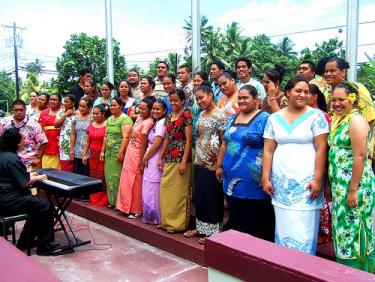
The traditional lavalava (a straight, one-piece wraparound skirt) is worn by both men and women. In business and formal settings, men wear a dress shirt with a lavalava, while women wear a puletasi (a fitted two-piece dress).
Diet
Traditional Samoan foods included taro root, yams, bananas, coconuts, breadfruit, fish, turtle, and chicken. Even though pigs are raised, pork is reserved for ceremonial occasions

Family
The aiga is headed by a matai and consists of people related by blood, marriage, or adoption
Dating Customs
The dating scene in American Samoa tends to reflect a more conservative approach compared to Western cultures. Here are some key aspects of dating customs in American Samoa:
Group Settings: Dating often takes place within the context of group settings or community events. It is common for young people to socialize and spend time together in the presence of friends, family members, or other community members.
Family Involvement: Family plays a significant role in the dating process in American Samoa. Parents and extended family members may have a say in who their children date or marry. It is important to establish a good relationship with the family and seek their approval and blessings.
Courtship and Respect: The concept of courtship is emphasized in American Samoan dating. Young people are expected to show respect, proper manners, and demonstrate their intentions through polite and appropriate behavior. It is important to approach dating with sincerity and a genuine interest in getting to know the person.
Chaperoned Dates: In some cases, particularly in more traditional families, dating may involve chaperones or group outings to ensure supervision and maintain propriety. This practice aims to create a safe and respectful environment for young couples.
Cultural and Religious Values: American Samoa is a predominantly Christian society, and religious values often influence dating customs. It is common for couples to attend church together and participate in religious activities as part of their dating experience.
Modesty and Purity: Modesty and maintaining one's purity are highly valued in American Samoan dating customs. It is considered respectful to dress modestly and behave in a manner that upholds cultural and moral standards.
Family Introduction and Approval: When a relationship becomes more serious, it is customary for the couple to introduce each other to their respective families. Seeking the approval and blessing of parents and elders is an important step in the dating process.
Emphasis on Long-Term Commitment: Dating in American Samoa often has the intention of finding a long-term partner and eventually getting married. The focus is on building a strong foundation of trust, respect, and compatibility for a lasting relationship.
Community Observance: The close-knit nature of the community in American Samoa means that dating relationships are often observed and discussed within the community. It is important to be mindful of public perception and maintain a positive image.
Recreation
Recreation in American Samoa encompasses a mix of traditional activities, outdoor pursuits, and modern forms of entertainment. The people of American Samoa, deeply rooted in their Polynesian heritage, enjoy various recreational activities that connect them to their culture, natural surroundings, and community. Here are some examples of recreational activities in American Samoa:
Sports: Sports play a significant role in American Samoan recreation. The most popular sport is American football, and American Samoans have a strong presence in professional football leagues in the United States. Other popular sports include rugby, soccer, volleyball, and cricket. Local communities organize tournaments and friendly matches, fostering friendly competition and camaraderie.
Traditional Dance and Music: Traditional Samoan dance and music are an integral part of recreational activities. The vibrant cultural dances, such as the Siva Samoa, showcase the unique Samoan style and are often performed during special events and celebrations. Learning and participating in traditional dance and music are valued recreational pursuits.
Outdoor Adventures: The natural beauty of American Samoa offers opportunities for outdoor adventures. Residents and visitors enjoy activities such as hiking, trekking, and exploring the rainforests, mountains, and coastline. Snorkeling, scuba diving, and fishing are also popular recreational pursuits due to the rich marine life surrounding the islands.
Beach Activities: American Samoa is home to stunning beaches, and locals often engage in beach-related activities. These can include swimming, picnicking, sunbathing, beach volleyball, traditional outrigger canoeing (known as va'a), and simply enjoying the beauty of the coastline.
Traditional Crafts and Arts: Engaging in traditional crafts and arts is a recreational activity that helps preserve Samoan culture. People may participate in activities such as weaving mats and baskets, making traditional siapo (tapa cloth), carving wooden objects, and creating intricate shell jewelry.
Festivals and Celebrations: American Samoa hosts various cultural festivals and celebrations throughout the year, providing opportunities for recreation and community engagement. The Flag Day, Samoan Flag Week, and the Teuila Festival are significant events that feature traditional performances, sports competitions, cultural exhibitions, and food stalls.
Social Gatherings: Spending time with family and friends is an essential aspect of recreation in American Samoa. Social gatherings often involve preparing and sharing traditional Samoan meals, storytelling, playing traditional Samoan games like kirikiti (similar to cricket), or simply enjoying each other's company.
Visiting Historical and Cultural Sites: American Samoa has significant historical and cultural sites that offer opportunities for recreational exploration and learning. The National Park of American Samoa, historical landmarks, ancient archaeological sites, and traditional villages provide insights into the rich Samoan heritage.
Community Events: Participating in community events, such as church gatherings, village meetings, and fundraising activities, is an important recreational and social aspect of life in American Samoa. These events strengthen community bonds and allow individuals to contribute to their local society.
Modern Entertainment: American Samoa also embraces modern forms of entertainment, such as cinemas, music concerts, and cultural performances showcasing contemporary Samoan music and dance styles. Television, movies, and online platforms are popular for leisure and entertainment.
Holidays
Independence Day
8/19Independence Day
Dates of Interest
- June 29th
Held periodically: A vibrant celebration of Samoan arts, crafts, music, dance, and traditional performances. This festival showcases the rich cultural heritage of American Samoa.
How do people greet each other in American Samoa?
The traditional greeting is "Talofa" (pronounced Tah-loh-fah), meaning hello or welcome, often paired with warm smiles, eye contact, and polite inquiries about family and well-being.
Do
- Say "Talofa" when meeting someone or entering a gathering
- Maintain eye contact and offer a warm smile
- Use a firm handshake in formal or professional settings
- Address elders with honorifics like "Mama" (older women) or "Tama" (older men)
Good to know
- Kisses on the cheek, hugs, and embraces are common among close family and friends
- A hand wave with a smile works for casual encounters
- Inquiring about someone's health and family is seen as caring and polite
What are the dining customs in American Samoa?
Sharing a meal is an important social activity, and accepting an invitation to eat is a sign of respect. Traditional foods include taro root, yams, bananas, coconuts, breadfruit, fish, turtle, and chicken.
Do
- Accept an invitation to share a meal as a sign of respect
- Try a little of each dish and express gratitude for the food
Good to know
- Pork is reserved for ceremonial occasions even though pigs are raised
What etiquette should I know when visiting a home in American Samoa?
American Samoans are known for warm hospitality and generosity, treating guests almost like extended family. Respect for elders and communal harmony are central to social life.
Do
- Remove your shoes before entering someone's home
- Bring a small gift such as food, flowers, or a token of appreciation
- Show deference to elders and community leaders
- Say goodbye to everyone individually and express gratitude when leaving
Don’t
- Don't leave abruptly, as it may be considered impolite
- Don't disregard hierarchy and authority
Good to know
- Visits can run longer than expected, so be flexible
- It's polite to call ahead even though dropping by unannounced is common
- Reciprocate hospitality with a gift during or after the visit
How should I dress in American Samoa?
The traditional lavalava (a one-piece wraparound skirt) is worn by both men and women, and modest dress is valued.
Do
- Dress modestly to uphold cultural and moral standards
Good to know
- In formal settings men wear a dress shirt with a lavalava, while women wear a puletasi (a fitted two-piece dress)
Which gestures are considered rude in American Samoa?
While no gestures are universally offensive, several actions are seen as disrespectful, especially those involving feet, heads, and disregard for hierarchy.
Don’t
- Don't point directly at someone with your finger
- Don't show the soles of your feet or point your feet at someone
- Don't touch or pat someone's head, especially an elder
- Don't stand or sit with arms crossed during conversations
Good to know
- Use an open hand or a nod to indicate direction
- Public displays of affection should be kept minimal
- The head is considered sacred, so avoid physical contact there without permission
What role does family play in American Samoa?
The aiga (family) is the basic unit of Samoan life, headed by a matai (chief) and consisting of people related by blood, marriage, or adoption.
Good to know
- "Fa'asamoa" refers to the Samoan way, the way of the ancestors
- The matai holds a position of rank and authority within the aiga
What do people do for recreation in American Samoa?
Recreation blends traditional culture, outdoor pursuits, and modern entertainment, with sports and community gatherings playing a big role.
Good to know
- American football is the most popular sport; rugby, soccer, volleyball, and cricket are also popular
- Traditional dance (Siva Samoa) and music are valued cultural pursuits
- Enjoy outdoor adventures like hiking, snorkeling, diving, fishing, and outrigger canoeing (va'a)
- Festivals like Flag Day, Samoan Flag Week, and the Teuila Festival feature performances and food
Last updated: 2026-07-12 · Sources: CountryReports
Photos of American Samoa
Photos of American Samoa


Travel and Tourism
Travel and Tourism
- Currency
- The US dollar is used
- Time Difference
- UTC-11 (6 hours behind Washington, DC during Standard Time)
- Climate
- Tropical marine, moderated by southeast trade winds; annual rainfall averages about 3 m; rainy season from November to April, dry season from May to October; little seasonal temperature variation
- Airports
- 3
- Recommended Vaccinations
- How important is it to do your research about vaccinations? It might just save your life! Make yourself aware of the different types of vaccinations and which ones you may need to travel to your destination. Schedule an appointment with your doctor at least four to six weeks before you travel to ensure you receive all important shots. Be sure that you and your family are up to date on your routine vaccinations. Which vaccinations you need will depend on a number of factors including your destination, whether you will be spending time in rural areas, the season of the year you are traveling, your age, health status, and previous immunizations.
Read the full travel guide — health, safety, vaccinations, disease risk, sanitation, and transit details.
View full travel guideHistory
History
Historical Eras
Polynesian Settlement
1000 BCE – 1722
Samoa was settled by Polynesian peoples around 1000 B.C., developing a sophisticated chiefly society organized around the matai system of hereditary and elected chiefs. For nearly three millennia, Samoan culture, language, and social structure evolved in relative isolation, establishing the foundations of fa'asamoa — the Samoan way — that would persist through all subsequent eras.
European Contact
1722 – 1899
Dutch explorer Jacob Roggeveen made the first recorded European contact with Samoa in 1722, followed by French and British expeditions later in the century. The islands became a focal point of colonial rivalry among Germany, Britain, and the United States, who competed for influence and trading rights, culminating in the Berlin Act of 1889 which placed Samoa under tripartite supervision.
Partition & Cession
1899 – 1900
The Tripartite Convention of 1899 resolved colonial tensions by dividing the Samoan archipelago between Germany and the United States, with Britain withdrawing its claims in exchange for concessions elsewhere. By April 17, 1900, the matai of Tutuila and Aunu'u formally ceded their islands to the United States, and in 1904 the Manu'a islands followed, giving the U.S. sovereignty over eastern Samoa and the strategically vital harbor of Pago Pago.
Naval Administration
1900 – 1951
The U.S. Navy administered American Samoa for the first half-century of American rule, operating the territory under naval governors and limiting outside migration to preserve land ownership among Samoans. During World War II, American Samoa served as a significant staging ground for U.S. forces in the Pacific, with a military presence that greatly exceeded the local population and brought lasting economic and social change.
Civilian Governance
1951 – 1978
In 1951 the Department of the Interior replaced the Navy as the governing authority, initiating a period of modernization that included investment in schools, hospitals, and infrastructure. Governor Hyrum Rex Lee, appointed in 1961, was particularly influential in accelerating development programs and expanding access to education and public services, laying groundwork for greater self-governance.
Self-Governance Era
1978 – present
American Samoa elected its first governor, Peter Tali Coleman, in 1978, marking a significant step toward internal self-governance while retaining its status as an unincorporated U.S. territory. Samoans remain U.S. nationals but not citizens by birthright — a unique and contested legal status — and the territory continues to navigate questions of political identity, economic development, and the preservation of traditional fa'asamoa culture in the modern era.
Overview
Timeline of Key Events
1722
Exploration
Dutch navigator Jacob Roggeveen is the first European to explore Samoa.
1887
Hawaiian King Kalakaua
Mr. John E. Bush, Hawaiian King Kalakaua’s “Envoy Extraordinary and Minister Plenipotentiary to the King of Samoa,” arrived in Apia with his delegation. Bush drank kava with King Malietoa Laupepa, and presented him with the “Grand Cross of the Order of Oceania.” Both parties bound themselves “to enter into a political confederation,” subject to existing treaty obligations. The “convention” was signed on February 17, 1887.
1899
Annex
Germany annexes Western Samoa (now called the Independent State of Samoa, or just Samoa), the US takes over eastern Samoa (American Samoa) and Britain withdraws its claim to the islands in accordance with treaty between Germany, Britain and the US.
1914
New Zealand occupies Western Samoa
New Zealand occupies Western Samoa during World War I and continues to administer it after the war by virtue of a League of Nations mandate (and a United Nations mandate after World War II).
1926
Devastated by a hurricane
American Samoa was devastated by a hurricane. Olosega, in the Manua Islands, suffered the most. The Navy Department gave the Territory 50 tons of rice, 10 tons of salmon and 15 tons of biscuits.
1939 – 1945
US troops stationed
US troops stationed in Western Samoa during World War II, but no battles are fought on the islands.
1962
Independence
Western Samoa becomes independent, the first Pacific island nation to do so.
Read the full history profile — narrative overview, defining eras, and the complete timeline in one place.
View expanded historyInteresting Facts
Interesting Facts
The Hawksbill Sea Turtle is a shy tropical reef dwelling species that feeds on jellyfish, sea urchins, and their favorite food sea sponges. The hawksbill sea turtle is found along the coast of American Samoa.
See every fact — trivia, oddities, and curious tidbits gathered from across the country.
View all interesting factsGeography and Environment
Geography and Environment
- Terrain
- five volcanic islands with rugged peaks and limited coastal plains, two coral atolls (Rose Island, Swains Island)
- Climate
- tropical marine, moderated by southeast trade winds; annual rainfall averages about 3 m; rainy season from November to April, dry season from May to October; little seasonal temperature variation
- Natural Hazards
- typhoons common from December to March
- Current Environmental Issues
- limited natural fresh water resources; the water division of the government has spent substantial funds in the past few years to improve water catchments and pipelines
Read the full geography and environment profile — terrain, climate, natural resources, hazards, land use, and international agreements.
View full geographyPeople & Demographics
People & Demographics
Religion
Languages Spoken
Samoan (closely related to Hawaiian and other Polynesian languages), English
Note: Most people are bilingual
- English
- Samoan
Population
- Population
- 66,432
- Population: Male/Female
- male: 21,804 female: 22,091
- Urban Population
- urban population: 87.2% of total population rate of urbanization: 0.26% annual rate of change
- Population in Major Urban Areas
- 49,000 PAGO PAGO (capital)
- Nationality Noun
- noun: American Samoan(s) (US nationals) adjective: American Samoan
- Ethnic Groups
- Pacific Islander 88.7% (includes Samoan 83.2%, Tongan 2.2%, other 3.3%), Asian 5.8% (includes Filipino 3.4%, other 2.4%), mixed 4.4%, other 1.1%
- Language Note
- Samoan 87.9% (closely related to Hawaiian and other Polynesian languages), English 3.3%, Tongan 2.1%, other Pacific Islander 4.1%, Asian languages 2.1%, other 0.5%
Education
- Literacy Definition
- age 15 and over can read and write
Health Information
- Life Expectancy at Birth
- total population: 75.8 years male: 73.4 years female: 78.5 years
- Infant Mortality Rate
- total: 9.7 deaths/1,000 live births male: 11.7 deaths/1,000 live births female: 7.6 deaths/1,000 live births
Life Expectancy
- Life Expectancy at Birth
- total population: 75.8 years male: 73.4 years female: 78.5 years
- Median Age
- total: 30 years male: 29.4 years female: 30.6 years
- Age Structure
- 25.3% (male 5,738/female 5,387)
- Infant Mortality Rate
- total: 9.7 deaths/1,000 live births male: 11.7 deaths/1,000 live births female: 7.6 deaths/1,000 live births
Read the full people and society profile — demographics, health, education, religion, languages, and notable people.
View full people and societyGovernment & Politics
Government & Politics
Country Identity
- Country Name
- AmericanSamoa
- Full Country Name
- Territory of American Samoa
- Local - Long
- unincorporated and unorganized territory of the US; administered by the Office of Insular Affairs, US Department of the Interior
- Local - Short
- AS
- Former Name
- unincorporated and unorganized territory of the US; administered by the Office of Insular Affairs, US Department of the Interior
Government Structure
- Government Type
- NA
- Legal System
- NA
- Executive Branch
- chief of state: President Donald J. TRUMP of the US (since 20 January 2025) and Vice President JD VANCE (since 20 January 2025) head of government: Governor Lemanu Peleti MAUGA (since 3 January 2021) cabinet: Cabinet made up of department directors appointed by the governor elections: Under the US Constitution, residents of unincorporated territories such as American Samoa do not vote in elections for US president and vice president; governor and lieutenant governor are elected on the same ticket by popular vote for four-year terms; election last held on 5 and 19 November 2024 (next to be held in November 2028) election results: Lemanu Peleti MAUGA reelected governor in 2024; percent of vote - Lemanu Peleti MAUGA 54.0%, Aliimalemanu Fonoti FALEOLO 46.0%
- Legislative Branch
- bicameral Fono or Legislative Assembly consists of the House of Representatives (21 seats - 20 of which are elected by popular vote and 1 is an appointed, nonvoting delegate from Swains Island; members serve two-year terms) and the Senate (18 seats; members are elected from local chiefs and serve four-year terms) elections: House of Representatives - last held 2 November 2004 (next to be held November 2006); Senate - last held 2 November 2004 (next to be held November 2008) election results: House of Representatives - percent of vote by party - NA%; seats by party - NA; Senate - percent of vote by party - NA%; seats by party - independents 18 note: American Samoa elects one nonvoting representative to the US House of Representatives; election last held 2 November 2004 (next to be held November 2006); results - Eni F. H. FALEOMAVAEGA (Democrat) reelected as delegate
- Judicial Branch
- High Court (chief justice and associate justices are appointed by the US Secretary of the Interior)
- Suffrage
- 18 years of age; universal
- Constitution
- ratified 1966, in effect 1967
- Independence
- none (territory of the US)
- National Holiday
- Flag Day, 17 April (1900)
Capital City
- Capital Name
- Pago Pago (pronounced pahn-go pahn-go)
- Capital - geographic coordinate
- 14 16 S, 170 42 W
- Capital Time Difference
- UTC-11 (6 hours behind Washington, DC during Standard Time)
Read the full government profile — flag symbolism, national anthem, and other national symbols.
View full government detailsEconomy
Economy
American Samoa has a traditional Polynesian economy in which more than 90% of the land is communally owned. Economic activity is strongly linked to the United States, with which American Samoa conducts the overwhelming majority of its foreign trade. Tuna fishing and tuna processing remain the backbone of the private sector, with canned tuna the primary export, though the industry has contracted significantly in recent years due to rising labor costs, competition from lower-wage producers in Asia and Latin America, and the 2016 closure of the Chicken of the Sea plant. StarKist Samoa continues to operate the territory's sole remaining cannery and is one of the largest private employers.
Federal transfers from the U.S. Government, including grants, Medicaid funding, and pandemic-era relief, contribute substantially to American Samoa's economic well-being and account for a large share of public sector revenue. The government itself is the territory's largest employer. Efforts to diversify the economy are constrained by American Samoa's remote location, limited infrastructure and transportation links, small domestic market, and vulnerability to tropical cyclones and other natural disasters.
Tourism remains a small but developing sector, with potential tied to eco-tourism and the National Park of American Samoa, though growth has been limited by restricted air service and competition from larger Pacific destinations. The minimum wage continues to rise incrementally under U.S. federal law, a long-standing concern for the tuna industry's competitiveness. Ongoing priorities include economic diversification, workforce development, and climate resilience.
Snapshot
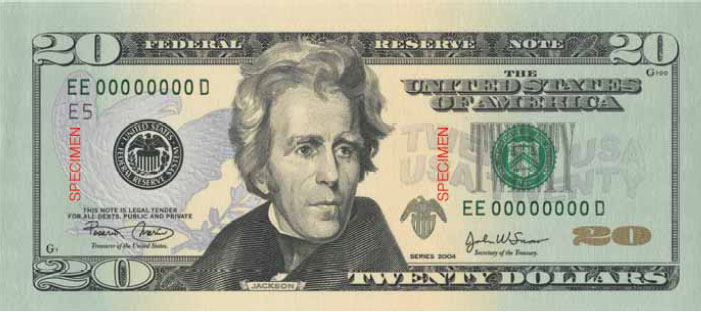
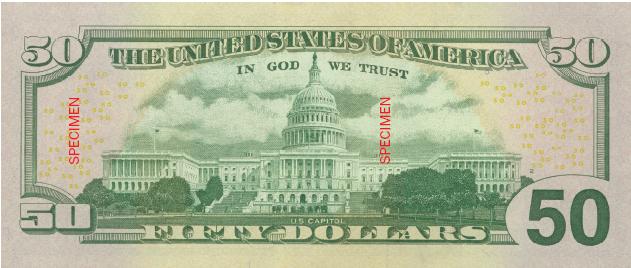
- Currency Name and Code
- US Dollar (USD)
- GDP by Sector
- agriculture: NA% industry: NA% services: NA%
Banknotes
Budget & Public Finance
- Fiscal Year
- 1 October - 30 September
- Annual Budget
- $127,000,000 (USD)
Labor, Industry & Trade
- Labor Force by Occupation
- government 33%; tuna canneries 34%; other 33%
- Industries
- tuna canneries (largely supplied by foreign fishing vessels), handicrafts
- Agriculture Products
- bananas, coconuts, vegetables, taro, breadfruit, yams, copra, pineapples, papayas; dairy products, livestock
- Export Commodities
- canned tuna 93%
- Export Partners
- Indonesia 70%, Australia 6.7%, Japan 6.7%, Samoa 6.7%
- Import Commodities
- materials for canneries 56%, food 8%, petroleum products 7%, machinery and parts 6%
- Import Partners
- Australia 36.6%, New Zealand 20.3%, South Korea 16.3%, Mauritius 4.9% (2002)
Energy
- Oil Production
- 0 bbl/day
- Oil Consumption
- 4,000 bbl/day
- Oil Reserves
- 0 bbl/day
- Natural Gas Production
- 0 cu m
- Natural Gas Consumption
- 0 cu m
- Natural Gas Imports
- 0 cu m
- Natural Gas Exports
- 445,600,000 cu m
- Natural Gas Reserves
- 0 cu m
Communications
- Telephone System
- General Assessment: good telex, telegraph, facsimile, and cellular telephone services Domestic: domestic satellite system with 1 Comsat earth station International: country code - 1-684; satellite earth station - 1 (Intelsat-Pacific Ocean)
- Internet Country Code
- .as
News & Weather
News & Weather
Current Weather
Latest News
Trump Administration Announces American Samoa Deep-Sea Mining Lease Sale - Earthjustice
Earthjustice · 4d ago
The US plans to auction off sections of water around American Samoa in a push for deep-sea mining - AP News
AP News · 3d ago
Australia, New Zealand and American Samoa compete for WBSC U-15 Women's Softball World Cup berth - World Baseball Softball Confederation (WBSC)
World Baseball Softball Confederation (WBSC) · 16h ago
Press Release: Amata Reaffirms Opposition to Seabed Mining in American Samoa Waters - Quiver Quantitative
Quiver Quantitative · 9h ago
US government announces plans to lease deep-sea mining rights in American Samoa - news - Mongabay
news - Mongabay · 3d ago
Feds propose first mining leases off coast of American Samoa - E&E News by POLITICO
E&E News by POLITICO · 4d ago
Deep-sea mining plan off American Samoa draws criticism - Hawaii News Now
Hawaii News Now · 4d ago
Washington moves to start deep-sea mining in American Samoa - euractiv.com
euractiv.com · 3d ago
News via Google News
Climate Overview
Tropical marine, moderated by southeast trade winds; annual rainfall averages about 3 m; rainy season from November to April, dry season from May to October; little seasonal temperature variation
Videos
Videos
1 curated YouTube videos.
Source: YouTube
Frequently Asked Questions
Frequently Asked Questions
What is the population of American Samoa?
How do people greet each other in American Samoa?
What are the dining customs in American Samoa?
What etiquette should I know when visiting a home in American Samoa?
How should I dress in American Samoa?
Which gestures are considered rude in American Samoa?
What role does family play in American Samoa?
What do people do for recreation in American Samoa?
What is the capital of American Samoa?
Where is American Samoa located?
What religion is practiced in American Samoa?
What currency is used in American Samoa?
What languages are spoken in American Samoa?
What is the geography and size of American Samoa?
What is American Samoa known for?
Last reviewed 2026