
 English
 Español
 中文
中文 हिन्दी
 Français
Guam
Declare Your Relationship to Guam
CountryReports Community
- Studying0
- From Guam0
- Guam heritage0
- Visited0
- Want to visit1
Customs and Culture
Customs and Culture
Cultural Attributes
Guam, a small island territory in the western Pacific Ocean, is home to a vibrant and unique culture that is shaped by a rich history and diverse influences. From its indigenous Chamorro heritage to its Spanish, American, and Asian influences, Guam's culture is a fascinating blend of old and new, traditional and modern.
At the heart of Guam's culture is the Chamorro people, the indigenous inhabitants of the island. The Chamorro people have a rich cultural heritage that dates back thousands of years and includes a unique language, art, music, and dance. Today, the Chamorro culture remains an important part of Guam's identity, with many traditions and customs still practiced and celebrated on the island.
One of the most important aspects of Chamorro culture is family and community. In Chamorro culture, the extended family is highly valued, and family members often live together or in close proximity to one another. Family gatherings, such as barbecues and fiestas, are a common occurrence on Guam and are an opportunity for family members to come together, share a meal, and celebrate their shared heritage.
Another important aspect of Chamorro culture is respect for elders. Elders are highly valued in Chamorro culture and are seen as a source of wisdom and guidance. It is not uncommon for younger family members to seek the advice and counsel of their elders, and elders are often involved in the upbringing and education of younger family members.
In addition to its indigenous heritage, Guam has also been influenced by its history as a Spanish colony and later as a territory of the United States. These influences are reflected in Guam's architecture, language, and traditions. For example, many of Guam's historic buildings, such as the Spanish-era Fort Nuestra Señora de la Soledad, reflect the island's Spanish heritage.
Guam's history as a U.S. territory has also had a significant impact on its culture. Today, Guam is home to a large military presence, with U.S. military bases and personnel stationed on the island. This has led to a number of cultural exchanges between the U.S. and Guam, including the introduction of American music, movies, and fashion.
Despite these external influences, Guam has managed to maintain its unique identity and culture. One of the ways in which Guam has done this is through its traditional arts and crafts. Chamorro weaving, pottery, and carving are just a few examples of the island's traditional arts, and many artists and craftspeople continue to practice these skills today.
Music and dance are also important part of Guam's culture. Traditional Chamorro dances, such as the Chamorro Sirena and the Tinian Pago Pago, are still performed on the island, and many Guam residents are involved in the local music scene. In addition, Guam hosts a number of festivals and cultural events throughout the year, including the Guam Micronesia Island Fair and the Guam International Film Festival.
Another important aspect of Guam's culture is its cuisine. Chamorro cuisine is a unique blend of indigenous, Spanish, and Asian influences and includes dishes such as red rice, kelaguen, and finadene. Local produce, such as taro and breadfruit, is also an important part of the island's cuisine.

Island of Taotao Mo'na
Greetings, Gestures & Visiting
The people of Guam have a unique style of dress that reflects the island's cultural heritage and climate. From traditional Chamorro clothing to modern western-style clothing, Guam's fashion scene is a blend of old and new, traditional and modern.
One of the most iconic pieces of clothing in Guam is the Chamorro mestisa dress. The mestisa dress is a traditional Chamorro dress that is worn for special occasions and celebrations, such as weddings and festivals. The dress is made from a colorful, patterned fabric and features a fitted bodice and a full, flowing skirt. The mestisa dress is often paired with a matching headscarf and is a symbol of Chamorro pride and identity.
In addition to the mestisa dress, many Chamorro women also wear the muumuu. The muumuu is a loose, flowing dress that is typically made from a lightweight fabric, such as cotton or silk. The muumuu is comfortable and cool, making it a popular choice for Guam's hot and humid climate.
For men, the traditional Chamorro outfit is the lufuti. The lufuti is a two-piece outfit that consists of a short-sleeved shirt and loose-fitting pants. The outfit is typically made from a lightweight fabric, such as cotton or linen, and is comfortable and breathable in Guam's warm weather.
In addition to traditional clothing, Guam also has a thriving fashion scene that includes modern western-style clothing. Many Guam residents dress in casual, comfortable clothing, such as t-shirts, shorts, and sandals. However, there are also many opportunities to dress up, such as for formal events or nightclubs.
One of the most popular clothing items in Guam is the chambray shirt. The chambray shirt is a lightweight, denim-like shirt that is often worn as a casual top. It is popular in Guam due to its comfortable fit and versatility.
In terms of footwear, many Guam residents opt for sandals or flip-flops due to the island's warm climate. However, sneakers and athletic shoes are also popular, especially among young people.
It is worth noting that Guam's fashion scene is heavily influenced by the island's military presence. Many military personnel stationed on Guam wear the standard U.S. military uniform, and this is often seen on the streets of Guam as well. In addition, military-style clothing, such as cargo shorts and camo pants, are popular among civilians as well.

Recreation
Guam is an island paradise that offers a wide range of recreational activities for locals and tourists alike. From water sports to hiking,
One of the most popular recreational activities in Guam is snorkeling and diving. The island's crystal-clear waters are home to a variety of marine life, including colorful coral reefs and tropical fish. Snorkelers and divers can explore the underwater world around Guam's coral reefs, and even visit the famous underwater statue park in Piti.
Another popular water activity in Guam is stand-up paddleboarding (SUP). SUP is a fun and relaxing way to explore Guam's waters while getting a great workout at the same time. Many rental shops around the island offer SUP boards for rent and visitors can paddle through calm lagoons or explore the rugged coastline.
For those who prefer to stay on land, Guam also has several hiking trails that offer stunning views of the island's natural beauty. The trails range in difficulty, from easy walks to more challenging hikes, and many of them lead to secluded waterfalls and scenic overlooks.
Golfing is also a popular recreational activity in Guam, with several world-class golf courses available for visitors. The courses are located in stunning tropical settings, and offer challenging holes and breathtaking views.
Beachgoers will be pleased to know that Guam has a number of beautiful beaches, with soft white sand and crystal-clear waters. Many of the beaches offer opportunities for swimming, sunbathing, and beach volleyball, while others are more secluded and ideal for a quiet day of relaxation.
Guam also has a rich cultural history, and visitors can explore the island's unique heritage through cultural tours and visits to historical sites. The Guam Museum, located in the capital city of Hagåtña, offers exhibits on the island's history and culture, while the ancient latte stones in Inarajan offer a glimpse into the island's ancient Chamorro culture.
For those who enjoy the nightlife, Guam has a vibrant nightlife scene that offers a range of entertainment options, including bars, nightclubs, and casinos. Many of the island's hotels also offer nightly entertainment, such as live music and cultural shows.
Guam is a paradise for outdoor enthusiasts, history buffs, and nightlife lovers alike. From water sports to hiking, and golfing to cultural tours, Guam offers a wide range of recreational activities for visitors of all ages and interests. Whether you prefer to spend your days in the water or on land, exploring the island's natural beauty or immersing yourself in its unique culture, Guam has something for everyone.
Dates of Interest
- December 25th
What is dining and food like in Guam?
Chamorro cuisine blends indigenous, Spanish, and Asian influences, and family gatherings like barbecues and fiestas are common occasions to share a meal.
Do
- Try local dishes such as red rice, kelaguen, and finadene
- Sample local produce like taro and breadfruit
- Join family barbecues and fiestas if invited
What are important customs and etiquette in Guam?
Chamorro culture places high value on family, community, and respect for elders, who are seen as sources of wisdom and guidance.
Do
- Show respect to elders
- Value extended family and community ties
- Seek and honor the counsel of elders
What should I wear in Guam?
Dress is a blend of traditional Chamorro clothing and modern casual western-style clothing suited to the hot, humid climate.
Do
- Wear light, comfortable clothing like t-shirts, shorts, and sandals
- Choose lightweight fabrics such as cotton or linen for the warm weather
- Dress up for formal events or nightclubs
Good to know
- The mestisa dress is a traditional Chamorro dress worn for special occasions like weddings and festivals
- The muumuu is a loose, cool dress popular in the hot climate
- The lufuti is a traditional two-piece outfit for men
- Sandals and flip-flops are common, though sneakers are popular among young people
How important is family in Guam?
The extended family is highly valued in Chamorro culture, with family members often living together or nearby and gathering for barbecues and fiestas.
Do
- Respect and involve elders in family life
- Participate in family gatherings and celebrations
What can I do for fun in Guam?
Guam offers water sports, hiking, golfing, beaches, cultural tours, and a vibrant nightlife.
Do
- Go snorkeling or diving to see coral reefs and the underwater statue park in Piti
- Try stand-up paddleboarding in calm lagoons
- Hike trails leading to waterfalls and scenic overlooks
- Visit the Guam Museum in Hagåtña and the ancient latte stones in Inarajan
Good to know
- Golf courses offer tropical settings and breathtaking views
- Beaches offer swimming, sunbathing, and beach volleyball
- Nightlife includes bars, nightclubs, casinos, and live music or cultural shows
Last updated: 2026-07-12 · Sources: CountryReports
Photos of Guam
Photos of Guam
Travel and Tourism
Travel and Tourism
- Travel Alert Status
- Level 1: Exercise Normal Precautions
- Currency
- US dollar (USD)
- Time Difference
- UTC+10 (15 hours ahead of Washington, DC, during Standard Time)
- Climate
- Tropical marine; generally warm and humid, moderated by northeast trade winds; dry season from January to June, rainy season from July to December; little seasonal temperature variation
- Airports
- 5
Read the full travel guide — health, safety, vaccinations, disease risk, sanitation, and transit details.
View full travel guideRecipes
Recipes
History
History
Historical Eras
Ancient Chamorro
2000 BCE – 1521
The indigenous Chamorro people, believed to have migrated from Southeast Asia, established a sophisticated society on Guam by at least 2000 BCE. Skilled navigators, potters, and weavers, they organized around a matriarchal clan structure. Their most distinctive cultural achievement, the coral limestone latte stones used as house foundations, remains unique to the Mariana Islands and defines the Latte Period spanning roughly AD 1000 to 1521.
Spanish Colonial Era
1521 – 1898
Ferdinand Magellan made first Western contact at Umatac Bay in 1521, and Spain formally claimed Guam in 1565 under Miguel López de Legazpi. Jesuit missionaries arrived in 1668, triggering prolonged Chamorro-Spanish wars that drastically reduced the indigenous population. Despite brutal suppression, Chamorro women preserved much of their language and cultural traditions throughout nearly three and a half centuries of Spanish rule.
American Territory
1898 – 1941
Spain ceded Guam to the United States following the Spanish-American War, and the island was placed under U.S. Naval administration. Guamanians were classified as U.S. nationals but denied full citizenship, and the Naval government exercised strict control over political and economic life. The Organic Act of 1950, though not yet enacted, was preceded by decades of Chamorro petitions for greater rights and self-governance.
Japanese Occupation
1941 – 1944
Japan invaded and seized Guam on December 8, 1941, just hours after the attack on Pearl Harbor, subjecting its population to forced labor, internment, and systematic brutality. The occupation suppressed Chamorro identity by banning the Chamorro language and imposing Japanese culture and administration. U.S. forces retook the island in the Battle of Guam from July to August 1944, at great cost to both military personnel and the civilian population.
Postwar U.S. Territory
1944 – 1986
The Organic Act of 1950 granted Guamanians U.S. citizenship and established a civilian government, though the island remained under significant federal oversight. Guam served as a critical American military logistics hub during the Korean and Vietnam Wars, and the 1962 Naval Clearing Act opened the island to civilian immigration, spurring rapid demographic and economic transformation. Political discussions around self-determination intensified, culminating in a rejected 1979 constitutional referendum.
Modern Guam
1986 – present
Guam continues as an unincorporated U.S. territory with an elected governor and legislature, while debates over political status, decolonization, and a potential referendum on self-determination remain active. A major U.S. military buildup beginning in the 2000s expanded Guam's strategic role in the Pacific as a counterweight to rising regional tensions. The Chamorro people pursue cultural revitalization alongside ongoing negotiations with Washington over land rights, sovereignty, and full representation.
Overview
The original inhabitants of Guam are believed to have been of Indo-Malaya descent originating from Southeast Asia as early as 2,000 B.C., and having linguistic and cultural similarities to Malaysia, Indonesia and the Philippines. The Chamorro flourished as an advanced fishing, horticultural, and hunting society. They were expert seamen and skilled craftsmen familiar with intricate weaving and detailed pottery making who built unique houses and canoes suited to this region of the world. The Chamorro possessed a strong matriarchal society and it was through the power and prestige of the women, and the failure of the Spanish overlords to recognize this fact, that much of the Chamorro culture, including the language, music, dance, and traditions have survived to this day. Latte StoneLatte Stones
Latte Stones are the stone pillars of ancient Chamorro houses. Found nowhere else in the world, the Taotaomona, Ancient Chamorro SpiritsLatte Stone has become a symbol and the signature, of Guam and the Marianas Islands. Original Latte Stones were comprised of two pieces, a supporting column (halagi), made from coral limestone topped with a capstone (tasa), made from coral heads, which were usually carried several miles from the quarry site or reef to the location of the house. Customarily, bones of the ancient Chamorro’s, their possessions, such as jewelry or canoes, were buried below the stones. Latte Stones are respected and are untouched. A human interloper at Latte sites may encounter Taotaomoa, or ancestral Chamorro spirits.
Archaeological milestones of ancient Guam are tied to the Latte Stones as: Transitional Pre-Latte (AD 1 to AD Latte Stone Park in Agana Guam1000), the larger Latte Period (AD 1000 to AD 1521), and Early Historic Period (AD 1521 to 1700). The eight Latte Stones shown here can be seen in Hagatna’s Latte Stone Park where they were transferred from their original location in Me’pu in Guam ’s Southern interior. Today, many Latte sites can be found in Northern Guam and replicas and images of Latte Stones can also be seen all around the Marianas, such as the "Welcome to Guam" monument at the International Airport , carvings, jewelry, in print or the logo at the top of this paragraph. Read more about Latte Stones at the Official Government of Guam WEB site and Science Frontiers.Com.
The Spanish Era (1565 - 1898)
The first known contact between Guam and the West occurred when Ferdinand Magellan anchored his small 3-ship fleet in Umatac Bay on March 6, 1521. Hungry and weakened from their long voyage, the crew hastily Umatic Bay, Site of Magellan’s Landing in 1521prepared to go ashore and restore provisions. However, the excited native Chamorro’s, who did not share the Spaniards concept of ownership, canoed out first and began helping themselves to everything that was not nailed down. The weakened sailors had trouble fending off the tall and robust natives until a few shots from the Trinidad’s big guns frightened them off the ship and they retreated into the surrounding jungle. Magellan was eventually able to obtain rations and offered iron, a commodity highly prized by Neolithic peoples, in exchange for fresh fruits, vegetables and water. Details of Magellan’s visit, and the first known Western documentation of Guam and the Chamorro, come from the journal of Antonio Pigafetta, Magellan’s chronicler and one of only 18 original crew members to survive Ferdinand Magellan’s ill-fated circumnavigation of the globe.
Guam and the other Mariana Islands were formally claimed by the Spanish Crown in 1565 by Miguel Lopez de Plaza de Espana, Hagatna, GuamLegazpi. In 1668, Jesuit missionaries led by Padre Diego Luis de San Vitores, arrived on Guam to establish their brand of European civilization, Christianity and trade. The Spanish taught the Chamorro’s to cultivate maize (corn), raise introduced cattle and tan hides, as well as to adopt western-style clothing. Once Christianity was firmly established, the Catholic Church became the focal point for village activities and Guam became a regular port-of-call for the Spanish treasure galleons that crisscrossed the Pacific Ocean from Mexico to the Philippines.
Chief Quipuha was the maga’lahi, or high ranking male, in the area of Hagatna when the Spanish landed off its shores in 1668. Quipuha welcomed the missionaries and allowed himself to be baptized by San Vitores as Juan Quipuha. Quipuha granted the lands on which the first Catholic Church in Guam, the Dulce Nombre de Maria {Sweet Name of Mary} Cathedral Basilica,
Timeline of Key Events
1521
Ferdinand Magellan arrived, named them Islas de los Ladrones.
Ferdinand Magellan arrived, named them Islas de los Ladrones.
1565
Spain claimed Guam, Marianas together with Philippines.
Spain claimed Guam, Marianas together with Philippines.
1898
Following the Spanish-American War, Spain ceded Guam to the U.S.
Following the Spanish-American War, Spain ceded Guam to the U.S., sold the other Mariana Islands to Germany.
1941 – 1944
Japanese occupation.
Japanese occupation.
1954 – 1975
Vietnam War; Guam logistical base.
Vietnam War; Guam logistical base.
1962
Naval Clearing Act (U.S.); ports of Guam opened for civilian traffic.
Naval Clearing Act (U.S.); ports of Guam opened for civilian traffic.
1979
Referendum rejected Guam constitution.
Referendum rejected Guam constitution.
Read the full history profile — narrative overview, defining eras, and the complete timeline in one place.
View expanded historyInteresting Facts
Interesting Facts
Guam is the largest and southernmost island in the Marianas Archipelago.
See every fact — trivia, oddities, and curious tidbits gathered from across the country.
View all interesting factsGeography and Environment
Geography and Environment
- Terrain
- volcanic origin, surrounded by coral reefs; relatively flat coralline limestone plateau (source of most fresh water), with steep coastal cliffs and narrow coastal plains in north, low hills in center, mountains in south
- Climate
- tropical marine; generally warm and humid, moderated by northeast trade winds; dry season from January to June, rainy season from July to December; little seasonal temperature variation
- Natural Hazards
- frequent squalls during rainy season; relatively rare, but potentially very destructive typhoons (June - December)
- Current Environmental Issues
- extirpation of native bird population by the rapid proliferation of the brown tree snake, an exotic, invasive species
Read the full geography and environment profile — terrain, climate, natural resources, hazards, land use, and international agreements.
View full geographyPeople & Demographics
People & Demographics
Religion
Languages Spoken
English, Chamorro, Japanese
- English
- Japanese
Population
- Population
- 180,865
- Population in Major Urban Areas
- HAGATNA (capital) 169,000
- Nationality Noun
- Guamanian(s)
- Ethnic Groups
- Chamorro 37%, Filipino 26%, white 10%, Chinese, Japanese, Korean, and other 27%
Education
- Literacy Definition
- age 15 and over can read and write
Read the full people and society profile — demographics, health, education, religion, languages, and notable people.
View full people and societyGovernment & Politics
Government & Politics
Country Identity
- Country Name
- Guam
- Full Country Name
- Territory of Guam
- Local - Long
- Guahan
Government Structure
- Government Type
- NA
- Legal System
- modeled on US; US federal laws apply
- Executive Branch
- chief of state: President Donald J. TRUMP of the US (since 20 January 2025) and Vice President JD VANCE (since 20 January 2025) head of government: Governor Lourdes "Lou" Leon GUERRERO (since 7 January 2019) and Lieutenant Governor Josh TENORIO (since 7 January 2019) cabinet: heads of executive departments; appointed by the governor with the consent of the Guam Legislature elections: under the US Constitution, residents of unincorporated territories, such as Guam, do not vote in elections for US president and vice president; however, Guam residents who are US citizens may vote in presidential elections if they establish residency in one of the 50 states or the District of Columbia; governor and lieutenant governor elected on the same ticket by popular vote for a four-year term; election last held on 8 November 2022 (next to be held in November 2026) election results: Lourdes "Lou" Leon GUERRERO reelected governor; percent of vote - Lourdes Leon GUERRERO (Democratic Party) 56.5%, Felix CAMACHO (Republican Party) 43.5%
- Legislative Branch
- unicameral Legislature (15 seats; members are elected by popular vote to serve two-year terms) elections: last held 2 November 2004 (next to be held November 2006) election results: percent of vote by party - NA; seats by party - Democratic Party 6, Republican Party 9 note: Guam elects one nonvoting delegate to the US House of Representatives; election last held 2 November 2004 (next to be held November 2006); results - Madeleine BORDALLO (Democratic Party) was elected as delegate; percent of vote by party - Democratic Party 64.6%, Republican Party 35.4%; seats by party - Democratic Party 1
- Judicial Branch
- Federal District Court (judge is appointed by the president); Territorial Superior Court (judges appointed for eight-year terms by the governor)
- Suffrage
- 18 years of age; universal; US citizens, but do not vote in US presidential elections
- Constitution
- Organic Act of 1 August 1950
- Independence
- none (territory of the US)
- National Holiday
- Discovery Day, first Monday in March (1521)
Capital City
- Capital Name
- Hagatna (Agana)
- Capital - geographic coordinate
- 13 28 N, 144 44 E
- Capital Time Difference
- UTC+10 (15 hours ahead of Washington, DC, during Standard Time)
The name is derived from the Chamoru word "haga," meaning "blood", and may refer to the bloodlines of the various families that established the original settlement
Read the full government profile — flag symbolism, national anthem, and other national symbols.
View full government detailsEconomy
Economy
Guam's economy depends primarily on U.S. military spending, tourism, and limited exports of fish and handicrafts. Federal spending, including military construction, wages, and procurement, contributes several billion dollars annually to the local economy, with the ongoing buildup of U.S. Marine Corps facilities relocating from Okinawa expected to further expand this sector through the late 2020s. Tourism has historically been the second pillar of the economy, with visitor arrivals peaking at roughly 1.5 million annually before the COVID-19 pandemic. The industry was severely disrupted in 2020 and has been slow to recover, with arrivals in recent years remaining well below pre-pandemic levels. Japanese and South Korean visitors traditionally account for the vast majority of tourists, though the market has become increasingly dependent on South Korean travelers as Japanese tourism has declined. Most food, consumer products, and industrial goods are imported, contributing to a high cost of living. Guam continues to face the challenge of diversifying its civilian economy, expanding sectors such as healthcare, education, and financial services to reduce its heavy reliance on federal spending and tourism.
Snapshot
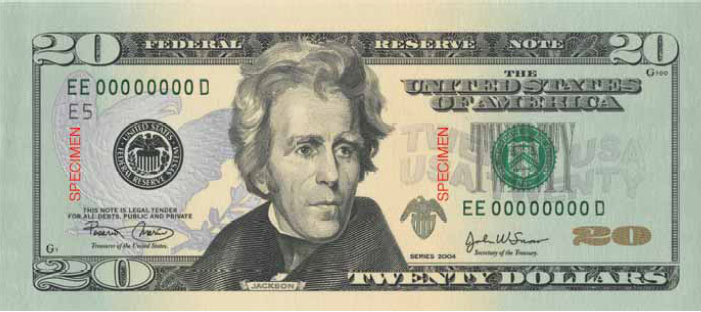
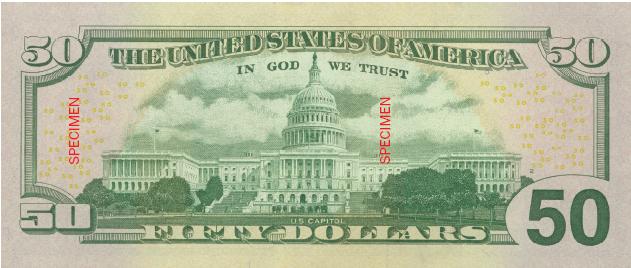
- Currency Name and Code
- US Dollar (USD)
Banknotes
Budget & Public Finance
- Fiscal Year
- 1 October - 30 September
- Annual Budget
- $306,900,000 (USD)
Labor, Industry & Trade
- Labor Force by Occupation
- federal and territorial government 26%; private 74% (trade 24%; other services 40%; industry 10%)
- Industries
- US military, tourism, construction, transshipment services, concrete products, printing and publishing, food processing, textiles
- Agriculture Products
- fruits, copra, vegetables; eggs, pork, poultry, beef
- Export Commodities
- mostly transshipments of refined petroleum products; construction materials, fish, food and beverage products
- Export Partners
- Japan 81.6%, South Korea 5.3%, Canada 2.6%
- Import Commodities
- petroleum and petroleum products, food, manufactured goods
- Import Partners
- Singapore 39.2%, South Korea 21%, Japan 20.8%, Hong Kong 7.8%
Energy
- Oil Production
- 0 bbl/day
- Oil Consumption
- 19,000 bbl/day
- Oil Reserves
- 0 bbl/day
- Natural Gas Production
- 0 cu m
- Natural Gas Consumption
- 0 cu m
- Natural Gas Imports
- 0 cu m
- Natural Gas Exports
- 0 cu m
- Natural Gas Reserves
- 0 cu m
Communications
- Telephone System
- General assessment: Modern system, integrated with US facilities for direct dialing, including free use of 800 numbers Domestic: Digital system, including mobile-cellular service and local access to the Internet International: Country code - 1-671; major landing point for submarine cables between Asia and the US (Guam is a transpacific communications hub for major carriers linking the US and Asia); satellite earth stations - 2 Intelsat (Pacific Ocean)
- Internet Country Code
- .gu
News & Weather
News & Weather
Current Weather
Latest News
The US Air Force Is Pouring 20 Acres Of Concrete At Guam's Andersen AFB But Refuses To Build Shelters - Simple Flying
Simple Flying · 1d ago
US Army reportedly deploys new hypersonic missile to Guam - The Defence Blog
The Defence Blog · 23h ago
U.S. Army May Have Deployed Dark Eagle Hypersonic Missile to Guam Before Valiant Shield 2026 - Army Recognition
Army Recognition · 16h ago
Super Typhoon Bavi brings destruction to Guam and surrounding Pacific islands - NPR
NPR · 16d ago
Four Rare Guam Kingfisher Chicks Hatch at Virginia Facility, Making an 'Incredibly Valuable' Addition to the Small Population of Extinct-in-the-Wild Birds - Smithsonian Magazine
Smithsonian Magazine · 53d ago
Super Typhoon Bavi makes landfall on US Pacific islands - Al Jazeera
Al Jazeera · 15d ago
Cat 5 Super Typhoon Bavi pounds the U.S. Northern Mariana Islands and Guam - Yale Climate Connections
Yale Climate Connections · 15d ago
Guam, CNMI suffer impacts from second super typhoon in just 83 days - Pacific Disaster Center | (PDC Global)
Pacific Disaster Center | (PDC Global) · 8h ago
News via Google News
Climate Overview
Tropical marine; generally warm and humid, moderated by northeast trade winds; dry season from January to June, rainy season from July to December; little seasonal temperature variation
Frequently Asked Questions
Frequently Asked Questions
What is the population of Guam?
What is dining and food like in Guam?
What are important customs and etiquette in Guam?
What should I wear in Guam?
How important is family in Guam?
What can I do for fun in Guam?
What is the capital of Guam?
Where is Guam located?
What are the ocean and sea borders of Guam?
What is the predominant religion in Guam?
What currency is used in Guam?
What languages are spoken in Guam?
What is Guam known for?
Last reviewed 2026