
 English
 Español
 中文
中文 हिन्दी
 Français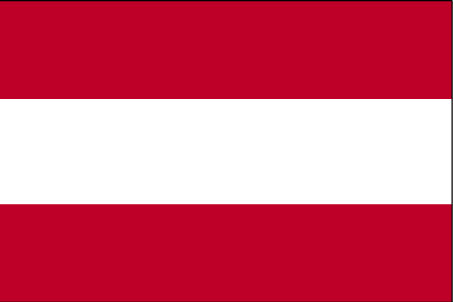
Austria
Oesterreich
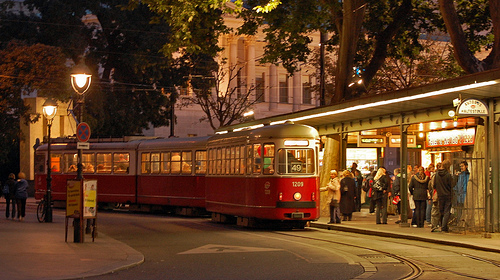
Declare Your Relationship to Austria
CountryReports Community
- Studying1
- From Austria1
- Austria heritage1
- Visited1
- Want to visit1
Customs and Culture
Customs and Culture
About the People
Austrians are known for their Gemutlichkeit, a relaxed and happy approach to life. A good-natured sense of frustration and bittersweet attitude toward reality are considered unique national traits. Although a relaxed people, Austrians are committed to hard work. They value cleanliness, neatness, and order. Litter is rare. People love to learn and engage in conversation. There is a deep regard for the environment, and Austrians take pride in their country's beautiful landscape. Cultural arts are important to all segments of society, as Austrians are extremely proud of their culture's contributions to Western civilization. Austrians are not Germans and should not be referred to as such; it can be considered an insult.
Cultural Attributes
Austrians are not Germans and should not be referred to as such; it can be considered an insult.
A good-natured sense of frustration and a bittersweet attitude toward reality are considered unique national traits. Austrians are a hard-working society and laziness is not generally accepted.

Land of the Waltz and the Imperial Dream
Greetings, Gestures & Visiting
Shaking hands is the common way Austrians greet each other. In Vienna, a man may still kiss the hand of a woman when introduced to her.
Yawns and coughs are covered by one's hand when they cannot be avoided. One should avoid chewing gum in public places. Touching the index finger to one's forehead or temple is an insult.
Men stand when a woman enters the room or when talking to a woman who is standing. One should arrive on time to an invitation. Shoes are often removed when entering a home. However, this tradition is not practiced in many homes today. To show courtesy to the hosts, guests do not ask to use the telephone, nor do they offer to help make any preparations.
When guests leave they are accompanied outside to the edge of one's property or gate. Hosts remain until the guests are out of sight. It is polite and generally expected for guests on foot to turn once or twice while walking away and wave to the hosts.
It is important to dress properly for all events. European clothing is usually worn by both men and women. For formal occasions, traditional costumes are often worn. Each area of Austria has its own unique costume.
Diet
Austrians love good food and have a rich and varied cuisine drawn from the various cultures that once comprised the Austro-Hungarian Empire. Specialties vary by region but include such favorites as Wienerschnitzel (breaded veal cutlet), Sachertorte ( a rich chocolate cake with apricot jam and chocolate icing), Knodel (moist potato dumplings), and goulash. A typical day begins early with a light breakfast of coffee or hot chocolate, rolls, bread, and jam or marmalade. Later in the morning, some eat a second, heartier breakfast, including goulash or hat sausages. The main meal can be at midday or in the evening. It usually includes soup, meat (often pork) with potatoes or pasta. Afternoon tea may include sandwiches, pastries, and coffee. Austrians enjoy beer, wine, herbal teas, apple juice with sparkling mineral water, fruit juices, and soft drinks.
Eating habits are changing in Austria. For example, the main meal is served in the evening rather than midday and afternoon tea is no longer common. At the same time, certain traditions remain strong, such as keeping hands above the table during the meal, not gesturing with utensils, and not placing elbows on the table while eating. It is impolite to begin eating until all persons at the table are served. Austrians eat in continental style, with the fork in the left hand and the knife remaining in the right hand. When guests are present, the hostess will nearly always offer second helpings, but a polite (Thank you, no) is accepted.
Austrians love good food and have a rich and varied cuisine drawn from the various cultures that once comprised the Austro-Hungarian Empire. Specialties vary by region but include such favorites as Wienerschnitzel (breaded veal cutlet), Sachertorte ( a rich chocolate cake with apricot jam and chocolate icing), Knodel (moist potato dumplings), and goulash. A typical day begins early with a light breakfast of coffee or hot chocolate, rolls, bread, and jam or marmalade. Later in the morning, some eat a second, heartier breakfast, including goulash or hat sausages. The main meal can be at midday or in the evening. It usually includes soup, meat (often pork) with potatoes or pasta. Afternoon tea may include sandwiches, pastries, and coffee. Austrians enjoy beer, wine, herbal teas, apple juice with sparkling mineral water, fruit juices, and soft drinks.

Family
Austrian families are usually small, having one or two children. However, rural families are often a bit larger. Most Austrians expect to marry and have a family. Both parents generally work outside the home, with women comprising nearly 40 percent of the labor force. In such cases, married couples tend to share duties related to the household and children. Some homes, especially in rural areas, maintain a more strict patriarchal family structure.
Recreation
Skiing is Austria's leading winter sport followed by ice skating and tobogganing. Summer sports include bicycling, mountain climbing, sailing, hiking, and canoeing. Austrians are also avid fans of football (soccer).
 Austrians also spend many hours reading or relaxing and sipping brauner (coffee with milk). They might also be drinking kaisermelange (black coffee with an egg yolk and brandy).
Holidays
National Day
10/26Independence
commemorates the State Treaty restoring national sovereignty and the end of occupation and the passage of the law on permanent neutrality
Birth date - Wolfgang Amadeus Mozart
1/27Birthday
Birth date - Wolfgang Amadeus Mozart, Austrian composer was born in Salzburg, Austria on Jan. 27, 1756.
Birth date - Franz Peter Schubert
1/31Birthday
Birth date - Franz Peter Schubert, Austrian composer, born in Vienna, Austria on Jan. 31, 1797.
Birth date - Johann Strauss
3/14Birthday
Birth date - Johann Strauss, Austrian composer, was born in Vienna on March 14, 1804.
Birth date - Franz Joseph Haydn
3/31Birthday
Birth date - Franz Joseph Haydn, Austrian composer, was born in Rohrau, Austria on March 31, 1797.
Christmas
12/25Christmas
In Austria, the first holiday decorations appear four Sundays before Christmas with the beginning of Advent, the season that reminds people that Christmas is approaching. Advent wreaths, circles of fir or spruce that feature four red candles, are hung from the ceiling and lit progressively on the four Sundays before Christmas. Krippen (Nativity scenes), missing the baby Jesus until Christmas eve, are also traditional for Austrian families as Christmas approaches. The arrival of the baby Jesus in the Krippen on Christmas eve is symbolic of his birth on Christmas day. A noted Krippen resides at Steyr in Upper Austria where it has resided since 1579.
Some households cut branches from cherry trees and place them in water on December 4th, St. Barbara’s day. According to legend a single person whose "Barbara branch" blooms by Christmas day will marry in the coming year.
Santa Claus does not visit Austria each year, though three other holiday figures, Krampus (also known as Knecht Ruprecht, or Pelznickel), Saint Nicholas, and the Kristkindl, do on their own special days. Krampus, an evil spirit with frightening fur, visits each town on December 5th to warn naughty children to behave. Though he’s poked with sticks and hit with snowballs as payment for his advice, his warning must be heeded, since St. Nicholas can only find good children to reward when he visits on December 6th.
St. Nicholas appears on December 6th in the white flowing robes and pointed headdresses worn by Catholic bishops. When children promise good behavior he distributes oranges, nuts, and sweets.
The star of the Christmas and the Advent season is the Kristkindl, a winged baby symbolizing Christ who brings gifts and decorates the Christmas tree. Children are not allowed to see the Christmas tree until a tinkling bell summons them to the Christmas room and they witness the work of the Kristkindl and his band of angels. The tree is often adorned with fruits, nuts, and glass ornaments. Many families treasure handcrafted fruit carved to resemble the nativity scene. Presents are exchanged after the family has sung Christmas carols, traditionally beginning with "Silent Night."
Dates of Interest
- December 26th
Honors St. Stephen, the first Christian martyr. It is a public holiday with church services, concerts, and traditional activities.
How do people greet each other in Austria?
Shaking hands is the common greeting. In Vienna, a man may still kiss the hand of a woman when introduced to her.
Do
- Shake hands when meeting someone
What are the dining customs in Austria?
Austrians eat continental style and observe several table traditions; try regional specialties like Wienerschnitzel, Sachertorte, Knodel, and goulash.
Do
- Keep your hands above the table during the meal
- Eat continental style, with the fork in the left hand and the knife in the right
- Wait until everyone is served before you begin eating
Don’t
- Don't gesture with your utensils
- Don't place your elbows on the table while eating
Good to know
- A polite "thank you, no" to second helpings from the hostess is accepted
- The main meal may be at midday or in the evening
- Austrians enjoy beer, wine, herbal teas, apple juice with sparkling mineral water, fruit juices, and soft drinks
What etiquette should I know when visiting an Austrian home?
Arrive on time, be courteous to your hosts, and follow the local farewell customs when leaving.
Do
- Arrive on time to an invitation
- Remove your shoes when entering a home if the household practices it
- On leaving, turn once or twice and wave to your hosts as you walk away
Don’t
- Don't ask to use the telephone
- Don't offer to help make preparations
Good to know
- Shoe removal is no longer practiced in many homes today
- Men stand when a woman enters the room or when talking to a woman who is standing
How should I dress in Austria?
Dress properly for all events; European-style clothing is standard, and traditional regional costumes are often worn for formal occasions.
Good to know
- Each area of Austria has its own unique costume
Which gestures should I be aware of in Austria?
Cover yawns and coughs, and avoid gestures that are considered insulting.
Do
- Cover yawns and coughs with your hand when unavoidable
Don’t
- Don't chew gum in public places
- Don't touch your index finger to your forehead or temple — it is an insult
What are families like in Austria?
Families are usually small with one or two children, and both parents generally work outside the home, sharing household and childcare duties.
Good to know
- Rural families are often a bit larger
- Some rural homes maintain a more strict patriarchal structure
What do Austrians do for recreation?
Skiing is the leading winter sport, with many summer outdoor activities and a strong love of football (soccer), reading, and relaxing over coffee.
Good to know
- Winter sports include skiing, ice skating, and tobogganing
- Summer sports include bicycling, mountain climbing, sailing, hiking, and canoeing
- Try coffee specialties like brauner (coffee with milk) or kaisermelange (black coffee with egg yolk and brandy)
What should I know before visiting Austria?
Austrians value cleanliness, order, hard work, and their cultural heritage, and take pride in their national identity.
Don’t
- Don't refer to Austrians as Germans — it can be considered an insult
Good to know
- Austrians value cleanliness, neatness, and order
- Cultural arts and the environment are held in high regard
- Gemutlichkeit — a relaxed, happy approach to life — is a valued national trait
Last updated: 2026-07-12 · Sources: CountryReports
Photos of Austria
Photos of Austria


Travel and Tourism
Travel and Tourism
- Travel Alert Status
- Level 1: Exercise Normal Precautions
- Currency
- 0.9214
- Time Difference
- UTC+1 (6 hours ahead of Washington, DC, during Standard Time)
- Climate
- Temperature extremes in Vienna vary between summer highs of 95°F and - 4°F in winter. October may be damp and rainy, and light snowfalls occur in November and December. Snow, sometimes heavy, and frost can occur from January until mid-March. April, May, and early June offer pleasant spring weather, and summers are often delightful. Vienna sometimes becomes uncomfortably hot in July and August, especially in the city's center, but the suburbs, particularly those which are elevated, are pleasant. The city is subject to rapid and marked changes in atmospheric pressures with accompanying winds. One such wind, the foehn, carries warm air from the south. It has a special meaning for the Viennese since many people blame it for peculiar human behavior. The average annual precipitation in Vienna is 21.02 inches. The mountainous regions have long, cold winters with heavy snowfall and bright, crisp days. The Danube Basin usually has less snow, is damper, and therefore has more gray and overcast days than the higher altitudes.
- Airports
- 55
- Recommended Vaccinations
- How important is it to do your research about vaccinations? It might just save your life! Make yourself aware of the different types of vaccinations and which ones you may need to travel to your destination. Schedule an appointment with your doctor at least four to six weeks before you travel to ensure you receive all important shots. Be sure that you and your family are up to date on your routine vaccinations. Which vaccinations you need will depend on a number of factors including your destination, whether you will be spending time in rural areas, the season of the year you are traveling, your age, health status, and previous immunizations.
Read the full travel guide — health, safety, vaccinations, disease risk, sanitation, and transit details.
View full travel guideRecipes
Recipes
History
History
Historical Eras
Celtic & Roman Antiquity
400 BCE – 800
Celtic tribes, most notably the Norici, established settlements in the eastern Alpine region before Roman conquest transformed the area into the provinces of Noricum and Pannonia. Roman towns such as Vindobona (Vienna) and Carnuntum became significant military and commercial centers. Following the Western Empire's collapse, Germanic tribes including the Bavarians and Alemanni gradually settled the region, laying cultural foundations for later Austrian identity.
Frankish & Babenberg Rule
800 – 1278
Charlemagne incorporated the Danubian region into the Frankish Empire around 800, establishing the Ostmark (Eastern March) as a frontier against Magyar incursions. After Otto I defeated the Magyars at the Battle of Lechfeld in 955, the region stabilized and was granted to the Babenberg dynasty in 976. The Babenbergs ruled for nearly three centuries, developing Vienna into a prosperous cultural center before the dynasty ended in 1246.
Habsburg Ascendancy
1278 – 1618
Rudolf I of Habsburg defeated Bohemian King Ottokar II at the Battle of Marchfeld in 1278, securing Austria as the dynastic heartland of one of Europe's most powerful ruling families. The Habsburgs steadily accumulated territories through strategic marriages and inheritance, eventually holding the title of Holy Roman Emperor almost continuously. The Ottoman threat, culminating in the sieges of Vienna, and the Protestant Reformation challenged but ultimately consolidated Habsburg Catholic dominance in the region.
Thirty Years' War & Baroque Empire
1618 – 1804
The Thirty Years' War (1618–1648) devastated Central Europe but ultimately reaffirmed Habsburg Catholic authority through vigorous Counter-Reformation policies. The Peace of Westphalia in 1648 reshaped European state boundaries while leaving Austria as a major power. Subsequent decades saw the decisive defeat of the Ottomans, the reign of Empress Maria Theresa, and sweeping Enlightenment-era reforms, before Napoleon's rise compelled Emperor Francis II to dissolve the Holy Roman Empire and declare the Austrian Empire in 1804.
Austrian & Austro-Hungarian Empire
1804 – 1918
The Austrian Empire navigated the Napoleonic aftermath and the revolutions of 1848 under the long reign of Emperor Franz Joseph I, who came to power in 1848. Defeat by Prussia in 1866 excluded Austria from German unification, prompting the 1867 Compromise (Ausgleich) that created the dual Austro-Hungarian monarchy. Rising nationalism among Slavic, Hungarian, and other ethnic minorities increasingly destabilized the empire, and the assassination of Archduke Franz Ferdinand in 1914 triggered World War I, which ended in the empire's complete collapse in 1918.
Republic & Modern Austria
1918 – present
Reduced to a small German-speaking republic after 1918, Austria suffered severe political polarization, the authoritarian Dollfuss regime, and annexation by Nazi Germany (Anschluss) in 1938. Liberation in 1945 led to a decade of Allied occupation until the State Treaty of 1955 restored full sovereignty and enshrined permanent neutrality. Austria subsequently built a prosperous social-market economy, joined the European Union in 1995 and the Eurozone in 1999, while grappling with its complex wartime legacy and its role as a neutral bridge between East and West.
Overview
Timeline of Key Events
700
Austria comes under the rule of Charlemagne the King of the Franks.
Austria comes under the rule of Charlemagne the King of the Franks.
900
The Magyars from Hungary overrun Austria.
The Magyars from Hungary overrun Austria.
955
Otto I of Germany defeats the Magyars and Austria comes under German rule.
Otto I of Germany defeats the Magyars and Austria comes under German rule.
962
Otto I of Germany crowned as Emperor of the Holy Roman Empire.
Otto I of Germany crowned as Emperor of the Holy Roman Empire.
976
Otto II gives North-eastern Austria to the Babenberg family.
Otto II gives North-eastern Austria to the Babenberg family.
1235
Emperor Joseph II ordered the Jews of Galicia, Austria, to adopt family names.
Emperor Joseph II ordered the Jews of Galicia, Austria, to adopt family names.
1242
The last Babenberg duke died without a male heir.
The last Babenberg duke died without a male heir.
Read the full history profile — narrative overview, defining eras, and the complete timeline in one place.
View expanded historyInteresting Facts
Interesting Facts
In 1991 a mummified body from the Stone Age was found in the ice of the Otztal Alps between Austria and Italy. Tattoos, thought to have been for medical purposes (a form of acupuncture), were found on the body.
The German name for Austria is Osterreich which means "Eastern Empire". This refers to the time when Austria was part of the Holy Roman Empire.
The popular belief of chasing away the evil spirit whilst welcoming the guardian angel with the forthcoming year is ideally observed with the firing of the morters known as boller on the first day of the year.
See every fact — trivia, oddities, and curious tidbits gathered from across the country.
View all interesting factsGeography and Environment
Geography and Environment
- Terrain
- in the west and south mostly mountains (Alps); along the eastern and northern margins mostly flat or gently sloping
- Climate
- Temperature extremes in Vienna vary between summer highs of 95°F and - 4°F in winter. October may be damp and rainy, and light snowfalls occur in November and December. Snow, sometimes heavy, and frost can occur from January until mid-March. April, May, and early June offer pleasant spring weather, and summers are often delightful. Vienna sometimes becomes uncomfortably hot in July and August, especially in the city’s center, but the suburbs, particularly those which are elevated, are pleasant. The city is subject to rapid and marked changes in atmospheric pressures with accompanying winds. One such wind, the foehn, carries warm air from the south. It has a special meaning for the Viennese since many people blame it for peculiar human behavior. Average annual precipitation in Vienna is 21.02 inches. The mountainous regions have long, cold winters with heavy snowfall and bright, crisp days. The Danube Basin usually has less snow, is more damp, and therefore has more gray and overcast days than the higher altitudes.
- Natural Hazards
- landslides; avalanches; earthquakes
- Current Environmental Issues
- some forest degradation caused by air and soil pollution; soil pollution results from the use of agricultural chemicals; air pollution results from emissions by coal- and oil-fired power stations and industrial plants and from trucks transiting Austria between northern and southern Europe
Read the full geography and environment profile — terrain, climate, natural resources, hazards, land use, and international agreements.
View full geographyPeople & Demographics
People & Demographics
Religion
Languages Spoken
German (official nationwide), Slovene (official in Carinthia), Croatian (official in Burgenland), Hungarian (official in Burgenland)
- Croatian
- German
- Hungarian
- Slovene
Population
- Population
- 8,214,160
- Population: Male/Female
- male: 4,392,898 female: 4,575,084
- Population Distribution
- the northern and eastern portions of the country are more densely populated; nearly two-thirds of the populace lives in urban areas
- Urban Population
- urban population: 59.5% of total population rate of urbanization: 0.68% annual rate of change
- Population in Major Urban Areas
- 1.975 million VIENNA (capital)
- Nationality Noun
- noun: Austrian(s) adjective: Austrian
- Ethnic Groups
- Austrian 80.8%, German 2.6%, Bosnian and Herzegovinian 1.9%, Turkish 1.8%, Serbian 1.6%, Romanian 1.3%, other 10%
- Language Note
- German (official nationwide) 88.6%, Turkish 2.3%, Serbian 2.2%, Croatian (official in Burgenland) 1.6%, other (includes Slovene, official in southern Carinthia, and Hungarian, official in Burgenland) 5.3%
Education
- Literacy Definition
- age 15 and over can read and write
Health Information
- Life Expectancy at Birth
- total population: 82.7 years male: 80.1 years female: 85.4 years
- Alcohol consumption per capita
- total: 11.9 liters of pure alcohol beer: 6.3 liters of pure alcohol wine: 3.7 liters of pure alcohol spirits: 1.9 liters of pure alcohol other alcohols: 0 liters of pure alcohol
- Tobacco Use
- total: 26.4% male: 27.7% female: 25%
- Infant Mortality Rate
- total: 3.2 deaths/1,000 live births male: 3.6 deaths/1,000 live births female: 2.7 deaths/1,000 live births
Life Expectancy
- Life Expectancy at Birth
- total population: 82.7 years male: 80.1 years female: 85.4 years
- Median Age
- total: 44.9 years male: 43.6 years female: 46.3 years
- Age Structure
- 0-14 years: 14.1% (male 648,639/female 616,334) 15-64 years: 64.7% (male 2,904,587/female 2,898,339) 65 years and over: 21.2% (male 839,672/female 1,060,411)
- Infant Mortality Rate
- total: 3.2 deaths/1,000 live births male: 3.6 deaths/1,000 live births female: 2.7 deaths/1,000 live births
Read the full people and society profile — demographics, health, education, religion, languages, and notable people.
View full people and societyGovernment & Politics
Government & Politics
Country Identity
- Country Name
- Austria
- Full Country Name
- Republic of Austria
- Local - Long
- Republik Oesterreich
- Local - Short
- Oesterreich
Government Structure
- Government Type
- federal republic
- Legal System
- civil law system with Roman law origin; judicial review of legislative acts by the Constitutional Court; separate administrative and civil/penal supreme courts; accepts compulsory ICJ jurisdiction
- Executive Branch
- chief of state: President Alexander VAN DER BELLEN (since 26 January 2017; re-elected December 2022) head of government: Chancellor Karl NEHAMMER (OeVP) (since 6 January 2022); Vice Chancellor Werner KOGLER (Greens) (since 7 January 2020) cabinet: Council of Ministers chosen by the president on the advice of the chancellor elections: president elected by direct popular vote for a six-year term; presidential election last held on 9 October 2022 (next to be held in 2028); chancellor traditionally chosen by the president from the plurality party in the National Council; vice chancellor chosen by the president on the advice of the chancellor election results: Alexander VAN DER BELLEN re-elected president in the first round; percent of vote - Alexander VAN DER BELLEN (independent) 56.7%, Walter ROSENKRANZ (FPOe) 17.7%, other candidates combined 25.6% note: government coalition - OeVP and Greens
- Legislative Branch
- bicameral Federal Assembly or Bundesversammlung consists of Federal Council or Bundesrat (62 members; members represent each of the states on the basis of population, but with each state having at least 3 representatives; members serve a five- or six-year term) and the National Council or Nationalrat (183 seats; members elected by direct popular vote to serve four-year terms) elections: National Council - last held 24 November 2002 (next to be held in the fall of 2006) election results: National Council - percent of vote by party - OeVP 42.3%, SPOe 36.5%, FPOe 10.0%, Greens 9.5%; seats by party - OeVP 79, SPOe 69, FPOe 18, Greens 17; seating as of May 2005 after split within the Freedom Party: OeVP 79, SPOe 69, Greens 17, BZOe 11, FPOe 7
- Judicial Branch
- Supreme Judicial Court or Oberster Gerichtshof; Administrative Court or Verwaltungsgerichtshof; Constitutional Court or Verfassungsgerichtshof
- Suffrage
- 18 years of age; universal; compulsory for presidential elections
- Constitution
- 1920; revised 1929 (reinstated 1 May 1945)
- Independence
- 1156 (from Bavaria)
- National Holiday
- National Day, 26 October (1955); note - commemorates the State Treaty restoring national sovereignty and the end of occupation and the passage of the law on permanent neutrality
Capital City
- Capital Name
- Vienna
- Capital - geographic coordinate
- 48 12 N, 16 22 E
- Capital Time Difference
- UTC+1 (6 hours ahead of Washington, DC, during Standard Time)
the origin of the name is disputed but may derive from early Celtic settlements of the area; a plausible reconstructed Celtic name from several centuries B.C. is Vedunia (meaning "forest stream"), which in Old High German became uuenia (wenia), and later wien (its current German form) in New High German; another possibility is that the name stems from the Roman settlement Vindobona, established around 15 B.C., and its Celtic-derived name (likely from the Celtic windo, meaning "white, fair, or bright" and bona meaning "base, fortification, or settlement" to give a connotation of "white settlement" or "white fort"); archeological remains of the latter survive at many sites in the center of Vienna
Military
Branches: Land Forces (KdoLdSK), Air Forces (KdoLuSK)
Embassy / Diplomatic Mission
EMBASSY LOCATION:
U.S. Embassy in Vienna, Consular Section
Parkring 12a
Telephone: 43- 1-31339-7535
After hours: 43-1-31339
Facsimile: 43-1-512 58 35
E-mail: ConsulateVienna@state.gov
Read the full government profile — flag symbolism, national anthem, and other national symbols.
View full government detailsEconomy
Economy
Austria maintains a well-developed market economy with one of the highest standards of living in the world, remaining closely integrated with other EU economies, particularly Germany. Membership in the EU continues to attract foreign investors drawn by Austria's access to the single European market, its stable legal environment, and its strategic position as a gateway to Central and Eastern Europe.
Following the disruptions caused by the COVID-19 pandemic, Austria's economy rebounded strongly, growing by around 4.8% in 2021 and 2.5% in 2022. Growth then deteriorated sharply as the country, like much of Europe, faced headwinds from elevated energy prices, persistent inflation driven in part by Russia's invasion of Ukraine, and weakening demand from key trading partners. Austria entered recession in 2023, with GDP contracting by roughly 1%, and the downturn extended into 2024 with a further contraction of around 0.6%, making Austria one of the weakest performers in the eurozone. A modest recovery is expected in 2025 and 2026 as inflation eases, real wages recover, and external demand gradually improves, though industrial weakness, particularly in energy-intensive sectors, continues to weigh on the outlook.
Inflation surged to multi-decade highs in 2022 and 2023, peaking above 10% on a harmonized basis, before moderating to around 3% in 2024. Austrian inflation has nonetheless remained stickier than the eurozone average, partly reflecting strong wage growth and services price pressures. The government implemented a series of measures to cushion households and businesses from rising energy and living costs, including energy price brakes, one-time payments, and tax relief packages. Public debt has risen to around 80% of GDP, manageable relative to many EU peers, but the budget deficit has widened above the EU's 3% threshold, prompting the European Commission to open an excessive deficit procedure and making fiscal consolidation a pressing priority.
Austria's labor market has proven relatively resilient, with the unemployment rate staying low by European standards, though it has edged higher amid the industrial downturn. The country continues to face structural challenges, including an aging population, skilled labor shortages, and the need to increase labor force participation among older workers and women. To sustain long-term competitiveness, Austria is prioritizing investment in digitalization, the green energy transition, and knowledge-intensive industries. Continued reform of the services sector, easing of the regulatory burden, and a reduction of the overall tax burden remain important policy goals as Austria navigates intensifying competition from both established and newer EU member states.
Snapshot
- Currency Name and Code
- Euro (EUR)
- GDP — official exchange rate
- $293,400,000,000 (USD)
- GDP Real Growth Rate
- 1.9%
- GDP by Sector
- agriculture: 2% industry: 33% services: 65%
- Gini Index
- 31
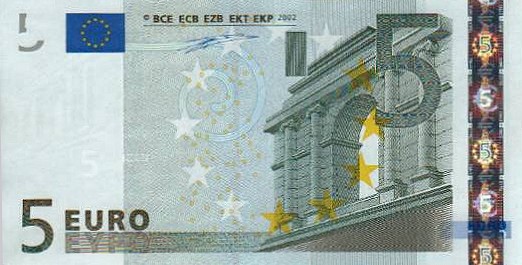
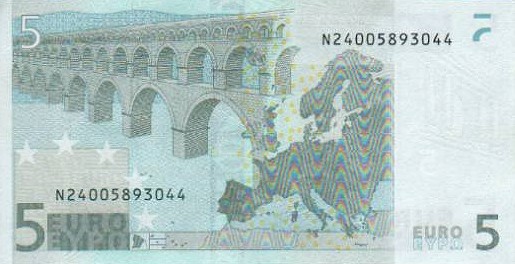
Banknotes
Budget & Public Finance
- Fiscal Year
- calendar year
- Annual Budget
- $154,500,000,000 (USD)
- External Debt
- $510,600,000,000 (USD)
- Investment (% of GDP)
- 21.1%
- Current Account Balance
- -$212,000,000 (USD)
Labor, Industry & Trade
- Labor Force by Occupation
- services 67%; industry and crafts 29%; agriculture and forestry 4% (2001 est.)
- Household Income — highest 10%
- 22.5%
- Industries
- construction, machinery, vehicles and parts, food, chemicals, lumber and wood processing, paper and paperboard, communications equipment, tourism
- Agriculture Products
- grains, potatoes, sugar beets, wine, fruit; dairy products, cattle, pigs, poultry; lumber
- Export Commodities
- machinery and equipment, motor vehicles and parts, paper and paperboard, metal goods, chemicals, iron and steel; textiles, foodstuffs
- Export Partners
- Germany 31.5%, Italy 9.3%, Switzerland 5.4%, US 4.9%, UK 4.9%, France 4.7%, Hungary 4.3%
- Import Commodities
- machinery and equipment, motor vehicles, chemicals, metal goods, oil and oil products; foodstuffs
- Import Partners
- Germany 42.6%, Italy 6.6%, Hungary 5.1%, Switzerland 4.8%, Netherlands 4.4%
Energy
- Oil Production
- 17,810 bbl/day
- Oil Consumption
- 24,900 bbl/day
- Oil Reserves
- 84,300,000 bbl/day
- Natural Gas Production
- 1,960,000,000 cu m
- Natural Gas Consumption
- 9,010,000,000 cu m
- Natural Gas Imports
- 7,050,000,000 cu m
- Natural Gas Exports
- 0 cu m
- Natural Gas Reserves
- 23,200,000,000 cu m
Communications
- Telephone System
- General Assessment: Highly developed and efficient Domestic: Fixed-line subscribership has been in decline since the mid-1990s with mobile-cellular subscribership eclipsing it by the late 1990s; the fiber-optic net is very extensive; all telephone applications and Internet services are available International: Country code - 43; satellite earth stations - 15; in addition, there are about 600 VSATs (very small aperture terminals)
- Internet Country Code
- .at
News & Weather
News & Weather
Current Weather
Latest News
Austria Hopes Hitler’s Birth House Won’t Lure Nazi Pilgrims After €20 Million Rebuild - Bloomberg.com
Bloomberg.com · 1d ago
Austrian villagers object to ‘energy-gobbling’ Google data centre - The Times
The Times · 1d ago
Switzerland Links With Germany, Netherlands, Austria And More European Countries In Suffering From Hotel Revenue Drop Of More Than Two Percent As Rising Operating Costs, Travel Price Pressure, Short-Term Rental Growth And Changing Traveller Beh - Travel And Tour World
Travel And Tour World · 14h ago
Cylists test medical kit on Austria bike ride - BBC
BBC · 1d ago
Foreign Trade 2025: Upper Austria Remains the Export Champion Despite Noticeable Headwinds - Vindobona.org
Vindobona.org · 1d ago
Austria just wired the first 60 of 800 vertical solar crosses into a glacier ski resort at 9,350 feet, where a hard winter drops 26 feet of snow and nobody ever cleans them — each cross is shaped so the wind scours a crater around it that doubles as a mirror on the - Autonocion.com
Autonocion.com · 2d ago
Why has Austria become Europe's hottest AI market this year? - Euronews.com
Euronews.com · 3d ago
Flights Cancelled Across Europe As Spain, Germany, France, Austria, And More Cancel 85 And Delay 2,448, Disrupting Air France, Austrian Airlines, Lufthansa, And Others - Travel And Tour World
Travel And Tour World · 1d ago
News via Google News
Climate Overview
Temperature extremes in Vienna vary between summer highs of 95°F and - 4°F in winter. October may be damp and rainy, and light snowfalls occur in November and December. Snow, sometimes heavy, and frost can occur from January until mid-March. April, May, and early June offer pleasant spring weather, and summers are often delightful.
Vienna sometimes becomes uncomfortably hot in July and August, especially in the city's center, but the suburbs, particularly those which are elevated, are pleasant. The city is subject to rapid and marked changes in atmospheric pressures with accompanying winds. One such wind, the foehn, carries warm air from the south. It has a special meaning for the Viennese since many people blame it for peculiar human behavior. The average annual precipitation in Vienna is 21.02 inches.
The mountainous regions have long, cold winters with heavy snowfall and bright, crisp days. The Danube Basin usually has less snow, is damper, and therefore has more gray and overcast days than the higher altitudes.
Videos
Videos
1 curated YouTube videos.
Source: YouTube
Frequently Asked Questions
Frequently Asked Questions
What is the population of Austria?
How do people greet each other in Austria?
What are the dining customs in Austria?
What etiquette should I know when visiting an Austrian home?
How should I dress in Austria?
Which gestures should I be aware of in Austria?
What are families like in Austria?
What do Austrians do for recreation?
What should I know before visiting Austria?
What is the capital of Austria?
Where is Austria located?
What countries border Austria?
What is the predominant religion in Austria?
What currency does Austria use?
What languages are spoken in Austria?
What is Austria's geography like?
What is Austria known for?
Last reviewed 2026