
 English
 Español
 中文
中文 हिन्दी
 Français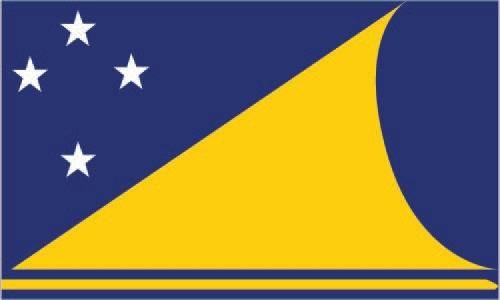
Tokelau
Declare Your Relationship to Tokelau
CountryReports Community
- Studying0
- From Tokelau0
- Tokelau heritage0
- Visited0
- Want to visit0
Customs and Culture
Customs and Culture
Cultural Attributes
One of the most prominent aspects of Tokelauan culture is their strong sense of community and family. The islanders practice a communal way of life, where everyone works together for the benefit of the group. This is reflected in their decision-making process, which is based on a consensus model where everyone has an equal say.
Another important aspect of Tokelauan culture is their deep respect for the environment. Given their remote location, the islanders have always relied heavily on the resources that the ocean and land provide. As such, they have developed a profound understanding and appreciation for the natural world. The islanders believe that everything in nature is interconnected, and that humans have a responsibility to care for and protect the environment.
Music and dance also play a significant role in Tokelauan culture. The islanders have a unique style of music called "te Vaka," which is characterized by rhythmic drumming and singing. The dances are also very important and are used to tell stories, celebrate events, and express emotions. The most famous of these dances is the "siva," which involves graceful movements and hand gestures.
Traditional art forms such as weaving and carving are also an important part of Tokelauan culture. The islanders are skilled weavers and use coconut fibers to create intricate patterns and designs. Woodcarving is also an important art form, with many objects such as canoe paddles, bowls, and figurines being carved from the native hardwood.
Religion also plays a significant role in Tokelauan culture. Christianity was introduced to the islanders by European missionaries in the 19th century, and it has since become the dominant religion. However, the islanders have incorporated their traditional beliefs and practices into their Christian faith, creating a unique blend of Christianity and indigenous spirituality.
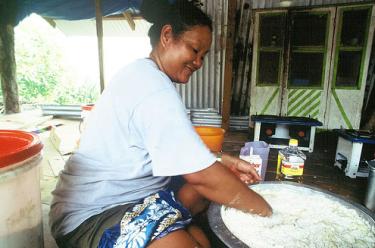
Finally, the traditional diet of the Tokelauans is also worth mentioning. Given their location, the islanders rely heavily on fish, coconut, and breadfruit as staples in their diet. They also consume a lot of fresh fruit and vegetables, including taro, banana, and papaya.

Polynesian Jewels of the South Pacific
Greetings, Gestures & Visiting
The most common form of greeting is the kiss on the cheek, which is called the fakamolemole. This involves touching cheeks and making a kissing sound, and it is a common greeting between family members, friends, and acquaintances.
Another common form of greeting is the handshake, which is typically reserved for more formal occasions or when greeting someone outside of one's social circle.
In addition to physical greetings, verbal greetings are also important in Tokelauan culture. The most common greeting is "fakalofa lahi atu," which means "much love to you." This greeting is used in a variety of settings, and is often used as a way of expressing warmth and affection towards the person being greeted.
When meeting someone for the first time, it is customary to exchange introductions and ask about each other's family and background. This helps to establish a connection and build rapport between the individuals.
Like in any culture, there are certain gestures or behaviors that may be considered inappropriate or offensive in Tokelauan culture.
One such gesture is pointing with the feet, which is considered disrespectful. It is important to use one's hands to point or gesture, rather than the feet.
In addition, it is considered disrespectful to sit with one's feet pointing towards another person or a sacred object, such as a religious statue or altar. It is important to be aware of one's body positioning and to show respect to others and their beliefs.
Another gesture that may be considered inappropriate is the use of the middle finger, which is considered an obscene gesture in many cultures, including Tokelau.
It is also important to be aware of the appropriate level of physical contact in different situations. While physical affection between family members and close friends is common and acceptable, it is important to be respectful of others' personal space and boundaries.
When visiting people in Tokelau, it's important to keep in mind the cultural norms and practices of the islands. Here are some social norms to keep in mind:
Remove shoes before entering a home: Tokelauans typically remove them before entering someone's home. This is a sign of respect and cleanliness.
Bring a small gift: It's customary to bring a small gift, such as a flower lei or some food when visiting someone in Tokelau.
Dress modestly: Tokelauans value modesty, so it's important to dress appropriately when visiting. Avoid wearing revealing clothing or swimwear unless you're at the beach.
Respect elders: Tokelauan culture strongly emphasizes respecting elders, so be sure to show deference and honor to them.
Use formal language: Tokelauan language has a formal and informal versions. It is recommended to use the formal version as a sign of respect.
Offer to help: If you're visiting someone's home, it's customary to offer to help with chores or preparing food. This is a sign of respect and gratitude.
Avoid discussing sensitive topics: It's best to avoid discussing sensitive topics such as religion, politics, and personal issues unless invited to do so by your host.
Traditional Tokelauan dress is simple and practical, designed to suit the island's tropical climate. The traditional dress for men is the lava-lava, which is a piece of fabric worn like a sarong around the waist, and sometimes worn with a matching shirt. Women wear a similar garment called a puletasi, which is a long dress with a wrap-around skirt. The puletasi is usually made from brightly colored fabric with bold patterns.
In addition to the traditional dress, modern clothing is also common in Tokelau. Due to the island's isolation, imported clothing is limited and expensive, so many people choose to make their own clothes. Western-style clothing such as t-shirts, shorts, and dresses are also popular, especially among the younger generations.
However, it's worth noting that modesty is an important value in Tokelauan culture, and clothing that is too revealing or provocative is generally frowned upon. As such, it's important to dress appropriately when visiting Tokelau, especially when attending cultural events or visiting churches.

Family
Family is a central part of Tokelauan culture, and the family structure is based on strong social and cultural values. In Tokelau, families are typically large and extended, with multiple generations living together under one roof or in close proximity to one another.
The traditional family structure in Tokelau is based on the concept of the aiga, which refers to the extended family unit. The aiga is made up of multiple generations of family members, including parents, grandparents, siblings, aunts, uncles, and cousins. The aiga is responsible for caring for its members and ensuring their well-being, and it is considered a source of strength and support for all its members.
In Tokelauan culture, respect for elders is highly valued, and older family members are often consulted on important decisions. The patriarch or matriarch of the family is often the head of the household and is responsible for maintaining order and harmony within the family unit.
Child-rearing is a shared responsibility among family members, and children are often raised by the entire family, not just their parents. This helps to reinforce the strong bond between family members and ensures that children are raised with a strong sense of cultural values and traditions.
In terms of gender roles, men and women have traditionally had distinct roles within the family. Men are often responsible for fishing and providing for the family, while women are responsible for cooking, cleaning, and caring for children. However, these roles are becoming more fluid and less rigid in modern times, and women are increasingly taking on leadership roles within the family and community.
Dating Customs
The concept of dating as it is known in Western culture is not common in Tokelau. Instead, relationships often develop within the context of the extended family or community, with couples often getting to know each other through family gatherings and social events.
Marriage is considered a significant milestone in Tokelauan culture, and the process of courtship often involves the participation of family members and elders. Parents are typically involved in the process of selecting a partner for their child, and they may seek the advice of elders or family members to ensure that the match is suitable and compatible.
Once a couple is engaged, they are expected to adhere to certain customs and practices, such as abstaining from physical intimacy until after the wedding ceremony. Wedding celebrations in Tokelau are often elaborate affairs that involve the entire community, and they are considered a reflection of the importance of family and community in Tokelauan culture.
Recreation
Fishing is a popular pastime in Tokelau, with many islanders relying on fishing as a source of food and income. Fishing is done both from shore and by boat, and there are several traditional fishing techniques used, such as handline fishing, spearfishing, and net fishing.
Swimming and snorkeling are also popular activities, with crystal-clear waters and colorful coral reefs surrounding the islands. The reefs are home to a diverse range of marine life, including fish, sea turtles, and even sharks.
Traditional sports such as cricket, rugby, and volleyball are also enjoyed by the islanders. The Tokelau Games, which are held every two years, provide an opportunity for the islanders to come together and compete in various sports.
In addition to outdoor recreation, cultural activities such as traditional dancing and music are also enjoyed by the islanders. These activities provide an opportunity to connect with their cultural heritage and celebrate their unique identity.
Holidays
Waitangi Day
2/6Other
Treaty of Waitangi established British sovereignty over New Zealand
Dates of Interest
- October 29th
Te Vakai Festival is a cultural event held annually in Samoa that celebrates the culture and traditions of Tokelau. The festival includes traditional dance performances, music, and food, and is attended by Tokelauans from all over the world.
How do people greet each other in Tokelau?
The most common greeting is the fakamolemole, a cheek-to-cheek kiss used among family, friends, and acquaintances, while handshakes are reserved for formal occasions. A common verbal greeting is "fakalofa lahi atu," meaning "much love to you."
Do
- Use "fakalofa lahi atu" to express warmth
- When meeting for the first time, exchange introductions and ask about family and background
- Use handshakes for formal occasions or people outside your social circle
Good to know
- Asking about family and background helps build rapport
What is food and diet like in Tokelau?
The traditional diet relies heavily on fish, coconut, and breadfruit, along with fresh fruit and vegetables like taro, banana, and papaya.
Good to know
- When visiting a home, it's customary to offer to help with preparing food
What etiquette should I follow when visiting someone's home in Tokelau?
Tokelauans value respect, modesty, and community, so remove your shoes, bring a small gift, and show deference to elders when visiting.
Do
- Remove shoes before entering a home
- Bring a small gift such as a flower lei or food
- Respect and honor elders
- Offer to help with chores or preparing food
Don’t
- Discuss sensitive topics like religion, politics, or personal issues unless invited
Good to know
- Use the formal version of the Tokelauan language as a sign of respect
What should I wear in Tokelau?
Traditional dress is simple and practical, with men wearing the lava-lava and women the puletasi; modesty is an important value, so avoid revealing clothing.
Do
- Dress modestly, especially at cultural events or churches
Don’t
- Wear revealing or provocative clothing
- Wear swimwear away from the beach
Which gestures are considered rude in Tokelau?
Pointing with the feet and showing the middle finger are considered disrespectful or obscene, and body positioning around others and sacred objects matters.
Do
- Point or gesture with your hands, not your feet
- Be respectful of others' personal space and boundaries
Don’t
- Point with your feet
- Sit with feet pointing toward another person or a sacred object
- Use the middle finger
How important is family in Tokelau?
Family is central to Tokelauan culture, organized around the aiga (extended family unit) where multiple generations live together and share responsibilities. Respect for elders is highly valued and they are consulted on important decisions.
Do
- Show respect and defer to elders
- Recognize that child-rearing is a shared family responsibility
Good to know
- Dating in the Western sense is uncommon; relationships develop through family and community events
- Parents and elders are often involved in selecting and approving a partner
What do people do for fun in Tokelau?
Popular activities include fishing, swimming, and snorkeling among coral reefs, along with sports like cricket, rugby, and volleyball. Traditional dancing and music are also enjoyed as ways to connect with cultural heritage.
Good to know
- The Tokelau Games are held every two years for community sports competition
- Traditional fishing techniques include handline fishing, spearfishing, and net fishing
Last updated: 2026-07-12 · Sources: CountryReports
Photos of Tokelau
Photos of Tokelau


Travel and Tourism
Travel and Tourism
- Currency
- New Zealand dollar (NZD)
- Time Difference
- UTC+13 (18 hours ahead of Washington, DC during Standard Time)
- Climate
- tropical; moderated by trade winds (April to November)
- Airports
- none; lagoon landings are possible by amphibious aircraft
Read the full travel guide — health, safety, vaccinations, disease risk, sanitation, and transit details.
View full travel guideRecipes
Recipes
History
History
Historical Eras
Polynesian Settlement
1000 – 1765
Polynesian voyagers, with cultural ties to Samoa, the Cook Islands, and Tuvalu, settled Tokelau's three atolls roughly a thousand years ago. The atolls operated as fiercely independent communities until the 18th-century Tokelau Wars, when Fakaofo conquered Atafu and Nukunonu, creating the first unified Tokelauan polity. Traditional oral history preserves rich accounts of inter-atoll rivalry, seafaring, and spiritual life from this era.
European Contact
1765 – 1889
British Commodore John Byron reached Atafu in 1765, and American whalers from the General Jackson made contact with Fakaofo in 1835, opening the islands to outside influence. Catholic and Protestant missionaries arrived in the 1840s–1850s, permanently reshaping Tokelauan society. Population collapsed catastrophically mid-century as Peruvian slave raiders, missionary relocations, and dysentery reduced the combined population to roughly 200 people.
British Protectorate
1889 – 1925
Britain formally annexed the three atolls in 1889, and in 1916 incorporated them as the Union Group into the Gilbert and Ellice Islands Crown Colony. The islands remained administratively peripheral, and many Tokelauans sought wage labor in the phosphate mines of Banaba (Ocean Island). Britain's practical interest in the territory was minimal, setting the stage for transfer of administration.
New Zealand Administration
1925 – present
New Zealand assumed administration in 1925 and formally incorporated Tokelau within its territorial boundaries in 1948. The territory was renamed Tokelau Islands in 1946, shortened to Tokelau in 1976. Since 1996 the General Fono has held legislative authority, the public service has been relocated to the atolls from Samoa, and two UN-supervised self-determination referendums (2006, 2007) narrowly fell short of the two-thirds majority required for free association with New Zealand.
Overview
The first Europeans to visit the islands were Commodore John Byron in 1765 (Atafu) and the sailors of the US American whaler General Jackson in 1835 (Fakaofo). Missionaries soon followed, with Catholic Samoans converting the people of Nukunonu in the 1840s, Protestant Samoans converting Atafu in 1858 and the two groups later battling for the souls of Fakaofo. The atolls’ already-minuscule populations were drastically reduced to a mere 200 in the 1850s and 60s when Peruvian slave traders seized around 250 people, 500 islanders were removed by missionaries, and diseases such as dysentery took hold.
The islands were annexed by Britain in 1889, and incorporated into the new crown colony of Gilbert & Ellice Islands (today’s Kiribati and Tuvalu) in 1916, by which time they were known as the Union Group. Many Tokelauans headed off to work the phosphate mines of Banaba (Ocean Island). The islands have been administered by New Zealand since 1925, and were included within its territorial boundaries in 1948. The name Tokelau Islands was given in 1946, and contracted to Tokelau in 1976; it’s a Polynesian word meaning ’north wind’.
Tokelau’s administrator is appointed by NZ’s minister for foreign affairs, with an official secretary based in Apia, Samoa. The country remains dependent on foreign aid, largely from NZ, but calls for independence are increasing, encouraged by both NZ and the UN. The public service has been relocated to Tokelau from Samoa, and since 1996 the general fono council has held legislative power.
Read the full history profile — narrative overview, defining eras, and the complete timeline in one place.
View expanded historyInteresting Facts
Interesting Facts
TOKELAU is New Zealand's last remaining dependent territory
See every fact — trivia, oddities, and curious tidbits gathered from across the country.
View all interesting factsGeography and Environment
Geography and Environment
- Terrain
- low-lying coral atolls enclosing large lagoons
- Climate
- tropical; moderated by trade winds (April to November)
- Natural Hazards
- lies in Pacific typhoon belt
- Current Environmental Issues
- very limited natural resources and overcrowding are contributing to emigration to New Zealand
Read the full geography and environment profile — terrain, climate, natural resources, hazards, land use, and international agreements.
View full geographyPeople & Demographics
People & Demographics
Religion
Languages Spoken
Tokelauan (a Polynesian language), English
- English
- Tokelauan
Population
- Population
- 1,400
- Nationality Noun
- Tokelauan(s)
- Ethnic Groups
- Polynesian
Education
- Literacy Definition
- NA
Read the full people and society profile — demographics, health, education, religion, languages, and notable people.
View full people and societyGovernment & Politics
Government & Politics
Country Identity
- Country Name
- Tokelau
Government Structure
- Government Type
- NA
- Legal System
- New Zealand and local statutes
- Executive Branch
- chief of state: King CHARLES III (since 8 September 2022), represented by the Governor-General of New Zealand; New Zealand is represented by an Administrator appointed by the New Zealand Minister of Foreign Affairs and Trade head of government: the head of government is the Ulu o Tokelau, a position that rotates annually among the three Faipule (village leaders) of Atafu, Fakaofo, and Nukunonu cabinet: the Council for the Ongoing Government of Tokelau, consisting of three Faipule (village leaders) and three Pulenuku (village mayors), functions as a cabinet elections: none; the monarch is hereditary; the Administrator is appointed by the New Zealand Minister of Foreign Affairs and Trade; the Ulu o Tokelau is chosen from among the three Faipule and serves a one-year term, rotating among the three atolls
- Legislative Branch
- unicameral General Fono (21 seats; based upon proportional representation from the three islands elected by popular vote to serve three-year terms; Nukunonu has 6 seats, Fakaofo has 7 seats, Atafu has 8 seats); note - the Tokelau Amendment Act of 1996 confers limited legislative power on the General Fono elections: last held January 2005 (next to be held January 2008)
- Judicial Branch
- Supreme Court in New Zealand exercises civil and criminal jurisdiction in Tokelau
- Suffrage
- 21 years of age; universal
- Constitution
- administered under the Tokelau Islands Act of 1948, as amended in 1970
- Independence
- none (territory of New Zealand)
- National Holiday
- Waitangi Day (Treaty of Waitangi established British sovereignty over New Zealand), 6 February (1840)
Capital City
- Capital Name
- note: there is no designated, official capital for Tokelau; the location of the capital rotates among the three atolls along with the head of government or Ulu o Tokelau
- Capital Time Difference
- UTC+13 (18 hours ahead of Washington, DC during Standard Time)
Military
Branches: defense is the responsibility of New Zealand
Read the full government profile — flag symbolism, national anthem, and other national symbols.
View full government detailsEconomy
Economy
Tokelau's small size (three atolls with a combined population of around 1,500), extreme isolation, and lack of natural resources severely restrain economic development and confine agriculture to the subsistence level. The territory relies heavily on budgetary support from New Zealand—amounting to roughly NZ$23 million annually in recent years—to maintain public services, with this aid substantially exceeding the value of locally generated GDP. Principal sources of domestic revenue include the sale of copra, postage stamps, commemorative coins, handicrafts, and fishing license fees paid by foreign vessels operating within Tokelau's exclusive economic zone. Remittances from relatives living in New Zealand also provide an important supplement to household incomes. In recent years, Tokelau has become notable as one of the first jurisdictions to generate nearly all of its electricity from renewable sources, primarily solar power, reducing its dependence on imported diesel fuel.
Snapshot
- Currency Name and Code
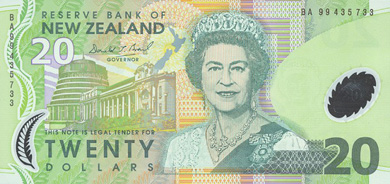
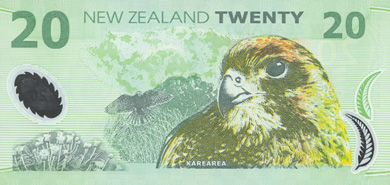
- New Zealand Dollar (NZD)
Banknotes
Budget & Public Finance
- Fiscal Year
- 1 April - 31 March
- Annual Budget
- $2,800,000 (USD)
- Economic Aid
- $4,000,000 (USD)
Labor, Industry & Trade
- Industries
- small-scale enterprises for copra production, woodworking, plaited craft goods; stamps, coins; fishing
- Agriculture Products
- coconuts, copra, breadfruit, papayas, bananas; pigs, poultry, goats
- Export Commodities
- stamps, copra, handicrafts
- Export Partners
- NZ
- Import Commodities
- foodstuffs, building materials, fuel
- Import Partners
- NZ
Energy
- Oil Production
- 0 bbl/day
- Oil Consumption
- 0 bbl/day
- Oil Reserves
- 0 bbl/day
- Natural Gas Production
- 0 cu m
- Natural Gas Consumption
- 0 cu m
- Natural Gas Imports
- 0 cu m
- Natural Gas Exports
- 0 cu m
- Natural Gas Reserves
- 0 cu m
Communications
- Telephone System
- general assessment: modern satellite-based communications system domestic: radiotelephone service between islands international: country code - 690; radiotelephone service to Samoa; government-regulated telephone service (TeleTok); satellite earth stations - 3
- Internet Country Code
- .tk
News & Weather
News & Weather
Current Weather
Latest News
Tokelau - World Population Review
World Population Review · 4d ago
Tokelau Lealiki Obituary Apr 5, 2026 - Allen Mortuaries
Allen Mortuaries · 96d ago
Tokelau - Health Country Profile - Our World in Data
Our World in Data · 88d ago
Andre van der Walt Named New Administrator of Tokelau - Devdiscourse
Devdiscourse · 19d ago
FestPac facts: Tokelau - guampdn.com
guampdn.com · 19d ago
Tokelau and the Parties to the Nauru Agreement react to New Zealand fisheries action - RNZ
RNZ · 4d ago
Tokelau Welcomes New Administrator - Mirage News
Mirage News · 19d ago
Tokelau and UNDP strengthen partnership for Resilient and Inclusive Governance - United Nations Development Programme
United Nations Development Programme · 41d ago
News via Google News
Climate Overview
tropical; moderated by trade winds (April to November)
Videos
Videos
1 curated YouTube videos.
Source: YouTube
Frequently Asked Questions
Frequently Asked Questions
What is the population of Tokelau?
How do people greet each other in Tokelau?
What is food and diet like in Tokelau?
What etiquette should I follow when visiting someone's home in Tokelau?
What should I wear in Tokelau?
Which gestures are considered rude in Tokelau?
How important is family in Tokelau?
What do people do for fun in Tokelau?
What serves as the capital of Tokelau?
Where is Tokelau located?
What religion is practiced in Tokelau?
What currency is used in Tokelau?
What languages are spoken in Tokelau?
What is the geography of Tokelau like?
What is Tokelau known for?
What is the political history of Tokelau?
Last reviewed 2026