
 English
 Español
 中文
中文 हिन्दी
 Français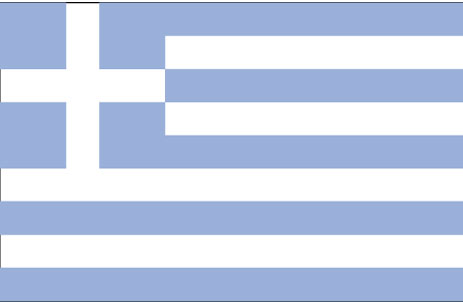
Greece
Ellas or Ellada
Declare Your Relationship to Greece
CountryReports Community
- Studying3
- From Greece0
- Greece heritage0
- Visited0
- Want to visit3
Customs and Culture
Customs and Culture
About the People
While women have gained greater prominence and rights in the last generation, Greek society is still male dominated. Men may attribute their failure to external circumstances rather than to personal inadequacies. While Greece’s older generations value family, religion, tradition and education, the younger generation tends to view status and friends as very important.
Greeks like to “pass” time, not to “ use” it. That is, they may not be prompt in keeping appointments and they consider it foolish to set a specific length of time for a meeting. Greeks are very proud of their cultural heritage, which they view as being central to Western civilization.
Cultural Attributes
While women have gained greater prominence and rights in the last generation, Greek society is still male-dominated. Men may attribute their failure to external circumstances rather than to personal inadequacies. While Greece’s older generations value family, religion, tradition, and education, younger generations view status and friends as very important.
Greeks like to "pass" time, not to "use" it. That is, they may not be prompt in keeping appointments and they consider it foolish to set a specific length of time for a meeting. Greeks are very proud of their cultural heritage, which they view as being central to Western civilization.

Birthplace of Democracy and Gods
Greetings, Gestures & Visiting
Friends and relatives usually hug and kiss when they greet one another. Otherwise, people shake hands. Young men often slap each other on the back or arm instead of shaking hands. Close friends and family members are called by their first names, but acquaintances and strangers are addressed by their title.
A Greek may smile even when angry or upset. In Greece, when one wants to indicate ‘no’, they tilt the head side to side or backwards. To indicate ‘yes’, one nods the head forward. A puff of breath through pursed lips may be a sign to ward off the jealousy of the ‘evil eye’ after a compliment has been given or received. Greeks frequently use their hands during conversation as a form of non-verbal communication.
It is very common for friends and relatives to drop by unannounced in rural towns. Unnanounced visits occur less often in the larger cities, because schedules are more hectic. When a Greek host insists several times about anything they usually mean it and a guest should try to accommodate them so their feelings will not be hurt. Greeks enjoy having friends to their homes for dinner or for special events such as birthdays and holidays.
People in Greece typically dress in a blend of modern Western styles and traditional elements, depending on the occasion and location.
Urban Areas: People often wear contemporary Western-style clothing in cities like Athens and Thessaloniki. This includes jeans, t-shirts, dresses, skirts, blouses, and suits. Fashion trends in these cities are similar to those in other European cities.
Rural Areas: The clothing might be more practical and comfortable in rural areas, often reflecting the local customs and lifestyle.
Traditional Greek clothing is usually reserved for special occasions, cultural festivals, and celebrations. Some key elements include:
Men: Traditional male attire might include the fustanella (a kilt-like garment), a white shirt, a vest, and tsarouchia (leather shoes with pompons).
Women: Traditional female attire often includes a long dress or skirt, a blouse, an apron, and a headscarf. The garments are usually richly decorated with intricate embroidery and vibrant colors.
Summer: Light, breathable fabrics are standard due to the hot weather. People often wear shorts, sundresses, linen shirts, and sandals. Beachwear is also popular, given Greece's extensive coastline.
Winter: In the colder months, Greeks wear layers, including sweaters, jackets, scarves, and boots. While winters are milder than in many parts of Europe, it can still get chilly, especially in northern regions.
Weddings: Wedding attire is often formal, with men wearing suits or tuxedos and women wearing elegant dresses or gowns.
Religious Events: For church services and religious ceremonies, conservative clothing is preferred. Women might wear skirts or dresses that cover the knees, and men might wear long pants and shirts.
Diet
While tastes vary between urban and rural dwellers, certain foods are common to all Greeks, such as lamb, seafood, olives and cheese. Olive oil, garlic, onions and spices are widely used in cooking. Greek dishes such as souvlaki have become popular in Australia as fast foods. Everyday dishes include moussaka, bean soup, eggplant, stuffed tomatoes and pasta.
The main meal of the day is lunch, served in the early afternoon. However, lunch is becoming less important as work schedules change, and dinner is becoming the largest meal of the day. It is impolite to leave the table before everyone has finished eating, or to leave food on the plate.
While tastes vary between urban and rural dwellers, certain foods are common to all Greeks, such as lamb, seafood, olives and cheese. Olive oil, garlic, onions and spices are widely used in cooking. Greek dishes such as souvlaki have become popular in Australia as fast foods. Everyday dishes include moussaka, bean soup, eggplant, stuffed tomatoes and pasta.

Family
The elderly are respected, and have much authority in society. They are addressed by courteous titles and are served first at mealtime. If older parents must live in a home for the elderly, their children typically make all the arrangements and visit frequently. Children are treated with firm discipline but their parents spend a large portion of their income to clothe, feed and educate them. Parents believe it is their duty to provide a good education for their children. Parents will usually help their children, married or not, if they are able.
Dating Customs
Young men and women socialize like the rest of Europe. They enjoy dancing, visting clubs and eating out.
Recreation
Ancient Greeks were proud of their athletic skills and held the first Olympic Games in 776 B.C. These games were originally part of a festival dedicated to the god Zeus, who was believed to reside on Mount Olympus. The games were banned towards the end of the 4th century A.D., when Christianity became the official religion. They were not held again until 1896, when the modern international games took place in Athens.
In ancient times, warfare stopped for the Olympic Games. The champion of the games was given an olive branch as a token of honor. A part of the wall of his home city was torn down, since it was believed that a city that gave birth to an Olympic champion did not need a wall to protect itself. Soccer is probably the most popular national sport; basketball became a national passion when Greece won the European championships in 1987. Volleyball is also becoming increasingly popular. Car racing is a favorite spectator sport. The Acropolis Rally draws thousands of people every year.
Water sports are important to the Greeks. Most children learn to swim at an early age, and sailing and diving are popular. Greek children also play hide-and-seek, tag, and hopscotch. Other popular games for children include mélia, which is similar to monkey in the middle, and triódio, which is a more complicated version of tic-tac-toe.
Greek people enjoy socializing in outdoor theaters, cafes, restaurants, and nightclubs. A favorite pastime in cafes is távli (backgammon). The summer season is an exciting time for theatrical events, which take place in open-air theaters from June through September. On weekends and holidays, Greeks travel to visit friends and relatives in other parts of the country.
Music and dancing have been a vital part of Greek life since antiquity. There are hundreds of Greek dances. Some of the traditional ones are kalamatianós, tsámiko, sirtó, zembékiko, sirtáki, bálos, and hasápiko.
Student Life
Kids wake up around 7 o’clock in the morning, as school normally starts at 8:15 a.m. Parents normally wake their children up, especially if they are very young. It is rare for a young child to wake up using an alarm clock. Then, they help their children wash their face and invite them to eat breakfast in the kitchen. A typical breakfast for children is a glass of milk and toasted bread with cheese. Many children also have milk with cereal for breakfast. After breakfast is finished, parents take their children to school. Depending on the weather, a walk or a drive to school are both possible. Recently there is an effort from municipalities to offer school buses free of charge. Children living in urban areas have slightly different days. They usually wash, get dressed, and eat breakfast alone or with their grandparents, as their parents are already occupied. Their breakfast is also slightly different. They usually have toasted bread with tomato or Greek cheese and eggs. After that, they almost always walk to school, even if the school is not that near.
Children are obligated to attend nine years of school in Greece, primary level being the first six. Today there are thoughts that school should be obligatory for 12 years and it is very likely that this law will soon be applied. Primary level schools are always in a different building than secondary schools. They hold around 100 children for each class. Half of the primary level schools in big cities are old buildings that have always been schools and have some history. There are also many new buildings that were built to accommodate children as the population increased. However, in some areas far from the city center they do not have adequate buildings to be used for schooling or the buildings used don’t have the right technical specifications. Small villages almost always have new buildings for schools. However, there is usually one school in each region and many children have to walk a long distance regardless of the weather. Classrooms have desks and chairs for each child and a lot of free space. There is a board and a desk for the teacher. Classrooms have toys, especially toys that teach numbers and letters, and it is also common to have musical instruments for children, usually small electric pianos, xylophones, and harmonicas. Electronic and audiovisual equipment is usually available in a private classroom and not in each classroom. Teachers either move the equipment to the classroom when they want to use it or take the children to that classroom to attend the lesson there. This applies to schools in small villages as well, as these areas are usually the first to implement advanced technological changes. Schools usually have a kiosk selling fast food in the schoolyard. These kiosks are normally private and therefore not controlled by the school. Many children buy snacks from there and eat them during breaks.
A typical school day for young children starts at eight o’clock in the morning. Classes are approximately 45 minutes followed by a 15-minute break. There is always a longer break for lunch. Children can either eat something that their parents have prepared and given them or buy a snack from the kiosk. Their day ends at one o’clock at the latest. There are many schools that occupy children until 4 o’clock, but that also depends on the region. The subjects that are taught in primary schools are the same for every school: Greek language, mathematics, geography, history, music, painting, English, and German language. As children grow older, more subjects are introduced. It is compulsory for all children to attend secondary school. In cases of severe health difficulties, children can attend a special school or be taught at home. Teachers in schools are responsible for taking care of the children. In cases of disputes or conflicts, the matter reaches the headmaster who is responsible for both children and teachers. Matters of discipline are solved in the school and rarely reach a higher authority. However, there are no clear instructions on every aspect of the procedures. Children are not obligated to wear uniforms nor do they greet adults in a specific way. They are obligated, however, to be polite and much attention is given to the way they behave towards teachers and to each other. The school occupies life until the age of 18 in most cases. About 85% of students who finish school continue higher education through universities, colleges, or other seminars. It is not common for someone who has no higher education to get a job in Greece. During the first years of education, children also begin their extracurricular activities. English courses, gymnastics, and music are preferred. There is a very high percentage of children that attend English courses and music schools to learn to play an instrument, most of the time in private schools. A high percentage also attend swimming pools, with water polo being their preferred game. Many of these activities are stopped as the child reaches higher classes since studying takes up all of their time. Children living in urban areas follow the same program. It is very common for these kids to attend dancing courses that teach traditional Greek dances. These groups are supported financially and almost always give children the chance to visit foreign countries and take part in traditional dance competitions or festivals.
Schools have limited sports facilities. Only private schools offer sports facilities. Public schools have scheduled a gymnastic course that rarely takes place. Usually, it’s free time for children to play whatever they want. Sports facilities are rare; teachers seldom follow the program even if they exist. This usually happens because they are scheduled during the day, and children have difficulty concentrating in the following class when they are tired.
Children spend their Saturday mornings visiting private classes. Almost all children have English courses on Saturdays, along with music lessons or sports activities. Parents drive them to these activities as well. Sunday is traditionally the day that they stay at home. They spend the day doing their homework and playing with their parents. Many children also spend time watching television. During the week, children spend their evenings in the same way. Usually, they have English classes twice a week. Many of them attend music schools once a week and on Saturdays. When they don’t have extracurricular activities, they spend their time at home. They do their homework and spend time with their parents. Families gather to have dinner and talk. The main course of the day in Greece is lunch, and dinners are usually lighter meals. Young children have a strict bedtime, especially on school nights. Depending on their schedule, age, and, of course, their mother, bedtime is between 8:30 pm and 9:30 pm. Children usually protest at bedtime and ask to watch some more television, but this rarely happens.
Holidays
Independence Day
3/25Independence Day
first modern day Olympic Games
4/6Other
The first modern day Olympic Games held in Athens, Greece.
Birth date - Socrates
6/5Birthday
Birth date - Socrates, Greek philosopher, was born on June 5, 496 B.C. in Athens, Greece.
Christmas
12/25Christmas
Dates of Interest
- First Sunday of November
Follows the historic route from Marathon to Athens, attracting runners worldwide.
How do people greet each other in Greece?
Friends and relatives usually hug and kiss when greeting, while others shake hands. Young men often slap each other on the back or arm instead of shaking hands.
Do
- Use first names with close friends and family
- Address acquaintances and strangers by their title
What are the dining customs in Greece?
Lunch, served in the early afternoon, is traditionally the main meal, though dinner is becoming the largest meal as work schedules change. Common foods include lamb, seafood, olives, cheese, moussaka, souvlaki, bean soup, eggplant, stuffed tomatoes and pasta.
Don’t
- Don't leave the table before everyone has finished eating
- Don't leave food on your plate
What should I know about social etiquette and hospitality in Greece?
Greeks value their cultural heritage and enjoy hosting friends for dinner and special occasions; they tend to 'pass' time rather than 'use' it, so appointments may not be prompt.
Do
- Accommodate a host who insists several times, as they usually mean it
- Expect friends and relatives to drop by unannounced in rural towns
Good to know
- Unannounced visits are less common in larger cities due to hectic schedules
- Don't expect strict punctuality or fixed meeting lengths
What should I wear in Greece?
Urban Greeks wear contemporary Western-style clothing similar to other European cities, while dress is more practical in rural areas; traditional attire is reserved for special occasions and festivals.
Do
- Wear light, breathable fabrics, shorts, sundresses and sandals in summer
- Layer with sweaters, jackets, scarves and boots in winter
- Dress formally for weddings, with suits or gowns
Good to know
- For church and religious ceremonies, wear conservative clothing; women should cover the knees and men should wear long pants and shirts
What gestures should I be aware of in Greece?
Greeks frequently use their hands in conversation and may smile even when angry or upset.
Good to know
- Tilting the head side to side or backwards means 'no'
- Nodding the head forward means 'yes'
- A puff of breath through pursed lips may ward off the 'evil eye' after a compliment
What is family life like in Greece?
The elderly are respected and hold much authority, being addressed by courteous titles and served first at meals. Parents discipline children firmly but invest heavily in their upbringing and education.
Do
- Show respect to elders and serve them first at mealtime
- Address the elderly by courteous titles
Good to know
- Children typically arrange and frequently visit elderly parents in care homes
- Parents usually help their children, married or not, when able
What do people do for fun in Greece?
Soccer is the most popular national sport, followed by basketball and increasingly volleyball, while water sports like swimming, sailing and diving are important. Greeks also enjoy socializing in cafes, outdoor theaters, restaurants and nightclubs.
Good to know
- Try backgammon (távli), a favorite cafe pastime
- Enjoy open-air theatrical events from June through September
- Music and dance are central to Greek life, with traditional dances like kalamatianós, sirtó and hasápiko
Last updated: 2026-07-12 · Sources: CountryReports
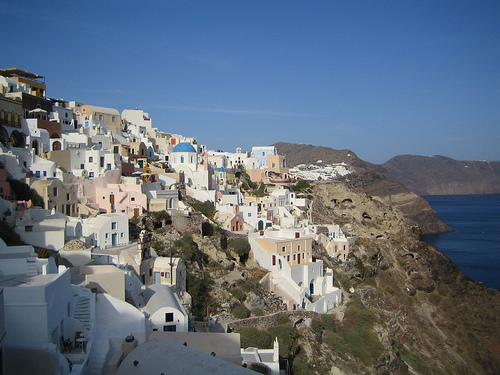
Photos of Greece
Photos of Greece


Travel and Tourism
Travel and Tourism
- Travel Alert Status
- Level 1: Exercise Normal Precautions
- Currency
- euro (EUR)
- Time Difference
- UTC+2 (7 hours ahead of Washington, DC during Standard Time)
- Climate
- Greece has mild, wet winters and hot, dry summers. Athens daytime summer temperature averages 90°F and often exceeds 100°F for periods in July-August. Humidity is low and the heat is tempered by sea breezes. Summer evenings are comfortable outdoors. Spring and fall temperatures are pleasant, and winter temperatures are 30°-55°F. Snow flurries occur, particularly in the northern suburbs, but seldom accumulate. Air pollution is a major problem in Athens throughout the year, but the climate is otherwise healthy. Thessaloniki, in northern Greece, experiences high temperatures and humidity from the end of May until the end of September. Summer heat is sometimes tempered by late morning and early evening breezes. July and August nights can be uncomfortably warm. In winter, periods of mild, sunny, and spring-like weather are interspersed with uncomfortable cold periods. Thessaloniki has periods of chilly and damp weather, with considerable rainfall and occasional snow. Temperatures often fall below freezing in winter. Although snow does not linger, the city has been struck by blizzards. One feature of Thessaloniki”™s climate is the vardari, a strong northwesterly wind that appears suddenly and irregularly from the area of the Axios (Vardar) River Valley.
- Airports
- 82
Read the full travel guide — health, safety, vaccinations, disease risk, sanitation, and transit details.
View full travel guideRecipes
Recipes
Honey Curls (Diples)
Dessert
Appetizer
Papadakis (Stuffed Grape Leaves)
Main Dish
Greek Lamb
Main Dish
Greek Homestyle Chicken
Main Dish
Souvlaki (Shish Kebab with Cubes of Pork or Lamb, Mushrooms and Vegetables)
Main Dish
Avgha Me Tomatoes (Eggs with Tomatoes)
Main Dish
Makaronia Sto Fourno (Baked Macaroni)
Main Dish
PremiumArni a La Hasapa (Baked Lamb with Tomatoes)
Side Dish
PremiumDolmades Avgolemono (Meat Stuffed Grape Leaves)
Side Dish
PremiumPiperies Psites (Grilled Green Peppers)
History
History
Historical Eras
Bronze Age & Antiquity
3000 BCE – 800 BCE
The Bronze Age saw the flourishing of the Minoan civilization on Crete and the Mycenaean culture on the mainland, the latter associated with the legendary Trojan War around 1200 BCE. A prolonged Dark Age followed the collapse of Mycenaean society circa 1100 BCE, marked by depopulation and the loss of writing. Recovery brought the Geometric period and the gradual emergence of the polis, or city-state, as the defining Greek political form.
Classical Greece
800 BCE – 323 BCE
The Archaic and Classical periods witnessed the rise of Athens, Sparta, and other powerful city-states, the development of democracy under Cleisthenes, and the repulsion of Persian invasions at Marathon and Salamis. The 5th century BCE golden age produced Socrates, Plato, Sophocles, and the Parthenon. Prolonged conflict, particularly the Peloponnesian War between Athens and Sparta, ultimately weakened the city-states and prepared the way for Macedonian dominance under Philip II and Alexander the Great.
Hellenistic & Roman
323 BCE – 330
Following Alexander the Great's death in 323 BCE, his generals divided his vast empire, spreading Greek language and culture across the Near East and Central Asia. Rome gradually absorbed the Greek world, making Macedonia a province in 146 BCE and ultimately incorporating all of Greece. Greek culture profoundly influenced Roman civilization, and cities such as Athens and Corinth remained important intellectual and commercial centers under Roman rule.
Byzantine Era
330 – 1453
With the founding of Constantinople in 330 CE, Greece became a core territory of the Eastern Roman, or Byzantine, Empire, where Orthodox Christianity, Greek language, and Roman administration were fused into a distinctive civilization. The empire endured centuries of pressure from Slavic migrations, Arab raids, and Crusader interference, including the sack of Constantinople in 1204. The final fall of Constantinople to the Ottoman Turks in 1453 ended Byzantine rule and inaugurated centuries of Ottoman domination over Greek lands.
Ottoman Rule
1453 – 1821
Under Ottoman rule, Greek Orthodox communities maintained their religious and cultural identity through the millet system, with the Ecumenical Patriarchate of Constantinople serving as a key institutional anchor. Enlightenment ideas spreading from Western Europe in the 18th century, combined with growing nationalist sentiment and the influence of the merchant diaspora, gave rise to a Greek national consciousness. Revolutionary societies such as the Filiki Etaireia, founded in 1814, organized the uprising that ignited the War of Independence in 1821.
Modern Greece
1821 – present
Greece secured independence from the Ottoman Empire by 1830, gradually expanding its territory through the Balkan Wars and World War I to encompass Macedonia, Crete, and Thrace. The 20th century brought catastrophic upheaval: the Asia Minor Disaster of 1922, brutal Axis occupation during World War II, and a devastating civil war ending in 1949. A military junta ruled from 1967 to 1974, after which democracy was restored, the monarchy abolished, and Greece joined the European Community in 1981, anchoring itself firmly within the Western democratic order.
Overview
At independence, Greece had an area of 47,515 square kilometers (18,346 square mi.), and its northern boundary extended from the Gulf of Volos to the Gulf of Arta. Under the influence of the "Megali Idea," the expansion of the Greek state to include all areas of Greek population, Greece acquired the Ionian islands in 1864; Thessaly and part of Epirus in 1881; Macedonia, Crete, Epirus, and the Aegean islands in 1913; Western Thrace in 1918; and the Dodecanese islands in 1947.
Greece entered World War I in 1917 on the side of the Allies. After the war, Greece took part in the Allied occupation of Turkey, where many Greeks still lived. In 1921, the Greek army marched toward Ankara, but was defeated by Turkish forces led by Ataturk and forced to withdraw. In a forced exchange of populations, more than 1.3 million refugees from Turkey poured into Greece, creating enormous challenges for the Greek economy and society.
Greek politics, particularly between the two world wars, involved a struggle for power between monarchists and republicans. Greece was proclaimed a republic in 1924, but George II returned to the throne in 1935. A plebiscite in 1946 upheld the monarchy, which was finally abolished by referendum on December 8, 1974.
Greece’s entry into World War II was precipitated by the Italian invasion on October 28, 1940. Despite Italian superiority in numbers and equipment, determined Greek defenders drove the invaders back into Albania. Hitler was forced to divert German troops to protect his southern flank and overran Greece in 1941. Following a very severe German occupation in which many Greeks died (including over 90% of Greece’s Jewish community) German forces withdrew in October 1944, and the government-in-exile returned to Athens.
After the German withdrawal, the principal Greek resistance movement, which was controlled by the communists, refused to disarm. A banned demonstration by resistance forces in Athens in December 1944 ended in battles with Greek Government and British forces. Continuing tensions led to the outbreak of full-fledged civil war in 1946. First the United Kingdom and later the U.S. gave extensive military and economic aid to the Greek government. In 1947, Secretary of State George C. Marshall implemented the Marshall Plan under President Truman, which focused on the economic recovery and the rebuilding of Europe. The U.S. contributed hundreds of millions of dollars to rebuilding Greece in terms of buildings, agriculture, and industry.
In August 1949, the Greek national army forced the remaining insurgents to surrender or flee to Greece’s communist neighbors. The insurgency resulted in 100,000 killed, 700,000 displaced persons inside the country, and catastrophic economic disruption. This civil war left Greek society deeply divided between leftists and rightists.
Greece became a member of NATO in 1952. From 1952 to late 1963, Greece was governed by conservative parties--the Greek Rally of Marshal Alexandros Papagos and its successor, the National Radical Union (ERE) of the late Constantine Karamanlis. In 1963, the Center Union Party of George Papandreou was elected and governed until July 1965. It was followed by a succession of unstable coalition governments.
On April 21, 1967, just before scheduled elections, a group of colonels led by Col. George Papadopoulos seized power in a coup d’etat. The junta suppressed civil liberties, established special military courts, and dissolved political parties. Several thousand political opponents were imprisoned or exiled to remote Greek islands. In November 1973, following an uprising of students at the Athens Polytechnic University, Gen. Dimitrios Ioannides replaced Papadopoulos and tried to continue the dictatorship.
Gen. Ioannides’ attempt in July 1974 to overthrow Archbishop Makarios, the President of Cyprus, brought Greece to the brink of war with Turkey, which invaded Cyprus and occupied part of the island. Senior Greek military officers then withdrew their support from the junta, which toppled. Leading citizens persuaded Karamanlis to return from exile in France to establish a government of national unity until elections could be held. Karamanlis’ newly organized party, New Democracy (ND), won elections held in November 1974, and he became Prime Minister.
Following the 1974 referendum, the Parliament approved a new constitution and elected Constantine Tsatsos as president of the republic. In the parliamentary elections of 1977, New Democracy again won a majority of seats. In May 1980, the late Prime Minister Karamanlis was elected to succeed Tsatsos as president. George Rallis was then chosen party leader and succeeded Karamanlis as Prime Ministe
Timeline of Key Events
8000 BCE – 7000 BCE
Mesolithic Period.
Mesolithic Period.
7000 BCE – 3000 BCE
Neolithic Period.
Neolithic Period.
3000 BCE – 2000 BCE
Aegean Bronze Age or Early Bronze Age.
Aegean Bronze Age or Early Bronze Age.
2600 BCE – 1900 BCE
Minoan Prepalatial Period.
Minoan Prepalatial Period.
2000 BCE – 1550 BCE
Middle Helladic Period or Middle Bronze Age.
Middle Helladic Period or Middle Bronze Age.
1500 BCE – 1100 BCE
Late Helladic Period.
Late Helladic Period.
1400 BCE – 1150 BCE
Minoan Postpalatial Period.
Minoan Postpalatial Period.
Read the full history profile — narrative overview, defining eras, and the complete timeline in one place.
View expanded historyInteresting Facts
Interesting Facts
When a child loses a tooth they throw the tooth on the roof for good luck and make a wish so that their teeth will grow in strong and healthy.
Parthenon for the Parthena (“Virgin” or “Maiden”) Athena. The Emperor Theodosius turned the Parthenon into a Christian Church dedicated to the Virgin Mary, the Franks into a Catholic Church (1204) and the Turks into a Mosque (1458). Part of the Metopes were destroyed by the Christians when the Parthenon was transformed into a Church. The Parthenon in Athens, Greece, was built at the initiative of Pericles. In 480-479 BC Persians destroyed most of the buildings of the Acropolis in Athens. The architects were Iktinos and Kallikrates (or Callicrates). Construction began in 447 BC and it was completed by 438 BC, while decorations were added until at least 432 BC for which the sculptor Pheidias (or Phidias) was responsible with around 70 other sculptors working for him. Additional work was done also until 425 BC. The Venetian Francesco Morosini (1618-94) destroyed Athena's team of chariot horses trying to remove the sculpture group from the west pediment. In 1686, the temple of Nike was destroyed by the Turks and was restored in 1835. In 1687, while the Turks were using it as a powder magazine, they were attacked by Venetian military forces of Morosini (with Otto Vilhelm von Königsmark (1639-1688) as field commander). A German lieutenant fired the fatal shot (26 September 1687) which reduced this crowning glory of Grecian art to a mere skeleton. The roof collapsed, parts of the sculptures and pillars were destroyed. Jacques Carrey, a French artist in 1674 spent two weeks making sketches and drawings of the Parthenon that provide an idea of the building as it was before the explosion. The cost for the Parthenon building is estimated to 1000 Talents (from 447-432) or around 6 million drachmae.The buildings costs from 447-427 in Athens was around 8000 Talents or 48 million drachmae. Penteli Marble was used and transported from the synonymous place in 20 km distance. The reported monetary reserves of Athens in 432 BC: 9000 talents according to Thucydides. The Parthenon was build partly on the bedrock and part on a bedding of stone so that the foundation was flexible during an earthquake.
More than 7 million Greeks or persons of Greek origin live outside of Greece.
Greeks call themselves “Hellenes,” their country “Hellas” and their language “Hellenic.” The words “Greece” and “Greek” are derived from Roman words used to describe the people of Hellas.
Alexander the Great, one of the greatest military leaders of all time, accomplished his extraordinary conquests as a young man. He died at the age of 33.
Philotimo is a very important value in Greek culture. It involves generosity, hospitality and respect for others, especially elders. It influences the daily behaviour of all Greeks.
See every fact — trivia, oddities, and curious tidbits gathered from across the country.
View all interesting factsGeography and Environment
Geography and Environment
- Terrain
- mostly mountains with ranges extending into the sea as peninsulas or chains of islands
- Climate
- Greece has mild, wet winters and hot, dry summers. Athens daytime summer temperature averages 90°F and often exceeds 100°F for periods in July–August. Humidity is low and the heat is tempered by sea breezes. Summer evenings are comfortable outdoors. Spring and fall temperatures are pleasant, and winter temperatures are 30°F–55°F. Snow flurries occur, particularly in the northern suburbs, but seldom accumulate. Air pollution is a major problem in Athens throughout the year, but the climate is otherwise healthy. Thessaloniki, in northern Greece, experiences high temperatures and humidity from the end of May until the end of September. Summer heat is sometimes tempered by late morning and early evening breezes. July and August nights can be uncomfortably warm. In winter, periods of mild, sunny, and spring-like weather are interspersed with uncomfortable cold periods. Thessaloniki has periods of chilly and damp weather, with considerable rainfall and occasional snow. Temperatures often fall below freezing in winter. Although snow does not linger, the city has been struck by blizzards. One feature of Thessaloniki’s climate is the vardari, a strong northwesterly wind that appears suddenly and irregularly from the area of the Axios (Vardar) River Valley.
- Natural Hazards
- severe earthquakes
- Current Environmental Issues
- air pollution; water pollution
Read the full geography and environment profile — terrain, climate, natural resources, hazards, land use, and international agreements.
View full geographyPeople & Demographics
People & Demographics
Religion
Languages Spoken
Greek (official) 99%,
- French
- Greek
Population
- Population
- 10,749,943
- Population: Male/Female
- male: 5,117,862 female: 5,343,229
- Population Distribution
- one-third of the population lives in and around metropolitan Athens; the remainder of the country has moderate population density mixed with sizeable urban clusters
- Urban Population
- urban population: 80.7% of total population rate of urbanization: 0.11% annual rate of change
- Population in Major Urban Areas
- 3.154 million ATHENS (capital), 815,000 Thessaloniki
- Nationality Noun
- noun: Greek(s) adjective: Greek
- Ethnic Groups
- Greek 91.6%, Albanian 4.4%, other 4%
- Language Note
- Greek (official) 99%, other (includes English and French) 1%
Education
- Literacy Definition
- age 15 and over can read and write
Children are obligated to attend nine years of school in Greece, primary level being the first six. Today there are thoughts that school should be obligatory for 12 years and it is very likely that this law will soon be applied. Primary level schools are always in a different building than secondary schools. They hold around 100 children for each class. Half of the primary level schools in big cities are old buildings that have always been schools and have some history. There are also many new buildings that were built to accommodate children as the population increased. However, in some areas far from the city center they do not have adequate buildings to be used for schooling or the buildings used don’t have the right technical specifications. Small villages almost always have new buildings for schools. However, there is usually one school in each region and many children have to walk a long distance regardless of the weather.
Classrooms have desks and chairs for each child and a lot of free space. There is a board and a desk for the teacher. Classrooms have toys, especially toys that teach numbers and letters, and it is also common to have musical instruments for children, usually small electric pianos, xylophones, and harmonicas. Electronic and audiovisual equipment is usually available in a private classroom and not in each classroom. Teachers either move the equipment to the classroom when they want to use it or take the children to that classroom to attend the lesson there. This applies to schools in small villages as well, as these areas are usually the first to implement advanced technological changes.
Schools usually have a kiosk selling fast food in the schoolyard. These kiosks are normally private and therefore not controlled by the school. Many children buy snacks from there and eat them during breaks.
Health Information
- Life Expectancy at Birth
- total population: 81.9 years male: 79.4 years female: 84.6 years
- Alcohol consumption per capita
- total: 6.33 liters of pure alcohol beer: 2.13 liters of pure alcohol wine: 2.66 liters of pure alcohol spirits: 1.45 liters of pure alcohol other alcohols: 0.08 liters of pure alcohol
- Tobacco Use
- total: 33.5% male: 36.5% female: 30.5%
- Infant Mortality Rate
- total: 3.4 deaths/1,000 live births male: 3.8 deaths/1,000 live births female: 3 deaths/1,000 live births
Life Expectancy
- Life Expectancy at Birth
- total population: 81.9 years male: 79.4 years female: 84.6 years
- Median Age
- total: 46.5 years male: 44.6 years female: 48.3 years
- Age Structure
- 0-14 years: 13.8% (male 742,131/female 699,079) 15-64 years: 62.6% (male 3,278,906/female 3,267,140) 65 years and over: 23.6% (male 1,096,825/female 1,377,010)
- Infant Mortality Rate
- total: 3.4 deaths/1,000 live births male: 3.8 deaths/1,000 live births female: 3 deaths/1,000 live births
Read the full people and society profile — demographics, health, education, religion, languages, and notable people.
View full people and societyGovernment & Politics
Government & Politics
Country Identity
- Country Name
- Greece
- Full Country Name
- Hellenic Republic
- Local - Long
- Elliniki Dhimokratia
- Local - Short
- Ellas or Ellada
- Former Name
- Kingdom of Greece
Government Structure
- Government Type
- parliamentary republic; monarchy rejected by referendum 8 December 1974
- Legal System
- based on codified Roman law; judiciary divided into civil, criminal, and administrative courts
- Executive Branch
- chief of state: President Katerina SAKELLAROPOULOU (since 13 March 2020) head of government: Prime Minister Kyriakos MITSOTAKIS (since 8 July 2019; reappointed 26 June 2023 following legislative elections) cabinet: Cabinet appointed by the president on the recommendation of the prime minister elections: President elected by parliament for a five-year term; election last held 22 January 2020 (next to be held in 2025); according to the Greek Constitution, presidents may only serve two terms; the president appoints the leader of the party securing a plurality of votes in the legislative election to become prime minister and form a government election results: Katerina SAKELLAROPOULOU elected president; she is the first woman to hold the office; received 261 out of 300 parliamentary votes
- Legislative Branch
- unicameral Parliament or Vouli ton Ellinon (300 seats; members are elected by direct popular vote to serve four-year terms) elections: elections last held 7 March 2004 (next to be held by March 2008) election results: percent of vote by party - ND 45.4%, PASOK 40.6%, KKE 5.9%, Synaspismos 3.3%; seats by party - ND 165, PASOK 117, KKE 12, Synaspismos 6
- Judicial Branch
- Supreme Judicial Court; Special Supreme Tribunal; all judges appointed for life by the president after consultation with a judicial council
- Suffrage
- 18 years of age; universal and compulsory
- Constitution
- 11 June 1975; amended March 1986 and April 2001
- Independence
- 1829 (from the Ottoman Empire)
- National Holiday
- Independence Day, 25 March (1821)
Capital City
- Capital Name
- Athens
- Capital - geographic coordinate
- 37 59 N, 23 44 E
- Capital Time Difference
- UTC+2 (7 hours ahead of Washington, DC during Standard Time)
Athens is the oldest European capital city; according to tradition, the city is named after Athena, the Greek goddess of wisdom; in actuality, the appellation probably derives from a lost name in a pre-Hellenic language
Military
Branches: Hellenic Army (Ellinikos Stratos, ES), Hellenic Navy (Elliniko Polemiko Navtiko, EPN), Hellenic Air Force (Elliniki Polemiki Aeroporia, EPA)
Embassy / Diplomatic Mission
U.S. Embassy Athens
91 Vasilissis Sophias Boulevard
Telephone: (30) (210) 721-2951
Emergency after-hours telephone: (30) (210) 729-4444 or (30) (210) 729-4301
Fax: (30) (210) 724-5313
Read the full government profile — flag symbolism, national anthem, and other national symbols.
View full government detailsEconomy
Economy
Greece has a capitalist economy with a robust services sector, which accounts for approximately 80% of GDP, while industry contributes around 15% and agriculture about 4%. Tourism is a cornerstone of the economy, generating roughly 20-25% of GDP when direct and indirect contributions are combined, and providing employment for about one in five workers. Shipping is another vital sector, with Greece operating one of the largest merchant fleets in the world.
The country endured a severe debt crisis beginning in 2009 that resulted in three international bailout programs totaling around 280 billion euros, overseen by the European Commission, European Central Bank, and International Monetary Fund. Greece exited its final bailout program in August 2018 and has since returned to investment-grade credit ratings, regained access to international bond markets, and posted consistent growth. GDP expanded by approximately 2.0% in 2023 and is projected to grow around 2.0-2.3% in 2024, outpacing the euro-area average.
Per capita GDP remains below the EU average, at roughly 70% of the bloc's mean. Greece is a significant beneficiary of EU funding, including the Recovery and Resilience Facility, from which it is set to receive over 30 billion euros in grants and loans through 2026 to support green and digital transitions. Immigrants continue to make up a meaningful share of the labor force, particularly in agriculture, construction, and tourism.
Ongoing challenges include reducing the still-elevated public debt, which stands above 160% of GDP, lowering persistent unemployment, addressing demographic decline, attracting foreign investment, and continuing structural reforms to modernize public administration and the judicial system.
Snapshot
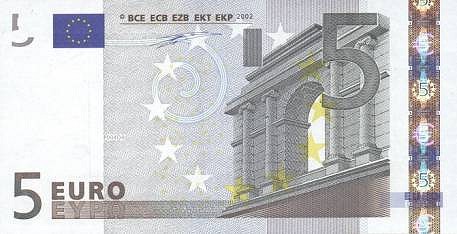
- Currency Name and Code
- Euro (EUR)
- GDP — official exchange rate
- $209,700,000,000 (USD)
- GDP Real Growth Rate
- 3.7%
- Gini Index
- 35.1
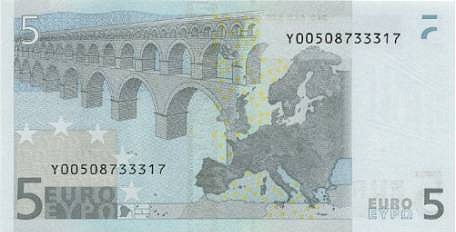
Banknotes
Budget & Public Finance
- Fiscal Year
- calendar year
- Annual Budget
- $103,400,000,000 (USD)
- Public Debt (% of GDP)
- 108.9%
- External Debt
- $75,100,000,000 (USD)
- Investment (% of GDP)
- 25.3%
- Economic Aid
- $5,400,000,000 (USD)
- Current Account Balance
- -$14,500,000,000 (USD)
- Reserves of Foreign Exchange
- $2,147,483,647 (USD)
Labor, Industry & Trade
- Labor Force by Occupation
- industry 20%; agriculture 20%; services 59%
- Household Income — highest 10%
- 28.3%
- Industries
- tourism; food and tobacco processing, textiles; chemicals, metal products; mining, petroleum
- Agriculture Products
- wheat, corn, barley, sugar beets, olives, tomatoes, wine, tobacco, potatoes; beef, dairy products
- Export Commodities
- food and beverages, manufactured goods, petroleum products, chemicals, textiles
- Export Partners
- Germany 10.4%, Italy 8.5%, UK 6.3%, Bulgaria 5.4%, US 5.3%, Cyprus 4.7%
- Import Commodities
- machinery, transport equipment, fuels, chemicals
- Import Partners
- Germany 12.2%, Italy 11.5%, Russia 7.4%, South Korea 6%, France 5.7%, Netherlands 5.6%, US 4.7%, Belgium 4.3%, UK 4.1%
Energy
- Oil Production
- 5,805 bbl/day
- Oil Consumption
- 435,700 bbl/day
- Oil Reserves
- 4,500,000 bbl/day
- Natural Gas Production
- 27,000,000 cu m
- Natural Gas Consumption
- 2,340,000,000 cu m
- Natural Gas Imports
- 2,018,000,000 cu m
- Natural Gas Exports
- 0 cu m
- Natural Gas Reserves
- 991,100,000 cu m
Communications
- Telephone System
- general assessment: adequate, modern networks reach all areas; good mobile telephone and international service domestic: microwave radio relay trunk system; extensive open-wire connections; submarine cable to offshore islands international: country code - 30; landing point for the SEA-ME-WE-3 optical telecommunications submarine cable that provides links to Europe, Middle East, and Asia; a number of smaller submarine cables provide connectivity to various parts of Europe, the Middle East, and Cyprus; tropospheric scatter; satellite earth stations - 4 (2 Intelsat - 1 Atlantic Ocean and 1 Indian Ocean, 1 Eutelsat, and 1 Inmarsat - Indian Ocean region)
- Internet Country Code
- .gr
News & Weather
News & Weather
Current Weather
Latest News
Tourists stabbed near famed Acropolis in Athens, Greece - CBS News
CBS News · 26m ago
Greece Swelters in Extreme Heat - CNN
CNN · 1h ago
Acropolis stabbing: Two tourists attacked at Greece’s busiest attraction - The Independent
The Independent · 55m ago
Two tourists rushed to hospital after being stabbed near Acropolis by knife-wielding man in horror attack - the-sun.com
the-sun.com · 1h ago
Tourists rushed to hospital after stabbing at Acropolis - The Independent
The Independent · 36m ago
Police say a man has stabbed two tourists near the ancient Acropolis in Athens, Greece - KVUE
KVUE · 1h ago
Uncovering a global ancient history beyond Greece and Rome - Aeon
Aeon · 21h ago
Mount Olympus, home of the ancient Greek gods, vies for World Heritage status - AP News
AP News · 2d ago
News via Google News
Climate Overview
Greece has mild, wet winters and hot, dry summers.
Athens daytime summer temperature averages 90°F and often exceeds 100°F for periods in July-August. Humidity is low and the heat is tempered by sea breezes. Summer evenings are comfortable outdoors. Spring and fall temperatures are pleasant, and winter temperatures are 30°-55°F. Snow flurries occur, particularly in the northern suburbs, but seldom accumulate. Air pollution is a major problem in Athens throughout the year, but the climate is otherwise healthy.
Thessaloniki, in northern Greece, experiences high temperatures and humidity from the end of May until the end of September. Summer heat is sometimes tempered by late morning and early evening breezes. July and August nights can be uncomfortably warm. In winter, periods of mild, sunny, and spring-like weather are interspersed with uncomfortable cold periods. Thessaloniki has periods of chilly and damp weather, with considerable rainfall and occasional snow. Temperatures often fall below freezing in winter. Although snow does not linger, the city has been struck by blizzards. One feature of Thessaloniki”™s climate is the vardari, a strong northwesterly wind that appears suddenly and irregularly from the area of the Axios (Vardar) River Valley.
Videos
Videos
2 curated YouTube videos.
Source: YouTube
Source: YouTube
Frequently Asked Questions
Frequently Asked Questions
What is the population of Greece?
How do people greet each other in Greece?
What are the dining customs in Greece?
What should I know about social etiquette and hospitality in Greece?
What should I wear in Greece?
What gestures should I be aware of in Greece?
What is family life like in Greece?
What do people do for fun in Greece?
What is the capital of Greece?
Where is Greece located?
What countries border Greece?
What religion is practiced in Greece?
What is the currency of Greece?
What language is spoken in Greece?
What is the geography of Greece like?
What is Greece known for?
Last reviewed 2026