
 English
 Español
 中文
中文 हिन्दी
 Français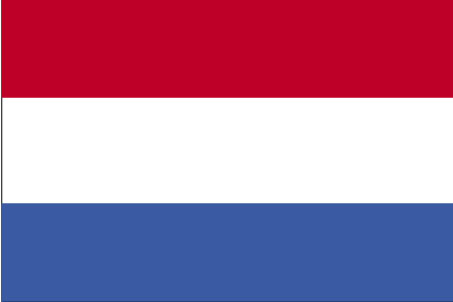
Netherlands
Nederland
Declare Your Relationship to Netherlands
CountryReports Community
- Studying3
- From Netherlands0
- Netherlands heritage2
- Visited0
- Want to visit1
Customs and Culture
Customs and Culture
About the People
Netherlands has a strong tradition of involvement in international affairs. Dutch openness to the world has made them no less proud of their own culture and heritage, whether it is in the arts, politics, technology, or a strong tradition of liberalism.
Until the age of 25, a good life consists of plenty of money to buy clothes, a mobile phone with camera, viewing DVDs at home, and physical activities/sports.
When getting older they work for a house, preferably in a quiet neighborhood, with a garden. Parents have become increasing worried about the financial future of their children. The younger generation may never have the same possibilities as the older generation; in most cases it is not possible for parents provide their children with a mortgage on their house.
Although a higher education is no guarantee for a good job parents encourage their children to go to higher education. At present many of the former securities provided the Dutch government, such as health insurance, relatively cheap universities, student loans and possibilities for early retirement, are already limited or subject to change. This provides people with a sense of an untrustworthy government. In fact, it has become more liberal than it used to be. Due to this atmosphere people start to only rely on themselves for creating their own financial security.
Cultural Attributes
The Netherlands has a strong tradition of involvement in international affairs. Dutch openness to the world has made them no less proud of their own culture and heritage, whether it is in the arts, politics, technology, or a strong tradition of liberalism.
Until age 25, a good life consists of plenty of money to buy clothes, a mobile phone with camera, viewing DVDs at home, and physical activities/sports.
When getting older they work for a house, preferably in a quiet neighborhood, with a garden. Parents have become increasing worried about the financial future of their children. The younger generation may never have the same possibilities as the older generation; in most cases, it is not possible for parents to provide their children with a mortgage on their house.
Although higher education is not guaranteed a good job, parents should encourage their children to pursue higher education. At present many of the former securities provided the Dutch government, such as health insurance, relatively cheap universities, student loans and possibilities for early retirement, are already limited or subject to change. This provides people with a sense of an untrustworthy government. It has become more liberal than it used to be. Due to this atmosphere people start to only rely on themselves for creating their own financial security.

The World on Two Wheels
Greetings, Gestures & Visiting
When acquaintances meet, they salute and say hello; good friends used to shake hands, but this gradually changes to two kisses on alternating cheeks three times (females, male-female) and embracing/hugging one another (males). These exchanges mainly occur in the young and adult population (until about the age of 55). Older people are more formal still: handshake, hello, how are you A warm and hearty handshake is an appropriate greeting for both men and women.
The use of given names is generally reserved for close friends and relatives, except among the youth. Otherwise, titles and family names are used when addressing each other. When greeting adults usually say Goede morgen", "goeie dag", "goeie avond". Kids now use the more informal "Hi" when meeting and "Doei" when saying goodbye. If you needed to get someone's attention to call them over you would raise your voice and say ‘Meneer/mevrouw’( Sir/madam). The word "Mejuffrouw" [miss] is no longer used.
The mouth is frequently covered when a person yawns. It is considered rude to chew gum while talking. Pointing with a finger to one's forehead implies that someone is crazy and considered impolite to do. Keeping eye contact and using facial expressions are important.
When visiting, it is customary to shake hands with everyone present, including children. Dinner guests usually bring flowers or another small gift to their hosts. The Netherlands has villages, but almost all are close to a city, where people go for shopping, going out to theaters and the cinema
When meeting at home, people almost always drink coffee (sometimes with a cookie) during the day until 9 p.m. The first question people ask when you come in is: Do you want coffee or maybe something else to drink? No games are played; people talk. Outside, people gather in a bar to drink coffee or beer. Young people (16 until 25) gather in evening bars (starting at 11 pm). Before they go, they “drink in” at the home of one of the group members; starting from 9 pm, they chat and drink wine, beer, or stronger drinks to get in the mood. A popular activity for young people is the pool bar. The Netherlands has villages, but almost all are close to a city where people go shopping and go to theaters and cinemas.
In the Netherlands, you seldom go to a house without an appointment. Before going somewhere, you always phone or text (the adolescents). Seeing people in public places without a mobile phone is uncommon. You see people ‘talking’ on their mobile phones in the street, in trains, and even when people are biking (which nearly all Dutch people do).
When guests leave, the host will accompany them to the door or to their car/bike. Formal guests will shake hands while saying, "Thank you for this evening," "Thank you for being with us," or "I hope you enjoyed the evening." Close friends will say, ‘Ontzettend fijn dat je er was' (Very, very nice you were here). When will we see another again?
On a typical day, people's clothing depends very much on their jobs. Some organizations, like banks, require formal suits and ties for men and women. In the business world, wearing expensive brands has become increasingly important.
In other organizations, clothing is more informal; although jeans are not accepted, not wearing a tie is becoming more popular.
Clothing is becoming increasingly important, especially for young people (brands and labels are critical). The number of clothes and shoe shops appears to be increasing.
The very traditional clothes exist only in small enclaves (Volendam, Marken, Staphorst, Spakenburg and the province Zeeland.
The Dutch are famous for the wooden shoes or clogs (klompen) they produce. These shoes are found in small enclaves and souvenir shops.
Diet
Bread or toast with jelly or jam, Dutch cheese or meats, are the most common foods for a Dutch breakfast. Coffee and tea accompany the meal. Open-faced sandwiches are common for lunch, as is kroket (a deep-fried sausage). The main meal usually consists of potatoes and gravy with seasonal vegetables and meat or fish. Some typical dishes include poffertjes (small puffed pancakes served on special occasions), pea soup, and hutspot (mashed potatoes with carrots and onions). Dutch pastries are world famous. Pepernoten is a typical candy that SinterKlaas gives to all children.
Breakfast is eaten between 7:30 and 8:15 AM with lunch at about 12:30 PM. Dinner between 5:30 and 7:30 PM. A parent or host often indicates when to eat. Most families have standard places at the table, just as a consequence of custom and history. It is no longer a rule that the father should sit at the head of the table. Both hands are supposed to be on the table, not in the lap, but it is no serious violation if they are not. One is not to rest their elbows on the table. Typical table rules include: eat with fork and knife (continental style); no loud screaming or talking and do not start eating until everyone is at the table.
Breakfast and dinner are almost always at home. Lunch is most of the time just a few sandwiches at home, at work or at school. School children often eat a snack they buy at school or in a nearby cafeteria (snacks are: hot dog, French fries, hamburger)
Open-faced sandwiches are common for lunch, as is kroket (a deep-fried sausage). The main meal usually consists of potatoes and gravy with seasonal vegetables and meat or fish. Some typical dishes include poffertjes (small puffed pancakes served on special occasions), pea soup, and hutspot (mashed potatoes with carrots and onions). Dutch pastries are world famous. Pepernoten is a typical candy that SinterKlaas gives to all children.

Family
Dutch families are moderate in size. Both parents typically work outside the home. Couples usually live close to relatives. At the age of eighteen, young people often leave home to seek an education or career.
Dating Customs
It is common for couples to live together before getting married. It is not uncommon for couples to live together without getting married at all. Young men and women begin dating in groups.
Recreation
Cycling is a popular activity for commuting, recreation, and sport involving at least half the population. Other favorite sports include tennis, field hockey, and ice skating.
The Elfstedentocht is a popular ice-skating race that passes through eleven cities in the province of Friesland. It is held only during winters with heavy ice. The Dutch are also avid football (soccer) players and fans.
Student Life
Most primary schools start at 8:30 a.m., so most children get up around 7 o'clock. High schools usually start at 8:30 a.m. as well. However, students have different schedules depending on which classes they choose. In the mornings, most students eat breakfast, brush their teeth, and prepare lunch before class. Typical breakfast foods are either bread with all sorts of sweets or cereal. A typical morning greeting is "goedemorgen," which means good morning. Children in both primary and secondary school get to school by bike, so riding a bike is taught at a young age, and almost all children in the Netherlands have bikes. There are roads specifically designed for cycling, which make traveling to and from school more manageable and safer.
Primary schools are generally relatively small (about 250 students enrolled) and are primarily within walking distance from home. Secondary schools are more prominent (1000-2000 students enrolled) and take 5 - 30 minutes to reach by bike. The quality of the buildings differs from town to town, but they are generally good, and the buildings are renovated frequently. Both primary and secondary school Books are government-funded. Other learning equipment, such as laptops and software, can be bought at a discounted price. Schools have most of the resources and supplies in classrooms and often have (small) libraries with computer equipment. In the Netherlands, no natural food services exist in schools (except for snacks), so children frequently bring their lunch to school.
A typical school day in primary school consists of about five hours of learning (mostly math and Dutch), one break from 9:30 to 10:00 and a lunch break from 12:00 to 13:00. A typical school meal is bread with cheese or peanut butter. In primary school, each class has one teacher. Teachers have the authority in class and can use disciplinary measures (i.e., detention, extra work) if a child disrupts class. However, corporal punishment is strictly forbidden. The teacher is often informal with the kids and the children do not have to wear uniforms to school. Generally, when school starts, the teacher first tells the children what they have to do and, if necessary, explains the theory. The children can then work on the assignments they were given and ask the teacher for help if they need it. They are often allowed to read books when they have finished their assignments. Important subjects in primary school are (in order of importance): Math, Dutch, Geography and History, English, Traffic, and Hand Labor (wood, papier-mâché). English is taught on a very basic level through songs and small assignments. Almost all children go to secondary education after doing a test in the last grade called the cito test. The result of this test, together with a consultation with the teacher and parents, will decide what type (VMBO, HAVO, or VWO) of secondary school is appropriate for the child. About half of the students will go to the VMBO, 20 percent to HAVO, 20 percent to VWO, and 10 percent to special education (for students with special needs). A school day in secondary education is quite different and depends on what type of education the child is in and his or her chosen subjects.
Most children return directly home from school. About 50 percent go to a sport after school, provided by private entities. Popular sports in the Netherlands are soccer and speed skating. Some children go to music or arts classes, these are often government funded.
When children return home, they often eat, play, and do their homework and chores. In the evening, children and parents eat together, watch television, or go to the computer. There is no typical Dutch meal because of the influences of other cultures (such as Moroccan, Indonesian, and Turkish). Still, the evening meal generally consists of a hot meal with vegetables, potatoes, meat, and a dessert. A traditional Dutch meal is Stamppot, made by mashing potatoes with other vegetables and sometimes bacon. After dinner, the children took a shower and went to bed. A typical bedtime for younger children is nine o'clock. A greeting before bed is welterusten!, which means good night. Free time is often spent doing sports or music and playing with friends. Sometimes, children go with their parents or friends to museums or cinemas.
Education plays a central role in the lives of children and their families and is often a topic during evening meals. Education plays a big part in Dutch culture, and the families and the government greatly stimulate learning and doing well at school. Arts like music, art, and drama do not play a big part in school; they are considered "fun" activities and are not graded. However, in the last grade of primary school, children do a musical.
Holidays
Queen's Day
4/30Birthday
Birthday of Queen-Mother JULIANA in 1909 and accession to the throne of her oldest daughter BEATRIX in 1980
Birthdate - Juliana Louise Emma Marie Wilhelmina
4/30Birthday
Birthdate - Juliana Louise Emma Marie Wilhelmina, queen of the Netherlands.
Birth date - Vincent Van Gogh
3/30Birthday
Birth date - Vincent Van Gogh, Dutch artist, was born, Groot Zundert, Holland on March 30, 1853.
Birth date - Rembrandt Van Rijn Harmenszoon Rijn
7/15Birthday
Birth date - Rembrandt Van Rijn Harmenszoon Rijn, Dutch artist, was born in Leyden of the Netherlands on July 15, 1606.
Christmas
12/25Christmas
On December 5, Sinter Klass Eve, children set their wooden shoes by the fireplace, window or kitchen stove. Other gift giving takes place at this time or on Christmas eve. Many gifts hold poems or funny rhymes.
The Christmas season is announced on the first Sunday of Advent with the blowing of horns.
Holland celebrates Christmas on December 25 & 26. Gift giving is past so these two days are spent at church service or family dinners.
The noon meal on Christmas day is called Koffietafel and is like Breakfast. At 7:00 p.m. families enjoy a ham meal
Dates of Interest
- May 4th
Date varies (usually in February or March): Carnival is celebrated in the southern provinces of the Netherlands, particularly in Limburg and North Brabant, with colorful parades, parties, and costume events leading up to Lent.
How do people greet each other in the Netherlands?
A warm, hearty handshake suits both men and women, while younger and adult people (up to about 55) often exchange kisses on alternating cheeks or hug; older people stay more formal with a handshake and 'how are you'.
Do
- Shake hands warmly with men and women
- Use titles and family names except with close friends and relatives
- Say 'Goede morgen', 'goeie dag' or 'goeie avond' to adults
- Say 'Meneer/mevrouw' (Sir/madam) to get someone's attention
Don’t
- Don't use given names with people who aren't close friends or relatives
- Don't use 'Mejuffrouw' (Miss) — it is no longer used
Good to know
- Young people use informal 'Hi' when meeting and 'Doei' when leaving
- Females and male-female pairs may exchange kisses on alternating cheeks; males may hug
What are dining customs like in the Netherlands?
Meals are eaten at set times, usually at home, and you eat continental style with fork and knife, waiting until everyone is seated before starting.
Do
- Eat with fork and knife, continental style
- Wait until everyone is at the table before eating
- Keep both hands on the table
- Let a parent or host indicate when to eat
Don’t
- Don't rest your elbows on the table
- Don't scream or talk loudly at the table
- Don't start eating before everyone is seated
Good to know
- Breakfast is around 7:30–8:15 AM, lunch about 12:30 PM, dinner 5:30–7:30 PM
- Families often have standard seats at the table
- Typical dishes include potatoes with gravy, poffertjes, pea soup and hutspot; Dutch pastries are famous
What should I know about visiting and hospitality?
You seldom visit a home without an appointment, so always phone or text first; on arrival shake hands with everyone present, including children, and expect to be offered coffee.
Do
- Phone or text before visiting
- Shake hands with everyone present, including children
- Bring flowers or a small gift as a dinner guest
- Accept the offered coffee or other drink
Don’t
- Don't drop by a house without an appointment
Good to know
- Coffee (sometimes with a cookie) is served during the day until 9 p.m.
- People talk rather than play games when visiting
- The host accompanies guests to the door or their car/bike when they leave
- Formal guests say 'Thank you for this evening'; close friends say 'Ontzettend fijn dat je er was'
How should I dress in the Netherlands?
Clothing depends heavily on your job: some organizations like banks require formal suits and ties, while others are more informal, though jeans are not accepted.
Do
- Wear formal suits and ties in banks and similar organizations
- Dress according to your workplace's norms
Don’t
- Don't wear jeans in workplaces
- Don't assume a tie is always required — going without one is becoming more popular
Good to know
- Brands and labels matter, especially for young people and in the business world
- Traditional clothes and wooden clogs (klompen) exist only in small enclaves and souvenir shops
Which gestures matter in the Netherlands?
Eye contact and facial expressions are important, and some gestures are considered rude.
Do
- Keep eye contact and use facial expressions
- Cover your mouth when you yawn
Don’t
- Don't chew gum while talking
- Don't point a finger to your forehead — it implies someone is crazy
What is family life like in the Netherlands?
Dutch families are moderate in size, both parents typically work, and couples usually live close to relatives.
Good to know
- Young people often leave home at eighteen for education or a career
- Couples commonly live together before or instead of marrying
- Young men and women begin dating in groups
What do people do for recreation in the Netherlands?
Cycling is hugely popular for commuting, recreation and sport, involving at least half the population, alongside football, tennis, field hockey and ice skating.
Good to know
- Football (soccer) is widely played and followed
- The Elfstedentocht is an ice-skating race through eleven cities in Friesland, held only in winters with heavy ice
- Young people enjoy pool bars and evening bars starting around 11 pm
Last updated: 2026-07-12 · Sources: CountryReports
Photos of Netherlands
Photos of Netherlands
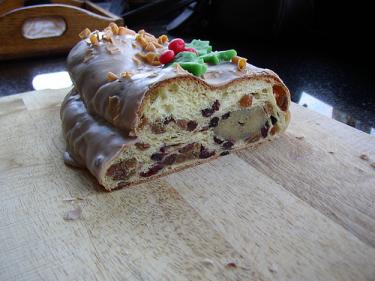
Dutch home made christmas cake (kerststol)
Queensday Celebration -- The Netherlands
Queensday Celebration -- The Netherlands
Queensday Celebration -- The Netherlands
Netherland Skyscraper
Netherland Train
Netherland Building Expansion
Netherland Park
Netherland Bicycle Parking Lot
Netherland Bicycle Parking Lot
The canals of Amsterdam
Spring flowers on the way to Den Haag


Travel and Tourism
Travel and Tourism
- Travel Alert Status
- Level 2: Exercise Increased Caution
- Currency
- euro (EUR)
- Time Difference
- UTC+1 (6 hours ahead of Washington, DC, during Standard Time) time zone note: time descriptions apply to the continental Netherlands only, for the constituent countries in the Caribbean, the time difference is UTC-4
- Climate
- The Netherlands lies in the temperate zone of the Northern Hemisphere, and for the most part possesses a maritime climate. The summers are cool while winters are quite cold. The warmest months fall between July and September with temperatures ranging from 60-75°F. The winter months are long and dreary with strong winds and some snow. Temperatures range from 20-35°F. Due to the proximity of the sea, rain is quite common and spread pretty evenly all year round.
- Airports
- 27
Read the full travel guide — health, safety, vaccinations, disease risk, sanitation, and transit details.
View full travel guideRecipes
Recipes
Christmas Cake (kerststol)
Dessert
Main Dish
Beef Croquettes
Main Dish
Baked Noodles with Ham
Main Dish
Saucijzen Broodjes (Sausage Rolls)
Side Dish
Snert (Dutch Pea Soup)
Side Dish
Dutch Potatoes
Side Dish
Dutch Ham Roll Ups
Side Dish
PremiumCucumber Salad
Side Dish
PremiumAardapple Soep (Dutch Potato Soup)
Side Dish
PremiumHot Dutch Potato Salad
History
History
Historical Eras
Ancient & Frankish Period
55 BCE – 1477
Julius Caesar encountered Germanic tribes — the Batavians in the west and Frisians in the east — when Rome pushed into the Low Countries in the first century BCE. Between the fourth and eighth centuries, the Franks conquered most of the region, integrating it into the Carolingian Empire. The area subsequently passed through the hands of various feudal lords before falling under the control of the House of Burgundy.
Habsburg Rule
1477 – 1581
The marriage of Mary of Burgundy to Maximilian I brought the Low Countries under Habsburg dominion, later consolidated under Charles V and his son Philip II of Spain. Harsh Spanish taxation and religious persecution — particularly under the Duke of Alba — provoked widespread revolt beginning in 1568 under Willem of Orange. The Union of Utrecht in 1579 united the seven northern provinces, setting the stage for a formal declaration of independence.
Dutch Republic
1581 – 1795
The Republic of the United Netherlands, declared independent from Spain in 1581, rose to become one of the world's foremost maritime and commercial powers during its seventeenth-century Golden Age. The Dutch East India Company (VOC) dominated global trade, while artists such as Rembrandt and Frans Hals defined an extraordinary cultural flowering. Protracted wars with Spain, England, and France gradually eroded Dutch dominance, and French Revolutionary forces expelled Stadhouder Willem V in 1795.
Kingdom of the Netherlands
1795 – 1940
After the Napoleonic interlude, the Congress of Vienna established the Kingdom of the United Netherlands in 1815 under Willem I of the House of Orange-Nassau, though Belgium seceded to form its own kingdom in 1830. Constitutional liberalization under Willem II in 1848 transformed the country into a parliamentary monarchy, and a long period of economic prosperity followed under Willem III and Queen Wilhelmina. The Netherlands declared neutrality in both world wars, successfully avoiding occupation in 1914–18.
WWII & Decolonization
1940 – 1949
German forces invaded and occupied the Netherlands in May 1940, subjecting the country to five years of brutal occupation that included the deportation and murder of the vast majority of Dutch Jews. Queen Wilhelmina led a government-in-exile from London, and the country was liberated in May 1945. The immediate postwar years saw the painful dissolution of the Dutch colonial empire, culminating in Indonesian independence in 1949.
Modern Netherlands
1949 – present
As a founding member of NATO and the European Community, the Netherlands anchored itself firmly within the Western international order and rebuilt its economy into one of Europe's most prosperous. Suriname gained independence in 1975, and successive queens — Juliana, Beatrix, and King Willem-Alexander from 2013 — oversaw a liberal, pluralistic society. The Netherlands became a leading exporter of agricultural products and a central node in European trade and finance.
Overview
Julius Caesar found the region which is now the Netherlands inhabited by Germanic tribes in the first century B.C. The western portion was inhabited by the Batavians and became part of a Roman province; the eastern portion was inhabited by the Frisians. Between the fourth and eighth centuries A.D., most of both portions were conquered by the Franks. The area later passed into the hands of the House of Burgundy and the Austrian Habsburgs. Falling under harsh Spanish rule in the 16th century, the Dutch revolted in 1558 under the leadership of Willem of Orange. By virtue of the Union of Utrecht in 1579, the seven northern Dutch provinces became the Republic of the United Netherlands.
During the 17th century, considered its "golden era," the Netherlands became a great sea and colonial power. Among other achievements, this period saw the emergence of some of painting’s "Old Masters," including Rembrandt and Hals, whose works--along with those of later artists such as Mondriaan and Van Gogh--are today on display in museums throughout the Netherlands and the world.
The country’s importance declined, however, with the gradual loss of Dutch technological superiority and after wars with Spain, France, and England in the 17th and 18th century. The Dutch United Provinces supported the Americans in the Revolutionary War. In 1795, French troops ousted Willem V of Orange, the Stadhouder under the Dutch Republic and head of the House of Orange.
Following Napoleon’s defeat in 1815, the Netherlands and Belgium became the "Kingdom of the United Netherlands" under King Willem I, son of Willem V of Orange. The Belgians withdrew from the union in 1830 to form their own kingdom. King Willem II was largely responsible for the liberalizing revision of the constitution in 1848.
The Netherlands prospered during the long reign of Willem III (1849-90). At the time of his death, his daughter Wilhelmina was 10 years old. Her mother, Queen Emma, reigned as regent until 1898, when Wilhelmina reached the age of 18 and became the monarch.
The Netherlands proclaimed neutrality at the start of both world wars. Although it escaped occupation in World War I, German troops overran the country in May 1940. Queen Wilhelmina fled to London and established a government-in-exile. Shortly after the Netherlands was liberated in May 1945, the Queen returned. Crown Princess Juliana acceded to the throne in 1948 upon her mother’s abdication. In April 1980, Queen Juliana abdicated in favor of her daughter, now Queen Beatrix. Crown Prince Willem Alexander was born in 1967.
Elements of the Netherlands’ once far-flung empire were granted either full independence or nearly complete autonomy after World War II. Indonesia formally gained its independence in 1949, and Suriname became independent in 1975. The five islands of the Netherlands Antilles (Curacao, Bonaire, Saba, St. Eustatius, and a part of St. Maarten) and Aruba are integral parts of the Netherlands realm but enjoy a large degree of autonomy.
Timeline of Key Events
1 – 100
The Frisians settled in what is now the Netherlands
A Teutonic tribe known as the Frisians (or Friesians) settled in what is now the Netherlands in the first century A.D.
600 – 700
Frisians clashed with the Franks
In the seventh century the Frisians clashed with the Franks and resisted Christianity, but succumbed to Frankish rule and accepted Christianity a century later. Citizens of the Netherlands’s province of Friesland are still called Frisians and the Frisian language is still spoken there.
1100
Wittem Castle in Limburg dates to this time.
Wittem Castle in Limburg dates to this time.
1421
Beginning of the Eighty Years’ War
Dutch rally against Spain in the beginning of the Eighty Years’ War.
1421
A flood that drowns 10,000 people
A storm on St. Elizabeth’s Day breaks dikes along the Maas and Waal rivers, causing a flood that drowns 10,000 people.
1460
The courtyard Episcopal palace at Atrecht had witch burnings
The courtyard Episcopal palace at Atrecht had witch burnings.
1477
Beginning of the rule of the Austrian Habsburgs.
Beginning of the rule of the Austrian Habsburgs.
Read the full history profile — narrative overview, defining eras, and the complete timeline in one place.
View expanded historyInteresting Facts
Interesting Facts
The world's busiest port is in Rotterdam with over - 385,800 tons being transported.
The country with the most bicycles has approximately 16 million bikes. That would average to be one bike per person in the country.
The Netherlands is also known as Holland, because it contains the provinces of North and South Holland. These provinces, along with the province of Utrecht, are the mostly densely populated part of the country. The northern provinces are largely rural. Altogether there are 12 provinces in the Netherlands.
Disastrous flooding in 1953 killed 1,800 people and destroyed more than 70,000 homes. This led to a huge flood-control project. Flooding struck again in 1995. Rising rivers forced 240,000 people to relocate until the water receded.
Some Dutch people hid Jewish citizens from Nazis during World War II. Among these “onderduikers,” people who “dove” into hiding, was a teenager named Anne Frank whose diary was later published worldwide.
Recycling is well established in the Netherlands. Dutch families carefully sort recyclable waste. Organic matter like vegetable scraps is put into special bins for pickup.
See every fact — trivia, oddities, and curious tidbits gathered from across the country.
View all interesting factsGeography and Environment
Geography and Environment
- Terrain
- mostly coastal lowland and reclaimed land (polders); some hills in southeast
- Climate
- The Netherlands lies in the temperate zone of the Northern Hemisphere, and for the most part possesses a maritime climate. The summers are cool while winters are quite cold. The warmest months fall between July and September with temperatures ranging from 60-75°F. The winter months are long and dreary with strong winds and some snow. Temperatures range from 20-35°F. Due to the proximity of the sea, rain is quite common and spread pretty evenly all year round.
- Natural Hazards
- flooding
- Current Environmental Issues
- water pollution in the form of heavy metals, organic compounds, and nutrients such as nitrates and phosphates; air pollution from vehicles and refining activities; acid rain
Read the full geography and environment profile — terrain, climate, natural resources, hazards, land use, and international agreements.
View full geographyPeople & Demographics
People & Demographics
Religion
Languages Spoken
Dutch (official language), Frisian (official language)
- Dutch
- Frisian
Population
- Population
- 16,783,092
- Population in Major Urban Areas
- AMSTERDAM (capital) 1.056 million; Rotterdam 1.014 million; The Hague (seat of government) 635,000
- Nationality Noun
- Dutchman(men), Dutchwoman(women)
- Ethnic Groups
- Dutch 83%, other 17% (of which 9% are non-Western origin mainly Turks, Moroccans, Antilleans, Surinamese and Indonesians)
Education
- Literacy Definition
- age 15 and over can read and write
Primary schools are generally relatively small (about 250 students enrolled) and are primarily within walking distance from home. Secondary schools are more prominent (1000-2000 students enrolled) and take 5 - 30 minutes to reach by bike. The quality of the buildings differs from town to town, but they are generally good, and the buildings are renovated frequently.
Both primary and secondary school Books are government-funded. Other learning equipment, such as laptops and software, can be bought at a discounted price. Schools have most of the resources and supplies in classrooms and often have (small) libraries with computer equipment. In the Netherlands, no natural food services exist in schools (except for snacks), so children frequently bring their lunch to school.
Read the full people and society profile — demographics, health, education, religion, languages, and notable people.
View full people and societyGovernment & Politics
Government & Politics
Country Identity
- Country Name
- Netherlands
- Full Country Name
- Kingdom of the Netherlands
- Local - Long
- Koninkrijk der Nederlanden
- Local - Short
- Nederland
Government Structure
- Government Type
- constitutional monarchy
- Legal System
- civil law system incorporating French penal theory; constitution does not permit judicial review of acts of the States General; accepts compulsory ICJ jurisdiction, with reservations
- Executive Branch
- chief of state: King WILLEM-ALEXANDER (since 30 April 2013); Heir Apparent Princess CATHARINA-AMALIA (born 7 December 2003), daughter of the monarch head of government: Prime Minister Dick SCHOOF (since 2 July 2024) and Deputy Prime Ministers Fleur AGEMA, Sophie HERMANS, Mona KEIJZER, and Eddy VAN HIJUM (all since 2 July 2024) cabinet: Council of Ministers appointed by the monarch elections: none; the monarchy is hereditary; following Second Chamber elections, the leader of the majority party or leader of a majority coalition is usually appointed prime minister by the monarch; deputy prime ministers appointed by the monarch note: there is also a Council of State composed of the monarch, heir apparent, and councilors that provides advisory consultations to the cabinet on legislative and administrative policy
- Legislative Branch
- bicameral States General or Staten Generaal consists of the First Chamber or Eerste Kamer (75 seats; members indirectly elected by the country's 12 provincial councils for four-year terms) and the Second Chamber or Tweede Kamer (150 seats; members directly elected by popular vote to serve four-year terms) elections: First Chamber - last held 25 May 2003 (next to be held May 2007); Second Chamber - last held 22 January 2003 (next to be held by May 2007) election results: First Chamber - percent of vote by party - NA%; seats by party - CDA 23, PvdA 19, VVD 15, Green Party 5, Socialist Party 4, D66 3, other 6; Second Chamber - percent of vote by party - CDA 28.6%, PvdA 27.3%, VVD 12.9%, Socialist Party 6.3%, List Pim Fortuyn 5.7%, Green Party 5.1%, D66 4.1%; seats by party - CDA 44, PvdA 42, VVD 28, Socialist Party 9, List Pim Fortuyn 8, Green Party 8, D66 6, other 5
- Judicial Branch
- Supreme Court or Hoge Raad (justices are nominated for life by the monarch)
- Suffrage
- 18 years of age; universal
- Constitution
- adopted 1814; amended many times, last time 17 February 1983
- Independence
- 1579 (from Spain); note - the northern provinces of the Low Country concluded the Union of Utrecht, but it was not until 1648 that Spain recognized their independence
- National Holiday
- Queen's Day (Birthday of Queen-Mother JULIANA in 1909 and accession to the throne of her oldest daughter BEATRIX in 1980), 30 April
Capital City
- Capital Name
- Amsterdam; note - The Hague is the seat of government
- Capital - geographic coordinate
- 52 21 N, 4 55 E
- Capital Time Difference
- UTC+1 (6 hours ahead of Washington, DC, during Standard Time) time zone note: time descriptions apply to the continental Netherlands only, for the constituent countries in the Caribbean, the time difference is UTC-4
the original Dutch name, Amstellerdam, meaning "a dam on the Amstel River," dates to the 13th century; over time the name simplified to Amsterdam
Military
Branches: Royal Netherlands Army, Royal Netherlands Navy (includes Naval Air Service and Marine Corps), Royal Netherlands Air Force (Koninklijke Luchtmacht, KLu), Royal Military Police
Embassy / Diplomatic Mission
Consulate General of the United States, Amsterdam
Museumplein 19
1071 DJ Amsterdam
Telephone: (31) (20) 575-5309
Emergency after-hours telephone: (31) (70) 310-2209
Facsimile: (31) (20) 679-0321
Embassy of the United States, The Hague
Lange Voorhout 102
2514 EJ The Hague
Telephone: (31) (70) 310-2209
Facsimile: (31) (70) 361-4688
Read the full government profile — flag symbolism, national anthem, and other national symbols.
View full government detailsEconomy
Economy
The Netherlands has a prosperous and open economy that depends heavily on foreign trade, with exports and imports together accounting for more than 150% of GDP. The economy is characterized by stable industrial relations, low to moderate unemployment, a sizable current account surplus, and a central role as a European transportation and logistics hub, anchored by the Port of Rotterdam—the largest seaport in Europe—and Amsterdam's Schiphol Airport. Industrial activity is concentrated in food processing, chemicals, petroleum refining, electrical machinery, and high-tech manufacturing, including semiconductor equipment, where Dutch firms such as ASML hold globally dominant positions.
A highly mechanized agricultural sector employs only about 2% of the labor force but makes the Netherlands the world's second-largest exporter of agricultural products by value, after the United States, supplying significant surpluses to the food-processing industry and international markets. The services sector, including financial services, trade, and transportation, accounts for roughly 70% of GDP.
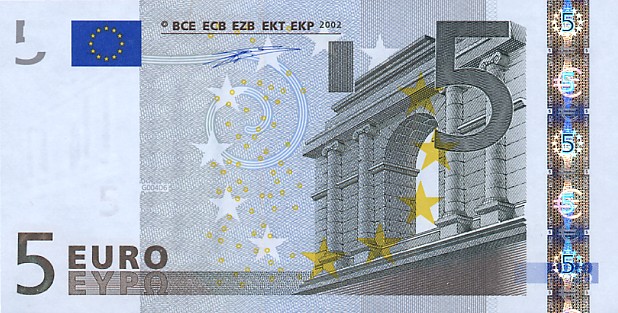
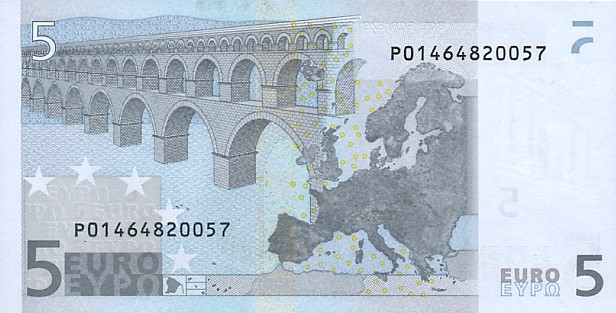
The Netherlands was among the first group of EU member states to adopt the euro on 1 January 1999, with euro banknotes and coins entering circulation on 1 January 2002. The country remains one of Europe's leading destinations for foreign direct investment, supported by a competitive tax framework, skilled multilingual workforce, and strong infrastructure.
After the COVID-19 contraction in 2020, the Dutch economy rebounded strongly, though growth has since moderated amid high energy prices, inflation, and tighter monetary conditions across the eurozone. Persistent challenges include a tight labor market, a severe housing shortage, nitrogen emission constraints on construction and agriculture, and the ongoing energy transition away from natural gas following the closure of the Groningen gas field in 2023. Public finances remain relatively healthy, with government debt well below the EU average and deficits generally within the EU's 3% of GDP threshold.
Snapshot
- Currency Name and Code
- Euro (EUR)
- GDP — official exchange rate
- $581,300,000,000 (USD)
- GDP Real Growth Rate
- 1.1%
- Gini Index
- 30.9
Banknotes
Budget & Public Finance
- Fiscal Year
- calendar year
- Annual Budget
- $303,700,000,000 (USD)
- Public Debt (% of GDP)
- 55%
- External Debt
- $1,645,000,000,000 (USD)
- Investment (% of GDP)
- 19.3%
- Current Account Balance
- $17,940,000,000 (USD)
- Reserves of Foreign Exchange
- $2,147,483,647 (USD)
Labor, Industry & Trade
- Labor Force by Occupation
- services 73%; industry 23%; agriculture 4%
- Household Income — highest 10%
- 22.9%
- Industries
- agroindustries, metal and engineering products, electrical machinery and equipment, chemicals, petroleum, construction, microelectronics, fishing
- Agriculture Products
- grains, potatoes, sugar beets, fruits, vegetables; livestock
- Export Commodities
- machinery and equipment, chemicals, fuels; foodstuffs
- Export Partners
- Germany 25.1%, Belgium 12.7%, UK 10.7%, France 10.2%, Italy 6%, US 4.6%
- Import Commodities
- machinery and transport equipment, chemicals, fuels; foodstuffs, clothing
- Import Partners
- Germany 17.9%, Belgium 9.7%, US 9.1%, UK 6.9%, France 5.5%, China 5.1%, Japan 4%
Energy
- Oil Production
- 94,870 bbl/day
- Oil Consumption
- 920,000 bbl/day
- Oil Reserves
- 88,060,000 bbl/day
- Natural Gas Production
- 73,130,000,000 cu m
- Natural Gas Consumption
- 50,400,000,000 cu m
- Natural Gas Imports
- 20,780,000,000 cu m
- Natural Gas Exports
- 49,280,000,000 cu m
- Natural Gas Reserves
- 1,756,000,000 cu m
Communications
- Telephone System
- general assessment: highly developed and well maintained domestic: extensive fixed-line fiber-optic network; large cellular telephone system with 5 major operators utilizing the third generation of the Global System for Mobile Communications (GSM) technology; one in five households now use Voice over the Internet Protocol (VoIP) services international: country code - 31; submarine cables provide links to the US and Europe; satellite earth stations - 5 (3 Intelsat - 1 Indian Ocean and 2 Atlantic Ocean, 1 Eutelsat, and 1 Inmarsat
- Internet Country Code
- .nl
News & Weather
News & Weather
Current Weather
Latest News
Texas Woman Moves to the Netherlands Despite Never Visiting (Exclusive) - People.com
People.com · 1d ago
Royal Netherlands Navy Integrates Uncrewed Systems into Fleet Combat Management System - navalnews.com
navalnews.com · 23h ago
Oranje awareded the Fair Play Award after FIFA World Cup - NL Times
NL Times · 23h ago
Switzerland Links With Germany, Netherlands, Austria And More European Countries In Suffering From Hotel Revenue Drop Of More Than Two Percent As Rising Operating Costs, Travel Price Pressure, Short-Term Rental Growth And Changing Traveller Beh - Travel And Tour World
Travel And Tour World · 14h ago
Nepal resume World Cup bid at crucial Netherlands tri-series - ICC
ICC · 4h ago
9 Best Places To Live In Netherlands In 2026 - WorldAtlas
WorldAtlas · 2d ago
France Unites With Germany, Italy, Netherlands and Other Global Leading Destinations as Historic Fifty-Seven Point Eight Million Dollar UN Horizon Fund Commitment Accelerates Gaza Recovery, Rebuilds Essential Infrastructure and Creates Future Foundati - Travel And Tour World
Travel And Tour World · 1d ago
Flights Cancelled Sweeping Europe As England, Spain, Netherlands, Russia, And More Cancel 57 And Delay 1,920 Flights, Disrupting British Airways, KLM, Air Dolomiti, And Others - Travel And Tour World
Travel And Tour World · 2d ago
News via Google News
Climate Overview
The Netherlands lies in the temperate zone of the Northern Hemisphere, and for the most part possesses a maritime climate. The summers are cool while winters are quite cold. The warmest months fall between July and September with temperatures ranging from 60-75°F. The winter months are long and dreary with strong winds and some snow. Temperatures range from 20-35°F. Due to the proximity of the sea, rain is quite common and spread pretty evenly all year round.
Videos
Videos
1 curated YouTube videos.
Source: YouTube
Frequently Asked Questions
Frequently Asked Questions
What is the population of Netherlands?
How do people greet each other in the Netherlands?
What are dining customs like in the Netherlands?
What should I know about visiting and hospitality?
How should I dress in the Netherlands?
Which gestures matter in the Netherlands?
What is family life like in the Netherlands?
What do people do for recreation in the Netherlands?
What is the capital of the Netherlands?
Where is the Netherlands located?
What countries border the Netherlands?
What religion is practiced in the Netherlands?
What currency does the Netherlands use?
What languages are spoken in the Netherlands?
What is the Netherlands known for?
Last reviewed 2026