
 English
 Español
 中文
中文 हिन्दी
 Français
Svalbard
Declare Your Relationship to Svalbard
CountryReports Community
- Studying0
- From Svalbard0
- Svalbard heritage0
- Visited0
- Want to visit0
Customs and Culture
Customs and Culture
Cultural Attributes
Svalbard is an archipelago located in the Arctic Ocean, and its culture is influenced by a combination of Norwegian, Russian, and indigenous Sami cultures. While Svalbard does not have a distinct culture of its own, it does have unique elements shaped by its remote location and history. Here are some notable cultural aspects of Svalbard:
Norwegian Culture: Svalbard is an overseas territory of Norway, and Norwegian culture is prominent on the islands. Norwegian traditions, language, and way of life are observed by the local population.
Russian Culture: Due to historical mining activities and Russian settlements, Svalbard also has a Russian cultural influence. Russian communities have existed in Svalbard since the early 20th century, and some cultural elements and traditions have been preserved.
Sami Culture: The Sami people are indigenous to northern Norway, Sweden, Finland, and Russia, including parts of the Svalbard archipelago. Sami culture is characterized by reindeer herding, traditional handicrafts, and a close connection to nature.
International Research Community: Svalbard is known as a hub for scientific research, particularly in fields such as polar studies, climate change, and Arctic ecology. The international research community contributes to the cultural fabric of Svalbard, bringing together scientists and scholars from various countries.
Adventurism and Outdoor Activities: Svalbard's unique environment attracts adventurers, explorers, and nature enthusiasts. Activities such as dog sledding, glacier hiking, polar bear watching, and Arctic expeditions are popular, fostering a culture of outdoor exploration and adventure.
Dark Season and Midnight Sun: Svalbard experiences a polar night during winter, with the sun not rising above the horizon for several months. Conversely, during the summer, the region enjoys the midnight sun, where the sun remains visible throughout the day and night. These phenomena influence the lifestyle and cultural activities on the islands.
Local Traditions and Festivals: Svalbard celebrates various festivals and events throughout the year, including Russian Orthodox Christmas, Solfestuka (a week-long celebration marking the return of the sun), and the Polar Jazz Festival, which combines music and Arctic culture.
It's important to note that the cultural landscape of Svalbard is diverse and dynamic, with influences from different sources. The unique blend of Norwegian, Russian, Sami, and international influences contributes to the distinct cultural tapestry of the archipelago.

The Arctic's Last Frontier
Greetings, Gestures & Visiting
In Svalbard, greetings and social interactions generally follow Norwegian customs.
Handshake: Handshakes are a common form of greeting in Svalbard, particularly in formal or professional settings. When meeting someone for the first time or in a business context, offering a handshake while maintaining eye contact is considered polite and respectful.
Verbal Greetings: Verbal greetings are a standard way to acknowledge and greet others in Svalbard. A simple "hei" (hello) or "god dag" (good day) is commonly used when meeting someone, whether it's a casual encounter or a more formal situation.
Personal Names: Using someone's personal name is a common practice when greeting in Svalbard. When meeting someone, it's polite to address them by their first name or by a more formal title if appropriate.
Small Talk: Engaging in small talk is common in social interactions in Svalbard. People often exchange pleasantries, ask about each other's well-being, or discuss general topics such as the weather, local events, or outdoor activities.
Eye Contact: Making eye contact while greeting someone is generally considered respectful and attentive in Svalbard, as it indicates your engagement in the interaction. However, individual preferences for eye contact may vary, so it's important to be mindful of cultural differences and respect personal boundaries.
Casual and Informal Greetings: In more casual or informal situations, people in Svalbard may greet each other with a nod, a smile, or a simple wave of the hand. These non-verbal gestures can convey a friendly acknowledgment.
Hugs and Cheek kisses: While less common than handshakes or verbal greetings, hugs or cheek kisses may be exchanged among close friends or family members in informal settings.
While there are no specific taboo gestures unique to Svalbard, it's important to be aware of general cultural norms and etiquette in Norway that would apply to Svalbard as well.
Avoid Pointing: Pointing directly at someone with your finger is considered impolite in Norwegian culture, including Svalbard. Instead, use an open hand or a nod to indicate direction or draw attention.
Personal Space: Norwegians, including those in Svalbard, value their personal space. Invading someone's personal space, such as standing too close or touching someone without permission, is generally considered inappropriate.
Eye Contact: While maintaining eye contact during conversations is generally appreciated in Svalbard, prolonged or intense eye contact might make some individuals uncomfortable. Strike a balance by maintaining natural eye contact while being mindful of the other person's comfort level.
Beckoning with the Index Finger: In Norwegian culture, beckoning someone by curling the index finger toward yourself is considered impolite. Instead, use an open hand with the palm facing up to signal someone to come towards you.
Thumbs-Down Gesture: In many Western cultures, the thumbs-down gesture signifies disapproval or a negative response. However, in Svalbard and Norway, it is not commonly used and can be perceived as rude or offensive. It's best to avoid using this gesture.
V-Sign with Palm Inward: The V-sign, made by extending the index and middle fingers while keeping the palm facing inward, is considered vulgar in some contexts in Norway. It's best to avoid using this gesture, as it can be seen as offensive or disrespectful.
Offensive Hand Gestures: Offensive hand gestures that are considered impolite or vulgar in many cultures should be avoided in Svalbard as well. These gestures include making an obscene gesture with the middle finger or using offensive hand signs meant to insult or demean others.
When visiting Svalbard and interacting with the local people, it is important to follow general etiquette guidelines that apply to Norwegian culture. Here are some etiquette tips to keep in mind when visiting and engaging with people in Svalbard:
Punctuality: Norwegians value punctuality, so it's polite to arrive on time for scheduled appointments, meetings, or social gatherings. Being punctual shows respect for others' time and commitments.
Personal Space and Privacy: Norwegians, including those in Svalbard, value personal space and privacy. Respect people's personal boundaries and avoid standing too close unless invited. Be mindful not to pry into personal matters or ask intrusive questions.
Greetings: Greet people with a handshake and maintain eye contact while greeting. Use a friendly "hei" (hello) or "god dag" (good day) when meeting someone. Address people by their first names or appropriate titles unless otherwise indicated.
Politeness and Tact: Politeness and courtesy are highly valued in Norwegian culture. Use "please" (vær så snill) and "thank you" (takk) when making requests or expressing gratitude. Avoid confrontational or aggressive behavior and engage in conversations with respect and tact.
Active Listening: Norwegians appreciate active listening and meaningful conversations. Give others the opportunity to express themselves and show genuine interest in their opinions and experiences. Maintain eye contact and avoid interrupting when someone is speaking.
Dining Etiquette: If invited to someone's home for a meal, it is customary to arrive on time or a few minutes late. Wait until the host signals to begin eating and follow their lead. It's polite to try a bit of everything served and to compliment the host on the meal.
Tipping: Tipping is not as common in Norway as in some other countries, as service charges are often included in bills. However, rounding up the bill or leaving a small tip is appreciated for exceptional service.
Shoes Off: It's customary to remove your shoes when entering someone's home in Norway. If you visit someone's house, it's polite to ask if you should take off your shoes or follow their lead if you see others doing so.
Environmental Responsibility: Norwegians have a strong environmental ethos, and this is especially important in Svalbard's pristine natural environment. Respect the environment by properly disposing of waste and following sustainability practices, such as recycling and minimizing energy and water consumption.
The dressing style in Svalbard is primarily influenced by the extreme Arctic climate and the practicality required for outdoor activities. Here are some common elements of dressing in Svalbard:
Layered Clothing: Due to the cold weather, people in Svalbard typically dress in multiple layers to stay warm. Layering helps to trap heat and provides flexibility to adjust clothing according to the changing temperature and activity level. It usually involves a combination of thermal base layers, sweaters or fleeces, and insulated outerwear.
Insulated Outerwear: Insulated jackets or parkas are essential in Svalbard's cold climate. These jackets are typically waterproof or water-resistant and have insulated padding to provide warmth. They often have hoods to protect them from wind and snow.
Thermal Base Layers: Wearing thermal base layers made of materials like merino wool or synthetic fibers is common. These base layers help to regulate body temperature and wick moisture away from the skin, keeping individuals warm and dry.
Warm Accessories: Hats, scarves, and gloves or mittens are crucial for protecting the extremities from the cold. Fleece-lined or insulated accessories are popular choices to provide added warmth.
Insulated Footwear: Boots designed for Arctic conditions are necessary to keep feet warm and dry. Insulated, waterproof boots with good traction and sturdy soles are commonly worn. They are often designed to withstand sub-zero temperatures and provide protection from snow and ice.
Protective Eyewear: Sunglasses or goggles with UV protection are important, especially during the brighter months when sunlight reflects off the snow and ice. They help prevent snow blindness and protect the eyes from harmful UV rays.
High-Visibility Gear: In areas where polar bears are present, it is required to carry firearms and wear high-visibility gear, such as reflective vests or bands. These safety precautions are essential for outdoor activities to ensure visibility and minimize the risk of polar bear encounters.
It's important to note that while practicality and warmth are prioritized, personal style and individual preferences also play a role in how people dress in Svalbard.

Family
Families in Svalbard, like in many other places, vary in size, structure, and dynamics. Svalbard is a small, close-knit community, and family units can include both permanent residents and those working on a temporary basis. Here are some aspects of families in Svalbard:
Nuclear Families: Nuclear families, consisting of a married or cohabiting couple and their children, are common in Svalbard. They form the basic unit of family life.
Extended Families: Extended family connections are also important in Svalbard. It is not uncommon for relatives, such as grandparents, aunts, uncles, or cousins, to live in close proximity and play a significant role in the lives of children.
International Families: Svalbard attracts a diverse population, including individuals and families from different countries. International families can be found in Svalbard, bringing their cultural backgrounds and traditions to the community.
Community Support: The small and isolated nature of Svalbard fosters a strong sense of community. Families often rely on each other for support, forming a network of friends, neighbors, and colleagues who assist one another in various aspects of daily life.
Dual Career Families: Svalbard offers opportunities for both partners in a relationship to pursue careers and professional endeavors. Dual-career families, where both parents work, are not uncommon. Childcare services and support networks are available to help families balance work and family life.
Outdoor Lifestyle: Families in Svalbard often engage in outdoor activities and explore the natural surroundings together. Outdoor adventures, such as hiking, skiing, and wildlife viewing, are common ways for families to bond and enjoy the unique environment of Svalbard.
Education and Schools: Svalbard has a well-developed education system, including preschools and primary schools, which cater to the needs of families with children. Families residing in Svalbard have access to educational opportunities, ensuring that children receive formal education.
Cultural Diversity: Svalbard's population is diverse, with individuals from various cultural backgrounds and nationalities. This diversity contributes to a multicultural environment and exposes families, especially children, to different languages, traditions, and perspectives.
Dating Customs
In Svalbard, dating rituals and practices are generally similar to those in other Western cultures, including Norway. However, it's important to note that Svalbard's small and close-knit community may influence dating dynamics to some extent.
Informal and Relaxed Atmosphere: Dating in Svalbard typically has an informal and relaxed atmosphere. People often meet through social events, community gatherings, work, or shared interests. The small community size may facilitate social connections and provide opportunities for meeting potential partners.
Equal Gender Roles: Norwegian society, including Svalbard, values gender equality. Both men and women are expected to initiate and participate in dating activities. It is common for individuals to express their interests directly and take an active role in planning dates and getting to know each other.
Outdoor Activities: Svalbard's unique Arctic environment offers opportunities for outdoor activities, and these activities may play a role in dating. Going on hikes, skiing, snowmobiling, or wildlife safaris together are popular ways to spend time and get to know someone in Svalbard.
Social Circles and Community Involvement: Due to the small population and close-knit community in Svalbard, dating often occurs within social circles or through common acquaintances. Engaging in community events, joining clubs or organizations, and participating in local activities can provide opportunities to meet potential partners.
Respect for Personal Space: Norwegians, including those in Svalbard, value personal space and individual autonomy. While dating, it is important to respect personal boundaries and ensure that both individuals feel comfortable and have their autonomy respected.
Emphasis on Equality and Open Communication: Norwegian culture places a strong emphasis on equality and open communication. This is reflected in dating practices as well. Individuals are encouraged to express their thoughts, feelings, and expectations openly and honestly.
Slow Progression: Dating in Svalbard can sometimes involve a slower pace compared to more urban or fast-paced environments. Building a foundation of friendship and getting to know each other gradually is often valued before moving towards a more committed relationship.
Multicultural Dating: Svalbard attracts a diverse population, including individuals from various cultural backgrounds. Dating in Svalbard may involve intercultural experiences, with individuals from different nationalities and traditions coming together.
Recreation
Svalbard offers a wide range of recreational activities, particularly for those who enjoy outdoor adventures and exploring the unique Arctic environment. Here are some popular recreational activities in Svalbard:
Dog Sledding: Dog sledding is a quintessential Arctic activity and a popular form of transportation and recreation in Svalbard. Visitors can experience the thrill of mushing their own team of sled dogs across the snowy landscapes, guided by experienced mushers.
Snowmobiling: Snowmobiling is a common mode of transportation and a popular recreational activity in Svalbard. It allows visitors to explore the vast snowy terrain, access remote areas, and enjoy the exhilaration of riding across frozen landscapes.
Glacier Hiking: Svalbard is home to numerous glaciers, and guided glacier hikes provide an opportunity to explore these stunning ice formations. Visitors can experience walking on glaciers, observe ice caves, and learn about glacial formations from knowledgeable guides.
Wildlife Safaris: Svalbard is known for its diverse wildlife, including polar bears, reindeer, Arctic foxes, and various bird species. Wildlife safaris by boat or snowmobile allow visitors to observe these magnificent creatures in their natural habitat while adhering to strict guidelines to ensure their safety.
Northern Lights Viewing: Svalbard is one of the prime locations for witnessing the mesmerizing Northern Lights (Aurora Borealis). Visitors can take guided tours or venture out on their own to capture the breathtaking displays of shimmering colors dancing across the Arctic sky.
Skiing and Snowboarding: Svalbard offers opportunities for skiing and snowboarding enthusiasts. The rugged mountains and untouched slopes provide a unique experience for those seeking winter sports adventures.
Boat Trips and Fjord Explorations: Svalbard's fjords are stunning natural formations, and boat trips offer a chance to explore their beauty. Visitors can sail through the icy waters, spot wildlife, and enjoy the breathtaking scenery.
Cultural Experiences: Svalbard also offers cultural activities, such as visiting museums, art galleries, and historical sites. These experiences provide insights into the history, indigenous culture, and heritage of the archipelago.
Photography and Nature Walks: Svalbard's pristine landscapes make it a paradise for photographers and nature enthusiasts. Guided walks and photography tours allow visitors to capture the beauty of the Arctic wilderness and its unique flora and fauna.
Arctic Cruises: Expedition cruises are a popular way to explore the Arctic region, including Svalbard. These cruises offer a comprehensive experience, combining wildlife viewing, glacier visits, educational lectures, and opportunities to learn about the region's ecology and conservation efforts.
It is worth noting that engaging in outdoor activities in Svalbard requires proper planning, adherence to safety guidelines, and respect for the fragile Arctic ecosystem. Visitors are encouraged to join guided tours led by experienced professionals who prioritize environmental sustainability and wildlife conservation.
Dates of Interest
Svalbard follows Norwegian events and holidays
How do people greet each other in Svalbard?
Greetings follow Norwegian customs, with handshakes and eye contact in formal settings and a simple verbal "hei" (hello) or "god dag" (good day) in most encounters.
Do
- Offer a handshake with eye contact when meeting someone formally or for the first time
- Say "hei" (hello) or "god dag" (good day)
- Address people by their first name or an appropriate title
- Engage in small talk about the weather, local events, or outdoor activities
Good to know
- A nod, smile, or wave works for casual greetings
- Hugs or cheek kisses are reserved for close friends and family in informal settings
- Keep eye contact natural and respect personal boundaries
What are the dining customs in Svalbard?
If invited to someone's home for a meal, follow the host's lead: wait for their signal to begin eating and try a little of everything.
Do
- Arrive on time or a few minutes late for a home meal
- Wait until the host signals to begin eating
- Try a bit of everything served
- Compliment the host on the meal
Good to know
- Tipping is not as common as elsewhere since service charges are often included
- Rounding up the bill or leaving a small tip is appreciated for exceptional service
What etiquette should I follow when visiting Svalbard?
Etiquette follows Norwegian norms centered on punctuality, politeness, respect for personal space, and strong environmental responsibility.
Do
- Arrive on time for appointments and gatherings
- Use "vær så snill" (please) and "takk" (thank you)
- Practice active listening and avoid interrupting
- Remove your shoes when entering someone's home, or follow the host's lead
- Dispose of waste properly and follow sustainability practices
Don’t
- Don't stand too close or invade personal space
- Don't pry into personal matters or ask intrusive questions
- Don't engage in confrontational or aggressive behavior
Good to know
- Ask if you should take off your shoes if unsure
What should I wear in Svalbard?
Dress is driven by the extreme Arctic climate and outdoor practicality, based on warm layers, insulated outerwear, and protective footwear and eyewear.
Do
- Dress in multiple layers, including thermal base layers of merino wool or synthetic fibers
- Wear a waterproof or water-resistant insulated jacket or parka with a hood
- Wear a hat, scarf, and insulated gloves or mittens
- Wear insulated, waterproof boots with good traction
- Wear UV-protection sunglasses or goggles, especially in brighter months
Good to know
- In areas with polar bears, carrying firearms and wearing high-visibility gear such as reflective vests is required
- Personal style still plays a role alongside warmth and practicality
Which gestures should I be careful with in Svalbard?
There are no gestures unique to Svalbard, but general Norwegian norms apply—avoid pointing, offensive hand signs, and intrusive body language.
Don’t
- Don't point directly at someone with your finger
- Don't beckon someone by curling your index finger
- Don't use the thumbs-down gesture
- Don't make the palm-inward V-sign or other offensive hand gestures
Good to know
- Use an open hand or a nod to indicate direction
- Signal someone to come with an open hand, palm facing up
- Keep eye contact natural rather than prolonged or intense
What are families like in Svalbard?
Svalbard is a small, close-knit and multicultural community where nuclear families, extended relatives, and international families all share a strong sense of mutual support.
Good to know
- Families often bond through outdoor activities like hiking, skiing, and wildlife viewing
- Dual-career families are common, supported by available childcare and schools
- Children are exposed to diverse languages, traditions, and perspectives
- The isolated setting fosters strong community support among neighbors and colleagues
What can I do for recreation in Svalbard?
Svalbard is built around Arctic outdoor adventure, from dog sledding and snowmobiling to glacier hiking, wildlife safaris, and Northern Lights viewing.
Do
- Try dog sledding, snowmobiling, or glacier hiking
- Join wildlife safaris to see polar bears, reindeer, and Arctic foxes
- Watch the Northern Lights on guided or independent tours
- Explore fjords by boat or take an Arctic expedition cruise
Good to know
- Plan properly, follow safety guidelines, and respect the fragile Arctic ecosystem
- Join guided tours led by experienced professionals who prioritize sustainability
- Visit museums, galleries, and historical sites for cultural experiences
Last updated: 2026-07-12 · Sources: CountryReports
Photos of Svalbard
Photos of Svalbard

Travel and Tourism
Travel and Tourism
- Currency
- Norwegian krone (NOK)
- Time Difference
- UTC+1 (6 hours ahead of Washington, DC, during Standard Time)
- Climate
- arctic, tempered by warm North Atlantic Current; cool summers, cold winters; North Atlantic Current flows along west and north coasts of Spitsbergen, keeping water open and navigable most of the year
- Airports
- 4
Read the full travel guide — health, safety, vaccinations, disease risk, sanitation, and transit details.
View full travel guideHistory
History
Historical Eras
Viking Discovery
1194 – 1596
Norse seafarers allegedly reached Svalbard as early as 1194, referring to the distant land as 'Svalbardi.' The archipelago remained largely uncharted for centuries, known only through fragmentary Icelandic sagas. No permanent settlement was established during this period, and the islands existed on the outermost edge of the known Norse world.
Whaling Era
1596 – 1800
Dutch navigator Willem Barents made the first documented European landing in 1596, opening Svalbard to international exploitation. The 17th and 18th centuries saw English, Dutch, Danish, and Norwegian whalers compete fiercely for control of the rich Arctic waters, establishing seasonal shore stations. By 1800, the bowhead whale population had been so severely depleted that commercial whaling largely ceased.
Russian & Norwegian Hunting
1800 – 1906
As whaling declined, Russian Pomor hunters and Norwegian trappers increasingly dominated Svalbard, overwintering to hunt walrus, fox, and polar bear. Norwegian expeditions began systematic overwintering from the 1790s onward, gradually asserting a stronger national presence. The first modern coal mine opened in 1906, signaling a shift from subsistence hunting to industrial resource extraction.
Svalbard Treaty Period
1906 – 1940
The 1920 Svalbard Treaty, signed in Paris, formally recognized Norwegian sovereignty while granting signatory nations equal rights to exploit the archipelago's natural resources. Norway officially assumed administrative control in 1925. Coal mining operations expanded under Norwegian and Soviet management, and the archipelago became a rare example of a demilitarized, internationally shared territory.
World War II & Recovery
1940 – 1945
German forces occupied and devastated Svalbard during World War II, destroying mining infrastructure and forcing the evacuation of the civilian population. Allied and German weather stations competed for control of the archipelago due to its strategic meteorological value. Norwegian and Allied forces conducted several operations to deny Germany use of the territory.
Modern Norwegian Rule
1945 – present
Postwar reconstruction restored Norwegian and Soviet mining operations, with the USSR maintaining a substantial community at Barentsburg throughout the Cold War. Coal mining has steadily declined into the 21st century, replaced by Arctic research, tourism, and environmental management as primary activities. Svalbard remains a unique geopolitical space — formally Norwegian yet bound by treaty obligations ensuring international access and permanent demilitarization.
Overview
Timeline of Key Events
1194
Discovered by the Vikings.
Discovered by the Vikings.
1596
The Dutch voyager Willem Barents is regarded as the first visitor from the European mainland.
the Dutch voyager Willem Barents, in search of a northeast passage to China, is regarded as the first visitor from the European mainland.
1600 – 1700
International whaling
International whaling during the seventeenth and eighteenth centuries was motivated by encouraging prices for blubber oil and baleen. The main players were Dutch, British and German, and the whaling companies were quite significant at a national level. At the peak of this activity, more than 300 ships were active around Svalbard.
1700 – 1850
Russian hunting
Russian hunting, involving people who spent the winter in Svalbard, lasted 1700-1850 and has left more than 70 stations.
1794 – 1795
Norwegian overwintering
The first Norwegian overwintering took place from 1794 to 1795. Overwintering trapping rose again in the late 19th century and the glory days lasted until the mid-1900s.
1821
The first polar expeditions reaches Svalbard
The first polar expeditions reaches Svalbard.
1906
The first modern mine opened until 1906
Perhaps as early as 1612 whalers had discovered coal at Ny Ålesund, but the first modern mine wasn’t opened until 1906, when the Arctic Coal Company (ACC) began extracting coal from a rich seam.
Read the full history profile — narrative overview, defining eras, and the complete timeline in one place.
View expanded historyInteresting Facts
Interesting Facts
Vikings and Russians may have discovered Svalbard as early as the 12th century.
Svalbard has an area of about 61,000 square kilometers, more than half of which are covered by snow and ice.
Captain Pool describes from his Svalbard Expedition in 1612 that whales were so plentiful around the vessels that they virtually had to plough through them. This was all over by the end of the 18th century, when the stock of bowhead whale east and west of Greenland suffered a complete collapse. Years of intensive hunting had almost led this species to extinction.
See every fact — trivia, oddities, and curious tidbits gathered from across the country.
View all interesting factsGeography and Environment
Geography and Environment
- Terrain
- wild, rugged mountains; much of high land ice covered; west coast clear of ice about one-half of the year; fjords along west and north coasts
- Climate
- arctic, tempered by warm North Atlantic Current; cool summers, cold winters; North Atlantic Current flows along west and north coasts of Spitsbergen, keeping water open and navigable most of the year
- Natural Hazards
- ice floes often block the entrance to Bellsund (a transit point for coal export) on the west coast and occasionally make parts of the northeastern coast inaccessible to maritime traffic
- Current Environmental Issues
- NA
Read the full geography and environment profile — terrain, climate, natural resources, hazards, land use, and international agreements.
View full geographyPeople & Demographics
People & Demographics
Languages Spoken
Norwegian, Russian
- Norwegian
- Russian
Population
- Population
- 2,067
- Ethnic Groups
- Norwegian 55.4%, Russian and Ukrainian 44.3%, other 0.3%
- Language Note
- Norgwegian
Read the full people and society profile — demographics, health, education, religion, languages, and notable people.
View full people and societyGovernment & Politics
Government & Politics
Country Identity
- Country Name
- Svalbard
Government Structure
- Government Type
- NA
- Legal System
- NA
- Executive Branch
- chief of state: King HARALD V of Norway (since 17 January 1991) head of government: Governor Lars FAUSE (since 2021) and Assistant Governor Solvi ELVEDAHL (since 2021) elections: none; the monarch is hereditary; the governor and assistant governor are responsible to the Polar Affairs Department of the Ministry of Justice and the Police
- Independence
- none (territory of Norway)
- National Holiday
- NA
Capital City
- Capital Name
- Longyearbyen
- Capital - geographic coordinate
- 78 13 N, 15 38 E
- Capital Time Difference
- UTC+1 (6 hours ahead of Washington, DC, during Standard Time)
the name in Norwegian means Longyear Town; the site was established by and named after John LONGYEAR, whose Arctic Coal Company began mining operations there in 1906
Military
Branches: no regular military forces
Read the full government profile — flag symbolism, national anthem, and other national symbols.
View full government detailsEconomy
Economy
Svalbard's economy has shifted significantly in recent years, moving away from its traditional reliance on coal mining toward tourism, scientific research, and higher education. The Svalbard Treaty of 9 February 1920 grants the more than 40 signatory nations equal rights to exploit mineral deposits, subject to Norwegian regulation. While US, UK, Dutch, and Swedish coal companies operated on the archipelago in the past, mining activity has dwindled dramatically. The Norwegian state-owned company Store Norske closed its main Svea and Lunckefjell mines in 2020, and the last Norwegian coal mine, Mine 7 near Longyearbyen, is scheduled to cease operations by 2025 as part of Norway's transition to renewable energy. The Russian state company Trust Arktikugol continues limited coal mining at Barentsburg, though output has also declined.
Tourism has become a leading economic driver, with cruise ships and expedition travel bringing tens of thousands of visitors annually to Longyearbyen, the administrative center. Scientific research is another major sector, anchored by the international research community at Ny-Ålesund, the University Centre in Svalbard (UNIS), and the Svalbard Global Seed Vault. The settlements remain essentially company towns, with public services and infrastructure in Longyearbyen largely managed through Norwegian government entities. Fisheries in surrounding waters also contribute to the regional economy, while traditional trapping of species such as Arctic fox continues on a very small scale under strict regulation, and hunting of polar bears has been prohibited since 1973.
Snapshot
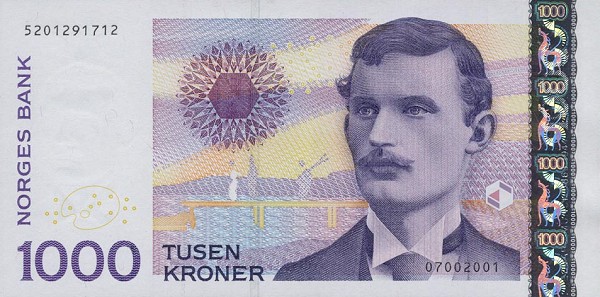
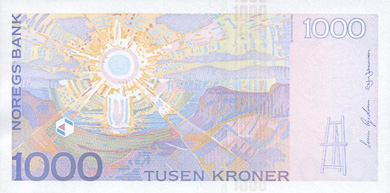
- Currency Name and Code
- NOK
Banknotes
Budget & Public Finance
- Economic Aid
- $8,200,000 (USD)
Energy
- Oil Production
- 0 bbl/day
- Natural Gas Reserves
- 0 cu m
Communications
- Telephone System
- general assessment: adequate domestic: local telephone service international: country code - 47-790; satellite earth station - 1 of unknown type (for communication with Norwegian mainland only)
- Internet Country Code
- .sj
News & Weather
News & Weather
Current Weather
Latest News
An Arctic Gateway at Risk: Protecting Svalbard from Russian Aggression | Proceedings - May 2026 Vol. 152/5/1,479 - U.S. Naval Institute
U.S. Naval Institute · 81d ago
Russia’s growing interest in Svalbard - GIS Reports
GIS Reports · 132d ago
Arctic Sea Ice Day 2026 Press Release - Polar Bears International
Polar Bears International · 5d ago
Explore the Svalbard restaurant that refuses every Arctic cliché - wallpaper.com
wallpaper.com · 4d ago
BrightSign & Kumulus Redesign Arctic Storytelling at the Svalbard Museum - Digital Signage Today
Digital Signage Today · 1d ago
Another Arctic island is caught in geopolitical crosshairs - The Week
The Week · 5d ago
Body condition among Svalbard Polar bears Ursus maritimus during a period of rapid loss of sea ice | Scientific Reports - Nature
Nature · 172d ago
Tensions are heating up over a remote Arctic territory — and it’s not Greenland - CNN
CNN · 11d ago
News via Google News
Climate Overview
arctic, tempered by warm North Atlantic Current; cool summers, cold winters; North Atlantic Current flows along west and north coasts of Spitsbergen, keeping water open and navigable most of the year
Videos
Videos
1 curated YouTube videos.
Source: YouTube
Frequently Asked Questions
Frequently Asked Questions
What is the population of Svalbard?
How do people greet each other in Svalbard?
What are the dining customs in Svalbard?
What etiquette should I follow when visiting Svalbard?
What should I wear in Svalbard?
Which gestures should I be careful with in Svalbard?
What are families like in Svalbard?
What can I do for recreation in Svalbard?
What is the capital of Svalbard?
Where is Svalbard located?
What are the ocean and sea borders of Svalbard?
What currency is used in Svalbard?
What languages are spoken in Svalbard?
What is the geography of Svalbard like?
What is the history of human activity in Svalbard?
What is Svalbard known for?
Last reviewed 2026