
 English
 Español
 中文
中文 हिन्दी
 Français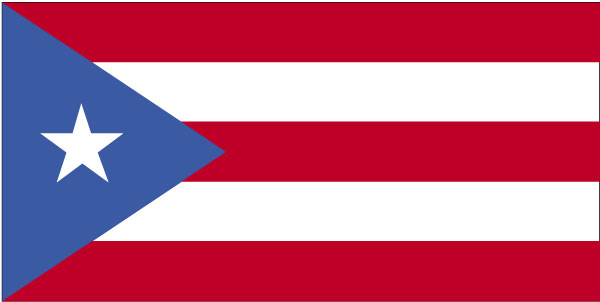
Puerto Rico
Declare Your Relationship to Puerto Rico
CountryReports Community
- Studying4
- From Puerto Rico3
- Puerto Rico heritage2
- Visited0
- Want to visit1
Customs and Culture
Customs and Culture
Cultural Attributes
Puerto Rico boasts a rich and diverse culture that reflects its unique blend of indigenous Taíno, African, Spanish, and American influences.
Music and Dance: Music is deeply ingrained in Puerto Rican culture, with genres like salsa, reggaeton, bomba, plena, and merengue being popular both on the island and internationally. Traditional instruments like the cuatro, güiro, and bongos are commonly used in folk music. Dance is also a significant part of Puerto Rican culture, with styles like salsa and bomba y plena enjoyed at social gatherings and festivals.
Cuisine: Puerto Rican cuisine is a flavorful fusion of indigenous, African, Spanish, and American culinary traditions. Staples include rice, beans, plantains, yucca, and tropical fruits. Popular dishes include mofongo (mashed plantains), arroz con gandules (rice with pigeon peas), lechón asado (roast pig), and tostones (fried plantains). The island's cuisine is known for its bold flavors and use of spices like adobo and sofrito.
Festivals and Celebrations: Puerto Ricans are known for their vibrant festivals and celebrations, often blending religious, cultural, and historical elements. The Fiestas de la Calle San Sebastián is the most famous festival, held annually in San Juan, featuring music, dance, food, and art. Other notable celebrations include the Fiestas de la Calle San Sebastián, Carnaval de Ponce, and the Lechón Festival in Guavate.
Art and Literature: Puerto Rico has a rich artistic tradition, with renowned painters like José Campeche and Francisco Oller and contemporary artists like Antonio Martorell and Myrna Báez. Literature also plays a significant role in Puerto Rican culture, with authors like René Marqués, Rosario Ferré, and Esmeralda Santiago gaining international acclaim for their works.
Language and Identity: Spanish is Puerto Rico's official language, although English is widely spoken, especially in urban areas and tourist destinations. The island's cultural identity is shaped by its complex history of colonization and migration, resulting in a unique blend of Caribbean, Latin American, and American influences.

Island of Rhythm and Flavor
Greetings, Gestures & Visiting
In Puerto Rico, greetings are an important part of social interactions, and they often involve warmth, friendliness, and physical contact.
Handshakes: Handshakes are a common way to greet someone in formal or business settings. They are typically firm but not overly aggressive. Men may also exchange a quick hug and a handshake, especially if they know each other well.
Cheek kisses: Cheek kisses are a common greeting among friends and family members, especially between women and men. It's customary to kiss once on the right cheek and once on the left cheek, accompanied by a light embrace or pat on the back.
Hugs: Hugging is a standard greeting among friends, family members, and acquaintances. Depending on the relationship and level of familiarity, hugs may be brief or more lingering.
Verbal greetings: Verbal greetings are also important in Puerto Rican culture. Standard greetings include "Hola" (hello), "Buenos días" (good morning), "Buenas tardes" (good afternoon), and "Buenas noches" (good evening). Adding "¿Cómo estás?" (how are you?) is also common, especially among friends and acquaintances.
Fist bumps or high fives: In more informal settings, especially among younger generations, fist bumps or high fives may be used as a casual greeting or expression of camaraderie.
Touching someone's head: Touching someone's head without permission, especially a person older than you or someone you don't know well, can be considered disrespectful in Puerto Rican culture.
Visiting someone in Puerto Rico typically involves warmth, hospitality, and a strong sense of community.
Warm Welcome: Visitors are usually greeted with warmth and enthusiasm upon arrival. Hosts may offer hugs, kisses on the cheek, or a friendly handshake as a sign of welcome.
Hospitality: Puerto Ricans are known for their hospitality, and hosts often go out of their way to make guests feel comfortable and welcome. Upon arrival, visitors may be offered refreshments such as coffee, homemade pastries, or tropical fruit.
Conversation: Visits to Puerto Rico often involve lively conversation and storytelling. Guests and hosts may discuss family, culture, current events, or shared interests.
Shared Meals: Sharing a meal is an important part of visiting someone in Puerto Rico. Hosts may prepare traditional Puerto Rican dishes such as arroz con gandules (rice with pigeon peas), pernil (roast pork), or mofongo (mashed plantains). Meals are often enjoyed together as a group, fostering a sense of camaraderie and connection.
Family Involvement: Family members may be present during visits, mainly in multigenerational households. Visitors can expect to interact with extended family members, including grandparents, aunts, uncles, and cousins.
Cultural Customs: Visitors should respect Puerto Rican cultural customs and traditions during their visit. This may include respecting elders, participating in family activities, and observing religious or cultural practices.
Gratitude: It is customary to express gratitude to your hosts before departing. Guests may thank their hosts for their hospitality and generosity, often with a small gift or token of appreciation.
In Puerto Rico, traditional attire has been influenced by the island's diverse cultural heritage, with elements reflecting indigenous, African, Spanish, and American influences. However, modern-day dress in Puerto Rico is similar to that of many Western countries, with people wearing contemporary clothing styles prevalent in urban areas.
Men and women typically dress casually for everyday wear, especially in warmer climates. This might include lightweight clothing such as T-shirts, shorts, skirts, dresses, and sandals. Due to the tropical environment, lightweight and breathable fabrics like cotton and linen are popular.
Puerto Ricans may dress up more conservatively in more formal settings or special occasions. Men may wear collared shirts, trousers, and closed-toe shoes, while women may opt for dresses, skirts, blouses, or pantsuits. In rural areas or during cultural events, you may still find traditional Puerto Rican clothing being worn, such as the following:
Guayabera is a traditional men's shirt characterized by pleats, vertical rows of decorative embroidery, and four pockets. It's often worn for formal occasions and weddings.
Pollera: A long, full skirt worn by women, typically made from lightweight fabrics and adorned with colorful patterns or embroidery.
Pava: A wide-brimmed straw hat traditionally worn by men, particularly in rural areas or during outdoor activities, to provide shade from the sun.
Panama Hat: Though not native to Puerto Rico, Panama hats are commonly worn by men and women for sun protection and as a fashion accessory.
Veijigante Costume: Worn during traditional festivals like the Carnaval de Ponce, the Vejigante costume features elaborate masks and colorful costumes representing characters from Puerto Rican folklore.
It's important to note that Puerto Rico is a diverse and multicultural society, so clothing styles can vary widely depending on location, age, occupation, and personal preference. In urban areas like San Juan, you will likely see a mix of Western and contemporary fashion trends. In contrast, you may encounter more traditional attire in rural areas or during cultural events.

Family
The family structure in Puerto Rico is typically close-knit and emphasizes strong family bonds and values.
Extended Family: Extended family members, including grandparents, aunts, uncles, and cousins, often play an important role in Puerto Rican families' lives. Family gatherings and celebrations frequently include extended family members, fostering a sense of belonging and support.
Multigenerational Living: It's common for multiple generations of a family to live together under one roof or nearby. This arrangement allows for sharing resources, caregiving responsibilities, and emotional support among family members.
Respect for Elders: Respect for elders is a fundamental value in Puerto Rican culture. Older family members are often revered for their wisdom and experience, and younger generations highly value their opinions and advice.
Gender Roles: Traditional gender roles may influence family dynamics in Puerto Rico, with men often assuming the role of breadwinners and women taking on domestic responsibilities. However, these roles are evolving as more women enter the workforce and contribute to the family's financial stability.
Emotional Support: Puerto Rican families strongly emphasize providing emotional support and care for their members. Families offer a sense of belonging, security, and unconditional love, and individuals often turn to their family members for guidance and comfort during challenging times.
Religious and Cultural Influence: Religion and culture significantly shape family life in Puerto Rico. Many families are deeply rooted in Catholicism, and spiritual traditions and rituals are often integrated into family life and celebrations.
Education and Upward Mobility: Puerto Rican families value education as a pathway to success and upward mobility. Parents often prioritize their children's education and encourage them to pursue academic and professional goals.
Dating Customs
Dating customs in Puerto Rico may vary depending on individual preferences and cultural backgrounds, but there are some common practices and expectations that are often observed:
Family involvement: Family plays a significant role in Puerto Rican culture, and it's not uncommon for individuals to introduce their romantic partners to their families early in the relationship. Family approval and support are often valued, so meeting the family may happen relatively early in dating.
Romantic gestures: Puerto Ricans often appreciate romantic gestures such as flowers, small gifts, and thoughtful gestures that demonstrate affection and interest. These gestures can help to express admiration and establish a connection between partners.
Socializing in groups: Group outings and social events are common ways for young people to meet and socialize in Puerto Rico. These events allow individuals to get to know each other in a relaxed and casual setting, often with friends or family members present.
Respect and courtesy: Respect and courtesy are important aspects of dating etiquette in Puerto Rico. Being polite, attentive, and considerate towards one's partner is appreciated.
Physical affection: Physical affection, such as holding hands, hugging, and kissing, is often part of dating relationships in Puerto Rico. However, the level of physical intimacy may vary depending on the individual and the relationship stage.
Communication: Open and honest communication is key in Puerto Rican dating culture. Partners must communicate openly about their feelings, expectations, and boundaries to ensure a healthy and fulfilling relationship.
Traditional gender roles: While attitudes towards gender roles are evolving in Puerto Rico, traditional gender roles may still influence dating customs to some extent. Men are often expected to take the lead in initiating dates and making romantic gestures, while women may appreciate chivalry and gentlemanly behavior.
Recreation
Various recreational activities are enjoyed by residents and visitors alike in Puerto Rico, thanks to the island's diverse landscapes, rich cultural heritage, and tropical climate.
Beach Activities: With its beautiful coastline and warm waters, Puerto Rico offers abundant beach-related activities such as swimming, sunbathing, snorkeling, scuba diving, surfing, paddleboarding, and beach volleyball.
Hiking and Nature Exploration: Puerto Rico boasts lush rainforests, scenic mountains, and captivating natural landscapes, making it ideal for hiking, birdwatching, and nature exploration. Popular destinations include El Yunque National Forest, Toro Negro State Forest, and Guánica Dry Forest.
Water Sports: Besides beach activities, Puerto Rico is a paradise for water sports enthusiasts. Visitors can enjoy kayaking, sailing, jet skiing, parasailing, windsurfing, deep-sea fishing, and other aquatic adventures.
Cultural Experiences: Puerto Rico's vibrant culture and rich history offer numerous artistic exploration and recreation opportunities. Visitors can explore historic sites such as Old San Juan, visit museums and art galleries, attend traditional festivals and events, and immerse themselves in the island's music, dance, and cuisine.
Golfing: Puerto Rico has several world-class golf courses, offering stunning ocean views and challenging terrain for golf enthusiasts. Some popular golf destinations include Dorado Beach Resort, Royal Isabela Golf Club, and Bahia Beach Resort & Golf Club.
Cycling and Mountain Biking: Cyclists and mountain bikers can explore Puerto Rico's scenic countryside and coastal roads, with various routes catering to different skill levels. From leisurely coastal rides to challenging mountain trails, there's something for every cyclist to enjoy.
Eco-Tours and Adventure Activities: Adventure seekers can partake in eco-tours, zip-lining, canopy tours, rock climbing, and caving expeditions, providing opportunities to discover Puerto Rico's natural beauty and adrenaline-pumping experiences.
Culinary Tours and Food Tastings: Food lovers can indulge in culinary tours, cooking classes, and food tastings to experience Puerto Rico's diverse cuisine and flavors. From traditional Puerto Rican dishes to fusion cuisine and street food, there's no shortage of delicious options to explore.
Student Life
Education is a high priority in Puerto Rico. Today, the literacy rate is about 90 percent. Children are required to attend school between the ages of five and seventeen. There are three levels of schooling. The primary level included kindergarten, plus six grades, and the middle and high levels each had three grades. Education for all children began in Puerto Rico when the United States took over the government from the Spanish. Puerto Rico’s Department of Education administers the island’s school system. Classes are taught in Spanish, but students study English as a second language for twelve years of their schooling. Many Puerto Rico’s high school graduates go on to college.
Holidays
Puerto Rico Constitution Day
7/25Independence Day
US Independence Day
7/4Independence Day
Birth date - Eugenio Maria de Hostos
1/11Birthday
Birth date - Eugenio Maria de Hostos, Puerto Rican patriot, and author, was born on Jan. 11, 1839.
Birth date - Jose de Diego
4/16Birthday
Birth date - Jose de Diego, Puerto Rican patriot and political leader was born on April 16, 1866.
Birth date - Luis Munoz
7/17Birthday
Birth date - Luis Munoz, Puerto Rican patriot and poet, was born on July 17, 1859.
birth date - Jose Celso Barbosa
7/27Birthday
birth date - Jose Celso Barbosa, Puerto Rican physician and patriot, was born on July 27, 1857.
Birth date - Roberto Clemente
8/18Birthday
Birth date - Roberto Clemente, Puerto Rican baseball player, was born in Carolina, Puerto Rico on Aug. 18, 1934. He played his entire career in Major League Baseball for the Pittsburgh Pirates.
Christmas
12/25Christmas
Belenes (Nativity scenes) are the most common symbol of Christmas. Santa Claus and Christmas trees are also well known. During the weeks of Advent, families and friends hold Parrandas (all night Christmas parties). The Christmas Eve dinner consist of baked chicken, turkey, pork, Spanish rice, pigeon peas, cooked greens, yams, pastels (mashed plantains with meat and vegetables wrapped in plantain leaves and boiled) arroz con dulce (rice cooked with spices and coconut milk), tembleque (custard of cornstarch, sugar and coconut milk), turrón (nougat), nuts and coquito( eggnog made with coconut milk and rum).
The traditional gift giving day is Epiphany, January 6th better known as Dia del os Tres Reyes (Three Kings Day). On the night before, children prepare for the Kings’ visit by placing shoe boxes filled with grass and grain under their beds. The Kings in turn feed the fodder to their camels and replace it with gifts in the boxes. Children may also receive gifts on Christmas Day.
Dates of Interest
- July 10th
Similar to the San Sebastián Street Festival in San Juan, this event takes place in Loíza and celebrates the town's African heritage with music, dance, food, and art. It's held in July and attracts visitors from across the island.
How do people greet each other in Puerto Rico?
Greetings in Puerto Rico are warm and often involve physical contact, ranging from handshakes in formal settings to cheek kisses and hugs among friends and family.
Do
- Use a firm but not aggressive handshake in formal or business settings
- Kiss once on the right cheek and once on the left with friends and family
- Offer verbal greetings like 'Hola,' 'Buenos días,' or 'Buenas tardes'
- Add '¿Cómo estás?' with friends and acquaintances
Good to know
- Fist bumps or high fives are casual greetings among younger generations
- Men who know each other well may exchange a quick hug and handshake
What is dining and food like in Puerto Rico?
Puerto Rican cuisine is a bold fusion of indigenous, African, Spanish, and American traditions, and sharing a meal is a central part of hospitality.
Do
- Try local dishes like mofongo, arroz con gandules, lechón asado, and tostones
- Enjoy meals together as a group when hosted
Good to know
- Staples include rice, beans, plantains, yucca, and tropical fruits
- Dishes are flavored with spices like adobo and sofrito
- Hosts may offer refreshments such as coffee, homemade pastries, or tropical fruit on arrival
What are the etiquette and hospitality customs in Puerto Rico?
Puerto Ricans are known for warmth and hospitality, with visits involving lively conversation, shared meals, and respect for cultural customs.
Do
- Respect elders and observe religious or cultural practices
- Participate in family activities and lively conversation
- Express gratitude to hosts before departing, often with a small gift
Good to know
- Expect to interact with extended family members during visits
- Common conversation topics include family, culture, and current events
What should I wear in Puerto Rico?
Everyday dress is casual and contemporary, with lightweight fabrics suited to the tropical climate, while formal occasions call for more conservative attire.
Do
- Wear lightweight, breathable fabrics like cotton and linen
- Choose casual clothing such as T-shirts, shorts, skirts, dresses, and sandals for daily wear
- Dress more conservatively for formal settings, e.g. collared shirts and trousers or dresses and pantsuits
Good to know
- Traditional attire like the guayabera, pollera, pava, and vejigante costume may appear in rural areas or at festivals
- Urban areas like San Juan feature a mix of Western and contemporary fashion
Are there gestures to avoid in Puerto Rico?
Physical contact is common in greetings, but some gestures can be seen as disrespectful.
Don’t
- Don't touch someone's head without permission, especially an elder or someone you don't know well
What is family life like in Puerto Rico?
Puerto Rican families are close-knit, often multigenerational, and place a strong emphasis on family bonds, respect for elders, and emotional support.
Do
- Show respect for elders and value their opinions
- Expect extended family to be involved in gatherings and daily life
Good to know
- Multiple generations often live together or nearby
- Many families are rooted in Catholicism, and education is highly valued
- Traditional gender roles exist but are evolving as more women join the workforce
What can I do for recreation in Puerto Rico?
Puerto Rico offers diverse recreation thanks to its beaches, rainforests, and rich culture, from water sports to hiking and cultural experiences.
Do
- Enjoy beach activities like swimming, snorkeling, surfing, and paddleboarding
- Hike and explore nature at El Yunque National Forest, Toro Negro, or Guánica Dry Forest
- Explore historic Old San Juan, museums, festivals, and local cuisine
- Try golfing, cycling, eco-tours, zip-lining, or culinary tours
Good to know
- Water sports include kayaking, sailing, jet skiing, parasailing, and deep-sea fishing
Last updated: 2026-07-12 · Sources: CountryReports
Photos of Puerto Rico
Photos of Puerto Rico
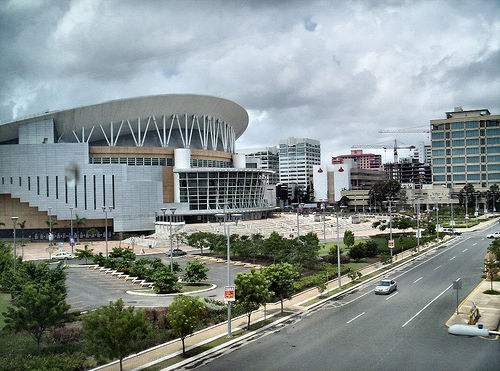
Sports Arena, San Juan, Puerto Rico
San Juan, Puerto Rico
Capitol Building, Old San Juan, Puerto Rico
Old San Juan, Puerto Rico
Metro system, San Juan, Puerto Rico
Fajardo church house, Puerto Rico
Guaynabo City, Puerto Rico
Puerto Rico Creche -- Polymer Clay
Nigeria Creche -- Mini Batiks
Puerto Rico -- 3 Kings
San Cristobal Fort
View


Travel and Tourism
Travel and Tourism
- Currency
- US dollar (USD)
- Time Difference
- UTC-4 (1 hour ahead of Washington, DC, during Standard Time)
- Climate
- tropical marine, mild; little seasonal temperature variation
- Airports
- 30
Read the full travel guide — health, safety, vaccinations, disease risk, sanitation, and transit details.
View full travel guideRecipes
Recipes
Coquito (Puerto Rican Egg Nog)
Beverage
Main Dish
Arroz Con Gandules (Rice, Green Pigeon Peas and Ham)
Main Dish
Pasteles
Main Dish
Lechon Asado Al Horno (Roasted Pork)
Main Dish
Pollo Guisado (Chicken Stew)
Main Dish
Carne Frita (Fried Chicken)
Main Dish
Puerto Rican Meat Patties
Main Dish
PremiumBacalao Guisado (Cod Fish)
Main Dish
PremiumEscabeche de Guineos (Chicken Gizzards and Plantains)
Main Dish
PremiumKidney Stew
History
History
Historical Eras
Taíno & Pre-Contact
3000 BCE – 1493
The island of Borikén was inhabited for millennia by successive waves of Amazonian peoples, culminating in the Taíno (Arawak), who numbered as many as 60,000 by the time of European contact. The Taíno maintained a structured chieftain society, cultivating cassava and practicing skilled craftsmanship. Their position as the easternmost buffer against the more warlike Carib peoples of the Lesser Antilles shaped the island's pre-colonial character.
Spanish Conquest
1493 – 1600
Christopher Columbus claimed Puerto Rico for the Spanish Crown in 1493, and formal colonization began in 1508 under Juan Ponce de León, the island's first governor. The Taíno were enslaved to mine gold, and a 1511 uprising marked their last organized resistance; European diseases ultimately decimated the population far more thoroughly than Spanish arms. African enslaved labor was introduced as the gold supply quickly exhausted, and sugar emerged as the dominant crop by the 1530s.
Colonial Garrison Era
1600 – 1800
For two centuries Puerto Rico functioned primarily as a strategic military garrison rather than a prosperous colony, suffering chronic underpopulation, poverty, and neglect by Madrid. The fortresses of El Morro and San Cristóbal successfully repelled incursions by Sir Francis Drake in 1595, an English fleet in 1598, Dutch forces in 1625, and a British expedition in 1797. Denied open trade, the island survived largely through contraband commerce with British, Dutch, and other foreign merchants.
Late Spanish Colonial
1800 – 1898
The nineteenth century brought liberalized trade, a surge of immigration from Spain's collapsing American empire, and the rapid expansion of sugar and coffee plantation agriculture. Military governors brutally suppressed independence movements even as abolitionist pressure slowly grew, with slavery finally abolished in 1873. Spain granted Puerto Rico the Autonomic Charter in 1897, establishing a measure of home rule, but this autonomy lasted less than a year before the Spanish-American War transformed the island's fate.
U.S. Territory
1898 – 1952
The Treaty of Paris ceded Puerto Rico to the United States following Spain's defeat in 1898, initiating a new colonial relationship that replaced Spanish administration with American military and then civil governance. Puerto Ricans were granted U.S. citizenship under the Jones Act of 1917, though without full political representation at the federal level. Economically, the island shifted toward large-scale American sugar corporations, while cultural identity and demands for greater autonomy continued to intensify.
Commonwealth Period
1952 – present
Puerto Rico adopted its own constitution in 1952, establishing the Estado Libre Asociado (Commonwealth), with elected governors and internal self-government while remaining under U.S. sovereignty. Operation Bootstrap industrialized the economy through the mid-twentieth century, driving mass migration to the U.S. mainland, while successive plebiscites in 1967, 1993, 1998, 2012, and 2017 have repeatedly highlighted unresolved debates over statehood, independence, or continued commonwealth status. Economic crisis, natural disasters including Hurricane María in 2017, and ongoing fiscal oversight have defined the island's challenges into the twenty-first century.
Overview
Timeline of Key Events
1493
Christopher Columbus claims Puerto Rico for Spain.
Christopher Columbus claims Puerto Rico for Spain.
1501
The Spanish Crown permitted export of slaves to America.
The Spanish Crown permitted export of slaves to America.
1508
Spanish colonization begins.
Spanish colonization begins.
1509 – 1512
Ponce de Leon served as governor of Puerto Rico.
Ponce de Leon served as governor of Puerto Rico.
1511
Differences between Spaniards and Taíno Indians began.
Taínos rebelled against Spanish rule, but are forced to surrender or flee. Diego Columbus given control of the island.
1528
French troops attacked the island
French troops attacked the island.
1530
Sugar became the most important agricultural product
Sugar became the most important agricultural product.
Read the full history profile — narrative overview, defining eras, and the complete timeline in one place.
View expanded historyInteresting Facts
Interesting Facts
When Christopher Columbus arrived there in 1493, the island was inhabited by the peaceful Arawak Indians, who were being challenged by the warlike Carib Indians.
See every fact — trivia, oddities, and curious tidbits gathered from across the country.
View all interesting factsGeography and Environment
Geography and Environment
- Terrain
- mostly mountains with coastal plain belt in north; mountains precipitous to sea on west coast; sandy beaches along most coastal areas
- Climate
- tropical marine, mild; little seasonal temperature variation
- Natural Hazards
- periodic droughts; hurricanes
- Current Environmental Issues
- erosion; occasional drought causing water shortages
Read the full geography and environment profile — terrain, climate, natural resources, hazards, land use, and international agreements.
View full geographyPeople & Demographics
People & Demographics
Religion
Languages Spoken
Spanish
- Spanish
Population
- Population
- 3,977,663
- Population in Major Urban Areas
- SAN JUAN (capital) 2.475 million
- Nationality Noun
- Puerto Rican(s) (US citizens)
- Ethnic Groups
- white (mostly Spanish origin) 80.5%, black 8%, Amerindian 0.4%, Asian 0.2%, mixed and other 10.9%
Education
- Literacy Definition
- age 15 and over can read and write
Read the full people and society profile — demographics, health, education, religion, languages, and notable people.
View full people and societyGovernment & Politics
Government & Politics
Country Identity
- Country Name
- PuertoRico
- Full Country Name
- Commonwealth of Puerto Rico
Government Structure
- Government Type
- commonwealth
- Legal System
- based on Spanish civil code and within the US Federal system of justice
- Executive Branch
- chief of state: President Donald J. TRUMP of the US (since 20 January 2025) and Vice President JD VANCE (since 20 January 2025) head of government: Governor Pedro PIERLUISI (since 2 January 2021) cabinet: Cabinet appointed by the governor with the consent of the legislature elections: under the US Constitution, residents of unincorporated territories, such as Puerto Rico, do not vote in elections for US president and vice president; governor elected by popular vote for a four-year term; election last held 3 November 2020 (next to be held November 2024) election results: Pedro PIERLUISI (PNP) elected governor; percent of vote - 32.9%
- Legislative Branch
- bicameral Legislative Assembly consists of the Senate (at least 27 seats - currently 29; members are directly elected by popular vote to serve four-year terms) and the House of Representatives (51 seats; members are directly elected by popular vote to serve four-year terms) elections: Senate - last held 2 November 2004 (next to be held November 2008); House of Representatives - last held 2 November 2004 (next to be held November 2008) election results: Senate - percent of vote by party - PNP 43.4%, PPD 40.3%, PIP 9.4%; seats by party - PNP 17, PPD 9, PIP 1; House of Representatives - percent of vote by party - PNP 46.3%, PPD 43.1%, PIP 9.7%; seats by party - PNP 32, PPD 18, PIP 1 note: Puerto Rico elects, by popular vote, a resident commissioner to serve a four-year term as a nonvoting representative in the US House of Representatives; aside from not voting on the House floor, he enjoys all the rights of a member of Congress; elections last held 2 November 2004 (next to be held November 2008); Luis FORTUNO elected resident commissioner; results - percent of vote by party - PNP 48.6%; seats by party - PNP 1
- Judicial Branch
- Supreme Court; Appellate Court; Court of First Instance composed of two sections: a Superior Court and a Municipal Court (justices for all these courts appointed by the governor with the consent of the Senate)
- Suffrage
- 18 years of age; universal; island residents are US citizens but do not vote in US presidential elections
- Constitution
- ratified 3 March 1952; approved by US Congress 3 July 1952; effective 25 July 1952
- Independence
- none (commonwealth associated with the US)
- National Holiday
- US Independence Day, 4 July (1776); Puerto Rico Constitution Day, 25 July (1952)
Capital City
- Capital Name
- San Juan
- Capital - geographic coordinate
- 18 28 N, 66 07 W
- Capital Time Difference
- UTC-4 (1 hour ahead of Washington, DC, during Standard Time)
the name dates to 1521 and the founding of the city under the name "Ciudad de San Juan Bautista de Puerto Rico" (City of Saint John the Baptist of Puerto Rico)
Military
Branches: no regular indigenous military forces; paramilitary National Guard, Police Force
Read the full government profile — flag symbolism, national anthem, and other national symbols.
View full government detailsEconomy
Economy
Puerto Rico has one of the most dynamic economies in the Caribbean region, though it has faced significant economic challenges in recent decades. A diverse industrial sector, dominated by pharmaceuticals, electronics, medical devices, and chemical manufacturing, has far surpassed agriculture as the primary driver of economic activity and income. Encouraged by duty-free access to the US market and historical tax incentives, US firms invested heavily in Puerto Rico beginning in the 1950s, though the phaseout of Section 936 tax credits by 2006 contributed to a prolonged recession that began in 2006 and lasted more than a decade. US federal minimum wage laws apply.
The agricultural sector, while a small share of GDP, focuses on dairy and livestock production, with sugar production having declined sharply since the mid-20th century. Tourism remains an important source of income, with the island welcoming a record of more than 5 million visitors in recent years and the sector continuing to expand following recovery from Hurricane Maria in 2017.
In 2017, the Puerto Rican government filed for a form of bankruptcy under the PROMESA Act after accumulating more than $70 billion in public debt, and a federal oversight board has since managed fiscal restructuring. Massive federal disaster aid following Hurricanes Irma and Maria, combined with reconstruction spending and pandemic-era stimulus, has fueled a modest recovery, with GDP returning to growth in the early 2020s. Long-term challenges include population decline, an aging infrastructure, energy grid instability, and high outmigration to the US mainland.
Snapshot
- Currency Name and Code
- US Dollar (USD)
- GDP Real Growth Rate
- 2.5%
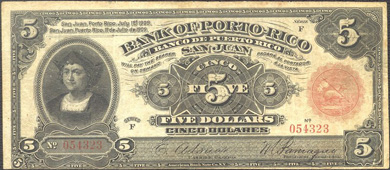
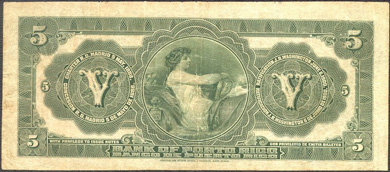
Banknotes
Budget & Public Finance
- Fiscal Year
- 1 July - 30 June
- Annual Budget
- $9,600,000,000 (USD)
Labor, Industry & Trade
- Labor Force by Occupation
- agriculture 3%; industry 20%; services 77%
- Industries
- pharmaceuticals, electronics, apparel, food products, tourism
- Agriculture Products
- sugarcane, coffee, pineapples, plantains, bananas, livestock products, chickens
- Export Commodities
- chemicals, electronics, apparel, canned tuna, rum, beverage concentrates, medical equipment
- Export Partners
- US 90.3%, UK 1.6%, Netherlands 1.4%, Dominican Republic 1.4%
- Import Commodities
- chemicals, machinery and equipment, clothing, food, fish, petroleum products
- Import Partners
- US 55.0%, Ireland 23.7%, Japan 5.4%
Energy
- Oil Production
- 436 bbl/day
- Oil Consumption
- 218,000 bbl/day
- Oil Reserves
- 0 bbl/day
- Natural Gas Production
- 0 cu m
- Natural Gas Consumption
- 740,000,000 cu m
- Natural Gas Imports
- 630,000,000 cu m
- Natural Gas Exports
- 0 cu m
- Natural Gas Reserves
- 0 cu m
Communications
- Telephone System
- general assessment: modern system integrated with that of the US by high-capacity submarine cable and Intelsat with high-speed data capability domestic: digital telephone system; mobile-cellular services international: country code - 1-787, 939; submarine cables provide connectivity to the US, Caribbean, Central and South America; satellite earth station - 1 Intelsat
- Internet Country Code
- .pr
News & Weather
News & Weather
Current Weather
Latest News
Puerto Rico Trench Tsunami Threat Could Hammer the Entire U.S. East Coast (Video) - Yahoo
Yahoo · 2d ago
Mexico vs Puerto Rico - Final - FIBA Centrobasket Women's Championship 2026 - FIBA Basketball
FIBA Basketball · 3d ago
LaMelo Ball Introduces The PUMA MB.06 With "Puerto Rico" Colorway - Sneaker Bar Detroit
Sneaker Bar Detroit · 8h ago
Japan, Puerto Rico Advance to WBSC Women’s Softball World Cup Final - Sports Illustrated
Sports Illustrated · 17h ago
Meet the man behind that viral Puerto Rico song all over your social feeds - SMH.com.au
SMH.com.au · 3d ago
LaMelo Ball Reveals The PUMA MB.06 With A Pair Just For Puerto Rico - Sneaker News
Sneaker News · 11h ago
Puerto Rico announces emergency water rationing as drought worsens - AP News
AP News · 4d ago
Exclusive | Mamdani cancels annual pre-Puerto Rican Day Parade at Gracie Mansion - New York Post
New York Post · 48d ago
News via Google News
Climate Overview
tropical marine, mild; little seasonal temperature variation
Videos
Videos
1 curated YouTube videos.
Source: YouTube
Frequently Asked Questions
Frequently Asked Questions
What is the population of Puerto Rico?
How do people greet each other in Puerto Rico?
What is dining and food like in Puerto Rico?
What are the etiquette and hospitality customs in Puerto Rico?
What should I wear in Puerto Rico?
Are there gestures to avoid in Puerto Rico?
What is family life like in Puerto Rico?
What can I do for recreation in Puerto Rico?
What is the capital of Puerto Rico?
Where is Puerto Rico located?
What bodies of water surround Puerto Rico?
What is the predominant religion in Puerto Rico?
What currency is used in Puerto Rico?
What language is spoken in Puerto Rico?
What is the history and political status of Puerto Rico?
What is Puerto Rico known for?
Last reviewed 2026