
 English
 Español
 中文
中文 हिन्दी
 Français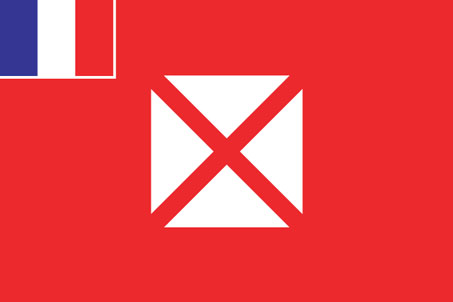
Wallis and Futuna
Wallis et Futuna
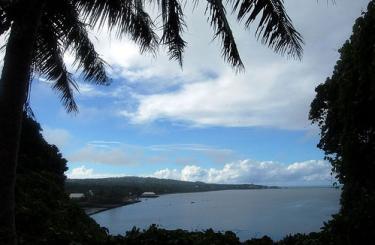
Declare Your Relationship to Wallis and Futuna
CountryReports Community
- Studying0
- From Wallis and Futuna0
- Wallis and Futuna heritage0
- Visited0
- Want to visit0
Customs and Culture
Customs and Culture
Cultural Attributes
The culture of Wallis and Futuna is deeply rooted in Polynesian traditions, shaped by centuries of social organization centered on chieftainship, communal life, and a strong connection to the land and sea. The territory comprises three main islands — Wallis (Uvea), Futuna, and Alofi — each maintaining distinct local identities and dialects, though all share a broadly Polynesian cultural heritage. Social structure plays a central role in daily life. Three traditional kingdoms — the Kingdom of Uvea on Wallis, and the Kingdoms of Alo and Sigave on Futuna — continue to hold significant cultural and ceremonial authority alongside the French territorial administration. The kings, known as lavelua (Uvea) and tuigaifo or keletaona (Futuna), are figures of deep respect and participate in official ceremonies and community decision-making. Roman Catholicism, introduced by French missionaries in the 19th century, has become thoroughly integrated into cultural identity. Nearly the entire population identifies as Catholic, and religious festivals, processions, and Sunday observances are important community events. The Cathedral of Saint Joseph in Mata-Utu on Wallis Island is a prominent cultural landmark and a focal point for the local community. Traditional arts and crafts remain vibrant. Woven goods, tapa cloth made from beaten bark, and wood carving are practiced and valued as both functional and ceremonial objects. Dance and music, particularly traditional songs performed in Wallisian and Futunan languages, are central to celebrations and community gatherings. The local languages — Wallisian (Uvean) and Futunan — are spoken widely alongside French, which is the official administrative language. Language preservation is a point of cultural pride, particularly as emigration to New Caledonia and metropolitan France has been significant, with more people of Wallisian and Futunan origin now living outside the islands than within them. Food culture reflects the surrounding Pacific environment, with subsistence farming and fishing remaining important. Taro, yams, breadfruit, and seafood are dietary staples, often prepared and shared communally during feasts that mark life events and religious occasions.

Islands of Uncharted Grace

Holidays
Bastille Day
7/14Other
Dates of Interest
- July 14th
How do people greet each other in Wallis and Futuna?
Social interaction is shaped by respect for traditional authority, so acknowledging chiefs and kings with deference is important.
Do
- Show deep respect toward the traditional kings (lavelua on Uvea, tuigaifo or keletaona on Futuna)
- Learn a few words in Wallisian or Futunan, as language is a point of cultural pride
Good to know
- French is the official administrative language, spoken alongside Wallisian and Futunan
What is dining like in Wallis and Futuna?
Food culture centers on locally grown and caught staples, often shared communally at feasts.
Do
- Expect taro, yams, breadfruit, and seafood as dietary staples
- Join communal feasts that mark life events and religious occasions
Good to know
- Subsistence farming and fishing remain important to daily food supply
What social etiquette should travelers know in Wallis and Futuna?
Communal life and respect for chieftainship structure everyday social conduct, and Catholicism is woven into community life.
Do
- Respect the ceremonial authority of the three traditional kingdoms (Uvea, Alo, and Sigave)
- Observe the importance of Sunday religious observances, festivals, and processions
- Treat the Cathedral of Saint Joseph in Mata-Utu as a significant community landmark
Good to know
- Nearly the entire population identifies as Roman Catholic
What arts and cultural activities are valued in Wallis and Futuna?
Traditional arts, music, and dance remain vibrant parts of community life.
Do
- Appreciate woven goods, tapa cloth made from beaten bark, and wood carving
- Enjoy traditional dance and songs performed in Wallisian and Futunan
Good to know
- Crafts serve both functional and ceremonial purposes
What should travelers know before visiting Wallis and Futuna?
The territory spans three main islands — Wallis (Uvea), Futuna, and Alofi — each with distinct local identities and dialects within a shared Polynesian heritage.
Good to know
- Traditional kingdoms hold ceremonial authority alongside the French territorial administration
- Many people of Wallisian and Futunan origin now live in New Caledonia and metropolitan France
Last updated: 2026-07-12 · Sources: CountryReports
Photos of Wallis and Futuna
Photos of Wallis and Futuna


Travel and Tourism
Travel and Tourism
- Currency
- Comptoirs Francais du Pacifique franc (XPF)
- Time Difference
- UTC+12 (17 hours ahead of Washington, DC, during Standard Time)
- Climate
- tropical; hot, rainy season (November to April); cool, dry season (May to October); rains 2,500-3,000 mm per year (80% humidity); average temperature 26.6 degrees C
- Airports
- 2
Read the full travel guide — health, safety, vaccinations, disease risk, sanitation, and transit details.
View full travel guideHistory
History
Historical Eras
Polynesian Settlement
1000 – 1616
Wallis and Futuna were settled by Polynesian voyagers, with Futuna likely inhabited as early as the first millennium CE. The islands developed distinct chieftain-based societies organized into the kingdoms of Uvea (Wallis), Sigave, and Alo (Futuna), which maintained their own traditions, hierarchies, and inter-island relationships long before European contact.
European Contact
1616 – 1842
Dutch navigators Willem Schouten and Jakob le Maire became the first Europeans to sight Futuna in 1616. British captain Samuel Wallis visited the island that bears his name in 1767. Catholic missionaries from the Society of Mary arrived in 1837, rapidly Christianizing the islands and laying the groundwork for French influence.
French Protectorate
1842 – 1924
France declared protectorates over Wallis in 1887 and Futuna in 1888, placing both administratively under New Caledonia. The traditional kingdoms were retained as ceremonial structures under French oversight. In 1924 the islands were formally granted colonial status, though they remained subordinate to the New Caledonian administration.
World War II & Transition
1924 – 1961
During World War II, the islands' strategic location led to the arrival of approximately 2,000 U.S. troops in 1942, who constructed infrastructure that transformed local society. In 1959, the inhabitants voted by referendum to become a French overseas territory, and by 1961 the islands were administratively separated from New Caledonia and granted their own distinct status.
Overseas Territory
1961 – present
As a French overseas collectivity, Wallis and Futuna retains a unique governance structure combining French republican administration with three traditional Polynesian kingdoms — Uvea, Sigave, and Alo — whose customary chiefs hold recognized ceremonial authority. The territory remains one of France's smallest and most isolated Pacific possessions, heavily dependent on French subsidies and remittances from emigrants to New Caledonia.
Overview
Timeline of Key Events
1616
Islands sighted by Dutch navigators Willem Schouten and Jakob le Maire.
Islands sighted by Dutch navigators Willem Schouten and Jakob le Maire. Islands named Hoorn Islands.
1767
Wallis visited by, named after British navgator Samuel Wallis.
Wallis visited by, named after British navgator Samuel Wallis.
1887
France declared protectorate over Wallis.
France declared protectorate over Wallis.
1888
Wallis and Futuna were placed administratively under New Caledonia
Wallis and Futuna were placed administratively under New Caledonia
1888
France declared protectorate over Futuna.
France declared protectorate over Futuna.
1917
Wallis and Futuna administratively placed under New Caledonia.
Wallis and Futuna administratively placed under New Caledonia.
1924
Islands granted status as a colony, still administratively under New Caledonia.
Islands granted status as a colony, still administratively under New Caledonia.
Read the full history profile — narrative overview, defining eras, and the complete timeline in one place.
View expanded historyInteresting Facts
Interesting Facts
Wallis and Futuna are two island groups separated by 150 miles of ocean in the central South Pacific. Since 1959 they have been joined together as a French overseas territory. Lying west of Samoa and slightly off the route to Fiji, Wallis and Futuna are not often visited by cruising yachts.
See every fact — trivia, oddities, and curious tidbits gathered from across the country.
View all interesting factsGeography and Environment
Geography and Environment
- Terrain
- volcanic origin; low hills
- Climate
- tropical; hot, rainy season (November to April); cool, dry season (May to October); rains 2,500-3,000 mm per year (80% humidity); average temperature 26.6 degrees C
- Natural Hazards
- NA
- Current Environmental Issues
- deforestation (only small portions of the original forests remain) largely as a result of the continued use of wood as the main fuel source; as a consequence of cutting down the forests, the mountainous terrain of Futuna is particularly prone to erosion; there are no permanent settlements on Alofi because of the lack of natural fresh water resources
Read the full geography and environment profile — terrain, climate, natural resources, hazards, land use, and international agreements.
View full geographyPeople & Demographics
People & Demographics
Religion
Languages Spoken
French, Wallisian (indigenous Polynesian language)
- French
Population
- Population
- 15,343
- Population in Major Urban Areas
- MATA-UTU (capital) 1,000
- Nationality Noun
- Wallisian(s), Futunan(s), or Wallis and Futuna Islanders
- Ethnic Groups
- Polynesian
Education
- Literacy Definition
- age 15 and over can read and write
Read the full people and society profile — demographics, health, education, religion, languages, and notable people.
View full people and societyGovernment & Politics
Government & Politics
Country Identity
- Country Name
- WallisandFutuna
- Full Country Name
- Territory of the Wallis and Futuna Islands
- Local - Long
- Territoire des Iles Wallis et Futuna
- Local - Short
- Wallis et Futuna
Government Structure
- Government Type
- NA
- Legal System
- French legal system
- Executive Branch
- chief of state: President Emmanuel MACRON of France (since 14 May 2017), represented by Prefect Blaise GOURTAY (since 2022) head of government: President of the Territorial Assembly Munipoese MULI'AKA'AKA (since March 2022) cabinet: Council of the Territory consists of three kings and three members appointed by the high administrator on the advice of the Territorial Assembly note: there are three traditional kings — the kings of Uvea, Sigave, and Alo — who hold customary authority with limited formal powers elections: French president elected by popular vote for a five-year term; the prefect (high administrator) is appointed by the French president on the advice of the French Ministry of the Interior; the presidents of the Territorial Government and the Territorial Assembly are elected by the members of the assembly
- Legislative Branch
- unicameral Territorial Assembly or Assemblee Territoriale (20 seats; members are elected by popular vote to serve five-year terms) elections: last held 11 March 2002 (next to be held March 2007) election results: percent of vote by party - NA%; seats by party - RPR and affiliates 13, Socialists and affiliates 7 note: Wallis and Futuna elects one senator to the French Senate and one deputy to the French National Assembly; French Senate - elections last held 27 September 1998 (next to be held by September 2007); results - percent of vote by party - NA%; seats - RPR (now UMP) 1; French National Assembly - elections last held 16 June 2002 (next to be held by NA 2007); results - percent of vote by party - NA%; seats - RPR (UMP) 1
- Judicial Branch
- none; justice generally administered under French law by the high administrator, but the three traditional kings administer customary law and there is a magistrate in Mata-Utu
- Suffrage
- 18 years of age; universal
- Constitution
- 28 September 1958 (French Constitution)
- Independence
- none (overseas territory of France)
- National Holiday
- Bastille Day, 14 July (1789)
Capital City
- Capital Name
- Mata-Utu (on Ile Uvea)
- Capital - geographic coordinate
- 13 57 S, 171 56 W
- Capital Time Difference
- UTC+12 (17 hours ahead of Washington, DC, during Standard Time)
Read the full government profile — flag symbolism, national anthem, and other national symbols.
View full government detailsEconomy
Economy
The economy of Wallis and Futuna remains limited and heavily reliant on traditional subsistence activities. Approximately 70-80% of the labor force derives its livelihood from subsistence agriculture (coconuts, taro, yams, bananas, and vegetables), livestock raising (predominantly pigs), and fishing. The public sector is a major formal employer, with government positions accounting for a significant share of wage employment on the islands.
Government revenues are derived primarily from French state subsidies, which form the backbone of the territory's budget, along with licensing fees paid by Japan and South Korea for access to the territory's fishing waters, import taxes, and remittances from Wallisians and Futunans working abroad, particularly in New Caledonia and metropolitan France. The territory continues to face economic challenges including a declining population due to outmigration, limited natural resources, and minimal private sector development. Tourism remains negligible due to the islands' remote location and limited infrastructure.
Snapshot
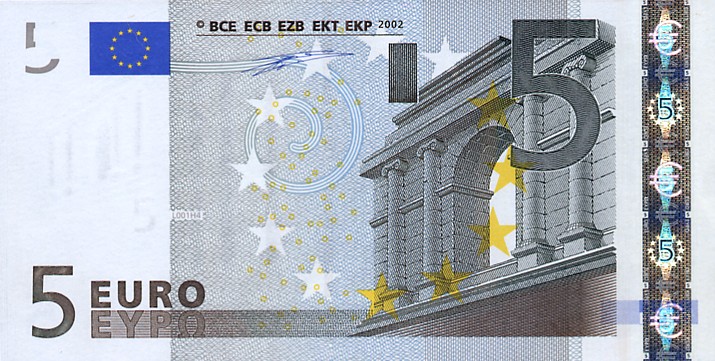
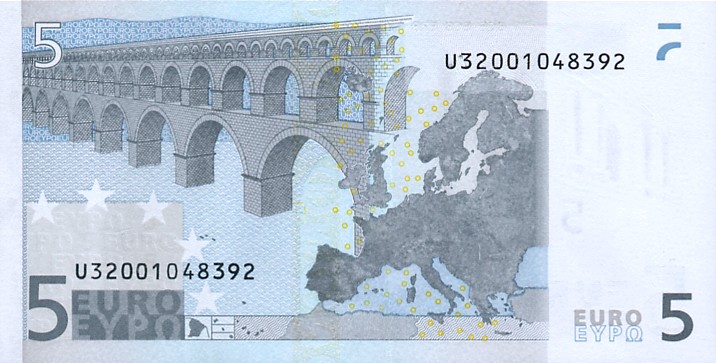
- Currency Name and Code
- CFP Franc (XPF)
Banknotes
Budget & Public Finance
- Fiscal Year
- calendar year
- Annual Budget
- $27,270,000 (USD)
- Public Debt (% of GDP)
- 5.6%
Labor, Industry & Trade
- Labor Force by Occupation
- agriculture; livestock; and fishing 80%; government 4%
- Industries
- copra, handicrafts, fishing, lumber
- Agriculture Products
- breadfruit, yams, taro, bananas; pigs, goats
- Export Commodities
- copra, chemicals, construction materials
- Export Partners
- Italy 40%, Croatia 15%, US 14%, Denmark 13%
- Import Commodities
- chemicals, machinery, passenger ships, consumer goods
- Import Partners
- France 97%, Australia 2%, New Zealand 1%
Energy
- Oil Production
- 0 bbl/day
- Oil Consumption
- 0 bbl/day
- Oil Reserves
- 0 bbl/day
- Natural Gas Production
- 0 cu m
- Natural Gas Consumption
- 0 cu m
- Natural Gas Imports
- 0 cu m
- Natural Gas Exports
- 0 cu m
- Natural Gas Reserves
- 0 cu m
Communications
- Telephone System
- international: country code - 681
- Internet Country Code
- .wf
News & Weather
News & Weather
Current Weather
Latest News
Wallis and Futuna (WLF) Exports, Imports, and Trade Partners - The Observatory of Economic Complexity
The Observatory of Economic Complexity · 13d ago
Homelessness in Wallis and Futuna: A Hidden Problem - The Borgen Project
The Borgen Project · 138d ago
Digital 2026: Wallis And Futuna - DataReportal – Global Digital Insights
DataReportal – Global Digital Insights · 255d ago
Wallis and Futuna Territory Day – Jul. 29, 2026 - National Today
National Today · 40d ago
Falaleu, Uvea, Wallis and Futuna MinuteCast(R) Weather - AccuWeather
AccuWeather · 85d ago
Epidemic and emerging disease alerts in the Pacific as of 19 May 2026 - ReliefWeb
ReliefWeb · 63d ago
Sigave - World Population Review
World Population Review · 73d ago
Uvea, Wallis and Futuna - NASA Earthdata (.gov)
NASA Earthdata (.gov) · 368d ago
News via Google News
Climate Overview
tropical; hot, rainy season (November to April); cool, dry season (May to October); rains 2,500-3,000 mm per year (80% humidity); average temperature 26.6 degrees C
Videos
Videos
1 curated YouTube videos.
Source: YouTube
Frequently Asked Questions
Frequently Asked Questions
What is the population of Wallis and Futuna?
How do people greet each other in Wallis and Futuna?
What is dining like in Wallis and Futuna?
What social etiquette should travelers know in Wallis and Futuna?
What arts and cultural activities are valued in Wallis and Futuna?
What should travelers know before visiting Wallis and Futuna?
What is the capital of Wallis and Futuna?
Where is Wallis and Futuna located?
What religion is practiced in Wallis and Futuna?
What currency is used in Wallis and Futuna?
What languages are spoken in Wallis and Futuna?
What is the political status of Wallis and Futuna?
What is the geography of Wallis and Futuna like?
What is Wallis and Futuna known for?
Last reviewed 2026