
 English
 Español
 中文
中文 हिन्दी
 Français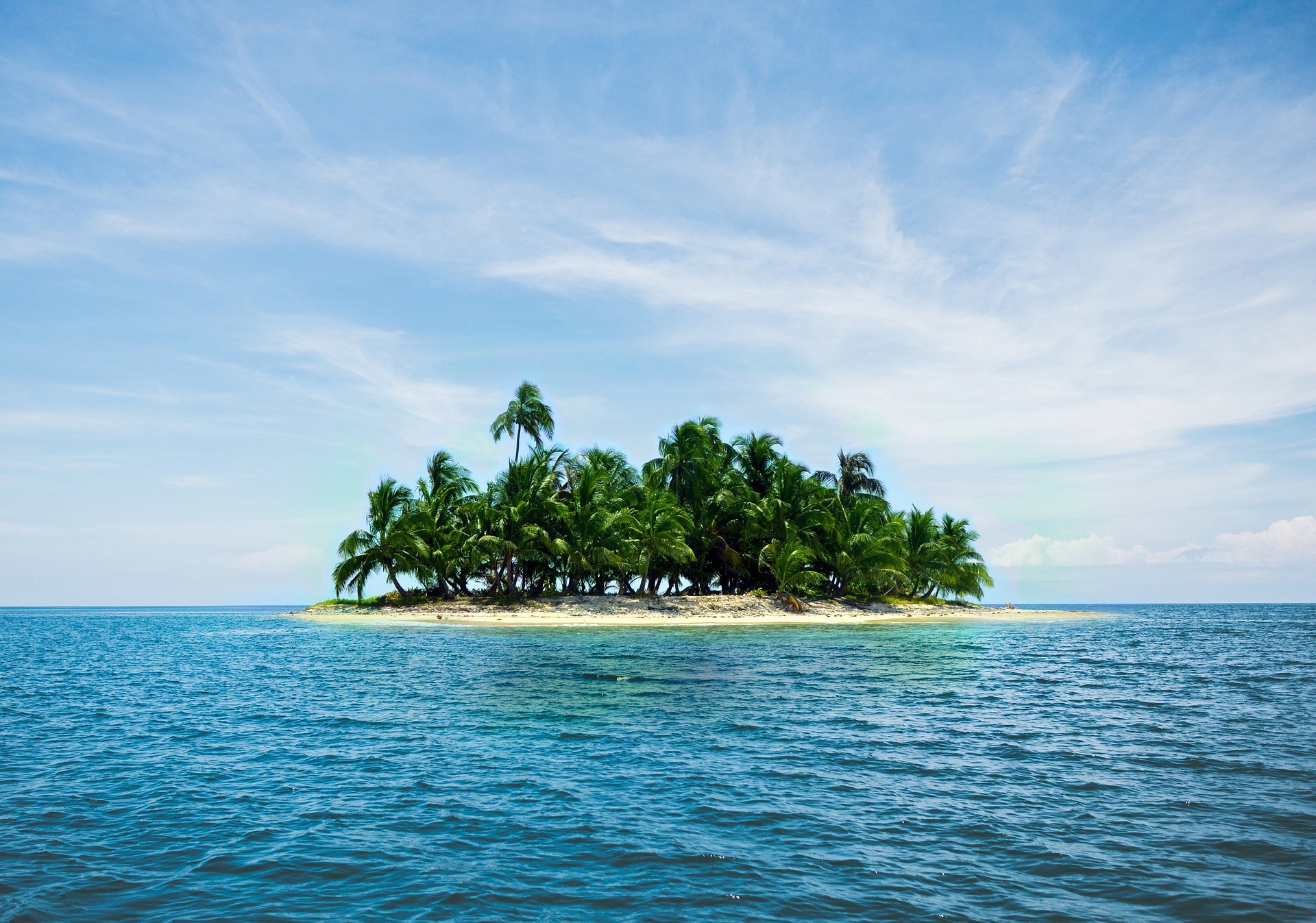
The Caribbean: Island Nations and Cultures of the Tropical Atlantic and Caribbean Sea
Caribbean islands countries culture history facts
Overview and Geography
The Caribbean region comprises more than 7,000 islands, islets, and cays scattered across the Caribbean Sea, Atlantic Ocean, and Gulf of Mexico between North and South America. This vast archipelago stretches over 2,754 kilometers from Florida in the north to the coast of Venezuela in the south, encompassing diverse island groups including the Greater Antilles, Lesser Antilles, and the Bahamas. The Greater Antilles consist of the largest islands: Cuba, Hispaniola (shared by Haiti and the Dominican Republic), Jamaica, and Puerto Rico. The Lesser Antilles form a crescent-shaped chain of smaller volcanic and coral islands extending from the Virgin Islands southward to Trinidad and Tobago. The Bahamas, positioned northwest of the Greater Antilles, consist of more than 700 islands and cays spread across shallow banks and deep ocean waters.
The Caribbean region occupies a zone of warm tropical waters, with the Caribbean Sea being a subtropical marginal sea bounded by Central America, northern South America, and the island chains. The region experiences a tropical climate characterized by warm temperatures year-round, with average highs ranging from 27 to 32 degrees Celsius. The trade winds blow consistently across the islands from the northeast, moderating temperatures and creating sailing conditions that historically made the region a maritime crossroads. The hurricane season extends from June through November, with September and October representing the peak months for tropical cyclones. These powerful storms have shaped Caribbean architecture, settlement patterns, and agricultural practices throughout history.
The Caribbean's biodiversity is remarkable, containing ecosystems found nowhere else on Earth. Coral reefs ring many islands, supporting vibrant marine life including tropical fish, sea turtles, and rays. Mangrove forests provide nurseries for fish and crustaceans while protecting coastlines from storm surge. The islands support unique bird species found only in the Caribbean, including the Jamaican tody, the Puerto Rican parrot, and numerous hummingbird species. Tropical rainforests on the larger islands harbor fascinating flora and fauna, from tree frogs and iguanas to mongoose and wild boar. The region's biodiversity faces increasing pressure from development, climate change, and rising sea levels, making conservation efforts critical for these island ecosystems.
History of the Caribbean
Before European contact, the Caribbean islands were home to indigenous peoples who had migrated from South America over thousands of years. The Taino people, part of the Arawakan language group, inhabited the Greater Antilles and the northern Lesser Antilles, developing sophisticated agricultural societies based on yucca cultivation, fishing, and trade. The Taino possessed knowledge of astronomy, created artistic works in stone and shell, and organized themselves into chiefdoms led by caciques. They called their home "Ayiti," meaning land of high mountains. To the south, the Carib people dominated the eastern Lesser Antilles, known for their seafaring skills and warrior culture. The Carib reputation for fierceness and their practice of raiding other islands made them formidable opponents and created legends that would persist through European conquest.
The arrival of Christopher Columbus in 1492 marked the beginning of European colonization and the devastating transformation of Caribbean society. Columbus, sailing under the Spanish flag, reached the Bahamas and made first contact with the Taino people. He established the first European settlement at La Navidad on the island of Hispaniola, initiating a wave of Spanish conquest that would rapidly expand across the Caribbean. Within decades, Spanish explorers and conquistadors subjugated the larger islands, establishing settlements and extracting gold and other resources. The indigenous population, lacking immunity to European diseases like smallpox and measles, suffered catastrophic mortality rates. Additionally, Spanish colonizers practiced brutal forced labor systems that devastated the Taino and Carib peoples. By the early 1600s, the indigenous Caribbean population had been nearly extinguished, representing one of history's most tragic genocides.
The disappearance of indigenous labor forces led Caribbean colonizers to seek alternative sources of workers, initiating the transatlantic slave trade that would define Caribbean history for centuries. Beginning in the early 1500s, Portuguese and Spanish traders imported enslaved African workers to the Caribbean islands and mainland colonies. The trade intensified dramatically in the 17th and 18th centuries as European powers competed for control of Caribbean islands and as the profitable sugar plantation system expanded exponentially. Britain, France, the Netherlands, Denmark, and other European nations established colonies and built vast sugar plantations worked by enslaved people from Africa. The middle passage, the horrific ocean journey transporting millions of Africans in chains across the Atlantic, resulted in the deaths of countless captives. Those who survived the voyage endured brutal conditions on Caribbean plantations, working in tropical heat while producing sugar, molasses, and rum for export to Europe and North America.
The plantation economy became the engine of Caribbean colonization and the primary source of European wealth derived from the islands. Sugar cultivation required vast capital investment, access to enslaved labor, and processing facilities to transform cane into exportable products. The scale of the trade became massive: between the 16th and 19th centuries, approximately 4.8 million enslaved Africans arrived in the Caribbean, representing the largest forced migration in history. This massive demographic shift fundamentally transformed Caribbean society, creating societies with predominantly African-descended populations and lasting cultural connections to the African diaspora. The profits flowing from Caribbean sugar plantations enriched European merchants, shipbuilders, and investors while fueling the industrial revolution in Britain and the financial development of European ports like Bristol and Liverpool.
Throughout the slavery era, enslaved people in the Caribbean resisted their oppression through various means including work slowdowns, escape, and armed rebellion. Major slave revolts occurred in Jamaica, Barbados, Saint Domingue (Haiti), and other islands, with some achieving partial victories and creating communities of maroons, or escaped slaves, in mountain and forest regions. The most significant uprising culminated in the Haitian Revolution of 1791-1804, which began as a slave rebellion and evolved into a revolutionary war that established Haiti as the world's first nation founded by formerly enslaved people and led by people of African descent. The Haitian Revolution inspired both enslaved populations throughout the Americas and terrified slaveholding classes in Europe and elsewhere.
The abolition of slavery proceeded unevenly across the Caribbean throughout the 19th century. Britain abolished slavery in 1833, freeing over 600,000 enslaved people across its Caribbean colonies, though those freed were often required to serve apprenticeships continuing their forced labor. Other European nations abolished slavery later: France in 1848, the Dutch in 1863, Spain gradually between 1870 and 1886, and slavery persisted in Cuba and Puerto Rico until the late 19th century. The ending of slavery brought tremendous challenges to newly freed people, who faced discrimination, limited economic opportunity, and attempts to re-subordinate them through systems of indentured labor and sharecropping. However, freedom also opened possibilities for cultural expression, religious practice, and community building that slavery had suppressed.
The colonial period saw the Caribbean islands become valuable strategic possessions fought over by competing European powers. Colonization proceeded through the 17th and 18th centuries as European nations established plantations, forts, and trading posts. The islands changed hands repeatedly through warfare and treaties as Britain, France, Spain, the Netherlands, and Denmark jockeyed for territorial advantage. Eventually, Britain emerged as the dominant colonial power, controlling Jamaica, Barbados, Trinidad and Tobago, the Bahamas, and many smaller islands. France retained Martinique, Guadeloupe, and other islands. Spain maintained control of Cuba and Puerto Rico until 1898, when the Spanish-American War transferred Puerto Rico to the United States and made Cuba nominally independent under American influence.
The 20th century brought independence movements across the Caribbean as colonized peoples sought self-determination and freedom from European rule. Jamaica, Barbados, Trinidad and Tobago, and other British colonies achieved independence in the 1960s and early 1970s through negotiations and peaceful transitions. The French approach differed, integrating Caribbean territories more directly into the French state as overseas departments and regions. The United States maintained Puerto Rico as a territory and acquired the US Virgin Islands from Denmark. Cuba's path was unique: the 1959 Cuban Revolution overthrew the American-backed dictator Fulgencio Batista and established a communist state under Fidel Castro, fundamentally altering Caribbean politics and creating a geopolitical flashpoint during the Cold War. Most Caribbean nations developed as democracies, though some experienced political instability, dictatorships, and military interventions.
The modern Caribbean continues evolving as island nations balance independence with economic interdependence, cultural preservation with globalization, and environmental sustainability with development pressures. Many Caribbean nations remain economically dependent on tourism, agriculture, and limited natural resources, creating challenges for development and economic diversification. The legacy of colonialism, slavery, and imperialism continues shaping Caribbean societies, economies, and international relationships. Climate change poses an existential threat to island nations, as rising sea levels and increasingly intense hurricanes threaten coastal communities, agriculture, and tourism infrastructure. Despite these challenges, Caribbean nations have developed vibrant cultures, democratic institutions, and international voices advocating for climate action and development equity.
Cultural Attributes
The Caribbean's cultural richness emerges from the fusion of indigenous, African, European, and Asian influences blended through conquest, slavery, colonialism, and migration. The African diaspora profoundly shaped Caribbean culture, as millions of enslaved Africans brought their languages, religions, musical traditions, kinship patterns, and worldviews that merged with European and indigenous elements. The resulting creole cultures synthesized multiple traditions into distinctive Caribbean identities. Creolization, the process of cultural blending and transformation, created unique linguistic, religious, artistic, and culinary traditions across the Caribbean islands. Rather than simple blending, creolization represented creative resistance and cultural assertion by colonized and enslaved peoples who selectively retained, transformed, and combined elements into new Caribbean expressions of identity and belonging.
Music represents one of the Caribbean's most influential cultural achievements and global exports. Reggae emerged in Jamaica in the 1960s, synthesizing ska, rocksteady, and American rhythm and blues into a distinctive sound carrying messages of social consciousness, spiritual awakening, and Rastafarian philosophy. Bob Marley became reggae's global ambassador, spreading reggae's message of liberation and cultural pride worldwide. Calypso originated in Trinidad and Tobago, developing as an improvised musical form combining African rhythmic traditions with European harmonic structures. Calypso performers, called calypsians, became social commentators and entertainers who sang about current events, social issues, and romantic relationships in witty, humorous ways. Soca evolved from calypso in Trinidad, incorporating funk and disco influences to create an energetic dance music dominating Carnival celebrations. Merengue and bachata emerged from the Dominican Republic as dance music styles that achieved pan-Caribbean and international popularity. Salsa, rooted in Cuban son and mambo but developed extensively in Puerto Rico and New York, became a global dance phenomenon. Beyond these major genres, the Caribbean produces punta, zouk, dancehall, reggaeton, and numerous other musical styles reflecting the region's cultural dynamism and creative vitality.
Caribbean cuisine reflects the region's agricultural heritage, indigenous traditions, and cultural fusion. Staple ingredients include tropical fruits like mangoes, papayas, and plantains; root vegetables like yams and cassava; seafood including fish, conch, and lobster; and spices brought through the spice trade and developed in Caribbean gardens. Dishes vary by island and cultural group but share common elements: jerk cooking, originating in Jamaica, involves seasoning and slowly grilling meat over wood fires; rice and beans appear in countless variations; tropical fruits transform into preserves, drinks, and desserts; stews and soups represent comfort foods and cultural identity. Street foods like roti, doubles, empanadas, and patties reflect the Caribbean's multicultural influences and accessibility to quick, flavorful meals. Rum, distilled from sugarcane, became synonymous with Caribbean culture and a major export, developing distinctive styles and becoming central to Caribbean hospitality and celebration.
Carnival represents the Caribbean's most exuberant cultural celebration, an explosion of music, dance, costume, and community expression emerging from Caribbean history and maintained as a central cultural institution. Carnival traditions vary by island but generally involve parades featuring elaborate costumed dancers, steel pan orchestras, soca music, and massive street celebrations. In Trinidad and Tobago, Carnival features the elaborate production of competing bands with thousands of participants in increasingly elaborate costumes. In other islands, Carnival may emphasize calypso competitions, beauty pageants, or specific cultural traditions. Carnival emerged historically from African celebration traditions, European masquerade traditions, and Caribbean creative synthesis. For enslaved people, Carnival represented rare occasions for freedom of expression and celebration; after emancipation, it became a major festival affirming African heritage and community identity. Modern Carnival attracts visitors worldwide and represents a crucial moment for cultural assertion and economic activity in Caribbean tourism.
Religion in the Caribbean reflects the region's complex history with Christianity arriving through European colonization and Catholicism dominating in Spanish and French islands while Protestantism predominates in English colonies. Beyond these imposed religions, Caribbean peoples developed distinctive spiritual traditions blending African spiritual practices with Christian theology, creating religions like Vodou in Haiti, Santeria in Cuba, Obeah in Jamaica, and Spiritual Baptist traditions in Trinidad and Grenada. These traditions maintained African ancestral veneration, ritual practices, and spiritual cosmologies within Christian frameworks, enabling cultural survival during slavery and colonialism. Rastafarianism emerged in Jamaica in the 1930s, developing as a spiritual movement centered on the divinity of Ethiopian Emperor Haile Selassie I, African pride, and social justice, becoming influential throughout the Caribbean and the African diaspora. Contemporary Caribbean religion remains diverse, with Pentecostalism growing significantly, Hinduism and Islam present in Trinidad and other multicultural islands, and syncretic traditions continuing alongside mainstream Christianity.
Cricket represents the Caribbean's most important sport and a cultural institution transcending mere athletic competition. The sport arrived through British colonization and developed as a beloved pastime that became a source of Caribbean pride and identity. The West Indies Cricket Team, representing the unified Caribbean, became one of cricket's dominant forces throughout the 20th century, producing legendary players like Sir Vivian Richards, Brian Lara, and others whose excellence transcended cricket and represented Caribbean achievement globally. Cricket matches, especially tests and international competitions, command enormous attention and emotional investment. The sport provided upward mobility for talented players, created national heroes, and forged Caribbean unity across colonial boundaries. Beyond cricket, football (soccer) attracts growing devotion, while athletics, particularly track and field, has produced world-class Caribbean competitors.
Languages Spoken
The Caribbean's linguistic landscape reflects its colonial history and cultural diversity, with multiple languages coexisting and evolving throughout the islands. English dominates in formerly British colonies including Jamaica, Barbados, Trinidad and Tobago, Antigua and Barbuda, Dominica, Grenada, Saint Kitts and Nevis, Saint Lucia, and Saint Vincent and the Grenadines. French and French-derived languages dominate in Martinique, Guadeloupe, and Haiti, though the specific linguistic situation varies: Martinique and Guadeloupe are officially French-speaking with French as the dominant language, while Haiti's official language is French but Haitian Creole is the primary spoken language for nearly all Haitians. Spanish remains primary in Cuba, the Dominican Republic, and Puerto Rico, with these islands maintaining Spanish as official and predominantly spoken language. Dutch appears in Aruba, Curacao, and Sint Maarten due to historical Dutch colonization, though English increasingly serves as a lingua franca.
Beyond official colonial languages, the Caribbean developed creole languages synthesizing African, European, and indigenous linguistic elements into distinct speech varieties. These creole languages differ from standard English, French, Spanish, and Dutch in pronunciation, grammar, vocabulary, and usage patterns, reflecting creative linguistic adaptation and cultural assertion by colonized and enslaved populations. English-based creoles appear throughout the Anglophone Caribbean, with variations including Jamaican Creole, Trinidadian Creole, and others. Haitian Creole, despite French colonial history, evolved as the primary language for Haiti's population and represents a distinct linguistic development. Various French-based creoles exist in the French Antilles. The relationship between creole languages and standard colonial languages has historically involved tension and prejudice, with creoles often dismissed as inferior or improper by colonial authorities and educated elites. Contemporary linguistic scholarship recognizes creoles as complete, complex languages with their own grammatical systems rather than corrupted versions of European languages. Increasingly, Caribbean communities assert creole languages as important markers of cultural identity and heritage, with some educational initiatives incorporating creole alongside colonial languages.
Famous Tourist Attractions
The Caribbean attracts millions of visitors annually seeking beaches, cultural experiences, natural wonders, and island hospitality. Niagara Falls-level natural spectacles don't exist in the Caribbean, but the region offers distinctive attractions. Coral reef ecosystems draw snorkelers and divers to locations like the Barrier Reef off Belize, the underwater sculptures of Jason deCaires Taylor in Grenada, and countless reef systems throughout the islands. Beach tourism anchors the Caribbean economy, with renowned beaches including Seven Mile Beach in the Cayman Islands, Trunk Bay in the US Virgin Islands, and countless white-sand beaches throughout the islands. Historical sites preserve Caribbean heritage, including forts like Fortress of San Felipe del Morro in Puerto Rico, plantation ruins throughout the islands, and museums documenting slavery and colonial history. Natural wonders include the volcanic landscapes of islands like Dominica and Saint Lucia, the Gros Piton and Petit Piton mountains in Saint Lucia, tropical rainforests with hiking trails, and waterfalls cascading through lush vegetation. Cultural attractions include the reggae heritage sites of Jamaica, the colorful architecture of colonial towns, and vibrant markets selling local crafts and produce. National parks protect biodiversity while offering visitor access, including the Blue Mountains of Jamaica and protected areas throughout the Caribbean islands.
Antigua and Barbuda
Antigua and Barbuda consists of two main islands located in the northeastern Lesser Antilles. The nation possesses a rich maritime history, serving as a naval base for the British Empire during the colonial era. English Harbor, a natural deep-water harbor, became the headquarters of the British Royal Navy's Leeward Islands Station, with Admiral Nelson commanding naval forces from this strategic location. The islands later became a significant sugar-producing colony with large slave plantations worked by enslaved African people. Independence came in 1981, and the nation developed tourism and financial services as economic pillars. The nation's largest city and capital, Saint John's, sits on Antigua's northwestern coast and contains colonial architecture, museums, and a cruise ship port that brings thousands of visitors annually.
The culture of Antigua and Barbuda reflects its maritime and colonial heritage alongside strong African diaspora influences. English and Antiguan Creole serve as primary languages, with English the official language. Carnival celebrations occur annually in summer, featuring calypso competitions, elaborate parades, and vibrant street celebrations that bring the entire nation together. Cricket represents the national sport and source of pride, with numerous Caribbean cricket stars originating from the islands. The archipelago's music traditions include calypso, soca, and reggae alongside locally distinctive musical forms. Traditional dishes include fungee (a polenta-like cornmeal dish), ducana (dumplings), and fresh seafood reflecting the islands' marine resources and colonial trading history.
Antigua's beaches rank among the Caribbean's finest, with 365 beaches legend suggesting one beach for each day of the year. The calm waters of Dickenson Bay attract swimmers and water sports enthusiasts, while Pigeon Point Beach offers picturesque views and snorkeling opportunities. Nelson's Dockyard National Park preserves the historic naval base with restored buildings, museums, and sailing facilities. The Barbuda Wildlife Reserve protects frigatebirds in their natural habitat, drawing birders and nature photographers. Underwater archaeological sites preserve evidence of colonial maritime activity, while diving and snorkeling sites access coral reefs teeming with tropical fish and marine life.
Bahamas
The Bahamas, officially the Commonwealth of the Bahamas, consists of a 16-country-length archipelago extending from the Atlantic island chain. The islands' history begins with the Lucayan people, a Taino subgroup inhabiting the Bahamas before European contact. Christopher Columbus made his initial American landfall in the Bahamas in 1492, encountering the Lucayan people before proceeding to larger islands. Spanish colonizers enslaved the Lucayan population, who largely perished from disease and exploitation within decades. The islands subsequently became pirate havens during the golden age of piracy, with famous pirates like Blackbeard establishing bases in the shallow waters and hidden coves. The British established colonial control in the 17th century, eventually bringing plantations and enslaved labor. The Bahamas abolished slavery in 1834, and the islands subsequently developed as a haven for free Black people and shipbuilding center. Independence arrived in 1973, and the Bahamas developed as a major cruise ship destination and offshore financial center, transforming the nation's economy and landscape.
Bahamian culture reflects the nation's maritime traditions, pirate heritage, and strong African diaspora influence. English serves as the official language, though Bahamian Creole represents the vernacular speech. The Junkanoo Festival represents the nation's major cultural celebration, featuring elaborate parades with colorful costumes, music, and communal celebration that occurs primarily around Christmas and New Year's. The festival traces roots to enslaved people's rare days off during Christmas celebrations. Traditional music includes rake and scrape, a rhythmic form using makeshift instruments, calypso, and reggae. Food traditions emphasize seafood, particularly conch prepared in various ways including conch salad, a national dish combining fresh conch, citrus, and hot peppers. Stone crab, grouper, and other seafood feature prominently in Bahamian cuisine.
Nassau, the capital on New Providence Island, attracts millions of cruise ship passengers annually, serving as one of the world's busiest cruise destinations. Paradise Island, connected to Nassau by bridges, offers resort facilities and attracts beach visitors. The Andros Barrier Reef represents the world's third-longest coral reef system, offering excellent diving and snorkeling opportunities. The Exuma Cays, a chain of small islands south of New Providence, attract visitors seeking secluded beaches, swimming pigs (wild boars that inhabit certain islands and swim in clear waters), and water activities. The out islands, the more remote and less developed islands, offer pristine natural environments and authentic Caribbean experiences increasingly sought by visitors tired of cruise ship tourism.
Barbados
Barbados, located at the southern edge of the Lesser Antilles, possesses a unique Caribbean history as an island that remained under consistent British colonial control from 1627 until independence in 1966, contributing to distinctive historical development. The island's earliest inhabitants were Arawakan people, followed by Carib peoples who dominated when Europeans arrived. English colonists established settlements in 1627, and the island rapidly developed as a sugar plantation economy utilizing enslaved African labor. Barbados became enormously profitable for British investors, with sugar plantations covering the island and enriching the colonial planter class. The enslaved population grew to vastly outnumber colonists, creating a demographically African-majority society under European colonial control. After slavery's abolition in 1834, Barbados continued developing as a sugar-based economy and later expanded into tourism, maintaining relative economic stability compared to other Caribbean islands.
Barbadian culture reflects strong British colonial influence alongside powerful African heritage and Caribbean identity. English serves as the official language, with Barbadian Creole spoken colloquially. The island emphasizes education and has achieved high literacy rates and educational attainment. Cricket represents the national passion, and Barbados has produced world-class cricketers including Sir Garfield Sobers, considered one of cricket's greatest players, and Brian Lara, who set world records in test cricket. The islands' musical traditions include calypso, reggae, and distinctive local forms. Crop Over Festival, celebrated in summer, evolved from a post-harvest celebration on sugar plantations and now serves as a month-long festival featuring competitions, parades, and performances celebrating Caribbean culture. Traditional food emphasizes seafood and root vegetables, with cou-cou (cornmeal and okra), flying fish (the national dish), and various preparations of fresh fish dominating cuisine.
Bridgetown, the capital, sits on Carlisle Bay and contains colonial architecture, museums, and commercial centers. The island's south coast beaches, including Worthing Beach and Dover Beach, attract swimmers and tourists. Garrison Historic Area, a UNESCO World Heritage Site, preserves colonial military architecture and provides insights into British colonial administration. Harrison's Cave, a natural wonder featuring a limestone cavern with underground waterfall and tropical vegetation, draws thousands of visitors annually who ride trams through the cavern. The island's developed tourism infrastructure, stable democracy, and relative prosperity have made Barbados one of the Caribbean's more economically successful nations.
Cuba
Cuba, the largest Caribbean island at 105,007 square kilometers, occupies a geopolitical and cultural position of singular importance in the Caribbean region. Indigenous Taino and Ciboney peoples inhabited Cuba before Spanish conquest established colonies and plantations. Cuba developed as a major sugar-producing colony, with vast plantations worked by enslaved Africans creating tremendous wealth for Spanish colonists and later Americans investing in Cuban plantations. The island's strategic location between the Atlantic and Gulf of Mexico made it valuable for commerce and military purposes. American economic dominance increased dramatically in the 19th and 20th centuries, with American investors owning much of Cuba's sugar industry, utilities, and land. The 1959 Cuban Revolution, led by Fidel Castro and Ernesto "Che" Guevara, overthrew the American-backed dictator Fulgencio Batista and established a communist state aligned with the Soviet Union. The subsequent American embargo and economic blockade, lasting over six decades, profoundly shaped Cuba's development, creating economic hardship but also forcing economic self-reliance and alternative development patterns. The revolution's legacy remains contested internationally, viewed by supporters as liberation and by critics as authoritarian oppression.
Cuban culture represents a creative synthesis of Spanish, African, and Caribbean influences producing distinctive music, cuisine, and cultural expressions. Spanish serves as the official and dominant language, with Cuban Spanish featuring distinctive pronunciation and vocabulary. Music permeates Cuban life and culture, with genres including son, mambo, cha-cha-cha, salsa, rumba, and contemporary forms emerging from Cuban creativity. Cuban musicians achieved international fame, with figures like Buena Vista Social Club reviving interest in traditional Cuban music globally. Dance traditions include rumba and other forms rooted in African traditions but evolved through Caribbean experience. Afro-Cuban traditions, blending African spiritual practices with Catholicism, created syncretic religions including Santeria, with devotees maintaining ancestral veneration and ritual practices. Cuban cuisine features rice, black beans, plantains, fresh tropical fruits, and Spanish influences including preparations brought from Spain. Ropa vieja, shredded beef in tomato sauce, and various rice dishes represent Cuban staples. Mojitos and daiquiris, cocktails using Cuban rum, achieved international popularity.
Havana, the capital, represents one of the Caribbean's most architecturally significant cities, with colorful colonial buildings, Spanish fortresses, and American art deco structures creating a living museum of Caribbean history. The Malecon, a waterfront promenade, stretches along Havana's coast and serves as a gathering place for locals and tourists. Old Havana, a UNESCO World Heritage Site, preserves colonial architecture and serves as a tourist destination despite limited modern services. Beach destinations on the north coast, including Varadero, attract tourists seeking sun and sand. The Viñales Valley, in western Cuba, features dramatic karst geology and tobacco plantations creating scenic landscapes. Cuba's cultural assets, including revolutionary museums and sites associated with the Castro era, attract visitors interested in the revolution's history and impact. Despite the long American embargo, Cuba maintains vibrant culture and tourism remains an economic factor, even with limitations on American travel to the island.
Dominica
Dominica, a small island nation in the central Lesser Antilles, possesses a distinctive history as an island that changed colonial hands frequently and maintained an indigenous Carib population longer than other Caribbean islands. The Carib people, who gave the Caribbean region its name, inhabited Dominica and resisted European colonization more effectively than indigenous peoples of other islands. Dominica was declared a neutral island between French and British control in 1660, allowing the Carib population to maintain partial autonomy and independence while other islands fell under firm colonial control. However, French and British colonizers eventually overpowered Carib resistance, and the island came under British control by the 1780s. The Carib population dwindled through disease, violence, and displacement, with surviving Caribs concentrated in a small reserve in northeastern Dominica. Today, Dominica remains the only Caribbean island with a significant Carib population, maintaining distinct cultural traditions and languages. The island developed agriculture-focused economy, relying on bananas and other crops, and later developed nature-based tourism emphasizing the island's exceptional biodiversity.
Dominican culture reflects the island's indigenous Carib heritage, French and British colonial influences, and African diaspora traditions. English serves as the official language, though French Creole remains widely spoken, reflecting the island's complicated colonial history. Creole Day, celebrated in October, affirms the creole language and culture. The island's predominantly Catholic population also practices syncretic traditions blending African spiritual elements with Christianity. Music traditions include calypso, soca, reggae, and distinctive local forms. The Creole Festival celebrates traditional foods, music, and cultural practices throughout the island in October. Traditional dishes emphasize fresh produce from the island's fertile volcanic soils, including plantains, yams, and vegetables prepared in Caribbean styles.
Dominica's natural attractions constitute its primary tourism assets and cultural identity. The island's interior features lush rainforest, mountains, and numerous waterfalls creating dramatic scenery. Trafalgar Falls offers a popular waterfall viewing site near the capital, Roseau. The Boiling Lake, located within Morne Trois Pitons National Park, represents a geothermal wonder with boiling crater lake created by volcanic heat, drawing hikers and nature enthusiasts. Morne Trois Pitons National Park, a UNESCO World Heritage Site, protects the island's pristine rainforest and geothermal features. The island's volcanic origins create hot springs and mineral pools scattered throughout the landscape. Diving opportunities access coral reefs and underwater ecology. The island's commitment to environmental protection and nature-based tourism distinguishes Dominica among Caribbean tourism destinations.
Dominican Republic
The Dominican Republic occupies the eastern two-thirds of the island of Hispaniola, sharing the island with Haiti. Columbus made his initial Caribbean landfall in Haiti but quickly moved to the Dominican portion, establishing the first European settlement in the Americas. The Spanish colonized the eastern part of Hispaniola, establishing plantations and mining operations that extracted gold and other wealth. The colony became prosperous but declined as gold resources diminished and colonial attention turned to other Caribbean islands and mainland colonies. The western part of Hispaniola, now Haiti, fell under French colonial control and developed as a sugar-producing powerhouse while the eastern Spanish portion, the Dominican Republic, remained relatively underdeveloped. After Haiti's revolution and independence in 1804, the Dominican Republic remained under Spanish colonial control until 1821, when it declared independence, only to be invaded and occupied by Haiti. Dominican independence movements led to full sovereignty in 1844. The nation subsequently experienced political instability, foreign interventions, dictatorships, and economic challenges. The tourism boom beginning in the 1990s transformed the economy, with all-inclusive resort developments and cruise tourism bringing tremendous economic growth.
Dominican culture represents a unique Caribbean synthesis emphasizing Spanish heritage, African traditions, and island identity, with merengue music and baseball representing central cultural institutions. Spanish dominates as the official and universal language. Dominican Creole appears in colloquial speech, blending Spanish with African linguistic elements. Baseball represents the national passion, with the Dominican Republic producing numerous major league baseball stars. The island's musical traditions emphasize merengue, a fast-paced partner dance music that originated in the Dominican Republic and achieved pan-Caribbean popularity, and bachata, a slower, romantic musical form that emerged in the Dominican countryside and urban areas. Both forms experienced initial stigmatization by elites but became celebrated as distinctly Dominican cultural expressions. Carnival celebrations occur before Lent, featuring elaborate costumes, parades, and community participation. Traditional cuisine emphasizes rice, beans, plantains, and fresh vegetables, with avocado, yuca, and various preparations of chicken and seafood featuring prominently. Sancocho, a hearty stew, and mofongo, fried plantain mash, represent signature Dominican dishes.
Santo Domingo, the oldest permanent European settlement in the Americas, preserves colonial architecture and historical sites. The Zona Colonial contains UNESCO-recognized colonial structures including the first cathedral in the Americas, first court, and first fortress built by Europeans in the Americas. Punta Cana, on the eastern coast, hosts the largest concentration of all-inclusive resort developments in the Caribbean, drawing hundreds of thousands of tourists annually seeking beach relaxation. The north coast resorts of Puerto Plata and Sosua attract tourists seeking water sports and nightlife. The Samaná Peninsula offers natural attractions including mangrove forests, whale-watching opportunities, and pristine beaches. The island's interior mountainous regions offer hiking, waterfalls, and natural pools in rivers and streams. The Jaragua National Park protects diverse ecosystems and wildlife including flamingos and numerous bird species.
Grenada
Grenada, a small island nation located at the southern end of the Lesser Antilles, occupies an important regional position despite its modest size. The Carib people inhabited the island before European contact, and the islands changed colonial hands numerous times between French and British control, reflecting broader European competition for Caribbean dominance. Grenada was established as a French colony and developed as a spice plantation colony, growing cloves, nutmeg, and other spices that enriched the colonial economy. Britain seized control in 1762 and maintained Grenada as a sugar and spice colony until independence in 1974. The island subsequently experienced political instability, with a brief Marxist revolution in 1979 under Maurice Bishop and a subsequent American military intervention in 1983. Since then, Grenada has developed as a stable democracy and tourism destination, recovering from the revolutionary period and hurricane damage to rebuild a stable nation.
Grenadian culture reflects French and British colonial influences alongside strong African heritage and Caribbean island identity. English serves as the official language, with Grenadian Creole the vernacular speech. Carnival celebrations, called Spice Mas and Carriacou Carnival, celebrate the island's cultural traditions with music, food, and parades. Steel pan orchestras perform throughout the island, and calypso and soca music dominate Carnival celebrations. Nutmeg occupies a place in Grenadian cultural identity, appearing on the national flag and in national symbolism. Traditional foods emphasize seafood, tropical fruits, and spice-enriched dishes reflecting the island's spice plantation heritage. Callaloo soup and lambi curry represent popular traditional dishes.
Grenada's nickname as the "Island of Spice" reflects its historical nutmeg production and ongoing spice cultivation. Levera Beach on the northern coast provides excellent swimming and snorkeling opportunities. Grand Anse Beach, one of the Caribbean's finest beaches, stretches along the southwestern coast and attracts both locals and tourists. The underwater sculpture park created by Jason deCaires Taylor features remarkable bronze sculptures on the seafloor, accessible to divers and snorkelers viewing the artistic installations and marine life. Fort Frederick, a restored historic military fortification, provides views across the island and serves as a cultural venue. The Spice Island's interior contains waterfalls, spice plantations, and hiking trails through tropical vegetation. The nearby islands of Carriacou and Petit Martinique maintain distinct cultural traditions and offer quieter alternatives to main-island tourism.
Haiti
Haiti, occupying the western third of the island of Hispaniola, possesses a world-historic significance as the site of the only successful slave revolution, achieving independence and abolishing slavery in the same revolutionary period. The Taino people inhabited the island, called Ayiti, before Spanish colonization devastated the indigenous population. The French colonized the western portion in the 17th century, establishing Saint-Domingue as the most profitable colony in the Americas through vast sugar plantations worked by enslaved Africans. By the late 18th century, over 80 percent of the island's population consisted of enslaved people, creating the largest concentration of enslaved people in the Caribbean. The Haitian Revolution began in 1791 as a slave rebellion, evolved into a civil war among different populations, and ultimately resulted in Haitian independence in 1804 under the leadership of formerly enslaved people. Haiti's establishment as an independent nation led by Black people profoundly inspired enslaved and oppressed people throughout the Americas, while simultaneously provoking fear and hostility among slaveowning nations. France forced Haiti to pay enormous indemnities for the loss of slavery and colonization, extracting wealth that devastated the Haitian economy for generations. Foreign occupations, dictatorships, and political instability subsequently shaped Haiti's development, alongside natural disasters including earthquakes and hurricanes causing tremendous suffering.
Haitian culture represents a distinctive synthesis of African, French, and Caribbean influences, with Vodou spirituality, Creole language, and revolutionary consciousness forming central cultural pillars. French serves as the official language, though Haitian Creole serves as the primary language for virtually all Haitians, functioning as the true lingua franca. Haitian Creole developed through the colonial encounter, synthesizing African languages, French, and other influences into a creole language distinct from French and capable of expressing all aspects of Haitian experience. Vodou religion, often misrepresented in popular culture, represents a legitimate spiritual tradition synthesizing African ancestral practices, West Indian spiritual traditions, and Catholic Christianity. Vodou practitioners venerate spirits, maintain relationships with ancestors, and engage in healing and community practices. Carnival celebrations feature music, parades, and cultural expression, with Rara music representing a distinctive Haitian musical tradition. Haitian music also includes kompa, merengue, and contemporary forms. Traditional art, including tap-tap paintings and handcrafted objects, reflects Haitian creativity and cultural traditions. Literature and poetry represent important cultural forms, with numerous Haitian writers achieving international recognition. Haitian cuisine emphasizes rice, beans, plantains, and fresh ingredients, with djon djon (rice colored with a special mushroom), tassot (fried meat), and various Caribbean preparations representing traditional dishes.
Port-au-Prince, the capital, sits on a coastal plain and contains markets, museums, and commercial centers alongside significant poverty and inequality. The Citadel Laferriere, a massive mountain fortress built after independence to defend against potential French invasion, stands as a remarkable historical and architectural monument to Haitian independence. The loss of much historical and cultural heritage due to the 2010 earthquake creates ongoing challenges for cultural preservation. The islands of Ile-a-Vache and Tortuga offshore contain historical significance as pirate havens and serve as tourist destinations. The island's interior mountainous terrain and waterfalls offer natural attractions despite economic and infrastructure challenges. Haiti's cultural significance in world history, its revolutionary legacy, and its vibrant cultural traditions make it profoundly important to understanding the Caribbean and the diaspora of formerly enslaved African peoples.
Jamaica
Jamaica, the third-largest Caribbean island, possesses a cultural influence far exceeding its geographic size and population, exporting reggae music, Rastafarianism, and distinctive cultural expressions globally. The Taino people inhabited Jamaica before Columbus arrived in 1494, establishing the Spanish colony of Santiago. The Spanish colonized the island and imported enslaved Africans to work plantations and mines. Britain captured Jamaica in 1655 and rapidly developed it as a major sugar-producing colony, importing vast numbers of enslaved Africans. Kingston, established as a major port, became one of the Caribbean's most important cities and served as headquarters for Caribbean piracy. After slavery's abolition in 1838, Jamaica developed as a plantation and later tourism-based economy. The island experienced significant out-migration to the United States and Britain throughout the 20th century, creating a large Jamaican diaspora. Jamaica achieved independence in 1962 and developed democratic governance, though experiencing crime and gang violence in some urban areas alongside cultural vitality and economic development.
Jamaican culture represents one of the Caribbean's most influential and recognizable globally, centered on reggae music, Rastafarianism, and English creole identity. English serves as the official language, with Jamaican Creole (Patois) serving as the vernacular and cultural marker of identity. Reggae music emerged in Jamaica in the 1960s and became a global phenomenon, with Bob Marley serving as reggae's greatest exponent and cultural ambassador. Reggae's themes of social consciousness, spiritual awakening, and liberation from oppression resonated with audiences worldwide, establishing Jamaica as a musical powerhouse. Rastafarianism, a spiritual movement rooted in Jamaica, affirms African pride, biblical interpretation emphasizing African identity, and spiritual awakening. The movement's emphasis on natural living, locks (dreadlocks), and revolutionary consciousness attracted global followers. Beyond reggae, Jamaican music includes dancehall, a contemporary form emphasizing DJs and electronic production. Jamaican athletes excel in track and field, producing world-class sprinters and distance runners. Jamaican cuisine emphasizes rice and peas (kidney beans), jerk chicken and pork, ackee and saltfish (the national dish), curry goat, and fresh tropical fruits. Jamaican ginger beer and sorrel drinks represent traditional beverages. Carnival celebrations feature music, dance, and cultural expression throughout the island.
Kingston, the capital, contains museums, cultural institutions, and urban energy alongside significant poverty. Montego Bay, the island's tourism center, features resort hotels, beaches, and cruise ship terminals. Negril, on the western coast, features stunning Seven Mile Beach attracting swimmers and water sports enthusiasts. The Blue Mountains, in the eastern interior, are famous for growing Blue Mountain coffee, among the world's most prized coffee varieties. Dunn's River Falls, a tiered waterfall cascading into natural pools in the center of the island, represents one of Jamaica's most visited natural attractions. The island's coral reefs support diving and snorkeling opportunities. Nine Mile, the birthplace of Bob Marley, attracts reggae enthusiasts and pilgrims interested in Rastafarian culture. Jamaica's cultural exports, reggae and dancehall music, influence global popular culture, while the island's natural attractions and cultural traditions attract millions of visitors annually.
Saint Kitts and Nevis
Saint Kitts and Nevis, a two-island nation in the northern Lesser Antilles, combines colonial history, plantation economy, and contemporary tourism-based development. The Carib and Arawakan peoples inhabited the islands before European contact. The English colonized Saint Kitts in 1623, establishing one of the Caribbean's first successful English settlements. The French also colonized parts of Saint Kitts, creating centuries of colonial competition and warfare over the islands. Saint Kitts and Nevis developed as sugar plantation colonies worked by enslaved Africans, creating wealthy planter classes and devastated enslaved populations. The islands changed hands multiple times between French and British control, reflecting the broader Caribbean colonial competition. Eventually British control solidified, and the islands remained under British colonial administration until independence in 1983. The islands subsequently developed tourism infrastructure and sought economic diversification as sugar production declined.
Saint Kitts and Nevis culture reflects English colonial heritage, African diaspora traditions, and Caribbean island identity. English serves as the official language, with Kittitian Creole providing the vernacular speech. Carnival celebrations called Christmastown Carnival occur in December and January, featuring music, dance, and cultural performances. Steel pan orchestras, calypso and soca music, and reggae represent musical traditions. The islands produce skilled athletes, particularly in track and field. Traditional cuisine emphasizes seafood, tropical fruits, and root vegetables, with stewed salt fish and rice and peas representing traditional dishes. Goat water, a hearty stew, represents a distinctive Kittitian dish.
Basseterre, the capital on Saint Kitts, contains colonial architecture and serves as the economic center. The volcanic cone of Brimstone Hill provides dramatic landscape and hosts Brimstone Hill Fortress, a historic military structure offering views across the islands. The fortress served as an important British colonial military installation. Frigate Bay Beach provides swimming and water sports opportunities. Nevis, the smaller sister island, maintains a quieter atmosphere with Mount Nevis dominating the landscape. Pinney's Beach, on Nevis, offers pristine swimming and snorkeling. The islands' diving sites access coral reefs and marine life. Hot springs on both islands provide natural geothermal attractions.
Saint Lucia
Saint Lucia, located in the central Lesser Antilles, combines dramatic volcanic geography with cultural heritage and tourism development. The Arawakan and Carib peoples inhabited the island before European contact. Saint Lucia changed colonial hands between French and British control numerous times, eventually coming under British rule. The island developed as a plantation colony with sugar and later banana production, utilizing enslaved and later indentured African labor. Saint Lucia achieved independence in 1979 and subsequently developed tourism infrastructure, becoming one of the Caribbean's premier tourism destinations. The island's distinctive volcanic geography, including the dramatic Pitons, created natural assets for tourism development.
Saint Lucian culture reflects French and British colonial influences, African heritage, and island identity. English serves as the official language, with French Creole (Patois) remaining widely spoken among the population, reflecting the island's French colonial heritage. Creole Day celebrates the creole language and culture. Carnival celebrations occur before Lent and feature music, dance, and cultural performances. Steel pan orchestras, calypso, soca, and reggae represent musical traditions. Traditional cuisine emphasizes fresh seafood, tropical fruits, and vegetables, with cou-cou, accra (fried bread), and various fish preparations featuring prominently. The island's agricultural heritage remains visible in banana plantations and other crops.
Castries, the capital, sits on the western coast and serves as the commercial center. The Gros Piton and Petit Piton, distinctive twin volcanic peaks rising dramatically from the coast, dominate the landscape and appear on the national flag. These peaks represent UNESCO World Heritage Site protection. Pitons Bay offers a location for viewing the dramatic geological formations. Diamond Falls Botanical Garden preserves tropical flora and mineral water pools. Sulfur Springs, the only drive-in volcano in the world, offers unique geothermal attractions. The island's pristine beaches, coral reefs, and diving opportunities attract tourists seeking both natural beauty and water sports.
Saint Vincent and the Grenadines
Saint Vincent and the Grenadines, comprising the main island of Saint Vincent and the chain of Grenadine islands to the south, combines volcanic geology, agricultural heritage, and tourism development. The Carib and Arawakan peoples inhabited the islands before European colonization. The islands came under French and then British colonial control, developing as plantation colonies. Saint Vincent experienced a major volcanic eruption in 1902 that devastated the island and created a major catastrophe for the colonial population. The islands achieved independence in 1979 and subsequently developed tourism infrastructure while maintaining agricultural production, including banana cultivation.
Saint Vincentian culture reflects French and British colonial influences, African diaspora heritage, and island identity. English serves as the official language, with Vincentian Creole providing vernacular speech. Carnival celebrations called Vincy Mas occur in July and feature music, parades, and cultural performances. Steel pan orchestras, calypso, soca, and reggae represent musical traditions. The islands' sports traditions emphasize athletics and cricket. Traditional cuisine emphasizes seafood and agricultural products, with roasted breadfruit, dasheen (taro), and fish dishes representing traditional foods. Callaloo soup features prominently in the islands' food traditions.
Kingstown, the capital on Saint Vincent, contains colonial architecture and commercial facilities. The Grenadine islands, including Bequia, Mustique, and Union Island, offer pristine beaches, diving opportunities, and quieter Caribbean experiences. Kingstown's waterfront provides views across the harbor. The islands' agricultural heritage remains visible in banana plantations and spice cultivation. Hiking opportunities on the main island access forested interior and volcanic landscapes. The islands' coral reefs support snorkeling and diving opportunities.
Trinidad and Tobago
Trinidad and Tobago, located at the southern edge of the Lesser Antilles, represents a multicultural nation with significant oil wealth, distinct cultural traditions, and important economic resources. The Arawakan and Carib peoples inhabited the islands before Spanish colonization. Spain maintained control of Trinidad for centuries, establishing plantations and settlements. The island came under British control in 1797 and developed as a sugar and later oil-producing colony. Tobago changed colonial hands numerous times between French, Dutch, and British control before coming under British administration. The islands achieved independence in 1962 and developed into a relatively prosperous oil and gas-producing nation. Oil wealth allowed the nation to develop more economically than many Caribbean neighbors, though also creating economic vulnerability to oil price fluctuations.
Trinidad and Tobago culture represents one of the Caribbean's most distinctive and multicultural societies, reflecting African, Indian, European, and Middle Eastern influences. English serves as the official language, with Trinidadian Creole providing the vernacular. The nation contains substantial populations of Indo-Trinidadians brought as indentured laborers after slavery's abolition, alongside African-descended populations and smaller populations of people from other backgrounds. Carnival represents the dominant cultural celebration, celebrated extensively throughout Trinidad with elaborate parades, calypso and soca competitions, steel pan orchestras, and massive street celebrations. Carnival's sophistication, scale, and creative expression have made Trinidad's Carnival one of the world's most renowned festivals. Calypso and soca music represent distinctive Trinidad musical forms that influenced Caribbean music broadly. Reggae and other musical forms also coexist in Trinidad's diverse musical landscape. Hindu and Muslim festivals appear alongside Christian holidays, reflecting the population's religious diversity. Traditional Trinidad cuisine reflects multicultural influences, with dishes including doubles (fried bread with chickpea curry), roti, curry dishes reflecting Indian influences, fish dishes, and creative fusion cuisines. Trinidadian rum represents a significant product with international recognition.
Port of Spain, the capital, contains colonial architecture, museums, and commercial facilities. The city's waterfront provides views across the harbor. The Caroni Swamp, a mangrove ecosystem protecting diverse bird species, offers natural attractions and bird-watching opportunities. Asa Wright Nature Centre protects tropical forest and provides nature-based tourism attractions. Pitch Lake, a natural asphalt deposit, represents a unique geological feature. Tobago maintains a quieter tourism atmosphere with pristine beaches, coral reefs, and diving opportunities. Pigeon Point Beach on Tobago offers excellent swimming and snorkeling opportunities.
Puerto Rico
Puerto Rico, a United States territory in the northeastern Caribbean, maintains a unique political status as an unincorporated territory rather than independent nation. The Taino people inhabited the island before Spanish colonization in 1492. Spain developed Puerto Rico as a plantation colony producing sugar, coffee, and other products through enslaved African labor. The island remained under Spanish colonial control for over 400 years, developing a distinctive Spanish and creole culture. The Spanish-American War in 1898 resulted in Spain ceding Puerto Rico to the United States, fundamentally altering the island's political status and trajectory. Puerto Rico developed as an American territory, incorporating into the American economic and political systems while maintaining distinct cultural identity. In 1952, Puerto Rico became a commonwealth, achieving limited self-government while remaining tied to the United States. Puerto Rico's political status remains contested, with ongoing debates about statehood, independence, or continued commonwealth status.
Puerto Rican culture reflects strong Spanish heritage blended with African diaspora traditions and American influence. Spanish serves as the official and predominant language, though English increases in usage especially among younger generations. Puerto Rico produces exceptional cultural contributions, particularly in music and dance. Salsa music, developing through Puerto Rican creativity and refinement, achieved global prominence through Puerto Rican musicians and dancers. Reggaeton originated in Puerto Rico and has become an influential global musical form. Puerto Rico's traditional music includes bomba and plena, African-rooted musical forms. Baseball represents a central cultural institution in Puerto Rico, with the island producing numerous major league players and maintaining deep baseball traditions. Puerto Rican cuisine, influenced by Spanish, African, and indigenous traditions, features mofongo (fried plantain mash), alcapurrias (fried plantain turnovers), and diverse seafood preparations. Pasteles, rice-based dishes wrapped in plantain leaves, represent traditional foods.
San Juan, the capital and largest Caribbean city, contains significant colonial architecture, museums, and commercial development. Old San Juan preserves colonial architecture dating back centuries, with colorful buildings reflecting Spanish colonial heritage. El Yunque National Forest protects tropical rainforest with waterfalls, hiking trails, and natural pools. The island's beaches, including Flamenco Beach on Culebra Island, attract swimmers and water sports enthusiasts. Puerto Rico's developed infrastructure, American connection, and cultural vitality make it one of the Caribbean's most visited destinations.
Us Virgin Islands
The US Virgin Islands consist of three main islands: Saint Croix, Saint John, and Saint Thomas, located east of Puerto Rico. Originally inhabited by Arawakan people, the islands came under Danish and later British control before being purchased by the United States in 1927. The islands developed as plantation colonies utilizing enslaved African labor and remain a United States territory. The territory has developed tourism infrastructure and maintains cultural traditions reflecting Caribbean, African, and American influences. Charlotte Amalie, the capital on Saint Thomas, serves as the primary commercial and tourism center. Coral World Ocean Park on Saint Thomas provides marine education and attractions. The beaches of all three islands attract swimmers and divers, while the islands' coral reefs support snorkeling and diving opportunities.
British Virgin Islands
The British Virgin Islands, a British Overseas Territory, comprise numerous islands east of the US Virgin Islands. Originally inhabited by Arawakan peoples, the islands came under British control and developed as plantation colonies. The territory subsequently developed tourism as the primary economic activity. Road Town on Tortola serves as the capital and commercial center. The islands' pristine beaches, coral reefs, and yacht-friendly anchorages make them a premier sailing destination. The Baths on Virgin Gorda, featuring dramatic boulder formations and natural pools, represent a unique natural attraction.
Cayman Islands
The Cayman Islands, a British Overseas Territory, consist of three main islands: Grand Cayman, Cayman Brac, and Little Cayman, located south of Cuba. Initially uninhabited, the islands subsequently became a haven for shipwrecked sailors and pirates before coming under British control. The islands developed as a tourism and financial services center, becoming one of the world's most important offshore financial jurisdictions. The islands' pristine beaches, coral reefs, and diving sites attract tourists, while the financial sector drives significant economic activity. George Town on Grand Cayman serves as the capital and financial center. Seven Mile Beach on Grand Cayman ranks among the Caribbean's finest beaches.
Turks and Caicos
Turks and Caicos, a British Overseas Territory, consists of two groups of islands located southeast of the Bahamas. The territory developed primarily through tourism and financial services. Grace Bay Beach on Providenciales island ranks among the world's finest beaches and attracts visitors from around the globe. Cockburn Town on Grand Turk serves as the historic capital, while Providenciales has become the main commercial and tourism center. The islands' pristine reefs and clear waters support excellent snorkeling and diving.
Aruba
Aruba, a constituent country within the Kingdom of the Netherlands, lies off the Venezuelan coast. The island was originally inhabited by Caquetio Arawakan people before Spanish colonization and later Dutch control. Aruba developed as a tourism destination and maintains significant oil refining facilities. Oranjestad serves as the capital. The island's beaches and consistently warm, dry climate make it a popular beach destination. The island's multicultural population speaks Dutch, English, and Papiamento creole language.
Curacao
Curacao, another constituent country within the Kingdom of the Netherlands, lies off the Venezuelan coast. The island developed as a major port and trading center during the colonial period. Willemstad, the capital, preserves colorful colonial architecture reflecting centuries of mercantile history. The island's multicultural population speaks Dutch, English, and Papiamento. The island's coral reefs and beaches support tourism and water sports activities. The island maintains significant oil refining operations alongside tourism.
Martinique
Martinique, an overseas region of France, lies in the central Lesser Antilles. The island developed as a French plantation colony producing sugar and later diversified into rum production and tourism. Fort-de-France serves as the capital and commercial center. The island's French cultural heritage, stunning beaches, and Mount Pele volcano with dramatic landscape features attract tourists. The island's French language and cuisine reflect its strong French connection while maintaining distinctive Caribbean creole culture.
Guadeloupe
Guadeloupe, another overseas region of France, consists of two main islands connected by a narrow strait. The territory developed as a French plantation colony and later rum producer. Basse-Terre serves as the capital, while Pointe-a-Pitre functions as the commercial center. The islands' beautiful beaches, tropical vegetation, and cultural attractions reflecting French and Caribbean influences appeal to tourists. The territory's official language is French, though Guadeloupe Creole remains widely spoken among the population.
Bermuda
Bermuda, a British Overseas Territory located far northeast of the Caribbean proper, maintains important connections to Caribbean culture and economy. Originally uninhabited, Bermuda was colonized by English settlers and developed as a maritime center. The islands developed tourism and financial services as primary economic activities. Hamilton serves as the capital and commercial center. Bermuda's pink sand beaches, colonial architecture, and yacht-friendly harbors attract tourists. The territory's cultural traditions reflect British colonial heritage alongside Caribbean influences.
Sources
https://www.countryreports.org https://www.worldbank.org/en/region/lac/caribbean https://www.un.org/en/development/desa/ https://www.caribbeancommunity.org/
Relevant Hashtags
#Caribbean #IslandNations #CaribbeanCulture #TravelGuide #RegionOverview #CaribbeanHistory #CaribbeanMusic #Tourism #GreaterAntilles #LesserAntilles #Bahamas
https://www.countryreports.org