
 English
 Español
 中文
中文 हिन्दी
 Français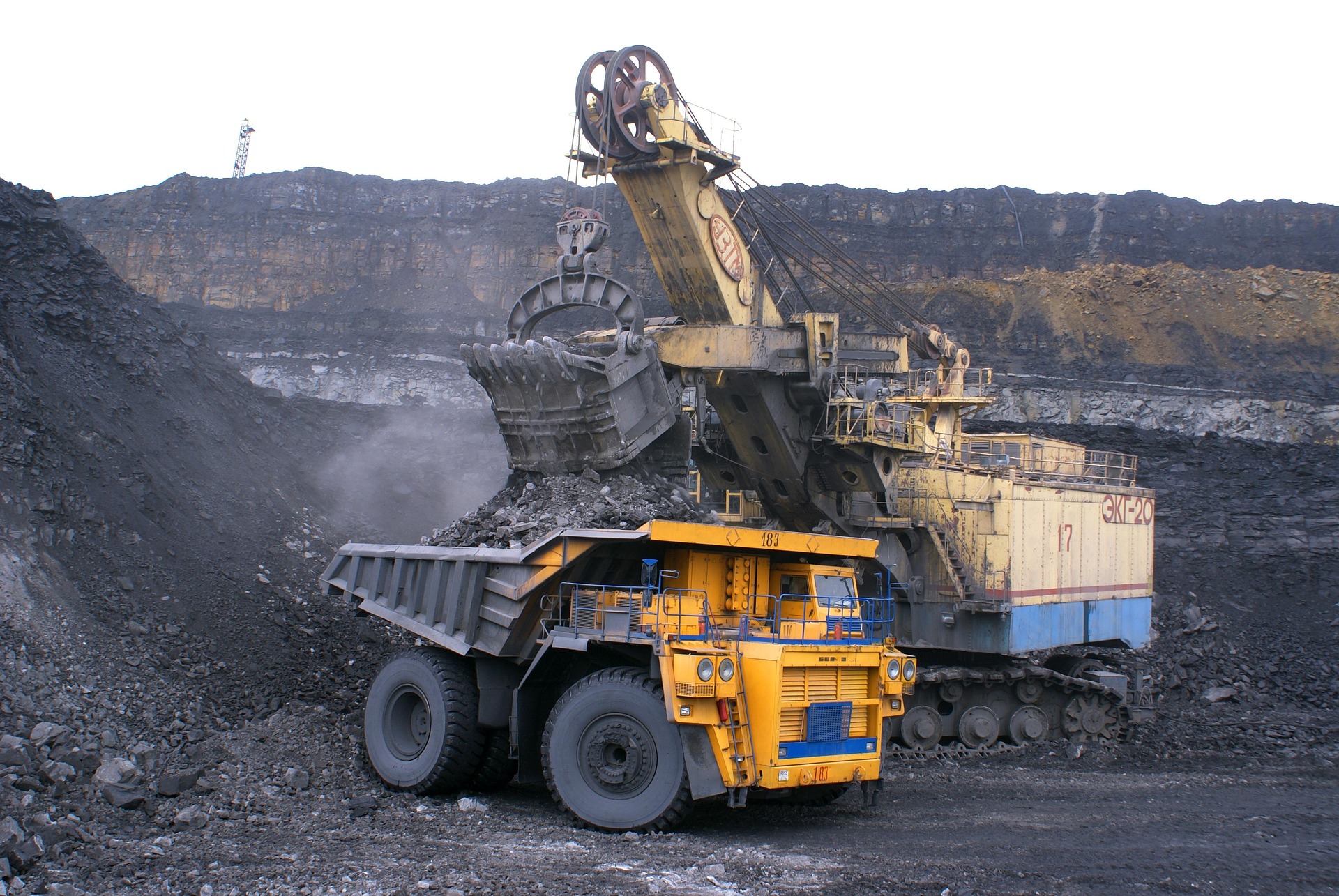
Coal: The Black Rock That Built the Modern World
Coal is a combustible black or brownish-black sedimentary rock formed from the remains of ancient plants compressed and transformed over millions of years by heat, pressure, and geological processes. It is the most abundant fossil fuel on Earth, the largest single source of electricity generation worldwide, and the energy carrier that powered the industrial revolution — the fundamental transformation of human civilization from an agrarian to an industrial economy that began in eighteenth-century Britain and reshaped every aspect of human life on Earth.
No other energy source has done more to shape the modern world than coal. The steam engines powered by coal transformed manufacturing, transportation, and agriculture. The iron and steel smelted in coke furnaces built the railroads, bridges, ships, and buildings of the industrial age. The electricity generated in coal-fired power stations illuminated cities, powered factories, and enabled the technological revolution of the twentieth century. Coal drove the rise of the great industrial powers — Britain, the United States, Germany, France, Belgium, Japan, and eventually China — and its geography determined where those powers were located and which nations rose to economic and military dominance.
Coal also left a profound mark on human society beyond its direct energy contribution. The coal mines were the crucibles of the labor movement, the places where organized industrial labor was born in the face of dangerous working conditions, long hours, child labor, and the company towns that controlled workers' lives from cradle to grave. The coalfields of Britain's Midlands and South Wales, Germany's Ruhr Valley, America's Appalachian Mountains, and Poland's Silesian basin were the heartlands of working-class industrial culture — communities built around the mine, shaped by its rhythms, united by its dangers, and devastated when it closed.
Today, coal remains one of the world's largest energy sources. Despite decades of effort to transition to alternatives, coal still provides approximately forty percent of the world's electricity and twenty-five to thirty percent of total primary energy supply. China, India, and Southeast Asia continue to build new coal power stations, and coal consumption in Asia has more than offset the significant declines in coal use in Europe and the United States. The story of coal is therefore not a story of the past but of the present — an ongoing central feature of the global energy system with immense consequences for dozens of countries and billions of people.
The Formation of Coal: Geology and Types
Coal was formed primarily from the accumulated remains of plants that grew in vast swampy forests during the Carboniferous period (approximately 359 to 299 million years ago) and, to a lesser extent, during the Permian, Triassic, Jurassic, and Cretaceous periods. The Carboniferous period takes its name precisely from the coal measures — sequences of coal-bearing rock strata — that characterize its geological record in many parts of the world.
During the Carboniferous, the land masses of the northern hemisphere were arranged differently than today, with much of what is now Europe and North America located near the equator in a warm, humid climate ideal for the growth of dense forests. These forests were dominated by giant clubmosses (Lepidodendron and Sigillaria), tree-sized ferns, seed ferns, and early conifers — plants very different from modern forest species. When these plants died, they fell into warm, oxygen-poor swampy conditions that prevented complete decomposition, accumulating instead as thick layers of peat. Over millions of years, as successive layers of sediment buried these peat deposits, the increasing pressure and temperature transformed them progressively into lignite, sub-bituminous coal, bituminous coal, and ultimately anthracite.
The degree of this transformation — called the coal rank — determines the energy content and combustion properties of the resulting coal. Peat (not technically coal but the precursor to it) has an energy content of approximately eight to twelve megajoules per kilogram. Lignite (brown coal), the lowest rank of coal, contains ten to twenty megajoules per kilogram and has a high water content of up to sixty percent. Sub-bituminous coal, with an energy content of eighteen to twenty-three megajoules per kilogram, is widely used for electricity generation. Bituminous coal, with twenty-three to thirty-three megajoules per kilogram, is the most common type used for both electricity generation and metallurgical coke production. Anthracite, the highest rank, has an energy content of thirty to thirty-three megajoules per kilogram, is nearly pure carbon, burns slowly and cleanly with very little smoke, and was historically prized for domestic heating.
The global distribution of coal reserves is heavily concentrated in a relatively small number of countries. The United States has the world's largest estimated coal reserves, followed by Russia, Australia, China, and India. Together, these five countries hold approximately seventy-five percent of the world's recoverable coal reserves. Other significant coal reserve holders include Germany (primarily lignite), Indonesia, Ukraine, Kazakhstan, and South Africa.
The Earliest Uses of Coal: Ancient and Medieval History
Coal was known and used in antiquity, though its use was scattered and limited compared to the dominant biomass fuels of the ancient world. The earliest documented use of coal is in China, where coal was used for smelting copper and iron during the Han dynasty (206 BCE-220 CE), and possibly earlier. Chinese records describe coal as "black stone that burns," and coal mines were in operation in Shaanxi province and other regions before the common era.
In Europe, the Romans used coal for heating at their outposts in Britain — excavations of Roman-era sites in northeastern England (near the modern Durham and Northumberland coalfields) have found coal ash and evidence of coal burning. The Romans called it "carbo fossilis" (earth carbon) to distinguish it from charcoal, and used it at military installations where wood fuel was scarce. The Romans did not, however, develop significant coal mining operations; their use remained opportunistic rather than systematic.
In medieval Britain, coal began to be used commercially in the northeast of England during the thirteenth century. The coastal exposure of coal seams in Northumberland and Durham — where geological processes had brought coal beds to the surface or close to it along the sea cliffs — made coal easily accessible for collection and early mining. The name "sea coal" refers to the coal that was washed onto beaches from coastal outcrops or collected from these easily accessible seams.
The coal trade from northeastern England to London began in the thirteenth century and grew steadily through the medieval and early modern periods. London's lime burners, smiths, and brewers were among the first major customers for "sea coal," which could be shipped south by boat more cheaply than wood fuel could be carted overland. By the late sixteenth century, the coastal coal trade from Newcastle and Sunderland to London was one of the largest commodity trades in England, and "the Newcastle collier" — the sturdy cargo vessel that carried coal down the English coast — was a standard feature of the English maritime economy.
The use of coal in medieval Europe was not welcomed by all. Coal smoke was far more pungent and noxious than wood smoke, and coal burning in London produced complaints from the thirteenth century onward. In 1273, the burning of sea coal was prohibited in London by royal proclamation as a source of "corrupted air." In 1306, a royal commission investigated coal smoke as a public nuisance. The objections were ultimately overridden by economic necessity as wood prices rose with deforestation and London's population grew, but the tension between coal's practical utility and its atmospheric consequences is as old as its use.
The Industrial Revolution and the Triumph of Coal
The industrial revolution — the transformation of production from artisan craft to factory-based manufacturing that began in Britain in the second half of the eighteenth century and spread across Europe and North America in the nineteenth — was powered above all by coal. The steam engine, the technology that made the industrial revolution possible, was both fueled by coal and made economically necessary by the coal mining industry itself.
Thomas Newcomen developed the first practical steam engine in 1712. The Newcomen atmospheric engine was designed specifically to pump water from coal mines that had become too deep to drain by gravity or animal power. The engine was large, slow, and enormously fuel-inefficient — but fuel was essentially free in a coal mine, and the pump it powered enabled miners to work seams that would otherwise have been inaccessible. By the middle of the eighteenth century, Newcomen engines were pumping water from collieries throughout northeastern England, South Wales, and the English Midlands, enabling the expansion of coal production that would fuel the industrial revolution.
James Watt's crucial improvements to the steam engine between 1765 and 1782 — the separate condenser, the double-acting engine, the rotary motion output, and the centrifugal governor for speed control — transformed the steam engine from a specialized pump into a universal power source capable of driving any kind of machinery. Watt's engines, manufactured under his partnership with Matthew Boulton at the Soho Manufactory in Birmingham, were rapidly adopted in cotton mills, flour mills, iron furnaces, and dozens of other industries.
The combination of Watt's improved steam engine with Abraham Darby's coke iron smelting technology created a positive feedback loop that accelerated the industrial revolution exponentially. Cheap iron made better steam engines; better steam engines enabled deeper coal mines producing cheaper coal; cheaper coal made cheaper iron. The iron steam engines and iron railroad tracks built by the industrial revolution consumed the products of the coal mines that powered them, in an expanding cycle of mutual reinforcement that drove economic growth at rates never seen in human history.
The Railroad Age: Coal as the Engine of Expansion
The construction of railways in the nineteenth century was both powered by coal and built to carry it, in a relationship so intimate that the history of coal and the history of railroads are essentially inseparable. The locomotive steam engine required coal to generate the steam that drove its pistons; the iron rails it ran on were smelted with coke; and in its early decades, the primary commercial purpose of most railway lines was to carry coal from the mine to the port, canal wharf, or industrial consumer.
The Stockton and Darlington Railway, opened in 1825 in northeastern England, is generally regarded as the world's first public steam locomotive railway. Its primary purpose was exactly this: to carry coal from the Durham coalfields to the port at Stockton on Tees, reducing transport costs and opening new markets for Darlington coal. George Stephenson, who engineered the railway and built its locomotives at his works in Newcastle, had spent his career in the coal industry before turning to railways — his father had been an engine fireman at a Northumberland colliery, and Stephenson himself had worked his way up from engine tender to chief engineer at Killingworth Colliery.
The Liverpool and Manchester Railway of 1830 — the first railway to carry both passengers and freight with steam power from its opening — demonstrated that railways could transform long-distance transportation far beyond the coal trade. But coal remained the backbone of the railway economy throughout the nineteenth century. By 1900, British railways were carrying approximately two hundred million tons of freight per year; coal and coke constituted roughly half of this total. The growth of coal traffic drove railway construction and the improvement of locomotive technology throughout the century.
In the United States, the railroad construction boom of the mid-nineteenth century opened the Appalachian coalfields to exploitation. The Baltimore and Ohio Railroad and the Philadelphia and Reading Railroad — two of America's earliest major railways — were built specifically to carry coal from the Pennsylvania anthracite fields to the eastern seaboard. The opening of the Pennsylvania anthracite fields transformed American energy supply: Pennsylvania anthracite heated the homes of New York and Philadelphia, powered the iron furnaces of Pennsylvania and New Jersey, and drove the industrial expansion of the American northeast in the decades before the Civil War.
Germany's coal-fired industrial revolution followed a similar trajectory, anchored in the Ruhr Valley. The combination of excellent coking coal in the Ruhr, iron ore imported from Lorraine and Sweden, and excellent inland waterway and railway connections created the most powerful industrial complex in continental Europe by the late nineteenth century. The Krupp steel works at Essen, the Thyssen works at Duisburg, and the dozens of other iron and steel producers of the Ruhr valley were among the largest industrial enterprises in the world, and their products — armor plate, cannon, railway equipment, structural steel — were the physical expression of Germany's rapid rise to industrial power.
The Coking Coal Industry and Steel Production
Metallurgical coke — produced by heating bituminous coal in coke ovens to drive off volatile compounds, leaving nearly pure carbon — became the essential reductant in the blast furnace steelmaking that powered the industrial era and remains central to global steel production today. The development of high-quality coking coal deposits, and the industries built around them, shaped the economic geography of industrialization worldwide.
The chemistry of coke smelting requires that the coke be both strong enough to support the iron ore burden in the blast furnace and pure enough to avoid contaminating the iron with sulfur and other impurities. Not all bituminous coals can make good metallurgical coke; the specific petrographic properties of the coal — its vitrinite content, its volatile matter content, its coking behavior when heated — determine whether it will form a coherent, strong coke or a weak, crumbly one. This selectivity made certain coalfields — Pennsylvania's Connellsville seam, the coking coals of Durham and Yorkshire in England, the Ruhr coals of Germany — particularly valuable and drove intense competition for control of these premium resources.
The Bessemer converter, invented by Henry Bessemer in 1856, and the open-hearth furnace, developed by Carl Wilhelm Siemens and Pierre-Émile Martin in the 1860s, dramatically increased the scale and efficiency of steel production, creating demand for coking coal on a scale that even the expanding coke industry struggled to meet. The United States Steel Corporation, formed in 1901 through the merger of multiple steel and coal companies by J.P. Morgan and Charles Schwab, was at its formation the world's largest corporation by capitalization — a reflection of the central importance of coal and steel to the American economy at the dawn of the twentieth century.
The global coking coal trade today is dominated by Australia, which has the world's most extensive deposits of premium hard coking coal. Australian coking coal exports — primarily from Queensland's Bowen Basin — supply steelmakers in Japan, South Korea, China, India, and throughout Asia. The volume of this trade makes Australian ports like Newcastle and Gladstone among the world's largest coal export facilities.
Coal Mining Technology: from Hand to Machine
The technology of coal extraction evolved over centuries from the simplest manual methods to the highly mechanized operations of the modern era. This technological evolution was driven by the need to access increasingly deep and difficult seams as more accessible coal was exhausted, and by the desire to reduce the enormous labor costs of a highly labor-intensive industry.
The earliest coal mining in Britain was simple: where coal seams outcropped at the surface or lay close to it, miners could dig shallow open-cast workings or bell-pit shafts — wide at the bottom, narrow at the top, like an inverted bell — to extract the coal directly. Bell-pit mining was limited in depth by the instability of the surrounding rock and the difficulty of removing coal from deep workings; once a bell-pit had been exploited to its practical limit, it was abandoned and a new one dug nearby. The landscapes of early mining districts were often dotted with the depressions left by hundreds of abandoned bell-pits.
As surface coal was exhausted, miners were forced to go deeper, digging vertical shafts and horizontal tunnels (drifts or galleries) to follow the coal seams underground. The fundamental challenges of deep mining were ventilation (providing breathable air and preventing the accumulation of explosive gases), drainage (removing the water that flooded most underground workings), haulage (moving coal from the face to the shaft bottom), and hoisting (raising coal from the shaft to the surface).
The explosive gas that accumulated in coal mines — called "firedamp" and composed primarily of methane — was the most feared hazard of the early mining industry. Methane is colorless and odorless, accumulates in the upper parts of mine workings, and ignites explosively at concentrations of between five and fifteen percent in air. Underground explosions caused enormous loss of life throughout the history of coal mining. The Hartley Colliery disaster of 1862, in which 204 miners were trapped and killed when the single shaft was blocked by a broken pump beam, led to legislation requiring all British mines to have at least two shafts.
Humphry Davy's invention of the safety lamp in 1815 — a wire gauze-enclosed flame that could detect methane without igniting it and could burn in low-oxygen conditions — was a major safety advance. The Davy lamp allowed miners to detect dangerous gas accumulations before they reached explosive concentrations and to work in areas that had previously been inaccessible due to gas risk. George Stephenson independently developed a similar lamp at almost the same time, leading to a bitter priority dispute between the two men.
Mechanical coal cutting machines — first powered by compressed air and later by electricity — began replacing hand cutting in the late nineteenth century. The coal cutter used rotating cutting disks or picks to undercut the coal seam, allowing it to be broken away in large pieces. The development of conveyor belt systems to move cut coal from the face to the shaft bottom, and the adoption of electrically powered hoisting engines at the surface, progressively reduced the labor required to mine a ton of coal through the first half of the twentieth century.
Longwall mining — a method in which the entire face of a coal seam, sometimes hundreds of meters wide, is extracted in a single continuous operation by a shearer (a rotating cutting drum) moving back and forth across the face while hydraulic roof supports advance behind it — emerged as the dominant deep mining technique in the twentieth century. In longwall mining, the roof behind the supports is allowed to cave in, eliminating the need for permanent roof support structures but requiring that surface structures above the mined area be designed to accommodate subsidence.
Coal and Electricity Generation
The use of coal for electricity generation began with the opening of the world's first coal-fired public electricity generating station at Holborn Viaduct in London, which began operation on January 12, 1882. Built by Thomas Edison's Edison Electric Light Company, it initially lit nearly one thousand street lamps along Holborn. Edison then opened his more famous Pearl Street Station in New York City in September 1882 — several months after Holborn. These early stations used direct current and could supply only a limited radius, but they demonstrated the commercial viability of electric power supply and initiated one of the most significant technological transformations in human history.
The development of alternating current (AC) transmission by Nikola Tesla and George Westinghouse in the 1880s, and the invention of the transformer (which allowed AC voltage to be stepped up for long-distance transmission and stepped down again for local distribution), overcame the distance limitation of direct current and made it possible to build large central power stations supplying electricity over wide areas. Coal was the natural fuel for these large central stations: it was cheap, energy-dense, and available in large quantities, and it could be stored on site to ensure reliable supply.
The steam turbine, invented by Charles Parsons in 1884, replaced the reciprocating steam engine as the preferred prime mover for electricity generation. The Parsons steam turbine converted the kinetic energy of steam directly into rotational motion without the back-and-forth piston movement of the reciprocating engine, enabling much higher speeds, larger scales, and greater efficiency. Parsons' first commercial turbogenerator produced 7.5 kilowatts; modern coal-fired power station turbines generate over 1,000 megawatts — an improvement in scale of more than 130,000 times in under 150 years.
The electrification of industry, transportation, and domestic life in the late nineteenth and twentieth centuries was powered overwhelmingly by coal. By the mid-twentieth century, coal-fired power stations generated the majority of electricity in most of the world's industrialized nations. The post-World War II economic boom, with its enormous growth in consumer electronics, household appliances, industrial machinery, and electrified transportation, drove coal consumption to levels far exceeding anything in the previous history of the industry.
The Coal Industry and the Labor Movement
The history of organized labor in the industrialized world is inseparable from the history of coal mining. The coal mines were among the first industries to employ large numbers of workers in dangerous, physically demanding conditions far from the oversight of traditional social structures, and the mining communities that grew up around them developed strong traditions of collective organization and mutual aid that became the foundation of the modern labor movement.
The physical dangers of coal mining created powerful incentives for collective action. Individual miners had no way to negotiate safety conditions with mine owners; organized collectives could demand that ventilation be maintained, that dangerous areas be barricaded, and that injured miners be compensated. The earliest mining trade unions in Britain — some dating to the eighteenth century — were primarily organized around safety concerns, with pay and conditions as secondary demands.
The Chartist movement in Britain, the first mass working-class political movement in the world, drew much of its support from the coalfields of South Wales, northeast England, and the Scottish Midlands in the 1830s and 1840s. Chartist demands — for universal male suffrage, a secret ballot, payment of members of Parliament, and other democratic reforms — reflected the political exclusion of the mining working class from a system dominated by landowners and industrialists.
In the United States, the United Mine Workers of America (UMWA), founded in 1890, became one of the most powerful unions in American labor history under leaders including John Mitchell and John L. Lewis. Lewis, who led the UMWA from 1920 to 1960, was one of the most influential figures in American labor history — a charismatic, combative leader who built the UMWA into a major political force and helped found the Congress of Industrial Organizations (CIO), which organized industrial workers in mass production industries across the American economy.
The Welsh coal industry spawned the modern British Labour Party. The Miners' Federation of Great Britain, founded in 1888, provided crucial financial and organizational support for the formation of the Labour Representation Committee in 1900, which became the Labour Party in 1906. The coal miners' determination to elect their own political representatives, rather than relying on sympathetic Liberal members of Parliament, was a decisive step in the creation of the modern British democratic system.
Coal and the World Wars
The two World Wars of the twentieth century were, at their material foundation, coal wars — conflicts in which the industrial capacity of each side, fueled above all by coal, was as decisive as the military genius of its commanders. The nation that could dig the most coal, smelt the most steel, produce the most munitions, and fuel the most warships and locomotives held a profound material advantage.
In World War I, the British naval blockade of Germany was designed precisely to deny Germany access to overseas raw materials while maintaining Britain's access to global coal markets. Germany's industrial heartland in the Ruhr was sustained by its own coal, but the loss of imported iron ore and other materials constrained German war production. The German occupation of Belgium and northern France in 1914 was militarily motivated in part by the coal and iron resources of those regions; the coal mines of Belgium's Liège basin and France's Nord-Pas-de-Calais coalfields were immediately put to work for German war production.
The loss of Lorraine's iron ore after the Franco-Prussian War of 1870-71 had been one of France's greatest economic injuries; the French understanding of World War I as a war to recover Lorraine was therefore partly a war over industrial resources. When France recovered Lorraine in 1918, it regained not only national territory but a major source of iron ore essential to its heavy industry.
World War II's industrial dimension was even more starkly expressed in coal terms. American coal production in 1944 — the peak war production year — reached approximately 620 million short tons, the highest in American history. The mines of Appalachia ran three shifts per day and seven days per week to supply the steel mills, munitions plants, and shipyards that made the United States the "arsenal of democracy." The German Ruhr Valley — whose coalfields produced approximately seventy percent of Germany's metallurgical coke and a similar proportion of its steel — was accordingly the primary target of Allied strategic bombing from 1942 onward. The dams of the Ruhr, bombed in the famous Dambusters raid of May 1943, were targeted specifically because they provided water for Ruhr industrial processes.
Japan's vulnerability in World War II was similarly linked to coal supply. Japan's limited domestic coal resources were supplemented by imports from China (particularly from the mines of Manchuria, occupied by Japan from 1931) and from the Dutch East Indies. As American submarine warfare and air power progressively disrupted Japanese shipping from 1943 onward, Japan's industrial production — dependent on imported coal and other raw materials — was strangled.
The Coal Industry in China: from Ancient Use to Global Dominance
China's relationship with coal spans more than two millennia, from ancient times through the modern era, and today China is simultaneously the world's largest coal producer and the world's largest coal consumer — by such enormous margins that Chinese coal decisions shape global energy markets and determine whether world coal consumption rises or falls.
The Chinese use of coal for smelting and heating, as noted above, dates to the Han dynasty (206 BCE-220 CE) and possibly earlier. The Song dynasty (960-1279 CE) was characterized by what some economic historians have called China's "proto-industrial revolution" — a period of rapid technological development including the large-scale use of coal for iron smelting in northern China, particularly in the areas around present-day Henan and Hebei provinces. Song dynasty iron production may have been the largest in the world at that time, and it was powered by coal at a time when European ironmakers were still entirely dependent on charcoal.
The Mongol invasion in the thirteenth century disrupted Chinese industrial development and the coal-iron economy it had supported. Chinese coal use contracted significantly under the Yuan dynasty and did not fully recover until the Ming dynasty. European travelers to China in the late thirteenth century — most famously Marco Polo — reported with astonishment on the Chinese use of "black stones that burn like wood" for heating, a technology unknown in most of Europe at the time.
China's modern coal industry developed from the late nineteenth century onward, initially under the influence of foreign capital and technology. The Kaiping coal mines in Hebei province, developed from the 1870s with British technical assistance, were among the earliest large-scale modern coal operations in China. The coal mines of Manchuria, Shanxi, and Hebei expanded rapidly under Japanese control and occupation in the early twentieth century.
After the founding of the People's Republic in 1949, coal development became a central priority of the planned economy. The Five-Year Plans of the 1950s and 1960s placed enormous emphasis on coal production as the foundation of Chinese industrial development. The Daqing oilfield developed in the 1960s, but oil was for the most part used for chemicals and transportation, while coal remained the foundation of Chinese power generation and heavy industry.
The post-1978 economic reforms unleashed an unprecedented expansion of coal production and consumption. China's economy grew at approximately ten percent per year for three decades, and its electricity consumption grew even faster. New coal-fired power stations were built across China at a rate of roughly two large units per week at the peak of the construction boom in the early 2000s. By 2010, China was consuming more coal than the rest of the world combined — a concentration of coal demand without historical precedent.
China produced approximately 4.7 billion metric tons of coal in 2023, more than fifty percent of world production. China consumes approximately fifty-five percent of the world's coal, nearly all of it domestically produced with a residual import balance primarily from Australia, Indonesia, and Russia. The Shanxi province alone, sometimes called "China's coal sea," produces more coal per year than any country outside China.
Coal in the United States: History and Current Status
The United States has the world's largest estimated coal reserves and a coal history that spans more than three centuries, from the first commercial mining in Virginia in the late seventeenth century to the global coal giant of the twentieth century and the declining producer of the twenty-first.
The first commercial coal mine in what is now the United States was opened near Richmond, Virginia, in 1748, exploiting the coal in the James River basin. Pennsylvania's anthracite coalfields — the largest high-quality anthracite deposits in the Western hemisphere — were opened in the early nineteenth century. The Lackawanna and Wyoming Valleys of northeastern Pennsylvania became the heart of the American anthracite industry, supplying the high-quality heating coal that warmed the homes and businesses of the northeastern seaboard from the 1820s through the early twentieth century.
American coal production grew steadily through the nineteenth century and accelerated dramatically after the Civil War, driven by the rapid industrialization of the American economy and the expansion of the railroad network. By the early twentieth century, the United States was the world's largest coal producer and had become the world's largest industrial economy, powered overwhelmingly by coal. The coal strikes of 1902 — when the UMWA under John Mitchell struck the anthracite fields and President Theodore Roosevelt intervened to force arbitration — were a landmark in American political history, the first time a president had intervened in a labor dispute as a mediator rather than on the side of management.
American coal production peaked in 2008 at approximately 1.17 billion short tons. Since then, production has declined significantly — to approximately 578 million short tons in 2023 — driven primarily by competition from cheap natural gas produced by the shale revolution, which displaced coal in electricity generation in many regions. The decline of American coal has been concentrated in Appalachian mining communities, where the closure of mines and power stations has created severe economic hardship in regions heavily dependent on the coal industry.
The political economy of coal decline has been one of the most contentious issues in American politics. Coal-producing states including West Virginia, Kentucky, Wyoming, and Montana have argued strenuously for policies supporting the coal industry, while other states and the federal government have pursued policies promoting coal's replacement by natural gas, nuclear, and renewable energy. The tension between these interests shaped American energy and trade policy through the Obama, Trump, and Biden administrations.
Major Coal Producing and Consuming Countries
The geography of coal production and consumption in the twenty-first century is dominated by Asia, with China and India together accounting for the majority of global coal consumption and production.
China, as noted above, produces approximately fifty percent of the world's coal and consumes approximately fifty-five percent. The gap between production and consumption is met by imports, primarily from Indonesia, Australia, Russia, and Mongolia. China's coal is used primarily for electricity generation (approximately fifty-five percent of Chinese electricity comes from coal) and for industrial processes including steel, cement, and chemicals production.
India is the world's second largest coal consumer and third largest producer. India's coal consumption has grown rapidly as the country has expanded its electricity generation capacity to meet the needs of its growing population and industrializing economy. India's power sector relies on coal for approximately seventy percent of its electricity generation. Indian coal is produced primarily in the states of Jharkhand, Odisha, Chhattisgarh, West Bengal, and Madhya Pradesh; the majority is produced by Coal India Limited, the world's largest coal mining company by production volume.
The United States, Russia, and Australia are the world's largest coal exporters by volume. Australia's coal exports — particularly its premium coking coal from Queensland's Bowen Basin — are central to the global steel industry. Russia exports coal from the Kuzbass (Kuznetsk Basin) in western Siberia, the Kansk-Achinsk basin in central Siberia, and several other regions. Indonesia is the world's largest exporter of thermal coal (coal for electricity generation), supplying primarily Asian customers.
Germany has the world's largest deposits of lignite (brown coal) and continues to mine it in large open-cast operations in the Rhineland and Lusatia regions, where the deposits lie close to the surface and can be extracted with giant excavating machines. German lignite is used primarily for electricity generation at dedicated power stations located adjacent to the mines. Germany's lignite operations are among the most politically contested in Europe, with protesters occupying the Hambach Forest — which stands above a lignite deposit — in an ongoing campaign against mine expansion.
Poland is the most coal-dependent major European economy. Coal provides approximately sixty to seventy percent of Polish electricity generation and is politically significant as the foundation of a large unionized mining industry. Poland's coal regions — particularly the Silesian coalfield in the south — have been centers of industrial civilization for more than a century, and the political and economic challenges of coal transition are more acute in Poland than in most other European countries.
South Africa is the most coal-dependent major economy in Africa. Coal provides approximately ninety percent of South Africa's electricity, generated by the large coal-fired power stations of Eskom, the state electricity utility. South Africa's Witwatersrand basin was discovered in 1886 and became the largest goldfield in the world; the gold mines and the industrial economy they supported were powered from the beginning by the abundant coal deposits of the adjacent Waterberg and Witbank coalfields.
Coal Technology Improvements over Time
The history of coal technology is a story of continuous improvement in extraction efficiency, combustion efficiency, and environmental performance, driven by economic pressure, regulatory requirements, and engineering innovation.
In coal extraction, the transition from hand-cutting to mechanized longwall mining reduced labor requirements per ton of coal by ninety percent or more over the course of the twentieth century. The shearer — a rotating drum cutter that traverses the coalface, cutting coal that falls onto a conveyor behind it — was developed in Britain in the 1950s and spread rapidly through the world's deep coal mines. Continuous miners (rotating drum cutters used in room-and-pillar mines) and surface mining equipment (walking draglines, rotary bucket-wheel excavators) similarly transformed productivity in their respective applications.
In combustion technology, pulverized fuel (PF) boilers — in which coal is ground to a fine powder and blown into the furnace for combustion in suspension — replaced the older stoker-fired boilers from the 1920s onward. PF boilers achieve higher combustion efficiency, can handle a wider range of coal qualities, and produce less ash residue per unit of heat than stoker boilers. Modern supercritical and ultra-supercritical steam conditions (above 22 megapascals and 593 degrees Celsius) push power plant efficiencies to forty-five to fifty percent of the energy content of the coal, compared to thirty to thirty-five percent for conventional subcritical plants.
Fluidized bed combustion (FBC) — in which coal is burned in a bed of sand or limestone particles kept in turbulent suspension by air jets — enables the combustion of low-quality coals including lignite, washery rejects, and mine waste that would not burn efficiently in conventional pulverized fuel boilers. FBC also reduces sulfur dioxide emissions by allowing limestone to be added to the combustion bed, where it reacts with sulfur in the coal to form calcium sulfate. Circulating fluidized bed (CFB) boilers, developed from the 1980s, have become one of the most widely used technologies for burning difficult fuels.
Integrated gasification combined cycle (IGCC) technology converts coal to synthesis gas (a mixture of hydrogen and carbon monoxide) which is then burned in a gas turbine. The waste heat from the gas turbine is used to generate steam for a second steam turbine — the "combined cycle" configuration that achieves significantly higher electrical efficiency than conventional steam turbines. IGCC plants also enable the separation of carbon dioxide before combustion, a potential pathway to coal-fired power generation with very low atmospheric emissions.
The Great Coal Strikes and Their Political Consequences
The coal industry's combination of dangerous conditions, isolated communities, and large numbers of workers in a single enterprise made it uniquely fertile ground for labor organizing, and the great coal strikes of the late nineteenth and early twentieth centuries were among the most politically consequential events in the democracies that experienced them.
The Great Anthracite Strike of 1902 in Pennsylvania stands as a landmark in American labor history. The United Mine Workers of America, led by John Mitchell, called out approximately 147,000 workers in the anthracite coalfields of northeastern Pennsylvania on May 12, 1902, in a dispute over wages, hours, and union recognition. The strike dragged on through the summer and into autumn, threatening to deprive the northeastern United States of the anthracite coal that heated its homes and businesses as winter approached. President Theodore Roosevelt — the first American president to intervene actively in a labor dispute as a mediator rather than as an opponent of the strikers — summoned both sides to the White House in October and threatened to seize the mines with federal troops. A settlement was reached in October, granting workers a wage increase and shorter hours, though not formal union recognition. The episode established the principle that the federal government had a legitimate interest in ensuring that critical industries continued to operate.
The British General Strike of 1926 originated in the coal industry. The mine owners, facing falling coal prices after Britain returned to the gold standard in 1925 (which made British exports more expensive), demanded wage cuts and longer hours from miners. The Miners' Federation refused: the miners' slogan was "Not a penny off the pay, not a minute on the day." The Trades Union Congress (TUC) called a general strike in support of the miners on May 4, 1926. For nine days, transport workers, printers, builders, and other workers across Britain stopped work — the only general strike in British history. The government declared a state of emergency, mobilized the military, and organized volunteer workers to keep essential services running. The TUC called off the general strike after nine days without achieving its objectives, but the miners continued their strike until November 1926, when starvation drove them back to work on the owners' terms. The episode left deep bitterness in British working-class communities and shaped the Labour movement for a generation.
The British Miners' Strike of 1984-85, led by the National Union of Mineworkers under Arthur Scargill against the Conservative government of Margaret Thatcher, was one of the most divisive episodes in modern British history. Thatcher's government had been preparing since the late 1970s for a confrontation with the miners — building coal stockpiles, introducing new legislation limiting strike action, and appointing Ian MacGregor to lead the National Coal Board with a brief to restructure the industry. When MacGregor announced pit closures in March 1984, Scargill called a strike without a national ballot, a decision that proved legally and politically damaging. The strike lasted a year, ending in March 1985 with the miners returning to work without any concessions. The defeat of the miners' strike accelerated the restructuring of the British coal industry and the broader weakening of trade union power in Britain that characterized the Thatcher era.
Coal's Decline in the Western World
The second half of the twentieth century saw coal lose its dominant position in the energy mix of Western Europe and North America, displaced by petroleum, natural gas, and — for electricity generation — nuclear power and eventually renewable energy. This transition did not happen everywhere at the same speed or for the same reasons, and its social consequences were profound in communities that had organized their entire existence around the coal industry.
In the United Kingdom, coal employment fell from approximately 600,000 miners in 1947 to approximately 10,000 today. The contraction was driven by a combination of cheap oil in the 1950s and 1960s, competition from natural gas from the North Sea after 1967, the development of nuclear power, and ultimately the restructuring of the British coal industry following the 1984-85 miners' strike. The coal mining regions of South Wales, Yorkshire, Durham, Nottinghamshire, and Scotland, which had been the industrial heartland of Britain for two centuries, faced severe economic contraction as mine after mine closed. The consequences — long-term unemployment, poor health outcomes, social fragmentation, and deep political alienation — are still visible in many of these communities decades later.
In the United States, the Appalachian coalfields of West Virginia, Kentucky, and southwestern Virginia experienced a similar contraction, though spread over a longer period and driven primarily by competition from cheaper surface-mined coal from Wyoming's Powder River Basin and, after 2008, from cheap natural gas produced by hydraulic fracturing. Appalachian coal employment fell from approximately 180,000 in 1979 to approximately 16,000 in 2023. The social consequences — again, unemployment, opioid addiction, poverty, and political radicalization — mirror those of the British coalfields and represent one of the most significant examples of regional economic dislocation in contemporary America.
Germany's coal transition has been managed more deliberately through a negotiated "structural adjustment" process that provides compensation for workers and coal-producing regions, funds retraining programs, and sets a clear timeline for mine closures. Germany committed to ending hard coal (bituminous coal) mining in 2018 and has set 2038 as the target date for ending lignite (brown coal) mining. The scale of the challenge — Germany's lignite mines employ approximately 20,000 people directly in regions with few alternative employers — has made the transition controversial and politically complex.
Coal and Electricity: the Global Picture Today
Coal remains the world's largest single source of electricity generation, providing approximately forty percent of global electricity in the early twenty-first century — a proportion that reflects both its continued dominance in Asia and the significant declines in its share in Europe and North America.
The International Energy Agency's data shows that coal-fired electricity generation reached a record high of approximately 10,400 terawatt-hours in 2022 and remained at historically high levels in subsequent years, driven by growth in Asia more than offsetting declines elsewhere. China and India together account for approximately seventy percent of world coal-fired electricity generation.
Japan, which dramatically increased its reliance on coal after the 2011 Fukushima nuclear disaster prompted the shutdown of its nuclear fleet, has committed to a long-term transition away from coal but continues to operate a large number of coal-fired power stations. Japan imports coal from Australia, Indonesia, and Russia for both electricity generation and steelmaking.
South Korea is one of the world's largest per-capita coal consumers for electricity generation, importing coal from Australia, Indonesia, and the United States. Korea's large steelmaking and heavy industrial sector also requires significant quantities of coking coal. The Korean government has set targets for reducing coal's share of electricity generation but faces challenges from the high capital costs of decommissioning relatively new coal plants.
Inventions and Innovators in Coal History
Several key inventors and innovators stand out in the long history of coal technology. Thomas Savery (c. 1650-1715) developed the first steam-powered pump, patented in 1698, which used steam pressure directly (without a piston) to lift water. Though inefficient and limited in its application, Savery's "Miner's Friend" pump demonstrated that steam could do mechanical work and inspired subsequent inventors.
Thomas Newcomen (1664-1729) developed the first practical atmospheric steam engine in 1712, specifically designed to pump water from coal mines. Newcomen's engine used a piston in a cylinder; when steam was admitted to the cylinder and then condensed by a cold water spray, the resulting partial vacuum allowed atmospheric pressure to push the piston down, performing work. Though fuel-inefficient (it required enormous quantities of coal to pump modest amounts of water), the Newcomen engine was enormously successful in the coal mining application where fuel was essentially free.
James Watt (1736-1819) made the transformative improvements to the steam engine — the separate condenser (1769), the double-acting engine (1782), the rotary motion output, and the centrifugal governor — that turned the steam engine from a specialized mining pump into a universal power source. Watt's partnership with the Birmingham manufacturer Matthew Boulton created the most commercially successful engineering enterprise of the eighteenth century.
Humphry Davy (1778-1829) invented the miners' safety lamp in 1815, one of the most important safety innovations in the history of mining. Davy's work applied his scientific knowledge of combustion chemistry to a practical safety problem, demonstrating that science could contribute directly to industrial safety.
Charles Parsons (1854-1931) invented the steam turbine in 1884. The Parsons turbine transformed electricity generation by enabling the construction of much larger and more efficient generating sets than the reciprocating steam engines it replaced. Parsons demonstrated the turbine's capabilities spectacularly by fitting it to a small boat, the Turbinia, which he drove at thirty-four knots through the assembled fleet at the Queen's Diamond Jubilee naval review in 1897 — an unauthorized but highly effective demonstration of the technology's potential.
Coal Byproducts and the Chemical Industry
Beyond its use as a fuel, coal has been the source of an extraordinary range of chemical products — dyes, medicines, explosives, solvents, and plastics — that defined much of the chemical industry from the mid-nineteenth century through the mid-twentieth. The coal tar chemicals industry, which extracted valuable organic compounds from the byproducts of coal carbonization (coke-making), was one of the most important sectors of the industrial economy.
Coal tar — the thick, viscous black liquid produced as a byproduct of coal carbonization — contains hundreds of chemical compounds, many of them of great industrial value. The systematic investigation of coal tar chemistry began with William Henry Perkin's accidental discovery in 1856 of mauveine — the first synthetic dye — while attempting to synthesize quinine from coal tar compounds. Perkin was eighteen years old at the time of his discovery, which he made while working in his home laboratory during an Easter vacation from the Royal College of Chemistry. Mauveine proved commercially viable and launched the synthetic dye industry that would come to be dominated by German chemical companies — BASF, Bayer, Hoechst — whose mastery of coal tar chemistry gave them a commanding position in global chemical markets by the late nineteenth century.
The explosive trinitrotoluene (TNT) was first prepared from toluene — itself derived from coal tar — in 1863, and became the standard military explosive of both World Wars. Phenol (also from coal tar) was used in the manufacture of Bakelite, the first synthetic plastic, invented by Leo Baekeland in 1907. Naphthalene from coal tar was used for mothballs. Benzene, also from coal tar, became a crucial intermediate chemical for the synthesis of hundreds of other compounds.
The coal tar chemicals industry was a major driver of German industrial and military power in the early twentieth century. Germany's mastery of synthetic dyes (which replaced the natural indigo and madder dyes previously imported from Asia and Europe) gave it a dominant position in global textile markets. Germany's ability to synthesize nitrate explosives from nitrogen in the air (the Haber-Bosch process, developed in 1909-1913) reduced its dependence on Chilean nitrate imports for explosives and agricultural fertilizers, with profound consequences for World War I.
Coal Gas: the Precursor to Natural Gas Supply
Before natural gas was extracted from the earth in commercial quantities, coal gas — produced by the destructive distillation of coal — provided the gaseous fuel for lighting, cooking, and heating in the cities of Europe and North America. The coal gas industry, which began in the early nineteenth century and continued operating in most major cities until the mid-twentieth century, was the first infrastructure for piped fuel supply and created the distribution networks, metering systems, safety standards, and consumer appliances that natural gas would later inherit.
The pioneering work in coal gas lighting was done by William Murdoch, a Scottish engineer working for Boulton and Watt, who first illuminated his own home in Redruth, Cornwall, with coal gas in 1792. He then demonstrated gas lighting at the Boulton and Watt factory in Birmingham in 1802, using gas made in a small retort from coal to light the celebration of the Peace of Amiens. Friedrich Albert Winzer (anglicized as Frederick Winzer or Frederick Winsor) took gas lighting commercial, demonstrating it on Pall Mall in London in January 1807 and establishing the Gas Light and Coke Company in 1812 — the world's first gas utility — to supply gas lighting to Westminster.
The spread of coal gas street lighting across European and American cities through the first half of the nineteenth century transformed urban life. Before gas lighting, cities depended on oil lamps and candles for outdoor illumination; gas lamps were far brighter, more reliable, and less expensive. The gaslights of Victorian London, Paris, and New York became iconic features of those cities' identities. By 1850, most major European cities and many American ones had extensive gas distribution systems, and gas lighting had largely replaced oil lamps in streets, shops, factories, and prosperous homes.
The domestic gas stove was developed in the 1820s and 1830s, offering a cleaner, more controllable cooking heat than the open coal fires it replaced. James Sharp, a worker at a Northampton gas company, is credited with the first practical domestic gas cooker, which he installed in his own home in 1826. The adoption of gas cooking was initially slow — open coal fires and ranges were deeply embedded in domestic practice — but it accelerated through the second half of the nineteenth century as gas distribution expanded and appliance design improved.
The transition from coal gas to natural gas in the mid-twentieth century occurred primarily as natural gas became available in large quantities from underground deposits. In the United States, natural gas largely displaced manufactured coal gas from the 1930s onward as pipeline infrastructure expanded from the Texas and Oklahoma gas fields to the northeast and midwest. In Britain, the discovery of North Sea natural gas in the 1960s drove a rapid conversion of the gas distribution system from coal gas to natural gas — the "natural gas conversion" of the late 1960s and early 1970s required the modification or replacement of approximately 35 million domestic appliances, the largest peacetime logistics exercise in British history.
Coal in the Developing World: India, Indonesia, and Africa
While coal's role in the energy systems of Western Europe and North America has been declining, it continues to expand in parts of the developing world — particularly in South and Southeast Asia — where the combination of abundant coal resources, large populations requiring affordable electricity, and the practical urgency of economic development has maintained coal as the fuel of choice for power generation.
India's coal story is one of the defining energy narratives of the twenty-first century. India is the world's third largest coal producer, the world's second largest coal importer, and has one of the fastest-growing coal demand trajectories of any major economy. The Indian government has consistently argued that coal is essential to India's energy security and development objectives, and that wealthy countries that developed on coal cannot legitimately deny developing countries access to the same energy source that powered their own industrialization.
Coal India Limited (CIL), the state-owned coal mining company established in 1975, is the world's largest coal mining company by production volume, mining approximately 700-800 million metric tons per year from open-cast and underground mines across the states of Jharkhand, Odisha, Chhattisgarh, West Bengal, and Madhya Pradesh. CIL is also one of India's largest employers, with approximately 250,000 employees. The coal produced by CIL is supplied primarily to thermal power stations under long-term supply agreements at regulated prices, providing a degree of energy price stability for the power sector.
Indonesia has become one of the world's largest coal exporters, with exports of approximately 500 million metric tons per year supplying primarily China, India, Japan, South Korea, and other Asian markets. Indonesia's coal is predominantly sub-bituminous thermal coal from the island of Kalimantan (Indonesian Borneo) and South Sumatra. The Indonesian coal industry is dominated by a handful of large private companies with close connections to Indonesia's political elite, and coal royalties and export taxes are a significant source of government revenue.
South African coal, produced primarily in Mpumalanga province, powers approximately ninety percent of South Africa's electricity through the giant coal-fired power stations operated by Eskom, the state electricity utility. South Africa's coal industry is one of the country's largest employers and a major source of export earnings, with substantial coal exports going to Europe and Asia through the Richards Bay Coal Terminal. The centrality of coal to South Africa's energy system and economy makes the energy transition particularly challenging.
Mozambique, Zimbabwe, Tanzania, and other sub-Saharan African countries have significant coal reserves and are at various stages of developing them to provide affordable electricity for populations that currently have limited or unreliable power access. The tension between the desire to use coal for affordable industrialization and the international pressure to avoid new coal development is one of the central energy justice debates of the current era.
The Future of Coal
The future trajectory of coal is the subject of intense debate among energy analysts, economists, and policymakers. The trajectory differs dramatically by region and by application.
In electricity generation in Europe and the United States, coal's retreat appears inexorable. A combination of low-cost natural gas (particularly in the United States following the shale revolution), falling costs of wind and solar power, and policy-driven carbon pricing and emission standards has made new coal power investment uneconomic in most of these markets. Most major European countries have set dates for phasing out coal power — the United Kingdom ended coal power generation in 2024, Germany plans to do so by 2038, and most other European nations have similar targets.
In metallurgical applications, coal's outlook is more complicated. The steelmaking process — which requires either coking coal or an alternative reducing agent to convert iron ore to iron — is more difficult to decarbonize than electricity generation. Alternative routes including hydrogen direct reduction (using hydrogen as the reducing agent instead of coke), electric arc furnaces using scrap steel, and molten oxide electrolysis are being developed, but have not yet been demonstrated at the scale and cost necessary to displace conventional coal-based steelmaking.
In Asia — particularly in China, India, and Southeast Asia — coal demand may not peak until the 2030s or beyond, according to most mainstream projections. The combination of large populations with limited access to electricity, rapid economic development, and the practical and political difficulties of transitioning existing coal infrastructure creates powerful structural inertia. China has announced net-zero targets for 2060 and has been expanding renewable energy capacity faster than any other country, but it has also continued to build new coal power stations at a pace that has alarmed international observers.
The International Energy Agency's scenarios for global coal demand through 2050 range widely depending on assumptions about policy ambition, technology development, and economic growth. In the IEA's Net Zero Emissions by 2050 scenario, coal is largely phased out of electricity generation globally by the 2030s and reduced to minimal levels by 2050 across all uses except steelmaking with carbon capture. In the IEA's Announced Pledges scenario, which takes current government commitments at face value, coal demand declines more gradually. In scenarios reflecting current trends without additional policy action, coal demand remains roughly flat or grows slightly through 2050.
The economic consequences of any coal decline trajectory are profound for the countries and regions that depend on coal for employment and government revenue. A managed transition — with compensation for workers, investment in alternative industries, and time for communities to adapt — is widely recognized as essential to prevent the social disruption that unmanaged coal decline has caused in Britain and Appalachia. How to finance and implement such transitions in developing countries with limited fiscal resources is one of the central challenges of international energy policy.
Coal: a Summary Timeline
Coal's history spans millions of years of geological formation and more than two millennia of human use. Key milestones include the use of coal for iron smelting in China during the Han dynasty (206 BCE-220 CE); the Roman use of coal at British outposts; the development of the English coal trade from the thirteenth century; Thomas Savery's steam pump patent in 1698; Thomas Newcomen's atmospheric engine in 1712; James Watt's improved steam engine beginning in 1769; Abraham Darby's coke smelting at Coalbrookdale in 1709; the opening of the Stockton and Darlington Railway in 1825; Henry Bessemer's steel converter in 1856; William Henry Perkin's discovery of synthetic dye from coal tar in 1856; Thomas Edison's coal-fired power stations in London and New York in 1882; the Great Anthracite Strike of 1902; coal's peak of one billion short tons in the United States in 2008; and coal's continued dominance of Asian electricity generation through the 2020s and beyond.
The countries most shaped by coal include Britain, where coal powered the industrial revolution and shaped the labor movement; the United States, which built the world's largest economy on coal and natural resources; Germany, whose Ruhr coalfields powered its rise to industrial power; China, which today accounts for more than half of all coal consumed worldwide; India, which is rapidly expanding its coal use to provide affordable electricity to its vast population; and Australia, which has become the world's largest coal exporter and the primary supplier of premium metallurgical coal to Asian steelmakers.