
 English
 Español
 中文
中文 हिन्दी
 Français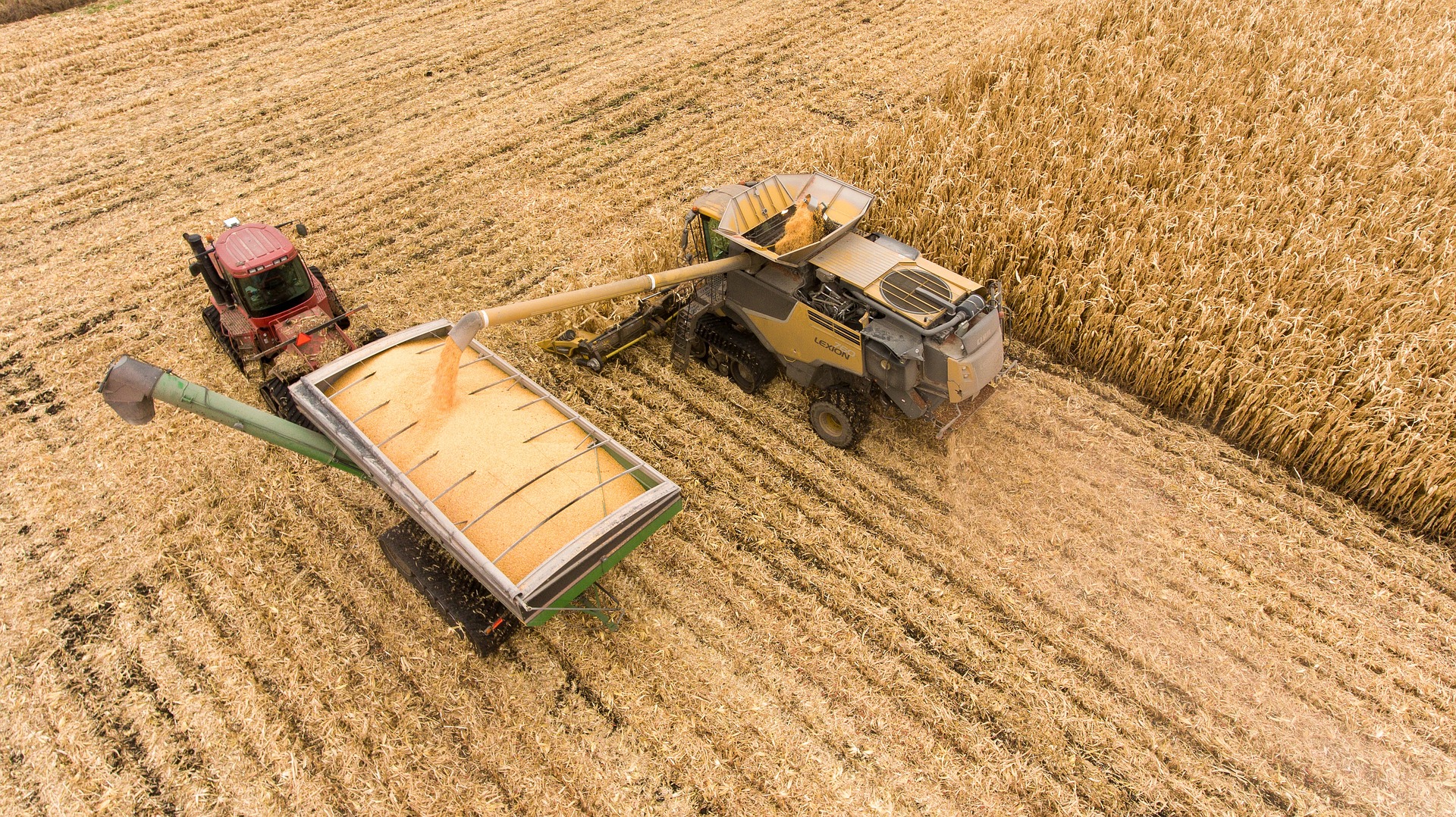
History of Agriculture and Food Production
complete history of agriculture and food production from ancient farming to modern industrial agriculture
Introduction
The history of agriculture and food production is, in the most fundamental sense, the history of human civilization itself. Before the first seeds were deliberately pressed into prepared soil, human beings spent hundreds of thousands of years as nomadic hunters and gatherers, moving across landscapes in pursuit of game, tubers, berries, nuts, and seasonal fruits. Food was abundant in some seasons and scarce in others, and the search for sustenance shaped every aspect of social organization, technology, and culture. Then, roughly twelve thousand years ago, something extraordinary began to happen in multiple regions of the world, sometimes independently and sometimes through the slow diffusion of ideas and practices across trade routes and migrations. People began to settle, to cultivate plants, and to manage animals in ways that would produce a reliable surplus. This transformation, known to scholars as the Neolithic Revolution or the Agricultural Revolution, altered the human condition more profoundly than any other single development in prehistory.
The consequences of that transformation are still unfolding today. Farming made it possible to feed far larger populations than hunting and gathering could sustain. Surplus food freed some members of society from the daily labor of subsistence, allowing specialization of labor, the accumulation of wealth, the development of writing and mathematics, the construction of cities, and the rise of states, empires, religions, and philosophical traditions. Agriculture shaped the landscape of every continent on which it took hold, converting forests and grasslands into fields, terraces, and irrigation systems. It introduced new relationships between human beings and the plants and animals they domesticated, relationships that involved selective breeding, genetic change over generations, and an interdependency so deep that many domesticated species could no longer survive without human care.
Understanding the complete history of agriculture and food production from ancient farming to modern industrial agriculture requires tracing developments across multiple continents, civilizations, and millennia. It means examining the ingenuity of Mesopotamian farmers who invented irrigation canals, the discipline of Chinese agriculturalists who cultivated rice in flooded paddies, the creativity of Native American peoples who developed maize from a wild grass into one of the world's most productive crops, and the ambition of twentieth-century scientists who engineered new crop varieties capable of feeding billions. It means also reckoning with the costs of agricultural intensification, including soil degradation, water depletion, biodiversity loss, and the social disruption that accompanied every major transformation in food production.
This article surveys the full sweep of agricultural history, from the first domesticated grains of the Fertile Crescent to the precision-agriculture technologies of the twenty-first century. It examines the major civilizations that built their wealth on farming, the revolutionary innovations in tools, chemistry, and genetics that repeatedly transformed yields and practices, the global exchanges of crops and animals that reshaped diets on every continent, and the ongoing search for food systems that are productive, resilient, and just. Along the way, it considers not only the technical dimensions of farming but the social, environmental, and cultural dimensions as well, because agriculture has never been merely a matter of growing food. It has always been a way of organizing human life.
The Neolithic Revolution and Origins of Farming
The origins of the agricultural revolution are among the most debated and researched questions in the entire field of human prehistory. For most of human evolutionary history, stretching back hundreds of thousands of years, our ancestors obtained food by foraging. They gathered wild plants, hunted game, fished, and collected insects and shellfish. This mode of life required extensive knowledge of the natural world, considerable physical endurance, and sophisticated social coordination. Archaeological and ethnographic evidence suggests that skilled hunter-gatherers could obtain adequate nutrition in relatively few hours of daily labor, though the quality and quantity of food varied enormously with the season and the environment. Some scholars have called the Paleolithic foraging lifestyle the original affluent society, though this characterization glosses over the vulnerability to drought, famine, and disease that periodically devastated pre-agricultural populations.
The transition to farming appears to have begun independently in several parts of the world between roughly 10,000 and 5,000 BCE. The earliest and most thoroughly documented center of agricultural origins is Southwest Asia, particularly the area known as the Fertile Crescent. But independent centers of plant and animal domestication also developed in China, sub-Saharan Africa, New Guinea, and the Americas. The fact that farming arose separately in multiple locations suggests that environmental and social conditions around the end of the last Ice Age created pressures and opportunities that made the shift from foraging to cultivation more or less inevitable in certain ecological settings.
Several hypotheses have been advanced to explain why farming began when it did. One prominent theory points to climate change: as the last glacial period ended around 12,000 BCE, temperatures rose, rainfall patterns shifted, and the landscapes of many regions became more hospitable to dense stands of wild grasses and legumes. In the Fertile Crescent, this climatic improvement coincided with the appearance of large-seeded wild cereals such as einkorn wheat, emmer wheat, and wild barley, which could be harvested in abundance. Human populations may have begun to rely heavily on these cereals during good years and then found themselves compelled to actively encourage their growth when climatic fluctuations reduced the natural supply.
Another theory emphasizes demographic pressure. As human populations grew in the aftermath of the last Ice Age, the most productive foraging territories became crowded, and the costs of migrating to new areas increased. Under these conditions, it would have been advantageous to invest more labor in the management of local plant and animal resources, even at the cost of greater toil. Intentional weeding, watering, replanting, and animal herding are all more labor-intensive than simple gathering, but they can produce more calories per unit of land. The shift to farming may therefore represent a calculated, if gradual, response to the declining marginal productivity of foraging in densely populated landscapes.
The earliest evidence of plant cultivation comes from sites in the Levant and Anatolia dating to the Pre-Pottery Neolithic period, around 9500 to 8000 BCE. At sites such as Ain Ghazal in modern Jordan and Catalhoyuk in modern Turkey, archaeologists have found the charred remains of domesticated wheats and barleys, as well as lentils and peas. Domesticated plants differ from their wild ancestors in traits that reflect human selection, whether conscious or unconscious. Domesticated cereals tend to have larger seeds, tougher rachises that do not shatter and scatter seeds before harvest, and more synchronous ripening. These traits are disadvantageous in the wild, where seed dispersal and staggered ripening are adaptive, but they are enormously useful for farmers who want to harvest as much grain as possible at one time.
The domestication of animals paralleled the domestication of plants, though the two processes were not always simultaneous in any given region. Sheep and goats appear to have been domesticated in Southwest Asia around 8000 BCE, followed by cattle and pigs. Dogs had been domesticated much earlier, possibly as early as 15,000 BCE, from wolves, and they served as hunting partners and camp guardians. The domestication of livestock provided not only meat but also milk, fiber, hides, traction power, and, perhaps most importantly, manure, which when applied to fields dramatically improved soil fertility. The integration of crop cultivation and animal husbandry, sometimes called mixed farming, became the dominant agricultural system across much of Eurasia and remains so in many parts of the world today.
The spread of farming from its centers of origin was a slow process that unfolded over thousands of years through a combination of migration, diffusion, and local adoption. In Europe, farming spread westward from Anatolia, carried by migrating agricultural communities who gradually displaced or absorbed the indigenous hunter-gatherers. By 5000 BCE farming had reached the Atlantic coast of Europe. In Africa, cattle herding spread southward from the Sahara during a period when that region was more humid than today. In Asia, rice cultivation spread from its origins in the Yangtze River valley of China across Southeast Asia and eventually to South Asia. Each region adapted the general principles of cultivation to its own soils, climates, and available plant and animal species, producing an extraordinary diversity of agricultural systems.
The Neolithic Revolution brought far-reaching social changes. Farming communities were more sedentary than foragers, and permanence of settlement encouraged the accumulation of material possessions, the construction of substantial houses, and investment in long-term land improvements such as terracing and irrigation. Sedentism and the food surplus it produced allowed population densities far higher than hunting and gathering could support, and this population growth was itself a further driver of agricultural intensification and expansion. The origins of inequality, hereditary status, and organized political power can all be traced to the surplus-generating potential of early agriculture.
Agriculture in the Fertile Crescent
The Fertile Crescent, a crescent-shaped zone of relatively well-watered and fertile land stretching from the eastern Mediterranean coast through modern Lebanon, Israel, Jordan, Syria, and southern Turkey, and curving south through Iraq to the Persian Gulf, was the setting for some of the most consequential agricultural developments in world history. The region's combination of diverse topography, reliable winter rainfall in some zones, and the presence of wild progenitors of major crop plants and livestock made it uniquely suited to become an early cradle of farming. Understanding the origins of the agricultural revolution in the Fertile Crescent means examining both the ecological gifts of the landscape and the intellectual and organizational achievements of the people who learned to exploit them.
The wild ancestors of several of the world's most important cereal crops grew naturally in the hills and valleys of the northern Fertile Crescent. Einkorn wheat was native to the hills of southeastern Turkey, emmer wheat grew across a broad area of the Levant, and wild barley was found from North Africa to Central Asia. Alongside these cereals, the region supported wild lentils, wild peas, wild chickpeas, and flax, all of which became important domesticated crops. The presence of these wild progenitors in a geographically concentrated area gave the inhabitants of the Fertile Crescent an unusual head start in the development of a diverse, nutritionally balanced agricultural system.
Archaeological evidence from sites such as Abu Hureyra in Syria, Ain Ghazal in Jordan, Jericho in the West Bank, and Jarmo in Iraq provides detailed information about the transition from foraging to farming in this region. Abu Hureyra, excavated before it was flooded by the Assad Reservoir, showed a particularly clear sequence: an early phase of wild plant and animal reliance, followed by intensive wild cereal collection, and then the appearance of domesticated plants. The site also showed evidence of early rye cultivation, perhaps predating even wheat and barley domestication in the area.
Jericho, one of the oldest continuously inhabited sites in the world, offers evidence of settled agricultural life by at least 8000 BCE. The construction of a massive stone tower and wall at Jericho during the Pre-Pottery Neolithic period suggests accumulated wealth and population sufficient to justify major public works, developments made possible only by farming surplus. By the seventh millennium BCE, Neolithic farmers in the Fertile Crescent were cultivating an array of crops, managing livestock, producing pottery for food storage, and living in permanent villages of hundreds of people.
The invention of irrigation represents one of the greatest agricultural achievements of ancient Mesopotamia, the land between the Tigris and Euphrates rivers that forms the southern part of the Fertile Crescent. The alluvial plains of Mesopotamia, in what is now Iraq, received insufficient rainfall for rain-fed agriculture but possessed enormously fertile soils and an abundant supply of river water that could be diverted into fields. By the sixth millennium BCE, the people of Mesopotamia had begun to develop simple irrigation systems, digging channels to carry water from rivers and streams to their fields. These early irrigation works were the predecessors of the vast canal networks that would later support the Sumerian and Babylonian civilizations.
The expansion of irrigation agriculture in southern Mesopotamia during the fourth and third millennia BCE created conditions for the emergence of the world's first cities. Uruk, Ur, Nippur, Lagash, and other Sumerian city-states were built on the foundation of irrigated grain production. Their dense populations required sophisticated administrative systems to organize canal maintenance labor, grain storage, and water rights allocation during shortage periods. The invention of writing around 3200 BCE in Sumer appears to have been closely linked to these administrative needs; some of the earliest written tablets record grain rations, livestock counts, and field measurements.
Mesopotamian farmers cultivated emmer and einkorn wheat, barley, lentils, chickpeas, and a variety of vegetables and fruits including onions, garlic, leeks, dates, figs, and grapes. Barley was particularly important because it was more salt-tolerant than wheat and could be grown in fields affected by secondary salinization that gradually degraded irrigated soils. Barley was used to brew beer, a staple beverage throughout Mesopotamian society. The Epic of Gilgamesh and other Mesopotamian texts make clear that bread and beer were foundations of civilized life, the products by which raw nature was transformed into culture.
The agricultural knowledge accumulated in the Fertile Crescent was codified in the world's earliest known agricultural text, the Sumerian Farmer's Almanac, dating to approximately 1700 BCE. This document offered practical instructions for plowing, sowing, irrigation, pest control, and harvesting, reflecting millennia of accumulated farming knowledge. It advised farmers on proper plow depth, row spacing, irrigation water management, and harvest timing. The almanac represents the beginning of a tradition of agricultural writing that would eventually encompass everything from Roman treatises to modern agronomy journals.
Ancient Egyptian Agriculture and the Nile
Few civilizations in world history have been as completely defined by their agricultural environment as ancient Egypt. The Nile River was not merely important to Egyptian farming; it was essentially the whole basis of it. Egypt is a country of desert, with almost no rainfall outside the narrow coastal zone of the Delta. Without the Nile, the land that became one of the ancient world's most productive agricultural regions would have been virtually uninhabitable. The river provided everything: water for irrigation, silt for fertilization, transportation routes for moving goods, and the annual flood cycle that governed the Egyptian agricultural calendar and shaped Egyptian religion, art, and social organization.
How ancient civilizations developed irrigation systems is illustrated particularly well by the Egyptian case. The Nile follows an unusual hydrological regime. Unlike the violent and unpredictable floods of the Tigris and Euphrates, the Nile floods with relative regularity and gentleness once a year, fed by the summer rains of the Ethiopian highlands. The flood, known in ancient Egyptian as Akhet, typically began in July and peaked in September before receding in October and November. As the waters withdrew, they left behind a layer of rich, dark alluvial silt that fertilized the fields naturally. Egyptian farmers did not need to apply manure or compost to maintain soil fertility as long as the annual flood continued to deposit fresh silt. This natural fertilization system gave Egyptian agriculture a sustainable advantage that Mesopotamian irrigated agriculture, with its tendency toward salinization, did not enjoy.
Egyptian farmers organized their activities around three seasons defined by the Nile. Akhet was the inundation season, during which fields were flooded and other forms of labor including the great building projects of the pharaohs were pursued. Peret was the growing season, from November to April, when farmers plowed, sowed, and tended crops. Shemu was the dry season and harvest time, from May to June, when crops were gathered before the next flood. This remarkably stable and predictable cycle allowed Egyptian farmers to plan with a precision that few other ancient agricultural societies could match.
The principal crops of ancient Egypt were emmer wheat and barley, used to make bread and beer, the dietary staples of all classes. Egyptian bread was a fundamental food, and the variety of bread types attested in texts and tomb paintings suggests a sophisticated baking tradition. Barley was used to produce a thick, nutritious beer consumed by laborers, soldiers, priests, and nobles alike. Workers on the great pyramid complexes were paid partly in beer and bread, a fact documented in surviving administrative papyri.
Beyond wheat and barley, Egyptian farmers cultivated flax for linen fiber, as well as lentils, chickpeas, fava beans, onions, leeks, garlic, radishes, lettuce, cucumbers, and melons. The rich soils of the Delta and floodplain also supported papyrus, harvested for boats, baskets, sandals, and the writing material that would carry recorded knowledge across the centuries. Date palms, fig trees, and persea trees provided fruit. Grapes were cultivated in the Delta and oases for wine production, a luxury enjoyed by upper classes. Egyptian wine amphoras have been found across the eastern Mediterranean, testifying to significant agricultural trade.
The management of the Nile flood required collective organization that reinforced the centralized political authority of the pharaonic state. A system of basin irrigation, in which low earthen dikes divided the floodplain into large basins that could be filled with water and then drained at the appropriate time, appears to have been in use from early in pharaonic history. This system required coordinated labor and central direction, and the pharaoh's government organized this labor through provincial officials called nomarchs as part of the general system of state control over agricultural production.
The state also controlled grain storage and redistribution through royal granaries. Taxes on agricultural production, collected in kind as a percentage of the harvest, flowed into state granaries and were redistributed to support the army, the priesthood, the court, and the labor force engaged in royal construction projects. The administrative apparatus required to manage this system was one of the earliest examples of a bureaucratic state anywhere in the world. Egyptian scribes developed sophisticated systems of record-keeping, surveying, and mathematics in direct response to agricultural administration needs.
Egyptian agricultural technology included tools adapted to the conditions of the Nile Valley. The simple wooden plow, drawn by oxen, was the primary tillage implement. Egyptian plows did not turn the soil deeply but were adequate for working the soft, well-watered silt of the floodplain. Sowing was done by hand, with seed being trodden into the soil by livestock driven over freshly sown fields. Harvest was accomplished with flint or copper sickles, and cut grain was threshed by driving livestock over it on threshing floors. Winnowing was done by tossing grain into the air and allowing the wind to carry away the chaff.
The importance of the Nile to Egyptian life was expressed in religion and mythology. Osiris, god of the afterlife and resurrection, was also a god of vegetation and agricultural fertility. The annual inundation was celebrated as the tears of Isis, and the rising and falling of the Nile were connected to the death and resurrection of Osiris. Hapy, the god of the flood, was depicted as a plump, blue-skinned figure bearing trays of food, representing the abundance that the annual inundation brought. The alignment of the agricultural calendar with religious observance reinforced the integration of farming, religion, and state power that characterized Egyptian civilization throughout its three-thousand-year history.
Agriculture in Ancient China
China possesses one of the world's oldest and most continuous agricultural traditions, a tradition that stretches back more than nine thousand years and that has shaped the diet and landscape of the most populous country on earth. The history of crop domestication and plant breeding in China is a story of two distinct centers of origin that developed largely independently before eventually merging into an integrated agricultural system. In the north, along the Yellow River and its tributaries, early farmers domesticated millet and soybeans in a dry-land farming tradition suited to the semi-arid conditions of northern China. In the south, along the Yangtze River and in the subtropical lowlands of what is now central and southern China, an entirely separate tradition of rice cultivation developed, establishing the crop that would eventually feed more human beings than any other plant in history.
Foxtail millet and broomcorn millet were the first crops domesticated in northern China, with evidence of their cultivation dating to roughly 6000 BCE at sites such as Cishan and Peiligang in Hebei and Henan provinces. These millets were well adapted to the relatively dry, loessic soils of northern China and could produce reliable yields in regions where more water-demanding crops would fail. Millet cultivation supported the development of the Yangshao culture, which flourished along the Yellow River from approximately 5000 to 3000 BCE and is famous for its distinctive painted pottery and its relatively large, semi-permanent village settlements. The Yangshao people also kept pigs and dogs, and there is evidence of silk production at some sites, suggesting that sericulture, the cultivation of silkworms and the production of silk, may have very early roots in Chinese civilization.
Rice cultivation in southern China has an even older documented history than millet farming in the north. Archaeological evidence from the Kuahuqiao and Hemudu sites in Zhejiang Province, dating to around 5000 BCE, documents well-developed wet rice agriculture, suggesting that the domestication of rice had been underway for centuries or millennia before these sites were occupied. The ancestral home of cultivated rice, Oryza sativa, is generally believed to have been the Yangtze River valley, where wild rice populations still grow today. The transition from harvesting wild rice to cultivating domesticated varieties involved the selection of plants with non-shattering seed heads, thinner husks, and higher yields, a process that unfolded over many generations of farmers.
Wet rice cultivation, the cultivation of rice in flooded paddies, is a labor-intensive system that requires careful management of water. Paddies must be leveled and surrounded by earthen dikes to hold water; they must be flooded at the right time and drained at the right time; and the soil must be turned and prepared while flooded, a process traditionally accomplished by driving water buffalo through the soft mud. Despite its labor demands, wet rice cultivation is extraordinarily productive, capable of yielding multiple crops per year in warm climates and supporting population densities far higher than any other pre-modern agricultural system. This productivity made southern China one of the most densely populated regions on earth and provided the economic foundation for the development of Chinese civilization.
The agricultural traditions of northern and southern China were gradually unified as the Chinese state expanded and as farmers migrated and exchanged crops and techniques across regions. By the Han Dynasty (206 BCE to 220 CE), Chinese agriculture had developed into a sophisticated system incorporating crop rotation, intensive fertilization with human and animal manure, elaborate irrigation and drainage infrastructure, and a wide range of implements for tillage, planting, and harvesting. Han agricultural texts, such as the Fan Shengzhi Shu, provided detailed instructions for growing wheat, millet, rice, sorghum, hemp, and a range of vegetables, reflecting a tradition of systematic agricultural observation and experimentation.
One of the most distinctive features of Chinese agriculture was its long reliance on human manure, euphemistically called night soil, as a primary soil amendment. While European farmers of the same period relied mainly on animal manure to maintain soil fertility, Chinese farmers developed a highly organized system for collecting human waste from urban and rural households and applying it to agricultural fields. This system allowed Chinese farmers to maintain soil fertility under very intensive cultivation for centuries without the severe soil exhaustion that afflicted many other ancient agricultural systems. The recycling of human nutrients back into the soil was, in modern terms, a form of sustainable agriculture that supported enormous populations for millennia.
Chinese farmers also developed sophisticated techniques for irrigation and water control, including the famous terraced rice paddies of southern China and the elaborate canal and reservoir systems used in the north. The Dujiangyan irrigation system, built around 256 BCE in Sichuan Province under the direction of the Qin engineer Li Bing, remains in operation today and has irrigated the Chengdu Plain for more than two thousand years. This system diverts water from the Min River through a series of channels and weirs, distributing it across a vast agricultural area without the use of dams, a remarkable feat of hydraulic engineering that has made Sichuan one of China's most productive agricultural regions.
The history of crop domestication and plant breeding in China also includes the development of soybeans, which were domesticated in northeastern China around 1100 BCE according to traditional accounts, though archaeological evidence suggests wild soybean use much earlier. Soybeans became a cornerstone of Chinese diet, providing protein in a society where meat was a luxury for most people. Fermented soybean products such as soy sauce, miso, and tofu, as well as soybean oil, are all Chinese innovations that have become part of the global food system. Today, soybeans are one of the world's most important crops, cultivated primarily in the United States, Brazil, and Argentina, and used extensively for animal feed and vegetable oil production.
Agriculture in the Americas
The agricultural civilizations of the Americas developed in complete isolation from those of the Old World, yet they achieved comparable levels of complexity, productivity, and diversity. The Americas were home to several independent centers of agricultural origin, producing a range of crops that would eventually transform the global food supply after European contact in the late fifteenth century. Maize, potatoes, tomatoes, cacao, vanilla, squash, beans, peppers, peanuts, sweet potatoes, and cassava are all American crops that are now grown and eaten around the world, and many of them rank among the most important food plants in human history.
The history of crop domestication and plant breeding in the Americas is most dramatically illustrated by the story of maize. Maize, or corn, was domesticated from a wild grass called teosinte in the Balsas River valley of southwestern Mexico between approximately 9,000 and 7,000 years ago. Teosinte looks almost nothing like modern maize: it is a branching plant with small, hard-husked seed cases containing only a few kernels, while modern maize is an unbranched plant with a single large cob bearing hundreds of soft kernels. The transformation from teosinte to maize required thousands of years of intensive selection by farmers who recognized and propagated plants with desirable traits, including larger cobs, more rows of kernels, softer husks, and higher starch content. The result was one of the most spectacular domestication achievements in agricultural history.
Once developed, maize spread rapidly across the Americas. By the time of European contact, it was grown from the Great Lakes region of North America to the southern tip of South America, cultivated in environments ranging from tropical rainforests to high-altitude plateaus. The versatility of maize, which can be processed in many different ways, dried and ground into flour, soaked in alkaline solutions in a process called nixtamalization, popped, fermented into beer, or roasted fresh, made it adaptable to an extraordinary range of culinary traditions. Nixtamalization, developed by Mesoamerican peoples, is particularly important because it releases niacin from corn and prevents the deficiency disease pellagra, a fact not understood by European colonizers who adopted maize but not nixtamalization and consequently suffered widespread pellagra outbreaks.
In the Andes Mountains of South America, a completely independent center of agricultural origin produced a different suite of crops centered on the potato. The potato was domesticated from wild Solanum species in the highlands of what is now Peru and Bolivia, around Lake Titicaca, approximately 8,000 years ago. The Andean highlands are a challenging agricultural environment, subject to frost, drought, and thin soils, and Andean farmers developed remarkable techniques for managing these conditions. Freeze-drying, in which potatoes are alternately frozen overnight and dried in the sun during the day, created a preserved product called chuno that could be stored for years and traded across long distances. Andean farmers also developed sophisticated terrace systems to manage steep hillsides and micro-irrigation systems to distribute water from snowmelt.
The Andean region was also the origin of quinoa, amaranth, tomatoes, peppers, peanuts, and several species of squash and bean. The combination of high-altitude farming with the management of llamas and alpacas for wool, meat, and transport created a distinctive Andean agricultural system that supported the remarkable Inca Empire, which at its height in the late fifteenth century controlled a territory of approximately 2 million square kilometers and a population estimated at 12 million people. The Inca state organized agricultural production through a system of communal labor, storing vast quantities of dried food in storehouses distributed across the empire to buffer against local crop failures.
In Mesoamerica, the Maya, Aztec, and other civilizations built their agricultural systems on what is known as the milpa system or the Three Sisters. The Three Sisters are maize, beans, and squash, three crops that are planted together in a mutually beneficial combination. Maize provides a tall stalk that beans can climb; beans fix nitrogen from the atmosphere, improving soil fertility; and squash spreads its large leaves along the ground, suppressing weeds and retaining soil moisture. This intercropping system is an elegant example of ecological agriculture, producing a nutritionally balanced diet from a single planting. The combination of carbohydrates from maize, protein from beans, and vitamins from squash provided a more complete human diet than any single crop could offer.
In North America, indigenous peoples of the eastern woodlands and the Great Plains developed agricultural systems adapted to their environments. The Mississippian cultures, centered along the Mississippi River, cultivated maize, beans, and squash intensively, supporting large chiefdom societies with populations of thousands. In the Southwest, the Hohokam people of what is now Arizona built extensive irrigation canal systems to cultivate maize and other crops in the desert, while the ancestral Pueblo peoples of the Colorado Plateau developed dry-farming techniques for growing maize in areas with limited and unpredictable rainfall.
After European contact, American crops spread rapidly around the world in what became known as the Columbian Exchange. The potato alone is estimated to have contributed to population increases of twenty to thirty percent in Europe between the sixteenth and nineteenth centuries, because it could produce more calories per acre than any Old World grain crop and could be grown in soils and climates unsuitable for wheat. Maize became a staple crop in sub-Saharan Africa, southern Europe, and parts of Asia. Tomatoes transformed the cuisines of Italy and Spain. Peppers became integral to the food cultures of India, Korea, Hungary, and Mexico itself. The agricultural gifts of the Americas reshaped global food production and human demography in ways that are still unfolding.
Ancient Greek and Roman Agriculture
The agricultural systems of ancient Greece and Rome represent a critical bridge between the farming traditions of the earlier Near Eastern civilizations and the medieval and early modern agriculture of Europe. Both civilizations were deeply agrarian in their foundational ideologies and social structures, and both produced a substantial body of agricultural literature that transmitted accumulated practical knowledge across generations. The Roman agricultural tradition in particular was so richly documented and so widely influential that it shaped European farming practices well into the modern period.
Greek agriculture was practiced in a challenging environment. The rocky, hilly terrain of the Greek peninsula and the Aegean islands offered limited areas of flat, cultivable land, and the Mediterranean climate, with its hot, dry summers and mild, wet winters, imposed a distinctive seasonal rhythm on agricultural activity. The principal crops of ancient Greece were the Mediterranean triad of wheat and barley, grapes, and olives, complemented by legumes, vegetables, and various fruits. This combination was well adapted to the Greek climate and soil conditions and produced the foundation of the Mediterranean diet that modern nutritionists have identified as particularly healthful.
Olive cultivation was central to Greek agricultural economy and culture. The olive tree is slow-growing but extremely long-lived and hardy, capable of surviving on rocky hillsides with minimal water. Olive oil was used as food, as lamp fuel, as a body oil for athletics and bathing, and as a preservative. Athens built much of its commercial wealth on the export of olive oil, and the olive tree was the sacred symbol of Athena, the patron goddess of the city. The importance of the olive in Greek culture is reflected in the myth of Athena's gift of the olive to the Athenians, which was said to have won her the contest for the city's patronage against Poseidon.
Viticulture, the cultivation of grapes for wine, was equally important. Wine was the primary beverage of the Greek world, consumed diluted with water at symposia and religious ceremonies. Greek colonization of the Mediterranean and Black Sea coasts spread viticulture to new regions, including what are now France, Spain, Italy, and Ukraine. The technical knowledge of wine production, including the selection of grape varieties, the timing of harvest, fermentation management, and storage in amphoras sealed with pine resin, was a major component of Greek agricultural expertise.
Roman agriculture inherited and expanded on the Greek tradition while adding its own distinctive features. The Roman Republic and early Empire were characterized by a strong ideological association between farming and civic virtue. Lucius Quinctius Cincinnatus, the Roman farmer who was twice called from his plow to become dictator and twice returned to his farm after his service, exemplified the Roman ideal of the citizen-farmer who maintained national vigor. This ideological valorization of farming coexisted with the practical reality that Roman agriculture was undergoing a major transformation toward large-scale slave-worked estates known as latifundia.
The latifundia system emerged in the second and first centuries BCE as conquests brought vast numbers of slaves to Italy and as wealthy Romans purchased land from smallholders who could not compete with slave-based agriculture. Large estates in Sicily, North Africa, and Spain specialized in grain production for the Roman market, while Italian latifundia often specialized in viticulture, olive cultivation, and the raising of sheep and cattle. The displacement of free peasant farmers by slave-worked estates was a major cause of social tension in the late Republic, driving the reform programs of the Gracchi brothers and contributing to the political instability that eventually destroyed the Republican system.
Roman agricultural writers including Marcus Terentius Varro, Lucius Junius Moderatus Columella, and Pliny the Elder produced detailed agricultural treatises that codified the best practices of their time. Columella's twelve-volume De Re Rustica, written in the first century CE, is one of the most comprehensive agricultural texts from the ancient world, covering soil preparation, crop cultivation, viticulture, arboriculture, animal husbandry, beekeeping, and fish farming. These works synthesized Greek, Carthaginian, and Roman agricultural knowledge and transmitted it to medieval and Renaissance Europe, where they remained authoritative references for centuries.
Roman agricultural technology included the heavy wheeled plow, which could turn heavier and wetter soils than the simple scratch plow used in Mediterranean Europe, water mills for grinding grain, and advanced techniques for vine and fruit tree cultivation including grafting and pruning. Roman engineers also built extensive aqueducts and drainage systems that supported agriculture in many parts of the empire, particularly in North Africa and the Near East. The Roman road network, though built primarily for military purposes, also facilitated the movement of agricultural products across vast distances, integrating regional markets and enabling agricultural specialization.
The Roman agricultural system reached its greatest extent in the first and second centuries CE, when the empire's provinces from Britain to Egypt and from Spain to Syria produced food for a population estimated at sixty to eighty million people. The collapse of the Western Roman Empire in the fifth century CE disrupted this integrated agricultural economy, leading to population decline, the abandonment of marginal farmland, and the retreat of many areas to more subsistence-oriented farming. But the agricultural knowledge accumulated by Greek and Roman writers survived in monastic libraries and formed the foundation on which medieval European agriculture would eventually rebuild.
Medieval Agriculture and the Three-Field System
The agricultural history of medieval Europe is a story of gradual recovery from the disruptions of the late Roman period, punctuated by plague, famine, and war, but also marked by significant technological innovations that eventually supported a major population increase. Between roughly 500 CE and 1300 CE, European agriculture underwent a series of important changes including the adoption of the heavy moldboard plow, the replacement of oxen by horses as draft animals in some regions, the development of the three-field system of crop rotation, and the expansion of cultivated land through the clearing of forests and the draining of marshes. These changes collectively made possible the High Medieval population expansion that created the cities, cathedrals, universities, and commercial networks of the twelfth and thirteenth centuries.
The three-field system was one of the most consequential agricultural innovations of the medieval period. Earlier European farming had typically used a two-field system in which half the farmland was left fallow each year to recover its fertility, while the other half was cultivated. The three-field system divided the farmland into three portions: one planted with a winter grain such as wheat or rye, one planted with a spring crop such as oats, barley, or legumes, and one left fallow. The following year, each field rotated to the next use in the cycle. This system had several advantages over the two-field system: it kept only one-third of the land fallow rather than half, increasing the total area under cultivation; it spread the risk of crop failure across two growing seasons rather than one; and by including leguminous crops such as peas and beans in the rotation, it added nitrogen to the soil and improved fertility.
The inclusion of legumes in the three-field rotation was particularly important for both soil health and human nutrition. Leguminous plants harbor nitrogen-fixing bacteria in nodules on their roots, which extract nitrogen from the atmosphere and convert it into forms usable by plants. When legumes are plowed back into the soil or harvested and their roots remain, they enrich the soil with nitrogen that benefits subsequent cereal crops. Medieval farmers did not understand the biochemistry of nitrogen fixation, but they recognized empirically that fields planted with peas or beans yielded better cereal crops in subsequent years. The legumes also provided a valuable source of vegetable protein for a population that ate meat only occasionally.
The heavy moldboard plow, which could turn over the dense, clay-rich soils of northern Europe that the lighter Mediterranean plow could not effectively work, was another crucial medieval innovation. The moldboard plow cut into the soil, turned it over, and buried weeds and crop residues, creating a well-aerated seedbed. Pulled by teams of oxen or, increasingly in some regions, horses, the heavy plow enabled the cultivation of the river valleys and lowlands of northern and western Europe that had been difficult or impossible to farm with earlier implements. The opening of these fertile lowland soils to cultivation was a major driver of the agricultural expansion of the early medieval period.
The replacement of oxen by horses as draft animals, which occurred gradually in northern Europe from about the tenth century onward, provided a further productivity boost. Horses are faster than oxen and could plow more land in a day, though they required more and better-quality feed. The development of the padded horse collar, which distributed the load across the horse's shoulders rather than its throat, made it possible to use horses for heavy draft work without choking them, a critical technological advance. The horseshoe protected hooves on hard ground. The adoption of horse traction transformed the pace of agricultural work and eventually contributed to the restructuring of the rural landscape.
Medieval agriculture was organized primarily through the manorial system, in which peasants farmed strips of land in open fields surrounding a lord's manor, rendering labor services and payment in kind in exchange for the lord's protection and access to common lands for grazing and woodland use. This system, while restrictive and often exploitative, provided a framework for coordinating the collective farming activities of the village, including decisions about what to plant, when to plow, and how to manage the commons. The open-field system also spread risk among villagers, since each family held strips scattered across all three fields rather than a single consolidated holding, meaning that a localized crop failure or waterlogging would affect all households equally rather than devastating one while sparing others.
The Black Death, which struck Europe in waves beginning in 1347 and killed perhaps one-third of the European population, had paradoxical effects on agriculture. In the immediate aftermath, farmland was abandoned, villages were depopulated, and the agricultural labor force was devastated. But in the longer term, the dramatic decline in population reduced pressure on marginal land, improved the bargaining position of surviving peasants, and ultimately contributed to the breakdown of the manorial system as landlords competed for scarce labor by offering better terms. The labor shortage also encouraged the development and adoption of labor-saving devices and may have stimulated the mechanization of some agricultural processes.
Medieval monasteries played an important role in preserving and advancing agricultural knowledge. Monastic communities maintained libraries that contained classical agricultural texts, and monks applied this knowledge in their own farming operations, which were often among the most productive and innovative of the medieval period. Cistercian monasteries were particularly noted for their agricultural enterprise, reclaiming marginal land, developing water mills and fish ponds, and raising sheep on large scales. The wool trade, centered on large-scale sheep farming by monasteries and lay lords, was the economic foundation of the medieval English and Flemish economies and helped drive the commercial expansion of the High Middle Ages.
The Columbian Exchange
The term Columbian Exchange, coined by historian Alfred W. Crosby in his 1972 book of the same name, refers to the vast transfer of plants, animals, diseases, and ideas between the Old World and the New World that followed Christopher Columbus's first voyage to the Americas in 1492. This exchange was one of the most consequential ecological and agricultural events in human history, reshaping food production, human demography, and ecosystem composition on a global scale. The Columbian Exchange was not a balanced trade. The Americas contributed a range of highly productive crop plants that would eventually feed billions of people worldwide, while the Old World contributed diseases to which American peoples had no immunity, with devastating consequences for indigenous populations.
The movement of American crops to the Old World transformed agriculture and diet across Europe, Africa, and Asia in ways that are still visible today. The potato, domesticated in the Andes, became one of the most important food crops in northern and central Europe within two centuries of its introduction. By the eighteenth and nineteenth centuries, the potato had become the dietary staple of Ireland, Germany, Poland, Russia, and many other northern European countries, supporting population growth on a scale that would have been impossible with the cereal crops previously available. The Irish Famine of 1845 to 1852, caused by a potato blight that destroyed the crop on which millions of Irish people had come to depend, demonstrated both the extraordinary importance of the potato to European food security and the dangers of excessive dependence on a single variety of a single crop.
Maize spread from the Americas to Europe, Africa, and Asia with remarkable speed after 1492. In sub-Saharan Africa, maize became a major food crop within a century of European contact, and some historians argue that the increased food productivity it enabled contributed to the population growth that partly fueled the Atlantic slave trade by providing larger pools of people to be enslaved and transported. In China, maize was adopted in the sixteenth and seventeenth centuries and helped support the population expansion of the Qing Dynasty. In southern Europe, maize was adopted as animal feed and a subsistence crop for the rural poor. Today, maize is the most widely produced grain in the world by total volume, and it is cultivated on every continent except Antarctica.
Cassava, domesticated in South America, spread to Africa and became a major food crop in the tropical lowlands, where its drought tolerance and high caloric yield per hectare made it valuable for feeding growing populations. The tomato, initially regarded with suspicion in Europe as a potentially poisonous member of the nightshade family, was gradually adopted into European cuisine and became the defining ingredient of Italian, Spanish, and Portuguese cooking. Peppers, cacao, vanilla, sweet potatoes, peanuts, and squash all moved from the Americas to the Old World and were incorporated into the cuisines and agricultural systems of diverse cultures.
The movement of Old World crops, animals, and biological agents to the Americas had far more destructive consequences. European diseases, particularly smallpox, measles, typhus, influenza, and plague, to which American peoples had no prior exposure and therefore no immunity, swept through indigenous populations with catastrophic effect. Estimates of the population loss suffered by Native Americans following European contact range from fifty to ninety percent of the pre-contact population, depending on the region and the time period considered. This demographic catastrophe depopulated much of the Americas, altering agricultural landscapes, abandoning irrigation systems, and releasing enormous areas of previously cultivated land back to secondary forest growth. The scale of this reforestation was so large that some climate historians have argued it contributed to a global cooling episode in the seventeenth century by removing cultivated land that had been a source of carbon dioxide.
Old World domesticated animals, including horses, cattle, pigs, sheep, goats, and chickens, transformed American environments as they escaped from or were released by European colonizers and multiplied on the rich grasslands of the Americas. Horses spread northward from Mexico across the Great Plains and transformed the culture and economy of Plains Indian peoples, enabling the horse-based bison hunting culture that became so central to the Plains Indian identity in the eighteenth and nineteenth centuries. Cattle ranching on the vast grasslands of South America and the North American West became a major agricultural industry that reshaped landscapes, displaced indigenous peoples, and created the cattle cultures of the gaucho and the cowboy.
The Columbian Exchange also involved the movement of cash crops from the Old World to the Americas, particularly sugar cane and coffee, which became the basis of plantation economies in the Caribbean, Brazil, and Central America. Sugar cane, originally domesticated in New Guinea and widely grown in the Old World, was transplanted to the Caribbean islands and Brazil, where it flourished in the tropical climate and rich soils. The labor demands of sugar cultivation drove the Atlantic slave trade, which transported an estimated twelve million Africans to the Americas over three and a half centuries, creating the racialized plantation system that would have long-lasting consequences for the social and economic development of the Americas.
The Columbian Exchange represents a watershed moment in the history of agriculture and food production, marking the beginning of the genuinely global food system that we inhabit today. Before 1492, the food crops of the Old and New Worlds were entirely separate. After 1492, the two traditions merged, creating the diverse, globally interconnected agricultural system in which American crops like potatoes and maize feed billions in Eurasia and Africa, while Old World crops like wheat, rice, and coffee are major products of the Americas. This merger dramatically increased the productive potential of global agriculture and played a major role in enabling the global population growth of the modern era.
The Agricultural Revolution of the 18th Century
The Agricultural Revolution of the eighteenth century, primarily centered in Britain but with significant developments in the Netherlands and other parts of western Europe, was a fundamental transformation of farming practices that dramatically increased agricultural productivity, supported the population growth that preceded the Industrial Revolution, and restructured rural society in ways that had profound social consequences. This revolution was not a single event but a gradual accumulation of innovations in crops, livestock, farm management, and land tenure that unfolded over roughly a century between 1700 and 1800.
One of the central innovations of the eighteenth-century Agricultural Revolution was the development of improved crop rotation systems that eliminated the fallow period while maintaining or increasing soil fertility. The Norfolk four-course rotation, which became the model for improved British farming, rotated wheat, turnips, barley, and clover or ryegrass over four years, with no fallow period. Turnips and clover served multiple functions: they could be grazed by livestock, whose manure further enriched the soil; clover fixed atmospheric nitrogen; and turnips provided winter fodder for animals, enabling farmers to maintain larger livestock herds through the winter rather than slaughtering most animals in the autumn as had been the traditional practice. The ability to overwinter more livestock meant more manure, which meant better soil fertility, which meant higher grain yields.
Jethro Tull, an English gentleman farmer who lived from 1674 to 1741, made several contributions to improved farming practice, most notably the development of a practical horse-drawn seed drill that deposited seeds at a consistent depth in rows, rather than broadcasting them by hand across the field. Row planting allowed for mechanical weeding between rows, reducing labor costs and improving yields. Tull was also an advocate of deep soil cultivation to improve drainage and aeration, though some of his theories about plant nutrition were incorrect. His work nonetheless helped establish the principle that empirical observation and systematic experimentation could improve agricultural practice.
Robert Bakewell, who lived from 1725 to 1795, revolutionized livestock breeding through the systematic application of selective breeding principles to improve the commercial qualities of farm animals. Bakewell's breeding program for Leicestershire sheep and Longhorn cattle focused on selecting animals for rapid weight gain, efficient feed conversion, and high-quality meat, rather than simply for hardiness and disease resistance as had been the traditional approach. His methods, including inbreeding to fix desirable traits and careful record-keeping of animal parentage and performance, established principles of scientific livestock breeding that became foundational to the modern livestock industry. The animals he produced were leaner, faster-growing, and more productive than traditional breeds, and his approaches spread widely among progressive farmers.
The enclosure movement, by which common lands and open fields were consolidated into privately owned and enclosed farms, was a crucial component of the Agricultural Revolution, though one with deeply contentious social consequences. Parliamentary enclosures reached their peak in Britain between roughly 1760 and 1820, when hundreds of Enclosure Acts converted millions of acres of common land and open fields into privately managed farms. Enclosed farms could be managed more efficiently and innovatively than the fragmented strips of the open-field system, and they enabled the adoption of improved crop rotations and livestock breeding. But enclosures also dispossessed large numbers of small farmers and cottagers who had relied on common lands for grazing and gathering, driving rural populations off the land and into the growing industrial towns, contributing to the urban working class that powered the Industrial Revolution.
Agricultural improvement was actively promoted by a network of progressive landlords, agricultural societies, and publications. The Board of Agriculture, established in Britain in 1793, collected and disseminated information about improved farming practices. Arthur Young, who lived from 1741 to 1820, was the most prolific and influential agricultural writer of the period, conducting extensive tours of British and continental European agriculture and publishing detailed accounts of the best farming practices he observed. Young's Annals of Agriculture and other publications reached a wide audience of progressive farmers and landlords and helped spread improved techniques across Britain and to other countries.
In the Netherlands, which had been at the forefront of agricultural innovation since the seventeenth century, intensive market gardening, land reclamation from the sea through the construction of polders and dikes, and advanced techniques of livestock management had already transformed Dutch agriculture into the most productive in Europe. Dutch innovations in drainage, fertilization, and crop selection influenced British reformers and provided models for the more intensive farming that the Agricultural Revolution would establish as the norm across much of Britain.
The consequences of the eighteenth-century Agricultural Revolution were far-reaching. Increased agricultural productivity fed a growing population and released labor for industrial employment. Higher caloric intake and more reliable food supply contributed to declining mortality and improving life expectancy. The consolidation of land into larger, more commercially oriented farms restructured rural society, concentrating land in fewer hands and creating both prosperous tenant farmers and landless laborers. These social changes, combined with the technological changes of the Industrial Revolution, transformed Britain from a primarily agrarian society into the world's first industrial nation within roughly a century.
Scientific Agriculture and Crop Rotation
The nineteenth and early twentieth centuries saw agriculture transformed by the application of systematic scientific research, much of it conducted in newly established agricultural experiment stations and universities. This period witnessed the development of modern soil science, agricultural chemistry, plant breeding, and entomology, and the translation of scientific discoveries into practical improvements in farming practice. The scientists of this era laid the intellectual foundations of modern agronomy, and their discoveries continue to shape agricultural practice today.
The most transformative scientific contribution to nineteenth-century agriculture was the work of Justus von Liebig, a German chemist who lived from 1803 to 1873. Liebig's systematic analysis of plant chemistry led him to conclude that plants obtain their mineral nutrients from the soil and that these nutrients are gradually depleted by crop production. In his 1840 work Organic Chemistry in Its Applications to Agriculture and Physiology, Liebig argued that the key limiting nutrients for plant growth were nitrogen, phosphorus, and potassium, and that soil fertility could be maintained or restored by adding these elements in chemical form. This insight became the foundation of the modern fertilizer industry and of the concept of nutrient management in agriculture.
Liebig's law of the minimum, which states that plant growth is limited by whichever essential nutrient is in shortest supply, regardless of the abundance of all other nutrients, became one of the foundational principles of scientific agriculture. The practical implication was that identifying the most deficient nutrient in a particular soil and supplying it in adequate quantity was the most efficient way to improve crop yields. This principle guided the development of soil testing as a tool for agricultural management and the formulation of fertilizers tailored to specific soil and crop needs.
The development of synthetic nitrogen fertilizer in the early twentieth century was among the most consequential agricultural-chemical innovations in history. Nitrogen is an essential component of proteins and nucleic acids and is typically the most limiting nutrient for crop growth in agricultural soils. Before the development of synthetic fertilizers, farmers depended on organic nitrogen sources, primarily manure, legume cover crops, and, from the mid-nineteenth century, imported guano from bird colonies in Chile and Peru. The Haber-Bosch process, developed by Fritz Haber and Carl Bosch in Germany between 1909 and 1913, made it possible to synthesize ammonia from atmospheric nitrogen and hydrogen gas under high temperature and pressure. This process made it possible for the first time to produce nitrogen fertilizer in essentially unlimited quantities, independent of organic sources.
The Haber-Bosch process is arguably the single most important chemical innovation of the twentieth century in terms of its effect on human welfare. Without synthetic nitrogen fertilizer, it is estimated that current global food production would be capable of sustaining no more than half the current human population. Nitrogen fertilizer applied to crops has enabled the extraordinary yield increases of the twentieth century that made it possible for global food production to keep pace with the most rapid population growth in human history. However, the overuse of nitrogen fertilizer has also created serious environmental problems, including nitrate contamination of groundwater, eutrophication of rivers and coastal waters, and emissions of nitrous oxide, a potent greenhouse gas.
Plant breeding in the nineteenth and early twentieth centuries was transformed by the rediscovery of Gregor Mendel's work on heredity. Mendel, an Augustinian friar working in what is now the Czech Republic, conducted experiments on pea plants in the 1850s and 1860s that revealed the basic laws of genetic inheritance. His work was largely ignored until 1900, when three scientists independently rediscovered his papers and recognized their significance. The application of Mendelian genetics to plant breeding made it possible to predict the outcomes of crosses and to develop improved varieties with greater precision and efficiency than the purely empirical selection methods of earlier breeders.
The development of agricultural experiment stations in the United States and Europe in the late nineteenth century created institutional frameworks for systematic agricultural research. The Morrill Land-Grant Acts of 1862 and 1890 established a network of land-grant colleges in the United States specifically dedicated to agricultural and mechanical education and research. These institutions, eventually supplemented by the network of federal agricultural experiment stations established by the Hatch Act of 1887, conducted research on soil management, crop varieties, livestock husbandry, and pest control that was directly applicable to farming practice and was disseminated to farmers through extension services. The model of publicly funded agricultural research and extension that these institutions established became the foundation of the global system of national agricultural research organizations that drove the productivity increases of the twentieth century.
Crop rotation continued to evolve as a science during this period. Research at agricultural experiment stations demonstrated the specific benefits of different rotation sequences and provided quantitative data on the nitrogen-fixing capacity of different legume species, the residual effects of different crops on subsequent yields, and the impact of rotation on pest and disease pressure. The integration of legumes, cereals, root crops, and cover crops into optimized rotation sequences became a central tool of scientific farm management, reducing dependence on purchased inputs while maintaining and improving soil health.
The Green Revolution
The Green Revolution was a period of intensive agricultural research, technology transfer, and policy intervention in the developing world, primarily between the 1940s and the 1970s, that dramatically increased crop yields in many parts of Asia, Latin America, and the Middle East. It was built on the development of high-yielding varieties of wheat and rice, combined with the expanded use of irrigation, synthetic fertilizers, and pesticides, and it is widely credited with averting the mass famines that many analysts in the 1960s believed were inevitable given the rapid population growth of the developing world. The story of the Green Revolution is complex, involving scientific achievement, geopolitical calculation, genuine improvement in human welfare, and serious long-term consequences for the environment and rural societies that are still being assessed.
The intellectual and institutional foundations of the Green Revolution were laid in Mexico beginning in the 1940s, when the Rockefeller Foundation partnered with the Mexican government to establish a wheat improvement program. The program was led by Norman Borlaug, an American agricultural scientist and plant pathologist who was born in 1914 and died in 2009. Borlaug and his colleagues focused on developing wheat varieties with two key characteristics: short, strong stems that would not lodge, or fall over, under the weight of heavy grain heads; and broad adaptation to different day-length conditions, which would allow the varieties to be grown across a wide range of latitudes. Working through thousands of crosses and careful field selection over more than a decade, Borlaug's team developed semi-dwarf wheat varieties that responded dramatically to nitrogen fertilizer, converting the additional nitrogen into grain rather than straw.
These semi-dwarf wheats were introduced to India and Pakistan in the mid-1960s, at a time when both countries were facing severe food crises and were dependent on massive food aid from the United States. The results were remarkable: wheat yields in India increased from about 12 million tons in 1965 to over 20 million tons by 1970, and the country moved from food dependency to self-sufficiency within a decade. Pakistan experienced a similar transformation. Borlaug was awarded the Nobel Peace Prize in 1970 for his work, and the term Green Revolution was coined to describe the agricultural transformation his varieties had helped trigger.
A parallel revolution in rice production was carried out through the International Rice Research Institute, established in the Philippines in 1960 with funding from the Ford and Rockefeller Foundations. IRRI researchers developed IR8, the first high-yielding semi-dwarf rice variety, which was released in 1966 and quickly adopted across Asia. IR8 could yield up to ten times more rice per hectare than traditional varieties under optimal conditions, and it became the foundation for a series of improved varieties that spread across South and Southeast Asia, dramatically increasing rice production in densely populated countries including India, Bangladesh, Indonesia, Vietnam, and the Philippines.
The adoption of Green Revolution technology required significant supporting investments in irrigation infrastructure, fertilizer supply chains, credit for farmers to purchase inputs, and market systems to absorb and distribute the increased production. In some regions, particularly in irrigated areas of northwestern India, the Punjab, and parts of Southeast Asia, these supporting conditions were available, and the Green Revolution produced dramatic productivity gains and substantial improvements in food security. In other regions, particularly in sub-Saharan Africa, the supporting infrastructure was absent, Green Revolution varieties were not well adapted to local conditions, and the revolution largely bypassed the continent.
The Green Revolution also had significant negative consequences that have only become fully apparent with the passage of time. The intensive use of irrigation in semi-arid regions such as the Punjab caused a dramatic drop in groundwater tables as extraction rates exceeded natural recharge rates, threatening the long-term sustainability of agriculture in these areas. The heavy use of nitrogen fertilizers contributed to nitrate pollution of rivers, lakes, and groundwater. The widespread adoption of a small number of high-yielding varieties reduced agricultural biodiversity, leaving food production systems vulnerable to new pests and diseases. And the capital-intensive nature of Green Revolution agriculture favored larger farmers who could afford seeds, fertilizers, and pesticides, in some regions increasing rural inequality and displacing smaller farmers who could not compete.
A second Green Revolution, sometimes called the Gene Revolution, began in the 1990s with the development of genetically modified crops. Unlike the first Green Revolution, which used conventional breeding techniques to develop improved varieties, the Gene Revolution used recombinant DNA technology to insert genes from other organisms into crop plants, creating varieties with traits such as herbicide tolerance, insect resistance, drought tolerance, and enhanced nutritional content. Herbicide-tolerant soybeans, developed by the Monsanto corporation and introduced in 1996, and insect-resistant Bt cotton and maize, which contain a gene from the soil bacterium Bacillus thuringiensis that produces proteins toxic to certain insects, were the first widely adopted genetically modified crops and quickly spread across millions of hectares in the United States, Argentina, Brazil, and other countries.
The debate over genetically modified crops has been intense and has involved scientific, ethical, economic, and regulatory dimensions. Proponents argue that GM crops reduce pesticide use, increase yields, and provide tools for addressing challenges such as drought and disease that conventional breeding cannot easily solve. Critics raise concerns about potential ecological effects, the corporate control of seed supplies, the displacement of traditional varieties, and the adequacy of regulatory oversight. The scientific consensus, as expressed by bodies including the World Health Organization and the National Academies of Sciences, is that GM foods currently on the market are safe to eat, but the debate over the broader implications of GM technology for agriculture, society, and the environment continues.
Industrial Agriculture and Factory Farming
Industrial agriculture, sometimes called intensive agriculture or factory farming when applied to livestock production, is the dominant food production system in most wealthy countries and is rapidly expanding across the developing world. It is characterized by large-scale production, high levels of mechanization, extensive use of synthetic inputs including fertilizers, pesticides, and veterinary drugs, specialization in a limited number of commodities, and integration into national and global supply chains. Industrial agriculture has achieved extraordinary productivity increases over the past century and has made it possible to feed a global population that has grown from approximately 1.6 billion in 1900 to over eight billion today. It has also generated serious and well-documented environmental, social, and animal welfare concerns.
The industrialization of crop production accelerated dramatically in the twentieth century with the mechanization of plowing, planting, and harvesting. The development of the internal combustion tractor in the early twentieth century progressively replaced horses and oxen as draft animals, increasing the speed and scale of tillage and reducing the land area that had to be devoted to producing feed for draft animals. Modern combine harvesters, first widely adopted in the 1930s and 1940s, could harvest and thresh grain in a single pass, dramatically reducing the labor required for harvest. By the late twentieth century, a single farmer with modern equipment could cultivate and harvest hundreds of hectares that would have required dozens of laborers a century earlier.
The specialization of crop production into large monocultures has been one of the defining features of industrial agriculture. Rather than growing a diversity of crops in rotation on a single farm, as farmers had done for millennia, industrial farms in the major grain-producing regions of the world devote vast areas to a single crop: wheat in the Great Plains of North America and the steppes of Russia and Kazakhstan, corn and soybeans in the American Midwest, rice in the deltas of Southeast Asia. This specialization has efficiency advantages in terms of equipment use and management simplicity, but it also increases vulnerability to pest and disease outbreaks, depletes soil biodiversity, and often requires heavy pesticide use to manage the pest problems that monoculture encourages.
The industrialization of livestock production has arguably been even more dramatic and controversial than crop production industrialization. The confinement of large numbers of animals in factory farms, known as concentrated animal feeding operations or CAFOs, has dramatically increased the efficiency of meat, egg, and dairy production by controlling animal environments, standardizing feeding, and reducing labor costs. In the United States, for example, the average size of broiler chicken flocks housed in a single building increased from a few thousand in the 1950s to twenty to forty thousand or more by the early twenty-first century, while the time required to grow a chicken from hatching to market weight decreased from about twelve weeks to six weeks through selective breeding and optimized nutrition.
Factory farming of poultry, pigs, and cattle has been accompanied by growing public concern about animal welfare, human health, and environmental impact. Animals in confinement operations often live in conditions that prevent natural behaviors, including the ability to move freely, forage, or engage in social interaction. The routine use of low-dose antibiotics to promote growth and prevent disease in crowded conditions has been linked to the development of antibiotic-resistant bacteria, a major public health concern. The concentration of large numbers of animals in small areas generates vast quantities of manure that can contaminate local waterways if not managed carefully. And the greenhouse gas emissions from livestock, particularly methane from ruminants and nitrous oxide from manure, represent a significant contribution to climate change.
The global food system that industrial agriculture supports is characterized by long supply chains, sophisticated logistics, extensive processing, and massive retail distribution networks. The journey from farm to table in the modern industrial food system typically involves multiple steps of processing, packaging, cold storage, and transportation, often spanning many countries and thousands of kilometers. This system has made it possible to deliver an extraordinary variety of foods from all over the world to consumers year-round at historically low real prices, but it has also created vulnerabilities to supply chain disruptions, as the COVID-19 pandemic graphically demonstrated, and has contributed to the homogenization of diets around the world.
The concentration of the food and agriculture industry into fewer and larger corporations has been one of the most dramatic trends in the global food system over the past century. In many sectors, a handful of multinational corporations control the majority of seed, fertilizer, pesticide, and food processing markets. Four corporations process the majority of beef and pork in the United States. A small number of seed companies control the genetic foundation of most commercial crop production. This concentration raises questions about market power, innovation incentives, farmer autonomy, and the resilience of food systems that depend on a small number of very large actors.
Organic Farming and Sustainable Agriculture
Organic farming and sustainable agriculture represent a set of responses to the environmental and social concerns generated by industrial agriculture. Although the term organic farming suggests a modern invention, many of its principles have deep roots in traditional farming practices, in the ideas of early-twentieth-century agricultural reformers, and in scientific research on soil ecology and agroecology. The organic farming movement has grown from a marginal countercultural tendency in the mid-twentieth century to a globally significant sector of food production, supported by legal certification standards, expanding markets, and a substantial body of scientific research.
The intellectual foundations of modern organic farming were laid in the early twentieth century by a group of European and American thinkers who were alarmed by the growing dependence of agriculture on synthetic chemicals and by what they saw as the degradation of soil health under intensive industrial farming. Sir Albert Howard, a British agricultural scientist who spent much of his career in India from the 1900s through the 1930s, observed the farming practices of Indian peasants and was struck by the vitality of their soil biology and the effectiveness of composting in maintaining soil fertility. His 1940 book An Agricultural Testament argued for the importance of soil organic matter and biological activity in maintaining soil health and plant nutrition, and criticized the reductive approach of chemical agriculture that focused narrowly on NPK fertilization.
Rudolf Steiner, the Austrian philosopher and founder of anthroposophy, developed biodynamic agriculture in a series of lectures given in 1924. Biodynamic farming incorporated organic principles and added a spiritual dimension, treating the farm as a living organism and using astronomical calendars and herbal preparations to enhance soil and plant vitality. While the spiritual elements of biodynamic farming are not accepted by mainstream science, its emphasis on building soil health through composting, crop rotation, and integration of livestock remains influential and biodynamic wine production in particular has attracted a dedicated following.
J.I. Rodale, an American entrepreneur and publisher who lived from 1898 to 1971, was instrumental in popularizing organic farming ideas in the United States. His magazine Organic Farming and Gardening, founded in 1942, became the main vehicle for spreading organic ideas to a wide audience of American farmers and gardeners. Rodale's publishing empire, which continues to operate today, created a popular movement around organic principles that gradually grew into a significant market force.
The organic farming movement gained institutional recognition and legal definition with the development of certification standards from the 1970s onward. In the United States, the Organic Foods Production Act of 1990 required the USDA to develop national standards for organic production, leading to the National Organic Program, which established the criteria that must be met for a product to be labeled organic under federal law. The European Union developed its own organic standards, as did Japan, Australia, and many other countries. These standards generally prohibit the use of synthetic fertilizers and pesticides, require positive management of soil health through organic amendments and cover crops, and in the case of livestock, require access to the outdoors and humane treatment.
Scientific research on organic farming has produced a nuanced picture of its benefits and limitations. Organic farms generally show lower yields than comparable conventional farms, with the yield gap typically ranging from fifteen to twenty-five percent depending on the crop and the management practices employed. However, organic farms consistently show higher soil organic matter content, greater soil biological activity, higher populations of beneficial insects and other biodiversity, and lower levels of synthetic chemical residues. Long-term comparisons at the Rodale Institute and other research centers have found that organic systems can maintain comparable yields to conventional systems once soil health is fully built up, and that organic systems are more resilient in drought years because of their higher soil organic matter content.
Sustainable agriculture encompasses a broader range of approaches than organic farming alone and includes integrated pest management, conservation tillage, cover cropping, agroforestry, and precision agriculture technologies that aim to reduce environmental impact while maintaining productivity. Integrated pest management uses ecological knowledge and a range of control methods, including biological controls, cultural practices, and judicious use of pesticides, to manage pest populations below economically damaging levels while minimizing environmental and health risks. Conservation tillage systems, including no-till and reduced-till farming, reduce soil erosion and improve soil health by minimizing the disturbance of soil structure. These approaches are increasingly mainstreamed into conventional farming practice as their economic and environmental benefits become better documented.
Aquaculture and Fish Farming
Aquaculture, the farming of fish, shellfish, seaweed, and other aquatic organisms, is one of the oldest and most rapidly growing sectors of the global food system. Archaeological evidence suggests that humans have been managing aquatic environments for food production for at least four thousand years, and some traditional aquaculture systems in Asia and the Pacific have been in continuous operation for centuries. In recent decades, aquaculture has grown explosively to meet the expanding global demand for seafood in the face of stagnating or declining wild fish catches, and it now provides approximately half of all fish consumed by humans.
The earliest documented aquaculture was practiced in China and in ancient Rome. Chinese texts from as early as 460 BCE, most notably the treatise on fish culture attributed to Fan Li, describe the systematic cultivation of common carp in ponds. The Chinese carp culture tradition developed over millennia into a sophisticated integrated farming system in which fish were raised in rice paddies or in ponds adjacent to farms, where they fed on algae, insects, and agricultural waste while fertilizing the water with their excrement. The combination of rice and fish production in the same water body became a classic example of ecologically integrated agriculture that optimized resource use and produced both plant and animal protein from a single land area. This integrated rice-fish farming system is still practiced across much of Asia and is recognized by the Food and Agriculture Organization as a Globally Important Agricultural Heritage System.
Roman fish farming, known as pisciculture, involved the construction of elaborate fish ponds called piscinae adjacent to wealthy estates and villas, particularly along the coast of central and southern Italy. Roman writers including Columella and Varro described the management of marine fish ponds that were supplied with fresh seawater by tidal flow or pumping and were used to raise mullet, sea bass, sea bream, and other commercially valuable species. These piscinae were status symbols for wealthy Romans and supplied high-quality fresh fish to elite tables at a time when transportation limitations made fresh marine fish difficult to obtain for most of the population.
European medieval aquaculture was centered on freshwater fish ponds managed primarily by monasteries and noble estates. Freshwater fish, particularly carp and pike, were important foods during the many days of religious fasting when meat was forbidden, and the ability to maintain living fish in ponds until needed gave an advantage over preserved fish. Cistercian monasteries were particularly active in pond management, developing elaborate systems of interconnected ponds for growing fish of different sizes through a graduated system from fingerling nursery ponds to harvest ponds. The management techniques developed by medieval European pond operators were sophisticated enough to support significant commercial production.
Modern aquaculture began to develop as a commercial industry in the early twentieth century but expanded dramatically from the 1970s onward, driven by the growing gap between the demand for seafood and the capacity of wild fisheries to supply it. Global wild fish catches peaked at approximately ninety million tons per year in the late 1980s and early 1990s and have remained roughly flat since then, as many of the world's most productive fisheries have been depleted by overfishing. Meanwhile, global seafood consumption has grown steadily as rising incomes in Asia and other parts of the developing world increased the demand for high-protein foods. Aquaculture has filled this gap, growing from approximately nine million tons of production in 1980 to over ninety million tons by the early 2020s.
The most important aquaculture species by volume are seaweeds and aquatic plants, filter-feeding bivalves such as oysters, mussels, and clams, freshwater carps, and salmon. Seaweed and bivalve farming require no artificial feed inputs, as these organisms feed on nutrients naturally present in the water, and can actually improve water quality by removing excess nutrients. At the opposite end of the spectrum, salmon aquaculture is one of the most input-intensive forms of food production, requiring large quantities of fishmeal and fish oil derived from wild-caught forage fish, as well as antibiotics, antiparasitic drugs, and other chemical inputs.
Atlantic salmon aquaculture, pioneered in Norway in the 1960s and 1970s, has grown into a major global industry producing more than two million tons per year. Norway remains the world's largest producer, followed by Chile, Scotland, Canada, and Australia. Salmon are raised in net pens in coastal fjords and bays, fed on compressed pellets of fishmeal, fish oil, and plant ingredients, and harvested after approximately two years of growth. The environmental concerns associated with salmon aquaculture include the escape of farmed fish that can interbreed with and genetically compromise wild populations, the discharge of waste feed and feces that can degrade local ecosystems, and the heavy reliance on wild-caught forage fish for feed.
Aquaculture research and technology have advanced substantially in recent decades, improving feed efficiency, disease management, and water quality control. Recirculating aquaculture systems, which filter and recycle water within a closed facility rather than releasing it to the environment, represent one of the most promising innovations, allowing fish production to be located anywhere, not just in coastal or riverine environments, and eliminating many of the environmental concerns associated with open-water farming. Selective breeding programs for commercially important fish species have produced strains with significantly improved growth rates and disease resistance, similar to the improvements achieved in terrestrial livestock over the past century.
History of Livestock Domestication
The domestication of animals was as fundamental to the development of civilization as the domestication of plants, and in many regions of the world the two processes were closely intertwined. Domesticated livestock provided not only food in the form of meat, milk, eggs, and blood but also non-food products including fiber, hides, bone, and horn, as well as traction for plowing and transportation, dung for fertilizer and fuel, and in some cultures status and wealth. The history of livestock domestication is a complex story spanning tens of thousands of years and involving species from every major animal class, from large mammals to birds, insects, and fish.
The dog was the first animal to be domesticated by humans, a process that began during the Paleolithic period long before the development of agriculture. Genetic evidence suggests that dogs were domesticated from gray wolves somewhere in Eurasia, possibly in multiple locations, between fifteen thousand and forty thousand years ago, making them companions of hunter-gatherers long before any plant cultivation. The relationship between humans and proto-dogs was likely initially opportunistic, with wolves scavenging from human camps and gradually becoming tamer and more tolerant of human presence over many generations. Dogs provided hunting assistance, camp protection, waste disposal, and companionship, and were probably also occasionally eaten, and in return received reliable access to food scraps and human protection.
Sheep and goats were among the earliest livestock domesticated for food and fiber production, both appearing in the archaeological record of Southwest Asia by approximately 8000 BCE. Wild sheep of the genus Ovis and wild goats of the genus Capra were abundant in the mountain foothills of the Fertile Crescent and Zagros Mountains, and their relatively docile temperament and herding instincts made them tractable subjects for domestication. Domesticated sheep and goats are distinguished from their wild ancestors by smaller body size, changes in horn shape, coat characteristics, and behavioral traits such as reduced flight response to humans. These animals were initially exploited primarily for meat but were later also managed for milk, and sheep eventually for wool as well, greatly expanding their economic value.
Cattle were domesticated from the aurochs, a large and formidable wild bovid that ranged across Europe, Asia, and North Africa. Domestication of cattle appears to have occurred in at least two separate events: once in the Near East around 8000 BCE, giving rise to the humpless taurine cattle that dominate European and North American breeds, and once in South Asia around 7000 BCE, giving rise to the humped zebu cattle that are dominant in South Asia, Africa, and the tropics. The aurochs was a dangerous animal, much larger and more aggressive than modern cattle, and its domestication was a significant undertaking that probably involved a combination of capture of young animals, selective breeding for docility, and gradual attrition of the more dangerous individuals. The rewards were enormous: cattle provided meat, milk, hides, bone, and, perhaps most importantly, the traction power to pull plows and wagons, which dramatically expanded the area that farmers could cultivate and the distances over which goods could be transported.
Pigs were domesticated from wild boars in multiple locations, including Southwest Asia and China, around 9000 to 8000 BCE. Unlike ruminants, pigs cannot digest cellulose and therefore cannot subsist on grass and hay alone; they require more concentrated feeds including grains, roots, and food scraps. This made them particularly valuable as recyclers of agricultural and household waste, converting material that humans could not eat into high-quality protein. Pigs became a cornerstone of mixed farming systems across Europe and Asia, where they were traditionally managed on scraps and forage, then slaughtered in autumn when fodder supplies were lowest. Pork became the dominant meat in many European and East Asian food cultures, and today pigs account for the largest share of global meat production by weight.
Chickens were domesticated from the red junglefowl of South and Southeast Asia approximately eight thousand years ago, probably initially for the sport of cockfighting before their value as a source of eggs and meat was recognized. From their origin in South Asia, chickens spread westward into the Middle East and thence to Egypt and the Mediterranean, and eastward into China and Pacific Asia. In the twentieth century, the industrial selective breeding of chickens produced the modern broiler and layer breeds that are the foundation of the global poultry industry. Modern broiler chickens grow from hatching to market weight in approximately six weeks and convert feed to meat with extraordinary efficiency, making chicken the least expensive source of animal protein in most markets.
Other important domesticated animals include horses, donkeys, camels, water buffalo, reindeer, ducks, geese, turkeys, guinea pigs, rabbits, and silkworms. Horses were domesticated on the steppes of Central Asia around 3500 BCE and transformed transportation, warfare, and agriculture. Camels, domesticated in Arabia and Central Asia between 4000 and 2000 BCE, made possible the trans-desert trade routes of the Old World. Silkworms, domesticated in China more than four thousand years ago, produced the silk that was the most valuable traded textile in the ancient world. Each of these animals represents a specific human-animal partnership that shaped the economies and cultures of the civilizations that developed it.
History of Food Preservation
The preservation of food has been a human preoccupation since long before the development of agriculture, but the need to store surplus food across seasons and to transport it over distances became particularly acute once farming communities began to produce more food than they could immediately consume. The history of food preservation is a story of technological ingenuity that spans millennia and encompasses a remarkable range of techniques, from the simplest and most ancient methods of drying and salting to the complex modern technologies of canning, refrigeration, freeze-drying, and modified atmosphere packaging. Each innovation in food preservation has expanded the range of foods that can be stored and traded, reduced waste, enabled the growth of urban populations dependent on food produced elsewhere, and in some cases transformed the cultural practices and cuisines of entire societies.
Drying is the oldest and most universal method of food preservation, exploiting the fact that microorganisms that cause food spoilage require water to grow and reproduce. By removing moisture from food through sun drying, air drying, or the application of heat, early humans could preserve meat, fish, fruits, vegetables, and grains for weeks or months. Dried fish was an important trade commodity throughout the ancient world. Dried figs, dates, and grapes (raisins) were traded across the Mediterranean for millennia. The production of dried legumes, which keep almost indefinitely when stored dry, made it possible to carry portable, lightweight, high-protein food on long journeys. Indigenous peoples of the Andes developed chuño, freeze-dried potato, by exploiting the natural combination of freezing night temperatures and dry daytime air at high altitude.
Salt preservation has been equally ancient and globally widespread. Salt draws water out of food by osmosis, inhibiting microbial growth, and also has direct antimicrobial effects on many pathogens. The salting of fish and meat enabled these perishable high-protein foods to be stored for months and transported long distances without refrigeration. Salted cod, produced in the North Atlantic by fishermen from Norway, Iceland, Portugal, and Spain and later from Newfoundland after its European discovery, became one of the most important traded commodities of the medieval and early modern periods, sustaining the populations of southern Europe during the many days of religious fasting when meat was forbidden. Salted and pickled herring was a major industry in the Baltic and North Sea regions, and salt itself was valuable enough that Roman soldiers were reportedly paid partly in salt, giving rise to the word salary.
Fermentation is another ancient and universal preservation technique that operates by allowing beneficial microorganisms such as bacteria, yeasts, or molds to transform food in ways that inhibit the growth of harmful organisms. Fermented foods include bread, beer, wine, cheese, yogurt, sauerkraut, kimchi, pickles, miso, soy sauce, fish sauce, and hundreds of other traditional foods from every culture in the world. Fermentation not only preserves food but often enhances its nutritional value by breaking down antinutrients, producing vitamins, and improving digestibility. The yogurt cultures of central Asian nomads, the sourdough traditions of European bakers, the fish sauce fermentation practices of Southeast Asian coastal peoples, and the cheese-making traditions of every pastoral society all represent millennia of accumulated knowledge about how to harness microbial processes for food preservation.
The development of canning in the early nineteenth century represented a revolutionary advance in food preservation. Nicolas Appert, a French chef and confectioner, discovered in 1809 that food sealed in glass jars and heated sufficiently would remain preserved for long periods. His process, which we now understand kills spoilage organisms and creates a sealed, oxygen-free environment, was adopted and modified by British inventor Peter Durand, who in 1810 patented the use of tin-plated steel cans rather than glass jars. Canned food was initially adopted by the military and by explorers, who found it invaluable for long campaigns and expeditions. By the late nineteenth century, improved canning machinery had made canned food affordable for the general public, and the canned food industry grew rapidly, transforming the diets of urban populations who could now access preserved fish, meat, vegetables, and fruit year-round at low cost.
Mechanical refrigeration, developed in the second half of the nineteenth century and widely adopted in the twentieth, was perhaps the most transformative food preservation innovation of the modern era. The ability to maintain food at low temperatures throughout the supply chain, from farm or factory to retail store to household refrigerator, dramatically extended the shelf life of perishable foods, reduced food waste, enabled the long-distance transport of fresh produce, meat, and dairy products, and changed dietary patterns worldwide. The refrigerated container ship, developed in the 1970s, made it possible to ship fresh fruit, vegetables, and meat from one side of the world to the other, enabling year-round availability of seasonal produce and creating global markets for previously perishable commodities.
Irrigation History and Water Management
Water is the fundamental limiting resource for agriculture in most of the world. The history of irrigation and water management is therefore inseparable from the history of civilization itself, and the great hydraulic achievements of ancient and medieval societies represent some of the most impressive engineering feats of the pre-industrial world. From the earliest Mesopotamian canals to the modern system of dams, pumps, and pipelines that supplies water to irrigated agriculture across every inhabited continent, the management of water for food production has been a central preoccupation of every complex society that has faced the challenge of feeding large populations in environments where rainfall alone was insufficient.
The earliest irrigation systems were simple diversions of river water into adjacent fields, using channels and earthen banks to guide water from permanent rivers onto flat land during the growing season. Such simple flood or furrow irrigation systems were developed independently in Mesopotamia, Egypt, the Indus Valley, China, and the Americas, and they remain in widespread use in smallholder farming systems across the developing world today. The principle is straightforward: water flows by gravity from a river or canal into fields, wetting the soil and providing moisture for crop growth. The management challenge is controlling the distribution and timing of water to ensure that all fields receive adequate irrigation without waterlogging or salinization.
The Mesopotamian canal system, which reached its greatest extent in the third and second millennia BCE, was a technological and organizational achievement of remarkable scale. Major canal networks required the excavation of thousands of kilometers of channels, the construction and maintenance of elaborate sluice and weir systems to control water flow, and the organization of large labor forces to build, clean, and repair the network. Administrative texts from Sumerian and Babylonian archives document the enormous bureaucratic machinery required to manage water allocation among thousands of farmers dependent on the same canal system. The Mesopotamian hydraulic system supported dense agricultural populations for millennia but was ultimately undermined by the progressive salinization of soils that resulted from centuries of irrigation without adequate drainage.
The qanat, a system of underground channels designed to tap groundwater in arid regions, was invented in Persia around 1000 BCE and spread across the arid zones of the Middle East, Central Asia, and North Africa over the following centuries. A qanat consists of a chain of vertical shafts connecting an underground tunnel that taps an aquifer at higher elevation and conveys water by gravity to fields or settlements at lower elevation. Because the water flows underground for much of its course, evaporation losses are minimal, making qanats highly efficient in hot, dry climates. Thousands of qanats remain in operation in Iran and other parts of the Middle East today, some of them several thousand years old. The qanat system represents an elegant solution to the problem of water supply in arid regions that does not require mechanical pumping and can be maintained indefinitely as long as rainfall recharges the source aquifer.
In South and Southeast Asia, the construction of large reservoirs called tanks to capture and store seasonal monsoon rainfall for dry-season irrigation was a major engineering achievement of ancient and medieval states. Sri Lanka, in particular, developed an extraordinary network of irrigation tanks and connecting canals during the first millennium CE, supported by the Sinhalese kingdoms whose agricultural ambitions transformed the dry zone of the island. The Anuradhapura and Polonnaruwa kingdoms built giant reservoirs including the Minneriya and Parakrama Samudra tanks, which supported dense paddy-cultivating populations in areas that received insufficient rainfall for year-round cultivation. Similar traditions of tank construction developed in southern India, sustaining agriculture in the semi-arid Deccan.
The great irrigation civilizations of the Americas included the Hohokam people of the Sonoran Desert in what is now Arizona, who built approximately eight hundred kilometers of main canals and several thousand kilometers of distribution channels between approximately 500 and 1500 CE. The Hohokam irrigation network diverted water from the Salt and Gila rivers to water fields of maize, beans, squash, cotton, and agave in the desert, supporting a population estimated at forty thousand or more at its peak. The Hohokam system was eventually abandoned, probably as a result of drought, flooding, and perhaps internal social conflict, and the canals lay unused for four centuries until Anglo-American settlers in the late nineteenth century cleared and extended many of the ancient channels, establishing the Phoenix metropolitan area's agricultural foundation.
The twentieth century saw an unprecedented expansion of irrigation through the construction of large dams and the development of mechanical pumping systems capable of lifting groundwater from deep aquifers. The total area of irrigated land worldwide grew from approximately forty million hectares in 1900 to approximately three hundred million hectares by the early twenty-first century. This expansion was made possible by the construction of thousands of large dams that captured river flows for irrigation, hydropower generation, and flood control, and by the electrification of rural areas that made electric pumps practical for lifting groundwater. Irrigated agriculture, which covers less than twenty percent of the world's agricultural land, produces approximately forty percent of the world's food, demonstrating the enormous productivity premium that water reliability provides.
The sustainability of irrigation agriculture has become a major concern as groundwater tables have fallen dramatically in many of the world's most intensively irrigated regions. The Ogallala Aquifer, which underlies much of the Great Plains of the United States and supports the irrigation of millions of hectares of crops, is being depleted at rates many times faster than it is naturally recharged. Similar situations exist in parts of India, China, and the Middle East. The development of more efficient irrigation technologies, including drip irrigation systems that deliver water directly to plant roots with minimal evaporation losses, and precision irrigation management systems that apply water only when and where crops actually need it, are important tools for extending the productive life of these finite water resources.
Agricultural Tools and Technology Through History
The history of agricultural technology is a story of progressive mastery over nature, from the first stone-tipped digging sticks of Neolithic farmers to the GPS-guided autonomous tractors and drone-equipped precision agriculture systems of the twenty-first century. Each major advance in agricultural technology has altered the productivity of farming, changed the organization of agricultural labor, and in many cases reshaped rural societies and accelerated broader economic development. The cumulative effect of ten thousand years of agricultural innovation has been a transformation in the productivity of human labor in food production so extreme that it defies easy comprehension: a single modern farmer with appropriate equipment can produce food for hundreds or thousands of people, whereas a Neolithic farmer barely fed his or her own family.
The earliest agricultural implements were simple modifications of tools already used by hunter-gatherers. Digging sticks, sharpened to a point and used to loosen soil and plant seeds, were among the first specialized agricultural tools. The addition of a cross-piece near the base of the stick, creating a foot peg, allowed the farmer to apply greater downward force. Stone hoes with hafted blades appeared early in the Neolithic and were used to prepare seedbeds and weed fields. These simple tools required no materials beyond wood and stone, could be manufactured by any competent craftsperson, and were adequate for the small-scale cultivation of gardens and plots.
The development of the plow was a transformative step that allowed farmers to cultivate larger areas and work deeper into the soil. The earliest plows, known as ards or scratch plows, were essentially sharpened sticks pulled through the soil by human or animal power to create furrows for seed sowing. They did not turn the soil but simply scratched a groove, and their effect on soil structure was limited. Nonetheless, the ability to use animal traction to pull a plow dramatically increased the area that a single farming household could cultivate, making it possible to support larger families and generate surplus production. The scratch plow spread rapidly from the Fertile Crescent across the ancient world and remained in use in Mediterranean agriculture well into the modern period, where the light, stony soils of many Mediterranean landscapes do not require deep turning.
The heavy moldboard plow, which cut into the soil, turned it over, and buried crop residues, represented a major advance over the scratch plow. Developed in China and independently in northern Europe during the early medieval period, the moldboard plow was essential for working the heavy, clay-rich soils of northern Europe that resisted the lighter Mediterranean scratch plow. The mouldboard turned a proper furrow slice, burying weeds and aerating the soil, and enabled the cultivation of the fertile lowlands of northern Europe that would eventually become the breadbasket of the continent. The heavy plow required the traction of multiple animals, typically four to eight oxen, which created incentives for cooperative farming arrangements among peasant households who could not individually afford or feed a full plow team.
The sickle and scythe were the primary harvest tools of pre-industrial agriculture. The sickle, a short curved blade used with one hand while the other grasps the grain stalks, has been in use since the Neolithic period; the earliest sickles had flint blades set in bone or wood handles, later replaced by bronze and then iron blades. The scythe, a longer blade with a long handle that allows the user to cut grain while standing, appeared later and was faster than the sickle for harvesting grain, though it was more difficult to use in dense or lodged crops. The cradle scythe, a modification of the scythe that added a wooden framework to catch cut grain and lay it in neat rows for binding, was adopted widely in Europe and North America in the late eighteenth and early nineteenth centuries and greatly increased harvest efficiency.
The mechanization of agriculture accelerated dramatically in the nineteenth and twentieth centuries with the development of machinery powered first by steam and later by internal combustion engines. The mechanical reaper, invented by Cyrus McCormick in 1831 and developed into practical production in the 1840s, reduced the labor required for grain harvest by allowing a single operator with a horse-drawn machine to cut as much grain as several workers with scythes. The combine harvester, which combined the functions of reaping, threshing, and winnowing in a single machine, was developed in the late nineteenth century and became widely adopted in the 1930s and 1940s. Modern combines are giant machines capable of harvesting dozens of hectares of grain per day with minimal operator involvement.
The development of precision agriculture technologies in the late twentieth and early twenty-first centuries represents the most recent revolution in agricultural technology. Global positioning system technology, geographic information systems, remote sensing from satellites and drones, soil sensors, and variable-rate application equipment allow farmers to manage fields at the level of individual square meters rather than entire fields. Yield monitoring systems record spatial variation in harvest yields, soil sensors measure soil moisture and nutrient levels, and prescription maps generated from this data guide variable-rate application of seeds, fertilizers, and pesticides, applying more where needed and less where not. This precision approach can simultaneously reduce input costs and environmental impact while maintaining or improving yields.
Food Trade and Global Agriculture
The trade in food and agricultural commodities has been a driver of economic development, political power, and cultural exchange since the earliest civilizations. Long before the development of modern transport technologies, agricultural products were traded across remarkable distances, and the control of food supplies and trade routes was a central concern of ancient states, medieval merchants, and early modern empires. The globalization of the food system that accelerated after 1945 and has continued to deepen through the early twenty-first century represents the culmination of a very long historical process of integrating previously separate regional food systems into an increasingly unified global market.
The earliest long-distance food trade was driven by the spatial mismatches between areas that produced surpluses of particular commodities and areas that lacked them. Grain, which could be dried and transported over long distances without spoilage, was among the earliest commodities traded. Egypt's grain surplus, produced by the extraordinarily fertile Nile Valley, was traded to the grain-deficient islands and cities of the eastern Mediterranean from at least the second millennium BCE. The grain trade of the Roman Mediterranean involved the movement of hundreds of thousands of tons of wheat and barley annually from the breadbaskets of Egypt, North Africa, and Sicily to the city of Rome and to the Roman legions deployed across the empire.
The medieval Hanseatic League, a commercial alliance of merchant cities around the Baltic and North Sea that reached its height in the fourteenth and fifteenth centuries, was built largely on the trade in agricultural commodities, particularly salted herring from the Scania coast of what is now southern Sweden and grain from the Baltic coastal lands of northern Germany, Prussia, and Poland. The Hansa merchants developed sophisticated commercial infrastructure including standardized weights and measures, insurance, credit, and agents in foreign ports that made possible the large-scale movement of bulk commodities across northern Europe. Grain from the eastern Baltic fed the dense, urbanized populations of the Netherlands and England, while Baltic herring supplied protein to consumers across northern and central Europe.
The Age of Exploration and the expansion of European maritime power in the fifteenth and sixteenth centuries created the foundations of the first truly global food trade. Portuguese traders brought spices from the East Indies, sugar from Brazil and the Atlantic islands, and slaves from West Africa. Spanish traders established connections between the Americas and Asia through the Manila Galleon trade, which carried American silver to China and Asian goods to the Americas. The spice trade, which moved cinnamon, pepper, nutmeg, cloves, and ginger from their production areas in South and Southeast Asia to consumer markets in Europe, was one of the most valuable commodity trades in the world and was a primary driver of European maritime expansion.
The nineteenth century saw a dramatic expansion of international agricultural trade enabled by the combination of the steam-powered railway, the steam-powered ocean-going vessel, refrigeration technology, and the telegraph. Railways opened up the interior of continents to commercial agriculture, allowing farmers in the American Midwest, the Argentine Pampas, the Russian steppe, and the Australian outback to reach distant markets with their grain, wool, and meat. The development of refrigerated shipping from the 1870s onward made it possible to trade fresh meat, butter, cheese, and eventually fruit across oceans, creating global commodity markets for perishable foods for the first time.
The post-World War Two period saw the most rapid expansion of global agricultural trade in history, driven by improvements in transport and communication, the reduction of trade barriers through multilateral agreements, and the dramatic productivity increases of the Green Revolution. International trade in agricultural commodities now amounts to trillions of dollars annually and encompasses everything from bulk grains and oilseeds to processed foods, fresh produce, seafood, and beverages. The United States, Brazil, Argentina, Australia, Canada, and the European Union are among the world's largest agricultural exporters, while China, Japan, and many developing countries are major importers. The degree of interdependence in the global food system means that disruptions to production or trade flows in any major exporter can quickly translate into food price spikes and food insecurity for vulnerable populations around the world.
The Future of Food Production
The future of food production faces a set of extraordinary challenges and opportunities. On the challenge side, a global population that is expected to reach approximately ten billion people by 2050 must be fed while simultaneously addressing climate change, soil degradation, water scarcity, biodiversity loss, and the public health crises associated with unhealthy diets. On the opportunity side, a wave of technological innovations in plant biotechnology, digital agriculture, food science, and alternative proteins offers the prospect of producing more nutritious food with less environmental impact than current systems. How these challenges and opportunities are navigated in the coming decades will determine the well-being of billions of people and the health of the planet's ecosystems.
Climate change poses multifaceted risks to global food production. Rising average temperatures reduce yields of major crops in tropical and subtropical regions, increase the frequency and severity of extreme weather events including droughts, floods, and heat waves, shift the geographic distribution of crop pests and diseases, and alter the timing of seasons in ways that disrupt planting and harvest schedules. Research by agricultural scientists suggests that for each degree Celsius of average global warming, yields of major cereal crops including wheat, rice, and maize may decline by six to ten percent in the absence of adaptation measures. Developing crop varieties that are heat-tolerant, drought-resistant, and resilient to flooding is therefore a central priority of agricultural research in the twenty-first century.
Soil health is another critical concern for the future of food production. Decades of intensive tillage, heavy fertilizer use, and monoculture farming have degraded the physical, chemical, and biological properties of agricultural soils in many parts of the world. Soil organic matter losses, soil compaction, erosion, and declining soil biodiversity reduce the productive capacity of soils and their ability to buffer against drought and flooding. The restoration and maintenance of soil health has become a major focus of agricultural research and policy, with growing emphasis on practices including reduced tillage, cover cropping, diverse rotations, and the application of organic amendments that rebuild soil organic matter and biological activity.
Water scarcity is expected to become an increasingly severe constraint on food production as climate change alters precipitation patterns and as growing populations demand more water for urban and industrial uses. Agriculture currently accounts for approximately seventy percent of global freshwater withdrawals, and much of this water is used inefficiently. The development and adoption of more water-efficient irrigation technologies and management practices, the shift toward less water-intensive crops in water-scarce regions, and the recycling of municipal wastewater for agricultural use are all approaches that could help reduce agriculture's water footprint while maintaining or improving production.
Alternative protein sources represent one of the most exciting areas of innovation in the future of food production. The livestock sector currently requires vast areas of land and large quantities of feed grains to produce relatively small amounts of edible protein, and it is responsible for a substantial fraction of global greenhouse gas emissions. Alternative proteins including plant-based meat substitutes, cell-cultured meat produced by growing animal cells in bioreactors without slaughtering animals, and insect protein offer the prospect of producing high-quality protein with much lower land, water, and emissions footprints than conventional animal production. The plant-based meat sector has grown rapidly in recent years, with products from companies producing convincing analogs of beef, pork, and poultry using combinations of soy, pea, and wheat proteins. Cell-cultured meat is still in early stages of commercial development but has attracted substantial investment and interest.
Precision fermentation, which uses microorganisms to produce specific proteins, fats, and other food ingredients, is another rapidly developing area with the potential to transform food production. Precision fermentation is already used to produce enzymes, flavors, vitamins, and other food ingredients at commercial scale, and it is being applied to produce animal proteins such as casein, whey, and egg white that are currently derived from livestock. If successful at scale, precision fermentation could produce nutritionally complete protein foods with a tiny fraction of the land and water requirements of conventional animal agriculture.
Vertical farming, the cultivation of crops in stacked layers inside climate-controlled buildings under artificial lighting, has attracted substantial investment and attention as a potential solution to food security in urban areas and as a means of reducing agriculture's land footprint. Vertical farms can produce fresh leafy greens, herbs, and some fruiting vegetables year-round regardless of outdoor weather conditions, using hydroponic or aeroponic growing systems that recycle water and nutrients with high efficiency. However, the high energy costs of artificial lighting currently make vertical farming economically viable only for high-value crops and geographically limited to regions where energy is either cheap or derived from renewable sources.
The digitalization of agriculture, encompassing precision farming technologies, artificial intelligence for crop monitoring and yield prediction, blockchain-based supply chain traceability, and mobile agricultural advisory services for smallholder farmers in developing countries, offers the prospect of significant improvements in efficiency and sustainability across the entire food system. The application of machine learning to the vast amounts of data generated by modern agriculture, including satellite imagery, soil sensors, weather records, and yield monitors, can identify patterns and generate recommendations that help farmers optimize their decisions with a speed and precision impossible for human analysts. These technologies are already being adopted by large commercial farms and are increasingly being adapted for use by smallholder farmers through mobile phone applications in Africa and Asia.
The future of food production will ultimately be shaped not only by technology but by the policies, economic systems, and cultural values that determine how food is produced, distributed, and consumed. Addressing global food insecurity requires not only increasing agricultural productivity but also reducing the enormous food losses and waste that occur throughout the global food system, estimated at approximately one-third of all food produced. It requires addressing the economic and political barriers that prevent hundreds of millions of people from accessing adequate food even in a world of apparent abundance. And it requires rethinking the relationship between the food system and the natural systems on which it depends, developing ways of producing food that work with ecological processes rather than overriding them.
The history of agriculture is ultimately a history of human creativity, adaptability, and ambition in the face of the fundamental challenge of feeding growing and changing populations. From the first Neolithic farmers who pressed seeds into prepared soil in the hills of the Fertile Crescent, to the plant scientists developing heat-tolerant wheat varieties in the face of climate change, the thread of agricultural innovation has run continuously through human history, connecting the deepest past to the most urgent present concerns. Understanding that history is essential for anyone who wishes to understand where we come from, how we arrived at our current food system, and what choices we face in determining where we go from here.
Sources
https://www.fao.org/agriculture/en/ https://www.nal.usda.gov/exhibits/ipd/small/exhibit/the-history-of-american-agriculture https://www.worldhistory.org/article/1084/agriculture-in-the-ancient-world/ https://www.worldhistory.org/article/684/ancient-egypt-agriculture/ https://www.cgiar.org/research/history-and-impact https://www.cimmyt.org/about/our-history/ https://www.irri.org/our-history https://www.fao.org/aquaculture/en/ https://www.agronomy.org/publications/history-of-agronomy https://www.usda.gov/media/blog/2012/06/04/birth-american-agriculture https://www.pnas.org/doi/10.1073/pnas.0914508107 https://www.worldbank.org/en/topic/agriculture/overview https://www.ncbi.nlm.nih.gov/pmc/articles/PMC4766383/ https://www.historyworld.net/wrldhis/PlainTextHistories.asp?historyid=aa20
#AgricultureHistory #FoodProduction #FarmingHistory #NeolithicRevolution #GreenRevolution #FoodScience https://www.countryreports.org © 2026 CountryReports All rights Reserved
Accuracy Audit
The following 18 key factual claims in this article were verified against authoritative sources. Where corrections were needed, they have been applied to this document.
CLAIM 3: Norman Borlaug was born 1914 and died 2009, received the Nobel Peace Prize in 1970 for semi-dwarf wheat development in Mexico. SOURCE: https://www.nobelprize.org/prizes/peace/1970/borlaug/facts/ RESULT: VERIFIED. Norman E. Borlaug (March 25, 1914 - September 12, 2009) received the Nobel Peace Prize in 1970 for his work developing semi-dwarf high-yielding wheat varieties.
CLAIM 5: The International Rice Research Institute was established in the Philippines in 1960; IR8 was released in 1966. SOURCE: https://www.irri.org/news-and-events/news/irri-photos-65-years-innovations-rice-science RESULT: VERIFIED. IRRI was founded in 1960 in Los Banos, Philippines, with funding from the Rockefeller and Ford Foundations. IR8 was released on 28 November 1966.
CLAIM 9: The Dujiangyan irrigation system was built around 256 BCE in Sichuan by Li Bing. SOURCE: https://whc.unesco.org/en/list/1001/ RESULT: VERIFIED. The Dujiangyan system was initiated by Li Bing, governor of Shu Prefecture in the Qin Dynasty, around 256 BCE, diverting the Minjiang River across the Chengdu Plain.
CLAIM 10: Maize was domesticated from teosinte in the Balsas River valley of southwestern Mexico between approximately 9,000 and 7,000 years ago. SOURCE: https://www.pnas.org/doi/10.1073/pnas.0812590106 RESULT: VERIFIED. Genetic and archaeological evidence confirms domestication from Zea mays ssp. parviglumis in the tropical Central Balsas River Valley, Mexico, approximately 9,000 years ago.
CLAIM 11: The potato was domesticated near Lake Titicaca in Peru and Bolivia approximately 8,000 years ago from wild Solanum species. SOURCE: https://www.pnas.org/doi/10.1073/pnas.1604265113 RESULT: VERIFIED. Potato domestication is estimated at approximately 8,000 years ago in the Titicaca Basin of Peru/Bolivia from wild Solanum species. More recent research identifies Solanum candolleanum as the wild ancestor.
CLAIM 13: Sheep and goats were domesticated in Southwest Asia around 8000 BCE. SOURCE: https://www.pnas.org/doi/10.1073/pnas.2100901118 RESULT: VERIFIED. Domestication of caprines (sheep and goats) began approximately 8000 BCE (9th millennium BC) in the Fertile Crescent and Zagros Mountains region.
CLAIM 15: The Organic Foods Production Act of 1990 required USDA to develop national organic standards. SOURCE: https://www.ams.usda.gov/rules-regulations/organic RESULT: VERIFIED. The OFPA of 1990 established the National Organic Program within USDA to develop and enforce national standards for organically produced agricultural products.
CLAIM 16: Sumerian writing was invented around 3200 BCE. SOURCE: https://www.worldhistory.org/article/1084/agriculture-in-the-ancient-world/ RESULT: VERIFIED. The earliest known writing tablets date to approximately 3200-3100 BCE at Uruk, Sumer (modern Iraq), closely linked to agricultural record-keeping needs.
CLAIM 17: The Sumerian Farmer's Almanac dates to approximately 1700 BCE. SOURCE: https://www.worldhistory.org/article/1084/agriculture-in-the-ancient-world/ RESULT: VERIFIED. The Sumerian Farmer's Almanac (also called the Farmer's Instructions) is generally dated to approximately 1700-1600 BCE and represents the earliest known agricultural text.
CLAIM 18: India and Pakistan wheat production increased dramatically after introduction of Borlaug's semi-dwarf varieties in the mid-1960s. SOURCE: https://www.pbs.org/wgbh/americanexperience/features/green-revolution-norman-borlaug-race-to-fight-global-hunger/ RESULT: VERIFIED. Semi-dwarf wheats introduced to India and Pakistan in the mid-1960s led to dramatic yield increases; India moved from food dependency to near self-sufficiency within a decade, and Pakistan experienced similar gains.
CORRECTIONS APPLIED: The description of Norman Borlaug as a 'plant pathologist and geneticist' has been noted; authoritative sources including the Nobel Prize committee and Britannica describe him as an agricultural scientist, agronomist, and plant pathologist. The article text in the GREEN REVOLUTION section has been updated to remove 'geneticist' in favor of 'agricultural scientist.'
© 2026 CountryReports All rights Reserved