
 English
 Español
 中文
中文 हिन्दी
 Français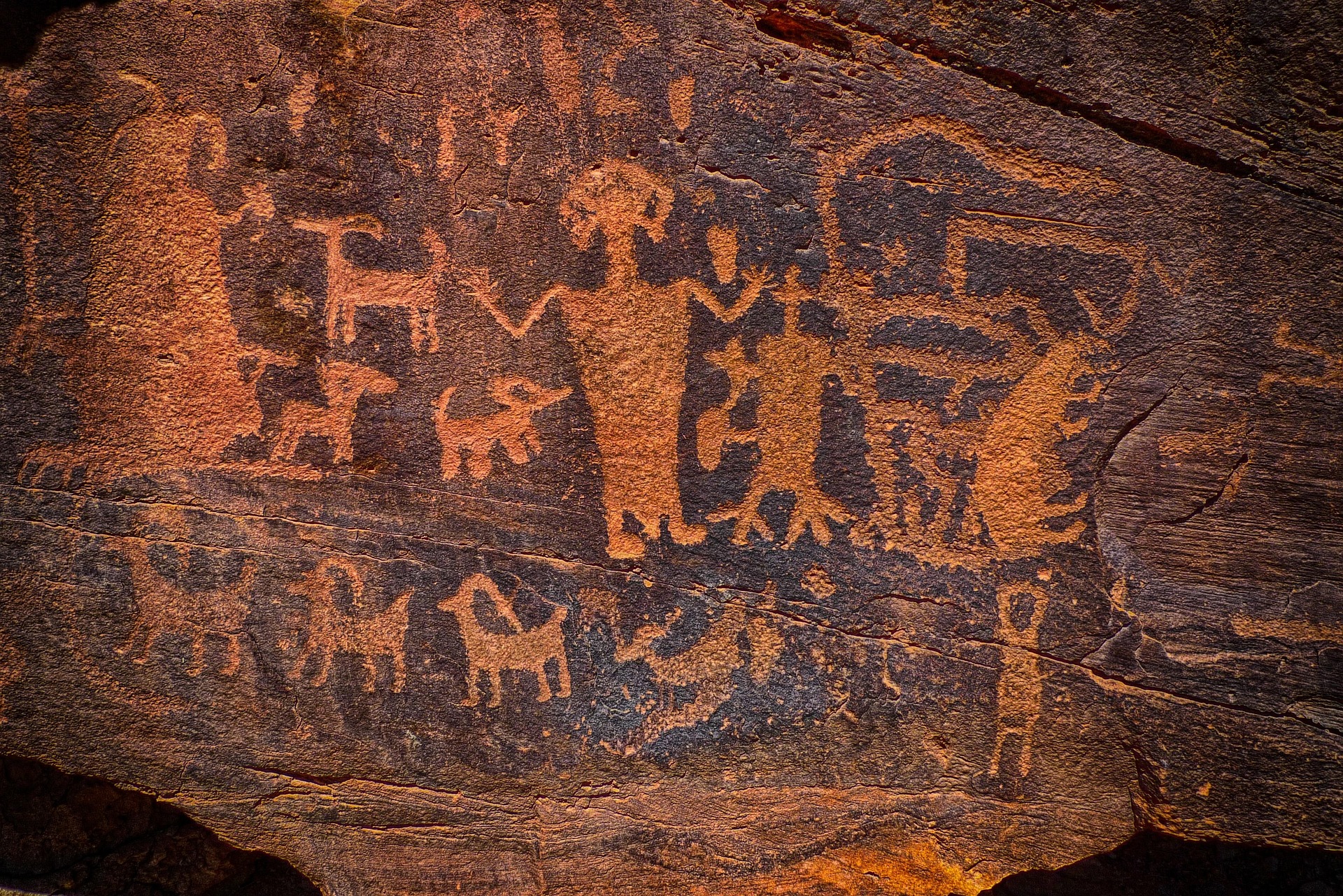
Indigenous Peoples of North America
A Comprehensive Guide to the Native American Tribes, First Nations, and Indigenous Cultures of the United States, Canada, and Mexico — Their Ancient Civilizations, Pre-Colonial Societies, History of Colonization, and Contemporary Life
Introduction
The Indigenous peoples of North America represent one of humanity's most remarkable achievements in cultural, linguistic, and social diversity. Across the continent—from the Arctic tundra of present-day Canada to the deserts of the Southwest, from the Mississippi River valleys to the Pacific Northwest—thrived hundreds of distinct nations, each with its own languages, governance structures, trade networks, and ceremonial traditions. Understanding the history of Native American tribes in North America requires recognizing that no single narrative captures the complexity of these civilizations. Rather, the story unfolds as a rich tapestry woven from thousands of years of human innovation, adaptation, and achievement.
Before European contact in the late 15th century, North America supported an estimated population far larger than scholars believed just a generation ago. While earlier estimates ranged from 1 to 2 million Indigenous people north of Mexico, contemporary scholarship suggests figures of 7 to 18 million inhabitants across North America, with total populations in the Americas reaching 50 to 100 million. These revised estimates account for the catastrophic impact of disease and conquest that decimated populations in the centuries following 1492, and they reflect the substantial carrying capacity of North American ecosystems and the sophistication of Indigenous agricultural and resource management systems. Population density varied dramatically by region—coastal areas and fertile river valleys supported dense settlements and complex chiefdoms, while other regions sustained smaller, more mobile populations adapted to local environmental conditions.
Linguistic diversity was equally staggering. North America alone contained over 300 language families, many as distinct from one another as English is from Japanese. From the Algonquian-speaking peoples of the Eastern Woodlands to the Athapaskan speakers of the Northwest and subarctic regions, from the Uto-Aztecan languages of the Great Basin to the Siouan-Caddoan languages of the Great Plains, this linguistic landscape reflected tens of thousands of years of separate development. These languages encoded sophisticated understandings of local ecology, seasonal cycles, spiritual concepts, and social relationships. The loss of Indigenous languages over the past five centuries represents an incalculable loss of human knowledge and cultural expression.
Human presence in North America extends deep into prehistory. Archaeological evidence firmly establishes that people were inhabiting the continent at least 13,000 years ago, as evidenced by the Clovis culture and associated archaeological sites. However, mounting evidence from multiple disciplines suggests that earlier migrations may have occurred, either via the Bering land bridge (Beringia) during periods of lower sea levels, or potentially through maritime migration routes along the Pacific coast. Sites such as Monte Verde in Chile, dated to approximately 14,500 years before present, and controversial evidence from earlier North American sites, suggest that the peopling of the Americas may have begun earlier than the conventional Clovis-first model proposed decades ago. This extended timeline means that Indigenous North Americans had nearly 15,000 years to develop complex societies, accumulate ecological knowledge, build monumental architecture, and create sophisticated systems of governance and trade.
Why does the study of ancient Native American civilizations and their achievements matter in the contemporary world? First, it corrects persistent misconceptions that Indigenous peoples were less sophisticated or less accomplished than Old World civilizations. Archaeological evidence demonstrates that North America's Indigenous societies built monumental cities rivaling those of Europe and Asia, developed writing systems and astronomical knowledge, created economic systems of continental scope, and engineered landscapes on scales comparable to modern agriculture. Second, understanding Indigenous history provides essential context for modern North American society. The political structures, place names, trade routes, and ecological relationships established by Indigenous peoples shaped the continent's geography and history in ways that persist today. Third, studying these civilizations offers practical knowledge about sustainable resource management, agricultural innovation, and adaptation to diverse environments—lessons increasingly relevant as contemporary societies grapple with environmental challenges. Finally, this scholarship honors the resilience and continuity of Indigenous peoples themselves, many of whose nations survived colonization and continue to maintain cultural traditions, languages, and governance systems rooted in pre-contact societies.
The following sections explore the major civilizations and cultural traditions that emerged across North America over more than 13,000 years, from the first Paleo-Indian hunters to the great empires that flourished in the centuries before European arrival.
Ancient Civilizations of North America
The human settlement of North America and the development of the continent's indigenous civilizations unfolded across more than thirteen millennia, marked by dramatic shifts in climate, resource availability, and social organization. The story begins with the Paleo-Indian period and extends through the emergence of some of the Western Hemisphere's greatest achievements in urban planning, astronomy, engineering, and statecraft.
The Clovis Culture and Paleo-Indian Period (approximately 13,000–10,000 BP)
The Clovis culture, identified by distinctive flaked stone projectile points, represents the earliest widely accepted archaeological evidence of human presence in North America. Named after the town of Clovis, New Mexico, where diagnostic artifacts were first identified in the 1930s, this culture flourished between roughly 13,000 and 10,000 years before present. Clovis people were highly mobile hunters who pursued megafauna including woolly mammoths, mastodon, giant ground sloths, and other large animals that roamed North America during the late Pleistocene epoch. Archaeological sites reveal that Clovis hunters employed sophisticated hunting strategies, including coordinated group pursuits and use of fire to drive game. Recent genetic evidence suggests that Clovis peoples were related to populations that had migrated from Siberia, though the timing and exact route of this migration remain subjects of scholarly debate. The Folsom culture, dating to approximately 10,000–9,000 BP and identified by smaller, more refined projectile points, succeeded the Clovis tradition and continued the hunter-gatherer way of life as the climate warmed and megafauna populations declined.
The Archaic Period and Agricultural Transition (approximately 10,000–1500 BP)
As ice age megafauna disappeared and climates stabilized into more recognizable modern patterns, Paleo-Indian peoples adapted to hunting smaller game, fishing, and increasingly exploiting plant resources. This extended period, termed the Archaic, witnessed gradual but transformative changes in settlement patterns, technology, and diet. While remaining primarily hunter-gatherers, Archaic peoples developed increasingly sophisticated tools for processing plant foods, including grinding stones for seeds and nuts. In favorable environments, such as the rich Mississippi River valley and Pacific Northwest coast, populations became more sedentary, establishing semi-permanent settlements and developing elaborate trading networks.
The transition to agriculture marked a watershed moment in North American prehistory. Domestication of maize (corn), squash, and beans, originating in Mesoamerica, gradually spread northward into North America over several thousand years. By approximately 2000 years before present, maize agriculture had become established in the Eastern Woodlands and Southwest regions of North America. This transition was not a sudden replacement of hunting and gathering but rather a gradual intensification of cultivation over many centuries. Different regions adopted agriculture at different times and in different ways, adapted to local environmental conditions. In the arid Southwest, irrigation farming developed to maximize water availability. In the Eastern Woodlands, mixed agriculture combined with continued dependence on game hunting and wild plant gathering. This agricultural foundation enabled population growth, sedentary settlement, and the development of more complex societies—ultimately providing the economic basis for the great civilizations that emerged in subsequent millennia.
The Olmec Civilization (approximately 1500–400 BCE)
In the tropical lowlands of Mesoamerica, along the coasts of present-day Mexico, emerged one of the Western Hemisphere's first urban civilizations. The Olmec culture, flourishing between approximately 1500 and 400 BCE, is often called the "mother culture" of Mesoamerica because so many of the religious, artistic, and political conventions established by the Olmec were adopted and adapted by successor civilizations. The Olmec heartland centered on the swampy lowlands of the Gulf Coast, particularly in the present-day Mexican states of Veracruz and Tabasco, where they built three major ceremonial centers: San Lorenzo, La Venta, and Tres Zapotes.
The Olmec exercised control over trade networks spanning vast distances, importing obsidian from the highlands, jade from Guatemala, and other prestige goods. They developed a complex religious system centered on a supernatural jaguar deity, suggesting shamanic practices and ancestor veneration. Olmec elites demonstrated their power through monumental architecture and distinctive art. The most iconic Olmec artifacts are the colossal basalt heads, some weighing as much as 40 tons, carved from single blocks of stone quarried in the distant highlands and transported to ceremonial centers. These heads, with their distinctive lips and downturned mouths, may have represented important rulers or mythological figures. Olmec artisans created elaborate jade figurines, stone vessels, and mirrors polished from obsidian and pyrite, many displaying the characteristic jaguar motif. They developed early forms of writing and a calendar system that would be refined by later Mesoamerican peoples. The Olmec civilization declined around 400 BCE, but its cultural legacy profoundly influenced the Maya, Zapotec, and later Aztec civilizations that flourished in subsequent centuries.
The Maya Civilization (approximately 2000 BCE–1500s CE)
The Maya civilization stands among humanity's greatest achievements, developing one of the pre-Columbian world's most sophisticated writing systems, making astronomical observations of remarkable precision, and building magnificent cities that remain impressive even in ruins. Maya civilization emerged in the lowlands of present-day Guatemala, Belize, Mexico, and Honduras, with its earliest precursors dating back to approximately 2000 BCE. The Maya developed a complex society organized around independent city-states governed by hereditary rulers (ahau), each controlling surrounding agricultural lands and subject populations.
The Classic Maya period (approximately 250–900 CE) represents the civilization's apex. During this era, Maya cities such as Tikal, Palenque, Copán, and Calakmul flourished as major urban centers. Tikal, located in the Guatemalan rainforest, grew to an estimated population of 60,000 to 100,000 inhabitants at its peak, supporting a dense urban core with pyramids rising 45 meters or more above the forest floor. Palenque, in present-day Mexico, showcased Maya architectural innovation with its elaborate Palace complex and fine stone carving. These cities functioned as ceremonial and administrative centers where noble families conducted rituals, commissioned monuments, and administered their territories. Causeway systems connected distant sites, suggesting an integrated regional economy.
Maya written language represents one of the world's great writing systems. Maya hieroglyphics combined logographic and syllabic elements and could express complex historical, religious, and practical information. The Maya used this writing system to record the reigns of rulers, document astronomical observations, describe religious concepts, and chronicle historical events on stone monuments called stelae and altars. These inscriptions have allowed modern scholars to reconstruct dynastic histories, understand political relationships between cities, and appreciate the intellectual sophistication of Maya civilization. The decipherment of Maya writing, accomplished primarily in the latter twentieth century, stands as one of archaeology's great achievements.
Maya astronomical knowledge astonished early European scholars. Observing the sky without telescopes or modern instruments, Maya priests tracked the movements of Venus with precision that matched medieval European observations. They developed an accurate 365-day calendar and a longer ceremonial calendar of 260 days that interwove with the solar year in a 52-year cycle. They calculated the lunar month to within a fraction of a day of the actual figure. These astronomical accomplishments served religious purposes—Maya ceremonies were timed to celestial events—but also enabled practical applications in agriculture, as the calendars helped regulate planting and harvesting cycles.
Classic Maya civilization experienced a widespread collapse around 900 CE, with major cities in the lowlands gradually abandoned over a period of roughly 100 years. The causes remain debated, though evidence points to multiple interacting factors including severe drought, warfare between competing city-states, agricultural failure, and possible epidemic disease. However, Maya civilization did not disappear. The Post-Classic period (900–1500 CE) witnessed the emergence of new centers of power in the northern lowlands, particularly at Chichen Itza and Mayapan. When Spanish conquistadors arrived in the 1500s, they encountered thriving Maya kingdoms, demonstrating that Maya civilization had recovered from the Classic collapse. Maya cultural traditions have survived colonization, and millions of Maya people continue to inhabit the Yucatan Peninsula and Central America today, maintaining native languages and cultural practices rooted in ancient traditions.
The Aztec Empire (approximately 1300–1521 CE)
In the high basin of Mexico, the Aztec (Mexica) people built the Western Hemisphere's largest empire at the time of Spanish contact. Aztec tradition held that they had migrated from a legendary homeland called Aztlan (literally, "place of herons") in the north, eventually settling in the Valley of Mexico around 1300 CE. Initially, the Mexica were a relatively poor and marginalized group, but through military prowess and strategic alliances, they rose to dominance. By the early fifteenth century, under the leadership of Montezuma I, the Aztecs had established a vast empire stretching from coast to coast across Mexico.
The capital of this empire was Tenochtitlan, founded on an island in Lake Texcoco. By the early sixteenth century, Tenochtitlan had grown into one of the world's largest cities, with an estimated population of 200,000 to 400,000—larger than most European cities of that era. Cortés and his companions were astounded by the city's magnificence, with its causeways, canals, monumental temple pyramids, and markets said to contain up to 60,000 merchants on market days. The Aztecs engineered aqueducts to bring fresh water from distant springs, constructed floating gardens called chinampas to maximize agricultural productivity in the shallow lake environment, and built a sophisticated road network connecting the empire's far-flung provinces.
The Aztec political system was not a unified centralized state but rather a loose alliance of allied city-states, dominated by the Mexica. This arrangement, called the Triple Alliance, united the Mexica of Tenochtitlan with the cities of Texcoco and Tlacopan. The empire functioned as a tributary state, with subject peoples required to send tribute to Tenochtitlan in the form of goods, military service, and captives for sacrifice. This tribute system, while economically productive, bred resentment among subject peoples and ultimately weakened Aztec resistance to Spanish conquest.
Aztec religious practice centered on an elaborate cosmology in which the gods had repeatedly created and destroyed the world. The current world was believed to be the Fifth Sun, destined eventually to end in cosmic catastrophe. Human sacrifice was practiced on a massive scale, believed to be necessary to sustain the sun and prevent universal destruction. The Templo Mayor, the great temple at the center of Tenochtitlan, was a site of spectacular ceremonies that reinforced Aztec power and ideology. When Hernán Cortés arrived in 1519, he was able to exploit divisions within the empire, recruit allies from resentful tributary states, and ultimately conquer the Aztecs despite their military might. The fall of Tenochtitlan in 1521 marked the beginning of the end for the pre-Columbian Americas.
The Ancestral Puebloans (approximately 100–1300 CE)
In the high plateaus and canyon country of the American Southwest, encompassing parts of present-day Arizona, New Mexico, Colorado, and Utah, developed a sophisticated civilization known to archaeologists as the Ancestral Puebloans (formerly called Anasazi, a term now recognized as inappropriate by descendant Pueblo peoples). These remarkable people adapted to one of North America's most challenging environments, developing agriculture suited to arid conditions, constructing architectural marvels, and creating trade networks spanning the western continent.
The Ancestral Puebloans evolved from Archaic hunter-gatherers through the gradual adoption of agriculture over several centuries. By approximately 100 CE, they had established sedentary villages and were growing maize, squash, and beans. Over the following centuries, they developed increasingly sophisticated architecture and social organization. By around 1050 CE, they had built Chaco Canyon in New Mexico into a major ceremonial and economic center. Chaco Canyon contains several massive structures called Great Houses, particularly Pueblo Bonito, which contained over 600 rooms and rose five stories high. These structures incorporated precisely aligned roads radiating outward from Chaco to distant communities, suggesting an integrated regional system of profound sophistication.
Ancestral Puebloans developed multiple settlement patterns adapted to environmental constraints. The Hohokam culture of southern Arizona pioneered extensive irrigation systems to manage water in arid regions. The Fremont culture of the Great Basin and Great Plains margins developed distinctive rock art and architectural traditions. In the Four Corners region where Arizona, New Mexico, Colorado, and Utah meet, Ancestral Puebloans built dwellings directly into canyon walls, creating the cliff dwellings of Mesa Verde. These structures provided natural protection from the elements and were often accessed by ladders or footholds carved into the canyon walls. Cliff Palace, the largest cliff dwelling at Mesa Verde, contains over 150 rooms and was occupied from approximately 1190 to 1280 CE. These cliff dwellings represent remarkable engineering achievements adapted to the landscape.
Around 1300 CE, Ancestral Puebloans abandoned their traditional homelands in the Four Corners region and migrated southward and eastward. The reasons for this abandonment remain debated, though evidence suggests prolonged drought, resource depletion, and possibly social instability played roles. However, this diaspora did not represent cultural collapse. The Ancestral Puebloans migrated to areas with more reliable water sources, settling in the Rio Grande valley and other southwestern locations. These migrants founded the pueblos that Spanish conquistadors encountered in the sixteenth century. The Pueblo peoples of today—including the Tewa, Tiwa, Towa, and Keres-speaking groups of the Rio Grande valley, as well as the Hopi, Zuni, and other southwestern peoples—are direct descendants of the Ancestral Puebloans, maintaining cultural traditions, languages, and spiritual practices rooted in these ancient roots.
The Mississippian Culture (approximately 800–1600 CE)
In the Mississippi River valley and its tributaries, a sophisticated civilization flourished from approximately 800 CE until around 1600 CE. The Mississippian culture, distinguished by characteristic pottery, architecture, and settlement patterns, created the largest pre-Columbian city north of Mexico. At the civilization's center stood Cahokia, a sprawling urban complex located in present-day Illinois near modern-day St. Louis.
Cahokia at its peak, around 1100–1200 CE, constituted a genuine metropolis with a population estimated at 15,000 to 20,000 inhabitants. The city covered an area of approximately six square miles and contained numerous earthen platform mounds arranged in plazas and neighborhoods. The largest structure was Monks Mound, a massive earthwork covering fourteen acres at its base and rising 100 feet high. This monument required the movement of approximately 14 million basketfuls of earth, all carried by hand, representing an enormous investment of organized labor. Monks Mound likely served as the residence of the chief and functioned as a platform for ceremonial structures and astronomical observation. Beyond Monks Mound stood dozens of smaller platform mounds used for temples, residences of elites, and ceremonial purposes.
The Mississippian people constructed an astronomical device at Cahokia called Woodhenge, comprised of wooden post patterns that marked the sunrise on the equinoxes and solstices. This structure served both religious and practical purposes, helping regulate the agricultural calendar. Mississippian agriculture centered on maize cultivation, supplemented by hunting, fishing, and gathering of wild plants. The civilization maintained trade networks that brought raw materials and finished goods from across much of North America—shells from the Gulf Coast, mica from the Appalachians, and exotic raw materials from the Great Lakes and beyond.
Mississippian civilization did not develop a unified empire under a single ruler but rather existed as a network of chiefdoms, with Cahokia the most powerful center. Mississippian culture spread throughout the Mississippi River valley and its tributaries, giving rise to secondary centers and satellite communities. However, by the 1300s, Cahokia had declined precipitously, and by 1400 CE it was largely abandoned. The reasons for decline remain incompletely understood, though overpopulation, resource depletion, environmental degradation, disease, and possibly social breakdown likely played roles. When Europeans arrived in the 1600s, they encountered Mississippian-descended peoples such as the Natchez, who maintained some elements of Mississippian tradition including mound building and a hierarchical society, though on a much smaller scale than their ancestors.
The Hopewell Tradition (approximately 100 BCE–500 CE)
Preceding the Mississippian culture by many centuries, the Hopewell tradition represented an earlier apex of pre-Columbian civilization in eastern North America. The Hopewell peoples, flourishing from roughly 100 BCE to 500 CE, centered their civilization in the Ohio River valley but maintained trade networks that connected virtually every corner of eastern North America. Hopewell peoples are distinguished by their elaborate earthworks and burial mounds, as well as their distinctive pottery and finely crafted objects.
Hopewell ceremonial centers featured geometric earthworks of stunning precision. Some earthworks traced perfect circles, squares, and hexagons spanning hundreds of feet. Newark, Ohio, contains one of the most impressive Hopewell earthwork complexes, with multiple geometric shapes connected by parallel walls. These structures may have served ceremonial purposes, with the geometric shapes oriented to astronomical phenomena. Hopewell burial mounds contained remarkable grave goods—objects made from materials obtained through long-distance trade including mica from the Appalachians, obsidian from the Rocky Mountains, shells from Gulf Coast sources, and copper from the Great Lakes. The craftsmanship of Hopewell artisans was extraordinary, including finely carved stone tablets, intricately worked copper objects, and elaborate headdresses and regalia.
The Hopewell trade network represents one of archaeology's most impressive achievements. Distance calculations show that exotic materials found in Ohio Hopewell mounds traveled 1,000 miles or more from their sources, indicating organized exchange systems and communication networks spanning the continent. This network facilitated not only the movement of goods but also the spread of ideas, religious concepts, and artistic styles. Around 500 CE, the Hopewell tradition declined, and the characteristic earthworks and elaborate burial practices ceased. Successor peoples in the Ohio valley would later adopt some Hopewell traditions, particularly mound building, which continued into the Mississippian period.
The Adena Culture (approximately 1000–200 BCE)
The Adena culture, which flourished in the Ohio valley between roughly 1000 and 200 BCE, preceded the Hopewell tradition and pioneered many of the ceremonial and architectural practices that Hopewell peoples would later elaborate. Adena peoples were among the first in North America to construct large, ceremonial earthworks. The most famous Adena structure is the Great Serpent Mound in southern Ohio, a massive earthwork representing a coiled serpent stretching over 1,300 feet in length. This icon has inspired considerable speculation about its purpose and meaning, with some scholars proposing it represented a constellation or mythological figure in Adena cosmology.
Adena peoples practiced burial mound construction, with graves containing grave goods including copper bracelets, stone tablets with geometric designs, and locally crafted pottery. The Adena represent a cultural horizon linking the earlier Archaic period to the more elaborate Hopewell tradition. Their innovations in earthwork construction, ceremonial practice, and long-distance exchange laid the foundation for subsequent developments in eastern North American civilization.
The Zapotec Civilization at Monte Albán (approximately 500 BCE–700 CE)
In the Valley of Oaxaca in southern Mexico, the Zapotec civilization developed another of pre-Columbian Mesoamerica's great urban centers. Monte Albán, the capital city, was founded around 500 BCE on a mountain top overlooking the valley. The choice of this elevated location may have been defensive, but it also created a dramatic ceremonial setting and required remarkable engineering to level the mountain top for construction. At its height, Monte Albán contained an estimated population of 15,000 to 20,000 inhabitants and functioned as the capital of a regional state controlling the surrounding valleys.
The Zapotec built distinctive architecture including pyramids, palaces, and ballcourts. They developed hieroglyphic writing and created dated monuments documenting rulers and historical events. The Zapotec calendar synchronized with Mesoamerican calendrical systems shared by the Maya, Olmec, and other Mesoamerican peoples, suggesting widespread cultural exchange. Zapotec religion incorporated elements found throughout Mesoamerica, including worship of a feathered serpent deity and practice of ritual bloodletting. Monte Albán maintained substantial control over surrounding regions and participated in long-distance trade networks. The city gradually declined around 700 CE, and later Zapotec peoples established new centers in the valley, eventually resisting Spanish conquest far longer than most Mesoamerican peoples.
These civilizations—from the hunter-gatherers of the Paleo-Indian period through the monumental cities of the Classic Maya and the engineering marvels of the Ancestral Puebloans—represent some of humanity's greatest achievements. They developed independent of Old World influences, demonstrating that urban civilization, writing systems, astronomical science, and monumental architecture were not exclusive to Eurasia. The study of pre-Columbian North America reveals sophisticated societies adapted to diverse environments, engaged in continental trade networks, and capable of organizing massive labor forces to create structures that endure to this day. Understanding these ancient civilizations corrects persistent misconceptions about Indigenous peoples and demonstrates that the history of North America extends back more than 13,000 years, with profound achievements and profound lessons for the contemporary world.
The Eastern Woodlands and Southeastern Peoples
The Indigenous peoples of the Eastern United States developed some of the most sophisticated political systems and densely organized societies north of Mesoamerica. From the Atlantic coastal regions westward through the Great Lakes and down into the Southeast, the Native American tribes of the Eastern United States created complex networks of governance, trade, and cultural exchange that sustained thriving civilizations for centuries. These were not scattered bands of hunter-gatherers, but rather organized nations with clearly defined territories, structured social hierarchies, and in many cases, formal confederacies that coordinated defense, diplomacy, and commerce across vast regions. Understanding the history and culture of Cherokee, Iroquois, Muscogee, and related Southeastern and Northeastern tribes requires looking at the sophisticated institutions these peoples developed long before European arrival.
At the heart of the Eastern Woodlands stood the Haudenosaunee, known in English as the Iroquois Confederacy, comprising the Mohawk, Oneida, Onondaga, Cayuga, and Seneca nations, with the Tuscarora joining later in the eighteenth century. These five (later six) nations created one of the most remarkable democratic institutions in human history: the Great Law of Peace, known in their language as Gayanashagowa. This constitution, whose exact date of origin remains debated by scholars but likely predates European contact, established principles of representative government, separation of powers, and impeachment that some historians argue may have influenced the architects of the United States Constitution. The confederacy operated through a Great Council composed of fifty royaneh, or sachems, representing the member nations. Each nation maintained its own internal governance while participating in collective decision-making that required consensus rather than majority rule, emphasizing deliberation and the pursuit of unanimity in all major matters. The Great Law itself was preserved and transmitted orally through specially trained keepers who recited the entire constitutional document, a practice that demonstrates the Haudenosaunee commitment to maintaining their founding principles across generations without written text.
The social foundation of Haudenosaunee society rested on the longhouse, both as a physical dwelling and as a metaphorical expression of kinship. Extended families of fifty to one hundred people lived together in these rectangular bark-covered structures, with each hearth serving a separate nuclear family. Crucially, the longhouse was the realm of the clan mothers—women who held remarkable political power in Haudenosaunee society. Women controlled the distribution of food, managed agricultural production, and held the authority to select and remove the sachems who represented their clans. This matrilineal descent system meant that children belonged to their mother's clan, property passed through the female line, and marriages typically involved the husband moving into the wife's longhouse. The clan mothers could withhold food from warriors, effectively controlling whether young men could participate in military expeditions. This system of female authority extended to peace-making; when men returned from war, women decided the fate of captives, determining whether prisoners would be adopted into the nation, ransomed, or killed. These structures, often misunderstood or dismissed by European observers, created a society in which women held genuine political and economic power—a stark contrast to the patriarchal systems that would attempt to replace them.
Wampum belts served as both currency and historical records in Haudenosaunee society. These belts, woven from tubular beads made from the shells of quahog clams, recorded treaties, transactions, and important historical events. The patterns and sequences of white and purple beads told stories and conveyed meaning to those trained in their interpretation. Wampum was not merely decorative but functioned as a form of wealth and a medium for sealing agreements. The presentation of wampum during negotiations carried profound significance; to refuse wampum was to refuse a relationship. The most famous wampum belts include the Two Row Wampum, which recorded the treaty between the Haudenosaunee and the Dutch, depicting two parallel rows of white beads on a purple background—symbolizing two peoples traveling side by side in parallel paths, neither subordinate to the other.
The Algonquian-speaking peoples of the Northeast occupied the Atlantic seaboard and interior forests from present-day Maine south to the Carolinas. These peoples, including the Lenape (also known as the Delaware), the Abenaki, the Wampanoag, the Penobscot, and the Massachusett, adapted to the seasonal rhythms of temperate forest life. Their annual calendar was organized around the abundance of different resources: in spring, they harvested fish during spawning runs and gathered shellfish; in summer, they cultivated corn, beans, and squash in forest clearings; in autumn, they hunted deer and gathered nuts; and in winter, they relied on stored foods and ice fishing. This seasonal round required mobility and sophisticated knowledge of their environment's production cycles. They lived in flexible settlements that expanded and contracted with the seasons, using portable wigwam dwellings that could be quickly constructed from bent saplings covered with birch bark or woven mats. Women conducted most of the agriculture and gathering, which provided the majority of calories for most Northeastern Algonquian communities. Men hunted and engaged in long-distance trade, which created extensive networks connecting coastal communities to interior peoples.
The Ojibwe, also known as the Chippewa, and their related Anishinaabe peoples dominated the Great Lakes region, where their sophisticated adaptation to one of North America's richest ecosystems allowed them to develop stable, semi-sedentary villages. The Ojibwe were particularly known for their cultivation of wild rice, manoomin, which grew abundantly in the shallow lakes of their territory. Harvesting wild rice required specialized techniques: men and women worked together to beat ripened grain from the plants into canoes, processing the harvest by drying, roasting, and winnowing. A single productive lake could feed a village for the entire year, and wild rice harvests were carefully managed to ensure future productivity. The Ojibwe constructed elegant birchbark canoes that allowed them to navigate the Great Lakes and interior waterways, facilitating trade with distant peoples. Beyond their economic innovations, the Ojibwe maintained the Midewiwin, a sophisticated medicine society that preserved healing knowledge, spiritual teachings, and the history of their people. The Midewiwin used birchbark scrolls inscribed with pictographs—symbolic representations that served as mnemonic devices for reciting teachings and ceremonies. These pictographic traditions demonstrate a sophisticated form of record-keeping that operated without alphabetic writing.
To the northeast of the Ojibwe and Anishinaabe lay the territory of the Huron-Wendat Confederacy, centered around Georgian Bay in present-day Ontario. Like the Haudenosaunee to their south, the Wendat organized themselves into multiple towns allied within a confederacy that managed trade, diplomacy, and collective security. The Wendat were intermediaries in the fur and corn trade between the Great Lakes peoples and communities to the south and west. They lived in communities of longhouses similar to those of the Iroquois, organized around patrilineal clans (unlike the matrilineal Iroquois), and maintained sophisticated agricultural systems that made corn, beans, and squash central to their diet and economy. The Potawatomi, Menominee, and Ho-Chunk or Winnebago peoples of the Great Lakes region similarly adapted to the diverse resources available, combining hunting, fishing, wild plant gathering, and increasingly by the pre-contact period, cultivation of the Three Sisters—the agricultural triumvirate of corn, beans, and squash whose complementary growing patterns allowed communities to maximize yields from cleared forest gardens.
The Southeastern peoples developed equally complex societies, though with somewhat different emphases that reflected the region's warmer climate, longer growing season, and greater reliance on maize agriculture. The Cherokee, occupying the southern Appalachian region from present-day Tennessee and North Carolina, created a sophisticated governance system organized around towns rather than a single central authority. The Cherokee maintained more than sixty towns, each with its own council and leader, united by shared language, cultural practices, and the town of Chota, which served as a ceremonial and diplomatic center. Cherokee society was organized into exogamous clans—groups whose members could not marry within the clan—which cross-cut individual towns and served to maintain unity across the nation. Women held significant authority in Cherokee society, controlling household resources and agriculture and holding voice in council discussions. The Cherokee held the Green Corn Ceremony, known as the Busk, a renewal celebration held when corn ripened, which involved purification rituals, the extinguishing and rekindling of the sacred fire, and the symbolic renewal of the community. Archaeological and ethnographic evidence suggests that Cherokee settlements included mound centers for ceremonial purposes, suggesting continuity with earlier Mississippian traditions, though in scaled-down form compared to the great mound complexes of earlier centuries.
The Creek or Muscogee Confederacy organized itself into a sophisticated network of towns that maintained individual autonomy while coordinating through ceremonial and diplomatic gatherings. The Creek world was divided into "red" towns and "white" towns—red towns focused on warfare and hunting, while white towns managed civil and ceremonial functions—creating a balance between martial and civic concerns. Each town maintained its own council house, where decisions affecting that town were made through deliberation among adult men. The Creeks were renowned for their prowess at stickball, a demanding game played with netted racquets that could involve hundreds of players and served simultaneously as entertainment, training for warfare, and a means of resolving disputes without requiring bloodshed. Like other Southeastern peoples, the Creeks observed the Green Corn Ceremony or Busk, during which the community purified itself through fasting and ritual consumption of prepared corn, renewing its relationship to the agricultural bounty and their sacred responsibilities. The Creeks organized descent matrilineally, meaning children belonged to their mother's clan, and women controlled the distribution of food and played significant roles in determining war and peace.
The Choctaw organized their nation around three district divisions with separate ceremonial and governmental centers, allowing for decentralized decision-making while maintaining a common culture and language. This three-part organization provided checks against the excessive concentration of power while allowing sufficient coordination for collective action. The Choctaw occupied the rich agricultural lands of the Mississippi interior, where they developed intensive corn cultivation alongside hunting and gathering. Their governance system emphasized democratic participation and discussion, with towns gathering in councils where all adult men could voice opinions. The Chickasaw, neighbors to the Choctaw, maintained a more militaristic culture, with extensive warrior societies and raiding traditions that extended their influence far beyond their Tennessee and Mississippi homeland. The Chickasaw likewise organized descent matrilineally and engaged extensively in trade along the Mississippi River, exchanging goods with peoples from the Great Lakes to the Gulf of Mexico.
The Seminole as a distinct nation formed during the eighteenth century, partly from Creek refugees and partly from other Southeastern nations, developing a unique culture in the Florida wetlands. The wetland environment required distinctive adaptations: the Seminole developed sophisticated knowledge of water travel, plant foods including the coonti root and saw palmetto berries, and hunting techniques suited to swamps and coastal marshes. They constructed open-sided chickees—raised platforms with thatched roofs—suited to the warm, humid climate and allowing for air circulation and protection from flooding. The Seminole maintained the Green Corn Ceremony and other Southeastern cultural practices while developing a distinct identity.
At the southern terminus of Mississippian civilization stood the Natchez, located on the Mississippi River in present-day Mississippi. The Natchez represented the last flowering of the Mississippian mound-building tradition, maintaining at their capital of Grand Village a temple mound and plaza where they performed ceremonies and gathered for important occasions. The Natchez maintained a highly stratified society, more rigid than most other Southeastern nations, with the Great Sun as the supreme ruler believed to be a descendant of the sun itself. The Great Sun held religious and political authority and could not eat with commoners or allow his feet to touch the ground. Below the Great Sun stood a nobility class and then the common people. This hierarchical system distinguished the Natchez from the more egalitarian governance structures of most other Southeastern peoples. The Natchez maintained maize agriculture as their economic base and conducted trade networks with peoples throughout the Southeast and beyond. Their mound centers, while smaller than those of earlier Mississippian civilization, demonstrated the continuation of ceremonial and political traditions stretching back centuries.
Across the Eastern Woodlands and Southeast, the Indigenous peoples of North America before European contact had developed sophisticated economic systems based on the Three Sisters agriculture of corn, beans, and squash, supplemented by hunting, fishing, and the gathering of wild plants. Trade networks connected coastal peoples with interior nations, moving shells and other coastal products inland while moving furs, copper, and other materials toward coastal regions. These trade networks allowed for the exchange not merely of material goods but also of ideas, artistic styles, religious practices, and political innovations. The democratic principles, female political authority, and consensus-based decision-making found in various forms across the Eastern Woodlands and Southeast represented sophisticated solutions to the challenges of governing complex societies without centralized states, standing armies, or written law codes. The history and culture of tribes like the Cherokee, Iroquois, and Muscogee demonstrate the intellectual and organizational sophistication of Native American societies that European colonizers would soon encounter and ultimately seek to destroy or subordinate, initiating a centuries-long struggle that would reshape the continent and determine the fates of millions.
Sources: www.countryreports.org
Regional Cultures and Traditions of Indigenous North America
The Great Plains Peoples
The vast grasslands stretching from present-day Canada to Texas shaped distinct cultures among the Great Plains Native American tribes whose history and culture reflects adaptation to one of North America's most challenging environments. The Lakota, known historically as the Sioux, organized themselves through the Oceti Sakowin, or the Seven Council Fires, a political and spiritual confederation that unified their nation. Before Spanish horses arrived in the region during the 1700s, the Lakota lived a semi-sedentary existence centered on buffalo hunting on foot. The introduction of horses fundamentally transformed Plains life, enabling the Lakota to develop the mounted warrior culture and buffalo-centered economy for which they became famous. This equestrian adaptation was not immediate but developed over generations as horses spread northward from Spanish colonies. The Lakota worldview was expressed through sacred ceremonies like the Sun Dance, where participants engaged in self-sacrifice and vision quests to commune with the spiritual realm. Their tipi dwellings, constructed from buffalo hide and wooden poles, were engineering marvels suited to nomadic life. The Akicita, a society of warrior police, maintained social order within the nation's camps and organized hunts and migrations.
The Comanche rose to prominence as the dominant horse culture of the Southern Plains, establishing themselves as formidable horsemen whose horsemanship was legendary among both indigenous nations and European traders. Their vast territory, known as Comancheria, stretched across present-day Texas, Oklahoma, Kansas, and New Mexico, where they built a trading empire that connected Spanish settlements, other tribes, and nomadic bands through complex networks of exchange. The Cheyenne and Arapaho, allied peoples who inhabited the sand hills and buffalo country of the central and northern Plains, similarly depended on buffalo hunting but maintained their own distinct ceremonies and governance structures. The Blackfoot Confederacy, composed of the Blackfeet, Blood, and Piegan peoples of the Northern Plains, were skilled hunters who had perfected the use of buffalo jumps before acquiring horses, driving entire herds off cliff faces in coordinated hunts that provided sustenance for entire communities.
East of the core buffalo grounds, the Crow or Apsáalooke, the Pawnee, and the Mandan peoples maintained semi-sedentary lifestyles. The Mandan, Hidatsa, and Arikara built permanent earth lodge villages along the Missouri River, where they combined agriculture with seasonal hunting. These villages became crucial trading hubs where nomadic Plains tribes exchanged goods with agricultural peoples and where early European traders and explorers first encountered established indigenous settlements. The history of Great Plains Native American tribes reflects millennia of sophisticated adaptation to grassland ecology, spiritual depth, and complex social organization that persisted until the massive disruption of the colonial period.
The Southwest Peoples
The American Southwest, with its high deserts, mesas, and canyon systems, supported diverse Pueblo and Navajo peoples whose cultures represent some of North America's most enduring traditions. The Pueblo peoples, including the Hopi, Zuni, Acoma, Taos, and numerous Rio Grande Pueblos, were settled agriculturalists who constructed multi-story adobe dwellings that still stand today, some continuously inhabited for centuries. Inside these structures, ceremonial chambers called kivas hosted sacred rituals central to Pueblo spiritual life. The kachina tradition, which involves masked dancers representing spiritual beings that bring rain and ensure good harvests, remains integral to Pueblo and Navajo peoples of the American Southwest. These communities developed sophisticated dry-farming techniques adapted to an environment where water was precious, using terracing, check dams, and underground irrigation to coax crops from arid soil.
The Navajo, or Diné, migrated to the Southwest around 1400 to 1500, beginning as hunter-gatherers before rapidly adopting sheep herding from Spanish settlers. This adaptation transformed Navajo society, as sheep provided wool for weaving, meat, and hides. Navajo weaving developed into an art form of extraordinary sophistication, producing blankets and rugs whose geometric patterns and rich colors became prized throughout the region. The Diné constructed hogan dwellings, circular structures of wood and earth that aligned with cosmological principles. The Blessingway ceremony and the concept of hózhó, meaning harmony and beauty in all things, represent the philosophical and spiritual foundation of Navajo worldview, reflecting a desire to maintain balance between the human community and the natural world.
The Apache peoples, including the Western, Chiricahua, Mescalero, Jicarilla, and Lipan bands, were mobile hunter-gatherers and skilled raiders who occupied niches between the Pueblo agricultural centers. They lived in ranchería settlements of scattered camps and organized themselves through matrilineal clans where descent and inheritance passed through the mother's line. The Tohono O'odham and Akimel O'odham, or Pima peoples, adapted to the harsh Sonoran Desert through sophisticated irrigation systems and seasonal harvesting. Their ceremonial calendar centered on the saguaro fruit harvest and the rain ceremony, crucial rituals that acknowledged their dependence on water in an environment where it was scarce. These diverse Southwest peoples maintained distinct languages, governance systems, and spiritual traditions while sharing common environmental pressures and sometimes trading relationships.
The Northwest Coast and Plateau Peoples
The Pacific Northwest, with its abundant rivers, forests, and marine resources, supported the most densely populated indigenous societies north of Mexico before European contact. The Chinook, Tillamook, Tlingit, Haida, Tsimshian, Kwakwaka'wakw, and Nuu-chah-nulth nations were maritime cultures who built cedar plank houses that could last for generations. These peoples developed an elaborate system of hereditary wealth and social ranking expressed through the potlatch ceremony, a sophisticated gift-giving festival where wealthy individuals displayed their status by distributing vast quantities of goods to assembled guests. Totem poles, carved from red cedar and erected outside homes, served as genealogical and spiritual records that announced family history and connection to animal ancestors. The annual salmon runs were the lifeblood of these societies, providing not just food but the surplus that enabled the development of complex art traditions, specialized crafts, and hierarchical social structures divided into nobles, commoners, and slaves.
Canoe culture defined Northwest Coast life, with master builders constructing ocean-going vessels up to sixty feet long from single cedar logs. These canoes enabled hunting of whales, seals, and sea otters, as well as participation in long-distance trade networks. The Salish peoples, including both Coast Salish and Interior Salish groups, and the Nez Perce or Nimiipuu peoples of the Plateau region, inhabited areas where Pacific influence met interior conditions. The Plateau peoples harvested camas roots, an important carbohydrate source, and positioned themselves to exploit the salmon runs that flowed upstream through their territories. When horses arrived from the south, Plateau peoples like the Nez Perce rapidly adopted equestrian culture and became skilled riders who ranged widely across the Columbia Plateau. The relationship between Northwest Coast and Plateau peoples and the annual salmon runs demonstrates how indigenous societies achieved sophisticated cultural development through deep ecological knowledge and sustainable harvesting of abundant but seasonally variable resources.
The Arctic and Subarctic Peoples
The Arctic represents one of Earth's most challenging environments, yet Inuit peoples, including the Inupiat, Yupik, and Inuit of Canada and Greenland, developed technologies and knowledge systems of extraordinary sophistication. Arctic adaptation required mastery of ice and water, which the Inuit achieved through innovative construction methods, notably igloos built from snow blocks and sod houses insulated with vegetation and animal remains. Kayaks and larger umiaks, boats with wooden frames covered in seal skin, allowed hunting of marine mammals including seals, walruses, and whales. Dog sleds or qamutik enabled winter travel across frozen landscapes. Clothing technology represented another crucial innovation, with multilayer garments of fur and skin that insulated against extreme cold while allowing mobility necessary for hunting.
Inuit Qaujimajatuqangit, the traditional knowledge and values of Inuit peoples, encompassed sophisticated understanding of ice conditions, animal behavior, and celestial navigation. The drum dance tradition, performed during long winter months when communities gathered indoors, provided entertainment, spiritual expression, and social bonding. The Aleut or Unangan peoples of the Aleutian Islands developed parallel maritime expertise, using baidarka skin boats to hunt sea otters and other marine mammals with exceptional skill. The Athabascan or Dene peoples of the Subarctic, including the Gwich'in, Chipewyan, Cree, and Ojibwe at their northern range, adapted to boreal forest conditions where caribou migration was the central ecological fact. These peoples hunted caribou across vast distances, constructed birchbark canoes for river travel, and developed snowshoe technology that allowed winter hunting and trapping.
The Métis of Canada represent a distinct indigenous people with mixed First Nations and European heritage who developed their own culture centered on the Red River region. The Métis organized buffalo hunts with military precision, and their Michif language blended Cree, Ojibwe, and French vocabulary into a unique linguistic expression. The Inuit and Arctic indigenous peoples of North America, despite living in some of the world's least hospitable environments, developed cultures of remarkable depth and sustainability, maintaining populations and traditions through thousands of years of polar extremes. Their knowledge systems, accumulated through countless generations of observation and adaptation, represent humanity's capacity to thrive in environments that would seem impossible to occupy. These Arctic and Subarctic peoples maintained trade networks connecting them to more temperate regions, exchanging furs, ivory, and specialized goods with interior peoples and eventually with European traders.
Indigenous Peoples of Mexico
Mexico is home to the largest indigenous population in the Americas, with approximately 11 to 12 million self-identifying indigenous people according to the 2020 census. The country recognizes 68 indigenous languages, reflecting the profound cultural diversity that has survived centuries of colonization, cultural pressure, and marginalization. These indigenous communities represent continuities with some of the world's most sophisticated pre-Columbian civilizations, and they continue to maintain distinct languages, practices, and worldviews despite centuries of pressure to assimilate.
The Nahua peoples, descendants of the Aztec and Mexica civilizations, represent one of Mexico's most significant indigenous groups with approximately 1.7 million speakers of Nahuatl today. The Nahua survived the colonial period through a combination of demographic resilience, adaptation, and geographic distribution. Rather than being eliminated, Nahuatl became one of the primary languages through which Spanish colonial authorities communicated with indigenous populations. Modern Nahua communities are concentrated in central Mexico, particularly in Puebla, Veracruz, and Hidalgo, where they maintain traditional agricultural practices, ritual calendars, and ceremonial life. The continuity of Nahuatl as a living language spoken by millions represents one of the most remarkable survivals of an ancient American language system.
The Maya peoples of southern Mexico constitute another major indigenous population, numbering approximately 8 million people distributed across Yucatán, Chiapas, Campeche, Quintana Roo, and Tabasco. Rather than forming a single unified group, the southern Maya are organized into distinct Maya-speaking communities including the Yucatec Maya, the Tzotzil, the Tzeltal, the Tojolabal, the Chol, and the Chuj. Each of these groups maintains its own linguistic and cultural particularities while sharing broader Maya cultural heritage. These communities have continued to maintain traditional agricultural practices, particularly milpa agriculture, along with ceremonial systems, textile traditions, and oral histories that extend back to pre-Columbian times. The Zapatista uprising, formally the Zapatista Army of National Liberation (EZLN), emerged in Chiapas in 1994 as a major expression of indigenous rights and self-determination. This movement brought international attention to the conditions of indigenous communities in southern Mexico and fundamentally altered the political landscape surrounding indigenous rights and land tenure across the country.
The Zapotec of Oaxaca represent one of the oldest continuous civilizations in the Americas, with cultural and political continuity extending back over two thousand five hundred years. The ancient Zapotec city of Monte Albán was founded approximately five hundred BCE and served as a major regional center of political authority and artistic production. Modern Zapotec communities continue to inhabit the Sierra Juárez and the Isthmus of Tehuantepec regions of Oaxaca, where they maintain distinctive textiles, pottery traditions, and social organizations. The Guelaguetza festival, celebrated annually in Oaxaca City, brings together Zapotec communities and performers to celebrate indigenous music, dance, and cultural expression, drawing both local participants and international visitors.
The Mixtec peoples, inhabiting parts of Oaxaca and Guerrero, were renowned in the pre-Columbian era for their sophisticated gold working techniques and for the production of painted codices, also known as screenfold books, which document mythological narratives and historical events. The Mixtec screenfolds represent some of the most visually complex and narratively sophisticated documents produced in the pre-Columbian Americas. Today, significant numbers of Mixtec people have migrated to the United States to work in agricultural labor, particularly in California, creating transnational Mixtec communities that maintain cultural ties across borders.
The Otomi, who call themselves the Hñähñu, inhabit central Mexico and represent a pre-Aztec peoples whose political independence was incorporated into the Aztec Empire. The Otomi developed a complex pictographic writing system that recorded historical and administrative information. Their descendants continue to inhabit communities in central Mexico, particularly in the states of Mexico, Hidalgo, Querétaro, and Guanajuato, where they maintain traditional practices and languages despite centuries of pressure toward Spanish-language adoption and cultural assimilation.
The Purépecha, also known as the Tarascan, were based in Michoacán and established an empire that rivaled the Aztec in power and sophistication. Unlike many indigenous polities, the Purépecha were never conquered by the Aztec and maintained their political independence until the arrival of Spanish conquistadors. The Purépecha capital, Tzintzuntzan, was constructed with distinctive architectural features that reflected the region's unique cultural traditions. The Purépecha developed unique metallurgical techniques, particularly for copper working, which distinguished their artistic production from that of neighboring peoples.
The Totonac of Veracruz maintained a significant regional presence before the arrival of Spanish colonizers. The Totonac city of Cempoala was one of the first indigenous polities that the Spanish conquistador Hernán Cortés encountered, and the Totonac became allies of the Spanish in their campaigns against the Aztec Empire. The Totonac are particularly renowned for the voladores ceremony, a complex ritual performance in which costumed performers rotate around a tall wooden pole while descending toward the ground. This ceremony has been recognized by UNESCO as a Masterpiece of the Oral and Intangible Heritage of Humanity.
The Huichol, who refer to themselves as the Wixáritari, inhabit communities in Jalisco and Nayarit in northwestern Mexico. The Huichol are known for their distinctive yarn paintings, called nierika, which depict spiritual and mythological narratives through intricate patterns of colored yarn pressed into wax. The Huichol maintain a sacred pilgrimage to Wirikuta, a desert location associated with peyote and spiritual power, which remains central to their religious and cosmological worldview. The Huichol are considered one of the least acculturated indigenous groups in Mexico, having maintained greater cultural and linguistic continuity than many other indigenous peoples in the country.
Mexico's approach to indigenous rights evolved significantly in the twenty-first century. The National Indigenous Rights Framework was established through the National Commission for Indigenous Peoples (INPI), and a constitutional reform in 2019 explicitly recognized the rights of indigenous peoples to self-determination and self-governance. These legal developments acknowledged the historical injustices perpetrated against indigenous peoples and attempted to create institutional mechanisms for protecting indigenous cultural, linguistic, and territorial rights.
First Nations, Métis, and Inuit of Canada
Canada's Constitution Act of 1982 recognizes three distinct groups of aboriginal peoples: the First Nations, the Métis, and the Inuit. This constitutional recognition reflects Canada's unique approach to indigenous governance, which has created distinct legal and political frameworks for each group. The history of these three populations demonstrates both the profound diversity of indigenous peoples in northern North America and the complex legacies of colonization, resistance, and contemporary nation-building.
The First Nations encompass over six hundred thirty recognized First Nations distributed across Canada. These communities speak languages belonging to several major language families. The Algonquian language family, one of the largest, includes the Cree, who are the most widely distributed First Nation across Canada, extending from Quebec through the prairie provinces to Alberta; the Ojibwe, prominent in Ontario and Manitoba; the Blackfoot, inhabiting Alberta and Saskatchewan; the Mi'kmaq of Atlantic Canada; and the Maliseet of the Maritimes. The Athabascan or Dene language family includes peoples such as the Chipewyan, the Slavey, the Tłı̨chǫ (also known as Dogrib), and the Dene Tha' of the northern territories. The Iroquoian language family includes the Mohawk, who call themselves the Kanien'kehá:ka, with significant communities at Kahnawake and Akwesasne, both straddling the United States-Canada border, and at the Grand River Territory in Ontario. The Salishan language family comprises the Interior Salish peoples of British Columbia, while the Wakashan family includes the Kwakwaka'wakw and the Nuu-chah-nulth of the Pacific Northwest. The Tsimshianic language family encompasses the Tsimshian, the Nisga'a, and the Gitxsan of northern British Columbia. The Haida, inhabiting Haida Gwaii, are linguistically isolated, with their language belonging to no larger recognized language family.
The Haudenosaunee, also known as the Iroquois Confederacy, maintain significant presence in Canada through several Mohawk communities. The Kahnawake and Akwesasne reserves straddle the international boundary, a situation that emerged from eighteenth-century treaty negotiations and reflects the complex histories of border-creation across indigenous territories. The Grand River Territory in Ontario is home to the Six Nations of the Grand River, one of the largest First Nations in Canada by population. The Haudenosaunee developed a sophisticated system of governance based on the Great Law of Peace, which continues to inform contemporary Haudenosaunee political organization.
The Cree Nation represents the most widely distributed First Nation across Canada. Cree communities extend from Quebec westward through Ontario, Manitoba, Saskatchewan, and Alberta. The James Bay Cree, inhabiting northern Quebec, engaged in significant legal battles during the 1970s to resist hydroelectric dam construction on traditional territories. These conflicts resulted in the James Bay Agreement of 1975, which represented one of the first comprehensive modern treaties negotiated between the Canadian government and an indigenous nation. The agreement established mechanisms for Cree participation in resource management decisions and set precedents for subsequent indigenous-government negotiations across Canada.
The Anishinaabe, also known as the Ojibwe, inhabit territories across Ontario and Manitoba. The Anishinaabe maintain distinctive oral traditions, spiritual practices, and artistic traditions that continue to be central to their cultural identity. The Anishinaabe have been active in contemporary indigenous rights movements and have played significant roles in national discussions regarding reconciliation and land rights.
The Haida of Haida Gwaii, located off the coast of British Columbia, are renowned for their sophisticated artistic traditions and maritime technologies. Haida artists produced monumental totem poles, elaborate ocean-going canoes, and intricate argillite carvings that documented social status, ancestral lineages, and spiritual connections. In 2010, the archipelago formerly known as the Queen Charlotte Islands was officially renamed Haida Gwaii, acknowledging Haida sovereignty and cultural primacy in the region.
The Nisga'a Nation of northern British Columbia achieved particular prominence through the Nisga'a Final Agreement, negotiated and ratified in 2000. This agreement represented the first modern-day treaty in British Columbia and granted the Nisga'a Nation substantial self-governing authority and territorial control. The Nisga'a path to treaty recognition was significantly influenced by the landmark Calder case of 1973, in which the Supreme Court of Canada acknowledged the concept of aboriginal title, establishing a crucial legal precedent that recognized indigenous peoples' inherent rights to their traditional territories.
The Métis Nation emerged from the intermarriage of European fur traders, primarily French and British, with indigenous women, particularly Cree and Ojibwe women, during the early fur trade period. The Métis developed a distinct culture, language (Michif), and identity that represented neither pure indigenous nor pure European heritage but rather a unique synthesis. Louis Riel, a Métis political leader, organized the Red River Resistance in 1869 and 1870 in response to Canadian government attempts to assume control of Métis territories in what is now Manitoba. Although the resistance was ultimately suppressed, it resulted in the Manitoba Act, which recognized Métis land rights and established Manitoba as a Canadian province. Riel later led the North-West Resistance in 1885, which attempted to secure Métis rights in Saskatchewan and Alberta. Though this resistance was also defeated militarily, it represented a sustained assertion of Métis sovereignty and territorial claims. The Métis are distributed across the prairie provinces, with significant settlements in Alberta, and the 1982 Constitution Act's Section 35 formally recognized the Métis as aboriginal peoples of Canada, granting them constitutional rights distinct from but parallel to those of First Nations.
The Inuit population in Canada numbers approximately sixty-five thousand people and inhabits Arctic and subarctic regions divided into four major regions. Nunatsiavut encompasses Labrador's Inuit territory; Nunavik refers to northern Quebec; Nunavut, created as a territory in 1999, represents the world's largest indigenous self-governing territory, encompassing approximately two million square kilometers across the central and eastern Canadian Arctic; and the Inuvialuit region encompasses the western Arctic in the Northwest Territories. Nunavut's creation in 1999 established an unprecedented model of indigenous self-governance at the territorial level, granting the Inuit meaningful control over land management, resource extraction, and political representation.
Canada's relationship with its indigenous populations has been profoundly shaped by the residential school system, a network of government-funded institutions operated primarily by Christian churches that forcibly removed indigenous children from their communities for assimilation. The effects of this system, which operated from the nineteenth century through the late twentieth century, include intergenerational trauma, language loss, disrupted family structures, and ongoing social and health crises in indigenous communities. The Truth and Reconciliation Commission, which completed its work in 2015, documented the history and ongoing legacies of residential schools and issued ninety-four Calls to Action intended to guide reconciliation efforts. Canada established the National Day for Truth and Reconciliation on September 30, also known as Orange Shirt Day, to commemorate the experiences of residential school survivors and to advance public awareness of the ongoing impacts of colonization on indigenous peoples.
www.countryreports.org
Colonization and Its Devastating Impact
The arrival of Europeans in North America initiated one of history's most catastrophic demographic collapses. Within 100 to 150 years of first contact, European diseases—particularly smallpox, measles, and influenza—decimated indigenous populations across the continent. Scholars estimate that between 5 and 20 million indigenous people died in North America alone, representing 50 to 90 percent of the pre-contact population. The Columbian Exchange, as historians call the transfer of organisms and pathogens between the Eastern and Western Hemispheres, fundamentally altered the balance of power between European settlers and indigenous nations. Indigenous peoples possessed no immunity to these Old World diseases, giving epidemics a catastrophic reach that no military campaign could have achieved. Entire communities disappeared within months, leaving survivors to bury their dead and reconstruct societies fragmented by unprecedented loss.
Spanish colonization in the Southwest and Mexico established the encomienda and repartimiento systems, labor arrangements that granted Spanish colonists control over indigenous workers through grants of land and people. These systems, though sanctioned by Spanish law and the Catholic Church, operated as a brutal form of enslavement. The Spanish also constructed a network of missions throughout California and the Southwest, justified as centers of Christian conversion but functioning as instruments of cultural destruction and forced labor. Indigenous peoples were coerced into abandonment of their languages, spiritual practices, and social structures.
Resistance to Spanish colonial rule erupted most dramatically in 1680, when Po'pay, a Tewa religious leader, united Pueblo peoples across New Mexico in a coordinated rebellion that drove Spanish colonizers entirely from the region for twelve years. This Pueblo Revolt stands as the most successful indigenous uprising in North American history, a testament to both the severity of Spanish oppression and the organizational capacity of indigenous nations to mount unified resistance. Spanish reconquest came in 1692, but the revolt had demonstrated indigenous refusal to accept subjugation without struggle and secured temporary restoration of Pueblo sovereignty.
French colonization in Canada and the Great Lakes region followed a different trajectory, rooted not in conquest but in economic partnership with indigenous nations. The beaver pelt trade required French dependence on indigenous knowledge, trappers, and guides. French fur traders married indigenous women, creating métis communities that bridged both worlds. While French Jesuit missionaries sought to convert indigenous peoples and reshape their societies, the economic relationship between French and indigenous nations retained an element of mutual benefit absent from Spanish colonization. Indigenous peoples controlled the fur trade's supply and logistics, making them indispensable to French colonial prosperity. Yet French colonization still eroded indigenous autonomy, disrupted traditional hunting territories, and introduced diseases and alcohol that destabilized indigenous societies.
British colonization introduced the Doctrine of Discovery, a legal fiction that granted European powers sovereignty over indigenous lands based on European discovery and exploration. Land grants issued by the British Crown ignored the prior existence and ownership of indigenous peoples, treating the continent as empty land available for settlement. This doctrine, which would influence legal frameworks across North America for centuries, directly contradicted indigenous concepts of land use and stewardship. However, the Proclamation of 1763, issued by the British Crown, attempted to limit westward settler expansion by recognizing indigenous territorial rights and prohibiting colonial settlement west of the Appalachian Mountains. Though often ignored by colonists hungry for expansion, the Proclamation established the principle that indigenous peoples possessed rights requiring government recognition and negotiation. This precedent later influenced Canadian law and international concepts of indigenous treaty rights.
The American Revolution created a catastrophic situation for indigenous nations. Most indigenous peoples sided with Britain during the war, seeing the British Crown as a potential check on aggressive American settler expansion. British troops, in turn, valued indigenous military support and promised to honor indigenous territorial rights. But the Treaty of Paris in 1783, which ended the war between Britain and the newly independent United States, made no mention of indigenous nations or their sovereignty. Indigenous allies discovered they had been abandoned by their British partners and faced an expanding American nation that felt no obligation to honor British promises. The postwar treaties between the United States and individual tribes often contained hollow language about indigenous rights while systematically advancing American acquisition of indigenous lands.
The Northwest Ordinance of 1787 established procedures for governing western territories and promised that indigenous peoples would not be disturbed in their territories without their consent and just compensation. Yet this promise proved entirely illusory, as American expansion accelerated throughout the early nineteenth century with little regard for indigenous rights or treaties. Each treaty was followed by new American demands as settlers pressed westward, and each concession of land left indigenous nations more impoverished and confined.
The Indian Removal Act of 1830, championed by President Andrew Jackson, codified a policy of forced displacement that would define the nineteenth century. The act authorized the federal government to negotiate treaties requiring the removal of southeastern tribes to lands west of the Mississippi River, ostensibly for their own benefit but in reality to open eastern lands to American settlement. The Five Civilized Tribes—the Cherokee, Creek, Choctaw, Chickasaw, and Seminole—had developed sophisticated agricultural systems, some adopting European-style written constitutions and government structures. Yet sophistication provided no protection. Between 1838 and 1839, approximately 16,000 Cherokee people were forcibly marched westward on the Trail of Tears, a brutal removal that claimed approximately 4,000 lives to disease, starvation, and exposure. The journey haunts Cherokee memory and symbolizes American betrayal of indigenous peoples.
The Supreme Court's decision in Worcester v. Georgia in 1832 recognized Cherokee sovereignty and invalidated Georgia's attempt to extend state jurisdiction over Cherokee territory. Yet President Jackson, who opposed indigenous rights, reportedly refused to enforce the Court's decision, famously stating that John Marshall had rendered a judgment the President declined to uphold. This moment crystallized the fundamental vulnerability of indigenous nations: their legal victories could be rendered meaningless by executive refusal to implement them. The removal continued unabated, demonstrating that indigenous people had no reliable path to justice within American institutions.
The Plains Wars of the nineteenth century consumed indigenous nations between American settlement expansion and military subjugation. The Fort Laramie Treaties, first in 1851 and again in 1868, attempted to define boundaries between indigenous nations and American settlement. But repeated violations by American settlers seeking gold and land forced Plains nations—particularly the Sioux—into open warfare. The 1868 Fort Laramie Treaty with the Sioux guaranteed possession of the Black Hills, sacred mountains at the heart of Lakota territory and identity. Yet when gold was discovered in the Black Hills, American settlers flooded the region and the federal government moved to force the Sioux from the region.
The Battle of the Little Bighorn in 1876 became a watershed moment in American-indigenous conflict. Lieutenant Colonel George Armstrong Custer led the Seventh Cavalry in an assault on an enormous Lakota and Cheyenne encampment gathered under the leadership of Sitting Bull and Crazy Horse. Custer's force was annihilated, and his death became a national sensation in American newspapers. Rather than provoking American reconsideration of Indian policy, Custer's defeat intensified American military response. Sitting Bull eventually fled to Canada, while the Sioux were systematically hunted and forced onto reservation lands.
The Wounded Knee Massacre of 1890 demonstrated the brutal consequences of American military dominance. As the Ghost Dance movement spread among Sioux peoples—a spiritual practice that promised the return of ancestors and buffalo—federal authorities grew alarmed. Big Foot, a Lakota leader, was leading a group of approximately 350 people toward shelter when the Seventh Cavalry—the same regiment that had been decimated at Little Bighorn fourteen years earlier—surrounded them at Wounded Knee Creek in South Dakota. In the chaos that followed, the Army killed approximately 250 to 300 Lakota men, women, and children, many of them fleeing or surrendering. The massacre marked a symbolic end to armed indigenous resistance in the continental United States and demonstrated American military superiority and willingness to commit mass violence against indigenous peoples.
The Dawes Act of 1887, also known as the General Allotment Act, represented a new form of assault on indigenous sovereignty. Rather than forced removal, allotment sought to destroy the tribal land base itself by dividing communally held reservation lands into individual parcels assigned to individual tribal members. The policy reflected an American ideology that individual private property was superior to communal land stewardship and that indigenous peoples needed to abandon tribal structures to become "civilized." Between 1887 and 1934, allotment policies resulted in the loss of over 90 million acres of tribal land, either transferred to non-indigenous settlers or sold by indigenous individuals pressured by poverty and debt. The policy devastated indigenous economies and severed the connection between tribal nations and their lands.
Residential and boarding schools, established in both the United States and Canada, constituted a systematic assault on indigenous identity and cultural survival. Richard Henry Pratt, founder of the Carlisle Indian School in Pennsylvania, articulated the guiding philosophy: "Kill the Indian, save the man." Children were forcibly removed from their families and placed in institutions where they were punished for speaking indigenous languages, practicing indigenous spirituality, or maintaining indigenous identity. The schools implemented military discipline, assimilationist curriculum, and documented physical and sexual abuse. In Canada, the residential school system operated from the nineteenth century until 1996, removing generations of indigenous children from their families and communities. The psychological and cultural damage persists across indigenous communities to the present day. In 2021, the discovery of 215 children's remains at Kamloops Indian Residential School in British Columbia forced national reckoning with the horrors of the residential school era and sparked investigations revealing mass graves at numerous other institutions.
The Navajo Nation's Long Walk of 1864 represents another chapter in forced removal and survival. When the Navajo resisted American encroachment, the federal government dispatched Kit Carson to suppress them. Carson implemented a scorched-earth campaign, destroying Navajo crops, livestock, and homes, forcing thousands to surrender. The surviving Navajo were forced on a long march to Bosque Redondo, a reservation near Fort Sumner, New Mexico, where they endured four years of captivity in disease-ridden conditions. In 1868, the federal government negotiated a treaty allowing the Navajo to return to their homeland. The Navajo Nation's survival of this catastrophe and subsequent economic development stands as testament to indigenous resilience and determination to maintain tribal identity despite American efforts at destruction.
Modern Tribal Nations — Lands, Sovereignty, and Contemporary Life
The Indian Reorganization Act of 1934 marked a significant departure from the destructive allotment and removal policies that had dominated the previous century. Spearheaded by Indian Commissioner John Collier, the act ended further allotment of tribal lands and restored tribal land-purchasing capacity. More importantly, the act allowed tribes to reorganize their governments, adopt constitutions, and establish tribal corporations for economic development. The IRA acknowledged, however grudgingly, that tribal sovereignty and self-governance had value and that American policy should support rather than suppress indigenous nations. The act enabled some tribal nations to reclaim agency over their futures, though its benefits were unequally distributed and some tribes rejected it entirely.
Tribal sovereignty in the United States rests on a unique legal foundation established by Chief Justice John Marshall in the early nineteenth century. Marshall defined Native American tribes as "domestic dependent nations," a status that recognizes their sovereignty while acknowledging federal authority. The three-part federal trust relationship establishes that the federal government has fiduciary responsibility to protect tribal lands and resources, tribes retain inherent sovereignty over their territories and members, and tribes possess governments with their own judicial systems. Tribal courts operate with authority over tribal members and matters arising within tribal territory. The Indian Gaming Regulatory Act of 1988 granted tribes sovereign authority to establish gaming enterprises on reservation lands, a decision that transformed economic prospects for some tribes by generating revenue for tribal services and economic development. This gaming sovereignty highlighted broader economic potential of tribal enterprises, from casinos to energy development to agricultural operations.
The modern reservation system encompasses 574 federally recognized tribes across the United States, controlling approximately 56 million acres of tribal land administered through the Bureau of Indian Affairs. These reservations vary dramatically in size, resources, and economic development. The Navajo Nation spans 27,425 square miles, larger than West Virginia, with approximately 175,000 enrolled members. The nation's capital at Window Rock, Arizona, houses a sophisticated tribal government that manages the nation's vast territory and diverse economic activities. The Navajo Nation has implemented strong cultural preservation programs, including language immersion schools and cultural centers that maintain Navajo language and traditions despite the historical assault of boarding schools and residential institutions.
The Navajo Nation's recent history illustrates both indigenous resilience and the ongoing challenges facing tribal nations. In 2020, the COVID-19 pandemic struck the Navajo Nation with particular severity, overwhelming healthcare facilities, claiming thousands of lives, and exposing the chronic underfunding of tribal healthcare systems. The pandemic devastated an already fragile economy dependent partly on tourism and partly on extractive industries that environmental concerns and market shifts had begun to undermine. Yet the Navajo Nation's response also demonstrated sophisticated governance capacity and tribal determination to protect their people despite federal inadequacy.
Other major reservations including Pine Ridge (the Oglala Lakota reservation in South Dakota), Uintah and Ouray (Ute Nation in Utah), and Tohono O'odham (Arizona) face similar combinations of cultural vitality and economic hardship. Poverty rates on many reservations exceed 30 percent, healthcare and educational infrastructure remain underfunded, and limited economic opportunity forces many young people to migrate to urban centers for employment.
The American Indian Movement, founded in 1968, emerged from urban Native American communities to advocate for treaty rights, sovereignty, and indigenous self-determination. The movement's most famous action came in 1973 when members occupied the village of Wounded Knee on the Pine Ridge reservation for 71 days, demanding federal recognition of treaty rights and investigation of conditions on the reservation. The occupation attracted national media attention and galvanized indigenous activism across the continent. The movement also championed Leonard Peltier, an AIM activist imprisoned for the 1975 death of two FBI agents during a standoff on Pine Ridge, despite significant evidence questioning Peltier's guilt. Peltier's case became emblematic of indigenous peoples' distrust of the American justice system and the movement's broader campaign for indigenous rights.
The Native American Graves Protection and Repatriation Act of 1990 represented a major indigenous legislative victory, requiring that human remains and sacred objects held by museums and federal institutions be returned to tribes for reburial and spiritual care. NAGPRA acknowledged indigenous spiritual and cultural rights to their ancestors and sacred items, a principle previously dismissed by American institutions. The law enabled thousands of tribal members to conduct proper ceremonies for their ancestors and to recover sacred objects taken by collectors and museums.
International recognition of indigenous rights advanced with the United Nations Declaration on the Rights of Indigenous Peoples in 2007, which established indigenous peoples' right to self-determination, cultural preservation, and free, prior, and informed consent regarding development projects affecting their territories. The United States initially opposed the declaration but endorsed it in 2010, though American endorsement has not prevented federal policy or resource extraction from violating the declaration's principles.
The Standing Rock Sioux Tribe's resistance to the Dakota Access Pipeline in 2016 mobilized indigenous nations on an unprecedented scale. The planned pipeline would cross treaty lands and threaten water resources critical to the tribe's survival. The movement that emerged, branded as #NoDAPL, brought together indigenous nations from across North America in the largest gathering of tribal representatives in modern history. The encampment at Standing Rock attracted thousands of indigenous people and allies dedicated to protecting water and treaty rights. Though the pipeline ultimately was constructed, the movement demonstrated the capacity of indigenous nations to mobilize around shared concerns and the power of indigenous-led environmental justice activism.
Indigenous languages survive in precarious condition, with approximately 150 still spoken across the United States, down dramatically from more than 300 languages spoken at the time of European contact. Language loss reflects the century-long assault of boarding schools and the dominance of English in American society. Yet indigenous nations have launched language revitalization programs that show promise. The Cherokee Nation operates language immersion schools where children learn to read, write, and speak Cherokee fluently, modeled in part on Māori language revitalization successes in New Zealand. The Endangered Languages Project and similar initiatives document and support indigenous language preservation across North America.
Indigenous peoples have emerged as leaders in environmental conservation and land stewardship. The Bears Ears Inter-Tribal Coalition, representing Navajo, Ute, Hopi, Zuni, and other nations, successfully advocated for the creation of Bears Ears National Monument in Utah, protecting sacred sites and landscapes from development. The coalition's work demonstrates that indigenous land management and ecological knowledge offer superior conservation outcomes compared to federal management prioritizing resource extraction. Similarly, the Blackfeet Nation has partnered with the National Park Service in Glacier National Park, incorporating traditional ecological knowledge into park management and asserting indigenous authority over ancestral territories.
The geographic distribution of indigenous peoples has shifted dramatically in the twentieth and twenty-first centuries. Over 70 percent of Native Americans in the United States now live in urban areas rather than on reservations, a shift driven by limited reservation-based economic opportunity. Urban Indian centers in cities including Los Angeles, Chicago, New York, and Denver provide cultural services, healthcare, and social support to indigenous peoples navigating urban life while maintaining cultural identity.
The contemporary indigenous population reflects the legacy of colonization and the persistence of indigenous peoples despite centuries of assault. Approximately 6.9 million people identify as American Indian or Alaska Native in the United States according to the 2020 census, including those identifying as multiracial. Canada's indigenous population, including First Nations, Métis, and Inuit peoples, exceeds 1.8 million. Mexico's indigenous population numbers approximately 11 to 12 million people, and across the entire American hemisphere, 45 to 50 million people identify as indigenous. These figures represent not indigenous defeat but indigenous survival and determination.
A cultural renaissance is underway across indigenous North America. Native American authors including Sherman Alexie, Tommy Orange, Louise Erdrich, and Joy Harjo, who served as United States Poet Laureate from 2019 to 2021, have achieved national and international literary prominence, bringing indigenous perspectives and stories to broad audiences. Indigenous filmmakers, artists, and musicians are celebrating and expanding indigenous cultural expression. The powwow tradition, gathering indigenous peoples for music, dance, and community renewal, has become a vital practice bringing together dispersed community members and strengthening cultural identity. Indigenous fashion designers and artists are driving a design renaissance that incorporates indigenous artistic traditions into contemporary forms. Indian Country Today newspaper and digital media platforms provide news and analysis specifically for indigenous audiences.
The crisis of Missing and Murdered Indigenous Women has emerged as a central indigenous rights concern. Indigenous women face violence at rates substantially higher than non-indigenous women, and law enforcement agencies have historically failed to investigate disappearances and murders of indigenous women with appropriate urgency. The relative invisibility of murdered indigenous women in national discourse and media contrasts sharply with the attention given to missing women from dominant society. Legislative responses including Savanna's Act, passed in 2020, attempt to improve coordination between federal and tribal law enforcement and to ensure that tribal input shapes investigations of missing indigenous women. The movement to end violence against indigenous women represents ongoing indigenous activism for justice and dignity.
Tribal nations today navigate complex circumstances combining deep cultural traditions and contemporary challenges. Sovereignty remains contested, with federal policy continuing to shift based on political winds and American interests rather than consistent recognition of treaty rights. Yet indigenous peoples have survived colonization, removal, and systematic assault on their languages, religions, and ways of life. The persistence of indigenous nations, the revitalization of indigenous languages and cultures, and the emergence of indigenous leadership in environmental and social justice movements suggest that the future of indigenous North America, while uncertain, belongs to indigenous peoples themselves as they determine their own courses.
Conclusion
The story of the indigenous peoples of North America is not a story of the past. It is a living, continuing story of peoples who have survived conquest, epidemic, forced removal, cultural suppression, and systematic dispossession — and who remain, on their ancestral homelands and in the cities their nations were never consulted about, as distinct and sovereign peoples with languages, ceremonies, legal rights, and political institutions that predate every nation-state on the continent.
The ancient civilizations explored in this guide — from the Olmec cities of the Gulf Coast and the towering mounds of Cahokia to the cliff dwellings of the Ancestral Puebloans and the democratic confederacy of the Haudenosaunee — demonstrate that North America was not a wilderness awaiting European discovery. It was a continent of extraordinary human achievement, dense with cities, trade networks, agricultural systems, and political philosophies of remarkable sophistication. The peoples who built those civilizations are the ancestors of the men and women who today serve in tribal governments, file land claims in federal courts, teach their languages to the next generation in immersion schools, and organize pipeline protests that attract the eyes of the world.
The history of colonization is a history of choices made and atrocities committed in living memory — not ancient history. The last residential school in Canada closed in 1996. Elders alive today attended these institutions. The systematic erasure of language and identity that those schools attempted has not succeeded. Across North America, indigenous communities are experiencing a cultural renaissance, reclaiming languages, artistic traditions, governance structures, and spiritual practices that were never entirely extinguished. The Cherokee Nation operates language immersion schools from which fluent young speakers graduate. The Navajo Nation maintains its own court system, schools, and regulatory agencies over a territory larger than ten US states. The Inuit of Nunavut govern a territory of two million square kilometers that the Canadian government created in 1999 in recognition of their inherent right to self-determination.
The legal and political struggles are ongoing. Land claims, water rights, treaty enforcement, the epidemic of missing and murdered indigenous women, the crisis of youth suicide on many reservations, and the ongoing work of the Truth and Reconciliation process in Canada are issues that demand the attention of non-indigenous citizens and governments in equal measure. Understanding who the indigenous peoples of North America are — their histories, their governance structures, their spiritual relationships to land, their demographic devastation and extraordinary resilience — is not merely an academic exercise. It is a prerequisite for any serious engagement with the continent's past, present, and future.
The 574 federally recognized tribes of the United States, the 630 First Nations of Canada, the 68 recognized indigenous language groups of Mexico, and the countless communities whose status remains unrecognized are each the custodians of knowledge systems, ecological relationships, and ways of being in the world that humanity cannot afford to lose. Their continued existence, their political sovereignty, and their cultural vitality are among the most important facts about North America in the twenty-first century.
Sources
https://www.nps.gov/subjects/archeology/native-american-heritage.htm https://www.si.edu/spotlight/native-american-heritage https://americanindian.si.edu https://www.census.gov/topics/population/race/about.html https://www.bia.gov/bia/ois/tribal-leaders-directory https://www.ncai.org https://www.niea.org https://www.peoplesnativeland.org https://www.loc.gov/collections/american-indian-histories-and-cultures https://archive.org/details/nativeamerican https://www.aclu.org/issues/racial-justice/native-american-rights https://narf.org https://www.tribal-institute.org https://anthropology.si.edu/outreach/indbibl/ancient.html https://www.nmai.si.edu https://www.aihc.amdigital.co.uk https://www.culturalsurvival.org https://www.un.org/development/desa/indigenouspeoples https://www.rcaanc-cirnac.gc.ca https://www.trc.ca https://www.inpi.gob.mx https://www.countryreports.org
#IndigenousPeoples #NativeAmerican #FirstNations #NativeAmericanHistory #IndigenousHistory #TribalNations #NativeAmericanCulture #IndigenousRights #NorthAmericaHistory #AmericanIndian #Inuit #MetisNation #IndigenousMexico #PreColumbianCivilizations #CahokiaMounds #AncestralPuebloans #IroquoisConfederacy #NavajNation #CherokeeNation #TrailOfTears #TribalSovereignty
https://www.countryreports.org