
 English
 Español
 中文
中文 हिन्दी
 Français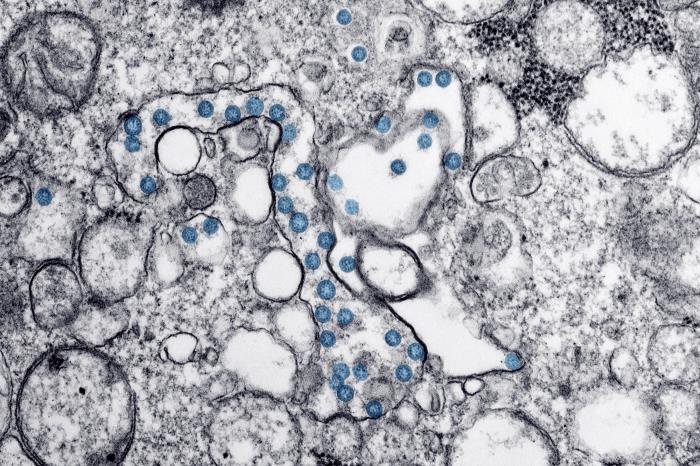
Major Pandemics in History
How outbreaks have shaped medicine, society, and policy across centuries.
Pandemics are among the most consequential events in human history. Great outbreaks of infectious disease have killed tens of millions of people, reshaped economies and belief systems, redrawn political borders, and driven centuries of scientific and institutional innovation. From the plague pandemics of late antiquity to the novel coronavirus that emerged in 2019, each major outbreak has taught lessons about pathogens, public health, and the fragile infrastructure of global cooperation.
Overview
Public health authorities distinguish between several categories of infectious disease activity. An outbreak is a sudden increase in cases of a disease above what is ordinarily expected in a given area. An epidemic is a larger spread of illness across a region, often a country or group of neighboring countries. A pandemic is an epidemic that has crossed international boundaries and established sustained transmission in multiple regions or continents. An endemic disease, by contrast, is one that is continuously present in a community at a relatively stable, predictable level, such as seasonal malaria in much of sub-Saharan Africa.
The drivers of pandemics are well understood by epidemiologists. Globalization and high-speed travel move pathogens between continents in hours rather than months. Rapid urbanization creates dense human populations in which respiratory and fecal-oral pathogens transmit efficiently. Zoonotic spillover, the movement of a pathogen from an animal reservoir into human hosts, has been the origin of most novel pandemics, including plague, influenza, HIV, Ebola, SARS, and COVID-19. Pathogen evolution itself drives pandemic risk as influenza viruses reassort between species and bacteria acquire resistance to the antibiotics that once controlled them. Poverty, inequity, and crowding in housing, workplaces, and refugee settings concentrate pandemic harm among populations that already have the least access to medical care.
Global health architecture evolved largely in response to pandemic events. The World Health Organization was created in 1948 as a specialized agency of the United Nations. The International Health Regulations were revised in 2005 after the SARS outbreak to require member states to report public health emergencies of international concern. National agencies such as the United States Centers for Disease Control and Prevention, the European Centre for Disease Prevention and Control, and Germany's Robert Koch Institute carry out disease surveillance, laboratory reference work, and outbreak response. Pandemics interact with other global stresses as well, and shifts in temperature, rainfall, and vector ranges driven by climate change are extending the reach of diseases such as dengue and chikungunya, a linkage discussed in more detail in Climate Change.
Key Facts
- Deadliest modern pandemic
- Spanish influenza of 1918–1920, with estimates of 50 to 100 million deaths worldwide
- Black Death (1347–1353)
- Estimated 75 to 200 million deaths across Eurasia and North Africa, killing roughly 30 to 50 percent of the European population
- HIV/AIDS cumulative deaths
- Approximately 40 million since 1981, with approximately 39 million people living with HIV as of 2023 per UNAIDS
- COVID-19 reported deaths
- Approximately 7 million as reported to the World Health Organization as of 2024, with excess-mortality estimates of 18 to 28 million
- Cholera pandemics since 1817
- Seven recognized pandemic waves, with ongoing outbreaks in Haiti, Yemen, Sudan, and parts of sub-Saharan Africa
- Smallpox
- The only human disease declared eradicated, certified by the World Health Organization in 1980 after a global vaccination campaign
- Basic reproduction number (R0)
- An epidemiological estimate of how many people, on average, a single infected person will infect in a fully susceptible population; values above 1 indicate potential for sustained spread
- Variolation and vaccination
- Variolation against smallpox was practiced in Asia and Africa for centuries before Edward Jenner's 1796 cowpox-based vaccine launched modern vaccinology
- Governing framework
- World Health Organization International Health Regulations (2005), revised after SARS
Plague of Justinian (541–549 CE)
The Plague of Justinian is the name given to the first documented plague pandemic in human history. It emerged in the Byzantine Empire during the reign of Emperor Justinian I and swept through the Mediterranean basin, reaching Constantinople in the year 541. Genetic studies published in The Lancet and other peer-reviewed journals have since confirmed that the disease was caused by Yersinia pestis, the same bacterium responsible for the later Black Death. The pathogen was transmitted by fleas carried by rodents aboard the grain ships that fed the Byzantine capital.
Contemporary chroniclers, most notably the historian Procopius, described a staggering daily mortality in Constantinople. Modern estimates place the cumulative death toll between 25 and 50 million people across successive waves that continued to reappear into the middle of the eighth century. Some scholars argue that roughly a quarter of the eastern Mediterranean population may have perished during the initial outbreak, though demographic reconstructions of this era carry wide uncertainty.
The long-term consequences were profound. The pandemic weakened Byzantine fiscal capacity and manpower at precisely the moment when Justinian was attempting to reconquer the western Mediterranean. It contributed to a sustained decline in trade, agricultural output, and urban population across the empire and accelerated political fragmentation in the post-Roman world. The Plague of Justinian is often cited as an early example of how disease can shape the trajectory of empires as powerfully as armies or treaties.
Black Death (1347–1353)
The Black Death was the second plague pandemic and is widely regarded as one of the deadliest events in recorded human history. It entered Europe in October 1347 aboard Genoese merchant ships that docked at Sicilian ports after retreating from the besieged Crimean trading city of Kaffa. Within six years, the disease had reached nearly every corner of the continent, from Iceland to the Middle East, carried along the same trade networks described in Silk Road and Trade Routes.
Mortality estimates have been refined repeatedly in recent decades. The pandemic is now thought to have killed between 75 and 200 million people across Eurasia and North Africa, with roughly 30 to 50 percent of the European population lost over six years, though the precise share remains debated among historians. Some cities lost more than half of their inhabitants; others experienced milder losses, a disparity that modern epidemiologists attribute to variations in rodent ecology, sanitation, commercial contact, and the presence of pneumonic versus bubonic transmission.
The social, religious, and economic consequences were transformative. Acute labor shortages weakened the feudal order across western Europe and strengthened the bargaining power of surviving peasants and artisans. Religious authority was challenged by the failure of prayer and pilgrimage to halt the disease, giving rise to new devotional movements and, in some places, violent persecution of Jewish communities wrongly blamed for the outbreak. Some historians trace the early stirrings of the Renaissance, of labor mobility, and of a shift toward empirical observation in medicine to the demographic shock of the Black Death, although such sweeping causal claims remain actively debated in the scholarship.
Columbian Exchange Epidemics (1492 onwards)
The arrival of European ships in the Americas beginning in 1492 initiated one of the most catastrophic series of disease outbreaks in human history. Indigenous American populations had no inherited immunity to smallpox, measles, influenza, typhus, whooping cough, and a cluster of other Eurasian and African pathogens. The introduction of these diseases, alongside warfare, enslavement, forced displacement, and the collapse of traditional food systems, produced a demographic catastrophe that continued for more than two centuries. These events are part of the broader history treated in Age of Exploration.
Scholars disagree about the pre-contact population of the Americas, with estimates ranging from roughly 40 to 100 million. There is nonetheless broad consensus that many regions experienced population declines on the order of 80 to 90 percent in the generations that followed European arrival, making the Columbian exchange epidemics among the most severe instances of population collapse ever documented. Densely populated urban centers in what is now Mexico, the Andes, and the Mississippi valley were particularly affected, with smallpox outbreaks repeatedly sweeping through Indigenous communities during the sixteenth and seventeenth centuries.
The cultural, political, and ecological consequences were far-reaching. Disease hollowed out the political and military capacity of powerful Indigenous polities, greatly accelerating European conquest, colonization, and the later transatlantic slave trade. Traditional knowledge, languages, and social institutions were lost along with the people who carried them. Researchers at Harvard T.H. Chan School of Public Health and other institutions continue to study this period as a foundational case in the epidemiology of virgin-soil epidemics, in which a previously unexposed population encounters multiple pathogens almost simultaneously.
Third Plague Pandemic (1855–1960s)
The third plague pandemic originated in the Yunnan region of southwestern China in the middle of the nineteenth century. From Yunnan the disease moved into coastal treaty ports, most notably Hong Kong and Canton, during the 1890s, where it boarded steamships bound for India, Africa, Australia, the Americas, and Europe. Maritime trade, expanded by steam propulsion and the opening of the Suez Canal, was the decisive amplifier. By the mid-twentieth century, the World Health Organization recorded plague cases on every inhabited continent.
Cumulative mortality is estimated at approximately 12 million deaths, the great majority occurring in India and China. Bombay, Calcutta, Karachi, and many smaller Indian cities suffered repeated waves of bubonic plague into the 1920s, while outbreaks in San Francisco, Buenos Aires, Glasgow, and Cape Town demonstrated that even modern sanitary cities were vulnerable to rodent-borne disease.
Scientifically, the third pandemic was revolutionary. In 1894, during the Hong Kong outbreak, the Swiss-French physician Alexandre Yersin and the Japanese bacteriologist Kitasato Shibasaburō independently identified the causative bacillus, which was subsequently named Yersinia pestis in Yersin's honor. Institut Pasteur and allied laboratories quickly began developing serum therapies and vaccines. Epidemiological work in India, including that of the Haffkine Institute, established the central role of fleas and rodents in transmission and informed the modern public health response that, in the words of later World Health Organization reporting, finally brought the pandemic to a close.
Cholera Pandemics (1817 onwards)
Seven cholera pandemics have been recognized since 1817, when the disease began to spread beyond its endemic home in the Ganges delta of India. Caused by the bacterium Vibrio cholerae and transmitted through water and food contaminated with human waste, cholera is characterized by acute watery diarrhea that can kill an otherwise healthy adult within hours through dehydration. Its pandemic potential is tied directly to the conditions of urbanization, poverty, and crowded water supply that defined the industrializing world of the nineteenth century.
The disease transformed the science of epidemiology. During the London outbreak of 1854, the physician John Snow mapped cholera deaths around a public water pump on Broad Street in Soho and persuaded local officials to remove the pump handle, demonstrating for the first time that the disease was waterborne rather than caused by miasmatic air. In 1883, during an Egyptian outbreak, the German physician Robert Koch isolated Vibrio cholerae in pure culture, work that remains foundational to modern microbiology and is celebrated by the Robert Koch Institute today.
Cholera remains an active global health challenge in the twenty-first century. A major outbreak struck Haiti beginning in 2010, introduced through poor sanitation at a United Nations peacekeeping camp, and ultimately killed more than 9,000 people. Yemen has experienced the largest documented cholera outbreak in modern history since 2016, with more than 2.5 million suspected cases driven by war-related destruction of water and sanitation infrastructure. Sudan, Malawi, and Mozambique have also reported large outbreaks in recent years. Oral cholera vaccines, coordinated through Gavi, the Vaccine Alliance, and the World Health Organization, have become an increasingly important tool of outbreak response.

Spanish Influenza (1918–1920)
The Spanish influenza pandemic of 1918 to 1920 is widely considered the deadliest single disease event in modern recorded history. The pathogen was an H1N1 influenza A virus of probable avian origin. Modern retrospective estimates drawn from the United States Centers for Disease Control and Prevention and the National Institute of Allergy and Infectious Diseases place the number of people infected at approximately 500 million, or roughly one-third of the global population at the time. Death tolls carry significant uncertainty and are most commonly cited in a range of 50 to 100 million, though some recent reviews argue the figure lies in the lower portion of that range.
The popular name is historically misleading. Because wartime censorship in the belligerent powers suppressed early reporting, and because neutral Spain reported cases openly, the pandemic became associated in public memory with that country. Leading hypotheses about the actual place of origin point variously to a United States Army training camp in Kansas, to poultry markets in northern France linked to the Western Front, or to pre-existing outbreaks in northern China. The question remains unresolved and sensitive.
The pandemic occurred in three distinct waves across 1918 and 1919, with the autumn 1918 wave the most lethal. An unusual feature was its age distribution: unlike most influenza seasons, Spanish flu was disproportionately fatal to otherwise healthy young adults, likely because of a cytokine-driven immune response that was most severe in people with robust immune systems. Public health measures of the era, including mandatory masking, closure of theaters and schools, and quarantines, had measurable effects in cities that applied them early and consistently. The pandemic unfolded alongside and in the immediate wake of the First World War, whose military and civilian upheavals facilitated viral spread and are discussed in World War I. It is commemorated today in the collections of the National WWI Museum and Memorial and at the Smithsonian National Museum of American History.
HIV/AIDS (1981–present)
HIV/AIDS is a pandemic caused by the human immunodeficiency virus, which attacks and gradually destroys CD4 T-cells of the human immune system and leaves untreated patients vulnerable to opportunistic infections and cancers collectively known as acquired immunodeficiency syndrome. Molecular studies indicate that HIV-1 crossed from chimpanzees into humans in central Africa in the early twentieth century, probably through hunting of bushmeat, and circulated at low levels for decades before achieving pandemic scale.
HIV was identified as a distinct disease in 1981, when physicians in Los Angeles, New York, and San Francisco reported unusual clusters of Pneumocystis pneumonia and Kaposi sarcoma among previously healthy gay men. The virus itself was isolated in 1983 by researchers at Institut Pasteur in Paris, working in parallel with teams at the United States National Institutes of Health. The pandemic subsequently expanded across every continent, though its distribution has remained deeply unequal, with eastern and southern Africa bearing the greatest burden.
According to UNAIDS reporting, approximately 40 million people have died of AIDS-related illness since the pandemic began, and approximately 39 million people were living with HIV as of 2023. The most important medical turning point was the introduction of combination antiretroviral therapy in 1996, which transformed HIV from a near-certain death sentence into a chronic, manageable condition in people with reliable access to care. Pre-exposure prophylaxis, or PrEP, has since proven highly effective at preventing transmission among people at elevated risk. Despite these advances, persistent gaps in access to diagnosis and treatment, and the social stigma still attached to the disease in many settings, continue to drive new infections and preventable deaths, a challenge actively documented by the Johns Hopkins Center for Health Security and the Yale School of Public Health.
SARS, MERS, and H1N1 (2000s–2010s)
The first two decades of the twenty-first century produced a series of emerging infectious disease events that collectively reshaped global pandemic preparedness. The Severe Acute Respiratory Syndrome coronavirus, SARS-CoV, emerged in Guangdong province, China, in late 2002 and spread through travel networks to more than two dozen countries in 2003. The World Health Organization recorded approximately 8,000 reported cases and fewer than 800 deaths before the outbreak was largely contained by aggressive case finding, contact tracing, quarantine, and hospital infection control. SARS was, in retrospect, both a warning and a rehearsal for larger events to come.
Middle East Respiratory Syndrome coronavirus, MERS-CoV, was first identified in Saudi Arabia in 2012. Its animal reservoir is the dromedary camel. Sporadic human cases and occasional hospital-based clusters continue to be reported, with a case fatality rate of roughly one in three that is far higher than any other recently emerged coronavirus. In 2009, a novel H1N1 influenza A virus of swine origin emerged in North America and was declared a pandemic by the World Health Organization. Retrospective analyses by the CDC estimated approximately 284,000 deaths worldwide during its first year, with mortality concentrated unexpectedly among children and younger adults.
The 2014 to 2016 Ebola virus epidemic in Guinea, Liberia, and Sierra Leone killed approximately 11,300 people and is remembered as the largest Ebola outbreak in history. Although not a pandemic by the strict definition, it demonstrated how quickly a highly lethal pathogen could overwhelm fragile health systems and triggered the establishment of the Coalition for Epidemic Preparedness Innovations, CEPI, with support from the Wellcome Trust. Each of these twenty-first-century outbreaks contributed specific lessons about surveillance, laboratory capacity, vaccine development, and the limits of global coordination.
COVID-19 (2019–present)
COVID-19 is the respiratory illness caused by the severe acute respiratory syndrome coronavirus 2, SARS-CoV-2. The virus was first identified in Wuhan, China in December 2019. The World Health Organization declared a Public Health Emergency of International Concern on January 30, 2020, and formally characterized the outbreak as a pandemic on March 11, 2020. Within months, virtually every country had reported cases, and most had adopted some combination of border restrictions, physical distancing, and non-pharmaceutical interventions to slow transmission. The question of the virus's precise origins, whether zoonotic spillover at a market or a laboratory-associated event, remains a matter of ongoing scientific and political inquiry and a notably sensitive subject.
As of 2024, the World Health Organization had recorded approximately 7 million deaths from COVID-19. Excess-mortality analyses from The Economist and from a World Health Organization-coordinated methodology have estimated that the true global death toll more likely lies between 18 and 28 million, reflecting under-reporting, limited testing, and indirect pandemic effects on other causes of death. Variants of concern, designated Alpha, Beta, Gamma, Delta, and Omicron, successively reshaped transmissibility and immune escape during the first three years of the pandemic.
The COVID-19 response produced one of the fastest coordinated scientific efforts in medical history. Messenger RNA vaccines, developed in parallel by multiple teams and authorized for emergency use in December 2020, reached hundreds of millions of people within the first year. The National Institute of Allergy and Infectious Diseases, the Coalition for Epidemic Preparedness Innovations, the Wellcome Trust, and Gavi, the Vaccine Alliance, played central roles in vaccine development, procurement, and distribution through the COVAX initiative. The pandemic also caused the deepest global recession since the Second World War, disrupted schooling for approximately 1.5 billion children at its peak, and produced political and social consequences that will be studied for decades. Its lessons for preparedness, equity, and public trust form an active research agenda at institutions such as the Johns Hopkins Center for Health Security and the Harvard T.H. Chan School of Public Health.
Preparedness and Future Risks
Public health planners now explicitly prepare for pandemics that have not yet happened. The World Health Organization maintains a list of priority pathogens that includes Crimean-Congo hemorrhagic fever, Ebola, Lassa fever, MERS and SARS coronaviruses, Nipah, Rift Valley fever, Zika, and a placeholder designation known as Disease X, representing a currently unknown pathogen with pandemic potential. The inclusion of Disease X reflects the experience of recent decades: the next pandemic is unlikely to be caused by a familiar virus but rather by an unanticipated spillover from an animal reservoir.
The Coalition for Epidemic Preparedness Innovations was established in 2017 to fund vaccine research and development for priority pathogens and to ensure equitable access to the resulting products. Negotiations on a global Pandemic Treaty, launched through the World Health Assembly in 2021 and continuing at the time of this writing, aim to codify obligations for surveillance, data sharing, health system strengthening, and equitable access to medical countermeasures. Antimicrobial resistance is a parallel slow-moving pandemic; the World Health Organization and the Institut Pasteur both warn that the continued rise of resistant bacteria threatens to render routine surgery, childbirth, and cancer chemotherapy dramatically more dangerous than they are today.
Climate change is expanding the range of disease vectors. The European Centre for Disease Prevention and Control documents the northward spread of Aedes albopictus mosquitoes into southern and central Europe, together with the introduction of dengue, chikungunya, and West Nile virus transmission into areas that did not historically experience them. Deforestation, agricultural intensification, and the wildlife trade increase human contact with novel pathogens. These environmental drivers of pandemic risk are treated in more detail in Climate Change.

Lessons and Legacy
Pandemics have been engines of medical and institutional innovation. The cholera pandemics of the nineteenth century produced the sanitary movement, modern epidemiology, and municipal water and sewer systems. The plague pandemics strengthened quarantine practices and maritime health inspection, the origin of the word quarantine itself coming from the forty-day isolation of ships in Venetian ports. The smallpox vaccine introduced the concept of prophylactic immunization, and the eventual eradication of smallpox, certified by the World Health Organization in 1980, remains the greatest public health achievement of the twentieth century. Antibiotics, developed in response to wartime infections but transformative against bacterial pandemic diseases as well, extended life expectancy by decades.
Pandemics have also revealed and sharpened inequities. Mortality has repeatedly fallen most heavily on the poor, on communities of color, on older adults in congregate care, on essential workers unable to shelter at home, and on regions without robust health systems. The uneven distribution of COVID-19 vaccines during 2021 and 2022, in which high-income countries secured supplies far in excess of their populations while many lower-income countries waited months for first doses, has become a central case study in global health ethics. Organizations including Gavi, the Vaccine Alliance, the joint GAVI-WHO-UNICEF reporting on childhood immunization, and the Wellcome Trust have pressed for structural reforms to vaccine financing, manufacturing capacity, and intellectual property so that the next pandemic does not repeat those patterns.
Trust in public institutions is itself part of the legacy. Successful pandemic response depends on clear communication, stable political leadership, and a population willing to act on public health guidance. When trust erodes, through misinformation, inconsistent messaging, or political polarization, the most sophisticated biomedical tools cannot be fully effective. The long history of pandemics, from Justinian to COVID-19, ultimately teaches that medicine, policy, and public confidence are inseparable elements of a single system whose strength is revealed only under stress.
Sources
Detailed citations, data references, and institutional sources for all CountryReports content are listed on the Sources page. The following global health agencies, research centers, and memorial institutions are the primary authorities we rely on for pandemics content. Each link points to the institution's homepage.
Global Health Agencies
- World Health Organization (WHO) — International Health Regulations, pandemic declarations, priority pathogens list, and country-level case reporting for cholera, influenza, COVID-19, and other diseases.
- United States Centers for Disease Control and Prevention (CDC) — Surveillance data, outbreak investigations, and historical analyses of the 1918 influenza, H1N1 2009, HIV/AIDS, and COVID-19.
- European Centre for Disease Prevention and Control (ECDC) — European surveillance data, vector-borne disease monitoring, and pandemic preparedness reporting.
- National Institute of Allergy and Infectious Diseases (NIAID / NIH) — Research on HIV/AIDS, influenza, coronaviruses, and emerging pathogens, including the Pandemic Preparedness Plan.
- Gavi, the Vaccine Alliance — Global immunization financing, cholera and COVID-19 vaccine distribution, and joint GAVI-WHO-UNICEF reporting on routine childhood immunization coverage.
Academic Research Centers
- Johns Hopkins Center for Health Security — Pandemic preparedness policy, biosecurity research, and the Global Health Security Index.
- Harvard T.H. Chan School of Public Health — Research on infectious disease epidemiology, virgin-soil epidemics, and global health equity.
- Yale School of Public Health — Epidemiological research on HIV/AIDS, COVID-19, and global health disparities.
- Wellcome Trust — Funding and reporting on global health research, including pandemic preparedness and antimicrobial resistance.
National Public Health Institutes
- Institut Pasteur — Discovery of Yersinia pestis, isolation of HIV, and ongoing research on emerging infectious diseases.
- Robert Koch Institute (Germany) — Historical origin of cholera microbiology, current German federal disease surveillance, and pandemic response coordination.
Museums and Historical Collections
- National WWI Museum and Memorial — Historical context for the 1918 Spanish influenza pandemic and its relationship to the First World War.
- The National WWII Museum (New Orleans) — Wartime medical history including penicillin development and military public health programs.
- Smithsonian National Museum of American History — Historical medicine collections, including vaccination and public health artifacts spanning more than two centuries.
If you notice an error or would like to suggest a correction, please use our contact page to get in touch.