
 English
 Español
 中文
中文 हिन्दी
 Français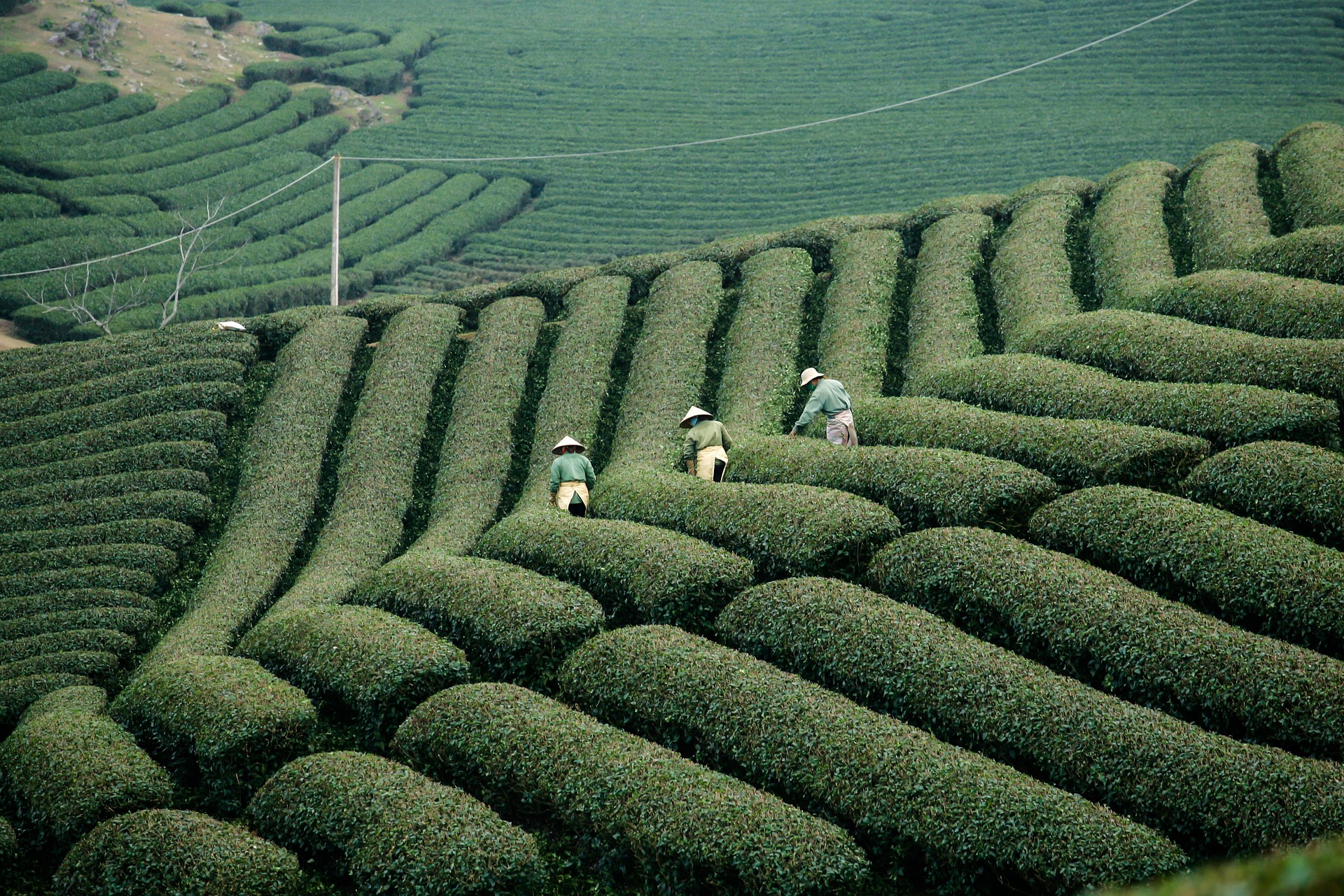
The History of Agriculture: From Foraging to Feeding Eight Billion
Agriculture is the foundation upon which civilization rests. The shift from hunting and gathering to deliberate cultivation of plants and domestication of animals — beginning approximately twelve thousand years ago in several regions of the world independently — was the most consequential economic transformation in human history, enabling population growth, sedentary communities, specialization of labor, writing, religion, government, and ultimately the entire edifice of urban civilization.
The history of agriculture is the history of human partnership with the living world: breeding plants to produce more grain, more oil, more fiber, and more fruit; breeding animals to pull plows, provide milk and meat, and carry goods; transforming landscapes through irrigation, terracing, drainage, and soil amendment; and ultimately applying the tools of chemistry, genetics, and computing to extract ever-larger yields from limited land.
Agriculture is practiced on approximately five billion hectares of the earth's land surface — roughly one-third of all non-ice land — including approximately 1.4 billion hectares of cropland and the rest in pasture and permanent crops. It employs approximately one billion people worldwide, though this number is declining in most regions as mechanization reduces the labor intensity of farming. It produces the food, feed, fiber, and increasingly the fuel that sustains the human population, which passed eight billion in November 2022 and is projected to peak between nine and eleven billion by the end of the twenty-first century.
The question of whether that population can be fed — whether agriculture can continue expanding output as the land available for new cultivation approaches its practical limits, as water becomes scarcer in many regions, and as other pressures mount — is one of the defining challenges of the twenty-first century. The answers lie in the history of agricultural innovation: how human societies have repeatedly confronted the apparent limits of food production and found ways to transcend them.
The Neolithic Revolution: the Origins of Farming
The transition from foraging (hunting and gathering) to farming was not a single invention in a single place but a gradual development that occurred independently in multiple regions of the world between approximately 10,000 and 3,000 BCE. The earliest and most historically significant center of agricultural origin was the Fertile Crescent — the arc of well-watered land stretching from the Nile Valley through the Levant (modern Israel, Palestine, Lebanon, Jordan, and Syria) and into Mesopotamia (modern Iraq) and southeastern Anatolia (modern Turkey).
The Fertile Crescent was home to the wild progenitors of the "founder crops" — the eight plant species whose domestication formed the basis of Near Eastern and subsequently European agriculture: emmer wheat, einkorn wheat, barley, lentils, peas, chickpeas, bitter vetch, and flax. Wild versions of these plants were already being harvested and eaten by foragers in the region; domestication — the process of selecting for seeds that stayed on the stalk rather than shattering (making them easier to harvest), that germinated quickly and uniformly, and that were larger than their wild counterparts — occurred gradually over hundreds or thousands of years of unconscious selection by the farmers who planted the largest, most desirable seeds.
The oldest known farming settlement is Jericho in the Jordan Valley (modern Palestine), with evidence of cultivated grains and mudbrick architecture dating to approximately 9600 BCE. The site of Göbekli Tepe in southeastern Turkey — a monumental ritual site with elaborately carved stone pillars dating to approximately 10,000 to 9,000 BCE — may represent the social organization around which the transition to farming in the region occurred, though its precise relationship to agricultural origins remains debated.
Animal domestication accompanied and complemented crop cultivation. The dog was domesticated from wolves approximately 15,000 years ago — before agriculture — and served as hunting companion and guard. The domestication of cattle (from the aurochs, a now-extinct wild ox), sheep, goats, and pigs occurred in the Fertile Crescent region beginning approximately 10,000 BCE, providing sources of meat, milk, wool, and eventually traction power for plowing. The horse was domesticated on the Eurasian steppe approximately 5,500 to 6,000 years ago, initially for meat and milk before its use for riding and warfare transformed the mobility and military dynamics of the ancient world.
Independent Agricultural Origins Around the World
While the Fertile Crescent's agricultural revolution was the most historically influential — spreading westward through Europe and eastward through Central Asia, carrying with it wheat, barley, cattle, and sheep — agriculture arose independently in at least four other regions of the world, each domesticating different crops adapted to its climate.
China developed agriculture centered on the Yellow River (Huang He) and Yangtze River valleys, domesticating rice (Oryza sativa) in the lower Yangtze region beginning approximately 7,000 BCE and millet (Panicum miliaceum and Setaria italica) in the Yellow River valley from approximately 6,000 BCE. Chinese agriculture also domesticated soybeans, adzuki beans, hemp, and tea. Rice cultivation spread from China throughout Southeast Asia and eventually to South Asia, Korea, and Japan. The paddy rice cultivation system — growing rice in flooded fields — is among the most labor-intensive and productive agricultural systems ever developed, capable of supporting extremely high population densities.
Mesoamerica — modern Mexico and Central America — was a major independent center of agricultural origin, with domestication of maize (corn, from the wild grass teosinte), squash, and beans beginning by approximately 7,000 to 5,000 BCE. Maize, one of the most productive grain crops in the world, was transformed by indigenous American farmers over thousands of years of selective breeding from a grass with small cobs of a dozen seeds into the large, high-yielding crop familiar today. The "Three Sisters" polyculture of maize, beans, and squash — the three crops grown together in the same field, with the beans fixing nitrogen for the maize, the maize providing a trellis for the beans, and the squash covering the ground to suppress weeds and retain moisture — was one of the most sophisticated integrated cropping systems in agricultural history.
South America developed agriculture centered on the Andean highlands and coastal Peru, domesticating potatoes (Solanum tuberosum) from wild species in the region around Lake Titicaca by approximately 8,000 BCE and subsequently developing hundreds of potato varieties adapted to different Andean microclimates. The potato, brought to Europe by Spanish colonists in the sixteenth century, would eventually feed much of Europe and transform its population dynamics. Other South American domesticates include quinoa, kiwicha, sweet potato, cassava (manioc), peanuts, tomatoes, chocolate (cacao), peppers, and tobacco.
Sub-Saharan Africa was another independent center of agricultural development, with sorghum, pearl millet, African rice (Oryza glaberrima), cowpeas, groundnuts, and other crops domesticated in the Sahel region and West Africa by approximately 3,000 to 2,000 BCE. New Guinea independently developed taro, yam, and sugarcane cultivation by at least 7,000 BCE.
The "Columbian Exchange" — the transfer of plants, animals, and diseases between the Old and New Worlds following European contact from 1492 onward — was one of the most consequential ecological events in human history. American crops (maize, potatoes, tomatoes, sweet potatoes, cassava, chili peppers, cacao, tobacco) spread throughout the Old World and transformed diets, agricultural systems, and population dynamics. Old World crops (wheat, rice, sugar, coffee, cotton) spread to the Americas and were cultivated using enslaved African labor in plantation systems that generated enormous wealth while inflicting enormous suffering.
Ancient Agricultural Civilizations
The surplus production made possible by agriculture enabled the first civilizations — complex, hierarchically organized societies with specialized occupations, monumental architecture, writing, and organized government. The link between agricultural productivity and civilizational complexity is direct: without reliable food surpluses, no part of the population could be freed from food production to become artisans, priests, soldiers, scribes, or rulers.
Mesopotamia — the land between the Tigris and Euphrates rivers in what is now Iraq — developed the world's first urban civilizations in Sumer (circa 3500 BCE) and later Akkad, Babylonia, and Assyria. Mesopotamian agriculture relied on irrigation from the two great rivers to water crops in a largely arid region. The irrigation systems required organized labor for construction and maintenance, creating incentives for centralized administration. Wheat, barley, lentils, and onions were the staple crops; cattle, sheep, and goats provided meat, milk, and wool. The Sumerians invented writing (cuneiform) partly for accounting purposes — recording the distribution of grain, oil, and other agricultural products. One of the earliest known written documents is an administrative list of beer rations recorded on a clay tablet from approximately 3100 BCE.
Ancient Egypt developed agriculture in the Nile Valley, exploiting the annual Nile flood, which deposited a fresh layer of fertile silt on the floodplain, enabling intensive cultivation without the soil exhaustion that plagued rain-fed agriculture elsewhere. Egyptian farmers grew wheat and barley on the flood plain, harvesting and storing grain in state granaries that provided food security through lean years and supplied the labor forces that built the pyramids and other monuments. The precise predictability of the Nile flood — closely linked to the Egyptian calendar and religious year — gave Egyptian agriculture an unusually stable foundation compared to the more variable irrigation-dependent agriculture of Mesopotamia.
The Indus Valley Civilization (circa 2600 to 1900 BCE), centered on cities including Mohenjo-daro and Harappa in what is now Pakistan, developed sophisticated planned cities with elaborate drainage systems and practiced agriculture centered on wheat, barley, cotton, and cattle along the Indus River and its tributaries. The Indus civilization remains the largest of the ancient civilizations by geographic extent, though its writing system has not been deciphered, limiting knowledge of its agricultural and social organization.
Chinese civilization along the Yellow River Valley, beginning with the Shang dynasty (circa 1600 to 1046 BCE), was supported by intensive millet and later rice cultivation, supplemented by cattle, sheep, pigs, and chickens. The terraced rice paddies of South China — constructed over centuries by farmers who cut horizontal terraces into hillsides and flooded them for paddy cultivation — represent one of the most spectacular anthropogenic landscapes in the world, creating cultural landscapes that have been designated as UNESCO World Heritage Sites.
The Plow and the Horse Collar: Medieval Agricultural Innovations
European agriculture in the early medieval period (approximately 500 to 1000 CE) was largely subsistence-based, producing enough food to sustain farming families and local communities with limited surplus. The period saw several important agricultural innovations that gradually transformed European productivity.
The heavy plow — fitted with a coulter (vertical blade to cut through the soil), a plowshare (horizontal blade to undercut the soil), and a moldboard (curved plate to turn the soil over) — was better suited to the heavy, clay-rich soils of northern and western Europe than the lighter Mediterranean ard (a simple scratch plow that broke the surface without inverting the soil). Heavy plows pulled by teams of oxen could till deep, fertile soils that were impractical to cultivate with lighter implements, opening new agricultural land in northern Europe.
The horse collar — an improved harness that transferred the pulling load to a horse's shoulders rather than its windpipe, allowing horses to exert their full pulling power without choking — was introduced into Europe from Asia in approximately the ninth to tenth centuries. Horses, being faster than oxen, could plow more land per day. The combination of the horse collar and horseshoe (which protected horses' hooves on hard ground) made horse-drawn plowing practical for field agriculture.
The three-field rotation system — dividing arable land into three fields, one planted with winter grain (wheat or rye), one planted with spring grain or legumes, and one left fallow to recover fertility — replaced the simpler two-field system (alternating cultivation and fallow) that had been standard in ancient farming. The three-field system increased the fraction of land in cultivation from fifty to sixty-seven percent and improved crop diversity and soil fertility by incorporating nitrogen-fixing legumes into the rotation.
Windmills, introduced in Europe by approximately the twelfth century, and water mills, used since Roman times but greatly expanded in the medieval period, mechanized grain grinding — one of the most labor-intensive tasks in pre-industrial food processing, previously done by hand using stone querns (grinding stones). The Domesday Book of 1086, the survey of English landholdings ordered by William the Conqueror, recorded over five thousand water mills in England — roughly one for every fifty households, suggesting their widespread adoption for grain milling.
The Agricultural Revolution of the Eighteenth Century
The Agricultural Revolution — a transformation of farming practices in Britain and northwestern Europe during the eighteenth and early nineteenth centuries — was the agricultural counterpart of the Industrial Revolution, and in important respects its prerequisite. By dramatically increasing agricultural productivity per worker and per unit of land, the Agricultural Revolution freed labor for industrial employment and provided the food surpluses to sustain growing urban populations.
The key innovations of the British Agricultural Revolution included the enclosure movement, new crop rotations, selective breeding, and mechanization. The enclosure movement — consolidating the open field strips and common lands of the medieval system into larger, privately owned and fenced fields — was socially disruptive, displacing many small farmers and common land users, but allowed for more efficient and innovative farming practices. Enclosure proceeded through thousands of individual acts of Parliament and private agreements from approximately 1700 to 1850, transforming the landscape of rural England from open strips to the hedged-field pattern still visible today.
Jethro Tull, an English farmer and inventor, developed the seed drill in approximately 1701 — a device that planted seeds in precise rows at controlled depth and spacing, replacing the wasteful broadcast sowing method in which seeds were scattered by hand over a wide area. Drilling allowed closer plant spacing, easier weeding (since rows of plants could be cultivated between), and better germination rates. Tull also advocated thorough soil pulverization by horse-drawn hoes, which he believed (incorrectly, as later understood) was the key to fertility improvement, but his systematic approach to cultivation helped establish experimental agricultural science.
The four-course Norfolk rotation — alternating wheat, turnips, barley, and clover (or other legumes) — replaced the traditional three-field rotation and eliminated the fallow year. The turnips and clover provided winter feed for livestock (previously a significant constraint on animal numbers, since most animals were slaughtered in autumn because there was insufficient winter fodder), and the leguminous clover fixed atmospheric nitrogen, improving soil fertility. Livestock kept through winter produced more manure, further improving soil fertility. The Norfolk rotation was popularized by Thomas Coke of Holkham (Coke of Norfolk) and Viscount "Turnip" Townshend, who demonstrated its advantages on their Norfolk estates.
Robert Bakewell, a Leicestershire farmer working in the late eighteenth century, pioneered systematic selective breeding of livestock — choosing breeding animals specifically for commercially desirable traits (meat conformation, rapid growth, milk yield) rather than allowing random mating. Bakewell's methods, applied to sheep (the Leicester breed) and cattle, significantly improved the productivity of livestock and established the principles that later breeders would apply across all domesticated species.
The mechanization of harvesting — one of the most labor-intensive farm operations — began with Cyrus McCormick's mechanical reaper, patented in 1834 in the United States and demonstrated publicly in 1831. McCormick's Virginia Reaper used a reciprocating blade to cut standing grain, reducing the labor of harvest dramatically. McCormick founded the McCormick Harvesting Machine Company (which eventually became part of International Harvester) and produced reapers for the expanding American grain frontier. The mechanical threshing machine — for separating grain from straw — was developed in Britain by Andrew Meikle in 1786 and replaced the labor-intensive hand threshing with flails.
Steam power came to agriculture in the mid-nineteenth century with the portable steam engine — a self-propelled steam-powered machine that could drive threshing machines, sawmills, and other farm equipment via belt drives. Steam plowing, using stationary steam engines and cables to pull a balance plow back and forth across a field, was used on large flat farms in Britain and the American Midwest. Steam traction engines remained in use for heavy field operations until the 1930s, when the gasoline tractor finally displaced them.
American Agricultural Expansion: the Frontier and the Family Farm
The agricultural history of the United States is inseparable from the westward expansion of European-American settlement across a continent whose indigenous agricultural traditions were displaced by force and disease. The clearing and cultivation of what became the American grain belt — stretching from Ohio through Indiana, Illinois, Iowa, Wisconsin, Minnesota, and the Dakotas — was the largest agricultural expansion in a single country in modern history.
The Homestead Act of 1862, signed by President Lincoln, granted 160 acres (approximately 65 hectares) of federal land to any head of household who settled and improved the land for five years. The Homestead Act enabled hundreds of thousands of families — immigrants from Germany, Scandinavia, Ireland, and elsewhere, as well as native-born Americans — to acquire farmland, driving the settlement of the Great Plains. Approximately 270 million acres were distributed under the Homestead Act before it was repealed in 1976.
The grasslands of the Great Plains were transformed from native prairie — home to vast bison herds and the indigenous peoples who depended on them — to wheat and corn fields through the extermination of the bison, the forced removal of Native Americans onto reservations, and the plow-driven destruction of the native sod. John Deere's steel moldboard plow, introduced in 1837, was specifically designed to cut through the tough root-mat of prairie sod that had defeated cast iron plows, opening the prairie to cultivation.
The grain elevator — a tall storage facility for bulk grain, typically located at railway junctions — became a central institution of American agricultural commerce, enabling farmers to deliver grain by wagon, sell it to grain merchants, and ship it east by rail to mills and export terminals. Chicago grew into the world's largest commodity market, with the Chicago Board of Trade (founded 1848) establishing standardized futures contracts for wheat and corn that allowed farmers to hedge against price risk and traders to speculate on future prices.
The American South developed a different agricultural system: the plantation economy, based on labor-intensive cultivation of cotton (and, in earlier periods, tobacco, rice, and sugar) using enslaved African labor. The invention of the cotton gin by Eli Whitney in 1793 — dramatically reducing the labor of separating cotton fibers from their seeds — made short-staple upland cotton economically viable across a broad range of southern soils, dramatically expanding cotton production and with it the demand for enslaved labor. By 1860, the United States produced approximately two-thirds of the world's cotton, and enslaved people represented the largest single category of wealth in the American economy. The Civil War and the abolition of slavery restructured southern agriculture, replacing enslaved labor with the sharecropping system — in which freed people farmed land owned by white landowners in exchange for a share of the crop — which perpetuated poverty and dependence for generations.
The Green Revolution: Norman Borlaug and the Defeat of Famine
The most dramatic increase in agricultural productivity in human history occurred between approximately 1950 and 1980, through the development and adoption of high-yielding varieties of wheat and rice, combined with fertilizers, pesticides, and irrigation, in Asia, Latin America, and elsewhere. This transformation — the Green Revolution — is credited with preventing the mass famines predicted by neo-Malthusian writers in the 1960s and 1970s who had concluded that population growth would inevitably outstrip food supply.
The key figure of the Green Revolution was Norman Borlaug, an American plant scientist who worked for the Rockefeller Foundation's Mexican Agricultural Program beginning in 1944. Borlaug developed high-yielding semi-dwarf wheat varieties — bred by crossing Mexican wheat with Japanese Norin dwarf varieties — that could produce dramatically more grain than traditional tall varieties without lodging (collapsing under the weight of the grain head) when heavily fertilized. Semi-dwarf varieties allocated more of the plant's energy to grain rather than straw, and their short, stiff stems remained upright even when loaded with large grain heads.
Borlaug's wheat varieties were introduced to India and Pakistan in the mid-1960s at a moment of severe food crisis: famine conditions threatened both countries, and their governments imported massive quantities of Mexican wheat seed. Indian and Pakistani wheat production approximately doubled within a few years of adopting the high-yielding varieties combined with irrigation and fertilizer application. India, which had been dependent on American food aid (the PL-480 "ship-to-mouth" program), became self-sufficient in wheat by the early 1970s and a net exporter of grain by the 1980s. Borlaug received the Nobel Peace Prize in 1970 for his contribution to ending hunger; he is estimated to have saved hundreds of millions of lives.
The parallel Green Revolution in rice was achieved through the International Rice Research Institute (IRRI), established in 1960 in Los Baños, Philippines by the Rockefeller and Ford Foundations and the Philippine government. IRRI developed IR8, a semi-dwarf high-yielding rice variety released in 1966 that produced approximately ten tonnes of rice per hectare under optimal conditions — compared to one to two tonnes for traditional varieties. IR8 was widely adopted across Asia and contributed to dramatic increases in rice production in the Philippines, Indonesia, India, Bangladesh, and other countries.
The Green Revolution increased food production dramatically but also had significant downsides. The new varieties required substantial inputs of irrigation water, chemical fertilizers, and pesticides to realize their yield potential — inputs that were too costly for many poor farmers without access to credit or government subsidies. Green Revolution agriculture favored larger, better-capitalized farmers, contributing to the displacement of small farmers and increasing rural inequality in some regions. The widespread use of chemical pesticides had significant environmental impacts, reducing biodiversity of insects, birds, and other wildlife in agricultural landscapes. The concentration of agriculture on a small number of high-yielding varieties reduced genetic diversity — leaving crops more vulnerable to new diseases and pests — compared to the diverse traditional varieties they replaced.
Fertilizers: the Chemistry That Feeds the World
The productivity of modern agriculture rests on a chemical foundation that was unknown before the nineteenth century: the systematic application of nutrients — primarily nitrogen, phosphorus, and potassium — to restore soil fertility and maximize crop yields. Without synthetic fertilizers, the current world population of eight billion could not be fed on the available agricultural land.
The key insight that transformed fertilizer use was the law of the minimum, articulated by German chemist Justus von Liebig in 1840: plant growth is limited by the scarcest essential nutrient, not by the total quantity of nutrients available. Liebig demonstrated that specific mineral nutrients — nitrogen, phosphorus, potassium, calcium, and others — were essential for plant growth and that depleted soils could be replenished by adding the deficient nutrient. Liebig's work established the scientific basis for mineral fertilization and inspired both the organic and inorganic fertilizer industries.
Before synthetic fertilizers, farmers restored soil nitrogen through manure application, legume cultivation (which fixes atmospheric nitrogen through symbiotic root bacteria), and crop rotation with fallow periods. These methods were limited in the nitrogen they could supply, constraining crop yields. Guano — the accumulated droppings of seabirds deposited over centuries on islands off the Pacific coast of South America — was discovered in the 1840s to be extraordinarily rich in nitrogen and phosphorus, and was imported in enormous quantities from the Peruvian Chincha Islands to North America and Europe through the 1860s and 1870s. The "guano rush" of the mid-nineteenth century had significant geopolitical consequences, including the Chincha Islands War between Spain and a Peruvian-Chilean alliance.
Chilean saltpeter (sodium nitrate, NaNO3), mined from the Atacama Desert in northern Chile in vast open-cast mines, became the main nitrogen fertilizer for world agriculture in the late nineteenth and early twentieth centuries. Control of the Atacama saltpeter fields was the primary motive for the War of the Pacific (1879-1884), in which Chile defeated Bolivia and Peru and absorbed the nitrate-rich Atacama coastal regions, giving Chile an enormously profitable monopoly on world nitrate supply for several decades.
The synthesis of ammonia from atmospheric nitrogen and hydrogen — the Haber-Bosch process — solved the fundamental limitation of nitrogen fertilizer supply and may be the most consequential chemical discovery in human history. Fritz Haber, a German physical chemist, discovered in 1909 that nitrogen and hydrogen could be combined to form ammonia at high temperatures and pressures in the presence of a metal catalyst (Haber's initial laboratory process used osmium; the industrial iron-based catalyst was developed by Carl Bosch's team at BASF). Carl Bosch, a chemical engineer at BASF, scaled up Haber's laboratory process to industrial production, and the first Haber-Bosch plant opened at Oppau, Germany in 1913. Without the Haber-Bosch process — which now provides nitrogen fertilizer for approximately forty to fifty percent of the world's food production — the earth could support only approximately half its current population. It is estimated that approximately half of the nitrogen atoms in the bodies of every living person today passed through a Haber-Bosch reactor.
Phosphorus fertilizer comes primarily from phosphate rock — sedimentary deposits of calcium phosphate minerals mined in Morocco (which holds approximately seventy percent of the world's economically recoverable phosphate reserves), China, the United States, Russia, and a few other countries. Unlike nitrogen (which is synthesized from atmospheric nitrogen) or potassium (which has large reserves), phosphorus is a finite and non-renewable resource, and concern about eventual phosphate depletion ("peak phosphorus") has been a subject of increasing scientific and policy attention. The recycling of phosphorus from human urine and sewage — currently mostly discarded — is seen as an important long-term strategy for sustainable phosphorus management.
Potassium fertilizer comes from potash — potassium chloride and other potassium minerals mined from ancient evaporite deposits. Canada (Saskatchewan), Russia, and Belarus hold the world's largest potash reserves and have historically been major exporters. Russia and Belarus together accounted for approximately forty percent of global potash exports before the Russian invasion of Ukraine and subsequent sanctions complicated Belarus's access to Western markets.
Mechanization: Tractors, Combines, and the Displacement of Farm Labor
The mechanization of agricultural field operations — plowing, planting, cultivating, and harvesting — over the twentieth century was one of the most dramatic reductions in human labor requirements in economic history. Agricultural mechanization freed hundreds of millions of workers for industrial and service employment, fueling the urbanization that defines modern society.
The gasoline tractor — a self-propelled farm machine with a gasoline internal combustion engine — replaced horse and mule teams for field work from approximately 1910 onward. The Fordson tractor, introduced by Henry Ford in 1917 at an affordable price (initially $750 for the basic model), was a key product in the democratization of tractor use in the United States. By 1920, Fordson tractors represented approximately sixty-two percent of all tractor sales in the US. The transition from horses to tractors also freed an enormous amount of farmland: it has been estimated that approximately one-quarter of all US cropland in the early twentieth century was used to grow feed for draft horses and mules, land that was freed for food crop production as tractors displaced animal power.
The combine harvester — which performs the operations of cutting, threshing, and cleaning grain in a single machine — was developed from mechanical reapers and threshers in the late nineteenth century. The first practical horse-drawn combine harvesters were used in California in the 1880s, pulled by teams of thirty to forty horses on the large flat grain farms of the Central Valley. Gasoline-powered self-propelled combines appeared in the 1910s and became widespread in the 1930s and 1940s, transforming the harvest of wheat, oats, barley, and other small grains. A modern combine can harvest approximately four to five hectares of wheat per hour — work that would have required dozens of workers for weeks using hand tools.
The mechanization of cotton harvesting, one of the last major field operations to be mechanized, had profound social consequences. Cotton picking had resisted mechanization because the plant produces bolls at different times and heights, requiring selective picking by hand. The mechanical cotton picker — which used rotating spindles to strip cotton from open bolls — was developed by John and Mack Rust and International Harvester in the 1940s and became commercially available in the early 1950s. The cotton picker displaced approximately two million Black cotton workers in the American South in the 1950s and 1960s, contributing to the Great Migration of Black Americans to northern cities and reshaping American political geography.
Modern large-scale agricultural equipment includes enormous GPS-guided tractors pulling multiple-unit planters that can plant twelve rows of corn simultaneously, self-propelled sprayers with booms up to forty meters wide, and combines with headers more than twelve meters across. Precision agriculture — using GPS, sensors, satellite imagery, and variable-rate application technology to manage inputs precisely to the needs of each part of a field — has become increasingly common, reducing input waste and environmental impact while maintaining or improving yields.
Irrigation: Water and World Food Supply
Irrigated agriculture — supplying water to crops through human-built systems rather than relying on rainfall — produces approximately forty percent of global food supply on approximately twenty percent of global cropland. Irrigation allowed the expansion of agriculture into arid and semi-arid regions, and the intensification of production in regions where rainfall is insufficient or unreliable.
The earliest irrigation systems were developed in Mesopotamia and the Nile Valley, using simple earthworks to channel river water to fields during the annual flood season. The qanāt — an underground tunnel for transporting groundwater from an aquifer to agricultural land — was developed in ancient Persia (modern Iran) approximately three thousand years ago and spread across the Middle East, North Africa, and Central Asia. Thousands of ancient qanāts remain in use in Iran and other countries today.
The Roman aqueducts — sophisticated stone and concrete channels carrying water over long distances across mountains, valleys, and chasms — brought water to Roman cities and agricultural estates and remain among the most impressive engineering works of antiquity. The Segovia aqueduct in Spain, approximately fifteen kilometers long and still standing to its full height of twenty-eight meters at its highest point, dates to the early second century CE.
Modern large-scale irrigation systems include some of the world's largest civil engineering works. India's canal irrigation network — begun by British colonial engineers in the nineteenth century and greatly expanded after independence — is the world's most extensive, irrigating tens of millions of hectares in the Punjab, Haryana, Uttar Pradesh, and other states. The Indira Gandhi Canal in Rajasthan, one of the largest irrigation projects in the world, carries water from the Himalayan rivers across the Thar Desert to previously arid land.
The Central Valley of California — the most productive agricultural region in the United States — is irrigated almost entirely by water imported from mountain snowpack via an elaborate system of dams, reservoirs, aqueducts, and pumping stations. The State Water Project and the Central Valley Project, operating in parallel, pump water from the Sierra Nevada mountains and the Sacramento-San Joaquin Delta southward to farms growing almonds, pistachios, grapes, tomatoes, strawberries, and dozens of other specialty crops. California agriculture, which produces approximately eight percent of US agricultural output by value on approximately one percent of US cropland, is acutely vulnerable to drought and to the long-term effects of climate variability on Sierra Nevada snowpack.
The Ogallala Aquifer — a vast underground water reservoir underlying approximately 450,000 square kilometers of the US Great Plains from South Dakota to Texas — has been one of the foundations of American grain and livestock production since the widespread adoption of irrigation pumping in the 1950s. Ogallala water enabled corn and sorghum production in regions too dry for rain-fed cropping and supported the large cattle feedlots that supply American beef. But the aquifer is being drawn down far faster than it is recharged by rainfall: it is estimated that approximately thirty percent of Ogallala water has been pumped out since irrigation began, and in some areas of Kansas and Texas, the water table has fallen by more than sixty meters. The eventual depletion of Ogallala water — which could occur within decades in the most heavily used portions — would force fundamental changes in Great Plains agriculture.
Livestock and Animal Agriculture
Livestock farming — the raising of animals for meat, milk, eggs, fiber, and draft power — constitutes a major component of global agriculture, consuming approximately seventy percent of agricultural land (including both pasture and cropland used to grow animal feed) while producing approximately twenty percent of global food calories. The history of animal agriculture parallels that of crop farming: millennia of selective breeding have transformed domesticated animals into highly productive but often very different creatures from their wild progenitors.
Cattle — descended from the now-extinct wild aurochs (Bos primigenius) — were domesticated approximately ten thousand years ago in the Near East and independently in South Asia. Modern cattle breeds are highly specialized: dairy breeds such as the Holstein-Friesian (originally from the Netherlands) produce over ten thousand liters of milk per year — several times the milk yield of their wild ancestors — while beef breeds such as the Angus and Hereford have been selected for rapid growth and efficient conversion of feed to meat. The Holstein-Friesian, brought to the United States in the nineteenth century, now dominates global commercial dairy production.
Chickens — domesticated from the red junglefowl (Gallus gallus) in Southeast Asia approximately eight to ten thousand years ago — have been transformed by twentieth-century selective breeding into one of the most productive livestock species in history. A commercial broiler chicken (meat chicken) today reaches market weight of approximately two kilograms in approximately thirty-five to forty days — compared to the three to four months required in 1960 and much longer for traditional breeds. The commercialization of poultry production through large-scale, vertically integrated operations beginning in the 1950s in the United States (centered in Georgia, Arkansas, and other southern states) transformed chicken from a luxury food to the most affordable and widely eaten meat in the world.
The global pig population of approximately one billion animals produces approximately forty percent of the world's meat by weight. China is by far the world's largest producer and consumer of pork, with its pig population approximately equal to the combined pig population of all other countries. African swine fever, a fatal viral disease that affects pigs but not humans, devastated Chinese and Asian pig populations from 2018 to 2020, reducing China's pig herd by an estimated thirty to fifty percent and causing significant global price increases in pork and feed grains.
The industrialization of livestock production — concentrating animals in large facilities (concentrated animal feeding operations, or CAFOs) to reduce costs through economies of scale — has been one of the most controversial developments in modern agriculture. Large CAFOs can house tens of thousands of pigs or hundreds of thousands of chickens in a single facility, producing waste management challenges, odor issues for neighboring communities, and concerns about animal welfare. The extensive use of subtherapeutic antibiotics in animal feeds to promote growth and prevent disease in crowded conditions has contributed to the emergence of antibiotic-resistant bacteria — a significant public health concern.
Aquaculture — the farming of fish, shellfish, and aquatic plants — has grown rapidly to become a major food production sector. Global aquaculture production exceeded wild-capture fisheries in volume around 2012, with approximately ninety million tonnes of aquatic products produced annually by the mid-2020s. China dominates aquaculture production, accounting for approximately sixty percent of global output. Major aquaculture species include carp (China and South and Southeast Asia), salmon (Norway, Chile, Canada, Scotland), tilapia (worldwide), shrimp (Southeast Asia, Ecuador, India), and oysters and mussels (France, the Netherlands, the United States). Norwegian salmon farming, which began in small family operations in the 1970s, grew into a highly industrialized export industry producing approximately 1.5 million tonnes per year by the early 2020s.
Biotechnology and Genetically Modified Crops
The application of molecular biology to crop improvement — including genetic engineering (the direct manipulation of a plant's DNA) — has been one of the most contested developments in modern agriculture, generating both dramatic yield improvements and intense public controversy, particularly in Europe.
Plant breeding before the twentieth century was entirely empirical: farmers and breeders selected the most desirable individual plants for seed, gradually accumulating beneficial traits without understanding the genetic mechanisms involved. Gregor Mendel's discoveries of the laws of heredity (published 1866, rediscovered 1900) provided the theoretical foundation for scientific plant breeding. The application of genetics to crop improvement — combining desirable traits from different varieties through controlled crossing and selection — greatly accelerated genetic progress in crops from the early twentieth century onward.
Hybrid corn (maize), introduced commercially in the United States in the 1930s, demonstrated the extraordinary potential of scientific plant breeding. Hybrid seeds — produced by crossing two inbred parent lines — showed "hybrid vigor" (heterosis), yielding substantially more than open-pollinated varieties. American corn yields approximately doubled between 1940 and 1970 largely due to the adoption of hybrid varieties, combined with increased fertilizer use. Virtually all commercial corn production in the US, Europe, and increasingly globally uses hybrid varieties, requiring farmers to purchase new seed each year rather than saving seed from their harvest.
Genetically modified (GM) crops — produced by directly introducing genes from other organisms into a plant's genome using recombinant DNA techniques — were first commercialized in the mid-1990s. The Flavr Savr tomato, approved in the United States in 1994, was the first GM food crop approved for sale; it was subsequently withdrawn due to poor commercial performance. The GM crops that achieved widespread commercial adoption were Bt crops (carrying genes from the soil bacterium Bacillus thuringiensis that produce insecticidal proteins toxic to certain insect pests) and herbicide-tolerant crops (designed to withstand application of specific broad-spectrum herbicides, primarily glyphosate — marketed by Monsanto as Roundup — allowing fields to be cleared of weeds without harming the crop).
Herbicide-tolerant soybeans ("Roundup Ready" soybeans) were introduced by Monsanto in 1996 and adopted with extraordinary speed in the United States, Brazil, and Argentina: by the early 2000s, over eighty percent of American soybean acreage was planted with GM varieties. Bt cotton, Bt corn, and herbicide-tolerant corn similarly achieved rapid adoption in the US and other countries where regulatory approval was obtained. The global area of GM crops reached approximately two hundred million hectares by the mid-2020s, concentrated in the United States, Brazil, Argentina, India, and Canada.
European resistance to GM crops has been sustained and politically consequential. The European Union imposed a de facto moratorium on GM crop approvals from 1998 to 2004, and public opposition to GM foods has remained strong in most European countries, limiting commercial cultivation of GM crops in Europe to a few countries and requiring mandatory labeling of foods containing GM ingredients above 0.9 percent. This European stance has significantly affected international agricultural trade, with GMO regulations being a persistent point of contention in trade negotiations between the EU and the United States, Canada, and Brazil.
Gene editing — particularly the CRISPR-Cas9 system, developed by Jennifer Doudna at UC Berkeley and Emmanuelle Charpentier at the Max Planck Institute (who shared the Nobel Prize in Chemistry in 2020) — represents the next generation of crop biotechnology. Unlike first-generation GM technology, which typically introduces genes from other species, CRISPR editing can make precise changes to a plant's own genome — accelerating the same types of mutations that occur naturally or in conventional mutagenesis breeding. Several CRISPR-edited crops have been approved for commercial use in the United States and other countries, and regulatory bodies in many countries are considering whether gene-edited crops should be regulated differently from GM crops.
Organic Farming and Alternative Approaches
Organic farming — avoiding synthetic chemical inputs including synthetic fertilizers and pesticides and relying instead on organic matter, crop rotation, biological pest control, and other natural methods — developed in the twentieth century as a reaction to the increasing chemicalization of conventional agriculture.
The philosophical foundations of organic farming were laid by several thinkers in the early twentieth century. Sir Albert Howard, a British agronomist who studied traditional Indian farming methods, developed the Indore process of composting (a systematic approach to converting organic wastes into fertile compost) and argued in "An Agricultural Testament" (1940) that maintaining soil humus was the key to both crop health and human health. Rudolf Steiner, the Austrian philosopher, developed biodynamic agriculture — a holistic approach that viewed the farm as an organism and incorporated astronomical and spiritual principles alongside practical farming techniques. Jerome I. Rodale, an American publisher, popularized organic farming in the United States through his Rodale Press publications, particularly Organic Gardening magazine (founded 1942) and Prevention magazine, building an influential movement that connected food quality, soil health, and human wellbeing.
The Soil Association, founded in Britain in 1946, became the primary organization promoting and certifying organic agriculture in the UK. IFOAM (International Federation of Organic Agriculture Movements), founded in 1972, became the global umbrella organization for organic certification and advocacy. Organic certification standards — defining what is and is not permitted in organic production — vary by country but generally require the avoidance of synthetic pesticides and fertilizers, use of non-GM seeds, and in livestock production, standards for animal welfare and grazing.
Global certified organic farmland reached approximately seventy-five million hectares by the early 2020s — approximately one and a half percent of global agricultural land. Australia has the largest area of certified organic farmland (approximately fifty-six million hectares, mostly extensive rangeland), followed by Argentina and China. The European Union has the world's most developed organic market, with Germany, France, and Italy the largest organic food markets.
The debate between conventional and organic farming centers on questions of yield (organic yields are typically twenty to twenty-five percent lower than conventional for comparable crops), environmental impact (organic farming generally produces lower synthetic chemical pollution but may require more land for equivalent production), and food quality (evidence for significant nutritional differences is limited). The concept of regenerative agriculture — rebuilding soil health through practices including cover cropping, reduced tillage, diverse crop rotations, and integration of livestock — has attracted growing interest as a way to combine some of the environmental benefits of organic approaches with higher yields than strictly organic systems.
Food Security, Hunger, and Global Food Systems
Despite agriculture's extraordinary productivity growth over the past century, food insecurity — inadequate access to sufficient, nutritious food — remains a major global challenge. The relationship between food production and food security is complex: global food production is, in aggregate, sufficient to feed the current world population, but food is distributed unequally by income, geography, and political economy.
The United Nations Food and Agriculture Organization (FAO) defines food security as existing when "all people, at all times, have physical and economic access to sufficient, safe and nutritious food to meet their dietary needs and food preferences for an active and healthy life." By this standard, the FAO estimated that approximately 700 to 800 million people were chronically undernourished in the early 2020s, concentrated in sub-Saharan Africa and South Asia, with the COVID-19 pandemic and the Russia-Ukraine conflict (which disrupted global wheat and fertilizer exports) increasing food insecurity after a decade of progress.
The geography of food production has been reshaped by global trade. Most food is produced and consumed within the same country, but a growing proportion of calories flows through international trade: wheat from the Black Sea region (Russia, Ukraine, and Kazakhstan supply approximately thirty percent of world wheat exports), soybeans from Brazil and the United States, palm oil from Indonesia and Malaysia, and dairy products from New Zealand and the EU reach consumers across the globe. The concentration of food exports in a small number of countries and regions creates systemic vulnerabilities, as demonstrated when Russia's invasion of Ukraine disrupted Black Sea grain and sunflower oil exports in 2022, contributing to food price spikes and food insecurity, particularly in the Middle East and North Africa.
The future of food security is bound up with questions of climate change (shifting rainfall patterns, more frequent droughts and floods, and heat stress on crops), water availability (increasing competition for irrigation water), soil health (soil degradation through erosion, compaction, and loss of organic matter), and food waste (approximately one-third of all food produced globally is lost or wasted between production and consumption). Solutions being pursued include precision irrigation, drought-tolerant crop varieties developed through conventional and biotechnological breeding, reductions in food loss and waste throughout supply chains, and shifts in consumption patterns (particularly reduced meat consumption in wealthy countries, where livestock-heavy diets are a major driver of agricultural land use and emissions).
Agricultural Systems of Asia: Rice, Terracing, and Intensive Farming
Asia's agricultural traditions are among the oldest and most intensive in the world, developed to feed the largest and densest populations in human history. Rice cultivation in particular — the dominant food crop of South and Southeast Asia, China, Japan, and Korea — evolved over millennia into one of the most productive and complex agricultural systems ever developed.
Wet paddy rice cultivation — growing rice in flooded fields — was practiced in the lower Yangtze valley of China from approximately 7,000 BCE and spread throughout monsoon Asia over the subsequent millennia. The flooded paddy environment maintains soil fertility by allowing nitrogen-fixing blue-green algae and other organisms to deposit nitrogen in the water, reducing the need for external nitrogen inputs compared to upland crops. The paddy ecosystem also sustains fish, shellfish, frogs, and insects that supplement the diet of farming families. Traditional Asian rice farming systems are extraordinarily labor-intensive — transplanting seedlings, maintaining water control, weeding, and harvesting by hand — but produce very high yields per unit area under favorable conditions.
The terraced rice paddies of Asia — constructed by cutting horizontal benches into steep hillsides and lining them with earthen bunds to retain water — represent some of the most spectacular agricultural landscapes in the world. The Banaue Rice Terraces of the Ifugao people in the Philippine Cordillera, constructed approximately two thousand years ago and extending over ten thousand hectares of steep mountain slopes, are designated as a UNESCO World Heritage Site. The Hani Rice Terraces of Yunnan, China — carved into mountains rising over 2,000 meters — similarly represent millennia of collective labor. Vietnam's Mu Cang Chai terraces and the rice terraces of the Indonesian islands of Bali and Sulawesi are other iconic examples.
The Fukuoka farming philosophy — developed by Japanese farmer and philosopher Masanobu Fukuoka (1913-2008) and described in "The One-Straw Revolution" (1975) — proposed a form of natural farming that abandoned tillage, chemical inputs, weeding, and other standard agricultural practices, instead relying on carefully managed natural processes. Fukuoka's approach, while too low-yielding for commercial production, influenced the organic farming and permaculture movements and offered a radical critique of the productivity-at-all-costs orientation of modern agriculture.
China's agricultural development since 1949 has been one of the most consequential in history. The collectivization of agriculture under Mao Zedong — combining individual farms into agricultural cooperatives and ultimately People's Communes — was implemented beginning in 1953 and completed by 1958. The Great Leap Forward (1958-1962), which set unrealistic production targets and disrupted established farming practices, contributed to the Great Chinese Famine — estimated to have caused between fifteen and fifty-five million deaths, making it the worst famine in recorded history. The dismantling of the commune system and the introduction of the household responsibility system from 1978 onward — allowing farming families to retain income above their quota obligations — rapidly increased Chinese agricultural productivity and output.
China's agricultural achievements since 1978 are remarkable: a country with seven percent of the world's arable land feeds twenty percent of the world's population, having dramatically increased yields of rice, wheat, corn, vegetables, and fruits. However, Chinese agriculture faces serious environmental challenges including soil degradation, groundwater depletion in the North China Plain, heavy pesticide and fertilizer use, and the conversion of agricultural land to urban and industrial uses.
Japan's agricultural system is characterized by small average farm size (approximately two hectares per farm household), high levels of protection (rice tariffs over seven hundred percent), significant government subsidies, and a high degree of mechanization for the operations that are mechanized. Japanese rice cultivation is among the world's most intensive, with yields of approximately six tonnes per hectare — among the highest in the world for temperate rice. Japanese agricultural policy has protected domestic food production at high consumer cost, reflecting political influence of rural voters and cultural attachment to domestic food production, particularly of rice.
Key Figures in Agricultural History
Norman Borlaug (1914-2009) — the American agronomist whose development of high-yielding semi-dwarf wheat varieties transformed food production in Asia and earned him the Nobel Peace Prize in 1970 — is one of the most consequential scientists in human history. Borlaug worked for most of his career in Mexico, India, and Pakistan, often under difficult conditions and against institutional skepticism. After receiving the Nobel Prize, he continued working actively on agricultural development into his nineties and became a leading advocate for applying science and technology to the challenge of feeding the world.
Justus von Liebig (1803-1873) — the German chemist who established the scientific basis for mineral nutrition of plants and whose "law of the minimum" transformed agricultural chemistry — made perhaps the most influential contribution to agricultural science of the nineteenth century. Liebig's work shifted agriculture from entirely empirical practice to scientifically informed management and inspired the development of the mineral fertilizer industry.
Fritz Haber (1868-1934) — the German chemist who discovered the synthesis of ammonia from atmospheric nitrogen and hydrogen — provided the scientific breakthrough that enabled the Haber-Bosch process, the industrial production of nitrogen fertilizer that is estimated to have enabled the feeding of roughly half the current world population. Haber received the Nobel Prize in Chemistry in 1918, though his other major scientific contribution — the development of poison gas for use in World War I — renders him a deeply ambiguous historical figure. Haber was Jewish and was driven from Germany by the Nazi racial laws in 1933, dying in Switzerland in 1934.
George Washington Carver (1864-1943) — the American agricultural scientist and inventor who was born into slavery in Missouri — became famous for his research on alternative crops for Southern farmers, particularly peanuts, sweet potatoes, and soybeans, as part of his work at the Tuskegee Institute in Alabama. Carver developed hundreds of products from these crops, advocated for crop rotation to replace soil nitrogen depleted by cotton monoculture, and became one of the most prominent African Americans of his era. His popular identification with the peanut (attributed with three hundred products in popular accounts) somewhat overshadows his broader contributions to Southern agricultural reform and soil science.
M.S. Swaminathan (1925-2023) — the Indian geneticist who played a central role in introducing and adapting Borlaug's high-yielding wheat and rice varieties to Indian conditions — is the key figure of the Green Revolution in India. Swaminathan's collaboration with the Indian Council of Agricultural Research and with Borlaug produced the varieties and management practices that enabled India's wheat production to double in the late 1960s. He was awarded the World Food Prize in 1987 and spent his later career advocating for sustainable agriculture, food security for the poor, and a "second Green Revolution" focusing on rural poverty rather than aggregate production.
Vandana Shiva (born 1952) — an Indian physicist and environmental activist — has been one of the most prominent critics of industrial agriculture, the Green Revolution, and genetically modified crops, arguing that their emphasis on productivity has come at the cost of biodiversity, soil health, farmer autonomy, and food sovereignty for rural communities. Shiva founded Navdanya ("Nine Seeds"), an organization promoting seed saving and organic farming in India, and has written extensively on the political economy of food systems. Her views are contested by many agronomists who argue that high-yield agriculture is essential to feeding the world's population on limited land.
Agriculture and the Environment: Impacts and Transitions
Agriculture has been the primary driver of environmental change throughout the Holocene (the period of human civilization, approximately the last twelve thousand years) and remains the dominant cause of land use change, water consumption, biodiversity loss, and greenhouse gas emissions in the twenty-first century.
Deforestation for agricultural land has transformed vast areas of the earth's surface. It is estimated that approximately half of all forest cover that existed before the development of agriculture has been cleared, primarily for cropland and pasture. The conversion of tropical forests — in the Amazon, the Congo Basin, and Southeast Asia — is ongoing, driven primarily by expansion of soybean cultivation (for animal feed) and cattle ranching in South America, and by palm oil and pulpwood plantations in Southeast Asia. Tropical forest loss reduces biodiversity, releases stored carbon (contributing to greenhouse gas emissions), and affects regional water cycles.
Agriculture contributes approximately twenty to twenty-five percent of global greenhouse gas emissions, through several pathways: methane from rice paddies and from the digestive systems of ruminant animals (cattle, sheep, and goats), nitrous oxide from nitrogen fertilizers (a greenhouse gas approximately three hundred times more potent than CO2 per unit weight), and CO2 from land use change (deforestation and conversion of grasslands and wetlands). Reducing agricultural emissions while maintaining or increasing food production is a central challenge of the global response to climate change.
Soil health — the ability of soil to support plant growth, retain water, cycle nutrients, and sustain soil biodiversity — has been degraded on a substantial fraction of agricultural land by erosion, compaction, salinization, acidification, and loss of organic matter. The US Great Plains experienced the Dust Bowl — the catastrophic soil erosion of the 1930s that resulted from deep plowing of native prairie soils during drought, generating enormous dust storms that darkened skies from the Great Plains to the eastern seaboard. The Dust Bowl's ecological disaster drove reforms in soil conservation policy, including the establishment of the US Soil Conservation Service (now the Natural Resources Conservation Service) in 1935 and the development of conservation tillage practices.
No-till and minimum-tillage farming — keeping soil disturbance to a minimum to protect soil structure, moisture retention, and organic matter — has been adopted on a significant fraction of global cropland, particularly in North and South America and Australia. No-till systems typically rely on herbicides for weed control (since mechanical cultivation is reduced), generating controversy about herbicide use, but maintain soil structure and reduce erosion compared to conventional tillage.
The future of agriculture is being shaped by converging pressures: increasing demand from a growing and wealthier population, constraints on available land and water, climate variability, and growing environmental awareness. Technologies including precision agriculture (using sensors, GPS, and data analytics to manage inputs precisely), vertical farming (growing crops in controlled indoor environments using LED lighting), lab-grown meat (producing animal protein from cell cultures without raising livestock), and new crop varieties developed through gene editing are potential contributors to a more productive and sustainable food system. Whether these technologies can deliver sufficient food while reducing agriculture's environmental footprint remains one of the central questions of the twenty-first century.
Agriculture in Africa: History, Challenges, and Potential
Africa's agricultural history encompasses some of the world's oldest farming traditions and some of its most complex contemporary challenges. The continent's diverse ecological zones — from the Sahara and Sahel through tropical rainforests, savannas, and highland plateaus to temperate southern regions — support an extraordinary variety of crops and farming systems.
Agriculture in Africa south of the Sahara was historically based primarily on sorghum, millet, yam, cowpea, and other indigenous crops domesticated in the region, supplemented by bananas (introduced from Southeast Asia via the Indian Ocean trade), Asian rice, and eventually maize and cassava (introduced from the Americas via European traders from the sixteenth century onward). Maize and cassava became staple crops across much of sub-Saharan Africa within centuries of introduction, demonstrating how rapidly new crops can transform agricultural systems when adapted varieties are available and the crop meets farmers' needs.
The colonial period (approximately 1880-1960) profoundly distorted African agriculture, orienting it toward export commodity production for European markets — cotton in Egypt and Sudan, groundnuts in Senegal and the Gambia, coffee and cocoa in West Africa, sisal in East Africa, tobacco in Zimbabwe (then Rhodesia), and many others. Colonial policies in some regions (particularly in southern and East Africa) alienated the best agricultural land to European settlers, forcing African farmers into less productive areas and creating labor demand that drew men into mines and settler farms, disrupting traditional farming systems.
After independence, most African governments inherited distorted agricultural economies, inherited land tenure systems (colonial land laws, customary land rights, and hybrid arrangements), and the challenge of developing agricultural sectors capable of feeding rapidly growing populations. Many adopted import substitution industrialization strategies that implicitly taxed agriculture (by overvaluing currencies, setting low fixed prices for staple crops through state marketing boards, and taxing agricultural exports) to fund industrial development, depressing agricultural investment and productivity.
The adjustment of African agricultural policies from the 1980s onward — under structural adjustment programs from the World Bank and IMF — liberalized agricultural trade, dismantled marketing boards, and removed subsidies, with mixed results. While price distortions were reduced, the removal of subsidized inputs (particularly fertilizers) and the collapse of extension services in many countries left smallholder farmers without support.
Contemporary African agriculture faces several overlapping challenges: smallholder farm sizes (averaging one to two hectares across most of sub-Saharan Africa) that make mechanization difficult and markets thin; limited access to credit and insurance; underdeveloped rural infrastructure (roads, electricity, storage facilities) that raises costs and reduces market access; low fertilizer use (African crop yields are typically two to four times lower than Asian or European averages partly because fertilizer application rates are a fraction of those in other regions); and land tenure insecurity that discourages long-term investment.
The potential for African agriculture is, however, substantial. Africa has approximately sixty percent of the world's uncultivated arable land, significant water resources (though unevenly distributed), a young and growing labor force, and tropical and subtropical climates suited to high-yielding production of a wide range of crops. Countries including Ethiopia, Ghana, Senegal, Rwanda, and others have achieved significant agricultural growth through improved policies, investment in rural infrastructure, and the development of supply chains connecting smallholders to markets.
The Alliance for a Green Revolution in Africa (AGRA), founded in 2006 with support from the Gates Foundation and the Rockefeller Foundation, has funded the development and distribution of improved crop varieties, fertilizer access programs, market development, and agricultural extension across Africa. Ethiopia's Agricultural Transformation Agency and similar bodies in Rwanda and Tanzania have used data-driven approaches to identify and address specific constraints in their national agricultural sectors. Whether Africa can achieve a "Green Revolution" comparable to Asia's remains uncertain — the continent's diversity makes uniform solutions ineffective — but the combination of improved policy, technology, and investment has demonstrated that African agriculture can grow rapidly when the right conditions are in place.
The Spice Trade and Colonial Agriculture
Few economic forces have had greater influence on world history than the demand for spices — the pepper, cinnamon, nutmeg, cloves, and ginger that Europeans craved for flavoring food and preserving meat, but which could only be obtained from the tropics of Asia and (eventually) the Americas. The spice trade drove European exploration and colonization, established the foundations of global commodity trading, and created agricultural plantation systems that shaped the political economies of dozens of countries.
Pepper (Piper nigrum), native to the Western Ghats of India and the Malay Peninsula, was the most valuable spice in medieval European trade — traded by Arab and Indian merchants through the Red Sea and Persian Gulf to Mediterranean ports, where Venetian and Genoese merchants distributed it throughout Europe at enormous markups. The desire to find a direct sea route to the source of pepper and other spices, bypassing the Arab and Venetian intermediaries, was a primary motivation for Portuguese exploration of the African coast (culminating in Vasco da Gama's voyage to India in 1498) and for Columbus's westward voyage (seeking Asia) in 1492.
The Portuguese, and subsequently the Dutch and British, established colonial control over spice-producing regions to monopolize the trade. The Dutch East India Company (Vereenigde Oostindische Compagnie, VOC) — founded in 1602 and the world's first multinational corporation — systematically conquered the Banda Islands (the sole source of nutmeg) and established a monopoly on nutmeg and mace production enforced by extreme violence, including the massacre or enslavement of much of the Banda population. Dutch control of Maluku (the Moluccas, or Spice Islands) gave the Netherlands enormous wealth and global commercial power throughout the seventeenth century.
Sugar — technically a sweetener rather than a spice, but equally transformative — drove the establishment of the most brutal agricultural system in history: the plantation slavery of the Caribbean and Brazil. Sugarcane, indigenous to New Guinea and brought to South Asia and the Mediterranean by Arab traders, required hot, humid conditions and extremely labor-intensive cultivation and processing that European colonizers met by enslaving Africans transported across the Atlantic in the transatlantic slave trade. Approximately twelve million enslaved Africans were transported to the Americas between the sixteenth and nineteenth centuries, primarily to work on sugar plantations in Brazil, the Caribbean, and (in smaller numbers) North America. The sugar plantation system generated enormous wealth for European colonial powers while inflicting immeasurable suffering.
Coffee, tea, cotton, and tobacco were similarly transformed into colonial plantation crops. The British East India Company introduced tea cultivation in Assam and Darjeeling in the 1830s and 1840s, breaking the Chinese monopoly on tea production and establishing the large-scale plantation systems of India, Sri Lanka, Kenya, and other countries that now supply the world's tea. Coffee cultivation spread from its origins in Ethiopia and Yemen to Java, the Caribbean, Brazil, Colombia, and Vietnam through colonial and commercial enterprise. The structure of these colonial commodity systems — with farming labor in developing countries and processing and marketing profits concentrated in wealthy countries — continues to shape the economics of global commodity agriculture.
Precision Agriculture and the Digital Farm
The application of digital technology — GPS navigation, remote sensing, data analytics, machine learning, and autonomous systems — to agriculture is creating what some have called a "third agricultural revolution" (after the Neolithic transition and the twentieth-century mechanization/chemical revolution) in the ability to understand and manage agricultural systems with precision.
Global Navigation Satellite System (GNSS) guidance, available at centimeter accuracy through Real Time Kinematic (RTK) correction signals, allows tractors and other farm equipment to be driven with extreme precision — enabling parallel rows to be planted without gaps or overlaps, GPS-guided sprayers to apply chemicals only where needed, and autonomous guidance systems to operate tractors without driver steering. GNSS guidance reduces input waste and fatigue and improves field operations quality.
Variable rate technology (VRT) — applying seeds, fertilizers, lime, and pesticides at rates that vary across a field based on soil sampling, yield maps, or remote sensing data — allows inputs to be matched to the specific needs of each part of a field rather than applying a uniform rate based on field averages. Variable rate fertilizer application can reduce nitrogen application by ten to twenty percent while maintaining yields, reducing both cost and environmental impact.
Drone technology has moved rapidly from novelty to practical farm tool. Unmanned aerial vehicles (UAVs) equipped with multispectral cameras can survey entire fields in minutes, identifying areas of crop stress, disease, or pest damage that would take days to find on foot. In Asia, particularly China and Japan, large spray drones applying pesticides and fertilizers have been adopted commercially on rice and other crops, allowing targeted application of inputs at lower labor cost and reduced chemical exposure.
Satellite imagery — increasingly available at commercial resolution of one to five meters from commercial providers including Planet Labs, Maxar, and Airbus Defence and Space — provides regular monitoring of crop conditions, vegetation indices, and soil moisture across agricultural regions. Agricultural analytics companies use satellite data, machine learning, and agronomic models to provide yield forecasts, disease risk maps, and crop insurance assessments.
The "Internet of Things" in agriculture includes soil moisture sensors, weather stations, livestock tracking tags, and monitoring cameras that generate streams of data allowing farmers to monitor conditions in real time and make timely management decisions. Smart irrigation systems that adjust watering based on soil moisture sensors and weather forecasts can reduce water use by thirty to fifty percent compared to time-based irrigation scheduling.
The future agricultural system envisioned by technology advocates is one of hyper-precision: autonomous electric tractors guided by AI, drones scouting and spraying specific plant locations, robots harvesting fruits and vegetables, and AI systems integrating data from satellites, sensors, and agronomic models to provide decision support at every stage of crop production. Whether this vision is achievable and affordable for the smallholder farmers who produce most of the developing world's food — or whether precision agriculture will further advantage large-scale commercial farming — is a critical question for the future of global food production and rural development.