
 English
 Español
 中文
中文 हिन्दी
 Français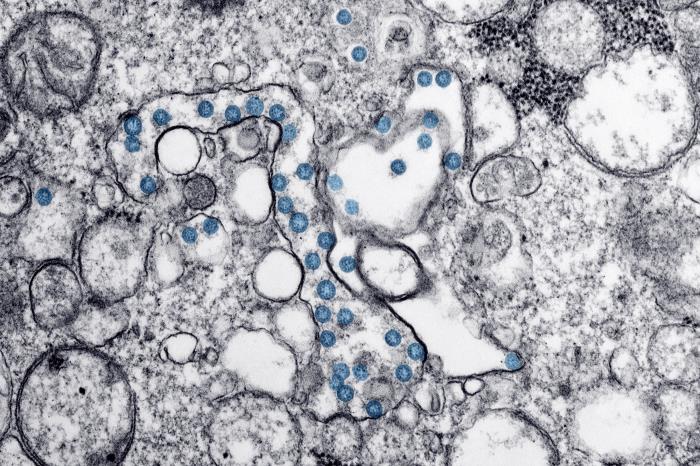
World Diseases
A global reference to infectious and noncommunicable disease, organized around the six CountryReports exposure categories.
CountryReports maintains infectious disease profiles for every country and territory in the world, and each profile is organized around a consistent framework of six exposure categories first developed for travel medicine and now widely used by the World Health Organization, the United States Centers for Disease Control and Prevention, and national public health services. This page unifies that per-country intelligence into a single global reference. Each disease is introduced with the short clinical snippet used in the country profiles, then expanded with encyclopedic detail on global burden, geography, prevention, and recent outbreaks drawn from the Global Burden of Disease study and peer-reviewed medical literature.
Overview
The degree of risk from any infectious disease is assessed by considering the foreign nature of these infections to a given population, their severity, and the probability of being affected by the diseases present. The list of diseases found in a specific country does not necessarily represent the total disease burden experienced by the local population. The risk to an individual traveler varies considerably by the specific location, the visit duration, the type of activities undertaken, the type of accommodations used, the time of year, and many other factors. A consultation with a travel medicine physician is recommended to evaluate individual risk and to determine appropriate preventive measures, including vaccination.
CountryReports groups infectious diseases into six exposure categories that describe the principal route by which people acquire each illness. These categories are food or waterborne, vectorborne, water contact, aerosolized dust or soil contact, respiratory, and animal contact. The sequence of categories listed in individual country entries varies according to local conditions, with the highest-risk exposure category presented first. Within each category, diseases are listed in typical descending order of risk. At the end of the page a seventh section summarizes the noncommunicable diseases that now account for roughly seventy-one percent of all deaths worldwide, along with notable additional infections that do not fit cleanly into the travel-medicine framework.
Global health organizations measure disease burden through two principal frameworks. The first is mortality, which counts the number of deaths attributable to specific conditions. The second is the disability-adjusted life year, or DALY, which combines years of life lost to premature death with years lived with disability. Together these metrics underpin the Global Burden of Disease study coordinated by the Institute for Health Metrics and Evaluation at the University of Washington and the Global Health Estimates produced by the World Health Organization. Both sources agree that noncommunicable diseases now dominate the global burden, that cardiovascular disease is the leading single cause of death, and that a short list of infections, principally lower respiratory infection, tuberculosis, HIV, malaria, and diarrheal disease, continues to cause a disproportionate share of communicable-disease mortality in low-income countries.
The picture of global health is not static. Resistance to antibiotics and antimalarials is rising. Mosquito vectors are expanding their range as a consequence of land-use change and a warming climate. Zoonotic spillover events, in which a pathogen crosses from an animal reservoir into the human population, continue to produce outbreaks and occasional pandemics. The COVID-19 pandemic that began in late 2019, the 2022 mpox public health emergency of international concern, and the continuing H5N1 avian influenza panzootic all illustrate the speed at which the global disease landscape can change. The information on this page reflects the most recent available estimates but should be read alongside the continually updated country profiles and the current notices published by the World Health Organization.

Key Facts
- Framework
- Six WHO-style exposure categories: food or waterborne, vectorborne, water contact, aerosolized dust or soil contact, respiratory, and animal contact
- CountryReports coverage
- Per-country infectious disease profiles for all 274 countries and territories in the CountryReports database
- Vectorborne profiles
- 91 countries have country-specific vectorborne disease data
- Food and water profiles
- 89 countries have country-specific food or waterborne disease data
- Animal contact profiles
- 42 countries have country-specific animal contact disease data
- Respiratory profiles
- 17 countries have country-specific respiratory disease data, principally the African meningitis belt
- Global infectious deaths
- Roughly nine million deaths per year are attributable to infectious disease worldwide (WHO Global Health Estimates)
- Top communicable killers
- Lower respiratory infections, tuberculosis, HIV/AIDS, malaria, and diarrheal disease together account for the majority of communicable-disease mortality
- Noncommunicable share
- Approximately 71 percent of all deaths globally are from noncommunicable diseases; cardiovascular disease is the single largest cause
- Neglected tropical diseases
- More than 1.6 billion people are at risk from one or more neglected tropical diseases across 149 countries
How This Page Is Organized
The body of this page walks through the six exposure categories used in every CountryReports country profile. Within each category, each disease is introduced with an italic snippet drawn from the CountryReports clinical framework. That snippet is the short, travel-medicine-oriented summary that appears in the per-country health section. Following the snippet, one or two expansion paragraphs extend the entry with additional encyclopedic detail on global burden, geographic distribution, prevention, and recent outbreaks, drawing on the World Health Organization, the United States Centers for Disease Control and Prevention, the European Centre for Disease Prevention and Control, the Institute for Health Metrics and Evaluation, and the peer-reviewed medical literature.
The six exposure categories are as follows. Food or waterborne diseases are acquired through eating or drinking on the local economy, and are dominated by fecal-oral transmission. Vectorborne diseases are acquired through the bite of an infected arthropod, most commonly mosquitoes, ticks, sandflies, and tsetse flies. Water contact diseases are acquired through swimming or wading in contaminated freshwater lakes, streams, and rivers. Aerosolized dust or soil contact diseases are acquired through inhalation of aerosols contaminated with rodent urine or fungal spores. Respiratory diseases are acquired through close contact with an infectious person, most often through droplets produced by coughing and sneezing. Animal contact diseases are acquired through direct contact with local animals, principally through bites, scratches, or exposure to contaminated tissues.
After the six exposure categories, a seventh section covers additional noteworthy communicable diseases that do not fit cleanly into the travel-medicine framework, including HIV/AIDS, viral hepatitis B and C, and the neglected tropical diseases. A final section summarizes the noncommunicable diseases that now account for most deaths globally, and a short block points readers to the country-level data for country-specific risk profiles.
Food or waterborne diseases are acquired by eating or drinking on the local economy, and are overwhelmingly spread by the fecal-oral route. They are most common where sanitation and water treatment infrastructure is limited. The World Health Organization estimates that contaminated food and water cause more than 600 million cases of foodborne illness and roughly 420,000 deaths each year, with children under five bearing a disproportionate share of the burden.
Hepatitis A
Hepatitis A is a viral disease that interferes with the functioning of the liver. It is spread through consumption of food or water contaminated with fecal matter, principally in areas of poor sanitation. Victims exhibit fever, jaundice, and diarrhea. Fifteen percent of victims will experience prolonged symptoms over six to nine months. A vaccine is available.
The hepatitis A virus circulates at endemic levels in much of Africa, South Asia, and parts of Latin America, where nearly all exposure occurs in early childhood and usually produces a mild or asymptomatic infection. In high-income countries, by contrast, most adults are non-immune and infection tends to be more severe. The World Health Organization estimates roughly 1.5 million clinical cases each year and tens of thousands of deaths, concentrated among adults in low- and middle-income countries.
Two safe and highly effective inactivated vaccines have been licensed since the mid-1990s, and hepatitis A vaccination is recommended by the United States Centers for Disease Control and Prevention for travelers to endemic regions, for men who have sex with men, for injection drug users, and for people with chronic liver disease. Countries that have introduced universal childhood vaccination, including the United States, Argentina, and Israel, have seen dramatic declines in incidence.
Hepatitis E
Hepatitis E is a water-borne viral disease that interferes with the functioning of the liver. It is most commonly spread through fecal contamination of drinking water. Victims exhibit jaundice, fatigue, abdominal pain, and dark-colored urine.
Hepatitis E produces an estimated 20 million infections and roughly 44,000 deaths each year according to World Health Organization fact-sheet estimates. Large waterborne outbreaks are periodically reported from South and Southeast Asia, Africa, and Mexico, typically in settings with broken or inadequate water-treatment infrastructure and often in the context of humanitarian emergencies. Case fatality rates are generally low in healthy adults but rise sharply, to twenty percent or higher, in pregnant women in the third trimester.
A recombinant hepatitis E vaccine was licensed in China in 2011, where it is used in regional programs, but it is not yet prequalified by the World Health Organization for global use. Prevention therefore rests on safe drinking water, sanitation, and hand hygiene.
Typhoid Fever
Typhoid fever is a bacterial disease spread through contact with food or water contaminated by fecal matter or sewage. Victims exhibit sustained high fevers. Left untreated, mortality rates can reach twenty percent.
Typhoid is caused by the bacterium Salmonella enterica serovar Typhi and produces an estimated 9 million illnesses and 110,000 deaths each year, predominantly in South Asia and sub-Saharan Africa. Multi-drug-resistant typhoid, and increasingly extensively-drug-resistant typhoid first reported from Pakistan in 2016, has complicated treatment in endemic regions. Fluoroquinolones, once the preferred oral therapy, are no longer reliable across much of Asia.
Two licensed typhoid vaccines, the oral live-attenuated Ty21a and the injectable Vi polysaccharide vaccine, have been used for decades. A newer typhoid conjugate vaccine, prequalified by the World Health Organization in 2018, can be given to infants and produces longer-lasting immunity. Gavi, the Vaccine Alliance, has financed its introduction across Pakistan, Zimbabwe, Liberia, and other endemic countries.
Cholera
Cholera is an acute diarrheal illness caused by the bacterium Vibrio cholerae, spread through contaminated water and food. It produces profuse watery diarrhea that can lead to severe dehydration and death within hours if untreated.
The World Health Organization estimates between 1.3 and 4 million cases of cholera globally each year and 21,000 to 143,000 deaths. Outbreaks are concentrated in sub-Saharan Africa, South Asia, and, since 2010, Haiti and the Dominican Republic. A large epidemic in Yemen that began in 2016 became the largest cholera outbreak ever documented, with more than 2.5 million suspected cases. Since 2023 a resurgence of cholera has been reported from Malawi, Mozambique, Zambia, Zimbabwe, and Syria, driven by a combination of conflict, cyclones, and infrastructure collapse.
Oral cholera vaccines prequalified by the World Health Organization are stockpiled at a global level and deployed reactively in outbreaks. The long-term solution is the provision of safe water, effective sanitation, and adequate hygiene, collectively abbreviated as WASH.
Bacterial Diarrhea (including enterotoxigenic E. coli)
Bacterial diarrhea is produced by a variety of bacteria, including enterotoxigenic Escherichia coli, Campylobacter, Shigella, and non-typhoidal Salmonella. It is spread through food or water contaminated with fecal matter and is a leading cause of travelers' diarrhea.
Bacterial enteric infections and their sequelae remain a leading cause of death in children under five, particularly in low-income countries. The Global Burden of Disease study attributes roughly 1.5 million deaths per year to diarrheal disease overall, with bacterial pathogens accounting for a substantial share of that total. Travelers visiting tropical low- and middle-income countries experience attack rates for enterotoxigenic E. coli that reach thirty to seventy percent over a two-week stay.
Prevention relies on safe water, food hygiene, hand washing, and targeted vaccination where vaccines exist. Oral rehydration solution is the foundation of treatment; antibiotics shorten the duration of illness in severe bacterial diarrhea but are used selectively because of rising antimicrobial resistance.
Protozoal Diarrhea (Giardia and Cryptosporidium)
Protozoal diarrhea is caused by single-cell parasites, most notably Giardia lamblia and Cryptosporidium species. Cysts are shed in feces and ingested through contaminated water or food, producing prolonged diarrhea, abdominal cramping, and malabsorption.
Cryptosporidiosis is a leading cause of moderate-to-severe diarrhea in young children in low- and middle-income countries and a common cause of recreational waterborne outbreaks in high-income settings, where it resists standard chlorination. Giardia is the most commonly reported waterborne parasitic infection in the United States and a significant cause of prolonged travelers' diarrhea. Both parasites are transmitted when drinking water, wading water, or food becomes contaminated with fecal matter from humans or livestock.
No vaccines exist for either pathogen. Prevention is based on water filtration, improved sanitation, and hand hygiene. Nitazoxanide shortens the course of cryptosporidiosis in immunocompetent patients; metronidazole or tinidazole is used to treat giardiasis.
Polio
Polio (poliomyelitis) is a viral disease caused by three serotypes of poliovirus. It is transmitted primarily through the fecal-oral route in settings with poor sanitation, although droplet spread also occurs. Most infections are asymptomatic, but in approximately one in two hundred infections the virus invades the central nervous system, causing irreversible flaccid paralysis.
Global polio eradication has reduced wild poliovirus from an estimated 350,000 cases across 125 countries in 1988 to fewer than 100 reported cases per year, all in Afghanistan and Pakistan, which remain the only countries where wild poliovirus type 1 transmission has never been interrupted. Wild poliovirus type 2 was declared eradicated in 2015 and type 3 in 2019. Circulating vaccine-derived poliovirus type 2 outbreaks remain a concern in parts of Africa and were detected in wastewater in several high-income countries in 2022 and 2023, including the United Kingdom, the United States, and Israel.
Two polio vaccines are in widespread use: the inactivated polio vaccine (IPV) developed by Jonas Salk and the oral polio vaccine (OPV) developed by Albert Sabin. IPV is the standard in high-income countries and produces strong humoral immunity, while OPV remains essential to outbreak response because it induces intestinal immunity and stops transmission. The novel oral polio vaccine type 2 (nOPV2), introduced in 2021, was engineered to be less prone to vaccine-derived reversion and is the WHO-preferred outbreak response tool. Routine childhood immunization with at least three doses is the cornerstone of prevention.
Vectorborne diseases are acquired through the bite of an infected arthropod, principally mosquitoes, ticks, sandflies, tsetse flies, and fleas. The World Health Organization estimates that vectorborne diseases together account for more than seventeen percent of all infectious diseases and cause over seven hundred thousand deaths annually. Mosquito-borne infections alone kill more people every year than any other group of arthropod-borne agents.
Malaria
Malaria is caused by single-cell parasitic protozoa of the genus Plasmodium, transmitted to humans by the bite of the female Anopheles mosquito. Parasites multiply in the liver and attack red blood cells, producing cycles of fever, chills, and sweats accompanied by anemia. Death is due to damage to vital organs and interruption of blood supply to the brain. Malaria is endemic in one hundred, mostly tropical, countries.
The WHO Global Malaria Programme reports approximately 249 million malaria cases and 608,000 deaths in its most recent annual estimate, with roughly ninety-five percent of both cases and deaths occurring in sub-Saharan Africa. Children under five account for the majority of deaths. Plasmodium falciparum causes the most severe disease and is dominant in Africa; Plasmodium vivax is the most geographically widespread species and the main agent in much of Asia and the Americas.
Long-lasting insecticidal bed nets, indoor residual spraying, rapid diagnostic tests, and artemisinin-based combination therapies are the four pillars of modern malaria control. Two malaria vaccines, RTS,S/AS01 and R21/Matrix-M, were recommended by the World Health Organization in 2021 and 2023 and are being rolled out across multiple African countries through Gavi-financed programs. Artemisinin partial resistance, first detected in Southeast Asia and now reported from East Africa, is the most serious emerging threat to control.
Dengue Fever
Dengue fever is a mosquito-borne (Aedes aegypti) viral disease associated with urban environments. It manifests as sudden onset of fever and severe headache. Occasionally dengue produces shock and hemorrhage, leading to death in roughly five percent of severe cases.
Dengue is the most rapidly expanding mosquito-borne viral disease in the world. The World Health Organization estimates 100 to 400 million infections each year across more than 130 countries, with the real case count roughly four times the number officially reported. The four dengue serotypes circulate in the tropics and subtropics of the Americas, South and Southeast Asia, and the western Pacific, and dengue has been expanding into subtropical regions of Europe, North America, and Africa as Aedes mosquito distribution expands.
Two dengue vaccines, Dengvaxia (CYD-TDV) and Qdenga (TAK-003), are now licensed and are used in selected endemic settings. Control continues to rely on vector management, community engagement, and elimination of Aedes larval habitats. The Wolbachia bacterium, released into Aedes populations through the World Mosquito Program, has produced substantial reductions in dengue transmission in trial sites including Yogyakarta, Indonesia.
Yellow Fever
Yellow fever is a mosquito-borne viral disease. Severity ranges from influenza-like symptoms to severe hepatitis and hemorrhagic fever. The disease occurs only in tropical South America and sub-Saharan Africa, where most cases are reported. The fatality rate is up to twenty percent.
The World Health Organization estimates between 30,000 and 60,000 deaths from yellow fever each year, with the vast majority occurring in sub-Saharan Africa. Major outbreaks have been documented in Angola and the Democratic Republic of the Congo in 2016, in Brazil in 2017 and 2018, and periodically in Nigeria. The 17D live-attenuated vaccine, first developed in 1937 by Max Theiler, is one of the most effective vaccines in use and provides lifelong protection after a single dose.
The WHO-led Eliminate Yellow Fever Epidemics strategy, launched in 2017, coordinates mass preventive vaccination campaigns across forty high-risk African countries. Yellow fever vaccination certificates remain required by many countries for travelers arriving from endemic regions, under the International Health Regulations.
Japanese Encephalitis
Japanese encephalitis is a mosquito-borne (Culex tritaeniorhynchus) viral disease associated with rural areas in Asia. Acute encephalitis can progress to paralysis, coma, and death. The fatality rate is approximately thirty percent.
Japanese encephalitis virus circulates across South, Southeast, and East Asia and the western Pacific, where it is the principal cause of viral encephalitis. The World Health Organization estimates roughly 68,000 clinical cases annually, with thirteen to twenty thousand deaths and substantial long-term neurological sequelae among survivors. Transmission is most intense in irrigated rice-growing regions during the rainy season, where pigs and wading birds serve as amplifying hosts.
Several safe and effective Japanese encephalitis vaccines are available and are now part of routine childhood immunization programs in China, India, Nepal, Thailand, Vietnam, and other endemic countries, with Gavi support. Travel medicine clinics offer inactivated Vero cell vaccines to long-term travelers and expatriates.
Zika Virus
Zika virus is a mosquito-borne (Aedes aegypti) flavivirus that produces mild fever, rash, and conjunctivitis in most adults but can cause severe congenital Zika syndrome, including microcephaly, when contracted during pregnancy.
The 2015 to 2016 Zika epidemic in the Americas was declared a public health emergency of international concern by the World Health Organization after an outbreak in northeast Brazil was associated with a surge of microcephaly in newborns. Since then, sustained Zika transmission has been documented across the Americas, the Caribbean, and parts of South and Southeast Asia. Zika can also be transmitted sexually and by blood transfusion.
No licensed Zika vaccine is yet available. Prevention centers on Aedes mosquito control and on advising pregnant women to defer travel to areas of active transmission. The CDC maintains a country-by-country Zika travel notice list.
West Nile Virus
West Nile virus is a mosquito-borne flavivirus carried by Culex mosquitoes. Most human infections are asymptomatic. A minority develop febrile illness, and about one in 150 progresses to neuroinvasive disease with meningitis or encephalitis.
Since its 1999 introduction to New York City, West Nile virus has become the leading cause of mosquito-borne disease in the continental United States. The CDC reports annual cases ranging from several hundred to several thousand, with neuroinvasive disease carrying a case fatality rate of around ten percent. West Nile virus also circulates in southern and eastern Europe, where outbreaks have been reported in Italy, Greece, Romania, and France; across the Middle East; and in parts of Africa, including Egypt, where the virus was first isolated in 1937.
No human vaccine is yet licensed. Personal protection against Culex mosquitoes at dawn and dusk, together with source reduction around homes, remains the principal intervention.
Chikungunya
Chikungunya is a mosquito-borne (Aedes aegypti) viral disease associated with urban environments, similar to dengue fever. It is characterized by sudden onset of fever, rash, and severe joint pain, usually lasting three to seven days. Some cases result in persistent arthritis.
Chikungunya was first isolated in Tanzania in 1952 and remained a regional African and Asian disease until a 2004 epidemic began on the coast of Kenya, spread through the Indian Ocean islands, and seeded outbreaks in South Asia and Europe. Since 2013 chikungunya has circulated widely in the Americas and the Caribbean. The Pan American Health Organization reports tens of thousands to hundreds of thousands of cases annually across the region.
A single-dose live-attenuated chikungunya vaccine, Ixchiq, was licensed by the United States Food and Drug Administration in 2023 for adults at increased risk of exposure. Aedes control remains the cornerstone of public health prevention.
African Trypanosomiasis (Sleeping Sickness)
African trypanosomiasis is caused by the parasitic protozoa Trypanosoma, transmitted to humans by the bite of bloodsucking tsetse flies. Infection leads to malaise and irregular fevers and, in advanced cases when the parasites invade the central nervous system, coma and death. The disease is endemic in thirty-six countries of sub-Saharan Africa, with cattle and wild animals acting as reservoir hosts.
Two subspecies cause human disease. Trypanosoma brucei gambiense causes a chronic form across West and Central Africa and accounts for the great majority of reported cases. Trypanosoma brucei rhodesiense causes an acute zoonotic form in East and Southern Africa. Sustained World Health Organization elimination efforts, combined with new oral therapies such as fexinidazole, have driven the number of reported cases from nearly forty thousand in the mid-1990s to well below a thousand per year. Elimination of gambiense sleeping sickness as a public health problem is the current regional target.
American Trypanosomiasis (Chagas Disease)
American trypanosomiasis, or Chagas disease, is caused by the parasite Trypanosoma cruzi. It is transmitted by the bite and feces of triatomine bugs, sometimes called kissing bugs, in rural Latin America. Most acute infections are asymptomatic, but chronic infection can produce progressive cardiomyopathy and digestive tract damage decades later.
Chagas disease is endemic across twenty-one Latin American countries and is estimated to infect six to seven million people globally, with roughly 12,000 deaths per year. Migration has moved Chagas disease into non-endemic regions, including the United States, Spain, and Japan, where transmission through blood transfusion and congenital infection has been documented. Benznidazole and nifurtimox are the available drugs for treatment, most effective when given early.
Leishmaniasis (Cutaneous and Visceral)
Cutaneous leishmaniasis is caused by the parasitic protozoa Leishmania, transmitted to humans by the bite of sandflies. It produces skin lesions that may become chronic. The disease is endemic in eighty-eight countries, with roughly ninety percent of cutaneous cases occurring in Iran, Afghanistan, Syria, Saudi Arabia, Brazil, and Peru. Wild and domesticated animals, as well as humans, act as reservoirs of infection.
Visceral leishmaniasis, also known as kala-azar, is caused principally by Leishmania donovani and Leishmania infantum. Untreated it is almost always fatal. The World Health Organization estimates 50,000 to 90,000 new visceral cases and 600,000 to 1 million cutaneous cases each year. Eastern Africa and the Indian subcontinent account for the bulk of visceral disease; the Americas, North Africa, and the Middle East dominate cutaneous and mucocutaneous forms.
Control rests on sandfly vector management, early diagnosis, and treatment with liposomal amphotericin B for visceral disease. India, Bangladesh, and Nepal have achieved substantial reductions in visceral leishmaniasis through coordinated elimination programs.
Plague
Plague is a bacterial disease caused by Yersinia pestis and transmitted by fleas normally associated with rats. Person-to-person airborne transmission is also possible. Recent plague epidemics have occurred in areas of Asia, Africa, and South America, associated with rural areas or small towns and villages. The disease manifests as fever, headache, and painfully swollen lymph nodes. It progresses rapidly and, without antibiotic treatment, leads to the pneumonic form, with a death rate in excess of fifty percent.
Plague, the causative agent of the medieval Black Death, continues to produce a few thousand reported cases each year. The Democratic Republic of the Congo, Madagascar, and Peru account for most contemporary cases. The southwestern United States has a long-established sylvatic reservoir in wild rodents, and isolated human cases are reported annually in New Mexico, Arizona, Colorado, and California. Modern antibiotics, particularly aminoglycosides and tetracyclines, dramatically reduce mortality when given promptly.
Crimean-Congo Hemorrhagic Fever
Crimean-Congo hemorrhagic fever is a tick-borne viral disease. Infection may also result from exposure to infected animal blood or tissue. The geographic distribution includes Africa, Asia, the Middle East, and Eastern Europe. Sudden onset of fever, headache, and muscle aches is followed by hemorrhaging in the bowels, urine, nose, and gums. The mortality rate is approximately thirty percent.
CCHF is the most geographically widespread of the tick-borne hemorrhagic fever viruses, with documented human cases across more than thirty countries from Spain and the Balkans to Central Asia, the Middle East, Pakistan, and sub-Saharan Africa. The virus is classified as a priority pathogen on the WHO R&D Blueprint for emerging infections. Livestock workers, veterinarians, and health-care providers are at highest risk. Ribavirin has been used off-label for treatment, although evidence for benefit is limited.
Rift Valley Fever
Rift Valley fever is a viral disease affecting domesticated animals and humans. Transmission is by mosquitoes and other biting insects. Infection may also occur through the handling of infected meat or contact with blood. The geographic distribution includes eastern and southern Africa where cattle and sheep are raised. Symptoms are generally mild, with fever and some liver abnormalities, but the disease may progress to hemorrhagic fever, encephalitis, or ocular disease. Fatality rates are low, at about one percent of cases.
Rift Valley fever outbreaks typically follow periods of heavy rainfall that allow flood-water Aedes mosquitoes to hatch from long-dormant eggs. The most severe recent outbreaks have been recorded in Kenya and Tanzania in 2006 and 2007, Sudan in 2007, Mauritania in 2010 and 2012, and Madagascar. The virus has also emerged in the Arabian Peninsula. Veterinary vaccination of livestock is the principal control measure; human vaccines remain investigational.
Tickborne Encephalitis
Tickborne encephalitis is a viral disease of the central nervous system transmitted by Ixodes ticks. It is endemic across forested regions of Europe and northern Asia, producing seasonal peaks during the warm months when ticks are active.
The European Centre for Disease Prevention and Control reports several thousand cases of tickborne encephalitis per year, concentrated in the Baltic states, Russia, Austria, Germany, the Czech Republic, Slovenia, Switzerland, and the Nordic countries. A minority of infections progress to meningoencephalitis, and long-term neurological sequelae are common in severe cases. Two inactivated TBE vaccines are licensed in Europe and recommended for residents and long-term travelers to endemic regions.
Bartonellosis (Oroya Fever)
Bartonellosis, also known as Oroya fever or Carrion's disease, is caused by the bacterium Bartonella bacilliformis and transmitted by sandflies. It is endemic to the Andean valleys of Peru, Ecuador, and Colombia at altitudes between 500 and 3,200 meters.
The acute phase, Oroya fever, produces severe hemolytic anemia with historical case fatality rates of up to ninety percent before antibiotics became available. A later eruptive phase, verruga peruana, produces bloody wart-like skin lesions. Modern antibiotic therapy, combined with sandfly control, has sharply reduced mortality but cases continue to be reported from Andean Peru and neighboring countries.
Lyme Disease
Lyme disease is caused by spirochetes of the Borrelia burgdorferi species complex and is transmitted by Ixodes ticks. Early infection typically produces a characteristic erythema migrans rash, fever, and fatigue, progressing if untreated to arthritis, carditis, or neurological involvement.
Lyme disease is the most commonly reported vectorborne disease in the United States and much of temperate Europe. The CDC estimates approximately 476,000 people are diagnosed and treated for Lyme disease each year in the United States, with cases concentrated in the Northeast, mid-Atlantic, and upper Midwest. The European Centre for Disease Prevention and Control documents tens of thousands of cases annually across Europe, with the heaviest burden in Central and Eastern Europe.
Oral doxycycline, amoxicillin, or cefuroxime axetil are the standard early-stage treatments. No human Lyme vaccine is currently licensed, although candidate vaccines are in late-stage clinical trials.
African Tick-Bite Fever
African Tick-Bite Fever is a rickettsial illness caused by Rickettsia africae and transmitted by Amblyomma cattle ticks. It produces an inoculation eschar at the bite site, regional lymphadenopathy, fever, headache, and a maculopapular or vesicular rash. The infection is generally mild and rarely fatal.
The disease is the most commonly diagnosed rickettsiosis in international travelers returning from sub-Saharan Africa, with case clusters frequently reported among hunters, safari tourists, and military personnel after bushland exposure. Multiple bites at once are common because Amblyomma ticks attack in groups, so the presence of more than one eschar in a returning traveler is a strong clinical clue. Highest incidence is reported from southern Africa, particularly Eswatini, South Africa, Zimbabwe, and Botswana.
Doxycycline is the treatment of choice, usually given for five to seven days, with rapid defervescence within twenty-four to forty-eight hours of starting therapy. There is no vaccine. Prevention rests on permethrin-treated clothing, DEET or picaridin repellents, tucking trousers into socks, and thorough tick checks after bushland exposure.
Water contact diseases are acquired through swimming, wading, or other skin contact with freshwater lakes, streams, rivers, and irrigation canals. They are particularly important in tropical and subtropical settings where snails serve as intermediate hosts and where water-related occupations dominate rural economies.
Leptospirosis
Leptospirosis is a bacterial disease that affects animals and humans. Infection occurs through contact with water, food, or soil contaminated by animal urine. Symptoms include high fever, severe headache, vomiting, jaundice, and diarrhea. Untreated, the disease can result in kidney damage, liver failure, meningitis, or respiratory distress. Fatality rates are low, but left untreated recovery can take months.
Leptospirosis is one of the most widespread zoonoses worldwide and is increasingly recognized as a significant cause of acute febrile illness in the tropics. Estimates from the World Health Organization and the International Leptospirosis Society suggest approximately one million severe cases and 60,000 deaths each year. Outbreaks commonly follow hurricanes, monsoon flooding, and other events that mix contaminated water with human populations, as seen after Hurricane Maria in Puerto Rico and repeatedly in the Philippines, Thailand, and Sri Lanka.
Doxycycline or penicillin is effective if given early. Doxycycline is also used as post-exposure prophylaxis for adventure travelers and disaster responders at elevated risk.
Schistosomiasis
Schistosomiasis is caused by the parasitic trematode flatworm Schistosoma. Freshwater snails act as the intermediate host and release the larval form of the parasite, which penetrates the skin of people exposed to contaminated water. Worms mature and reproduce in the blood vessels, liver, kidneys, and intestines, releasing eggs that become trapped in tissues and trigger an immune response. The disease may manifest as either a urinary or an intestinal disease, resulting in decreased work or learning capacity. Mortality, while generally low, may occur in advanced cases, usually due to bladder cancer. Schistosomiasis is endemic in seventy-four developing countries, with eighty percent of infected people living in sub-Saharan Africa.
The World Health Organization reports that more than 250 million people require preventive chemotherapy for schistosomiasis each year, of whom the great majority live in sub-Saharan Africa. Egypt, Nigeria, Tanzania, the Democratic Republic of the Congo, and Mozambique carry a particularly heavy burden. Mass drug administration with praziquantel, delivered through school-based programs, is the cornerstone of control; snail habitat management and provision of safe water are complementary.
Naegleria fowleri (Primary Amoebic Meningoencephalitis)
Naegleria fowleri is a free-living thermophilic amoeba that lives in warm freshwater and poorly maintained water systems. Infection occurs when contaminated water enters the nose, permitting the amoeba to migrate along the olfactory nerve to the brain. The resulting primary amoebic meningoencephalitis is almost always fatal.
Although extremely rare, with fewer than ten cases per year typically reported in the United States and occasional clusters from Pakistan, India, Mexico, and Australia, Naegleria infection has drawn substantial public health attention because of its nearly uniform lethality. Cases have been linked to swimming in warm lakes and hot springs and to nasal irrigation with untreated tap water. Prevention relies on nose plugs during warm freshwater swimming and on using boiled, distilled, or sterile water for nasal irrigation.

Aerosolized dust and soil contact diseases are acquired through the inhalation of aerosols contaminated with rodent urine, feces, or, in the case of fungal infections, soil spores disturbed from the ground. This category is geographically narrow but includes several diseases with very high case fatality rates.
Lassa Fever
Lassa fever is a viral disease carried by rats of the genus Mastomys. It is endemic in portions of West Africa. Infection occurs through direct contact with, or consumption of food contaminated by, rodent urine or fecal matter containing virus particles. The fatality rate can reach fifty percent in epidemic outbreaks.
Lassa fever is endemic across Nigeria, Sierra Leone, Liberia, and Guinea, with sporadic cases reported from Benin, Ghana, Mali, and Togo. Nigeria has reported large annual outbreaks since 2018. The Nigeria Centre for Disease Control publishes weekly epidemiological updates during the dry season, when transmission peaks. Ribavirin is the only widely used treatment. Several Lassa vaccines are in clinical development, and the Coalition for Epidemic Preparedness Innovations has prioritized Lassa as a target pathogen.
Hantavirus Hemorrhagic Fever with Renal Syndrome and Hantavirus Pulmonary Syndrome
Hantaviruses are rodent-borne viruses that cause two distinct clinical syndromes. Old World hantaviruses in Asia and Europe cause hemorrhagic fever with renal syndrome. New World hantaviruses in the Americas cause the more acute hantavirus pulmonary syndrome. Human infection follows inhalation of aerosolized rodent excreta.
Hemorrhagic fever with renal syndrome produces an estimated 150,000 cases per year worldwide, concentrated in China, Russia, and the Korean peninsula. The 1993 Four Corners outbreak in the southwestern United States identified Sin Nombre virus and a previously unrecognized pulmonary syndrome with a case fatality rate of approximately thirty-five percent. Hantavirus infections continue to be reported from Argentina, Chile, and the western United States. Prevention centers on rodent control and on avoiding the disturbance of enclosed rodent-infested spaces.
Coccidioidomycosis (Valley Fever)
Coccidioidomycosis, commonly called Valley fever, is a fungal disease caused by Coccidioides immitis and Coccidioides posadasii. It is acquired by inhaling airborne spores from disturbed desert soil in the southwestern United States, northern Mexico, and parts of Central and South America.
The CDC reports rising cases of Valley fever in Arizona and California, where tens of thousands of cases are diagnosed each year. Dust-raising activities, including construction, agriculture, archaeology, and wildfire response, are classic risk factors. Most infections are mild or asymptomatic, but a minority progress to severe pneumonia or disseminated disease with meningitis. Antifungal therapy with fluconazole or amphotericin B is effective in severe or disseminated disease. Climate-driven expansion of the Coccidioides range is an active area of research.
Tetanus
Tetanus is caused by neurotoxin from the soil-dwelling bacterium Clostridium tetani, which enters the body through puncture wounds, lacerations, burns, or in newborns through umbilical stump contamination. The toxin produces painful muscle spasms beginning in the jaw (trismus, or "lockjaw") and progressing to generalized rigidity that can interfere with breathing.
Maternal and neonatal tetanus was eliminated as a public-health problem in fifty-two of fifty-nine priority countries by 2024, but tetanus remains a fatal illness in low-immunization settings, with case-fatality ratios above twenty percent even in modern intensive-care units. The disease is non-communicable: Clostridium tetani spores are ubiquitous in soil and animal manure, so eradication is impossible and protection depends entirely on vaccination and wound care.
The tetanus toxoid vaccine, given as DTaP or Tdap in childhood and as Td or Tdap boosters every ten years thereafter, prevents the disease. Pregnant women receive a Tdap booster in every pregnancy to protect the newborn through transplacental antibodies. Treatment of established tetanus includes human tetanus immune globulin, metronidazole, aggressive wound debridement, magnesium and benzodiazepines for spasm control, and prolonged ventilatory support.
Respiratory diseases are acquired through close contact with an infectious person, most often through droplets produced by coughing and sneezing. This category includes many of the most consequential diseases in human history, from tuberculosis to influenza to the novel coronaviruses.
Meningococcal Meningitis
Meningococcal meningitis is a bacterial disease causing inflammation of the lining of the brain and spinal cord. One of the most important bacterial pathogens is Neisseria meningitidis, because of its potential to cause epidemics. Symptoms include stiff neck, high fever, headaches, and vomiting. Bacteria are transmitted from person to person by respiratory droplets, facilitated by close and prolonged contact resulting from crowded living conditions, and often with a seasonal distribution. Death occurs in five to fifteen percent of cases, typically within twenty-four to forty-eight hours of the onset of symptoms. The highest burden of meningococcal disease occurs in the hyperendemic region of sub-Saharan Africa known as the Meningitis Belt, which stretches from Senegal east to Ethiopia.
The African Meningitis Belt spans approximately twenty-six countries and roughly 500 million people and has experienced explosive epidemics of serogroup A meningococcal disease since the 1990s. The MenAfriVac conjugate vaccine, introduced through mass campaigns from 2010 onwards, has effectively eliminated group A meningococcal disease across the Belt. More recently, serogroups C, W, and X have emerged as the principal epidemic agents, and a new pentavalent meningococcal conjugate vaccine was prequalified by the WHO in 2023.
Pneumococcal Disease
Pneumococcal disease is caused by Streptococcus pneumoniae and spans a spectrum from mild otitis media and sinusitis to invasive pneumonia, bacteraemia, and meningitis. It is the leading bacterial cause of community-acquired pneumonia worldwide and a major cause of childhood mortality in low-income settings.
WHO estimates pneumococcal disease was responsible for approximately 318,000 deaths in children under five in 2015, the most recent global modeling exercise, with the largest burden in sub-Saharan Africa and South Asia. Older adults, asplenic patients, and people with HIV, sickle-cell disease, or chronic lung or heart disease face the highest risk in high-income settings. Antimicrobial resistance, particularly to penicillin and macrolides, is rising in many regions.
Two vaccine classes are in routine use: pneumococcal conjugate vaccines (PCV10, PCV13, PCV15, and PCV20), which cover the serotypes most likely to cause invasive disease in young children, and the older 23-valent polysaccharide vaccine (PPSV23) used in adults. PCV13 and PCV20 are now recommended for all U.S. adults aged 50 and older. Conjugate vaccine introduction since 2000 has reduced invasive pneumococcal disease in vaccinated cohorts by more than seventy-five percent.
Tuberculosis
Tuberculosis is caused by the bacterium Mycobacterium tuberculosis and is transmitted from person to person through respiratory droplets. It most commonly affects the lungs, producing chronic cough, night sweats, weight loss, and fever. Untreated pulmonary tuberculosis has a case fatality rate of about fifty percent.
Tuberculosis is again the leading infectious disease cause of death worldwide, having reclaimed that position from COVID-19. The WHO Global Tuberculosis Report estimates roughly 10 million new cases and 1.25 million deaths each year. Eight countries account for two-thirds of the global TB burden: India, Indonesia, China, the Philippines, Pakistan, Nigeria, Bangladesh, and the Democratic Republic of the Congo. Multidrug-resistant and extensively-drug-resistant tuberculosis remain major threats, although shorter, all-oral regimens built around bedaquiline, pretomanid, and linezolid have transformed treatment since 2019.
The BCG vaccine, first used in 1921, protects infants against severe forms of tuberculosis but offers limited protection against adult pulmonary disease. A new adjuvanted subunit vaccine, M72/AS01E, showed approximately fifty percent efficacy in a Phase 2b trial and is now in Phase 3.

Seasonal and Pandemic Influenza
Seasonal influenza is caused by influenza A and B viruses, which circulate worldwide in annual winter-season epidemics. Pandemic influenza arises when a novel influenza A subtype with pandemic potential emerges and spreads globally, producing elevated morbidity and mortality across all age groups.
Seasonal influenza causes an estimated 290,000 to 650,000 deaths worldwide each year according to the World Health Organization. Young children, people over sixty-five, pregnant women, and those with chronic conditions carry the highest risk. Trivalent and quadrivalent vaccines are updated annually by a global network of influenza collaborating centers. The 2009 H1N1 pandemic, the most recent influenza pandemic, caused an estimated 151,000 to 575,000 respiratory deaths during its first twelve months.
COVID-19 (SARS-CoV-2)
COVID-19 is caused by the novel betacoronavirus SARS-CoV-2, first reported from Wuhan, China, in December 2019. Transmission occurs principally through respiratory droplets and aerosols. Clinical severity ranges from asymptomatic infection to severe pneumonia, acute respiratory distress syndrome, and death.
By the time the World Health Organization declared the end of the COVID-19 public health emergency of international concern in May 2023, more than seven million deaths had been reported and excess mortality estimates from the WHO and from IHME placed the true toll substantially higher, in the range of fifteen to twenty million. SARS-CoV-2 continues to circulate globally as an endemic respiratory virus, with new subvariants of Omicron producing seasonal waves. Multiple vaccine platforms, including mRNA, adenoviral vector, protein subunit, and inactivated virus vaccines, have been deployed at unprecedented scale.
Measles
Measles is an extremely contagious respiratory viral disease. Classic symptoms include high fever, cough, coryza, conjunctivitis, and a characteristic rash. Complications include pneumonia, encephalitis, and, rarely, subacute sclerosing panencephalitis.
Measles vaccination has prevented an estimated 57 million deaths between 2000 and 2022 according to the World Health Organization. Despite this remarkable progress, measles remains a leading vaccine-preventable cause of death in young children. Outbreaks continue to occur wherever vaccination coverage falls below the ninety-five percent threshold required for herd immunity, including recent large outbreaks in Pakistan, Yemen, Ethiopia, the Democratic Republic of the Congo, and multiple countries in Europe and the Americas.
Pertussis (Whooping Cough)
Pertussis is a respiratory bacterial disease caused by Bordetella pertussis. It produces violent paroxysmal coughing, and in infants can produce apnea and death.
The WHO estimates approximately 16 million annual cases of pertussis globally and tens of thousands of deaths, principally in infants too young to be fully vaccinated. Pertussis has shown cyclical resurgences every three to five years and a long-term rise in many high-income countries, attributed to waning immunity from acellular vaccines, changes in diagnostic practice, and pathogen adaptation. Maternal vaccination during pregnancy is now a standard recommendation in many countries to protect newborns in the first months of life.
Diphtheria
Diphtheria is an upper-respiratory bacterial disease caused by toxigenic strains of Corynebacterium diphtheriae. A characteristic gray pseudomembrane forms on the throat. Toxin-mediated myocarditis and neuritis can be fatal.
Diphtheria has become extremely rare in countries with sustained childhood immunization programs using DTP or DTaP vaccines, but major outbreaks continue to be documented wherever immunization coverage collapses, most notably in Venezuela since 2016, among Rohingya refugees in Cox's Bazar, Bangladesh, and in Yemen. Prompt treatment with diphtheria antitoxin and antibiotics is essential.
Avian Influenza A(H5N1)
Avian influenza A(H5N1) is a highly pathogenic avian influenza virus that sporadically infects humans through close contact with infected poultry or contaminated environments. The 2.3.4.4b clade has produced the largest panzootic on record in wild and domestic birds and has spilled over into dairy cattle in the United States.
The World Health Organization has logged several hundred human H5N1 cases since 2003, with a cumulative case fatality rate above fifty percent, overwhelmingly from direct contact with infected poultry in Asia and North Africa. The 2024 spillover of H5N1 into United States dairy cattle herds, and subsequent mild cases in dairy workers, marked the first documented sustained mammalian transmission of this virus in livestock. Sustained surveillance, candidate pre-pandemic vaccines stockpiled by the WHO Global Influenza Surveillance and Response System, and antiviral treatment with neuraminidase inhibitors such as oseltamivir remain the core preparedness measures.
MERS-CoV (Middle East Respiratory Syndrome)
Middle East respiratory syndrome is caused by the MERS coronavirus. Dromedary camels are the reservoir and primary source of zoonotic human infections in the Arabian Peninsula. Severe pneumonia and a case fatality rate of approximately thirty-five percent have been documented.
Since its identification in 2012, MERS-CoV has produced more than 2,600 confirmed human cases, the majority in Saudi Arabia, with sporadic health-care-associated outbreaks including a large 2015 cluster in the Republic of Korea. MERS-CoV is listed on the WHO R&D Blueprint of priority diseases. No licensed vaccine is yet available.
Animal contact diseases are acquired through direct contact with local animals, principally through bites, scratches, or exposure to contaminated tissues or body fluids. This category includes some of the most important zoonoses in travel and occupational medicine.
Rabies
Rabies is a viral disease of mammals, usually transmitted through the bite of an infected animal, most commonly dogs. The virus affects the central nervous system, causing brain alteration and death. Symptoms are initially non-specific fever and headache, progressing to neurological symptoms. Death occurs within days of the onset of symptoms.
Rabies produces approximately 59,000 human deaths each year worldwide, the overwhelming majority from dog bites in Asia and Africa. Children under fifteen account for a disproportionate share of deaths. Once clinical symptoms appear, rabies is nearly always fatal, making timely post-exposure prophylaxis with rabies immunoglobulin and modern cell-culture vaccines the foundation of prevention. The global Zero by 30 initiative, led by the World Health Organization, the World Organisation for Animal Health, the Food and Agriculture Organization, and the Global Alliance for Rabies Control, aims to eliminate dog-mediated human rabies by 2030 through mass dog vaccination.
Anthrax
Anthrax is caused by the spore-forming bacterium Bacillus anthracis. Humans are infected by contact with infected animals or contaminated animal products, producing cutaneous, inhalation, gastrointestinal, or injectional disease depending on the route of exposure.
Naturally occurring anthrax is primarily a disease of herbivores and of the people who handle them. Cases are reported regularly from Central Asia, the Caucasus, sub-Saharan Africa, and the Arctic, where warming temperatures have reactivated old anthrax burial sites. The 2001 United States anthrax letters demonstrated the bioterrorism potential of aerosolized spores. Prompt antibiotic therapy with ciprofloxacin or doxycycline, combined with antitoxin agents, substantially improves survival.
Brucellosis
Brucellosis is caused by bacteria of the genus Brucella. Human infection follows consumption of unpasteurized dairy products or occupational contact with infected livestock, producing an undulating fever, arthralgia, and fatigue that can persist for months.
Brucellosis is one of the most common bacterial zoonoses globally, with an estimated half million new human cases per year. Incidence is particularly high across the Mediterranean basin, the Middle East, Central Asia, the Arabian Peninsula, and parts of Latin America and Africa. Eradication in livestock through vaccination, test-and-slaughter programs, and pasteurization of dairy has largely eliminated human brucellosis from Northern Europe and North America. Combination antibiotic therapy with doxycycline and rifampin or streptomycin is the standard of care.
Q Fever
Q fever is caused by the intracellular bacterium Coxiella burnetii. Humans are infected primarily by inhaling aerosols from contaminated birthing fluids, placentas, or dust from ruminant livestock, producing febrile illness, pneumonia, or hepatitis, and in a minority of cases a chronic infection centered on the heart valves.
Q fever has a nearly global distribution but is particularly prominent in the Netherlands, which experienced the largest recorded Q fever outbreak from 2007 to 2010 with more than four thousand reported human cases linked to dairy goat farms. Sporadic outbreaks are documented among military personnel deployed to the Middle East. Doxycycline is the preferred treatment; chronic Q fever endocarditis requires prolonged combination therapy.
Mpox (formerly Monkeypox)
Mpox is caused by the monkeypox virus, an orthopoxvirus endemic in parts of West and Central Africa. Clades I and II produce systemic febrile illness and a characteristic pustular rash. Human-to-human transmission occurs through direct contact with skin lesions, body fluids, and contaminated materials.
In July 2022 the World Health Organization declared a public health emergency of international concern over the rapid spread of clade II mpox to nearly one hundred countries, predominantly among men who have sex with men. A second public health emergency of international concern was declared in August 2024 over the spread of a more virulent clade I in the Democratic Republic of the Congo and neighboring countries. The JYNNEOS and ACAM2000 vaccines, originally developed for smallpox, provide cross-protection.

Several important communicable diseases do not fit neatly into the travel-medicine exposure framework. The conditions in this section either spread principally through sexual or bloodborne contact or represent the group of neglected tropical diseases that affect the poorest populations in the world.
HIV/AIDS
Approximately 39 million people are living with human immunodeficiency virus globally, according to the most recent UNAIDS global fact sheet. In the most recent reporting year, around 1.3 million people became newly infected with HIV and approximately 630,000 died from AIDS-related illness. Eastern and Southern Africa remain the regions most heavily affected, followed by Western and Central Africa and by Asia and the Pacific.
The landscape of HIV care has been transformed by modern antiretroviral therapy, which achieves durable viral suppression and reduces transmission. Pre-exposure prophylaxis with oral tenofovir-based regimens, long-acting injectable cabotegravir, and the recent approval of lenacapavir for twice-yearly injectable PrEP have added powerful new prevention tools. The UNAIDS 95-95-95 targets, which call for ninety-five percent of people living with HIV to know their status, ninety-five percent of those to be on treatment, and ninety-five percent of those to be virally suppressed, frame the current global response.
Viral Hepatitis B and C
The World Health Organization estimates that 254 million people are living with chronic hepatitis B and 50 million with chronic hepatitis C. Together these two infections cause more than one million deaths each year, principally from cirrhosis and hepatocellular carcinoma. Hepatitis B is now preventable through a highly effective vaccine given at birth, and hepatitis C is curable in more than ninety-five percent of people treated with direct-acting antivirals. Despite these tools, treatment access gaps remain large in many low- and middle-income countries. The WHO's goal is to eliminate viral hepatitis as a public health threat by 2030.
Neglected Tropical Diseases
The WHO Department of Control of Neglected Tropical Diseases maintains a list of twenty NTDs that together affect more than 1.6 billion people. Among the most consequential are lymphatic filariasis, onchocerciasis, trachoma, Buruli ulcer, dracunculiasis, soil-transmitted helminthiasis, schistosomiasis (already covered above), Chagas disease (already covered above), and leprosy.
Remarkable progress has been achieved in several NTD programs. Dracunculiasis, or Guinea worm disease, has been reduced from an estimated 3.5 million cases per year in 1986 to only a handful of cases in 2024, placing it on the threshold of eradication. The African Programme for Onchocerciasis Control, the Expanded Special Project for Elimination of NTDs, and the Global Programme to Eliminate Lymphatic Filariasis have dramatically reduced disease burden in many endemic countries. Mass drug administration with ivermectin, albendazole, azithromycin, and praziquantel, donated by pharmaceutical manufacturers, is the principal operational strategy.
Mumps, Rubella, and Hand-Foot-and-Mouth Disease
Mumps and rubella are respiratory viral diseases largely controlled in countries with sustained MMR (measles-mumps-rubella) immunization. Rubella infection during pregnancy causes congenital rubella syndrome. Hand-foot-and-mouth disease, caused principally by coxsackievirus A16 and enterovirus 71, produces seasonal outbreaks among young children across East and Southeast Asia. For more detail on these and other childhood vaccine-preventable diseases, see the CountryReports article on global vaccination.
Although the main focus of this page is infectious disease, any global health overview is incomplete without acknowledging the noncommunicable diseases that now account for approximately seventy-one percent of all deaths worldwide. The World Health Organization NCD program identifies four major NCD categories that together produce the bulk of this mortality: cardiovascular disease, cancer, chronic respiratory disease, and diabetes. A fifth category, mental health conditions, is a leading source of years lived with disability.
Cardiovascular disease is the leading single cause of death globally and is responsible for approximately 17.9 million deaths each year, including 9 million from ischemic heart disease and 6 million from stroke. The principal modifiable risk factors are hypertension, tobacco use, dyslipidemia, diabetes, obesity, physical inactivity, and unhealthy diet. Populations across South Asia, Eastern Europe, and sub-Saharan Africa carry a particularly heavy cardiovascular burden, often at younger ages than in high-income settings.
Cancer, tracked globally through the GLOBOCAN database of the International Agency for Research on Cancer, causes approximately 9.7 million deaths each year from an estimated 20 million new cases. The leading cancer killers are lung, colorectal, liver, stomach, and female breast cancer, though patterns vary substantially by region. Tobacco control, human papillomavirus vaccination, hepatitis B vaccination, and expansion of cervical, breast, and colorectal screening are the principal population-level prevention and early detection strategies.
Chronic respiratory diseases, principally chronic obstructive pulmonary disease and asthma, cause approximately 4 million deaths per year. Diabetes mellitus affects more than 530 million adults globally, a figure that has quadrupled since 1990, and contributes to cardiovascular, kidney, and eye disease in addition to its own direct mortality. Mental disorders, including major depressive disorder, anxiety disorders, and substance use disorders, are among the top contributors to global DALYs and are a principal underlying cause of suicide, which claimed roughly 727,000 lives in the most recent reporting year.
Maternal, Neonatal, and Child Health
Maternal and neonatal conditions continue to claim a significant share of global mortality, particularly in low-income countries. The United Nations Maternal Mortality Estimation Inter-Agency Group reports approximately 287,000 maternal deaths per year, with hemorrhage, hypertensive disorders of pregnancy, sepsis, and unsafe abortion accounting for the majority. Sub-Saharan Africa and South Asia together account for roughly eighty-six percent of global maternal deaths.
Under-five mortality has fallen dramatically since 1990, from more than 12 million deaths per year to approximately 4.9 million in the most recent UN Inter-agency Group for Child Mortality Estimation report. The leading causes of under-five mortality are preterm birth complications, intrapartum-related events, pneumonia, diarrhea, malaria, and neonatal sepsis. These causes are preventable or treatable with existing interventions including antenatal care, skilled birth attendance, exclusive breastfeeding, routine immunization, oral rehydration solution, and access to basic antibiotics.
CountryReports Per-Country Disease Data
This page is the global companion to the per-country infectious disease profiles that CountryReports maintains for all 274 countries and territories in its database. Each country profile lists the specific diseases present in that country, organized under the same six exposure categories described above. Within the database, 91 countries carry country-specific vectorborne disease data, 89 countries carry food or waterborne data, 42 countries carry animal contact data, and 17 countries, principally across the African Meningitis Belt, carry country-specific respiratory disease data.
Readers preparing for travel, curriculum development, or policy analysis are encouraged to consult the specific country pages. A country's disease profile reflects the combination of climate, vectors, sanitation infrastructure, livestock and wildlife populations, vaccination coverage, and recent outbreak activity that together determine the infectious disease risk for that location. The global summaries on this page provide the clinical framework; the country pages provide the local intelligence.
Sources
The information on this page is drawn from official public health agencies, peer-reviewed medical journals, and international disease surveillance programs. Links open in a new tab.
- World Health Organization Global Health Estimates and country-specific fact sheets for individual diseases.
- United States Centers for Disease Control and Prevention, including the Yellow Book for travel health and the Public Health Image Library.
- Institute for Health Metrics and Evaluation Global Burden of Disease study, published in .
- UNAIDS Global AIDS Update and Fact Sheet for HIV-specific statistics.
- WHO Regional Office for Africa (AFRO) and Pan American Health Organization (AMRO/PAHO) regional surveillance reports.
- WHO Department of Control of Neglected Tropical Diseases.
- European Centre for Disease Prevention and Control (ECDC) communicable disease threats reporting.
- Gavi, the Vaccine Alliance and The Global Fund to Fight AIDS, Tuberculosis and Malaria.
- US National Institute of Allergy and Infectious Diseases (NIH NIAID) disease and research portfolios.
- Our World in Data — Global Health open data visualizations and long-term trend series.
- Peer-reviewed clinical medicine: , The New England Journal of Medicine, and .