
 English
 Español
 中文
中文 हिन्दी
 Français
International Travel Advice
A global primer on travel safety, health, documents, and what to do when things go wrong abroad.
International travel is one of the great freedoms of the modern world. Every year more than one billion people cross an international border for business, study, tourism, or family, and the overwhelming majority do so without serious incident. The gap between a trip that goes smoothly and one that ends in a hospital bed, a consular office, or a detention cell is almost always a matter of preparation. This page consolidates the travel guidance that CountryReports has maintained for more than two decades across its country archive into a single global primer. Country-specific alert levels and local warnings continue to live on the individual country pages.
Overview
Travel advice is not a single document but a layered system maintained by governments, international agencies, and private sources. At the top sit sovereign advisory systems such as the United States Department of State's Travel Advisories, the Government of Canada's Travel Advice and Advisories, the United Kingdom's Foreign, Commonwealth and Development Office (FCDO) advisories, Australia's Smartraveller, the German Federal Foreign Office's Reise- und Sicherheitshinweise, and similar services operated by most foreign ministries. These systems combine intelligence about local security conditions, health outbreaks, natural hazards, and diplomatic relations into a tiered advisory that travelers and insurers rely on when making decisions.
Alongside the sovereign advisories, the World Health Organization publishes International Travel and Health, the United States Centers for Disease Control and Prevention (CDC) operates the Travelers' Health portal and the CDC Yellow Book, and the International Air Transport Association (IATA) maintains the Travel Centre database used by airlines to verify passport, visa, and health-entry requirements at check-in. The International Civil Aviation Organization (ICAO) sets the standards for machine-readable passports and travel documents. CountryReports synthesizes these sources for each of the countries it covers.
The guidance on this page is global and deliberately general. It is meant to be read before a trip is fully planned, so that travelers can build the right documents, the right insurance coverage, and the right mental checklist into their preparation. Country-specific safety notices, entry requirements, visa rules, and current advisory levels are tracked on the individual country pages inside the CountryReports archive and are updated as conditions change. A section near the end of this page explains how to find them.
Throughout the page, italic gold-bordered callouts show the "traveler-advice baseline" drawn from the CountryReports content management system. These short paragraphs have been used on individual country pages for years and capture the minimum guidance that applies to essentially every destination. Each callout is followed by an expanded discussion that adds context, authoritative sources, and cross-references to related global topics such as world diseases, global vaccination programs, natural disasters, and major pandemics in history.

Travel Disclaimer Statement
Travel Disclaimer Statement
You are responsible for ensuring that you meet and comply with foreign entry requirements, and health requirements and that you possess the appropriate travel documents. Information provided is subject to change without notice. One should confirm content prior to traveling from other reliable sources. Information published on this website may contain errors. You travel at your own risk and no warranties or guarantees are provided by us.
Every serious travel publication, consular website, and insurance policy begins with a disclaimer for the same reason: conditions on the ground change faster than any static document can keep up. Visa regimes are adjusted by executive order, airports close without notice, currencies are controlled and then uncontrolled, disease outbreaks shift border policies in a matter of days, and a country that was safe for tourism last quarter can be under a partial evacuation order this one. The disclaimer is not a legal dodge; it is an accurate description of how the international travel system actually works.
The practical consequence for a traveler is simple. Treat every piece of advice, including the advice on this page, as a starting point. Cross-check visa and passport requirements directly with the destination country's embassy or consulate and with the airline that will be operating the flight. Cross-check health requirements with the CDC Travelers' Health portal, the WHO International Travel and Health publication, and the destination's ministry of health. Cross-check current safety conditions with the home-country foreign ministry's advisory service. Build in a day or two of slack in case entry requirements have been updated while an itinerary was being finalized.
CountryReports has provided country profiles since 1997. The site is designed for students, educators, researchers, and travelers, but it is not a substitute for current, official travel advisories. The appropriate role of CountryReports in any pre-trip workflow is to establish the cultural, historical, geographic, and general safety context for a destination, and then to hand off to the specific advisory and health-notice services maintained by the traveler's home government and by the World Health Organization for the latest operational details.
Passports
A passport is an internationally recognized travel document that verifies a traveler's identity and nationality. A valid passport is required to enter and leave most foreign countries. Allow several months before a planned trip to apply for a passport; during peak application season it can take up to 10 weeks to receive the final document in the mail. Demand goes up during the spring and summer. Expedited service (about three weeks) is available in person for an additional fee. Travelers with departures within the next two weeks should visit the closest regional passport agency in person.
The modern passport is a product of the International Civil Aviation Organization (ICAO) Document 9303 specification. Passports issued since 2005 are almost universally machine-readable, and many are now biometric e-passports carrying a contactless chip with a digital copy of the holder's photograph and personal data. ICAO Document 9303 defines the size, layout, fonts, and data structure that border agencies worldwide can read with the same equipment. It is why a German border officer in Frankfurt can process a Brazilian passport as quickly as a German one.
Two rules are worth memorizing. First, most countries enforce a six-month validity requirement: the passport must remain valid for at least six months beyond the planned date of departure from the destination country. Travelers with a passport that expires within that window are routinely denied boarding at the origin airport, long before they ever see an immigration officer. Second, many countries require at least one or two blank visa pages for entry and exit stamps. A traveler whose passport is nearly full should apply for additional pages or a new book before a long trip.
For United States citizens, passport applications and renewals are handled by the Bureau of Consular Affairs. Travelers can also enroll in the free Smart Traveler Enrollment Program (STEP) to receive alerts and to help the nearest embassy contact them in an emergency. Equivalents exist in other countries: Canada's Registration of Canadians Abroad, Australia's Smartraveller subscription, and the United Kingdom's FCDO travel advice sign-ups all perform the same function. Visa requirements are separate from passport requirements and should be checked via the destination country's embassy or the IATA Travel Centre.
Vaccinations
Researching vaccinations might save a life. Be aware of the different types of vaccinations and which ones may be needed for a destination. Schedule an appointment with a doctor at least four to six weeks before travel to ensure all important shots are received. Make sure travelers and their families are up to date on routine vaccinations. Which vaccinations are needed depends on destination, whether time is spent in rural areas, the season of travel, age, health status, and previous immunizations.
Travel immunizations fall into three tiers. Routine vaccines are the ones recommended for every resident of a given country regardless of whether they travel: measles, mumps, rubella, varicella, polio, diphtheria, tetanus, pertussis, influenza, and in most current schedules, hepatitis B and human papillomavirus. Routine schedules should be up to date before departure because outbreaks of vaccine-preventable disease occur even in countries with advanced health systems, and because international travel is the single largest vector for importing measles and polio into communities where they had been eliminated.
Recommended travel vaccines are the ones matched to the destination and the itinerary. Typical examples include hepatitis A and typhoid for much of the developing world, hepatitis B for prolonged stays or medical work, Japanese encephalitis for rural Asia in the rainy season, tick-borne encephalitis for forested Central and Eastern Europe, rabies for long stays or work with animals, and yellow fever for parts of sub-Saharan Africa and tropical South America. The CDC Yellow Book, formally titled CDC Health Information for International Travel, maintains destination-specific tables and is the most frequently cited reference among travel medicine physicians. The CDC Travelers' Health destinations list summarizes the Yellow Book tables online.
Required vaccines are the smallest tier but the most administratively load-bearing. Yellow fever is the canonical example: entry into many countries is conditional on presenting a valid International Certificate of Vaccination or Prophylaxis, sometimes called the yellow card, issued under World Health Organization rules. Meningococcal vaccination is required for pilgrims entering Saudi Arabia for the Hajj and Umrah. A handful of countries have added polio and COVID-19 requirements at various times. The WHO maintains the authoritative list in International Travel and Health and in its annual updates. CountryReports covers the underlying diseases on its world diseases page and the vaccine programs behind them on the global vaccination programs page.
The four-to-six-week rule in the snippet exists for a biological reason. Live vaccines such as yellow fever reach full protective titer about ten days after administration; hepatitis A needs two weeks for seroconversion; the inactivated typhoid injection needs about two weeks; the three-dose hepatitis B series requires months to complete. A pharmacist or travel clinic visit scheduled a week before departure is almost always too late to build full protection for the trip. It is usually worth scheduling the appointment as early in the planning process as possible.
Insurance and Medical Insurance
It is very important to determine BEFORE departure whether a traveler's medical insurance will cover them overseas. Ask two questions of the insurance company: does my policy apply when I am outside my home country, and does my policy cover emergencies such as a trip to a foreign hospital or a medical evacuation? In many places doctors and hospitals expect payment in cash at the time of service. If a policy does not cover a traveler abroad, it is recommended to purchase a second coverage plan for the trip.
Uninsured travelers who encounter medical emergencies overseas often face extreme difficulties. Most medical insurance plans do not include coverage outside one's home country. Getting medical treatment and hospital care abroad can be very expensive, and if needed, a medical evacuation back home can cost more than USD 50,000. Local embassies may assist in locating appropriate medical services, informing family or friends, and may even assist in the transfer of funds from back home — but ultimately, payment of hospital and other expenses is entirely the traveler's responsibility.
There are three kinds of insurance to think about before a trip: trip-cancellation and interruption insurance, travel medical insurance, and medical evacuation coverage. They are frequently sold as a bundled travel-insurance product but they cover different risks, and a traveler should understand which of them a given policy actually provides.
Trip-cancellation insurance reimburses nonrefundable expenses such as flights and hotels when a trip is canceled or interrupted for a covered reason. It is the most familiar and least medically significant of the three. Travel medical insurance pays for physician visits, hospital admission, diagnostic testing, and prescription medication obtained abroad, usually up to a policy limit such as USD 100,000. Policies vary widely in whether they pay the provider directly or require the traveler to pay cash and file for reimbursement later; the latter is the norm in much of the world. Medical evacuation coverage, sometimes called medevac, pays the cost of transporting a traveler to a facility capable of providing the needed care, which in remote areas can require an air ambulance and a medical escort. The United States Department of State notes that medical evacuation can cost more than USD 50,000, and the upper bound for an air-ambulance repatriation across continents exceeds USD 200,000.
The Bureau of Consular Affairs publishes a list of travel medical and medical evacuation insurance providers that serve United States travelers, with the explicit caveat that inclusion is not an endorsement. United States Medicare and Medicaid do not provide coverage outside the United States. Most employer-sponsored health plans also fall away once the insured leaves the country. United Kingdom travelers should confirm that their private insurance covers both the destination and the activities planned (many policies exclude skiing, motorbikes, or diving as standard), and should obtain a Global Health Insurance Card (GHIC) for travel within the European Economic Area. Canadian provincial health insurance covers very little abroad and should never be relied upon.
One practical detail: a traveler should carry a physical card or printed document showing the insurer's twenty-four-hour assistance line, the policy number, and the emergency medical evacuation provider, and should leave a copy with someone at home. In a genuine emergency, a companion or a consular officer will need to reach the insurer within hours, not days.
Packing, Packing List, and Preparation List
Here are some essential packing tips, from the obvious to the not-so-obvious. Before dreaming about outfits, consider what to leave behind: anything that would be painful to lose — expensive watches, sentimental jewelry, unnecessary credit cards, wads of cash, social security or national ID cards, and other valuables. Pack copies of travel documents. Leave copies of the passport identification page, airline tickets, driver's license, credit cards, serial numbers of traveler's checks, insurance information, and the addresses and phone numbers of destinations. Having copies at home allows family or friends to access important information quickly in an emergency.
A good packing list is built backwards from the worst-case scenarios. The usual framing of packing, which starts with outfits, is useful only after the preparation-list items have been handled, because the consequences of leaving behind a prescription or a yellow-fever certificate are far more serious than the consequences of leaving behind a second pair of jeans. The State Department and most foreign-ministry travel pages recommend that a traveler prepare a preparation list at least two weeks before departure and carry a slimmed-down packing list on the day of travel.
A preparation list covers the actions and documents that must be in place before the day of departure. Typical items include: confirming that the passport has at least six months of validity beyond the return date and at least two blank pages; confirming visa and entry requirements directly with the destination embassy and with the airline; filling prescriptions for the full duration of the trip plus a buffer, in their original labeled containers, with a physician letter for controlled substances; obtaining travel medical and medical evacuation insurance with the emergency-assistance numbers printed and saved digitally; making copies of the passport identification page, travel itinerary, insurance card, credit-card customer service numbers, and a list of destination addresses and phone numbers; leaving one set of copies with a trusted contact at home and carrying a second set separate from the originals; enrolling in the home-country traveler program (STEP, ROCA, FCDO, Smartraveller, Auswärtiges Amt, and so on); and completing any recommended vaccinations at least four weeks before departure.
A packing list covers the physical items to carry. Prescription medication in its original container should go in a carry-on, not checked luggage; a charger and a travel adapter for the destination's plug type; a backup phone charging method such as a battery pack; a small first-aid kit with rehydration salts, antidiarrheal medication, a broad-spectrum antibiotic if prescribed, bandages, and any personal medications; a modest amount of cash in the destination currency or United States dollars for arrival costs such as a visa on arrival or ground transport; at least one credit card that works on international networks and whose issuer has been informed of the travel dates; a power bank that complies with airline lithium-ion rules; and documentation for any specialty equipment (cameras, drones, diving gear) that may require customs declarations.
What to leave behind is equally important. The State Department specifically warns travelers not to bring anything that would be painful to lose: high-value watches and jewelry, family heirlooms, cards that would take weeks to replace, and cash beyond what is needed. A traveler's social security card or national ID card almost never needs to come abroad, and losing it abroad substantially complicates identity-theft recovery.
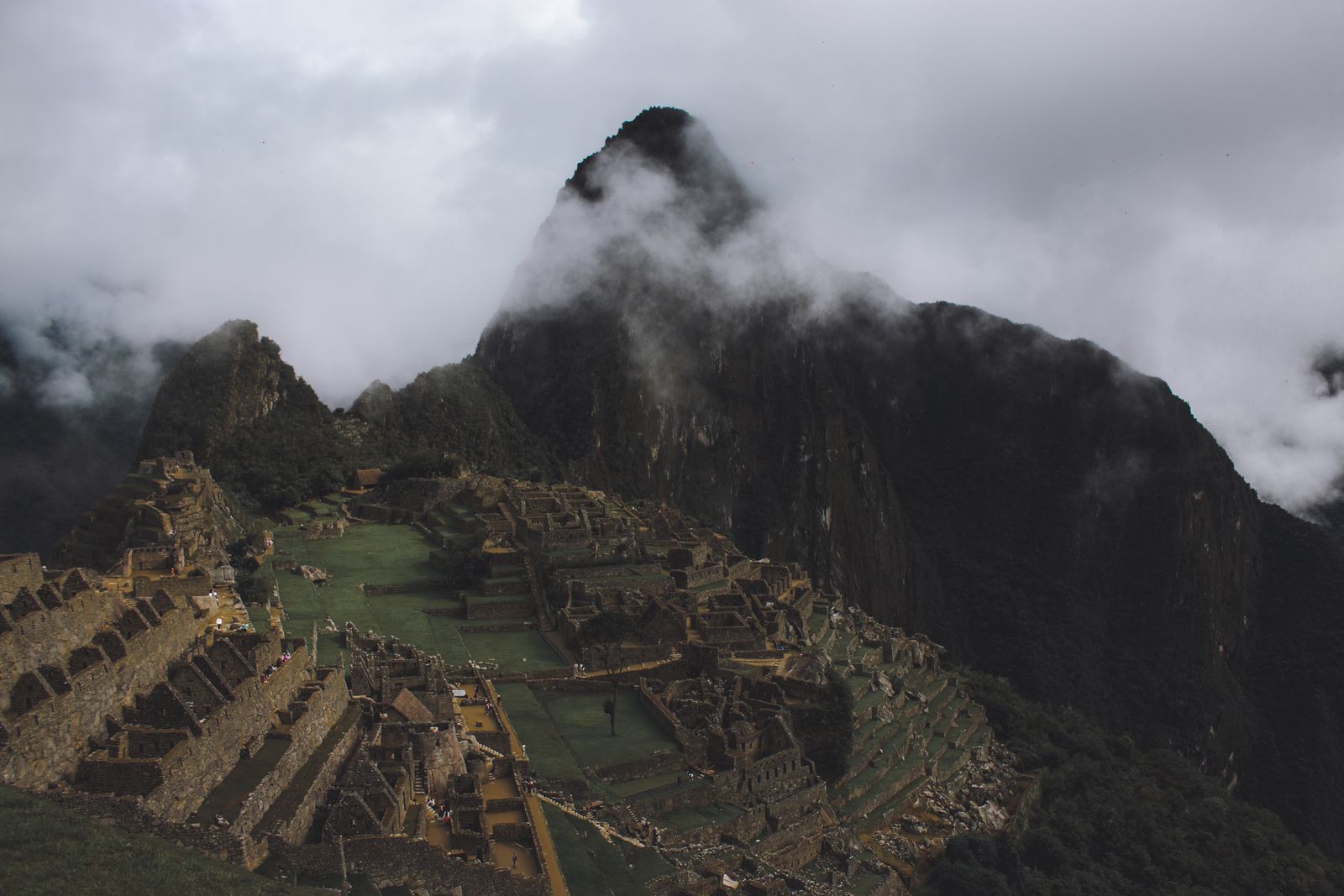
Safety and security are the concerns that dominate pre-trip conversations with family, with insurers, and with foreign-ministry advisory services. They deserve a structured treatment rather than a checklist. The sections below cover the general safety frame, crime information, criminal penalties under local law, what happens if a traveler is arrested abroad, support for victims of crime, how local laws differ from the home country, and the specific case of drinking and drugs that accounts for a disproportionate share of serious traveler incidents. Country-specific crime statistics and current threat assessments are maintained on the individual country pages.
Safety and Security — general frame
Every major foreign-ministry advisory service combines four inputs into its top-level safety assessment for a country: political and security conditions, including any active conflict or civil unrest; the prevalence of serious crime against foreigners, including kidnapping, armed robbery, and sexual assault; terrorism and targeted violence indicators; and natural hazards ranging from hurricanes and earthquakes to epidemic disease. The United States Department of State publishes a four-level system (Level 1: Exercise Normal Precautions; Level 2: Exercise Increased Caution; Level 3: Reconsider Travel; Level 4: Do Not Travel). The United Kingdom’s FCDO, Canada’s Global Affairs, Australia’s Smartraveller, and the German Federal Foreign Office use similar tiered schemes, and each publishes the reasoning behind the rating so that travelers can disagree with the overall level while still using the underlying information.
The general rule of thumb is straightforward. Travelers should read at least two independent foreign-ministry advisories for a destination, not just their own. Advisories occasionally diverge for political reasons, and reading the Canadian and Australian assessments alongside the United States one often clarifies whether the elevated warning reflects a genuine, measurable change in conditions or a diplomatic dispute. Travelers should then check the destination country’s own official travel pages and local-language news for corroboration, and should consult private security reporting or travel-medicine services such as International SOS for sensitive itineraries.
Crime Information
Crimes that affect foreign travelers fall into a predictable set of categories: petty theft (pickpocketing, bag-snatching, purse slashing, phone theft on public transit), scams (taxi overcharging, fake police shakedowns, distraction theft, drink-spiking), residential and hotel burglary, vehicle crime, and violent crime (armed robbery, carjacking, kidnap-for-ransom, sexual assault). The distribution of these categories varies enormously by destination and, within a destination, by neighborhood, time of day, and transport mode. Consular sections at embassies publish periodic crime notices for their nationals and these are usually the single most specific source available.
A useful baseline: dress down, carry a minimum of cash and cards in a front pocket or inside the waistband, leave the passport in a hotel safe once past immigration except where local law requires it be carried, avoid displaying expensive jewelry or electronics in public, use registered taxis or ride-hail apps rather than flagging vehicles on the street, do not accept drinks from strangers that have been out of sight, and exercise caution at ATMs, which are disproportionately targeted. Women travelers in particular may want to review the Women Travelers page from the Bureau of Consular Affairs; see the Special Considerations section of this page for a fuller treatment.
Criminal Penalties
Penalties for criminal offenses abroad can be startlingly severe by the standards of the traveler’s home country, and the line between civil and criminal conduct is drawn in very different places across jurisdictions. Possession of a small quantity of cannabis is legal or decriminalized in some countries, subject to a small fine in others, and carries a multi-year mandatory minimum prison sentence in others still. Capital punishment for drug trafficking remains on the books in a number of countries in Asia and the Middle East. Blasphemy, apostasy, and same-sex relationships are criminal offenses in some countries, and diplomatic status does not confer immunity from prosecution on private travelers. The Bureau of Consular Affairs Special Considerations hub lists categories of travelers at elevated legal risk in particular destinations.
Several offenses recur across consular arrest statistics year after year: drug possession and trafficking; assault, often involving alcohol; disorderly conduct, indecent exposure, and public intoxication; customs violations (undeclared currency, prohibited imports, antiquities, protected wildlife); photography offenses in and around security installations; traffic offenses, including accidents causing injury or death where the driver’s legal exposure can extend to imprisonment pending trial; and content-based speech offenses in countries with lèse-majesté, sedition, or cybercrime laws. Travelers should assume they are personally responsible for knowing the relevant rules before arrival.
Arrested Abroad
A citizen in a foreign country is subject to that country’s laws and regulations, which sometimes differ significantly from those at home, and may not afford the protections available to the individual under home-country law. Penalties for breaking the law can be more severe than in one’s own country. Persons violating the law, even unknowingly, may be expelled, fined, arrested, or imprisoned. If arrested abroad, a citizen must go through the foreign legal process of being charged or indicted, prosecuted, possibly convicted, and sentenced, including any appeals process. Within this framework, consular officers from one’s home country can provide a range of services.
Consular assistance in a criminal matter abroad is defined by the Vienna Convention on Consular Relations of 1963, which entitles a detained foreign national to notification of a consular officer from their country, and entitles the consular officer to access, communication, and visits with the detainee. The specific services the sending state provides vary, but they universally include notifying the family, providing a list of local attorneys, monitoring conditions of detention, and ensuring that the detainee is not treated worse than local nationals under the local criminal justice system.
Consular officers cannot post bail, pay fines, provide legal advice, represent the detainee in court, investigate a crime, or secure release. They cannot override the local legal process and they cannot demand preferential treatment. Families sometimes expect that a call to the home-country embassy will solve the problem; it will not. The Bureau of Consular Affairs Arrest of a U.S. Citizen page and equivalents from other foreign ministries explain in detail what their consular officers will and will not do. Detainees in countries with weak due-process protections may spend months or years in pretrial detention, and the appropriate response is usually to retain a well-regarded local attorney as quickly as possible and to work through the consular system for family communication and welfare monitoring.
Victims of Crime
If a traveler or someone they know becomes the victim of a crime abroad, contact the local police and the nearest embassy or consulate. Consular officers can replace a stolen passport, help find appropriate medical care in cases of assault or rape, put victims in contact with local police authorities, and contact family members or friends. They help victims understand the local criminal justice process and direct them to local attorneys. Local authorities, not the consular service, are responsible for investigating and prosecuting the crime.
When a serious crime has occurred, the usual sequence is: attend to any immediate medical needs, report the crime to local police and obtain a written report, contact the nearest embassy or consulate of the home country, notify the insurer, and preserve evidence such as photographs, receipts, and communications. The police report is usually required for insurance reimbursement and for replacement of stolen travel documents. In sexual assault cases, many countries have designated hospitals that perform forensic examinations, and the consular officer can direct a victim to one.
Victim-assistance services at embassies commonly include: issuing an emergency-return passport within one business day; helping with communication to family or employer; providing a list of local physicians, attorneys, and mental-health providers with the relevant language capacity; and in cases involving serious violence, facilitating repatriation arrangements. The Bureau of Consular Affairs Crime Victims page, the United Kingdom’s FCDO Support for British Nationals Abroad, and Canada’s Global Affairs Canada victim-of-crime resources describe comparable service menus.
Local Laws
Obey the local laws of the country being visited. An arrest or accident during a trip abroad can result in a difficult legal — and expensive — situation. Citizenship does not make a traveler exempt from full prosecution under another country’s criminal justice system, and one’s home government cannot bail travelers out. Many countries impose harsh penalties for violations that may be deemed minor elsewhere, and travelers may be considered guilty until proven innocent. Ignorance of the law is no excuse, so be informed.
Local laws that routinely surprise foreign travelers include: chewing-gum import and sale bans (most famously in Singapore); strict regulation of photography of government and military installations; restrictions on journalistic activity on tourist visas; currency-declaration requirements above modest thresholds; rules on public consumption of alcohol and on alcohol sales during religious observances such as Ramadan; modesty codes covering clothing in religious sites and, in some countries, in public generally; laws against public displays of affection between same-sex couples and, in a number of countries, laws criminalizing same-sex relationships altogether; laws against criticism of heads of state, of the monarchy, or of the national religion; prohibitions on the import of pornography, political publications, or religious literature; controlled-substance laws covering medications that are routinely prescribed at home (pseudoephedrine, amphetamines, opioid pain relievers, certain ADHD medications, cannabis-derived products); and rules on antiquities, protected wildlife, ivory, coral, and sand that can turn souvenir purchases into customs seizures on departure. CountryReports’ coverage of world religions is useful background for understanding which countries enforce religion-linked laws and when.
The practical defense is to read the destination country’s own government portal and the home-country travel advisory side by side before the trip, and to ask specific questions when in doubt. Consular officers will not provide detailed legal advice but will usually flag the handful of traps that catch the most travelers.
Drinking and Drugs
When traveling overseas, it is important to obey the laws and regulations of the country you’re visiting, especially those pertaining to drug and alcohol use. Every year, travelers are arrested abroad on drug charges or because of their behavior under the influence. Ignorance of the law is no excuse, so be informed. Avoid underage and excessive alcohol consumption. Many arrests, accidents, rape, and other violent crimes have occurred because of alcohol abuse. While abroad, driving under the influence and drinking on the street or on public transportation may be considered criminal activities by local authorities.
Alcohol and drug-related incidents are disproportionately represented in every category of serious harm to foreign travelers: traffic fatalities, drownings, falls from balconies, physical assaults, sexual assaults, robberies, and arrests. The pattern is so consistent that the State Department and most foreign ministries publish dedicated guidance on the subject. A sizable share of consular-arrest cases worldwide originate with drug possession or with alcohol-driven conduct that escalated.
Drug laws deserve specific attention. In several countries in Asia, trafficking of even small quantities can carry the death penalty, and possession thresholds for what is treated as trafficking rather than personal use may be very low. Middle-Eastern jurisdictions frequently impose mandatory minimum sentences for possession of controlled substances, in some cases applying to traces of metabolized drugs detectable in blood or urine on arrival even if the drug itself was consumed before entry. Travelers should never carry anything through customs that they have not personally packed, should not transport packages for other parties, and should verify the legal status of any medication at the destination’s embassy or health ministry in advance. On alcohol, the legal drinking age, the rules around public consumption, and the sanctions for driving under the influence vary enormously; a blood-alcohol limit that is routine in one country is criminal in another, and some Gulf states apply a zero-tolerance rule.
Road traffic injuries are the leading cause of non-natural death for foreign travelers worldwide. The World Health Organization’s Global Status Report on Road Safety estimates that approximately 1.19 million people die in road traffic crashes every year, with most fatalities occurring in low- and middle-income countries. For the traveler, driving abroad compounds the risks of unfamiliar vehicles, unfamiliar road rules, and fatigue with the specific risks of operating in an unfamiliar traffic environment. Road-based hazards extend beyond driving to hotel selection, pedestrian travel, and the use of taxis, motorbikes, and ride-hail services.
Driving a Vehicle
If you choose to drive abroad, this is one time you want to make sure you stay on the “beaten path.” It is important to be aware of the rules of the road in the country you’re visiting. If you choose to drive while abroad, make sure you obtain an International Driving Permit (IDP) before you go. Many countries don’t recognize foreign driver’s licenses, but IDPs are honored in more than 150 countries. An IDP should only be used as a supplement to a valid license. IDPs are not valid in your home country and you must be 18 to get one. Once you have your International Driving Permit, you’re going to need insurance. Car rental companies worldwide usually provide auto insurance, but in some countries, the required coverage is minimal. When renting a car overseas, it is highly recommended to purchase supplemental insurance.
The International Driving Permit (IDP) is defined by two United Nations treaties, the 1949 Geneva Convention on Road Traffic and the 1968 Vienna Convention on Road Traffic. It is a multilingual translation of the holder’s domestic driver’s license, issued for one year, and recognized by most but not all parties to the conventions. In the United States, two organizations are authorized by the Department of State to issue IDPs: the American Automobile Association (AAA) and the American Automobile Touring Alliance. An IDP must be carried together with the original domestic license; it is a translation, not a standalone document. Several countries including Japan, Austria, Germany, Italy, and Spain require an IDP for foreign tourists to rent a car, and many more recommend it strongly. China is a notable exception because it is not a party to either convention and does not recognize the IDP; foreign drivers must obtain a Chinese license.
Insurance for a rental car abroad is usually a stack of layers. The rental company’s baseline policy typically covers third-party liability at the minimum required by local law, which is often very low by the standards of a traveler from North America or Western Europe. A collision damage waiver reduces or eliminates the renter’s liability for damage to the rental vehicle, usually in exchange for an additional daily fee. Many premium credit cards provide secondary rental car insurance but the coverage has substantial exclusions, often including whole countries (Israel, Jamaica, Ireland, and New Zealand are common exclusions), certain vehicle types (SUVs, luxury cars, one-ton pickup trucks), and certain use cases. Dedicated third-party car-rental insurance products are available and can be cheaper than the rental company’s waiver. Travelers should verify what their coverage actually does before handing over a credit card at the rental counter.
Mechanical and operational differences matter. Left-side driving operates in more than fifty countries including the United Kingdom, Ireland, India, Japan, Australia, New Zealand, South Africa, and most of the Caribbean; manual transmissions remain the default in much of Europe, Africa, and South America; headlight-on rules, horn-use rules, roundabout rules, and pedestrian right-of-way rules differ; and some countries require reflective vests, warning triangles, breathalyzers, or first-aid kits to be carried in the vehicle by law.
Road Safety, Traffic Safety, and Road Conditions
Keep the following road safety and security factors in mind when preparing for a foreign trip: potential hazards and dangerous road conditions such as bad weather, seasonal hazards, driving at night, isolated areas, livestock or obstacles in the road, difficult terrain, unfamiliar road markings and signs, poor stoplights and traffic signals, poor lighting, narrow roads, absent crash barriers, and local roads to avoid. Be prepared: carry spare tires, carry extra fuel, check roadside assistance availability, and confirm which documents are required for operating a vehicle. Consider local laws and driving culture including speed limits, traffic signals, horn use, and right-of-way conventions.
Road conditions are the single variable most likely to surprise a first-time visitor. Many countries’ major intercity highways are in excellent condition; their secondary and rural roads are not. Unpaved sections, unexpected deep potholes, livestock and pedestrians on rural roads, unsigned level crossings, bridges without guardrails, one-lane mountain passes, seasonal flooding of river crossings, and landslide-prone sections are all common. Many traffic fatalities among foreign travelers occur at night and on weekends, often on unlit rural roads and often in collisions with pedestrians or unilluminated vehicles.
A conservative traveler’s operating protocol: do not drive at night outside cities unless absolutely necessary; do not drive on rural roads in the first two hours after sunrise or the last two hours before sunset, when livestock movement peaks in many agricultural regions; carry water, fuel, and basic tools on long stretches; verify roadside assistance coverage via the rental company or an automobile-club reciprocal agreement (AAA’s reciprocal arrangements with partner clubs worldwide are a good starting reference); and plan the route to allow daylight arrival. Winter driving in mountainous regions of Europe, North America, and Japan routinely requires snow chains by law during declared periods, and rental companies may not automatically include them.
Pedestrian safety also belongs in this section. In countries where drivers routinely give way to pedestrians, tourists from countries where they do not may step into the street confidently; the reverse is more dangerous. A traveler in an unfamiliar city should assume that pedestrians do not automatically have the right of way, should look in both directions regardless of local traffic flow direction, and should make eye contact with drivers before crossing.
Your Hotel
Choices abound when deciding what type of accommodation to choose, but the priority is being safe. Abroad, hotels may look different than travelers expect. Beds may be smaller, bathrooms may be shared, and amenities like a pool or gym may be nonexistent. Hotels are usually the most expensive option. Pensions and bed-and-breakfasts are usually small, family-run properties with varied prices and quality. Study-abroad students often live on campus or in official university housing.
Accommodation selection looks different when the frame is safety rather than comfort. The factors that most reliably predict a safe stay are: location (a neighborhood that is walkable in daylight and reachable by registered taxi at night); fire safety (functional smoke detectors, clearly marked exits, sprinklers, external fire escapes, and a room on a low enough floor that ladder rescue is feasible, which in most jurisdictions means the second through seventh floors); structural integrity, particularly in earthquake-prone regions where seismic codes have been updated relatively recently; physical security at the property (staffed reception twenty-four hours, key-card or locked external doors, in-room safes that are bolted to the structure, deadbolt locks on guest-room doors, peepholes); and the presence of a clear emergency-response protocol communicated at check-in.
Short-term rental platforms have expanded the options considerably and have also introduced a new set of risks: hidden cameras in common and private spaces (platforms require disclosure but enforcement is inconsistent); unregulated properties that do not meet local building or fire codes; fraudulent listings; and properties in apartment buildings where a guest has no relationship with a building manager in an emergency. Travelers using short-term rentals should verify reviews carefully, avoid last-minute bookings that bypass a platform’s reservation protections, and inspect the unit for signs of unauthorized recording equipment.
For students abroad, the single best answer is usually the program’s own housing. The property has been vetted by the sending institution, the emergency-contact chain is known in advance, and the program has a protocol for illness or crisis. Students traveling independently should treat hostel selection the same way they would a hotel, with particular attention to locker availability for valuables and to single-sex dorm options where preferred.

Beyond vaccinations and insurance, staying healthy abroad is mostly a matter of behavior: what is eaten and drunk, how prescriptions are managed, how the traveler takes care of sleep and mental health, and how quickly a deteriorating medical situation is escalated to professional care. The CDC’s CDC Yellow Book and WHO’s International Travel and Health are the two most widely used reference works; both are freely available online.
Staying Healthy
Checking out other countries doesn’t mean ignoring the health habits practiced at home. In fact, pay even closer attention. Eat, drink, and be wary. Sampling native cuisine is a wonderful part of travel, but eating the wrong things could make a traveler very sick. Many countries don’t have the same food handling and preparation standards. Food not stored or cooked properly could cause illness. Research which local foods and drinks to avoid. Stay away from raw foods. Choose local restaurants carefully — if the dining room looks dirty, the kitchen is likely worse.
Travelers’ diarrhea is the most common health problem affecting international travelers. Approximately thirty to seventy percent of travelers to lower-resource regions experience at least one episode, according to CDC estimates. The usual culprits are bacteria such as enterotoxigenic Escherichia coli, Campylobacter, Salmonella, and Shigella; viral pathogens including norovirus and rotavirus; and parasites including Giardia and Cryptosporidium. The CDC Yellow Book chapter on travelers’ diarrhea is the definitive reference. Oral rehydration salts are the foundation of self-treatment; bismuth subsalicylate is useful for mild cases; azithromycin is the most broadly recommended antibiotic reserve (taken only when specific criteria are met) and is often prescribed by travel-medicine clinics for travelers to higher-risk destinations.
Basic food and water rules reduce risk dramatically. Drink only sealed bottled or boiled water; use it for brushing teeth and for ice cubes; avoid raw salads that may have been washed in tap water; eat fruit that can be peeled; eat food that is hot through to the center; avoid buffets where hot food has been sitting for long periods; and be cautious with shellfish, raw eggs, and undercooked meat. Street food can be excellent and can also be dangerous, and the variable is less the setting and more the turnover: a busy stall cooking to order is almost always safer than a slower one serving food that has been held warm.
Beyond food and water, a short list of everyday disciplines matters. Use insect repellent (DEET, picaridin, or IR3535) in areas where mosquito- or tick-borne illness is endemic; apply sunscreen (many widely-used sunscreens are banned in Hawaii, Palau, and parts of Mexico because of reef damage, and travelers should check); hand-sanitize or wash hands before eating; avoid swimming in freshwater in schistosomiasis-endemic regions; do not walk barefoot on soil or beaches where hookworm or strongyloides is a concern; and do not handle stray animals because of rabies risk. The world diseases page summarizes the specific pathogens; this page covers only the behavioral defenses. CountryReports also maintains a page on nutrition and food security that contextualizes why food-safety standards vary.
Mental Health
Traveling or studying overseas is not a cure for health conditions such as depression or attention deficit disorder. Going abroad may in fact amplify a condition. Travelers may not have adequate access to prescription medication or mental health facilities. Culture shock, language barriers, and homesickness can deepen isolation or depression. Before traveling, create a workable plan for managing mental health while abroad. The availability and quality of mental health services differ widely from country to country.
Mental-health planning is the least-discussed part of pre-trip preparation, and as a result it is the part most likely to fail in practice. Travelers with a pre-existing condition (depression, anxiety, bipolar disorder, post-traumatic stress disorder, attention deficit disorder, schizophrenia, an eating disorder, or a substance-use disorder) should plan for mental-health care abroad the same way a traveler with diabetes plans for insulin. That means: coordinating with the treating clinician before departure; carrying a written treatment plan and a letter from the clinician describing diagnoses, medications, and emergency contacts; confirming that medications are legal at the destination (some common psychiatric medications, including certain stimulants and benzodiazepines, are controlled substances or outright prohibited in particular countries); identifying a local English-speaking mental-health provider or a telehealth provider licensed to treat across borders; and building a support network among traveling companions or program staff.
For students on study-abroad programs, the sending institution’s office of international programs usually maintains a network of vetted providers and a protocol for psychiatric emergencies, and students are usually advised to disclose a mental-health history to the program office so that the protocol can be activated quickly if needed. The CDC Yellow Book chapter on mental health devotes specific guidance to the intersection of travel stress, substance use, jet lag, and culture shock. Travelers without a pre-existing condition should still be alert to cumulative stress, irregular sleep, alcohol use, and loneliness, which together account for a surprising fraction of crisis-line calls made from abroad to home.
Prescriptions
Being abroad is not the time to suddenly realize a prescription has run out. Travelers with conditions requiring regular medication should bring an extra quantity and pack it in a carry-on, in case checked luggage is lost. Keep medication in its original container and clearly labeled — this avoids creating the impression of carrying drugs not prescribed. Check with the local embassy to make sure medication is acceptable to carry into the country; some countries may consider prescription medication illegal. Bring a letter from the doctor listing medications and explaining why they are needed.
Prescription-drug rules are jurisdiction-specific, not universal, and assumptions carried over from home can become serious legal problems at the border. Medications that are freely available by prescription in much of the world are controlled substances in others. Pseudoephedrine, codeine-based cough and cold preparations, certain amphetamine stimulants prescribed for attention deficit disorder, opioid pain relievers, benzodiazepines, ketamine, cannabis-derived products, and some sleep aids are common trouble categories. Japan, Singapore, the United Arab Emirates, Saudi Arabia, Qatar, and Indonesia are jurisdictions that enforce strict rules on a broader set of medications than most travelers expect. Before the trip, travelers should verify the status of each regular medication with the destination’s embassy and, where required, obtain an advance import permit.
Practical rules: carry enough medication in original labeled containers for the full trip plus a minimum ten-day buffer; keep medication in the carry-on, never in checked baggage; carry a signed letter from the prescribing physician listing each medication by generic name, the diagnosis, and the daily dosage, ideally on clinic letterhead and in English; for injectable medications, carry the prescription and a physician’s letter describing the need; and keep a photocopy of the prescriptions at home so that replacements can be arranged if the supply is lost or stolen. A traveler who loses medications abroad should contact the nearest embassy or consulate, which can usually direct them to a local physician and, where needed, help arrange for a replacement supply to be sent.
Health Emergency
Travelers who become seriously ill or injured abroad can contact the nearest embassy or consular officer for help locating medical services and informing family or friends. Paying a little now can save a lot later. Obtaining medical treatment and hospital care abroad can be expensive, and medical evacuation can cost more than USD 50,000. Medical insurance from one’s home country is generally not accepted abroad, and programs like U.S. Medicare and Medicaid do not provide coverage outside the United States. Travelers should check their insurance policy — and purchase supplemental travel medical insurance when coverage is inadequate.
This snippet reprises the material from the earlier insurance section because medical emergencies are where everything else on the page is tested in practice. The sequence in a genuine medical emergency abroad is: get to the highest-quality facility that can be reached within the golden hour for trauma or within the time window appropriate for the condition (stroke, heart attack, sepsis, obstetric emergency); notify the insurer’s twenty-four-hour assistance line, which will help direct the traveler to in-network facilities and arrange guarantees of payment; notify the nearest embassy or consulate, which can direct family communication and, in appropriate cases, assist with evacuation logistics; and notify the home-country clinician with responsibility for the traveler’s ongoing care.
For serious cases, the United States Department of State’s Illness or Injury Overseas page and the CDC’s Yellow Book chapter on travel health insurance and medical evacuation explain the mechanics. The World Health Organization maintains International Health Regulations that govern how national health authorities coordinate across borders in outbreaks and mass-casualty events; its country office network is the fallback resource when the home-country embassy cannot reach a traveler directly.
Emergencies
Earthquakes, hurricanes, political upheavals, and acts of terrorism are only some of the events threatening the safety of travelers abroad. Each event is unique and poses its own special difficulties. Millions travel abroad every year and encounter no difficulties. Embassies and consulates assist travelers each year who are victims of crime, accident, or illness, or whose family and friends need to contact them in an emergency. When an emergency happens, or if a natural disaster, terrorism, or civil unrest strikes during foreign travel, the nearest embassy or consulate can be a source of assistance and information.
Emergencies are, by definition, not well planned for by the person in the middle of them. Pre-trip preparation therefore concentrates on making the emergency-response system findable on the worst day of the trip. Three lists should be written down, saved on the phone, saved to cloud storage, and left with someone at home: the nearest embassy or consulate with twenty-four-hour duty phone and address; the insurer’s twenty-four-hour assistance line with the policy number; and two emergency contacts at home with direct phone and email. In many countries the general emergency number is not 911 but 112 (European Union), 000 (Australia), 999 (United Kingdom and parts of the Commonwealth), 119 or 118 (Japan), 120 or 110 (China), or a country-specific number. A short reference list with the numbers for the destination should be saved offline.
For political or security emergencies — coups, mass protests, armed conflict, terrorist incidents, sudden border closures — the single most important step is to make the home-country government aware that a traveler is in country. Every major sending country operates a traveler enrollment service: the United States’ STEP, Canada’s Registration of Canadians Abroad, Australia’s Smartraveller subscription, the United Kingdom’s FCDO travel advice sign-ups, and similar programs operated by France, Germany, and most other governments. Enrollment is free, takes a few minutes, and activates the embassy’s ability to contact a traveler quickly in a crisis.
Evacuations and Natural Disasters
Travelers may need to leave a country prior to their scheduled departure because of political upheaval or a natural disaster. These conditions often cause disruptions in commercial transportation. If it appears unsafe to remain, the nearest embassy and consulates may be able to assist. Natural disasters can wreak havoc on the best-made plans. Hurricanes, tsunamis, or volcanic eruptions create turmoil throughout the world; if a natural disaster occurs and it is unsafe to remain in-country, embassies and consulates work to locate and assist travelers.
Home-country governments rarely conduct free military-style evacuations of their nationals, and in recent decades have moved decisively toward charging travelers for any assisted departure. In a typical large-scale emergency, the embassy will: broadcast travel guidance through enrollment lists and social media; identify and, if necessary, contract commercial carriers to operate special flights at cost; consolidate evacuees at a designated muster point; and provide consular services on the ground. Travelers who expect the military to show up with empty seats will be disappointed. Travel insurance with a political evacuation or natural-disaster evacuation rider is the more reliable option for those whose itineraries carry elevated risk.
Natural-disaster planning is destination-specific. In hurricane-prone regions of the Atlantic and the Pacific, the season runs roughly June through November and travelers should follow the National Hurricane Center or the regional meteorological service. In the Ring of Fire around the Pacific, volcanic and seismic activity can interrupt air travel at short notice; the Icelandic eruptions of 2010 closed North Atlantic airspace for more than a week. Tsunami-risk coastal areas should be identified before arrival; most high-risk destinations now have posted evacuation routes from hotels and beaches. Wildfires have become a year-round hazard in much of western North America, southern Europe, Australia, and parts of Siberia. The CountryReports page on natural disasters gives the broader context and references the global monitoring systems that pre-trip research can draw on.
A short evacuation protocol for travelers to high-risk regions: confirm multiple exit routes (air, road, ferry, and, where relevant, private charter) before the trip begins; carry at least seventy-two hours’ worth of cash in a widely accepted currency in case card systems fail; back up passport and vaccination certificate photos to cloud storage; maintain a full tank of fuel if driving; and monitor the home-country travel advisory service and the local meteorological service daily during any stay longer than a few days in a season of elevated risk.

Women Travelers
Citizens traveling abroad should research safety and local customs, but women should be especially attentive. Traveling through foreign lands gives a unique opportunity to observe a rich tapestry of cultures and customs. As a foreign citizen, one may already stand out. Use discretion, be aware of surroundings, and be attentive to local laws and customs — which can be quite different from home. Understand the social culture and norms for behavior and dress of the country being visited. Current guide books provide useful information specifically for women travelers.
Women travelers face a distinct risk profile that varies sharply across destinations and that deserves specific preparation. The Bureau of Consular Affairs Women Travelers page, the United Kingdom’s FCDO advice for women traveling abroad, and Canada’s Global Affairs Her Own Way publication are the most detailed government resources, and every traveler should read at least one before a substantial trip.
Recurring themes include: researching dress codes and social norms for the specific destination, including the distinction between the capital city and rural areas; understanding that in some jurisdictions a married woman needs a husband’s permission for specific transactions; being alert to the higher frequency of street harassment in particular regions; choosing accommodations with twenty-four-hour reception and a room on an interior corridor rather than at the end of an isolated hallway; using registered taxis or well-reviewed ride-hail services rather than flagging cars on the street; minimizing solo travel after dark; keeping drinks in view at all times; and maintaining a reserve of cash for a quick departure from a bad situation. Female-specific travel-medicine considerations include awareness of local emergency contraception availability, the legal status of abortion (which can be criminal in some jurisdictions), and the quality of local obstetric and gynecological care, which is relevant both for travelers managing pregnancy and for those who may develop an emergency while abroad.
Traveling with Disabilities
Traveling through foreign lands gives a unique opportunity to observe a rich variety of cultures and customs — this is true for those living with or without a disability. Living with a disability in no way prevents international travel. With advanced planning and plenty of vigilance, the trip can be safe and enjoyable. Before going: check with a doctor to confirm travel is okay. If considering study-abroad programs, research which can accommodate special needs. Study-abroad offices can direct students to programs with extra funding for reasonable accommodations such as personal care assistants, foreign sign language interpreters, or oxygen providers.
Accessibility standards for public transport, lodging, and historical sites vary widely across countries and within countries. Legal frameworks such as the Americans with Disabilities Act in the United States, the Equality Act in the United Kingdom, and the European Accessibility Act apply only domestically, and travelers with mobility, sensory, or cognitive disabilities should expect variability at the destination. The Bureau of Consular Affairs Travelers with Disabilities page, Australia’s Smartraveller advice for travelers with a disability, and the International Civil Aviation Organization’s guidance on accessible air travel are the most authoritative starting points.
Key planning items: select airlines whose policies explicitly address mobility devices and service animals on the route and check their advance-notice requirements; confirm that the destination’s airports have wheelchair accessibility and staffed assistance through the carrier; research lodging that meets documented accessibility criteria rather than marketing claims; plan for power-outlet compatibility if a device requires charging; carry a physician’s letter for any controlled medications; plan for medical-device batteries (there are regulations on lithium batteries in the cargo hold and the cabin, and power-chair batteries have specific International Air Transport Association rules); and build a contingency plan for medical-device failure or loss. For travelers who use service animals, each destination has its own quarantine, certification, and documentation requirements, and some countries do not recognize service-animal status; planning a decade ahead is not unusual for complex international itineraries with a service animal.
Study-abroad offices typically maintain relationships with providers that can support accommodations at the destination; the Mobility International USA exchange resources funded by the Department of State provide the most comprehensive clearinghouse for United States students.
Spring Break and Student Travelers
Avoid underage and excessive alcohol consumption. Overdoing it leads to the majority of arrests, accidents, violent crimes, assaults, and deaths suffered by foreign students on break. Disturbing the peace, lewd behavior, littering, driving under the influence, drinking on the street or on public transportation may all be considered criminal activities by local authorities. Don’t import, purchase, use, or possess drugs. Drug charges can carry severe penalties including imprisonment without bail for up to a year before a case is tried. In some countries age doesn’t matter — even minors can be charged as adults.
Spring-break and other peak-season student travel accounts for a sharply disproportionate share of serious incidents recorded by United States consulates. The State Department’s dedicated Students Abroad page lists the categories most frequently involved: alcohol poisoning, drownings, falls from balconies, sexual assault, drug arrests, and traffic fatalities as pedestrians or moped passengers.
The practical rules for students traveling independently are the same as for any other traveler but enforced with less margin for error: travel with at least one trusted companion and maintain check-in protocols with the companion and with at least one person at home; do not leave drinks unattended; use registered taxis or ride-hail services; avoid mopeds and scooters, especially in countries with left-side driving unfamiliar to the rider and without helmet laws; never transport anything for anyone else; and stay well away from the dynamics of a crowd during any political or sporting event. The sponsoring institution’s study-abroad office should be notified of any independent travel outside the program’s scheduled itinerary, and the institution’s emergency contact for students abroad should be saved in the student’s phone under a distinct label so that it can be reached quickly.
Country-Specific Alerts: Travel Alert Status and Travel Warnings
Two of the thirty-two canonical CountryReports travel-advice topics are by design country-specific rather than global: Travel Alert Status and Travel Warnings. The alert status is a short, updated indicator of whether a destination is currently under an elevated advisory from the United States Department of State or a peer service, and the travel warnings entry captures the specific operational concerns behind that advisory. Both live on the individual country pages rather than here because they change, sometimes weekly, and because they require the country context to be useful.
Inside the CountryReports content management system, these two fields are maintained alongside the other thirty travel-advice topics that appear on this page. They appear on every country profile (see, for example, the France, Japan, and Thailand country pages), with updates pulled from the State Department feed and cross-checked against the FCDO, Global Affairs Canada, and Smartraveller advisories.
Travelers planning a specific trip should therefore use this page for the general preparation framework and then consult the destination’s country page for current alerts, in addition to the home-country foreign-ministry advisory service. The primary advisory services to bookmark for any itinerary:
- United States Department of State — Travel Advisories for the four-level system.
- Government of Canada — Travel Advice and Advisories.
- United Kingdom FCDO — Foreign travel advice.
- Australian Department of Foreign Affairs and Trade — Smartraveller.
- German Federal Foreign Office — Reise- und Sicherheitshinweise.
- French Ministry of Europe and Foreign Affairs — Conseils aux voyageurs.
Global health alerts, which can trigger travel advisories in themselves, are maintained by the World Health Organization’s Disease Outbreak News and by the CDC’s Travelers’ Health Notices. The CountryReports global pages on world diseases, major pandemics in history, and global vaccination programs sit alongside the travel-advice content here and can be consulted as supporting material when a health notice is active.
Sources
Detailed citations, data references, and institutional sources for all CountryReports content are listed on the Sources page. The following government agencies, international organizations, and academic institutions are the primary authorities for the travel advice on this page. CountryReports draws no travel guidance from social media or user-generated encyclopedias.
Foreign-Ministry Advisory Services
- United States Department of State — Bureau of Consular Affairs — Travel Advisories, passport and visa information, and consular-assistance guidance for United States travelers.
- Government of Canada — Travel Advice and Advisories — Global Affairs Canada’s destination-by-destination advisory service.
- United Kingdom Foreign, Commonwealth and Development Office — Foreign Travel Advice — FCDO country-specific travel advisories.
- Australian Department of Foreign Affairs and Trade — Smartraveller — Australia’s traveler advisory and registration service.
- German Federal Foreign Office — Reise- und Sicherheitshinweise — Auswärtiges Amt country travel and security advisories.
- French Ministry of Europe and Foreign Affairs — Conseils aux voyageurs — France’s government travel guidance portal.
International Health Organizations
- World Health Organization — International Travel and Health — WHO reference on vaccination, health risks, and public-health regulations for travelers.
- United States Centers for Disease Control and Prevention — Travelers’ Health — Destination-specific health notices and advisories.
- CDC Yellow Book — Health Information for International Travel — The authoritative United States travel-medicine reference, revised every two years and freely available online.
- European Centre for Disease Prevention and Control (ECDC) — Disease surveillance and travel-health guidance for the European Union and European Economic Area.
Aviation and Documentation Authorities
- International Air Transport Association (IATA) — Industry body whose Travel Centre database is used by airlines to verify passport, visa, and health-entry requirements at check-in.
- International Civil Aviation Organization (ICAO) — United Nations agency that sets the Document 9303 standard for machine-readable passports and travel documents.
Academic and Peer-Reviewed Literature
- International Society of Travel Medicine — Professional society maintaining the GeoSentinel surveillance network of travel-medicine clinics.
- London School of Hygiene & Tropical Medicine — Academic center whose tropical and travel-medicine programs inform many of the source references in this page.
- Institute of Tropical Medicine, Antwerp — Long-established European center for travel and tropical medicine.
If you notice an error or would like to suggest a correction, please use our contact page to get in touch.