
 English
 Español
 中文
中文 हिन्दी
 Français
Global Conservation Efforts
The international framework, protected areas, species recovery, and institutions that safeguard biodiversity.
Global conservation efforts are the coordinated actions of governments, international treaties, scientific institutions, non-governmental organizations, and indigenous communities to protect species, habitats, and ecosystems from extinction and degradation. From the signing of the Ramsar Convention on wetlands in 1971 to the adoption of the Kunming-Montreal Global Biodiversity Framework in 2022, conservation has grown from a national concern into a worldwide legal, scientific, and cultural enterprise that now touches every continent and every ocean.
Overview
Conservation, in its modern sense, emerged in the nineteenth century as industrial expansion, colonial resource extraction, and the near-extinction of species such as the American bison and the plains wolf exposed the fragility of the natural world. The designation of Yellowstone in 1872 as the world's first national park, followed by Banff in 1885 and Kruger at the end of the nineteenth century, established the principle that nations could set aside land for the protection of wildlife, scenic beauty, and ecological processes. The twentieth century then broadened the movement from protected areas alone to legal frameworks that govern hunting, trade, habitat destruction, and chemical pollution.
Today the conservation enterprise is multi-layered. Global treaties negotiated at the United Nations set binding targets and reporting obligations. Regional bodies such as the European Union issue directives that shape national law. National agencies, including the United States Fish and Wildlife Service and Parks Canada, manage protected lands and enforce endangered species legislation. International scientific authorities, led by the International Union for Conservation of Nature, maintain the Red List of Threatened Species and set the categorization standards used across the world. Non-governmental organizations raise funds, operate research programs, and provide capacity to governments that lack it, while indigenous peoples and local communities manage large portions of the planet's most biodiverse landscapes under customary and formal arrangements.
The scale of the task has grown as pressures have mounted. Habitat loss driven by agriculture, urbanization, infrastructure, and mining continues to be the leading cause of biodiversity decline. Direct exploitation through hunting, fishing, and the wildlife trade threatens thousands of species. Invasive species, pollution, and climate change now interact with these older threats to produce what scientists describe as the sixth mass extinction. The global response, while still insufficient in the view of many experts, has nevertheless produced documented recoveries of species such as the bald eagle, the Arabian oryx, the giant panda, and the humpback whale, demonstrating that sustained intervention can reverse decline when political will and funding are adequate.
This page surveys the principal instruments, institutions, and approaches that together make up global conservation. Readers interested in specific aspects may consult related pages on endangered species, animal species and biodiversity, biomes and ecosystems, forests and rainforests, and UNESCO World Heritage sites.
Key Facts
- Land under protection
- Approximately 17 percent of the world's land area is covered by protected areas (World Database on Protected Areas)
- Ocean under protection
- Approximately 8 percent of the world's ocean area is within marine protected areas
- Global target
- 30 by 30 — protect 30 percent of land and sea by 2030 (Target 3, Kunming-Montreal Global Biodiversity Framework, 2022)
- CITES parties
- 184 parties regulate international trade in more than 40,000 species of plants and animals
- IUCN Red List assessments
- More than 166,000 species assessed, of which over 46,000 are threatened with extinction
- Ramsar wetlands
- More than 2,500 sites covering over 2.5 million square kilometers in 172 contracting parties
- Largest national park
- Northeast Greenland National Park, approximately 972,000 square kilometers
- Oldest national park
- Yellowstone National Park, established by act of the United States Congress on March 1, 1872
- UNESCO biosphere reserves
- More than 750 biosphere reserves in 136 countries under the Man and the Biosphere programme
- Indigenous-managed lands
- Indigenous peoples manage or hold rights over approximately 25 percent of the global land surface, including many of the most biodiverse ecosystems
Major International Treaties
Five multilateral agreements form the legal backbone of global conservation. Each addresses a distinct dimension of the biodiversity problem, and together they provide the framework within which national conservation policy operates. All five are administered by small secretariats, most of them based in Geneva, Bonn, Gland, or Montreal, and all rely on voluntary compliance by their parties backed by peer review and scientific advice.
CITES (1973)
The Convention on International Trade in Endangered Species of Wild Fauna and Flora regulates cross-border trade in listed species through a permit system built around three appendices that match the severity of threat. Adopted in Washington in 1973, it entered into force in 1975 and now has 184 parties, making it one of the most widely ratified conservation treaties.
- • Appendix I: species threatened with extinction
- • Appendix II: species subject to regulated trade
- • Appendix III: species listed by individual parties
Convention on Biological Diversity (1992)
Opened for signature at the Earth Summit in Rio de Janeiro, the Convention on Biological Diversity has three objectives: the conservation of biological diversity, the sustainable use of its components, and the fair and equitable sharing of benefits arising from genetic resources. Its most recent strategic plan, the Kunming-Montreal Global Biodiversity Framework, was adopted in December 2022.
- • 196 parties
- • Cartagena Protocol on biosafety (2003)
- • Nagoya Protocol on access and benefit-sharing (2014)
Ramsar Convention (1971)
Signed in the Iranian city of Ramsar in 1971, the Convention on Wetlands of International Importance was the first modern treaty on a specific habitat type. Parties designate wetlands for the List of Wetlands of International Importance and commit to their wise use. The network now covers more than 2.5 million square kilometers across over 2,500 sites.
- • 172 contracting parties
- • Secretariat in Gland, Switzerland
- • Protects marshes, peatlands, coral reefs, and mangroves
CMS / Bonn Convention (1979)
The Convention on the Conservation of Migratory Species of Wild Animals, concluded in Bonn in 1979, is the only global treaty focused on animals that cross international borders. It operates through binding agreements and non-binding memoranda of understanding covering cetaceans, raptors, waterbirds, sharks, turtles, and other long-distance migrants.
- • 133 parties
- • Agreement on Cetaceans of the Black Sea and Mediterranean
- • African-Eurasian Waterbird Agreement
World Heritage Convention (1972)
Administered by the UNESCO World Heritage Centre in Paris, the Convention Concerning the Protection of the World Cultural and Natural Heritage identifies sites of outstanding universal value. Natural and mixed sites, including the Galápagos Islands, Serengeti National Park, and the Great Barrier Reef, form a parallel global network to the cultural heritage list.
- • 195 states parties
- • More than 1,200 inscribed sites
- • World Heritage in Danger list for threatened sites
Protected Area Systems
A protected area is defined by the International Union for Conservation of Nature as a clearly defined geographical space, recognized, dedicated, and managed, through legal or other effective means, to achieve the long-term conservation of nature with associated ecosystem services and cultural values. The global system of protected areas is tracked through the World Database on Protected Areas, managed jointly by the United Nations Environment Programme World Conservation Monitoring Centre and the International Union for Conservation of Nature.
Protected areas are sorted into six management categories. Category Ia covers strict nature reserves established primarily for science. Category Ib covers wilderness areas managed to protect long-term ecological character. Category II covers national parks, the best-known category, which allow visitation within a framework that preserves ecosystem processes. Category III protects natural monuments and specific features. Category IV is used for habitat and species management areas that require active intervention. Categories V and VI cover protected landscapes and seascapes and sustainable-use reserves, recognizing that humans and nature can share landscapes in ways that conserve biodiversity while supporting livelihoods.
Global targets for protected area coverage have evolved. The 2010 Aichi Biodiversity Targets, adopted under the Convention on Biological Diversity, called for at least 17 percent of terrestrial and 10 percent of marine areas to be protected by 2020. The land target was narrowly met and the marine target missed, prompting the more ambitious 30 by 30 commitment in the Kunming-Montreal Framework of 2022. Target 3 of that framework calls for the effective conservation and management of at least 30 percent of the world's terrestrial, inland water, and coastal and marine areas by 2030, with explicit recognition of indigenous and traditional territories.

National Park Systems
National park systems take many institutional forms, but most trace their lineage to Yellowstone, established in 1872 across parts of what is now Wyoming, Montana, and Idaho. The United States National Park Service, created by the Organic Act of 1916, manages more than 420 units covering over 340,000 square kilometers. Parks Canada administers 48 national parks and a number of national park reserves, among them Banff, which was established in 1885 as the country's first national park. The United Kingdom manages 15 national parks under a distinctive model that includes privately owned farmland within park boundaries under planning controls rather than public ownership alone.
Africa hosts some of the world's most iconic parks. Kruger National Park in South Africa was proclaimed Sabi Game Reserve in 1898 and expanded into its present form in 1926. Serengeti National Park in Tanzania, established in 1951, contains one of the last intact long-distance mammal migrations on Earth and was inscribed as a UNESCO World Heritage site in 1981. In South America, Torres del Paine in Chile and Corcovado in Costa Rica protect Patagonian and Central American rainforest ecosystems respectively, while Chile's Route of Parks integrates 17 parks along nearly 3,000 kilometers of Patagonia.
Parks vary by management philosophy as much as by landscape. Some emphasize strict preservation with minimal human presence, while others actively integrate tourism, indigenous co-management, and scientific monitoring. The Costa Rican model pioneered large-scale payments for ecosystem services linked to park networks, and ecological corridors are now an increasingly important complement to isolated reserves, connecting them across the wider landscape so that species can move in response to climate change and other pressures.

Marine Protected Areas
Ocean protection has expanded rapidly in the twenty-first century, though coverage and effectiveness lag well behind terrestrial protection. Papahānaumokuākea Marine National Monument, northwest of the main Hawaiian Islands, was established by the United States in 2006 and expanded in 2016 to approximately 1.5 million square kilometers, making it one of the largest marine protected areas in the world. The monument combines sacred Native Hawaiian sites with coral atolls, seamounts, and deep-sea habitats, and is managed jointly by the National Oceanic and Atmospheric Administration, the United States Fish and Wildlife Service, the State of Hawaii, and the Office of Hawaiian Affairs.
The Great Barrier Reef Marine Park in Australia, established in 1975, protects roughly 344,000 square kilometers of the world's largest coral reef system. It is administered through a zoning plan that balances no-take reserves with fishing, shipping, and tourism. The Galápagos Marine Reserve, created by Ecuador in 1998 and expanded in 2022 to include the Hermandad Reserve, protects 198,000 square kilometers of ocean that shelter marine iguanas, fur seals, and endemic sharks. The Ross Sea Region Marine Protected Area, negotiated under the Commission for the Conservation of Antarctic Marine Living Resources and entering into force in 2017, was the first large-scale high-seas marine protected area, covering 1.55 million square kilometers of the Southern Ocean.
The 2023 Agreement on Marine Biological Diversity of Areas Beyond National Jurisdiction, commonly known as the high-seas treaty or BBNJ Agreement, opens a new chapter by providing a legal framework for marine protected areas in the two-thirds of the ocean that lie outside any country's exclusive economic zone. It will enter into force once ratified by 60 states.
Flagship Species Recovery
Several charismatic species have become icons of twentieth-century conservation, and their stories demonstrate both the methods and the time horizons required for meaningful recovery. Each of the following cases involved a combination of hunting prohibitions, habitat protection, captive breeding, reintroduction, and long-term monitoring.
Bald Eagle (United States)
Listed as endangered in 1967 under the predecessor to the Endangered Species Act, largely because of the pesticide DDT, the bald eagle recovered following the 1972 ban on agricultural DDT and was fully delisted in 2007. The species is still protected by the Bald and Golden Eagle Protection Act of 1940.
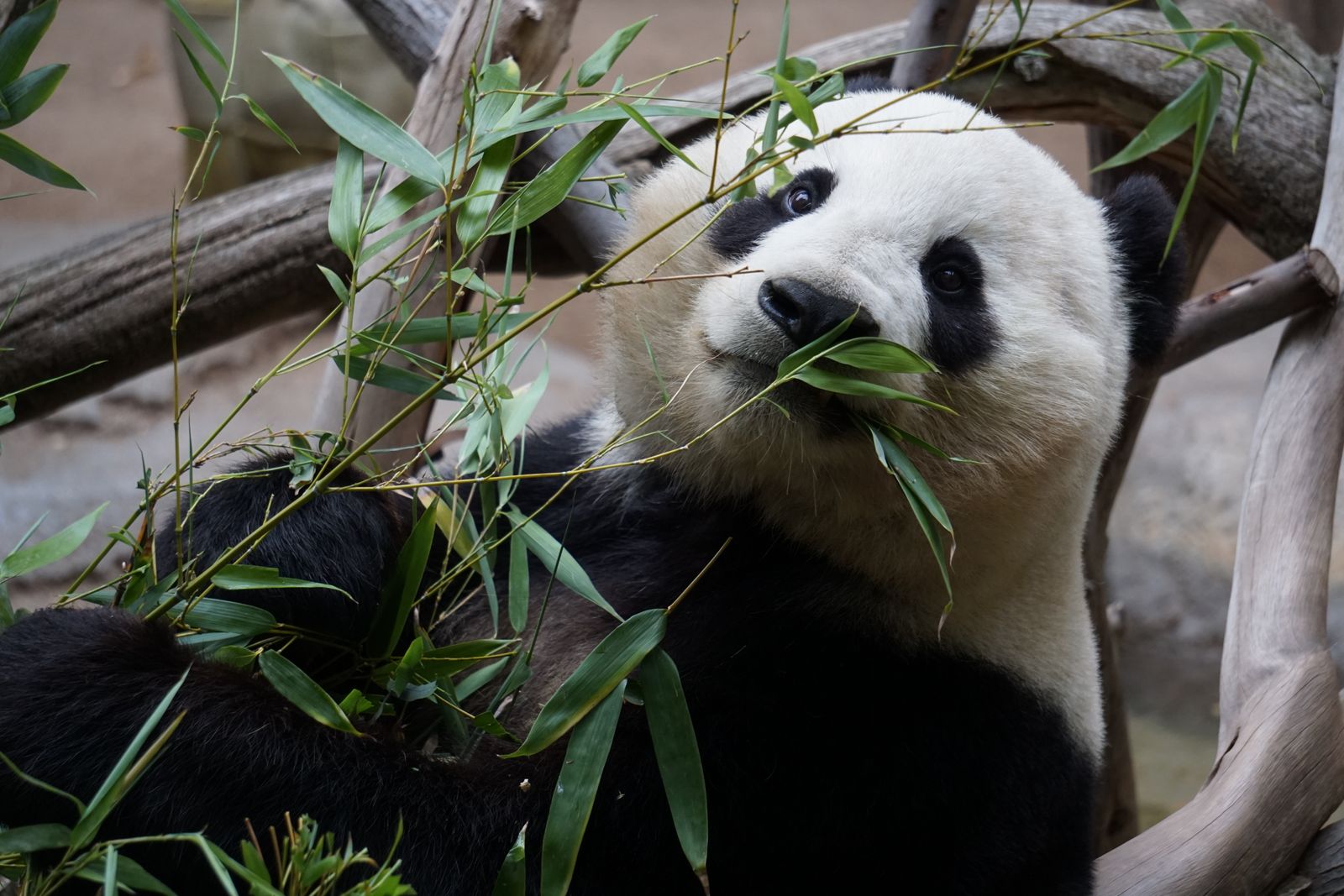
Giant Panda (China)
Intensive habitat protection in Sichuan, Shaanxi, and Gansu, combined with captive breeding programs at Wolong and Chengdu, moved the giant panda from Endangered to Vulnerable on the IUCN Red List in 2016. The 2020 establishment of the Giant Panda National Park consolidated more than 70 existing reserves.
Arabian Oryx (Middle East)
Declared extinct in the wild in 1972, the Arabian oryx was reintroduced to Oman in 1982 from a captive-bred World Herd assembled at the Phoenix Zoo and elsewhere. By 2011 it was the first species ever to be downlisted from Extinct in the Wild to Vulnerable on the IUCN Red List.
California Condor (United States)
All 22 remaining wild condors were captured between 1982 and 1987 to begin a captive breeding program at the San Diego and Los Angeles zoos. Releases began in 1992 and the wild population now exceeds 300 birds across California, Arizona, Utah, and Baja California.
Black-Footed Ferret (North America)
Thought extinct until a small population was rediscovered in Meeteetse, Wyoming, in 1981, the black-footed ferret has been maintained through a captive breeding program coordinated by the United States Fish and Wildlife Service. Reintroductions have established populations in multiple western states and northern Mexico.
Iberian Lynx (Spain and Portugal)
Reduced to fewer than 100 individuals in 2002 and classified Critically Endangered, the Iberian lynx has rebounded through the European Union LIFE programme, coordinated breeding centers, and rabbit-population management to more than 2,000 animals as of recent estimates.
European Bison (Europe)
Extinct in the wild after the First World War, the European bison survived in a handful of captive herds and has since been restored to forests including Białowieża on the Polish-Belarusian border, with free-ranging herds reestablished across Poland, Belarus, Lithuania, Ukraine, Romania, and Germany.
Humpback Whale (Global)
Devastated by industrial whaling, most humpback populations have recovered substantially since the 1982 International Whaling Commission moratorium on commercial whaling. Nine of fourteen distinct population segments were removed from the United States endangered species list in 2016.
Major Conservation Organizations
A small number of international organizations carry a disproportionate share of the scientific, financial, and coordinating work of conservation. The International Union for Conservation of Nature, founded in 1948 at Fontainebleau in France, is a hybrid membership organization of states, government agencies, and civil society. It publishes the Red List of Threatened Species, administers the World Commission on Protected Areas, and serves as the official scientific advisor to the World Heritage Convention on natural sites. Its secretariat is based in Gland, Switzerland.
The World Wide Fund for Nature, known as WWF and founded in 1961, is the world's largest non-governmental conservation organization by budget, operating in more than 100 countries with a strong focus on species conservation, climate, forests, freshwater, food systems, and oceans. The Nature Conservancy, founded in the United States in 1951, emphasizes land acquisition and easements and now protects more than 50 million hectares worldwide, often through partnerships with governments and indigenous communities. Conservation International, established in 1987, helped popularize the biodiversity hotspots framework and focuses on large landscape conservation and the integration of nature into the economy.
The Wildlife Conservation Society, founded as the New York Zoological Society in 1895, operates the Bronx Zoo and four other New York City parks while running field programs in more than 50 countries, with historical strengths in African wildlife, Central Asia, and the oceans. BirdLife International is a partnership of more than 115 national bird conservation organizations and holds the official delegated authority for assessing all bird species on the IUCN Red List. Fauna & Flora International, the world's oldest international wildlife conservation organization, was founded in London in 1903 and has played key roles in the recovery of species including the Arabian oryx and the Saiga antelope.
Indigenous-Led Conservation
A 2021 report by the Food and Agriculture Organization of the United Nations and the Fund for the Development of the Indigenous Peoples of Latin America and the Caribbean documented that indigenous and tribal territories in Latin America contain approximately one-third of the region's forest carbon and have consistently shown lower rates of deforestation than comparable non-indigenous lands. The finding echoes a broader shift in global conservation thinking: exclusionary models of protection that removed peoples from their ancestral territories are increasingly being replaced by rights-based approaches that recognize indigenous land tenure as a conservation outcome.
Indigenous and Community Conserved Areas, or ICCAs, are territories and areas governed, managed, and conserved by custodian indigenous peoples and local communities. The ICCA Consortium and United Nations Environment Programme World Conservation Monitoring Centre maintain a registry of thousands of such sites. Australia's Indigenous Protected Areas programme, launched in 1997, now accounts for more than 45 percent of the National Reserve System and is managed by indigenous rangers on country under Australian law. In the Amazon, indigenous territories cover approximately 28 percent of the basin and are central to the regional territorial management plans developed by federations such as COIAB in Brazil and CONFENIAE in Ecuador.
The Kunming-Montreal Global Biodiversity Framework explicitly recognizes the role of indigenous peoples and local communities in meeting global targets, and its Target 3 includes indigenous and traditional territories alongside protected areas and other effective area-based conservation measures. Conservation funders, including the Bezos Earth Fund, the Gordon and Betty Moore Foundation, and several bilateral donors, increasingly channel resources directly to indigenous-led organizations rather than exclusively to international non-governmental intermediaries.
Rewilding and Habitat Restoration
Rewilding is the practice of restoring ecosystems by returning missing species, reconnecting fragmented habitats, and reducing active human management so that natural processes can resume. The reintroduction of gray wolves to Yellowstone National Park in 1995 is the most studied rewilding intervention in the world. The return of an apex predator after an absence of seven decades changed elk behavior, relieved browsing pressure on willow and aspen, altered river geomorphology, and remains a touchstone case in ecology, even as researchers continue to debate the magnitude of the trophic cascade.
In Europe, the Knepp Estate in Sussex, England, has since 2001 converted 1,400 hectares of intensively farmed land into a mosaic of scrub, open grazing, and regenerating woodland driven by free-roaming longhorn cattle, Exmoor ponies, Tamworth pigs, and red and fallow deer. The project has become a reference site for process-led rewilding and has documented the return of rare species including the purple emperor butterfly, nightingales, and turtle doves. The Oostvaardersplassen reserve in the Netherlands, established in the 1980s on reclaimed polder land, pioneered the use of hardy herbivores to shape a post-agricultural landscape, although it has also been at the center of European debate over animal welfare in rewilding projects.
In South America, the Iberá Project in Argentina, led by Rewilding Argentina and its predecessor Conservation Land Trust, has reintroduced giant anteaters, pampas deer, collared peccaries, red-and-green macaws, and jaguars to the Iberá wetlands, together with the transfer of 150,000 hectares of land into the country's national park system. The Gondwana Link project in southwestern Australia aims to reconnect 1,000 kilometers of habitat from the wet forests of the far southwest to the woodlands of the inland Nullarbor, working across public, private, and Noongar Aboriginal lands.
Ex-situ Conservation
Ex-situ conservation, meaning protection outside the natural habitat, complements the in-situ conservation of species in their native range. Modern zoos, aquariums, botanical gardens, seed banks, and cryopreservation facilities maintain reservoir populations and genetic material for species that can no longer survive in the wild without assistance. The Association of Zoos and Aquariums in North America coordinates Species Survival Plans that manage studbooks, breeding recommendations, and reintroduction projects for hundreds of threatened species, while the European Association of Zoos and Aquariums operates equivalent EEP programmes.
The Svalbard Global Seed Vault, opened in 2008 on the Norwegian island of Spitsbergen, provides a long-term backup for the world's crop diversity, holding more than 1.2 million seed samples from national and international gene banks. The Millennium Seed Bank, based at Wakehurst in the United Kingdom and operated by the Royal Botanic Gardens, Kew, focuses on wild plant species and has banked seeds from more than 40,000 species, targeting the most threatened floras of the world's drylands and islands. Botanical gardens worldwide, through Botanic Gardens Conservation International, maintain living collections that include roughly one-third of all known plant species.
Ex-situ programs have been central to several of the flagship recoveries described above, including the California condor and the Arabian oryx, and are increasingly deployed for amphibians affected by the chytridiomycosis pandemic. Advanced reproductive techniques, including artificial insemination, in-vitro fertilization, and cell banking, are now applied to species such as the northern white rhinoceros, for which only two surviving females remain and any future recovery will depend on frozen genetic material combined with surrogate southern white rhinoceros mothers.
National and Regional Legislation
The United States Endangered Species Act of 1973, signed into law by President Richard Nixon, is among the most influential conservation statutes in the world. It establishes procedures for listing species as endangered or threatened, prohibits the take of listed species, requires the designation of critical habitat, and obliges federal agencies to ensure their actions do not jeopardize listed species through the Section 7 consultation process. Implementation is shared between the United States Fish and Wildlife Service, housed within the Department of the Interior, and the National Marine Fisheries Service, which addresses most marine species.
In the European Union, the Birds Directive of 1979 and the Habitats Directive of 1992 together establish the Natura 2000 network, now the largest coordinated network of protected areas in the world, covering approximately 18 percent of the bloc's land and 9 percent of its marine territory. Sites are designated either as Special Protection Areas for birds or as Special Areas of Conservation for habitats and other species. The 2024 Nature Restoration Law, the first EU-wide regulation requiring the active restoration of degraded ecosystems, commits member states to restoration measures on at least 20 percent of the EU's land and sea areas by 2030.
Other national frameworks play comparable roles in their regions. Brazil's Forest Code, last revised in 2012, requires that private rural landholdings in the Amazon maintain 80 percent of their area as legal forest reserve, a figure that falls to 20 or 35 percent in other biomes. South Africa's National Environmental Management: Biodiversity Act of 2004 underpins Kruger National Park and the wider system. Australia's Environment Protection and Biodiversity Conservation Act of 1999 is the national environmental law covering matters of national environmental significance, including listed threatened species and Ramsar wetlands. India's Wildlife Protection Act of 1972 remains the foundational statute for tigers, elephants, and other flagship species.
Sources
Detailed citations, data references, and institutional sources for all CountryReports content are listed on the Sources page. The following intergovernmental bodies, treaty secretariats, national agencies, and academic institutions are the primary authorities we rely on for conservation content. Each link points to the institution's homepage or a relevant subsite.
Treaty Secretariats and Intergovernmental Bodies
- CITES Secretariat — Convention on International Trade in Endangered Species of Wild Fauna and Flora, based in Geneva and administered by the United Nations Environment Programme.
- Secretariat of the Convention on Biological Diversity — Montreal-based treaty body; publishes the Kunming-Montreal Global Biodiversity Framework and Global Biodiversity Outlook reports.
- Ramsar Convention on Wetlands — Secretariat in Gland, Switzerland; maintains the List of Wetlands of International Importance.
- Convention on Migratory Species (CMS) — Bonn-based secretariat for the Bonn Convention and its associated agreements on migratory species.
- UNESCO World Heritage Centre — Administers the World Heritage Convention, including its natural and mixed heritage sites.
- UNESCO Man and the Biosphere Programme — Coordinates the World Network of Biosphere Reserves.
Scientific Authorities and Global Databases
- International Union for Conservation of Nature (IUCN) — Membership union of states and civil society; scientific advisor to the World Heritage Convention; publishes the Red List and protected-area category system.
- IUCN Red List of Threatened Species — Global standard for species extinction risk assessment.
- Protected Planet / World Database on Protected Areas — Maintained jointly by UNEP-WCMC and IUCN; the authoritative global inventory of protected areas.
- UN Environment Programme World Conservation Monitoring Centre — Biodiversity assessment arm of the United Nations Environment Programme, based in Cambridge, United Kingdom.
- Global Biodiversity Information Facility (GBIF) — Intergovernmental open-data network for species occurrence records.
National Government Agencies
- United States Fish and Wildlife Service — Administers the Endangered Species Act, the Migratory Bird Treaty Act, and the Bald and Golden Eagle Protection Act.
- United States National Park Service — Manages more than 420 park units and publishes scientific and visitor data on each.
- National Oceanic and Atmospheric Administration (NOAA) — Administers marine protected areas and the National Marine Fisheries Service portion of the Endangered Species Act.
- Parks Canada — Manages Canada's national parks, national marine conservation areas, and national historic sites.
- European Commission — Natura 2000 — Information on the Birds Directive, Habitats Directive, and the Natura 2000 protected-area network.
- European Union LIFE Programme — EU funding instrument for environment and climate action, including species-recovery projects such as the Iberian lynx.
Academic and Research Institutions
- Royal Botanic Gardens, Kew — Millennium Seed Bank — Global wild-plant seed conservation partnership based in the United Kingdom.
- Svalbard Global Seed Vault — Long-term backup facility for the world's crop diversity, operated by the Norwegian government, NordGen, and the Crop Trust.
- Food and Agriculture Organization of the United Nations — Forestry — Publishes the Global Forest Resources Assessment and 2021 report on indigenous and tribal peoples' forest governance in Latin America.
Peer-Reviewed Journals
- Oryx — The International Journal of Conservation — Published by Fauna & Flora International.
If you notice an error or would like to suggest a correction, please use our contact page to get in touch.